
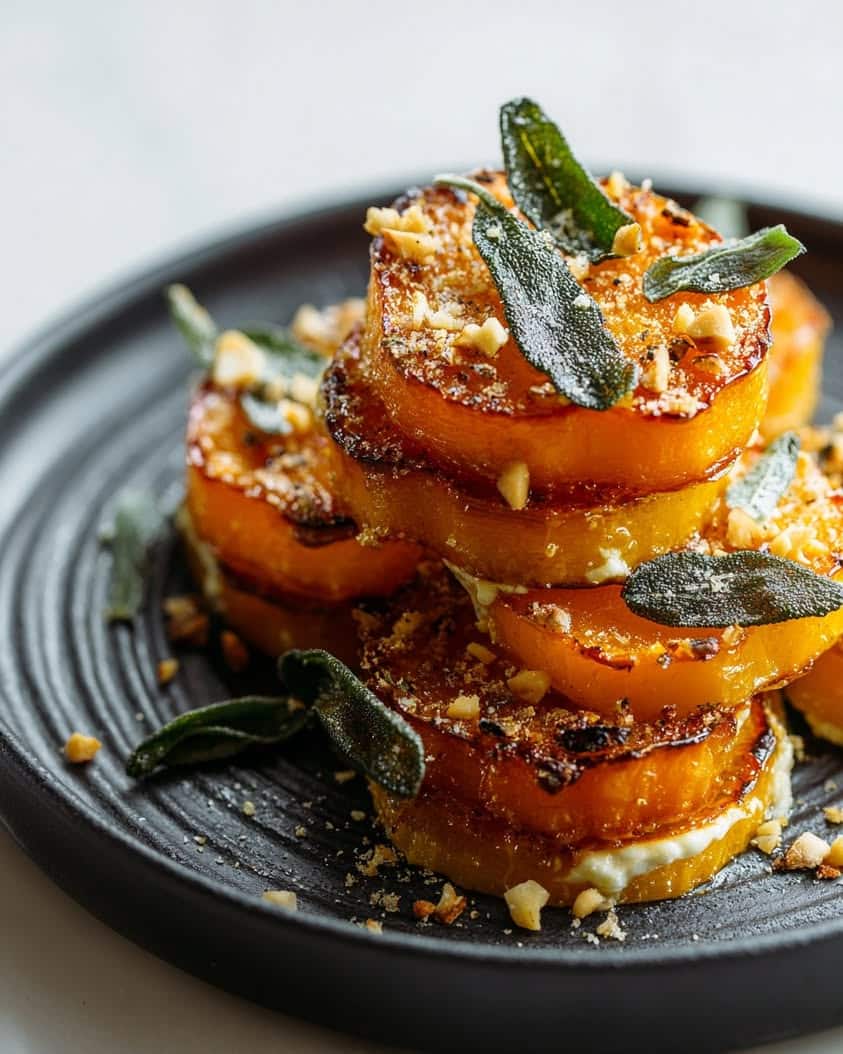
Elegant Squash Stacks: A Cozy Autumn Side Dish
As the air turns crisp and leaves begin their fiery transformation, our kitchens naturally crave warmth and comfort. This elegant squash stacks recipe perfectly captures the essence of autumn in a stunning, layered presentation. Imagine tender, caramelized squash slices mingling with savory herbs and rich, nutty notes, all stacked into a beautiful tower of seasonal goodness. Each bite delivers a symphony of textures and flavors that will make this your new favorite fall side dish.
These elegant squash stacks are not just another vegetable recipe; they are a culinary celebration of the harvest season. The process of roasting the squash deepens its natural sweetness, creating a perfect canvas for the aromatic herbs and crunchy toppings. Furthermore, the beautiful layered presentation makes this dish worthy of any holiday table or special dinner party. Consequently, you will impress your guests with both the visual appeal and the incredible depth of flavor in this cozy autumn side dish.
Creating these elegant squash stacks requires some attention to detail, but the result is absolutely worth the effort. The combination of different squash varieties creates a beautiful color contrast, while the careful seasoning brings out their best qualities. Ultimately, this recipe transforms humble seasonal produce into an extraordinary dining experience that celebrates everything we love about autumn cooking.
Quick Recipe Highlights
- Flavor Profile: These elegant squash stacks offer a beautiful balance of sweet roasted squash, savory herbs, and nutty undertones. The natural caramelization of the squash creates a deep sweetness that contrasts wonderfully with the earthy seasonings.
- Texture: Each bite provides a delightful contrast between tender, melt-in-your-mouth roasted squash and any crunchy elements you choose to add. The layered structure creates an interesting mouthfeel that makes this autumn side dish particularly satisfying.
- Aroma: Your kitchen will fill with the warm, comforting scents of roasting squash and aromatic herbs as these stacks cook. The nutty notes mingle beautifully with the earthy squash fragrance, creating an unmistakable autumn atmosphere.
- Visual Appeal: The stacked presentation makes this dish look restaurant-worthy, with beautiful layers showcasing different colored squash varieties. The golden-brown edges from roasting add visual texture and depth to this stunning autumn side dish.
- Skill Level Needed: This recipe requires basic knife skills for slicing squash evenly and some patience for careful assembly. While not difficult, the presentation aspect makes it best for cooks with some kitchen experience.
- Special Equipment: A mandoline slicer helps achieve uniformly thin squash slices for even cooking and stable stacking. You will also need baking sheets and potentially ring molds for creating perfect stack shapes.
Recipe Overview
- Difficulty Level: These elegant squash stacks fall into the intermediate category due to the precision required in slicing and stacking. The techniques themselves are simple, but achieving consistent, beautiful results demands attention to detail. However, with careful preparation, even novice cooks can create impressive stacks.
- Category: This recipe works perfectly as a substantial side dish for autumn meals and holiday gatherings. Additionally, it can serve as a vegetarian main course when paired with a grain salad or legumes for added protein.
- Cuisine: While squash appears in cuisines worldwide, this preparation draws inspiration from modern American farm-to-table cooking. The emphasis on seasonal produce and elegant presentation reflects contemporary culinary trends that celebrate local ingredients.
- Cost: This autumn side dish proves quite economical, especially during peak squash season when prices are lowest. The main ingredients are affordable, and the recipe transforms them into something special without expensive additions.
- Season: Fall is absolutely the perfect time for these elegant squash stacks when winter squash varieties reach their peak flavor and texture. The cool weather also makes roasted vegetables particularly appealing and comforting.
- Occasion: These stacks elevate everyday dinners while being fancy enough for Thanksgiving, Christmas, or dinner parties. They make an excellent vegetarian centerpiece for holiday meals or a impressive side for special occasions.
Why You’ll Love This Elegant Squash Stacks Recipe
The taste and texture appeal of these elegant squash stacks will immediately win you over. Each layer delivers a perfect balance of sweet, savory, and earthy flavors that deepen through the roasting process. The tender yet substantial texture of the squash makes each bite satisfying, while any crunchy toppings provide delightful contrast. Moreover, the beautiful presentation transforms simple ingredients into a dish that feels special and celebratory. The natural sweetness of the squash caramelizes beautifully in the oven, creating complex flavors that will have everyone asking for seconds.
Convenience and preparation benefits make this autumn side dish a smart choice for busy cooks. You can prepare components in advance, then assemble and warm the stacks just before serving. The roasting process requires minimal hands-on time, allowing you to focus on other meal components. Furthermore, the recipe uses simple techniques that yield impressive results, making you look like a culinary pro without excessive effort. The stacks also hold well, meaning you do not need to serve them immediately from the oven.
Nutritional advantages abound in this wholesome autumn side dish. Winter squash provides excellent amounts of vitamin A, vitamin C, and fiber while being naturally low in calories. The addition of heart-healthy fats from olive oil and potential nut toppings increases the absorption of fat-soluble vitamins. This makes the elegant squash stacks not just delicious but genuinely good for you. The high fiber content promotes digestive health and helps maintain stable energy levels after eating.
Social and entertaining value makes these elegant squash stacks a fantastic choice for gatherings. The beautiful presentation creates an immediate wow factor that will impress your guests. Additionally, the recipe easily scales up for larger groups without complicating the preparation process. The stacks make elegant individual servings that feel special and thoughtfully prepared. Your guests will appreciate the seasonal focus and beautiful execution of this autumn side dish.
Cost-effectiveness and accessibility make this recipe practical for regular rotation. Squash remains one of the most affordable vegetables, especially during autumn months. The other ingredients are pantry staples or easily sourced at any grocery store. Consequently, you can create a restaurant-quality dish without the restaurant price tag. This accessibility means you can enjoy these elegant squash stacks whenever the autumn mood strikes.
Historical Background and Cultural Significance
The origin story of squash cultivation dates back thousands of years to Mesoamerican civilizations. Indigenous peoples throughout North and Central America developed numerous squash varieties, valuing them for their nutritional content and storage capabilities. These elegant squash stacks represent a modern interpretation of this ancient food source, combining traditional ingredients with contemporary presentation techniques. The stacking method itself draws inspiration from layered dishes found in various culinary traditions worldwide.
Cultural importance of squash spans numerous societies and historical periods. Native American tribes developed the “Three Sisters” agricultural method, growing squash alongside corn and beans in a mutually beneficial relationship. European settlers adopted squash into their cooking, though early preparations were often simpler than our elegant squash stacks. Today, squash remains a symbol of harvest abundance and autumn celebration in many cultures, particularly during Thanksgiving in the United States.
Evolution of the recipe reflects changing culinary trends and available tools. While roasted squash has been prepared for centuries, the stacked presentation aligns with modern plating aesthetics. The use of multiple squash varieties showcases contemporary interest in heirloom produce and visual appeal. Additionally, the emphasis on precise slicing and careful assembly demonstrates how kitchen tools like mandoline slicers have influenced recipe development. Our elegant squash stacks represent the current moment in this evolutionary culinary journey.
Regional variations of squash preparation demonstrate how local ingredients and traditions influence this versatile vegetable. Mediterranean cultures often prepare squash with olive oil and herbs, while Asian traditions might incorporate soy and ginger. Southern American cooking frequently features sweeter preparations with brown sugar or maple. Our elegant squash stacks draw from these diverse approaches while maintaining a focus on the natural flavor of the squash itself. This recipe honors multiple culinary traditions while creating something distinctly contemporary.
Ingredient Deep Dive
Butternut squash forms the foundation of these elegant squash stacks. This winter squash variety originated in Central America and has become popular worldwide for its sweet, nutty flavor and smooth texture. Butternut squash provides significant amounts of vitamin A, vitamin C, and potassium while being low in calories. Select squash that feel heavy for their size with matte, uniform skin. Store whole butternut squash in a cool, dark place for up to three months. For a variation, try substituting sweet potato or pumpkin in your autumn side dish.
Acorn squash contributes beautiful presentation and slightly different flavor to the stacks. This distinctive squash features deep ridges and dark green skin with occasional orange patches. The pale orange flesh offers a mildly sweet flavor that becomes richer when roasted. Acorn squash provides excellent fiber, vitamin C, and B vitamins. Choose squash with deep green color and minimal blemishes. Store like butternut squash in a cool, dark location. Delicata squash makes an excellent substitute since its edible skin adds texture.
Olive oil serves multiple purposes in creating perfect elegant squash stacks. This Mediterranean staple helps conduct heat evenly while promoting caramelization and preventing sticking. High-quality extra virgin olive oil contributes fruity, peppery notes that complement the squash’s natural sweetness. Olive oil provides heart-healthy monounsaturated fats and antioxidants. Select extra virgin olive oil stored in dark glass bottles. Store in a cool, dark place to prevent rancidity. For different flavor profiles, try avocado oil or melted coconut oil in your autumn side dish.
Fresh herbs elevate the flavor profile of these elegant squash stacks dramatically. Rosemary and thyme both offer woody, aromatic qualities that stand up well to roasting. These herbs contain antioxidants and have traditional medicinal uses. Select vibrant, fragrant bunches without wilting or discoloration. Store herbs stem-down in water in the refrigerator, covered loosely with plastic. Dried herbs can substitute at one-third the quantity, though fresh provides superior flavor for this autumn side dish.
Common Mistakes to Avoid
- Uneven slicing creates unstable stacks and inconsistent cooking. Use a mandoline slicer for uniform thickness, ensuring each layer cooks at the same rate and stacks neatly.
- Overcrowding the baking sheet prevents proper caramelization. Arrange squash slices in a single layer with space between them to allow moisture evaporation and browning.
- Underseasoning results in bland elegant squash stacks. Season each layer generously since some salt will be lost during the roasting process.
- Skipping the oil coating leads to dry, tough squash. Proper oil coverage ensures tender results and promotes beautiful caramelization.
- Rushing the roasting process prevents proper texture development. Roast until the squash is tender and lightly browned for the best flavor and mouthfeel.
- Assembling stacks with completely cooled squash makes them fall apart. The residual warmth helps the layers adhere together better.
- Using watery squash varieties can make your stacks soggy. Stick to dense winter squashes that hold their shape well when roasted.
- Neglecting to rotate baking sheets causes uneven cooking. Switch rack positions halfway through roasting for consistent results.
- Overloading stacks makes them unstable. Build moderate-height stacks with careful layer placement.
- Serving immediately from the oven can cause burns. Let stacks rest briefly so flavors meld and temperature equalizes.
Essential Techniques
Uniform slicing proves crucial for successful elegant squash stacks. Consistent thickness ensures even cooking and stable construction. Use a sharp chef’s knife or mandoline slicer, aiming for ¼-inch thick slices. Pay attention to safety, especially with mandolines, using the guard provided. The visual cue for proper slicing is being able to see light through the squash slice while maintaining enough substance to hold its shape when roasted.
Proper roasting technique develops the deep flavors in your autumn side dish. Arrange slices in a single layer on parchment-lined baking sheets. Do not overcrowd, as steam will prevent caramelization. Roast at high enough temperature (400°F works well) to caramelize natural sugars without burning. The visual cue for perfect roasting is tender slices with golden-brown edges that hold their shape when lifted.
Strategic stacking creates stable, beautiful elegant squash stacks. Begin with larger, sturdier slices at the base, alternating squash varieties for visual appeal. Lightly press each layer to ensure contact without crushing. Use ring molds or freehand carefully, considering that imperfect stacks have rustic charm. The visual cue for proper stacking is a stable tower that maintains its structure when gently nudged.
Pro Tips for Perfect Elegant Squash Stacks
Partially roast thicker squash varieties before thinner ones to ensure even doneness. Butternut typically needs more time than acorn or delicata squash.
Brush baking sheets with oil instead of just coating squash for extra insurance against sticking. This double protection ensures beautiful intact slices.
Season from height for even distribution. Holding salt and herbs high above the baking sheet helps cover all slices uniformly.
Rotate baking sheets front to back and between racks halfway through roasting. Ovens have hot spots that affect cooking consistency.
Let roasted squash cool just enough to handle before stacking. The slight warmth makes the slices more pliable and adhesive.
Use a small offset spatula for transferring stacks to plates. This tool provides better control than tongs or forks.
Add crunchy elements between layers for textural contrast. Toasted nuts or breadcrumbs provide pleasant surprise in each bite.
Finish with a drizzle of high-quality oil or reduction sauce just before serving. This adds shine and an extra flavor dimension.
Variations and Adaptations
Regional variations can take your elegant squash stacks in exciting new directions. Mediterranean-inspired versions might include feta cheese, olives, and oregano. Asian-fusion stacks could incorporate ginger, soy, and sesame. Latin American variations might feature chili powder, lime, and cotija cheese. Consider the flavor profiles you enjoy from different cuisines when customizing your autumn side dish.
Seasonal adaptations keep this recipe interesting throughout the year. Spring versions could incorporate early greens between squash layers. Summer adaptations might include fresh corn and basil. Winter variations could feature roasted root vegetables alongside the squash. The basic stacking technique remains constant while ingredients change with availability.
Dietary modifications make these elegant squash stacks accessible to various eating preferences. Vegan versions simply omit cheese and use plant-based oils. Gluten-free adaptations require careful attention to any added crumbs or thickeners. Low-carb versions might reduce higher-sugar squash varieties in favor of zucchini. The recipe naturally accommodates numerous dietary needs with simple adjustments.
Flavor variations allow for personal expression within the recipe framework. Sweet interpretations might include maple syrup, cinnamon, and pecans. Savory versions could feature garlic, Parmesan, and pine nuts. Umami-rich adaptations might incorporate mushrooms and soy sauce. Experiment with different herb and spice combinations to create your signature autumn side dish.
Serving and Presentation Guide
Plating techniques significantly impact the visual appeal of elegant squash stacks. Center each stack on warm plates with negative space around them for dramatic effect. Consider color contrast between the plate and squash for maximum visual impact. Use a small offset spatula for careful placement without disturbing your beautiful construction.
Garnishing ideas should complement both flavor and appearance. Fresh herb sprigs provide color and aroma. Toasted nuts add texture and visual interest. Edible flowers make spectacular special occasion garnishes. Citrus zest brightens both appearance and flavor. Remember that garnishes should enhance rather than overwhelm your autumn side dish.
Traditional accompaniments might include roasted meats, particularly turkey or pork. The sweet squash complements savory main courses beautifully. For vegetarian meals, consider protein-rich grains like farro or quinoa. A simple green salad provides refreshing contrast to the rich, roasted flavors of the stacks.
Wine and Beverage Pairing
Wine pairings should complement the sweet and earthy notes of elegant squash stacks. Off-dry Riesling or Gewürztraminer balance the squash’s natural sweetness. Light-bodied reds like Pinot Noir work well with herb-forward preparations. For richer versions with cheese, consider Chardonnay with moderate oak influence.
Non-alcoholic alternatives can be equally sophisticated. Sparkling apple cider mirrors autumn themes beautifully. Herbal teas like rosemary or sage infusions complement the dish’s herbal notes. Ginger-based beverages provide pleasant spice that enhances the squash flavor.
Storage and Shelf Life
Storage methods depend on whether you have components or assembled elegant squash stacks. Roasted squash slices keep separately for 3-4 days refrigerated in airtight containers. Assembled stacks are best enjoyed immediately but can be refrigerated for 1-2 days.
Reheating instructions require care to maintain texture. Warm stacks in a 350°F oven until heated through. Microwave heating can make them soggy. Consider disassembling and reheating slices separately if stacks become unstable.
Make Ahead Strategies
Prep timeline can be spread over two days for convenience. Roast squash slices up to 24 hours in advance. Store between parchment paper in refrigerator. Assemble and warm just before serving.
Storage between steps requires careful attention. Cool roasted squash completely before refrigerating. Layer with parchment to prevent sticking. Bring to room temperature before assembling to improve adhesion.
Scaling Instructions
Halving the recipe works well for smaller households. Use a smaller baking sheet for better heat circulation. Cooking time may decrease slightly with less volume in the oven.
Doubling or tripling requires multiple baking sheets. Rotate sheets more frequently for even cooking. Consider roasting in batches if oven space is limited.
Nutritional Deep Dive
Macro breakdown favors complex carbohydrates with moderate healthy fats. Squash provides excellent slow-digesting carbs for sustained energy. Olive oil contributes monounsaturated fats that support heart health. The dish is naturally low in protein, so pair with protein sources for balanced nutrition.
Micronutrient analysis reveals impressive vitamin and mineral content. The orange flesh indicates high beta-carotene, which converts to vitamin A. Winter squash also provides meaningful amounts of vitamin C, potassium, and B vitamins.
Dietary Adaptations
Gluten-free adaptation requires no changes to the core recipe. Ensure any added crumbs or thickeners come from gluten-free sources like cornmeal or gluten-free breadcrumbs.
Dairy-free versions simply omit cheese elements. Nutritional yeast can provide cheesy flavor without dairy. Vegan butter substitutes work equally well for oil-based preparations.
Troubleshooting Guide
Texture issues often stem from improper roasting. Soggy stacks indicate under-roasting or overcrowded baking sheets. Tough squash suggests insufficient oil or too-high roasting temperature.
Flavor balance problems usually relate to seasoning. Bland stacks need more salt and herbs. Burnt flavors indicate oven temperature that is too high or slices that are too thin.
Recipe Success Stories
Community feedback consistently praises the impressive presentation of elegant squash stacks. Home cooks report successfully serving these at holiday dinners to rave reviews. Many appreciate how the recipe elevates simple ingredients into something special.
Variation successes include creative additions like caramelized onions between layers or different cheese combinations. Readers have adapted the concept to various squash varieties with excellent results.
Frequently Asked Questions
Can I use frozen squash for this recipe? Fresh squash works significantly better than frozen for elegant squash stacks. Frozen squash typically contains too much moisture, preventing proper caramelization and creating soggy results. The texture becomes mushy after thawing, making stable stacking nearly impossible.
How do I prevent my stacks from falling over? Ensure your squash slices are uniformly thick and properly roasted until tender but not mushy. Let them cool slightly so they are still pliable, and build on a stable base. Using a ring mold during assembly helps create secure, straight-sided stacks.
Can I make these stacks ahead of time? You can roast the squash slices up to 24 hours in advance and store them refrigerated between parchment paper. However, assemble and warm the stacks just before serving for the best texture and stability.
What squash varieties work best? Butternut, acorn, and delicata squash all work beautifully in elegant squash stacks. Butternut provides sturdiness, while delicata offers edible skin for added color and texture. Avoid watery varieties like zucchini that release too much moisture.
How do I achieve perfect caramelization? Ensure your squash slices are thoroughly dried after washing, use adequate oil, and do not overcrowd the baking sheet. Roast at 400°F until edges turn golden brown, rotating sheets halfway through cooking.
Can I add protein to make this a main dish? Absolutely. Layer cooked lentils, beans, or ground meat between squash slices. Add cheese or tofu for vegetarian protein options. The stacks become more substantial while maintaining their elegant presentation.
What tools do I need for this recipe? A sharp chef’s knife or mandoline slicer ensures uniform slices. Baking sheets with parchment paper prevent sticking. Ring molds help with assembly but are not mandatory. An offset spatula assists with transferring finished stacks.
How do I adjust cooking time for different squash? Denser squash like butternut may need 5-10 minutes longer than thinner varieties like delicata. Roast different types on separate sheets to remove each as it reaches perfect tenderness.
Can I make this recipe vegan? Easily. Use olive oil instead of butter and omit any cheese elements. Nutritional yeast can provide cheesy flavor, and vegan Parmesan makes an excellent topping.
What herbs work best with squash? Rosemary, thyme, and sage complement squash beautifully. Their woody characteristics stand up to roasting. More delicate herbs like parsley or chives are better added fresh after cooking.
How do I prevent the stacks from drying out? Proper oil coverage before roasting protects against dryness. If making ahead, store roasted squash between parchment paper in an airtight container. A final drizzle of oil before serving adds moisture and shine.
Can I cook these on a grill? Yes, use a grill pan to prevent slices from falling through. Grill marks add beautiful presentation. Monitor closely as cooking time may be shorter than oven roasting.
Additional Resources
Related recipes might include other autumn vegetable preparations that complement these elegant squash stacks. Roasted root vegetable medleys, caramelized pear salads, and wild rice stuffings all share seasonal appeal. Consider dishes that offer contrasting textures and flavors to create a balanced autumn menu.
Technique guides for knife skills and roasting methods can improve your results with this and other recipes. Learning proper slicing techniques ensures safety and consistency. Understanding oven temperature variations helps achieve perfect caramelization. Mastering herb preparation maximizes flavor in all your cooking.
Ingredient information about different squash varieties helps you make informed substitutions. Understanding seasonal availability ensures you get the best flavor and value. Knowledge of proper storage extends the life of your produce. Learning about flavor profiles guides successful recipe adaptations.
PrintElegant Autumn Squash Stacks
Description
Cozy, nutty roasted squash stacks layered with savory ingredients for a comforting autumn meal.
Ingredients
For the Crust:
- 2 medium acorn squash, sliced into rounds
- 2 tbsp olive oil
- 1 tsp smoked paprika
- 1/2 tsp garlic powder
- Salt and black pepper to taste
- 1 cup cooked quinoa
- 1/2 cup toasted pecans, chopped
- 1/4 cup dried cranberries
- 4 oz goat cheese, crumbled
- 2 tbsp maple syrup
- Fresh thyme for garnish
Instructions
1. Prepare the Crust:
- Preheat oven to 400°F (200°C). Toss squash rounds with olive oil, smoked paprika, garlic powder, salt, and pepper.
- Arrange squash in a single layer on a baking sheet. Roast for 20-25 minutes, flipping halfway, until tender and lightly browned.
- In a bowl, mix cooked quinoa, toasted pecans, dried cranberries, and half of the goat cheese.
- On a serving plate, layer roasted squash rounds with quinoa mixture, repeating to form stacks.
- Drizzle stacks with maple syrup, top with remaining goat cheese, and garnish with fresh thyme before serving.
Notes
You can customize the seasonings to taste.

I’m Shaykee—born in Morocco, seasoned across continents. From airplane galleys to home kitchens, I share the flavors and stories that shaped my journey.