
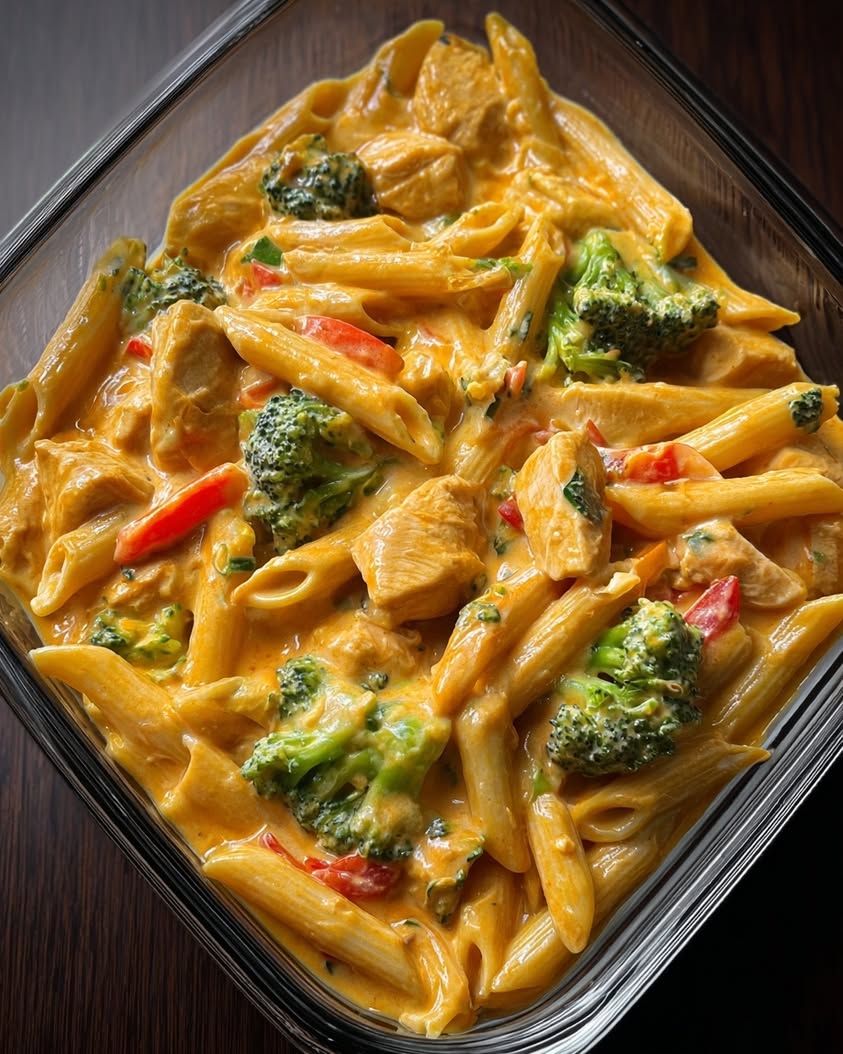
Creamy Chicken Penne Pasta with Broccoli & Peppers: A Quick, Satisfying One-Pan Dinner
This creamy chicken penne pasta recipe delivers a restaurant-quality meal from your own kitchen with minimal effort. Imagine tender penne pasta coated in a luxuriously smooth, savory sauce, packed with juicy chicken pieces, crisp-tender broccoli florets, and sweet, vibrant bell peppers. Furthermore, this dish comes together in one pan, making cleanup an absolute breeze. Consequently, it is the perfect solution for busy weeknights when you crave something comforting and delicious without spending hours in the kitchen.
The magic of this creamy chicken pasta lies in its perfect balance of flavors and textures. Each forkful offers the satisfying chew of al dente penne, the hearty protein from seasoned chicken, and the fresh crunch from colorful vegetables. Meanwhile, the creamy sauce, often a blend of rich broth, dairy, and Parmesan cheese, clings to every component, creating a cohesive and decadent experience. Ultimately, this recipe is designed to be a reliable crowd-pleaser, guaranteed to earn a permanent spot in your family’s regular dinner rotation.
Additionally, this creamy chicken penne pasta is incredibly versatile. You can easily adapt it based on what you have in your refrigerator or to suit different dietary preferences. For instance, the vegetables are interchangeable, and the protein can be swapped. Therefore, it serves as an excellent foundational recipe that encourages culinary creativity. In the end, you will have a complete, balanced meal that feels indulgent yet is straightforward to prepare, proving that a fantastic dinner does not have to be complicated.
Quick Recipe Highlights
- Flavor Profile: This creamy chicken pasta boasts a rich and savory taste from the seared chicken and Parmesan cheese, beautifully complemented by the subtle sweetness of bell peppers and the earthy notes from broccoli. A hint of garlic and herbs adds depth, creating a well-rounded and satisfying flavor experience.
- Texture: The dish offers a delightful contrast in textures. You get the firm, al dente bite of the penne pasta, the tender and juicy pieces of chicken, the slight crunch of broccoli, and the soft sweetness of the peppers, all unified by the smooth, velvety cream sauce.
- Aroma: As it cooks, your kitchen will fill with the irresistible scent of sautéing garlic and onions, followed by the savory aroma of browning chicken and the fresh, vegetal notes of broccoli. The final addition of herbs and Parmesan cheese creates a warm, inviting fragrance that promises a delicious meal.
- Visual Appeal: This pasta is a feast for the eyes with its vibrant color palette. The deep green broccoli and bright red or yellow peppers pop against the creamy, pale sauce and golden-brown chicken, making for a beautiful and appetizing presentation on the plate.
- Skill Level Needed: This is a beginner-friendly recipe that requires basic cooking skills like chopping vegetables, sautéing, and boiling pasta. It is an excellent dish for building confidence in the kitchen, as the steps are sequential and easy to follow.
- Special Equipment: You will need one large skillet or pot with a lid, a pot for boiling pasta, and basic kitchen tools like a cutting board and chef’s knife. A box grater for fresh Parmesan cheese is highly recommended for the best flavor and texture.
Recipe Overview
- Difficulty Level: This creamy chicken penne pasta is rated easy because it involves straightforward techniques like chopping, sautéing, and simmering. There are no complex culinary skills required, and the entire process is forgiving, making it perfect for novice cooks or anyone looking for a stress-free dinner. The one-pan aspect also simplifies the process significantly.
- Category: This dish falls squarely into the main course category, providing a complete and balanced meal with protein, carbohydrates, and vegetables. It is ideal for a family dinner, a casual weeknight meal, or even for meal prepping lunches for the week ahead.
- Cuisine: While pasta is inherently Italian, this particular recipe with its creamy sauce and specific vegetable combination is a classic example of modern Italian-American cuisine. It takes inspiration from Italian traditions but is adapted for the American home kitchen, focusing on accessible ingredients and convenient preparation methods.
- Cost: This is a very cost-effective meal. Ingredients like chicken thighs or breasts, broccoli, and peppers are typically affordable, and pantry staples like pasta, garlic, and broth form the base. Using a single pan also helps save on energy costs compared to using multiple burners.
- Season: This creamy chicken pasta is truly a versatile dish for all seasons. However, it is particularly comforting during the cooler fall and winter months. The hearty and warm nature of the meal provides a sense of coziness that is perfect for chilly evenings.
- Occasion: It is perfectly suited for busy weeknight family dinners, casual weekend meals, or even for serving a small group of friends in an informal setting. It is not overly fancy but is consistently delicious and satisfying, making it a reliable choice for many occasions.
Why You’ll Love This Creamy Chicken Penne Pasta
First and foremost, the taste and texture of this creamy chicken pasta are utterly irresistible. The combination of savory, well-seasoned chicken with the fresh, crisp vegetables and the rich, clinging sauce is a guaranteed winner. Every bite delivers a harmonious blend of flavors that is both comforting and exciting. Moreover, the creamy sauce, often made with a base of broth and cream, coats every single ingredient, ensuring that no part of the dish is bland or dry. This results in a deeply satisfying meal that feels indulgent without being overly heavy.
From a convenience standpoint, this recipe is a lifesaver. The one-pan method is its biggest asset, drastically reducing the number of dishes you have to wash after dinner. Furthermore, the entire cooking process is streamlined and logical, with minimal downtime. You can have a wholesome, home-cooked meal on the table in well under an hour. This makes it an ideal solution for those evenings when time is short but the desire for a real, cooked meal is strong. It effectively bridges the gap between convenience food and homemade quality.
Nutritionally, this creamy chicken penne pasta offers a well-rounded profile. It provides a solid source of lean protein from the chicken, complex carbohydrates from the whole-wheat penne option, and a generous serving of vegetables. Broccoli and bell peppers are packed with essential vitamins, minerals, and fiber. By preparing it at home, you control the quality of ingredients and the amount of salt and fat, making it a healthier alternative to similar restaurant dishes or frozen meals. It is a meal that nourishes your body while delighting your taste buds.
This dish also holds significant social and entertaining value. It is easy to double the recipe to feed a crowd, and its universal appeal means it will please both adults and children alike. Serving a beautiful, steaming bowl of creamy pasta is a gesture of comfort and care that brings people together. It is the kind of meal that encourages conversation and lingering at the dinner table. Whether it is a casual family gathering or a low-key dinner party with friends, this pasta is a reliable centerpiece that fosters a warm and welcoming atmosphere.
Finally, the cost-effectiveness and accessibility of this creamy chicken pasta cannot be overstated. The ingredients are common, affordable, and readily available at any standard grocery store. You do not need to hunt for specialty items or break the bank to create a restaurant-quality dish. This accessibility makes it a sustainable choice for regular meal planning. Additionally, the recipe is highly adaptable, allowing you to use up leftover vegetables or proteins, which helps reduce food waste and saves even more money. It is a smart, economical, and delicious choice for any household.
Historical Background and Cultural Significance
The story of pasta is a long and winding one, with its origins often debated between China, the Middle East, and Italy. However, the marriage of pasta with creamy sauces is a more modern culinary development, particularly within Italian-American cuisine. Traditional Italian cooking often favors tomato-based or oil-and-garlic sauces, with cream-based sauces like Alfredo having specific regional origins. The creation of a creamy chicken pasta dish, loaded with vegetables like broccoli and peppers, is a testament to the innovative and hearty nature of American home cooking, where abundance and convenience became key drivers in recipe development.
Culturally, pasta holds an immense significance as a comfort food across the globe, but especially in the United States. Dishes like this creamy chicken penne pasta represent the fusion of Old World traditions with New World ingredients and lifestyles. They symbolize family, nourishment, and the joy of sharing a meal. In many households, a pasta night is a weekly ritual, a time for connection and relaxation. This particular recipe, with its all-in-one-pan approach, perfectly encapsulates the modern desire for meals that are both timeless in their appeal and adapted to contemporary, fast-paced lives.
The evolution of this recipe is fascinating. It likely grew from the popularity of dishes like Fettuccine Alfredo and Chicken Alfredo, which gained widespread fame in the U.S. throughout the 20th century. Home cooks began experimenting, adding readily available vegetables to create a more complete meal in a single dish. Broccoli and bell peppers were natural choices due to their color, texture, and flavor compatibility with creamy sauces and chicken. The use of penne, a tube-shaped pasta excellent for holding chunky sauces, further refined the dish into the form we know and love today.
Regional variations of creamy pasta are endless. In the American South, you might find a version with a Cajun spice blend. In the Midwest, it could be made with a cream of mushroom soup base for ultimate convenience. Internationally, similar concepts exist, such as pasta primavera, which focuses on spring vegetables, or pasta dishes with rich Gorgonzola cream sauces. This creamy chicken penne pasta is a beautiful example of a recipe that is both specific in its formulation and universally adaptable, allowing it to be reimagined in countless kitchens around the world while maintaining its core identity as a comforting, creamy, and complete pasta meal.
Ingredient Deep Dive
Chicken breast is the primary protein in this creamy chicken pasta, valued for its lean profile and mild flavor that readily absorbs seasonings. From a nutritional standpoint, it is an excellent source of high-quality protein, essential for muscle repair and satiety, as well as B vitamins like niacin and B6. When selecting chicken, look for plump, pinkish flesh with no gray tones or off odors. For storage, keep it refrigerated and use within 1-2 days of purchase, or freeze for longer storage. For a juicier result, you can substitute chicken thighs. Alternatively, for a vegetarian version, substantial mushrooms or chickpeas make excellent replacements.
Penne pasta, with its cylindrical shape and angled ends, is the ideal vehicle for the creamy sauce in this dish. The name “penne” means “quills” or “pens” in Italian, a reference to its shape. This design allows sauce to cling to its exterior and fill its hollow center, ensuring maximum flavor in every bite. Nutritionally, standard penne provides complex carbohydrates for energy, while whole-wheat penne offers additional fiber and nutrients. Always cook pasta in well-salted water until al dente for the best texture. For gluten-free adaptations, numerous rice, corn, or legume-based penne options are available that perform wonderfully.
Broccoli brings a vibrant green color, a satisfying crunch, and a powerhouse of nutrition to this creamy chicken pasta. A member of the cruciferous vegetable family, it is renowned for its high levels of Vitamin C, Vitamin K, fiber, and various antioxidants. When selecting broccoli, choose bunches with tight, dark green florets and firm stalks, avoiding any with yellowing or slimy spots. Store it unwashed in the refrigerator’s crisper drawer. For this recipe, cutting the florets into uniform sizes ensures even cooking. If you need a substitute, cauliflower, asparagus, or green beans would work beautifully while maintaining the dish’s structural integrity.
Bell peppers contribute a sweet, mild flavor and a brilliant pop of color, enhancing both the visual and gustatory appeal of the pasta. They are incredibly rich in Vitamin C, even more so than oranges, and also provide a good amount of Vitamin A and antioxidants. Choose peppers that feel heavy for their size, with smooth, taut skin and no soft spots. Red, yellow, and orange peppers are sweeter than their green counterparts, which have a slightly more bitter flavor. They can be stored in the fridge for up to a week. For a different flavor profile, you could use roasted red peppers from a jar, which would add a smoky sweetness to the dish.
Common Mistakes to Avoid
- Overcooking the Pasta: Boiling the penne until it is mushy is a common error. Always aim for al dente, as it will continue to cook slightly when combined with the hot sauce. Consequently, you will achieve a perfect texture instead of a soft, disappointing one.
- Crowding the Pan When Cooking Chicken: If you add too much chicken to the skillet at once, it will steam instead of sear. Therefore, cook in batches if necessary to ensure each piece develops a beautiful golden-brown crust, which adds immense flavor to the entire dish.
- Using Pre-Shredded Parmesan Cheese: These bags often contain anti-caking agents that can prevent the cheese from melting smoothly into the sauce. For a superior, silky sauce, always grate a block of Parmesan cheese yourself just before using it.
- Overcooking the Broccoli: Adding the broccoli too early can turn it mushy and dull its vibrant green color. Ideally, it should be added at a stage where it cooks just until tender-crisp, retaining its texture and nutritional value.
- Not Seasoning in Layers: Simply adding salt at the end will not suffice. Season the chicken while cooking, salt the pasta water generously, and taste the sauce for seasoning before combining everything. This builds a deep, complex flavor profile throughout the dish.
- Adding Dairy to a Boiling Sauce: If your sauce is at a rolling boil when you add cream or cheese, it can cause the sauce to break or become grainy. Always reduce the heat to a gentle simmer before incorporating dairy products for a smooth result.
- Skipping the Pasta Water: The starchy, salted water left after boiling pasta is liquid gold. Reserve a cup before draining. Adding a splash of this water to your sauce helps it emulsify and cling perfectly to the pasta and other ingredients.
- Using Cold Chicken: Placing cold chicken directly from the fridge into the pan can lower the pan’s temperature and lead to uneven cooking. Let the chicken sit at room temperature for 15-20 minutes before cooking for more consistent results.
Essential Techniques
Mastering the sauté for the chicken and vegetables is crucial for building the foundational flavor of your creamy chicken pasta. This technique involves cooking food quickly in a small amount of hot oil, which caramelizes the natural sugars in the chicken and vegetables, creating a complex, savory base known as the fond on the bottom of the pan. To do this correctly, ensure your pan is properly preheated before adding the oil, and do not overcrowd the ingredients. The visual cue for success is golden-brown spots on the chicken and slightly softened, fragrant vegetables. A common pitfall is moving the food around too much; let it sit to develop that essential color.
Creating a smooth, lump-free creamy sauce is the heart of this dish. The technique often involves making a roux by cooking flour with fat, then gradually whisking in liquid, or simply reducing a combination of broth and cream. The key is gentle heat and constant attention. If using a roux, cook the flour for a minute to remove its raw taste before adding liquid. When adding dairy, do so off the boil to prevent curdling. The sauce should coat the back of a spoon when it is ready. Stirring constantly is non-negotiable to avoid scorching and to achieve a velvety texture. If your sauce seems too thick, you can thin it with a bit of reserved pasta water or more broth.
Cooking pasta to a perfect al dente texture is a fundamental skill. “Al dente” translates to “to the tooth,” meaning the pasta should be tender but still offer a slight resistance when bitten. To achieve this, use a large pot of generously salted water—it should taste like the sea—to season the pasta from within. Add the pasta once the water is at a rolling boil and stir immediately to prevent sticking. Follow the package’s cooking time as a guide, but start tasting a minute or two before the time is up. The pasta will continue to cook when mixed with the hot sauce, so erring on the side of slightly underdone is wise. Properly cooked pasta provides the necessary structure for the dish.
Pro Tips for Perfect Creamy Chicken Penne Pasta
For an incredibly flavorful sauce, deglaze your pan with a splash of white wine after sautéing the chicken and vegetables. Let the wine reduce by half before adding your broth or cream. This step lifts the browned bits from the pan and incorporates that deep flavor directly into your sauce.
To ensure your broccoli stays vibrant green and crisp-tender, consider blanching it separately for just one minute in the boiling pasta water before adding it to the sauce. Then, shock it in ice water to stop the cooking process. This guarantees perfect texture and color in the final dish.
Let your cooked chicken rest for a few minutes on a cutting board before slicing or cubing it. This allows the juices to redistribute throughout the meat, preventing them from running out onto the cutting board and ensuring every piece of chicken in your pasta is moist and juicy.
If you are using a cream-based sauce, temper it by slowly adding a small amount of the hot pasta water or broth to the cream while whisking before adding it to the main pan. This gradually raises the temperature of the cream and helps prevent it from curdling when it hits the heat.
For a richer, more complex flavor without much extra work, use a combination of chicken broth and a small amount of the starchy pasta water to build your sauce. The starch from the water acts as a natural thickener and helps the sauce adhere beautifully to every component of the dish.
Finish the dish with a final drizzle of high-quality extra virgin olive oil and a fresh grating of Parmesan cheese just before serving. This adds a layer of fresh, fruity flavor from the oil and a sharp, salty kick from the cheese that elevates the entire meal.
Variations and Adaptations
Regional variations of this dish are endless and exciting. For an Italian-American twist, incorporate spicy Italian sausage along with or instead of the chicken. A Southern U.S. variation might include a Cajun or blackening spice rub on the chicken and the addition of onions and celery. Meanwhile, a Mediterranean-inspired version could feature sun-dried tomatoes, Kalamata olives, and a sprinkle of oregano and feta cheese. These adaptations show how a simple creamy pasta base can be transformed to reflect different culinary traditions and local ingredient preferences.
Seasonal adaptations allow you to enjoy this creamy chicken pasta all year round with the freshest produce. In the spring, try using asparagus tips and fresh peas. During the summer, zucchini and yellow squash are wonderful additions. For a cozy autumn version, roasted butternut squash or pumpkin can add a sweet, earthy dimension. In the winter, hearty greens like kale or spinach can be stirred in at the last minute. This approach not only maximizes flavor but also keeps the recipe feeling new and exciting with the changing seasons.
Dietary modifications are straightforward and highly effective. For a gluten-free creamy chicken penne pasta, simply use your favorite gluten-free penne. To make it dairy-free, create a creamy sauce using soaked and blended cashews or a store-bought vegan cream alternative, and use nutritional yeast instead of Parmesan. For a lower-carb or keto version, replace the penne with zucchini noodles (zoodles) or shirataki noodles, and ensure any thickeners used are low-carb friendly like xanthan gum. These swaps allow almost anyone to enjoy this comforting dish regardless of dietary restrictions.
Serving and Presentation Guide
Plating this creamy chicken penne pasta beautifully enhances the dining experience. For a rustic, family-style presentation, serve it directly from the skillet at the table, allowing everyone to help themselves. For individual plates, use a pair of tongs to create a neat nest of pasta in the center of a warm, shallow bowl. Twist the tongs as you lift to create height and visual interest. Ensure each portion has a generous amount of chicken, broccoli, and peppers visible on top, showcasing the variety of ingredients within the dish.
Garnishing is the final touch that elevates the dish from homemade to restaurant-quality. A fresh grating of Parmesan cheese is essential. Beyond that, a sprinkle of chopped fresh parsley or basil adds a pop of color and a fresh herbal note. For a bit of texture and flavor contrast, a light scattering of toasted pine nuts or breadcrumbs provides a delightful crunch. A final drizzle of high-quality extra virgin olive oil just before serving adds a glossy sheen and a layer of fruity flavor that complements the richness of the creamy sauce.
Consider your traditional accompaniments carefully. A simple side salad with a sharp, acidic vinaigrette is the perfect partner, as it cuts through the richness of the pasta. Garlic bread or a crusty baguette is also classic for sopping up any extra sauce left on the plate. For a more complete Italian-American meal experience, you could start with a light antipasto platter or a bowl of minestrone soup. These additions turn the pasta into the centerpiece of a more substantial and well-rounded meal.
Wine and Beverage Pairing
Selecting the right wine can elevate your creamy chicken penne pasta from a simple meal to a sophisticated dining experience. A white wine with good acidity is ideal for cutting through the richness of the cream sauce. An Italian Pinot Grigio or a French Chardonnay (unoaked or lightly oaked) are excellent choices. Their crisp, clean flavors complement the dish without overpowering it. If you prefer red wine, opt for a light-bodied, low-tannin red like a Pinot Noir, which will not clash with the dairy. Serve white wines chilled, around 45-50°F, and red wines slightly cool, around 55°F, for optimal taste.
For non-alcoholic alternatives, there are many delightful options. Sparkling water with a squeeze of lemon or lime provides a refreshing palate cleanser. Iced herbal teas, such as peppermint or lemon verbena, offer a complex flavor profile that can stand up to the meal. A tart lemonade or a ginger beer can also work wonderfully, as their sweetness and acidity balance the savory, creamy notes of the pasta. The goal is to choose a beverage that refreshes the palate between bites, preventing the rich sauce from becoming overwhelming.
Storage and Shelf Life
Proper storage is key to enjoying your creamy chicken penne pasta leftovers. Allow the pasta to cool completely to room temperature before storing, but do not leave it out for more than two hours to prevent bacterial growth. Transfer it to an airtight container and refrigerate. Properly stored, it will keep for 3-4 days. The pasta will absorb some of the sauce as it sits, so it may thicken considerably. The texture of the broccoli will also become softer upon reheating, which is normal for cooked vegetables.
Reheating instructions are crucial for restoring the dish’s creamy texture. The best method is to reheat it gently on the stovetop over low heat. Add a small splash of chicken broth, milk, or water to the pan to loosen the sauce as it warms, stirring frequently. If using a microwave, place the pasta in a microwave-safe dish, add a tablespoon or two of liquid, cover loosely, and heat in 30-second intervals, stirring in between, until hot. Avoid boiling the sauce during reheating, as this can cause the dairy to separate and become grainy. Always ensure the pasta is piping hot throughout before serving.
Make Ahead Strategies
You can efficiently break down the preparation of this creamy chicken pasta to make weeknight cooking a breeze. Up to two days in advance, chop all your vegetables—the broccoli, peppers, and garlic—and store them in separate airtight containers in the refrigerator. You can also cube and season the chicken at this time, keeping it in a sealed container on the bottom shelf of the fridge. This “mise en place” approach means that when it is time to cook, you can simply grab your prepped ingredients and start cooking, significantly cutting down on active prep time.
For a more advanced make-ahead strategy, you can fully assemble the dish and refrigerate it for up to 24 hours before baking. After combining the cooked pasta, chicken, vegetables, and sauce, transfer it to a baking dish, cover tightly, and refrigerate. When ready to serve, bake it in a 350°F oven until bubbly and hot throughout, which may take 25-35 minutes. You may need to add a little extra broth or cream before baking if the sauce has been fully absorbed. This method is perfect for potlucks or busy days when you want a hot meal ready with minimal last-minute effort.
Scaling Instructions
Halving this creamy chicken penne pasta recipe is straightforward for smaller households. Simply divide all the ingredient quantities by two. Use a medium-sized skillet instead of a large one to ensure proper evaporation and sauce consistency. The cooking times for the chicken and vegetables may be slightly shorter, so rely on visual cues rather than strict timers. Be mindful when salting; since you are using less volume, you will need less salt overall, but still season in layers and taste as you go. The result will be a perfectly portioned meal for two with minimal leftovers.
Doubling or tripling the recipe for a crowd requires some adjustments. You will need a very large pot or Dutch oven, or you may need to cook the chicken in multiple batches to avoid steaming. When boiling the pasta, use a large stockpot with ample water to prevent the pasta from sticking together. You may need to simmer the sauce for a few extra minutes to reach the desired thickness when working with a larger volume. It is also a good idea to have extra broth or cream on hand to adjust the final consistency. When serving a crowd, consider keeping the pasta and sauce separate until just before serving to prevent the pasta from absorbing all the sauce and becoming too soft.
Nutritional Deep Dive
This creamy chicken penne pasta offers a balanced macronutrient profile. The chicken breast provides a high-quality, lean source of protein, essential for muscle maintenance and promoting satiety. The penne pasta serves as the primary source of complex carbohydrates, supplying sustained energy. The vegetables contribute dietary fiber, which aids digestion and helps regulate blood sugar. The fat content primarily comes from the cooking oil, cream, and Parmesan cheese, providing essential fatty acids and aiding in the absorption of fat-soluble vitamins. By using moderation with high-fat ingredients and opting for whole-wheat pasta, you can optimize this balance for a healthy meal.
From a micronutrient perspective, this dish is a powerhouse. Broccoli is loaded with Vitamin C, Vitamin K, folate, and potassium. Bell peppers are an even more concentrated source of Vitamin C. Together, they provide a significant antioxidant boost. Chicken contributes B vitamins, particularly niacin and B6, which are crucial for energy metabolism. Using whole-wheat pasta would further increase the fiber, magnesium, and zinc content. This combination of micronutrients supports immune function, bone health, and overall metabolic processes, making the dish not just delicious but also genuinely nourishing.
Dietary Adaptations
Creating a gluten-free version of this creamy chicken penne pasta is simple and effective. The only ingredient that typically contains gluten is the pasta itself. Fortunately, there are many excellent gluten-free penne options available made from brown rice, quinoa, corn, or legumes like chickpeas and lentils. Be sure to check that your broth and any other packaged ingredients are certified gluten-free. When cooking gluten-free pasta, follow the package directions carefully, as cooking times can vary, and they often benefit from a quick rinse after draining to remove excess starch. The rest of the recipe remains unchanged, resulting in a dish that is just as satisfying for those with celiac disease or gluten sensitivity.
For a dairy-free adaptation, you can still achieve a luxuriously creamy sauce. Instead of cream and Parmesan, create a sauce using raw cashews. Soak one cup of cashews in hot water for 30 minutes, then drain and blend them with one cup of vegetable or chicken broth until completely smooth and creamy. This cashew cream can be seasoned with nutritional yeast, which provides a cheesy, savory flavor, along with garlic powder, salt, and pepper. Another option is to use a store-bought unsweetened plant-based cream, such as those made from oats or almonds. The result is a rich, creamy sauce that is entirely plant-based and delicious.
Troubleshooting Guide
If your sauce is too thin, there are several ways to rescue it. First, let it simmer uncovered for a few extra minutes to allow some of the liquid to evaporate and naturally thicken. Alternatively, you can create a quick slurry by mixing one tablespoon of cornstarch or flour with two tablespoons of cold water until smooth. Whisk this slurry into the simmering sauce and cook for another minute or two until it thickens. Another excellent thickener is the starchy pasta water you reserved; the starch will help bind the sauce. If your sauce is already completed but too thin, adding a bit more grated Parmesan cheese can also help thicken it while adding flavor.
If your sauce breaks or looks greasy and separated, do not panic. This can happen if the heat was too high when adding dairy or if the sauce was shocked with a cold ingredient. To fix a broken sauce, remove it from the heat immediately. Then, whisk in a tablespoon of cold water or cream vigorously. Sometimes, adding another splash of hot pasta water and whisking energetically can re-emulsify the fats and liquids. If that does not work, you can try blending a small amount of the sauce with a tablespoon of cold liquid and then whisking it back into the main pot. The key is rapid whisking and a temperature change to bring the components back together.
Recipe Success Stories
Community feedback on this creamy chicken penne pasta recipe has been overwhelmingly positive, with many home cooks sharing their successes and minor tweaks. One reader reported that adding a teaspoon of Dijon mustard to the sauce gave it a wonderful depth and slight tang that her family adored. Another found that using a rotisserie chicken shredded the whole process, making it a true 20-minute meal. Several parents have commented that it is one of the few dishes where their children willingly eat their broccoli, as it is enveloped in the delicious, creamy sauce. These stories highlight the recipe’s adaptability and its role as a reliable family favorite.
Photography tips from successful makers often emphasize the importance of natural light and styling. A common suggestion is to use a white or light-colored bowl to make the vibrant colors of the broccoli and peppers pop. Twirling the pasta with a fork and tongs to create height on the plate makes the dish look more dynamic and appetizing. Sprinkling the fresh green parsley and white Parmesan cheese on top just before taking the photo adds texture and contrast. Many have found that capturing a close-up shot, showing the creamy sauce clinging to a piece of penne and a floret of broccoli, effectively communicates the delicious texture of the meal.
Frequently Asked Questions
Can I use frozen broccoli in this recipe? Yes, you can use frozen broccoli. There is no need to thaw it completely; add it directly from the freezer to the pan. You may need to add a minute or two to the cooking time to ensure it is heated through and tender. Be aware that frozen broccoli can release more water into the sauce, so you might need to simmer the sauce a bit longer to achieve the desired consistency.
What can I use instead of heavy cream for a lighter sauce? For a lighter sauce, you have several options. Half-and-half will work, though the sauce will be slightly less rich. For a much lighter version, you can use whole milk, but you will need to thicken it with a bit more flour or cornstarch. Another popular alternative is to use evaporated milk, which provides a creamy texture with less fat than heavy cream. Greek yogurt stirred in at the very end, off the heat, can also add creaminess and tang.
How can I prevent the pasta from becoming mushy? The key is to cook the pasta to al dente and to combine it with the sauce just before serving. If you are making the dish ahead of time, consider storing the pasta and sauce separately and combining them when reheating. Also, avoid overcooking the pasta in the first place, and rinse it only if you are making a cold pasta salad; for hot dishes, rinsing removes the starch that helps the sauce adhere.
Can I make this dish spicy? Absolutely! To add heat, you can include a pinch of red pepper flakes when sautéing the garlic, which will infuse the oil with spice. Alternatively, you could use a spicy Italian sausage instead of chicken, or add diced jalapeños or a dash of your favorite hot sauce to the creamy sauce at the end of cooking. Adjust the amount based on your preferred spice level.
Is it possible to make this recipe in a slow cooker? While not ideal for the texture of the broccoli, you can adapt it. Brown the chicken first for best flavor, then add it to the slow cooker with the vegetables (use larger broccoli florets), broth, and seasonings. Cook on low for 4-6 hours. Stir in the cream and cooked pasta during the last 30 minutes of cooking to prevent them from breaking down.
My sauce is too thick. How can I thin it? The easiest way to thin a too-thick sauce is to gradually whisk in a little more chicken broth, milk, or cream until you reach your desired consistency. The reserved starchy pasta water is also a fantastic option, as it will thin the sauce without diluting the flavor and will help the sauce cling to the pasta perfectly.
Can I use a different type of pasta? Yes, you can use any short pasta that holds sauce well. Excellent alternatives to penne include rigatoni, fusilli, farfalle (bow-tie pasta), or shells. Long pasta like fettuccine or spaghetti can be used, but the eating experience will be different, as the chicken and vegetables will not integrate with the pasta as seamlessly.

I’m Shaykee—born in Morocco, seasoned across continents. From airplane galleys to home kitchens, I share the flavors and stories that shaped my journey.