
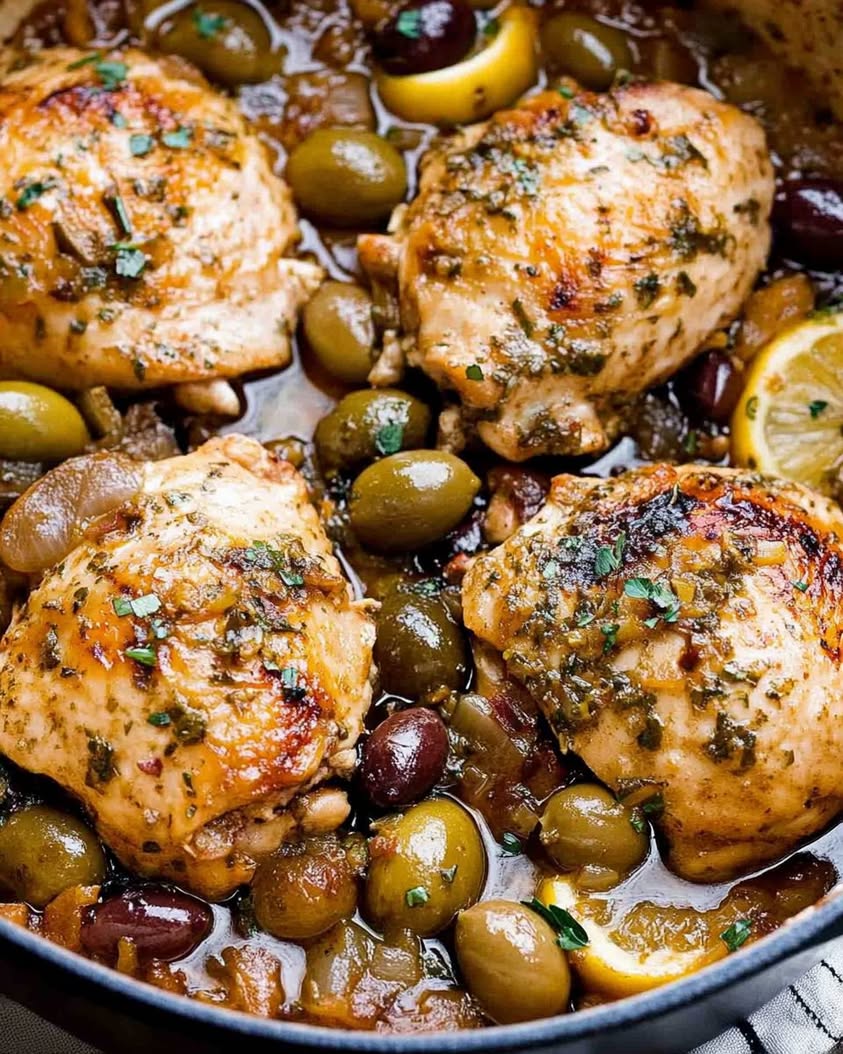
Mediterranean Chicken with Lemons and Olives: A Vibrant One-Pan Wonder
Imagine a dish that fills your kitchen with the sunny, aromatic scents of the Mediterranean coast. This Mediterranean Chicken with Lemons and Olives does exactly that, transforming simple ingredients into an extraordinary dinner. Furthermore, it brings together the bright acidity of fresh lemons and the rich, briny depth of Kalamata olives. Consequently, every bite offers a perfect balance of flavors that feels both rustic and refined.
This recipe represents the heart of healthy dinner inspiration, drawing directly from the principles of the well-loved Mediterranean diet. It relies on lean protein, heart-healthy fats, and vibrant produce. As a result, you get a meal that is as nourishing as it is delicious. Moreover, the one-pan cooking method means cleanup is incredibly simple, making this a practical choice for any night of the week.
The beauty of this Mediterranean Chicken lies in its versatility. You can serve it over fluffy couscous, with crusty bread to soak up the glorious juices, or alongside a simple green salad. Ultimately, it is a reliable, flavor-packed dinner that promises to become a regular in your meal rotation. It proves that eating well does not require complicated techniques or hard-to-find ingredients.
Quick Recipe Highlights
- Flavor Profile: This Mediterranean Chicken delivers a vibrant symphony of tastes. You experience the bright, sunny punch of lemon first, followed by the savory, briny notes from the olives. Finally, earthy herbs like oregano and thyme tie everything together beautifully.
- Texture: The chicken itself becomes incredibly tender and juicy from its braise in the sauce. Meanwhile, the olives provide a pleasant, meaty bite, and the softened lemon slices offer a subtle, yielding texture that melts in your mouth.
- Aroma: As this dish cooks, your kitchen will fill with an irresistible fragrance. The primary scents are the zesty, clean aroma of simmering lemon and the robust, earthy smell of Mediterranean herbs. Additionally, the savory scent of roasting chicken creates a truly mouthwatering experience.
- Visual Appeal: The presentation is stunning, with golden-brown chicken nestled among vibrant yellow lemon slices and deep purple olives. The whole dish is visually inviting, promising a restaurant-quality meal right from your own oven.
- Skill Level Needed: This is one of those fantastic easy recipes perfect for cooks of all levels. You only need basic searing and baking skills. Therefore, even a beginner can achieve impressive results with minimal effort.
- Special Equipment: The only essential tool is a large, oven-safe skillet. This allows you to sear the chicken on the stovetop and then transfer it directly to the oven to finish cooking, making the process seamless.
Recipe Overview
- Difficulty Level: We classify this Mediterranean Chicken as an easy recipe. The steps are straightforward, involving simple searing and baking. There is no complex knife work or advanced techniques required. Consequently, it is an excellent choice for a weeknight dinner or for anyone new to cooking.
- Category: This dish fits perfectly into the main course category for a healthy dinner. It is a complete, protein-focused meal that is satisfying and balanced. You can also consider it a stellar option for meal prep, as the flavors improve over time.
- Cuisine: The recipe is firmly rooted in Mediterranean cuisine, drawing inspiration from Greek and Southern Italian cooking traditions. It emphasizes fresh, simple ingredients like lemon, olive, and oregano, which are hallmarks of the region’s culinary identity.
- Cost: This is a very cost-effective meal to prepare. Chicken thighs are typically an affordable cut of meat, and the other ingredients like lemons, olives, and onions are pantry staples. Overall, you can create a restaurant-quality dish for a fraction of the price.
- Season: While wonderful year-round, this dish truly shines in the spring and summer. The bright, citrusy flavors feel light and refreshing during warmer months. However, it also provides a sunny escape during the colder winter days.
- Occasion: This Mediterranean Chicken is incredibly versatile for different occasions. It is casual enough for a simple family dinner yet elegant enough for entertaining guests. It is a true all-purpose, flavor-packed dinner solution.
Why You’ll Love This Mediterranean Chicken
First and foremost, the taste and texture of this Mediterranean Chicken are simply unforgettable. The chicken becomes fall-apart tender, having absorbed all the glorious juices from the lemons and olives. Each mouthful offers a burst of bright, zesty flavor from the lemon, which is perfectly balanced by the deep, savory saltiness of the olives. Furthermore, the herbs add an earthy backbone that makes the entire dish feel grounded and complex. It is a sensory experience that transports you straight to a seaside villa with every single bite.
From a practical standpoint, the convenience of this recipe is a major win. As a one-pan meal, it drastically reduces your cleanup time, which is a gift on any busy evening. The preparation is also remarkably simple, involving minimal chopping and straightforward steps. Moreover, the hands-off oven time allows you to prepare side dishes, set the table, or simply relax. This makes it one of the most reliable easy recipes for a stress-free, flavor-packed dinner that does not sacrifice quality for simplicity.
Nutritionally, this dish is a powerhouse aligned with the principles of the Mediterranean diet. It is rich in lean protein from the chicken, which helps with muscle maintenance and keeps you feeling full. The olives and olive oil provide a dose of heart-healthy monounsaturated fats. Additionally, the lemons contribute vitamin C and antioxidants. Consequently, you are enjoying a meal that supports your well-being without ever feeling like you are on a restrictive diet. It is healthy eating at its most delicious and satisfying.
This Mediterranean Chicken also boasts incredible social and entertaining value. Its beautiful, colorful presentation makes it look like you spent hours in the kitchen, impressing family and friends alike. The recipe is easy to scale up for a crowd, and the one-pan nature means you are not stuck with a mountain of pots and pans after your guests leave. It fosters a warm, communal dining experience, encouraging people to gather around the table and share a truly memorable, flavor-packed dinner together.
Finally, the cost-effectiveness and accessibility of the ingredients make this a go-to recipe. Chicken thighs are an affordable protein choice, and lemons, onions, and olives are typically low-cost staples. You do not need any expensive or hard-to-find items to create this spectacular meal. Therefore, it is an accessible way to enjoy gourmet flavors on a budget, proving that you do not need to spend a lot to eat well. This Mediterranean Chicken is the epitome of a smart, delicious, and healthy dinner.
Historical Background and Cultural Significance
The origins of dishes combining chicken, lemon, and olive oil are deeply woven into the culinary fabric of the Mediterranean basin. Specifically, this style of cooking is most famously associated with Greece and the coastal regions of Italy. Historically, these were “peasant” dishes, created to make the most of readily available, preserved ingredients like olives and dried herbs. The addition of fresh lemon provided a crucial burst of flavor and vitamin C. Consequently, this Mediterranean Chicken is a direct descendant of rustic, family-style meals prepared for generations.
Culturally, this recipe embodies the core philosophy of the Mediterranean diet, which is recognized by UNESCO as an intangible cultural heritage of humanity. This diet is not just about food; it is about a lifestyle centered on fresh, seasonal produce, communal meals, and a deep appreciation for simple, high-quality ingredients. This dish, therefore, represents a way of eating that promotes health, community, and sustainability. It is a tangible expression of a culture that values the pleasure of the table.
The evolution of this recipe has been a gradual refinement over centuries. While the core trio of chicken, lemon, and olive remains constant, the specific herbs and cooking techniques have shifted with trade and migration. For instance, the introduction of New World ingredients like tomatoes sometimes finds its way into modern variations. However, the classic, minimalist version endures because of its timeless appeal and straightforward perfection. It is a testament to the idea that the best recipes are often the simplest ones.
Regional variations of this Mediterranean Chicken are fascinating to explore. In Greece, you might find it referred to as “Kotopoulo Lemonato,” often including oregano and sometimes a splash of white wine. In Italy, a similar “Pollo al Limone” might feature rosemary more prominently. Across North Africa, preserved lemons and green olives could be used, introducing a different aromatic profile. Each region adds its own signature, yet the soul of the dish—a celebration of bright, sunny, and healthy flavors—remains beautifully consistent.
Ingredient Deep Dive
Chicken thighs are the ideal choice for this Mediterranean Chicken recipe. Culturally, dark meat chicken is prized in Mediterranean cooking for its richer flavor and ability to stay moist during longer cooking times. Nutritionally, thighs provide a good source of protein, iron, and zinc. When selecting them, look for pieces with a pink hue and firm texture. For storage, keep them refrigerated and use within two days of purchase, or freeze for longer storage. If you must substitute, chicken breasts can be used, but they require careful monitoring to avoid dryness.
Lemons are the vibrant heart of this flavor-packed dinner. Historically, lemons have been cultivated in the Mediterranean for over a thousand years, valued for their ability to preserve food and prevent scurvy. They are a fantastic source of vitamin C and antioxidants. Always choose lemons that are heavy for their size with bright, firm skin, as these are the juiciest. They can be stored at room temperature for a week or in the fridge for longer. In a pinch, a combination of white wine vinegar and a pinch of sugar can mimic the acidity, but the fresh flavor is irreplaceable.
Kalamata olives bring the essential briny, savory depth to this healthy dinner. These olives have a protected designation of origin in Greece, and their distinct almond shape and dark purple color are iconic. They are rich in healthy monounsaturated fats and vitamin E. Select olives sold in brine from the deli counter for the best flavor and texture. Store them in their brine in the refrigerator. If you cannot find Kalamatas, other brine-cured black olives like Gaeta can work, but avoid canned black olives as they lack the necessary depth.
Extra virgin olive oil is the foundational fat that defines Mediterranean cuisine. It has been a staple in the region for millennia, symbolizing peace, wealth, and health. It is loaded with antioxidants and anti-inflammatory compounds. For the best flavor, choose a cold-pressed, extra virgin olive oil from a reputable source. Store it in a cool, dark place to prevent rancidity. While you can use a regular olive oil for searing, the extra virgin variety adds a fruity, peppery note that elevates the entire dish.
Common Mistakes to Avoid
- Not patting the chicken dry. If you skip this step, the chicken will steam instead of sear. Consequently, you miss out on the deep, flavorful fond in the pan that forms the base of your sauce. Always use paper towels to thoroughly dry the chicken skin before seasoning.
- Crowding the pan when searing. Overloading the skillet causes the temperature to drop dramatically. This results in the chicken releasing its juices and boiling rather than browning. For a perfect golden sear, cook the chicken in batches to ensure each piece has enough space.
- Using bottled lemon juice. Freshly squeezed lemon juice is non-negotiable for this Mediterranean Chicken. Bottled juice often has a metallic, stale flavor that will compromise the bright, fresh taste of your flavor-packed dinner. Always take the extra minute to juice a fresh lemon.
- Skipping the deglazing step. After searing the chicken, those browned bits at the bottom of the pan are pure flavor. If you do not scrape them up with a little liquid like wine or broth, you are leaving the best part behind. This step is crucial for building a complex sauce.
- Overcooking the chicken. While chicken must be cooked to a safe temperature, overdoing it leads to dry, tough meat. Use a meat thermometer to ensure the chicken reaches 165°F internally. Remember, it will continue to cook slightly after being removed from the oven.
- Adding the olives too early. If you put the olives in at the beginning of the baking process, they can become overly soft and mushy. For the best texture, stir them in during the last 10-15 minutes of cooking so they just heat through.
- Using the wrong type of olives. Canned, black, water-packed olives lack the flavor and texture needed for this dish. They will make your sauce taste bland. Instead, insist on brine-cured olives like Kalamata for an authentic and robust flavor.
- Not seasoning in layers. Seasoning only at the end results in a superficial taste. For a truly flavorful healthy dinner, season the chicken generously with salt and pepper before searing, and then taste and adjust the seasoning of the sauce before serving.
Essential Techniques
Proper searing is the first critical technique for achieving a perfect Mediterranean Chicken. This process, known as the Maillard reaction, creates hundreds of new flavor compounds on the surface of the chicken, resulting in a deep, savory crust. To master it, ensure your skillet is very hot before adding the oil, and then place the dried chicken skin-side down. Do not move the pieces for several minutes, allowing a solid crust to form. The common pitfall is impatience, which leads to sticking and pale chicken. Success is visually confirmed by a golden-brown, crispy skin that releases easily from the pan.
Deglazing the pan is the next essential step for building a sauce for your flavor-packed dinner. After searing the chicken, browned bits of protein and fat stick to the bottom of the pan; this is called fond. Deglazing involves adding a liquid like wine or broth to the hot pan and using a wooden spoon to scrape these bits up. This technique is important because it dissolves all those concentrated flavors back into your sauce, adding incredible depth. The key is to do this while the pan is still hot. You will know you have succeeded when the liquid turns a rich, brown color and all the stuck-on bits have been incorporated.
Braising is the final cooking method that makes this Mediterranean Chicken so tender. This hybrid technique involves an initial sear followed by cooking in a covered pot with a small amount of liquid. The gentle, moist heat breaks down the tough connective tissues in the chicken thighs without drying them out. To master it, ensure there is just enough liquid to create steam, but not so much that the chicken is submerged. A common mistake is using too much liquid, which boils the chicken instead of braising it. The visual cue for success is chicken that is fall-off-the-bone tender and a sauce that has slightly thickened.
Pro Tips for Perfect Mediterranean Chicken
Bring your chicken to room temperature for about 20 minutes before cooking. This simple step helps the meat cook more evenly throughout, preventing a scenario where the outside is overcooked while the inside is still cold. It is a small effort that makes a significant difference in achieving a perfectly juicy result.
Use a mix of fresh and dried herbs for a more complex flavor profile. While dried oregano provides a robust, earthy base, adding a handful of fresh thyme or parsley at the end of cooking introduces a bright, aromatic lift. This layering of herbs elevates the dish from simple to spectacular.
Do not discard the spent lemon halves after juicing. Instead, toss them into the pan with the chicken before it goes into the oven. As they roast, they will caramelize and release their citrus oils, adding another dimension of bitter-sweet flavor to your healthy dinner.
Let the cooked Mediterranean Chicken rest for 5-10 minutes before serving. This allows the muscle fibers in the meat to relax and reabsorb their juices. If you cut into it immediately, those precious juices will run out onto the plate, resulting in a drier texture.
For a richer, thicker sauce, remove the cooked chicken from the skillet and place the pan back on the stovetop. Let the cooking liquid simmer for a few minutes until it reduces and thickens to your desired consistency. Then, pour this intensified sauce over the chicken to serve.
If you have time, marinate the chicken for up to two hours in the lemon juice, olive oil, and herbs. This not only infuses more flavor deep into the meat but also helps to tenderize it slightly. However, even a short marinade is beneficial for this flavor-packed dinner.
Variations and Adaptations
Regional variations of this classic are endless. For a Greek twist, add a teaspoon of dried oregano and a cinnamon stick to the sauce. Alternatively, for a Provençal version, use herbes de Provence and add a handful of cherry tomatoes. A Moroccan adaptation might include a pinch of saffron, preserved lemons, and green olives instead of Kalamatas. Each variation honors the core principles of the Mediterranean diet while showcasing local flavors.
Seasonal adaptations keep this recipe exciting all year round. In the spring, add artichoke hearts and fresh peas. During summer, toss in sliced zucchini and yellow squash with the onions. For a cozy autumn version, use sweet potatoes and carrots. In winter, hearty greens like kale or chard can be wilted into the sauce at the end. These additions make your healthy dinner a celebration of the season’s best produce.
Dietary modifications are straightforward. For a gluten-free meal, ensure your broth is certified gluten-free and serve with quinoa or rice. To make it dairy-free, simply omit any optional butter for finishing the sauce; it is naturally dairy-free. For a lower-carb or keto version, serve the chicken with its sauce over cauliflower rice or alongside a large salad. This Mediterranean Chicken is incredibly adaptable to various nutritional needs.
Flavor variations can customize the dish to your palate. If you love spice, add a teaspoon of red pepper flakes with the garlic. For a sweeter note, include a handful of golden raisins or apricots. To enhance the umami flavor, stir in a tablespoon of capers along with the olives. You can also swap the white wine for a dry vermouth for a more herbal complexity in your flavor-packed dinner.
Serving and Presentation Guide
Plating techniques can elevate this humble dish to a restaurant-quality presentation. Instead of piling everything in the center, arrange the chicken thighs leaning against each other for height. Then, spoon the olives, lemons, and onions artistically around the chicken. Finally, drizzle the pan sauce over everything, allowing it to pool enticingly on the plate. This method creates a visually dynamic plate that is much more appealing than a simple mound of food.
Garnishing is the final touch that adds freshness and color. A generous sprinkle of freshly chopped flat-leaf parsley or fresh oregano leaves provides a vibrant green contrast to the golden chicken and purple olives. For a bit of zest, add a few thin slices of raw lemon. A final drizzle of high-quality extra virgin olive oil just before serving adds a lovely sheen and reinforces the Mediterranean flavors of your healthy dinner.
Traditional accompaniments are simple and meant to soak up the delicious sauce. Fluffy couscous, orzo pasta, or crusty, grilled bread are classic choices. A simple Greek salad of tomatoes, cucumbers, red onion, and feta cheese provides a cool, crisp counterpoint. For a lighter option, steamed or roasted green beans or asparagus work beautifully. These sides complete the meal without overshadowing the star of the show.
Wine and Beverage Pairing
Wine pairings for this Mediterranean Chicken should complement its bright acidity and savory notes. A crisp, dry white wine like a Greek Assyrtiko or a Sauvignon Blanc is an excellent choice. Their citrusy profiles mirror the lemon in the dish, while their acidity cuts through the richness of the olives and chicken. Alternatively, a light-bodied, fruity red like a Gamay or a Grenache can also work well if you prefer red wine, as they will not overpower the delicate flavors of this flavor-packed dinner.
Non-alcoholic alternatives can be just as sophisticated. A sparkling lemonade, perhaps infused with fresh rosemary or thyme, echoes the herbal and citrus notes in the food. Iced mint tea is another refreshing option that cleanses the palate between bites. For a more unique pairing, try a tart pomegranate juice spritzer with a squeeze of lime. These beverages provide a complex and satisfying experience without any alcohol.
Temperature considerations are crucial for any beverage served with this meal. White wines and non-alcoholic spritzers should be well-chilled, but not ice-cold, to allow their aromas to blossom. Iced tea should be refreshingly cold. Ultimately, the goal is to have a drink that refreshes your palate, enhancing each bite of the zesty and savory chicken. A warm beverage would clash with the dish’s bright, sunny character, so stick to cool or cold options for your healthy dinner.
Storage and Shelf Life
Proper storage methods are key to enjoying your Mediterranean Chicken leftovers. First, allow the dish to cool completely to room temperature, but do not leave it out for more than two hours. Then, transfer the chicken and sauce into an airtight container. Glass containers are ideal as they do not absorb odors. You can store the components together; the olives and lemons will continue to infuse the chicken with flavor. This makes your meal prep for a future healthy dinner both easy and effective.
The shelf life of this dish is typically 3 to 4 days when stored in the refrigerator at or below 40°F. The high acidity from the lemons actually helps preserve the food slightly. Signs of spoilage include a sour or off smell, a slimy texture on the chicken, or any signs of mold. If you see any of these, discard the entire dish immediately. Always use your best judgment and when in doubt, throw it out.
Reheating instructions are simple but important for maintaining quality. Gently reheat the chicken and sauce in a covered skillet over low heat on the stovetop, adding a splash of water or broth if the sauce has thickened too much. You can also use a microwave, but heat it in 30-second intervals to avoid overcooking the chicken. The goal is to warm it through without further cooking the meat, which would make it tough. Proper reheating ensures your flavor-packed dinner is just as enjoyable the second time.
Make Ahead Strategies
A strategic prep timeline can make assembling this Mediterranean Chicken incredibly fast. The day before, you can chop your onion and measure out your herbs and olives, storing them separately in the fridge. You can also juice your lemons. However, do not season or sear the chicken ahead of time, as this can draw out moisture and prevent proper browning. This advance preparation means that when dinner time arrives, you are only minutes away from having a meal in the oven.
Understanding the quality impact of each make-ahead step is crucial. Pre-chopping aromatics like onion and garlic has virtually no negative effect. Conversely, pre-searing the chicken can lead to a loss of the crispy texture you worked hard to achieve. The best approach is to do all the “mise en place”—the preparation of ingredients—ahead of time. Then, the actual cooking process remains a quick, 15-minute activity before the dish goes into the oven for a hands-off bake.
Assembly tips for a make-ahead meal are straightforward. When you are ready to cook, simply pull your pre-prepped ingredients from the refrigerator. Follow the recipe as written, searing the chicken and building the sauce. The only difference is that you have eliminated the chopping and measuring time. This method is perfect for busy weeknights or when you have guests, as it allows you to spend less time in the kitchen and more time enjoying your company with a fantastic flavor-packed dinner.
Scaling Instructions
Halving the recipe is simple for a smaller household. Use a medium oven-safe skillet instead of a large one. Precisely halve all the ingredients: 2 chicken thighs, 1/2 an onion, 1/2 a lemon (juiced and sliced), etc. The cook time may be slightly reduced, so start checking for doneness around the 30-minute mark. The key is to maintain the same ratio of ingredients to ensure the balanced flavor of your healthy dinner remains intact, even in a smaller portion.
Doubling or tripling the recipe for a crowd requires some adjustments. You will need a very large, high-sided skillet or a Dutch oven to accommodate all the chicken without overcrowding during the searing phase. You may need to sear the chicken in three or four batches to get a proper brown crust. The oven time might increase by 5-10 minutes due to the larger volume of food. Always rely on a meat thermometer to confirm doneness rather than just the timer when scaling up this flavor-packed dinner.
Equipment adjustments are necessary when scaling. For a double batch, your standard 10-inch skillet will not be sufficient. A 12-inch or even a 14-inch skillet is a better choice, or you can use a roasting pan. If you double the recipe but do not have a pan large enough, you can divide everything between two standard skillets and place them on different oven racks, rotating them halfway through cooking. The goal is to ensure the chicken has enough space to cook evenly and for the sauce to reduce properly.
Nutritional Deep Dive
The macronutrient breakdown of this Mediterranean Chicken is well-balanced and supportive of a healthy lifestyle. A single serving provides a substantial amount of high-quality protein from the chicken thighs, essential for muscle repair and satiety. The fats come primarily from the olive oil and olives, which are monounsaturated and known for their heart-health benefits. Carbohydrates are minimal and come from the onion and lemon, making this a relatively low-carb meal. This macro profile aligns perfectly with the principles of the Mediterranean diet, promoting sustained energy and overall wellness.
A micronutrient analysis reveals a wealth of vitamins and minerals. The lemons are packed with vitamin C, a powerful antioxidant that supports immune function and skin health. The olives and olive oil provide vitamin E, another important antioxidant. The chicken offers B vitamins, particularly niacin and B6, which are crucial for energy metabolism. Onions contribute quercetin, a flavonoid with anti-inflammatory properties. Together, these components make this dish a nutrient-dense choice for a healthy dinner.
The health benefits of regularly consuming meals like this are significant. The combination of lean protein and healthy fats helps regulate blood sugar levels and keeps you feeling full for longer, which can aid in weight management. The anti-inflammatory properties of the olive oil, herbs, and lemons can contribute to reduced risk of chronic diseases. Furthermore, this style of eating is linked to improved heart health and cognitive function. It is a delicious way to invest in your long-term well-being with every flavorful bite of this Mediterranean Chicken.
Dietary Adaptations
For a gluten-free adaptation, this Mediterranean Chicken is naturally compliant. The primary concern is ensuring that any broth used is certified gluten-free, as some brands may contain additives with gluten. Serve the dish with gluten-free sides like rice, quinoa, or roasted potatoes. There are no other inherent sources of gluten in the core recipe, making it an safe and excellent choice for those with celiac disease or gluten sensitivity seeking a flavorful, healthy dinner.
A vegan adaptation of this flavor-packed dinner is entirely possible with a few creative swaps. Replace the chicken thighs with large, meaty king oyster mushrooms or chickpeas. Use vegetable broth instead of chicken broth. The cooking process remains similar: sear the mushrooms to develop a meaty texture, then proceed with the recipe for building the sauce. The olives, lemons, and herbs will provide the same vibrant Mediterranean flavors, creating a satisfying plant-based main course that honors the spirit of the original dish.
For a low-carb or keto adaptation, this recipe is already an excellent foundation. Simply be mindful of the onion, as it contains carbohydrates. You can reduce the amount of onion or omit it entirely if you are on a very strict keto diet. Serve the chicken with its sauce over cauliflower rice or alongside a side of sautéed leafy greens like spinach or kale. The high fat content from the olive oil and the protein from the chicken make it a perfectly suitable and delicious meal for a low-carb lifestyle.
Troubleshooting Guide
If your sauce is too watery, the solution is simple. Remove the cooked chicken from the skillet and place the pan on the stovetop over medium-high heat. Let the liquid simmer vigorously for 5-10 minutes until it reduces and thickens to your liking. You can also create a quick slurry by mixing a teaspoon of cornstarch with a tablespoon of cold water and stirring it into the simmering sauce. This will thicken it almost instantly, rescuing your flavor-packed dinner and ensuring a perfect consistency.
If the chicken is browning too quickly in the oven, your oven temperature may be running hot. Quickly tent the skillet loosely with aluminum foil. This will act as a shield, slowing down the browning process while allowing the heat to penetrate and continue cooking the chicken through. For future reference, it is a good idea to use an oven thermometer to verify your oven’s accuracy. This simple step can prevent many common cooking issues with recipes like this Mediterranean Chicken.
If your dish tastes bland, the issue is likely underseasoning. The solution is to adjust the seasoning at the end of cooking. Add more salt and black pepper in small increments, tasting as you go. A splash of fresh lemon juice can also brighten the flavors significantly. Sometimes, the problem is a lack of acidity; if so, a teaspoon of red wine vinegar can help balance the sauce. Remember, seasoning is a process, not a single step, especially for a complex healthy dinner like this one.
Recipe Success Stories
Community feedback on this Mediterranean Chicken has been overwhelmingly positive. Many home cooks report that it has become their go-to recipe for impressing guests with minimal effort. One reader shared that her family, usually hesitant about new foods, requested it three weeks in a row. Another mentioned that the one-pan cleanup was a game-changer for their busy household. These stories highlight the recipe’s universal appeal and reliability, proving its worth as a staple in any cook’s repertoire.
Variation successes from our readers are inspiring. One cook added artichoke hearts and feta cheese in the last five minutes of baking, creating a decadent twist. Another used a mix of green and black olives for a more complex briny flavor. A third reader, following a low-carb diet, served it over zucchini noodles with great results. These adaptations show the recipe’s fantastic flexibility, encouraging personalization while maintaining the core integrity of this flavor-packed dinner.
Reader suggestions have also led to some valuable improvements. Several people recommended using a microplane to add a little lemon zest to the sauce at the end for an extra burst of citrus aroma. Others suggested searing the lemon slices alongside the chicken to caramelize them further. One thoughtful tip was to save the olive brine and add a teaspoon to the sauce for an even deeper olive flavor. We love how the community collaborates to make this healthy dinner even better.
Frequently Asked Questions
Can I use chicken breasts instead of thighs?
Yes, you can use chicken breasts, but you must adjust the cooking time carefully. Chicken breasts are leaner and cook faster, so they can easily become dry. Reduce the initial searing time by a minute per side and the oven time to approximately 15-20 minutes. Always use a meat thermometer to ensure they reach an internal temperature of 165°F without overcooking. The result will be different from the succulent thighs, but it is a viable option for a lighter healthy dinner.
What can I substitute for white wine?
If you prefer not to use wine, you have several excellent alternatives. An equal amount of chicken broth works perfectly well. For a bit of acidity, you can use a tablespoon of white wine vinegar or lemon juice mixed with the broth. Another option is a non-alcoholic white wine. The goal is to have a liquid to deglaze the pan and add flavor complexity to your Mediterranean Chicken sauce.
How can I tell when the chicken is done?
The most reliable method is to use an instant-read meat thermometer. Insert it into the thickest part of the thigh, avoiding the bone. The chicken is safely cooked when it reaches an internal temperature of 165°F. If you do not have a thermometer, pierce the chicken with a knife; the juices should run clear, not pink. The meat should also feel firm to the touch and pull away from the bone easily.
Can I make this recipe in a slow cooker?
You can adapt this for a slow cooker, but you will lose the crispy sear on the chicken. First, sear the chicken in a skillet as directed to develop flavor. Then, transfer it to the slow cooker with the other ingredients. Cook on low for 5-6 hours or on high for 3-4 hours. Add the olives in the last 30 minutes of cooking to prevent them from becoming too soft.
Is this recipe freezer-friendly?
Yes, this Mediterranean Chicken freezes quite well. Allow it to cool completely, then transfer it to a freezer-safe airtight container. It can be stored for up to 3 months. The texture of the olives may soften slightly upon thawing, but the flavor will remain excellent. Thaw in the refrigerator overnight and reheat gently on the stovetop for a convenient future healthy dinner.
Why are my olives turning the sauce brown?
This is a natural occurrence and is not a sign of a problem. Kalamata olives are cured in a brine that can sometimes have a dark color. As they heat and simmer in the sauce, they can release some of this color, tinting the sauce a purplish-brown. This does not affect the taste at all. Your flavor-packed dinner is still perfectly delicious and safe to eat.
Can I use dried herbs instead of fresh?
Absolutely. Dried herbs are a perfectly acceptable substitute. The general rule is to use one-third the amount of dried herbs compared to fresh, as their flavor is more concentrated. For example, if a recipe calls for 1 tablespoon of fresh oregano, use
Print
Mediterranean Chicken with Lemons and Olives
Description
A vibrant and zesty chicken dish featuring tender chicken thighs simmered with briny olives, fresh lemon, and aromatic herbs, capturing the essence of Mediterranean flavors.
Ingredients
For the Crust:
- 8 bone-in, skin-on chicken thighs
- 2 tablespoons olive oil
- 1 large onion, thinly sliced
- 4 cloves garlic, minced
- 1 lemon, thinly sliced
- 1 cup mixed olives (such as Kalamata and green olives)
- 1/2 cup chicken broth
- 1 teaspoon dried oregano
- 1/2 teaspoon dried thyme
- Salt and black pepper to taste
- 2 tablespoons fresh parsley, chopped
Instructions
1. Prepare the Crust:
- Season chicken thighs generously with salt and pepper.
- Heat olive oil in a large skillet over medium-high heat. Add chicken thighs, skin-side down, and cook until golden brown, about 6-7 minutes per side. Remove chicken and set aside.
- In the same skillet, add sliced onion and cook until softened, about 5 minutes. Add minced garlic and cook for another minute until fragrant.
- Return chicken to the skillet, along with lemon slices, olives, chicken broth, oregano, and thyme. Bring to a simmer.
- Cover and cook over medium-low heat for 20-25 minutes, or until chicken is cooked through and tender.
- Garnish with fresh parsley before serving.
Notes
You can customize the seasonings to taste.

I’m Shaykee—born in Morocco, seasoned across continents. From airplane galleys to home kitchens, I share the flavors and stories that shaped my journey.