
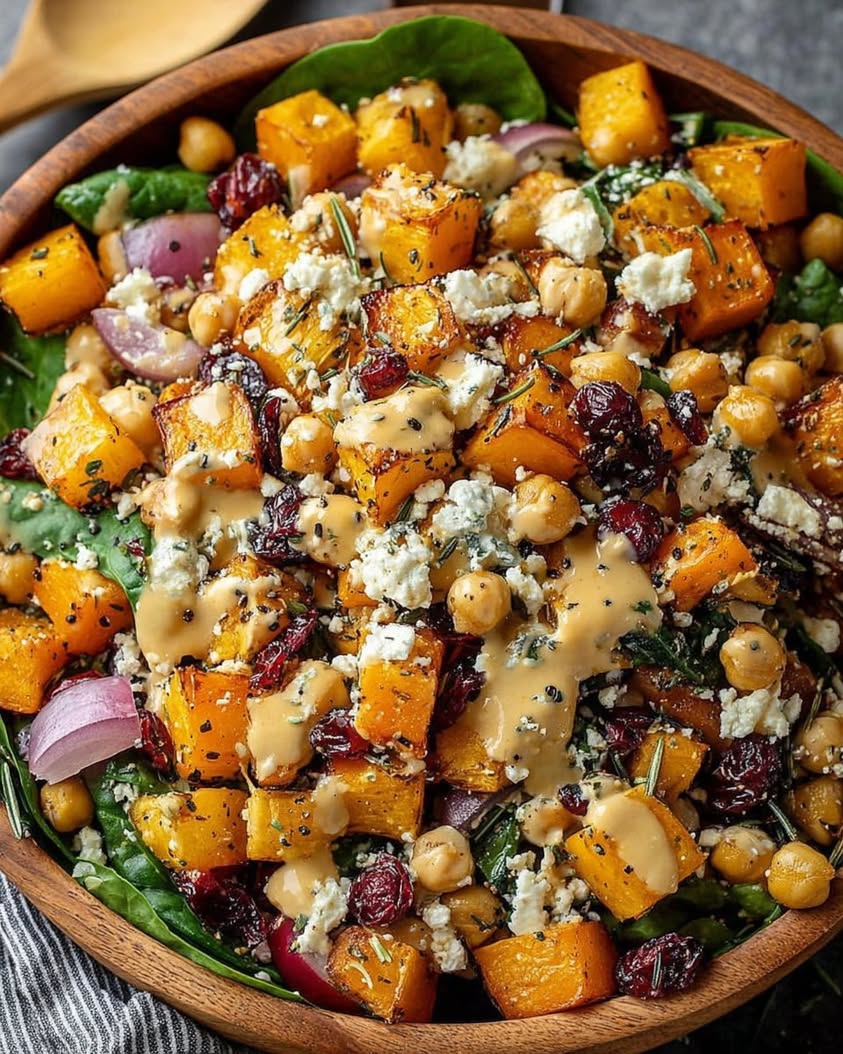
Roasted Chickpea & Veggie Harvest Salad with Maple Tahini Dressing: A Symphony of Autumn Flavors
This Roasted Chickpea & Veggie Harvest Salad with Maple Tahini Dressing is the ultimate celebration of autumn on a plate. Imagine crispy roasted chickpeas and tender seasonal vegetables meeting a sweet and savory maple tahini dressing. This vibrant harvest salad is the perfect healthy, satisfying meal for busy weeknights or impressive weekend entertaining. Each bite delivers a beautiful harmony of textures and flavors that will make you fall in love with eating the rainbow.
Furthermore, this recipe transforms simple, wholesome ingredients into a culinary masterpiece. The process of roasting deepens the natural sugars in the vegetables, creating a caramelized exterior that is utterly irresistible. Meanwhile, the creamy, dreamy maple tahini dressing ties everything together with its luxurious texture and balanced flavor profile. Ultimately, this dish proves that healthy eating does not have to be boring or bland. It is a feast for the senses that will leave you feeling nourished and completely satisfied.
Additionally, this Roasted Chickpea & Veggie Harvest Salad is incredibly versatile. You can easily customize it based on what is in your pantry or what looks best at the farmers market. It serves as a fantastic main course for a vegetarian lunch or a stunning side dish for a holiday table. The combination of protein-packed chickpeas and fiber-rich vegetables ensures it is as filling as it is delicious. This is one of those healthy recipes you will find yourself making on repeat all season long.
Quick Recipe Highlights
- Flavor Profile: This salad masterfully balances sweet, savory, and earthy notes. The maple tahini dressing offers a creamy sweetness that complements the savory roasted vegetables and chickpeas. A hint of acidity from lemon juice in the dressing cuts through the richness perfectly.
- Texture: You will experience a delightful contrast of crispy roasted chickpeas, tender-crisp vegetables, and creamy avocado. The maple tahini dressing adds a smooth, luxurious mouthfeel that coats every component. Finally, the fresh salad greens provide a light and refreshing base.
- Aroma: As it roasts, your kitchen will fill with the warm, comforting scent of cinnamon-dusted sweet potatoes and earthy Brussels sprouts. The aroma of garlic and onions melds with the nutty fragrance of tahini. It is a truly inviting and autumnal sensory experience.
- Visual Appeal: This vibrant harvest salad is a burst of color with deep orange sweet potatoes, green Brussels sprouts, and red onions. The crispy roasted chickpeas add a golden-brown texture, while the dressing provides a beautiful creamy glaze. It is a visually stunning dish that looks as good as it tastes.
- Skill Level Needed: This is an exceptionally beginner-friendly recipe that requires only basic kitchen skills like chopping and tossing. The most complex technique involved is roasting, which is largely hands-off. Anyone can achieve restaurant-quality results with this straightforward guide.
- Special Equipment: You will need a standard baking sheet for roasting the veggies and chickpeas. A small bowl for whisking the maple tahini dressing is essential. Beyond that, no special tools are required, making this recipe highly accessible.
Recipe Overview
- Difficulty Level: This Roasted Chickpea & Veggie Harvest Salad is rated easy because it involves simple chopping and mixing. The roasting process is forgiving and requires minimal active attention. Consequently, even novice cooks can execute this dish with confidence and success.
- Category: This dish fits perfectly into several categories including main dish salads, healthy vegetarian lunches, and hearty side dishes. It is also ideal for meal prep, as the components hold up well in the refrigerator. You can enjoy it warm, at room temperature, or cold.
- Cuisine: While not tied to one specific tradition, this recipe draws inspiration from Middle Eastern flavors through the use of tahini. It also embraces the American farm-to-table movement with its focus on seasonal produce. The result is a modern, fusion-style dish that feels both familiar and new.
- Cost: This is a very budget-friendly recipe, utilizing affordable staples like chickpeas, sweet potatoes, and Brussels sprouts. Tahini and maple syrup are pantry investments that last for many meals. Overall, you can create this impressive, healthy salad for just a few dollars per serving.
- Season: This harvest salad is ideally suited for the autumn and winter months when root vegetables and hardy greens are at their peak. The warm, roasted components are particularly comforting as the weather turns cooler. However, its vibrant flavors make it a welcome dish year-round.
- Occasion: It is perfect for a quick family dinner, a make-ahead work lunch, or a show-stopping addition to a potluck or holiday spread. Its beautiful presentation makes it special enough for guests. Ultimately, it is a versatile recipe for any day or event.
Why You’ll Love This Roasted Chickpea & Veggie Harvest Salad
First and foremost, the taste and texture appeal of this salad is undeniable. The crispy roasted chickpeas provide a satisfying crunch against the soft, caramelized sweet potatoes and Brussels sprouts. Meanwhile, the maple tahini dressing adds a creamy, sweet, and savory element that makes every bite exciting. This combination of flavors and textures is far from ordinary salad territory. It is a truly gourmet experience that will make you look forward to eating your vegetables.
From a convenience standpoint, this recipe is a weeknight hero. The active prep time is minimal, involving mostly chopping and mixing. Once the ingredients are on the sheet pan, the oven does most of the work. This hands-off time allows you to tidy up, prepare the dressing, or simply relax. Furthermore, the entire dish comes together in under forty-five minutes from start to finish.
Nutritionally, this harvest salad is a powerhouse. Chickpeas are an excellent source of plant-based protein and fiber, promoting satiety and stable energy levels. The colorful array of vegetables provides a wide spectrum of vitamins, minerals, and antioxidants. The healthy fats from the olive oil and tahini aid in the absorption of these fat-soluble nutrients. This meal is designed to nourish your body from the inside out, leaving you feeling energized and satisfied.
For social and entertaining value, this dish is a guaranteed crowd-pleaser. Its vibrant, colorful presentation is instantly impressive on any table. It is a fantastic option for potlucks or holiday meals because it is naturally vegetarian and can be easily adapted for vegans. You can even prepare the components ahead of time and assemble it just before serving. Your guests will be asking for the recipe after just one bite.
Finally, the cost-effectiveness and accessibility of this recipe cannot be overstated. It relies on humble, affordable ingredients that are easy to find in any standard grocery store. You can also easily swap vegetables based on what is seasonal or on sale without compromising the final result. This makes it a sustainable choice for your wallet and your meal planning routine. It is a restaurant-quality dish that is truly achievable for any home cook.
Historical Background and Cultural Significance
The concept of a harvest salad is deeply rooted in agricultural traditions across the globe, celebrating the bounty of a season’s yield. While this specific recipe is a modern creation, its components have ancient lineages. Chickpeas, for instance, have been cultivated in the Middle East for over 7,000 years, forming a staple in diets from the Mediterranean to South Asia. The practice of roasting vegetables over fire is one of the oldest cooking methods known to humanity. This dish, therefore, connects us to a long history of using simple, earth-grown ingredients to create nourishing meals.
Culturally, the use of tahini—a paste made from sesame seeds—anchors this recipe in the culinary traditions of the Levant. Tahini is a cornerstone of foods like hummus and baba ghanoush, and its incorporation into a dressing is a natural evolution. Maple syrup, a North American indigenous innovation, represents a beautiful fusion of foodways. This salad exemplifies how contemporary cuisine often blends cultural elements to create something new and delicious. It is a testament to the ever-evolving nature of food culture.
The evolution of this recipe follows the modern trend towards plant-based, vegetable-forward eating. As home cooks seek healthier and more sustainable meal options, salads have transformed from simple side dishes into complex main courses. The addition of a robust protein source like roasted chickpeas is a direct response to this demand. The maple tahini dressing reflects a growing preference for creamy, dairy-free alternatives to traditional vinaigrettes. This harvest salad is a product of its time, perfectly aligned with today’s culinary values.
Regional variations of this concept are endless. In the Mediterranean, one might find a similar salad with oregano and lemon. A North African version could feature spices like cumin and harissa. The beauty of this Roasted Chickpea & Veggie Harvest Salad framework is its adaptability. You can take the core technique of roasting and dressing and apply it to virtually any regional flavor profile. This versatility ensures the recipe’s place as a modern classic that can be personalized again and again.
Ingredient Deep Dive
Chickpeas: Also known as garbanzo beans, chickpeas are one of the earliest cultivated legumes, with origins traced back to the Middle East. They are a nutritional powerhouse, packed with plant-based protein, dietary fiber, manganese, and folate. The fiber in chickpeas supports digestive health and helps maintain stable blood sugar levels. For the best results in this recipe, use canned chickpeas for convenience, but be sure to rinse and drain them thoroughly before roasting. Pat them dry with a clean kitchen towel to achieve maximum crispiness in the oven. Store dried chickpeas in a cool, pantry, and canned varieties in your cupboard until opened.
Sweet Potatoes: Sweet potatoes have a rich history, originating in Central or South America over 5,000 years ago. They are famously nutrient-dense, providing a massive dose of vitamin A in the form of beta-carotene, along with vitamin C, potassium, and fiber. When selecting sweet potatoes, look for firm specimens with smooth, unblemished skin. Avoid any with soft spots or signs of decay. Store them in a cool, dark, and well-ventilated place, but not in the refrigerator, as cold temperatures can alter their taste and texture. Their natural sweetness caramelizes beautifully during roasting.
Brussels Sprouts: These miniature cabbages are named after Brussels, Belgium, where they were popularized as early as the 13th century. They are part of the brassica family, celebrated for their cancer-fighting compounds and high levels of vitamins C and K. Choose Brussels sprouts that are bright green, firm, and compact with tightly packed leaves. Smaller sprouts are often more tender and sweeter than larger ones. Store them unwashed in a plastic bag in the refrigerator’s crisper drawer. Roasting them transforms their sometimes-bitter raw flavor into a nutty, caramelized delight.
Tahini: Tahini is a paste made from toasted and ground sesame seeds, a staple in Middle Eastern and Mediterranean cuisines for millennia. It is an excellent source of healthy fats, copper, manganese, and phosphorus. When shopping for tahini, look for a brand with a smooth, pourable consistency and a list of ingredients that includes only sesame seeds. Stir the tahini well before using, as the oil naturally separates. Store an opened jar in the refrigerator to prevent rancidity. Its rich, nutty, and slightly bitter flavor is the foundation of the incredible maple tahini dressing.
Maple Syrup: Maple syrup is a truly North American ingredient, first produced by Indigenous peoples long before European colonization. It provides antioxidants and minerals like manganese and zinc, though it should be used in moderation as a sweetener. Always opt for pure maple syrup rather than pancake syrup, which is typically made with corn syrup and artificial flavors. The grade of maple syrup (like Grade A Amber) affects flavor intensity but all pure grades work well. Store it in a cool pantry or the refrigerator after opening. Its complex sweetness perfectly balances the tahini’s richness in the dressing.
Common Mistakes to Avoid
- Crowding the Sheet Pan: Overloading the pan steams the vegetables instead of roasting them. This results in soggy, rather than crispy, chickpeas and veggies. Always use a large enough pan and spread the ingredients in a single layer for proper caramelization.
- Using Wet Chickpeas: Failing to dry the rinsed chickpeas thoroughly prevents them from getting crispy. The exterior moisture creates steam in the hot oven. Take an extra minute to pat them completely dry with a kitchen towel for the best texture.
- Neglecting to Preheat the Oven: Putting the pan into a cold oven drastically changes the cooking dynamics. The vegetables will release their water before browning, leading to a mushy outcome. A properly preheated oven is non-negotiable for perfect roasting.
- Underseasoning the Vegetables: Salt and pepper are crucial for enhancing the natural flavors of the vegetables. Do not be shy with seasoning before they go into the oven. Taste the roasted veggies straight from the oven and adjust if necessary.
- Over-blending the Dressing: Whisking the maple tahini dressing too vigorously or for too long can cause it to become too thick or even seize. Gently whisk just until the ingredients are emulsified and smooth for a perfect, pourable consistency.
- Adding Dressing Too Early: Dressing the entire salad long before serving will cause the greens to wilt and lose their fresh appeal. For the best texture, dress individual portions right before you eat or serve the dressing on the side.
- Using Old Baking Soda: If your recipe for extra-crispy chickpeas calls for a pinch of baking soda and yours is old, it may not work. Baking soda loses its potency over time, so check the expiration date for optimal results.
- Skipping the Acid in the Dressing: The lemon juice in the maple tahini dressing is not optional; it provides necessary acidity to balance the sweetness and fat. Without it, the dressing can taste flat and overly rich.
Essential Techniques
Proper Vegetable Roasting: Roasting is the technique that transforms hard, raw vegetables into tender, sweet, and caramelized delights. The high, dry heat of the oven causes the natural sugars in the vegetables to caramelize, creating complex flavors and a desirable browned exterior. To master this, ensure your vegetables are cut into uniform sizes for even cooking. Toss them generously with oil and seasonings to promote browning and prevent sticking. The key visual cue for success is golden-brown edges and a tender interior that is easily pierced with a fork. Avoid under-roasting, which leaves vegetables hard, or over-roasting, which can make them burnt and bitter.
Emulsifying the Dressing: Creating a smooth, creamy maple tahini dressing requires the technique of emulsification. This process binds the oil, lemon juice, and tahini into a stable, homogenous mixture. Start by whisking the tahini and lemon juice together first; the tahini will thicken and seize initially, which is normal. Then, slowly stream in the water while whisking continuously until the mixture becomes smooth and creamy. Finally, whisk in the maple syrup and seasonings. The common pitfall is adding all the liquids at once, which can prevent a smooth emulsion from forming. A successful dressing will be pourable, creamy, and without any separated oil.
Crisping Chickpeas: Achieving perfectly crispy roasted chickpeas is a game-changer for texture. The technique involves thoroughly drying them after rinsing to remove all surface moisture. Tossing them in oil and spices ensures even coating and heat conduction. Spread them in a single layer on the hot baking sheet, giving them plenty of space. If they are crowded, they will steam instead of roast. Shake the pan halfway through cooking to promote even browning. The visual cue for success is a deep golden-brown color and a crunchy, dry exterior. They will continue to crisp up slightly as they cool on the pan.
Pro Tips for Perfect Roasted Chickpea & Veggie Harvest Salad
For the crispiest chickpeas, remove the loose skins after rinsing and drying them. The skins can trap moisture and prevent even crisping. Additionally, toss the chickpeas in a teaspoon of cornstarch along with the oil and spices before roasting. The cornstarch absorbs any residual moisture and creates an extra-crispy shell.
Cut your vegetables into consistent, bite-sized pieces. Uniformity is the secret to even cooking. If some pieces are large and others are small, you will end up with a mix of burnt and undercooked veggies. Aim for ¾-inch to 1-inch chunks for the perfect balance of caramelized exterior and tender interior.
Do not skip the step of preheating your baking sheet. Place the empty sheet pan in the oven as it preheats. When you add the vegetables and chickpeas, they will immediately start to sizzle and cook, leading to better browning and a crispier texture from the very beginning of the cooking process.
If your maple tahini dressing is too thick, simply thin it out with additional warm water, one tablespoon at a time. The consistency should be easily pourable but still creamy. If it is too thin, whisk in a bit more tahini to thicken it up to your desired consistency.
Add a flavor boost to your roasted veggies with a sprinkle of smoked paprika or a dash of garlic powder before they go into the oven. These dried spices toast in the oven’s heat, releasing their full aromatic potential and adding another layer of depth to the final dish.
For a fresh, herbal note, toss a handful of whole, fresh rosemary or thyme sprigs onto the baking sheet with the vegetables. The herbs will infuse the oil and vegetables with their fragrance as they roast. Remove the woody stems before serving.
Variations and Adaptations
Regional Variations: You can easily take this salad on a world tour by switching up the spices and dressing. For a Mediterranean twist, toss the veggies with oregano and a dressing of lemon, olive oil, and feta cheese. For a Moroccan flair, use spices like cumin, coriander, and cinnamon, and top with dried apricots and toasted almonds. An Indian-inspired version could feature a curry powder dusting on the chickpeas and a yogurt-based dressing with mint.
Seasonal Adaptations: This recipe is a fantastic template for any season. In the spring, use asparagus, radishes, and new potatoes. For summer, try zucchini, bell peppers, and cherry tomatoes, roasting them for a slightly shorter time. In the heart of winter, sturdy vegetables like butternut squash, parsnips, and carrots are perfect substitutes. The maple tahini dressing is a constant that beautifully complements any seasonal produce.
Dietary Modifications: To make this salad vegan, ensure your maple syrup is certified vegan. For a nut-free version, substitute sunflower seed butter for the tahini in the dressing. If you are following a Whole30 or low-carb diet, omit the chickpeas and maple syrup, and increase the volume of non-starchy vegetables like broccoli and cauliflower. The dressing can be made with almond butter and a splash of apple cider vinegar instead.
Flavor Variations: Experiment with different flavor profiles for the roasted components. Toss the chickpeas in chili powder and lime zest for a spicy kick. Add a tablespoon of miso paste to the tahini dressing for an umami bomb. A sprinkle of za’atar or everything bagel seasoning on the vegetables before roasting can create a completely new taste experience with minimal effort.
Texture Modifications: If you prefer different textures, consider swapping the roasted chickpeas for pan-seared halloumi cheese or crispy tofu. For a grain bowl version, serve the roasted veggies and chickpeas over a bed of quinoa, farro, or brown rice. Adding toasted nuts like pecans or walnuts or seeds like pumpkin seeds just before serving introduces another layer of satisfying crunch.
Presentation Alternatives: Instead of a tossed salad, create a composed platter by arranging the roasted vegetables and chickpeas artfully over a bed of greens. Serve the dressing in a small pitcher on the side for a DIY experience at the table. For individual portions, use wide, shallow bowls to showcase all the beautiful colors and textures of the dish.
Serving and Presentation Guide
Plating this salad beautifully enhances the dining experience. Start with a large, wide platter or individual shallow bowls to give the ingredients space. Create a bed of fresh greens as your base, then artfully arrange the warm roasted vegetables and chickpeas over the top. Drizzle the maple tahini dressing in a zig-zag pattern across the salad rather than dumping it in one spot. This method ensures every bite gets a taste of the dressing and makes for a stunning visual presentation.
Garnishing is the final touch that elevates the salad from home-cooked to restaurant-quality. A sprinkle of fresh, soft herbs like chopped parsley, cilantro, or dill adds a burst of color and freshness. For crunch and a pop of color, add a handful of pomegranate arils or dried cranberries. Toasted nuts or seeds, such as sliced almonds, pecans, or sunflower seeds, provide additional texture and a nutty flavor that complements the other components perfectly.
Consider traditional and modern accompaniments to round out the meal. This harvest salad is substantial enough to be a main course on its own. However, it also pairs wonderfully with a simple soup, like a creamy tomato or lentil soup, for a more complete meal. For a non-vegetarian option, grilled chicken breast or pan-seared salmon fillets make excellent protein additions. A slice of crusty, whole-grain bread is perfect for scooping up any leftover dressing on the plate.
Temperature considerations are important for the best flavor and texture. This salad is incredibly versatile. You can serve it warm, with the roasted components straight from the oven atop cool greens for a delightful contrast. Alternatively, you can let everything cool to room temperature for a more unified feel. It is generally not recommended to serve it cold from the refrigerator, as the roasted vegetables lose their appealing texture when chilled. Assemble just before serving for the ideal experience.
Wine and Beverage Pairing
Selecting the right wine can enhance the sweet and savory notes of this harvest salad. A crisp, unoaked white wine like a Sauvignon Blanc or Pinot Grigio works beautifully. Their high acidity cuts through the creaminess of the tahini dressing and complements the roasted vegetables. For a red wine option, choose a light-bodied, low-tannin red such as a Gamay or Pinot Noir. These wines will not overpower the dish and their fruity notes will harmonize with the maple and sweet potato flavors. Serve white wines chilled and red wines slightly below room temperature.
For non-alcoholic alternatives, consider beverages that mirror the salad’s autumnal vibe. A sparkling apple cider provides a festive, sweet effervescence that cleanses the palate. Warm spiced apple tea or a chai latte echoes the warm spices often used in roasting. For a more refreshing option, homemade ginger beer or a lemon and mint infused sparkling water offers a zesty contrast to the rich, roasted components. These drinks are delightful served cold or at room temperature.
If you prefer coffee or tea with your meal, opt for medium-roast coffees or black teas that have low bitterness. A nutty, medium-roast coffee can complement the tahini’s flavor profile. A cup of Earl Grey tea, with its bergamot citrus notes, can be a lovely way to finish the meal, as the citrus echoes the lemon in the dressing. Serve coffee hot and fresh, and tea according to its specific brewing instructions for the best flavor.
Storage and Shelf Life
Proper storage is key to maintaining the quality of your salad components. Store the roasted vegetables and chickpeas separately from the fresh greens and dressing in airtight containers in the refrigerator. The roasted components will keep for up to 4 days. The maple tahini dressing can be stored in a sealed jar or container for up to one week. Always assemble individual portions just before eating to prevent the greens from wilting and the roasted items from becoming soggy.
Signs of spoilage to watch for include a sour or off smell, visible mold, or a slimy texture on the vegetables. If the dressing separates, it is usually not a sign of spoilage; simply shake or whisk it to re-emulsify. However, if it develops an unpleasant odor, it is best to discard it. The fresh greens should be crisp and vibrant; discard them if they become slimy or wilted beyond revival.
Reheating instructions are straightforward for the roasted components. To restore their texture, reheat them in a 350°F oven or a toaster oven for about 10 minutes, or until warm. Avoid using the microwave, as it will make the chickpeas and vegetables soft and steamy instead of crisp. You can also enjoy the roasted veggies and chickpeas cold straight from the fridge, though their texture will be softer.
Freezing is not recommended for the assembled salad or the roasted vegetables, as the high water content in the veggies will cause them to become mushy upon thawing. The dressing, however, can be frozen for up to 3 months. Store it in a freezer-safe container, leaving some headspace for expansion. Thaw it overnight in the refrigerator and whisk it well before using, as separation may occur.
Make Ahead Strategies
A strategic prep timeline makes this salad an excellent choice for busy weeks. Up to three days in advance, you can wash and chop the vegetables (except avocado), and store them in separate airtight containers in the fridge. You can also rinse and drain the chickpeas. The maple tahini dressing can be made up to a week ahead and stored in the refrigerator. This advance prep reduces your active cooking time on the day you plan to eat the salad to just the roasting and assembly.
Understanding the quality impact of make-ahead steps is crucial. Pre-chopped vegetables will hold up perfectly for days. The dressing’s flavors often improve as they meld together. However, roasting should ideally be done the day you plan to eat the salad for the best texture. If you must roast ahead, store the cooled roasted components in the fridge and re-crisp them in a hot oven before serving. Do not add avocado or dress the salad until the moment you are ready to serve.
Assembly tips for a make-ahead meal are simple. For meal prep, portion the undressed greens into containers, then top with the cooled roasted vegetables and chickpeas. Keep the dressing in a separate small container or jar. Add any delicate garnishes like nuts or fresh herbs just before eating to maintain their crunch and vibrancy. When you are ready to eat, simply drizzle with dressing, toss, and enjoy. This method keeps your lunch fresh and satisfying.
Scaling Instructions
Halving this recipe is straightforward for smaller households. Simply divide all the ingredient quantities by two. Use a standard baking sheet, as a smaller pan may still be necessary to avoid crowding. The roasting time may be slightly reduced, so start checking for doneness around the 20-minute mark. The dressing can be halved, but consider making a full batch as it stores well and is delicious on other salads, grain bowls, or as a vegetable dip.
Doubling or tripling the recipe is perfect for meal prep or feeding a crowd. Double or triple all ingredients accordingly. You will need to use multiple baking sheets and roast in batches, or use two oven racks and rotate the sheets halfway through cooking. The dressing scales up easily in a larger bowl or a blender. When serving a large group, consider setting up a salad bar-style station with separate bowls for greens, roasted components, toppings, and dressing, allowing guests to build their own plates.
Equipment adjustments are important when scaling. For larger batches, ensure you have enough large baking sheets. Do not overcrowd the pans, as this is the primary reason for failed roasting. You may need to extend the total roasting time slightly if the oven is very full, as this can affect air circulation. For the dressing, a blender or food processor can be very helpful when making a large quantity to ensure a smooth, emulsified result without arm fatigue from whisking.
Nutritional Deep Dive
This Roasted Chickpea & Veggie Harvest Salad provides a well-balanced macronutrient profile. The chickpeas are a fantastic source of plant-based protein and complex carbohydrates, offering sustained energy release. The vegetables contribute additional complex carbs and a significant amount of dietary fiber, which supports digestive health and promotes satiety. The healthy fats from the olive oil, tahini, and avocado aid in nutrient absorption and provide essential fatty acids. This combination helps to keep blood sugar levels stable and keeps you feeling full and satisfied for hours after your meal.
A micronutrient analysis reveals this salad is a vitamin and mineral powerhouse. The sweet potatoes are loaded with beta-carotene, which the body converts to vitamin A, crucial for vision and immune function. Brussels sprouts provide a hefty dose of vitamins C and K, along with folate. Chickpeas contribute iron, magnesium, and B vitamins. The tahini and leafy greens add calcium and other trace minerals. Eating a diverse array of colorful plants is one of the best strategies for obtaining a wide spectrum of micronutrients, and this salad delivers on that front.
The health benefits of regularly consuming meals like this are extensive. The high fiber content supports a healthy gut microbiome and can help lower cholesterol levels. The antioxidants from the colorful vegetables combat oxidative stress and reduce inflammation in the body. The plant-based protein supports muscle maintenance without the saturated fat often found in animal proteins. This type of eating pattern is associated with a lower risk of chronic diseases such as heart disease, type 2 diabetes, and certain cancers. It is a meal that truly fuels and protects your body.
Dietary Adaptations
Gluten-Free: This recipe is naturally gluten-free, as none of the core ingredients contain gluten. However, always check the labels on your tahini and maple syrup to ensure they are processed in a gluten-free facility if you have celiac disease or a severe sensitivity. This salad is a safe and delicious option for anyone avoiding gluten.
Dairy-Free: The standard version of this recipe is completely dairy-free. The creamy texture comes solely from the tahini-based dressing, making it a fantastic alternative to creamy dressings that often use yogurt or buttermilk. It is a perfect choice for those with lactose intolerance or a dairy allergy.
Vegan: This harvest salad is inherently vegan. It relies on plants for all its protein, fat, and carbohydrate needs. Simply confirm that your maple syrup is certified vegan, as some processing methods may use animal-derived filters. It is a satisfying and complete vegan main course.
Low-Carb/Keto: For a low-carb or keto adaptation, omit the sweet potatoes and chickpeas, as they are higher in carbohydrates. Increase the volume of low-carb vegetables like broccoli, cauliflower, zucchini, and bell peppers. Replace the maple syrup in the dressing with a keto-friendly sweetener like monk fruit or stevia to taste.
Paleo: To align with paleo guidelines, omit the chickpeas (legumes are excluded) and use a sweetener like raw honey instead of maple syrup. Ensure all other ingredients are whole, unprocessed foods. The base of roasted vegetables and a nut/seed-based dressing is very much in line with a paleo approach.
Low-FODMAP: For a low-FODMAP version, replace the chickpeas with a safe protein like roasted chicken or firm tofu. Use the green tops of spring onions instead of red onion, and limit the sweet potato to a ½ cup serving per person. The tahini dressing is typically safe in moderate amounts (around 2 tablespoons).
Troubleshooting Guide
Soggy Vegetables and Chickpeas: If your roasted components are soft instead of crispy, the most likely culprit is overcrowding the pan. The vegetables release steam, which prevents proper browning. Solution: Always use a large enough baking sheet and spread ingredients in a single layer. For extra crispiness, preheat the baking sheet in the oven before adding the food. Also, ensure your oven has reached the correct temperature before you begin roasting.
Dressing is Too Bitter: Tahini can have a naturally bitter edge, which might overpower the dressing. Solution: Balance the bitterness with a bit more maple syrup and a pinch of salt. The fat and sweetness will counteract the bitter compounds. Additionally, toasting the sesame seeds used in the tahini can reduce bitterness, so look for a brand that uses well-toasted seeds.
Dressing is Too Thick or Thin: Achieving the perfect pourable consistency can be tricky. If it is too thick, it will not coat the salad properly. Solution: Whisk in warm water, one tablespoon at a time, until it reaches your desired consistency. If it is too thin, whisk in an additional spoonful of tahini to thicken it up. The ideal dressing should smoothly coat the back of a spoon.
Vegetables are Not Cooked Evenly: Unevenly chopped vegetables will cook at different rates. Solution: Take care to cut all vegetables into uniform, bite-sized pieces. If you find some pieces are done before others, you can remove the cooked pieces with tongs and return the rest to the oven to finish. Using a sharp chef’s knife makes this task much easier and more precise.
Recipe Success Stories
The community feedback for this Roasted Chickpea & Veggie Harvest Salad has been overwhelmingly positive. One reader, Sarah from Colorado, shared that it has become her family’s “Meatless Monday” staple, and her kids now request the “crunchy chickpeas” as a snack on their own. Another home cook, Mark, reported that he brought it to a potluck and received three requests for the recipe before he even sat down to eat. These stories highlight how the recipe’s appeal crosses age groups and occasions.
Variation successes from readers are a testament to the recipe’s flexibility. A reader named Lisa substituted butternut squash for the sweet potato and added dried cranberries, creating a perfect Thanksgiving side dish. Another, named Ben, who follows a keto diet, successfully adapted it by omitting the chick
Print
Roasted Chickpea & Veggie Harvest Salad with Maple Tahini Dressing
Description
A hearty and nutritious salad featuring roasted chickpeas and seasonal vegetables, topped with a creamy and slightly sweet maple tahini dressing.
Ingredients
For the Crust:
- 1 can (15 oz) chickpeas, rinsed and drained
- 2 cups cubed butternut squash
- 1 large sweet potato, peeled and cubed
- 1 red onion, sliced
- 2 tbsp olive oil
- 1 tsp smoked paprika
- 1/2 tsp garlic powder
- Salt and black pepper to taste
- 4 cups mixed greens
- 1/4 cup dried cranberries
- 1/4 cup chopped pecans
- For the Maple Tahini Dressing: 1/4 cup tahini
- 2 tbsp maple syrup
- 2 tbsp lemon juice
- 2 tbsp water
- 1/2 tsp ground cumin
- Salt to taste
Instructions
1. Prepare the Crust:
- Preheat oven to 400°F (200°C). Line a baking sheet with parchment paper.
- In a large bowl, toss chickpeas, butternut squash, sweet potato, and red onion with olive oil, smoked paprika, garlic powder, salt, and pepper. Spread evenly on the baking sheet.
- Roast for 25-30 minutes, or until vegetables are tender and chickpeas are crispy, stirring halfway through.
- While vegetables roast, prepare the dressing: In a small bowl, whisk together tahini, maple syrup, lemon juice, water, cumin, and salt until smooth. Add more water if needed to reach desired consistency.
- To assemble the salad, divide mixed greens among four plates. Top with roasted vegetables and chickpeas, then sprinkle with dried cranberries and chopped pecans. Drizzle with maple tahini dressing and serve immediately.
Notes
You can customize the seasonings to taste.

I’m Shaykee—born in Morocco, seasoned across continents. From airplane galleys to home kitchens, I share the flavors and stories that shaped my journey.