
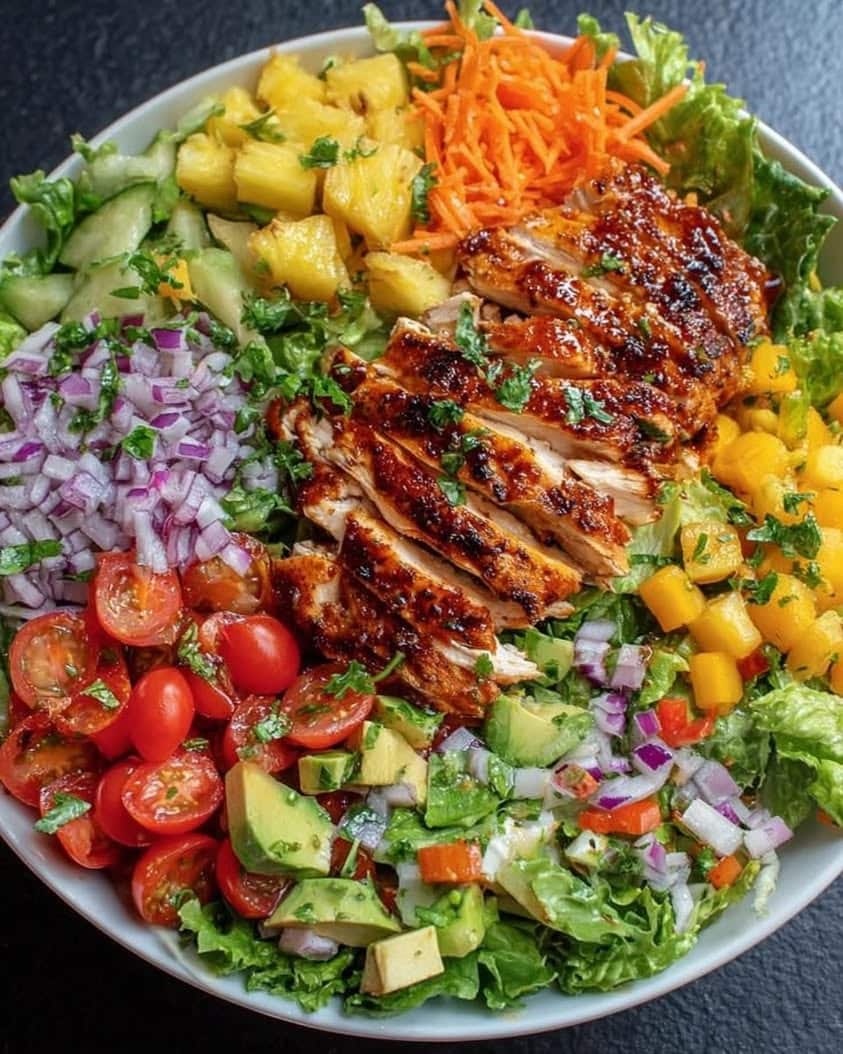
Creamy Hawaiian Chicken Salad: Your New Favorite Tropical Lunch
Imagine biting into a creamy, dreamy chicken salad that instantly transports you to a tropical paradise. This Creamy Hawaiian Chicken Salad recipe delivers exactly that experience, combining tender chicken with sweet pineapple and satisfying crunch. Furthermore, it brings a taste of the islands directly to your kitchen table without any complicated techniques. Consequently, you will find yourself making this delightful dish again and again for family lunches and social gatherings.
The beauty of this Hawaiian Chicken Salad lies in its perfect balance of flavors and textures. Sweet pineapple chunks mingle beautifully with savory chicken, while crisp celery and red onion provide a refreshing crunch. Additionally, the creamy dressing binds everything together with a tangy, slightly sweet profile that keeps you coming back for another spoonful. Ultimately, this dish serves as a versatile centerpiece for sandwiches, salads, or standalone meals that please both adults and children alike.
Many people search for the perfect potluck recipe that combines ease of preparation with impressive results. Fortunately, this Hawaiian Chicken Salad fits the bill perfectly, requiring minimal effort for maximum flavor impact. Moreover, it stores wonderfully in the refrigerator, actually improving in flavor as the ingredients meld together over time. Therefore, you can prepare it ahead of time for stress-free entertaining or quick weekday lunches that feel special and satisfying.
Quick Recipe Highlights
- Flavor Profile: This Hawaiian Chicken Salad features a delightful sweet and savory combination. The tropical pineapple provides natural sweetness that perfectly complements the savory chicken and tangy dressing. Additionally, subtle onion and celery notes create a complex flavor profile that keeps your taste buds interested.
- Texture: You will experience a wonderful contrast of creamy and crunchy textures in every bite. The tender chicken and smooth dressing create a luxurious base, while the crisp celery and juicy pineapple provide refreshing bursts. Furthermore, optional add-ins like nuts or water chestnuts can introduce even more textural variety.
- Aroma: As you prepare this Hawaiian Chicken Salad, the tropical scent of fresh pineapple will fill your kitchen. The dressing contributes a subtle tanginess from mayonnaise and a hint of acidity that makes your mouth water. Moreover, the fresh celery and onion add an earthy, aromatic quality that balances the sweetness.
- Visual Appeal: This dish presents beautifully with vibrant yellow pineapple chunks against the white chicken and creamy dressing. The specks of green celery and purple-red onion create an attractive confetti effect throughout the salad. Consequently, it looks as inviting as it tastes, making it perfect for serving at gatherings.
- Skill Level Needed: Absolutely anyone can master this Hawaiian Chicken Salad recipe, even with minimal cooking experience. The process involves simple chopping, mixing, and basic cooking techniques that beginners handle easily. Therefore, do not hesitate to try this recipe regardless of your comfort level in the kitchen.
- Special Equipment: You need only basic kitchen tools like a cutting board, knife, mixing bowls, and a skillet for cooking chicken. Alternatively, you can use leftover cooked chicken or rotisserie chicken to simplify the process even further. Moreover, a can opener represents the most specialized tool required if using canned pineapple.
Recipe Overview
- Difficulty Level: We classify this Hawaiian Chicken Salad as easy because it requires no advanced culinary skills. The preparation involves straightforward techniques like chopping, mixing, and basic stove-top cooking if preparing fresh chicken. Furthermore, the forgiving nature of the ingredients means minor variations do not impact the final result significantly.
- Category: This versatile dish fits multiple meal categories including lunch, dinner, appetizer, and party food. It works beautifully as a sandwich filling, salad topper, or standalone dish with crackers or greens. Additionally, it qualifies as a make-ahead meal that simplifies busy weekdays and last-minute entertaining.
- Cuisine: While named Hawaiian Chicken Salad, this recipe draws inspiration from various culinary traditions. It incorporates tropical elements from Polynesian cuisine while maintaining the creamy, comforting qualities of American chicken salad. Moreover, it reflects the fusion cooking trend that creatively combines ingredients from different cultural backgrounds.
- Cost: This recipe proves remarkably budget-friendly, especially when using seasonal pineapple or canned varieties. Chicken represents the most significant expense, though using leftovers or rotisserie chicken helps manage costs effectively. Furthermore, the other ingredients like celery, onion, and mayonnaise typically already exist in most well-stocked kitchens.
- Season: While delicious year-round, this Hawaiian Chicken Salad particularly shines during spring and summer months. The bright, refreshing flavors complement warm weather perfectly and require minimal cooking time. Moreover, it serves as an excellent alternative to heavy, hot dishes during picnic and barbecue season.
- Occasion: This versatile dish suits countless occasions from casual family lunches to elegant bridal showers. It travels well for potlucks, picnics, and beach outings while maintaining its texture and flavor. Additionally, it makes regular appearances at holiday gatherings where its bright colors and flavors provide a welcome contrast to traditional heavy dishes.
Why You’ll Love This Recipe
The irresistible flavor combination represents the primary reason you will adore this Hawaiian Chicken Salad. Sweet pineapple chunks create a perfect counterpoint to savory chicken, while the creamy dressing ties everything together harmoniously. Furthermore, the contrasting textures of tender chicken, juicy fruit, and crisp vegetables keep each bite interesting and satisfying. Consequently, this dish appeals to even picky eaters who might normally avoid salads or fruit-inclusive savory dishes. The balanced flavor profile means it never tastes too sweet, too savory, or too heavy, making it appropriate for any time of day.
Convenience stands out as another significant advantage of this Hawaiian Chicken Salad recipe. You can prepare it in under thirty minutes using simple ingredients available at any grocery store. Moreover, it utilizes kitchen staples like chicken, celery, and mayonnaise while incorporating affordable tropical elements. The flexibility of preparation methods allows for using leftover cooked chicken, rotisserie chicken, or quickly poached chicken breasts based on what you have available. Therefore, it solves the common dilemma of creating something special without extensive shopping or complicated cooking techniques.
Nutritional benefits provide yet another compelling reason to incorporate this Hawaiian Chicken Salad into your meal rotation. Chicken delivers high-quality protein that keeps you full and satisfied, while pineapple contributes vitamin C and digestive enzymes. Additionally, celery adds fiber and essential nutrients with minimal calories, creating a more balanced dish than traditional chicken salads. When served on whole grain bread or over leafy greens, it becomes a complete meal that nourishes your body while pleasing your palate. The natural sweetness from fruit means you can reduce added sugars typically found in commercial chicken salad preparations.
Social and entertaining value makes this Hawaiian Chicken Salad a true superstar in your recipe collection. It consistently receives compliments at gatherings and frequently becomes the most requested dish for potlucks and parties. Moreover, it accommodates various dietary preferences since you can easily adjust ingredients to suit different needs. The beautiful presentation with colorful ingredients makes it look far more impressive than the minimal effort required would suggest. Consequently, it builds your reputation as an excellent cook while actually requiring very little time in the kitchen.
Cost-effectiveness and accessibility round out the reasons this recipe deserves a permanent place in your cooking repertoire. The ingredients remain affordable throughout the year, with canned pineapple providing a budget-friendly tropical option when fresh isn’t available. Furthermore, the recipe scales beautifully for large crowds without significantly increasing preparation time or complexity. Leftovers maintain their quality for several days, reducing food waste and providing ready-made meals for busy schedules. Ultimately, this Hawaiian Chicken Salad delivers restaurant-quality flavors using humble, accessible ingredients that won’t strain your grocery budget.
Historical Background and Cultural Significance
The origins of Hawaiian Chicken Salad connect to the mid-20th century American fascination with Polynesian cuisine and tiki culture. During the 1950s and 1960s, restaurants like Trader Vic’s and Don the Beachcomber popularized dishes combining tropical fruits with proteins. Consequently, home cooks began experimenting with similar flavor combinations using readily available ingredients. The addition of pineapple to chicken salad likely emerged during this period as families sought to recreate restaurant experiences at home. While not authentically Hawaiian, these dishes reflected American interpretations of Pacific Island flavors that captured the imagination of postwar diners.
Cultural significance of this dish lies in its representation of culinary fusion and adaptation. Traditional Hawaiian cuisine focuses more on native ingredients like poi, kalua pig, and lomi lomi salmon rather than mayonnaise-based salads. However, the incorporation of pineapple—Hawaii’s most famous agricultural export—into mainstream American dishes helped popularize Hawaiian food culture. Moreover, this Hawaiian Chicken Salad exemplifies how ingredients travel across cultures and transform into new creations. The dish continues to evolve as contemporary chefs and home cooks add local ingredients and personal touches to the basic formula.
Evolution of the recipe demonstrates how food trends change with ingredient availability and dietary preferences. Early versions likely used canned pineapple and mayonnaise-heavy dressings, reflecting mid-century convenience food culture. Modern interpretations often incorporate fresh pineapple, Greek yogurt substitutions, and additional ingredients like macadamia nuts or coconut. Furthermore, contemporary versions might include Asian-inspired elements like ginger or soy sauce that reflect Hawaii’s diverse culinary influences. This adaptability ensures the Hawaiian Chicken Salad remains relevant across generations while maintaining its core identity as a sweet-savory chicken preparation.
Regional variations highlight how this dish has been customized across different parts of the United States. Southern versions might include pecans or serve the salad in avocado halves, while California interpretations could feature sprouts or whole grain bread. Some areas add mandarin oranges or grapes alongside the pineapple, while others incorporate curry powder for additional complexity. Moreover, health-conscious adaptations might replace mayonnaise with avocado or yogurt-based dressings to reduce fat content. These regional differences demonstrate how a simple concept can inspire countless variations that reflect local tastes and ingredient availability.
Ingredient Deep Dive
Chicken serves as the protein foundation of this Hawaiian Chicken Salad, providing substance and savory balance to the sweet elements. Nutritionally, chicken offers high-quality complete protein, B vitamins, and minerals like selenium and phosphorus that support metabolism and immune function. When selecting chicken, choose boneless, skinless breasts for lean results or thighs for richer flavor and moisture. For optimal food safety, store raw chicken in the refrigerator for 1-2 days or freeze for up to 9 months. If preferred, you can substitute cooked turkey, canned chicken, or even chickpeas for a vegetarian version while maintaining the salad’s structural integrity.
Pineapple contributes the signature tropical sweetness that defines this Hawaiian Chicken Salad and distinguishes it from traditional versions. Culturally, pineapple has symbolized hospitality and welcome since colonial times when hostesses would display the rare fruit to honor guests. Nutritionally, pineapple provides vitamin C, manganese, and bromelain—an enzyme that aids protein digestion and may reduce inflammation. Select pineapples with fresh, green leaves and a firm shell that yields slightly to pressure, indicating perfect ripeness. Store whole pineapples at room temperature for 2-3 days or refrigerate cut fruit in an airtight container for 5-7 days. For substitutions, mango or peaches can provide similar sweet-tart notes if pineapple isn’t available.
Mayonnaise creates the creamy dressing that binds the Hawaiian Chicken Salad ingredients together while adding richness and tang. Commercially prepared mayonnaise originated in Europe but became an American kitchen staple by the early 20th century, particularly in salad preparations. Nutritionally, mayonnaise contributes vitamin E and K but should be used in moderation due to its fat content. When selecting mayonnaise, choose high-quality brands with simple ingredients or consider making your own for superior flavor. Store mayonnaise in the refrigerator after opening and always use clean utensils to prevent contamination. For alternatives, Greek yogurt, mashed avocado, or vegan mayonnaise can provide similar creaminess with different nutritional profiles.
Celery introduces crucial crunch and fresh flavor that balances the richness of the Hawaiian Chicken Salad dressing. This humble vegetable has been cultivated for thousands of years, with ancient civilizations using it for both culinary and medicinal purposes. Nutritionally, celery provides vitamin K, potassium, and antioxidants with minimal calories, plus fiber that supports digestive health. Select crisp, rigid celery stalks with fresh leaves and no signs of wilting or discoloration. Store celery in the refrigerator wrapped in aluminum foil or in a sealed container with water to maintain crispness. If unavailable, jicama, water chestnuts, or green apples can provide similar textural contrast while complementing the other flavors.
Red Onion contributes mild sharpness and vibrant color that enhances both the visual appeal and flavor complexity of Hawaiian Chicken Salad. Onions have been fundamental to cooking for over 5,000 years across virtually every cuisine, valued for their flavor-enhancing properties. Nutritionally, red onions provide quercetin, chromium, vitamin C, and sulfur compounds that support cardiovascular health and immune function. Choose firm, heavy onions with dry, papery skins and no soft spots or sprouts. Store whole onions in a cool, dark, well-ventilated area for up to 3 months, while cut onions should be refrigerated in sealed containers. For those sensitive to raw onion, soaking sliced onion in cold water for 10 minutes can mellow the flavor, or you can substitute green onions or chives.
Common Mistakes to Avoid
- Using overly wet ingredients will create a soupy Hawaiian Chicken Salad that lacks proper texture. Always drain canned pineapple thoroughly and pat cooked chicken dry before mixing. Furthermore, consider letting chopped vegetables rest on paper towels to absorb excess moisture before incorporating them into the salad.
- Overcooking the chicken results in dry, tough meat that diminishes the overall eating experience. Cook chicken just until it reaches 165°F internally, then allow it to cool completely before shredding or chopping. Additionally, consider using a meat thermometer to ensure perfect doneness every time.
- Skimping on seasoning creates a bland Hawaiian Chicken Salad that fails to highlight the tropical flavors. Remember to season the chicken during cooking and adjust the dressing with salt, pepper, and possibly a touch of acidity. Moreover, taste and adjust seasoning after mixing all ingredients since cold foods often require more seasoning.
- Mixing while ingredients are still warm causes the mayonnaise to break and become greasy. Ensure all components, especially the chicken, have cooled completely to room temperature before combining. Otherwise, the heat will compromise the emulsion in the dressing, resulting in separation and unpleasant texture.
- Cutting ingredients inconsistently creates an uneven eating experience with some bites dominated by single components. Aim for uniform dice on all ingredients to ensure every forkful contains the perfect balance of flavors and textures. Furthermore, consider the final use—sandwich fillings benefit from smaller dice while standalone salads can handle larger pieces.
- Using low-quality mayonnaise significantly impacts the final flavor and texture of your Hawaiian Chicken Salad. Cheap brands often contain more sugar, stabilizers, and artificial flavors that can overpower the delicate balance of ingredients. Instead, select high-quality mayonnaise or consider making your own for superior results.
- Serving immediately after preparation misses the opportunity for flavors to meld and develop fully. Ideally, refrigerate your Hawaiian Chicken Salad for at least one hour before serving to allow the ingredients to marry. However, do not add delicate ingredients like nuts until just before serving to maintain their texture.
- Neglecting acid balance results in a one-dimensional flavor profile that lacks brightness. Consider adding a squeeze of lime juice or a teaspoon of rice vinegar to cut through the richness of the mayonnaise. This simple addition elevates the entire dish by highlighting the tropical elements and preventing heaviness.
- Overmixing the salad breaks down the textures and can create a mushy consistency. Gently fold ingredients together until just combined to maintain distinct pieces of chicken, pineapple, and vegetables. Treat the mixture delicately to preserve the varied textures that make this dish so appealing.
Essential Techniques
Proper chicken cooking represents the most crucial technique for outstanding Hawaiian Chicken Salad. Gently poaching chicken breasts in lightly salted water until just cooked through ensures moist, tender meat that shreds beautifully. The key involves bringing the water to a boil, adding chicken, reducing to a simmer, and cooking for approximately 12-15 minutes until internal temperature reaches 165°F. Immediately transferring the cooked chicken to an ice bath stops the cooking process and preserves the ideal texture. Visual cues for perfectly cooked chicken include firm yet springy flesh and clear juices when pierced with a knife, with no pink coloration remaining.
Thorough draining of pineapple proves essential for preventing a watery Hawaiian Chicken Salad that lacks body and clings poorly to bread. After opening canned pineapple, transfer it to a fine-mesh strainer and press gently with the back of a spoon to remove excess liquid. For fresh pineapple, pat the chopped pieces dry with paper towels after cutting to absorb surface moisture. Alternatively, you can reserve the pineapple juice for other uses like smoothies or glazes rather than letting it water down your salad. Successful draining results in pineapple that contributes flavor and texture without compromising the structural integrity of the finished dish.
Uniform chopping ensures consistent texture and distribution of flavors throughout your Hawaiian Chicken Salad. Aim for similarly sized pieces of chicken, pineapple, celery, and onion so each component appears in every bite. The ideal size ranges from 1/4 to 1/2 inch dice, depending on your preferred texture and how you plan to serve the salad. Using a sharp chef’s knife and proper cutting technique not only improves results but also makes the preparation process faster and safer. Consistent pieces not only enhance the eating experience but also create a more professional appearance that makes the dish more appealing.
Gentle folding technique preserves the distinct textures of each ingredient while evenly distributing the dressing throughout the Hawaiian Chicken Salad. Using a large rubber spatula or salad tongs, lift from the bottom of the bowl and turn the mixture over itself repeatedly. Avoid stirring or mashing, which can break down the chicken and create a pasty consistency. The goal involves coating each piece lightly with dressing while maintaining structural integrity. Proper folding results in a cohesive mixture where each component remains identifiable and contributes its unique texture to the overall experience.
Pro Tips for Perfect Hawaiian Chicken Salad
Toast coconut flakes or chopped macadamia nuts before adding them to your Hawaiian Chicken Salad for enhanced flavor and crunch. Simply spread them in a single layer on a baking sheet and bake at 350°F for 5-7 minutes until fragrant and lightly golden. This simple step deepens their natural flavors and adds another dimension to the textural experience. Furthermore, always add these elements just before serving to maintain their crispness against the creamy dressing.
Season in layers throughout the preparation process rather than just at the end for more developed flavor. Lightly salt the chicken while cooking, add a pinch of seasoning to the vegetables as you chop them, and finally adjust the completed mixture. This approach ensures every component contributes to a well-seasoned whole rather than having seasoning only on the surface. Moreover, remember that cold foods typically require more seasoning than hot foods to register on the palate.
Incorporate a small amount of the pineapple juice into the dressing for intensified tropical flavor without adding sweetness. Replace approximately one tablespoon of the mayonnaise with an equal amount of reserved pineapple juice to brighten the profile. The natural acidity and fruit notes will permeate the entire dish rather than just coming from the pineapple pieces. Additionally, this technique helps thin the dressing slightly for more even distribution without making it watery.
Consider grilling or roasting the chicken instead of poaching for added depth of flavor in your Hawaiian Chicken Salad. The caramelization from high-heat cooking methods introduces subtle smoky notes that complement the sweet pineapple beautifully. Simply brush chicken with a little oil, season generously, and cook until done, then cool completely before chopping. This variation works particularly well when serving the salad as a standalone dish rather than a sandwich filling.
Add fresh herbs like chopped cilantro or mint just before serving for a burst of freshness that cuts through the richness. The herbal notes provide a counterpoint to the sweet and savory elements while adding visual appeal with their vibrant green color. Start with a small amount—about two tablespoons of chopped herbs—and adjust according to your preference. This simple addition elevates the dish from everyday to extraordinary with minimal effort.
Let the completed Hawaiian Chicken Salad rest in the refrigerator for at least one hour before serving for optimal flavor development. This resting period allows the ingredients to marry and the flavors to meld into a more cohesive whole. However, if adding nuts or other elements that might soften, incorporate those just before serving. The difference between freshly mixed and properly rested salad is noticeable in both texture and taste complexity.
Variations and Adaptations
Regional variations of Hawaiian Chicken Salad reflect local ingredient availability and cultural influences across different areas. Southern versions often include toasted pecans or walnuts and might use a combination of mayonnaise and sour cream in the dressing. California interpretations frequently incorporate avocado either mashed into the dressing or diced and folded in at the end. Northeastern versions might add dried cranberries or apples for additional fruit notes, while Midwest preparations could include seedless grapes. Furthermore, some areas influenced by Asian cuisine might add a teaspoon of curry powder or a splash of soy sauce to complement the tropical elements.
Seasonal adaptations allow you to enjoy this Hawaiian Chicken Salad throughout the year while highlighting the best available produce. During summer, use fresh, sweet pineapple and consider adding diced mango or peaches for additional seasonal fruit. Fall versions might incorporate diced apples or pears along with toasted walnuts for autumn flavor profiles. Winter adaptations could include citrus elements like mandarin oranges or a hint of orange zest to brighten colder months. Spring variations might feature fresh peas or asparagus tips along with plenty of fresh herbs like dill or chives.
Dietary modifications make this recipe accessible to people with various nutritional needs and restrictions without sacrificing flavor. For a lighter version, replace half the mayonnaise with Greek yogurt or mashed avocado to reduce fat content while maintaining creaminess. Vegan adaptations can use chickpeas, hearts of palm, or commercial chicken substitutes along with vegan mayonnaise. Low-carb versions serve the salad in lettuce cups or avocado halves rather than on bread, while keto adaptations might include more high-fat ingredients like additional nuts or avocado. Gluten-free needs are naturally met as long as you serve with appropriate bread or crackers.
Flavor variations can transform the basic Hawaiian Chicken Salad into entirely new experiences with simple ingredient adjustments. For an Asian-inspired version, add grated ginger, a splash of soy sauce, and substitute cashews for other nuts. Mediterranean variations might include chopped kalamata olives, crumbled feta cheese, and a dressing made with Greek yogurt and lemon juice. Southwestern interpretations could incorporate roasted corn, black beans, diced jalapeños, and a dressing with lime juice and cilantro. Each variation maintains the core concept of chicken salad while taking it in different culinary directions based on your preferences.
Serving and Presentation Guide
Plating techniques significantly impact how your Hawaiian Chicken Salad is perceived and enjoyed by guests. For elegant presentations, use an ice cream scoop to create neat, rounded portions on individual plates or serving platters. Consider serving on a bed of butter lettuce or mixed greens to add color contrast and make the dish feel more complete. When serving as an appetizer, present in endive leaves, cucumber cups, or mini phyllo shells for easy handling. For buffet service, create a beautiful display by serving in a hollowed-out pineapple shell, which reinforces the tropical theme while keeping the salad chilled.
Garnishing ideas elevate the visual appeal of your Hawaiian Chicken Salad while providing hints about the flavors within. A sprinkle of toasted coconut flakes or chopped macadamia nuts adds texture and reinforces the tropical theme. Fresh herb sprigs like cilantro or mint provide color contrast and freshness, while edible flowers create a special occasion feel. For additional color, consider garnishing with thin pineapple slices or twists, or a dusting of paprika for visual warmth. Remember that garnishes should be edible and complementary to the dish rather than merely decorative.
Traditional accompaniments for Hawaiian Chicken Salad include various bread products that showcase the creamy filling. Classic white or wheat bread makes excellent sandwich vehicles, particularly when lightly toasted to provide textural contrast. Croissants offer a buttery, flaky option for more indulgent presentations, while Hawaiian sweet rolls complement the tropical flavors beautifully. For lower-carb options, serve with crisp lettuce leaves for wrapping or alongside whole grain crackers. Consider offering multiple serving options so guests can choose their preferred way to enjoy the salad.
Wine and Beverage Pairing
Wine pairings for Hawaiian Chicken Salad should complement both the creamy dressing and the sweet pineapple elements without overwhelming either. Off-dry Rieslings or Gewürztraminers work beautifully with their slight sweetness and aromatic profiles that enhance the tropical fruit notes. For white wine lovers, a crisp Sauvignon Blanc with its citrus and herbal notes provides a refreshing counterpoint to the richness. Rosé wines offer versatility with their fruit-forward character and acidity that cuts through the creaminess. If preferring red wine, select a light-bodied, low-tannin option like Pinot Noir served slightly chilled to avoid overpowering the delicate flavors.
Non-alcoholic alternatives can be just as sophisticated and complementary to Hawaiian Chicken Salad as their alcoholic counterparts. Sparkling water with a twist of lime or a splash of pineapple juice provides refreshment without sweetness competing with the dish. Iced herbal teas like hibiscus or passion fruit offer vibrant color and tropical flavors that harmonize with the salad’s profile. For something more substantial, fruit smoothies featuring mango, pineapple, or coconut milk reinforce the tropical theme while providing nutrition. Additionally, lemonade or limeade—whether classic or sparkling—offers bright acidity that cleanses the palate between bites.
Storage and Shelf Life
Storage methods for Hawaiian Chicken Salad prioritize food safety while maintaining optimal texture and flavor throughout its shelf life. Always transfer the salad to an airtight container before refrigerating, pressing plastic wrap directly onto the surface to prevent oxidation. Glass containers work particularly well as they don’t absorb odors and allow you to see the contents easily. Store in the coldest part of your refrigerator, typically the lower shelves rather than the door, where temperatures remain most consistent. For maximum food safety, divide large batches into smaller containers to promote rapid, even cooling throughout the mixture.
Shelf life considerations balance food safety with quality preservation for your Hawaiian Chicken Salad. Properly stored in the refrigerator at 40°F or below, the salad maintains best quality for 3-4 days, though it remains safe for up to 5 days. Signs of spoilage include off odors, sour notes, separation of the dressing, or any visible mold growth. The vegetables will gradually lose their crispness over time, and the pineapple may continue to release liquid, making the salad somewhat watery. For optimal eating experience, consume within the first 2-3 days when textures remain at their peak.
Make Ahead Strategies
Prep timeline for Hawaiian Chicken Salad can be stretched over several days to accommodate busy schedules while ensuring freshness. Up to two days in advance, cook and chop the chicken, storing it in an airtight container in the refrigerator. Vegetables except onions can be pre-chopped and stored in separate containers with damp paper towels to maintain crispness. The dressing can be prepared 1-2 days ahead and stored separately until final assembly. On serving day, simply combine all elements, adjusting seasoning as needed since cold foods often require more assertive seasoning.
Storage between steps requires attention to food safety principles to prevent bacterial growth and maintain ingredient quality. Always cool cooked chicken completely before refrigerating, spreading it in a thin layer on a baking sheet to accelerate the cooling process. Store different components separately until final assembly to prevent vegetables from becoming soggy or colors from bleeding. If preparing the complete salad a day ahead, reserve any delicate additions like nuts or fresh herbs until just before serving. Label containers with preparation dates to ensure you use components in the proper order and avoid food waste.
Scaling Instructions
Halving the recipe works beautifully for smaller households or when you want to test the Hawaiian Chicken Salad before serving to crowds. Simply divide all ingredient quantities in half, taking care to measure accurately rather than eyeballing reductions. Use the same preparation methods but consider slightly reducing cooking time for the smaller amount of chicken. The dressing may seem scant when mixing a half batch, but it will adequately coat the ingredients when properly folded. Storage considerations remain the same, though the smaller quantity will likely be consumed more quickly.
Doubling or tripling the recipe requires minor adjustments to ensure consistent results with larger quantities. When increasing the recipe, consider mixing the dressing separately in the proper proportions before combining with other ingredients. Cook chicken in batches rather than overcrowding the pan to ensure proper cooking and browning. Mix the salad in the largest bowl you own, or divide between two bowls and combine after initial mixing. Taste and adjust seasoning carefully since large batches can amplify seasoning mistakes—start with slightly less salt and add gradually.
Nutritional Deep Dive
Macro breakdown of Hawaiian Chicken Salad varies based on specific ingredients and proportions used in your preparation. A typical serving provides approximately 250-300 calories, with 15-20 grams of protein from the chicken, 15-20 grams of fat primarily from mayonnaise, and 10-15 grams of carbohydrates from pineapple and vegetables. The protein content supports muscle maintenance and creates satiety, while the fat contributes to flavor perception and carries fat-soluble vitamins. Carbohydrates provide energy with some fiber from vegetables, though the overall glycemic impact remains moderate due to the protein and fat content. Using Greek yogurt in place of some mayonnaise can significantly reduce fat while maintaining protein levels.
Micronutrient analysis reveals that Hawaiian Chicken Salad provides several essential vitamins and minerals in meaningful amounts. Chicken contributes B vitamins, particularly niacin and B6, which support energy metabolism and nervous system function. Pineapple provides vitamin C and manganese, while celery offers vitamin K and potassium. Onions contribute quercetin and other antioxidants that combat inflammation, and mayonnaise provides vitamin E. The combination creates a nutrient-dense dish that delivers both macronutrients and micronutrients in a balanced profile, especially when served with whole grains and additional vegetables.
Dietary Adaptations
Gluten-free adaptation requires no significant changes to the standard Hawaiian Chicken Salad recipe since none of the core ingredients contain gluten. However, carefully check mayonnaise labels as some brands may include gluten-containing additives or be produced in facilities that process wheat products. Serving considerations are crucial—ensure any bread, crackers, or other accompaniments are certified gluten-free if serving to someone with celiac disease or gluten sensitivity. The salad itself naturally fits within gluten-free parameters, making it an excellent option for mixed-diet gatherings where some guests avoid gluten.
Dairy-free needs are naturally met by traditional Hawaiian Chicken Salad recipes since they typically contain no dairy products. Standard mayonnaise is egg-based but dairy-free, and the other core ingredients contain no dairy elements. However, always verify mayonnaise labels since some specialty versions might include dairy derivatives, and certain prepared chicken products could contain dairy-based marinades. When adapting the recipe, avoid additions like cheese or yogurt-based dressings unless using specifically dairy-free alternatives. This inherent dairy-free quality makes the salad accessible to those with lactose intolerance or milk allergies without requiring recipe modifications.
Vegan transformation of Hawaiian Chicken Salad replaces the chicken and mayonnaise with plant-based alternatives while maintaining the flavor profile. Use chickpeas, jackfruit, hearts of palm, or commercial chicken substitutes as the protein base, prepared similarly to how you would prepare chicken. Vegan mayonnaise, widely available in most grocery stores, provides the creamy element, while the fruits and vegetables remain the same. Consider adding a tablespoon of nutritional yeast to the dressing for a subtle savory note that mimics some of the depth chicken provides. The resulting salad captures the spirit of the original while aligning with vegan dietary principles.
Troubleshooting Guide
Texture issues commonly involve excessive moisture that makes the Hawaiian Chicken Salad watery and difficult to serve. If your salad becomes too wet, drain off any accumulated liquid and add a handful of breadcrumbs or crushed crackers to absorb excess moisture. For future preparations, ensure all ingredients are thoroughly dried before mixing and consider reducing the amount of dressing slightly. If the salad becomes too thick, gradually incorporate a teaspoon of pineapple juice or milk until it reaches your desired consistency. Remember that the salad will naturally release some liquid as it rests, so err on the slightly dry side initially.
Flavor balance problems typically manifest as either excessive sweetness or blandness in the finished Hawaiian Chicken Salad. If the salad tastes too sweet, add a squeeze of lemon or lime juice to provide balancing acidity, along with an extra pinch of salt. For bland salads, increase seasoning gradually, tasting after each addition, and consider adding a teaspoon of Dijon mustard to the dressing for complexity. If the mayonnaise flavor dominates, fold in a tablespoon of Greek yogurt or sour cream to mellow it while adding tang. Always adjust seasoning after the salad has chilled since cold temperatures mute flavors significantly.
Recipe Success Stories
Community feedback consistently highlights Hawaiian Chicken Salad as a crowd-pleaser that receives enthusiastic responses at gatherings. Many home cooks report that this recipe has become their most requested potluck contribution, with guests frequently asking for the recipe. One parent shared how adding a small amount of the salad to their child’s lunch box resulted in empty containers for the first time all school year. Another cook described serving it at a bridal shower where several guests specifically complimented the perfect balance of sweet and savory elements. These anecdotes demonstrate how this versatile dish succeeds in diverse settings and with various audiences.
Variation successes show how adaptable the basic Hawaiian Chicken Salad recipe proves across different tastes and dietary needs. A fitness enthusiast shared how substituting Greek yogurt for mayonnaise created a protein-packed lunch that supported their training goals without sacrificing flavor. Another cook described adding curry powder to the dressing, which became their family’s preferred version and a weekly staple. A vegetarian adaptation using chickpeas instead of chicken reportedly pleased both plant-based and meat-eating guests at a mixed-diet gathering. These stories illustrate how the recipe serves as an excellent foundation for creative customization while maintaining its essential appeal.
Frequently Asked Questions
Can I use canned chicken for Hawaiian Chicken Salad? Yes, canned chicken works well as a time-saving alternative to freshly cooked chicken. Drain the canned chicken thoroughly and flake it with a fork before incorporating into the salad. The texture will be somewhat softer than fresh-cooked chicken, but the convenience makes this substitution worthwhile for quick preparations. Consider using high-quality canned chicken for the best flavor and texture results in your final dish.
How long does Hawaiian Chicken Salad last in the refrigerator? Properly stored in an airtight container, the salad maintains best quality for 3-4 days in the refrigerator. The vegetables will gradually lose some crispness over time, and the pineapple may continue to release liquid. For food safety, always discard any leftover salad that has been held at room temperature for more than two hours. If you detect any off odors or signs of spoilage before the 4-day mark, err on the side of caution and discard the salad.
Can I freeze Hawaiian Chicken Salad? Freezing is not recommended due to the high moisture content of the ingredients and the mayonnaise-based dressing. The freezing process causes water crystals to form, which breaks down the texture of both the vegetables and the creamy dressing upon thawing. The salad becomes watery and separated after freezing and thawing, with significantly compromised texture. Instead, consider freezing the cooked chicken separately, then preparing the salad fresh when needed.
What’s the best way to serve Hawaiian Chicken A tropical twist on classic chicken salad, featuring tender chicken, sweet pineapple, and crunchy vegetables in a creamy dressing. You can customize the seasonings to taste.
PrintHawaiian Chicken Salad
Description
Ingredients
For the Crust:
Instructions
1. Prepare the Crust:
Notes

I’m Shaykee—born in Morocco, seasoned across continents. From airplane galleys to home kitchens, I share the flavors and stories that shaped my journey.