
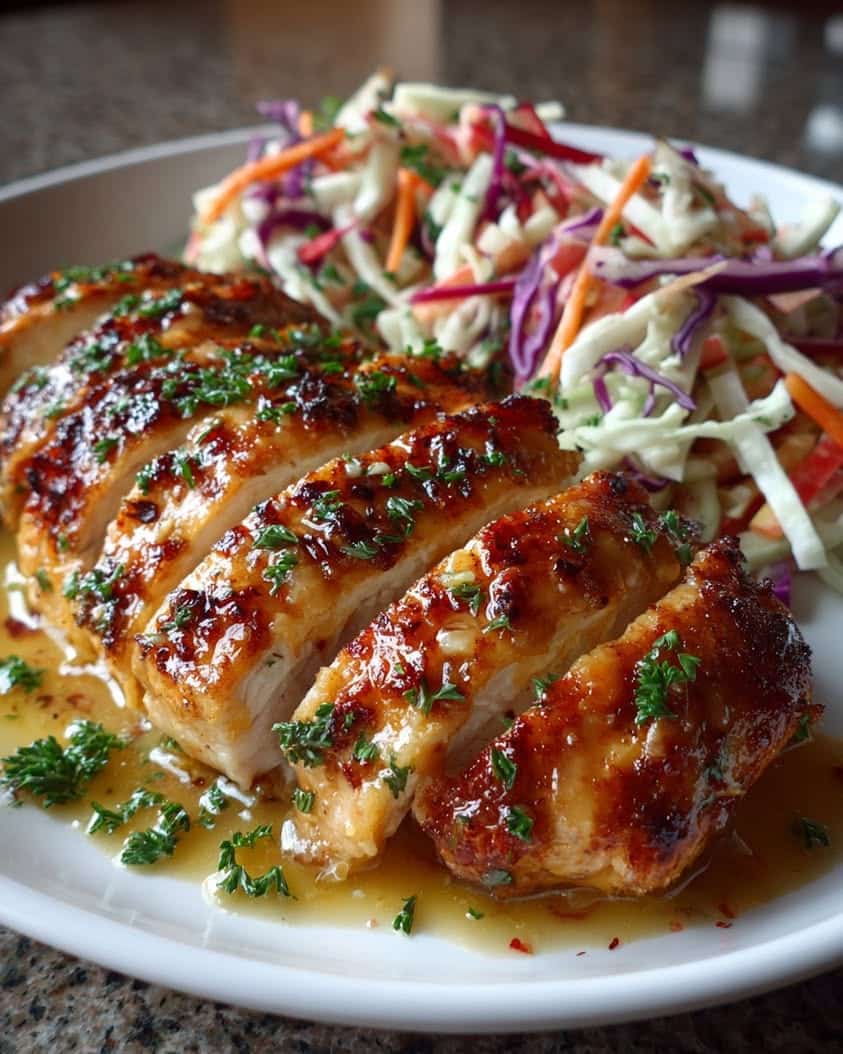
Apple Cider Chicken with Crisp Autumn Slaw: A Quick, Elegant Dinner That Tastes Like a Cozy Fall Day!
As the air turns crisp and leaves begin their brilliant transformation, our cravings shift toward warm, comforting meals that celebrate the harvest. This apple cider chicken with crisp autumn slaw perfectly captures the essence of the season in one stunning, flavorful dish. Imagine tender, pan-seared chicken breasts glazed with a reduction of sweet-tart apple cider, creating a sticky, caramelized exterior that gives way to juicy perfection. Meanwhile, the accompanying slaw provides a refreshing, crunchy counterpoint, bursting with the flavors of crisp apples, shredded Brussels sprouts, and a bright, tangy vinaigrette.
Furthermore, this recipe transforms simple, accessible ingredients into a dinner that feels both elegant and deeply satisfying. The process is surprisingly straightforward, making it an ideal weeknight meal that doesn’t compromise on taste or presentation. The aroma of simmering apple cider, thyme, and seared chicken will fill your kitchen with an unmistakable autumnal warmth. Ultimately, this dish is a celebration of fall on a plate, offering a beautiful balance of savory, sweet, and acidic notes that will have everyone asking for seconds.
Consequently, if you are searching for a meal that is both quick to prepare and impressive enough for company, this apple cider chicken is your answer. It leverages the best of seasonal produce to create a wholesome, delicious dinner. The vibrant colors and textures make it a feast for the eyes as well as the palate. This recipe truly is the ultimate cozy fall meal, providing all the comfort you crave with a refreshingly light and modern twist.
Quick Recipe Highlights
- Flavor Profile: This dish masterfully balances the savory, umami-rich taste of seared chicken with the sweet and tangy notes of the reduced apple cider glaze. Additionally, the slaw introduces a bright, acidic element from its vinaigrette, which cuts through the richness beautifully. The overall experience is a harmonious blend of autumn flavors that dance on your tongue.
- Texture: You will enjoy a wonderful contrast between the tender, juicy chicken with its slightly sticky glaze and the incredibly crisp, refreshing crunch of the autumn slaw. Each component contributes a unique mouthfeel, from the soft give of the poultry to the snap of fresh apples and shredded Brussels sprouts. This textural interplay makes every single bite exciting and satisfying.
- Aroma: As the chicken cooks, your kitchen will fill with the warm, inviting scent of reducing apple cider, which carries notes of baked apples and warm spices. The fresh thyme and a hint of garlic add a savory, herbal depth to the aromatic profile. Meanwhile, the slaw brings a lighter, fresher scent from the apple cider vinegar and crisp vegetables, creating a complex and appetizing atmosphere.
- Visual Appeal: The final plate is a masterpiece of autumn hues, featuring golden-brown chicken draped in a deep amber glaze. The slaw adds a pop of vibrant green from the Brussels sprouts and kale, punctuated by the red skin of the apples and the bright orange of the carrots. This colorful presentation makes the dish look as spectacular as it tastes, perfect for a festive dinner table.
- Skill Level Needed: This is an accessible recipe designed for home cooks of all experience levels, requiring only basic techniques like pan-searing and making a simple vinaigrette. You do not need any specialized skills or equipment, just a reliable skillet and a sharp knife for prepping the vegetables. Consequently, even a beginner can achieve restaurant-quality results with ease and confidence.
- Special Equipment: A large, oven-safe skillet is highly recommended for achieving a perfect sear on the chicken and for seamlessly making the pan sauce. Otherwise, you only need standard kitchen tools like a sharp chef’s knife, a cutting board, and a large mixing bowl for tossing the slaw. A microplane or zester for the apple is helpful but not strictly necessary for the recipe.
Recipe Overview
- Difficulty Level: We have classified this apple cider chicken as an easy recipe because it relies on fundamental cooking methods that most people already possess. The steps are sequential and logical, from searing the protein to building a simple pan sauce and tossing a fresh salad. There are no complicated techniques or hard-to-find ingredients, making it a very approachable and reliable dish for any night of the week.
- Category: This dish fits wonderfully into the main course category, providing a complete and balanced meal with protein and vegetables. It can also be considered a healthy weeknight dinner or a special occasion entrée due to its elegant presentation. The inclusion of the slaw directly on the plate means you often do not need a separate side dish, streamlining your meal preparation significantly.
- Cuisine: This recipe draws inspiration from modern American farmhouse cooking, which emphasizes fresh, seasonal ingredients and straightforward, honest flavors. It incorporates classic autumn elements like apple cider and root vegetables, which are staples in North American fall harvest cuisine. The technique of creating a pan sauce from the fond left by the chicken is a foundational French method, showing a beautiful fusion of influences.
- Cost: The cost for this meal is remarkably reasonable, especially if you prepare it during the peak of apple season when cider and apples are most affordable. Chicken breasts are a cost-effective protein, and the slaw ingredients are common, inexpensive vegetables. Overall, you can create this impressive, restaurant-style dinner for a fraction of the cost of dining out, making it both budget-friendly and delicious.
- Season: This is unequivocally a fall recipe, designed to be made when apple cider is fresh and at its flavor peak and when Brussels sprouts and kale are in season. The warm, spiced notes of the dish perfectly complement the cooler weather and shorter days. That said, the ingredients are often available year-round, allowing you to bring a taste of autumn to your table whenever the craving strikes.
- Occasion: This apple cider chicken is versatile enough for a busy Tuesday family dinner yet sophisticated enough for a weekend gathering or a holiday meal like Thanksgiving. Its stunning presentation makes it ideal for entertaining, as it looks like you spent far more time and effort than you actually did. It is the perfect centerpiece for any autumn-themed celebration or a cozy date night at home.
Why You’ll Love This Apple Cider Chicken
First and foremost, the taste and texture appeal of this dish is absolutely undeniable. The apple cider chicken offers a symphony of flavors, from the deeply savory and herby notes of the pan-seared chicken to the sweet, complex tang of the reduced cider glaze. Meanwhile, the crisp autumn slaw provides a necessary and refreshing crunch that cleanses the palate between bites of the rich chicken. This combination ensures that every forkful is a perfect balance, preventing any single flavor from becoming overwhelming and keeping your taste buds engaged from start to finish.
From a convenience standpoint, this recipe is a true weeknight hero. The total hands-on time is minimal, and the entire meal comes together in well under an hour. You can easily prepare the slaw vinaigrette and shred the vegetables while the chicken is cooking, making the process incredibly efficient. Furthermore, the recipe uses just one main pan for the chicken and sauce, which dramatically reduces your cleanup time. This makes achieving a beautiful, from-scratch dinner after a long workday not just a possibility, but a very likely and stress-free reality.
Nutritionally, this meal is a powerhouse of vitamins and lean protein. Chicken breast is an excellent source of lean protein, essential for muscle repair and satiety. The autumn slaw, packed with Brussels sprouts, kale, and apples, delivers a massive dose of fiber, Vitamin C, Vitamin K, and antioxidants. The dressing, made with apple cider vinegar and a touch of maple syrup, is far lighter and healthier than creamy, mayonnaise-based slaws. Consequently, you can feel great about serving this dish to your family, knowing it is as nourishing as it is delicious.
For social and entertaining value, this apple cider chicken is a guaranteed crowd-pleaser. Its vibrant, colorful presentation on the plate makes it look like it came from a professional kitchen, impressing guests with very little effort on your part. The flavors are universally appealing, striking a chord with both adults and children alike. Because the components can be partially prepped ahead of time, you can spend more time with your company and less time stressing in the kitchen, making it an ideal choice for hosting dinner parties or holiday meals.
Finally, the cost-effectiveness and accessibility of this recipe cannot be overstated. The ingredients are common and affordable, especially during the autumn months. You do not need any expensive or exotic items to create something truly special. This dish demonstrates how a few simple, high-quality ingredients can be transformed into an extraordinary meal without breaking the bank. It is a fantastic way to eat well and seasonally, proving that elegant, flavorful cooking is accessible to everyone, regardless of their grocery budget.
Historical Background and Cultural Significance
The practice of cooking meat with fruit, especially apples, has deep roots in European culinary traditions, particularly in regions like Normandy, France, known for its apple orchards and cider production. Dishes like “Poulet Vallée d’Auge” famously combine chicken, apples, and cider or Calvados, creating a rich, comforting sauce. This apple cider chicken is a modern, streamlined descendant of those classic recipes, adapting the core flavor principle for the contemporary American home kitchen. It reflects a long-standing understanding that the acidity and sweetness of fruit can beautifully complement and tenderize savory proteins.
In American culture, apple cider is intrinsically linked to the fall season, harvest festivals, and colonial history. Early settlers brought apple cultivation to North America, and cider was a common beverage. The concept of a “slaw” also has European origins, derived from the Dutch word “sla,” meaning salad, but the American version often features mayonnaise. This recipe’s crisp autumn slaw, however, leans into a lighter, vinegar-based dressing, aligning with modern health trends while utilizing classic autumn harvest vegetables like Brussels sprouts and carrots, which are staples of American Thanksgiving and fall feasts.
The evolution of this specific recipe mirrors a broader trend in home cooking towards meals that are both quick to prepare and packed with flavor. Traditional braised chicken with cider might have taken hours, but this version uses a quick pan sauce to achieve a similar depth of flavor in a fraction of the time. The incorporation of kale and Brussels sprouts into the slaw is also a relatively recent development, capitalizing on their superfood status and robust texture. This evolution shows how recipes adapt to our changing lifestyles, nutritional knowledge, and ingredient availability while preserving the soul of the original dish.
Regional variations of this concept abound. In the American South, you might find a similar chicken dish with a pecan-studded slaw or a dressing with a touch of bourbon. In New England, where apple production is prolific, the cider glaze might be reduced with a splash of maple syrup. The slaw itself is endlessly adaptable; some regions might use a creamy buttermilk dressing, while others, like this recipe, prefer a sharp vinaigrette. This versatility is a testament to the recipe’s solid foundation, allowing it to be personalized and reflecting the local flavors and preferences of cooks across the country.
Ingredient Deep Dive
Let us start with the star of the show: apple cider. Authentic, unfiltered apple cider is pressed from a blend of apples, resulting in a cloudy, robustly flavored juice that is packed with apple essence. Historically, cider was a crucial method of preserving the apple harvest through the winter. Nutritionally, it contains polyphenols and antioxidants, though it should be used in moderation due to its natural sugar content. For the best flavor, seek out fresh, local cider from a farmer’s market or orchard during the fall. If you cannot find cider, a good substitute is unfiltered apple juice mixed with a teaspoon of apple cider vinegar to replicate the tang.
Boneless, skinless chicken breasts are the chosen protein for their leanness and quick cooking time. To ensure they remain juicy, it is critical to buy breasts of similar size and thickness, or to pound them to an even thinness. Chicken is an excellent source of high-quality protein, niacin, and selenium. When selecting chicken, look for plump, pinkish flesh with no off odors. For storage, keep it in the coldest part of your refrigerator and use within 1-2 days of purchase, or freeze for longer storage. You can easily substitute chicken thighs for a richer, more forgiving cut, though you may need to adjust the cooking time slightly.
Brussels sprouts form the base of the crisp autumn slaw and have transitioned from a often-maligned vegetable to a modern culinary darling. They are part of the brassica family, related to cabbage and kale, and have been cultivated for centuries in Europe. They are a nutritional powerhouse, loaded with Vitamin K, Vitamin C, fiber, and antioxidants known for their cancer-fighting properties. Choose firm, bright green sprouts with tightly packed leaves; avoid those that are yellowing or have loose leaves. For the slaw, shredding them thinly is key to their pleasant texture and ability to absorb the dressing. You can substitute with shredded green cabbage if preferred.
The apple in the slaw provides crucial sweetness and crunch. Using a firm, crisp variety like Honeycrisp or Granny Smith ensures the pieces hold their shape and do not turn to mush. Apples have a long cultural history and are deeply symbolic in many mythologies. They are rich in dietary fiber, particularly pectin, and Vitamin C. To prevent browning after slicing, toss them immediately with a bit of the slaw’s vinaigrette. When storing whole apples, keep them in the refrigerator’s crisper drawer to maintain freshness. A firm pear can be a wonderful substitute if you desire a slightly different flavor profile.
Apple cider vinegar is the acidic backbone of the slaw dressing. It is made by fermenting apple cider, which gives it its characteristic tang and subtle apple notes. Many people also tout its potential health benefits, including aiding digestion and helping to regulate blood sugar. Its acidity is essential for balancing the sweetness of the cider glaze and the maple syrup in the dressing. Always choose raw, unfiltered apple cider vinegar with the “mother” for the most flavor and potential benefits. In a pinch, white wine vinegar or fresh lemon juice can be used as a substitute, though the flavor will be slightly different.
Common Mistakes to Avoid
- Overcrowding the Pan: Placing all the chicken breasts in the skillet at once will steam them instead of creating a beautiful, caramelized sear. Always cook in batches if necessary to ensure each piece has enough space. This mistake is the primary reason chicken ends up pale and rubbery instead of golden-brown and juicy.
- Using the Wrong Apple Cider: Avoid using clear, filtered apple juice, as it lacks the deep, complex flavor of real, unfiltered apple cider. The cloudy, spiced notes of authentic cider are fundamental to building a rich, flavorful glaze. Always check the label to ensure you are buying 100% pure apple cider for the best results.
- Not Letting the Chicken Rest: Slicing into the chicken immediately after cooking will cause all the precious juices to run out onto the cutting board, leaving the meat dry. You must allow it to rest for at least 5-10 minutes before slicing. This allows the muscle fibers to relax and reabsorb the juices throughout the meat.
- Underseasoning the Chicken: Chicken breasts need a generous amount of salt and pepper to enhance their natural flavor. Do not be shy with seasoning both sides just before they go into the hot pan. Proper seasoning is a simple step that makes a monumental difference in the final taste of the dish.
- Boiling the Sauce: After adding the cider to the pan, you want a vigorous simmer, not a rolling boil. Boiling can cause the sauce to reduce too quickly and potentially burn, and it can also make the sauce taste harsh. A steady simmer will gently thicken the liquid and meld the flavors perfectly.
- Soggy Slaw: Adding the dressing to the slaw too far in advance will cause the crunchy vegetables to wilt and become watery. For the best texture, toss the slaw with the vinaigrette just before you are ready to serve. This ensures every bite is crisp and refreshing.
- Ignoring the Fond: The browned bits left in the pan after searing the chicken, called the “fond,” are packed with flavor. A common error is to skip deglazing the pan with the cider, which leaves all that deliciousness behind. Scraping the pan with the liquid is essential for a deeply flavorful sauce.
- Using a Flimsy Skillet: A thin, non-stick skillet will not achieve the high heat needed for a proper sear and can warp. A heavy-bottomed, oven-safe stainless steel or cast-iron skillet is ideal. It distributes heat evenly and can go from the stovetop to the oven if you need to finish cooking the chicken.
Essential Techniques
Pan-Searing is the first critical technique for achieving perfect apple cider chicken. This method involves cooking the chicken over medium-high to high heat to create a flavorful, caramelized crust through the Maillard reaction. To master it, ensure your chicken is dry, your skillet is preheated, and you use a high-smoke-point oil like avocado or grapeseed oil. Do not move the chicken for the first few minutes, allowing a crust to form. The most common pitfall is flipping too early; wait until the chicken releases easily from the pan. A successful sear is visually confirmed by a uniform golden-brown color on the surface.
Building a Pan Sauce is the next essential skill, which transforms the simple drippings into a luxurious glaze. After removing the seared chicken, you will deglaze the hot pan with apple cider, using a whisk or wooden spoon to scrape up all the flavorful browned bits. The liquid is then simmered until it reduces and thickens slightly, concentrating its flavor. The key is to let it reduce to a syrupy consistency that will coat the back of a spoon. A common mistake is not reducing it enough, resulting in a thin, watery sauce. The final addition of butter, while optional, creates a richer, glossier finish that clings beautifully to the chicken.
Creating an Emulsified Vinaigrette for the slaw is a simple but important technique. An emulsion is a stable mixture of two liquids that do not normally combine, like oil and vinegar. To achieve this, you start by whisking the acidic components (vinegar, maple syrup, mustard) together first. Then, you slowly stream in the oil while whisking constantly; this slow incorporation encourages the two to bind. The mustard acts as an emulsifier, helping to stabilize the mixture. If you add the oil too quickly, the dressing may “break” and separate. A properly emulsified vinaigrette will be slightly thickened and creamy-looking, ensuring every piece of slaw is evenly coated.
Pro Tips for Perfect Apple Cider Chicken
First, bring your chicken to room temperature for about 15-20 minutes before cooking. Starting with cold chicken straight from the fridge will cause it to steam and cook unevenly. This simple step ensures the meat cooks through to the center at the same rate the exterior is searing, resulting in a much juicier final product.
Use an instant-read thermometer to guarantee perfectly cooked chicken every single time. Visual cues can be misleading. Remove the chicken from the pan when its internal temperature reaches 155-160°F; the residual heat will carry it to the safe final temperature of 165°F as it rests. This prevents the common tragedy of dry, overcooked chicken.
For an extra layer of flavor, consider searing a few sprigs of fresh thyme and a smashed garlic clove in the pan for a minute before you deglaze with the cider. This infuses the oil with their essence, which then carries through into the sauce. Just remember to remove the garlic before it burns, as burnt garlic will make the sauce bitter.
When preparing your slaw, salting the shredded Brussels sprouts and kale lightly about 10 minutes before dressing them can work wonders. The salt will draw out a bit of excess moisture, which can make the slaw watery, and it also helps to slightly wilt the tough kale leaves, making them more tender and pleasant to eat.
Do not discard your apple core! Instead, toss it into the pan sauce as it reduces. The core and seeds contain a high concentration of pectin, which will naturally help thicken the sauce and boost the apple flavor. Simply fish it out with a fork before you finish the sauce with butter.
For a truly restaurant-quality presentation, slice your rested chicken on a bias. This creates wider, more attractive slices that are easier to eat. Then, spoon the warm glaze over the top just before serving to make it glisten. Plate the chicken atop or beside a generous mound of the crisp slaw for a stunning visual and textural contrast.
Variations and Adaptations
For regional variations, consider adding a Southern twist by mixing chopped toasted pecans or walnuts into the slaw. A New England-inspired version could include a tablespoon of maple syrup in the cider glaze and some dried cranberries in the slaw. For a German flair, use a light lager instead of half the cider for deglazing and add a pinch of caraway seeds to the slaw dressing. These small changes can transport the basic recipe to different culinary landscapes, showcasing its incredible versatility and adaptability to local tastes and ingredients.
Seasonal adaptations are straightforward and encouraged. In the winter, you could add roasted cubed butternut squash or sweet potato to the slaw for heartiness. During the spring, asparagus tips and fresh peas would be a lovely addition. In the summer, a lighter slaw with zucchini noodles and fresh herbs would complement the chicken beautifully. The core recipe for the apple cider chicken remains a constant, while the slaw becomes a canvas for whatever is fresh and abundant at your local market, ensuring the dish never gets old.
Dietary modifications are easily implemented. For a gluten-free meal, this recipe is naturally compliant as long as you verify your apple cider and mustard are gluten-free brands. To make it dairy-free, simply omit the butter from the pan sauce; it will still be delicious. For a lower-carb or keto version, replace the maple syrup in the slaw dressing with a keto-friendly sweetener and ensure you use a sugar-free apple cider. The recipe is wonderfully forgiving and can be tailored to fit nearly any dietary need without sacrificing flavor.
Flavor variations can keep this dish exciting on repeat appearances. Try using fresh sage or rosemary instead of thyme for a different herbal note. For a spicy kick, add a pinch of red pepper flakes to the pan when you are reducing the cider. A teaspoon of whole-grain mustard stirred into the finished sauce can add a pleasant pungency and texture. You could even swap the apple cider for pear cider for a subtly different fruit profile. Do not be afraid to experiment and make the recipe your own.
Serving and Presentation Guide
Plating techniques matter for turning a simple dinner into an elegant experience. For a modern, restaurant-style look, place a generous mound of the crisp autumn slaw slightly off-center on each plate. Then, artfully fan the sliced apple cider chicken over or beside the slaw. This creates height and visual interest. Alternatively, for a family-style presentation, arrange the whole chicken breasts on a large platter, drizzle with the glaze, and pile the slaw in a vibrant heap next to them, allowing guests to serve themselves.
Garnishing adds the final touch of professionalism and freshness. A simple sprinkle of fresh thyme leaves or microgreens over the entire plate brings a pop of color and a hint of fresh aroma. For a textural garnish, a few crispy fried shallots or a scattering of pomegranate seeds would add beautiful color and crunch. A final light drizzle of the reduced cider glaze around the perimeter of the plate adds a glossy, artistic touch that signals care and attention to detail.
Traditional accompaniments for a dish like this are often simple and starchy to soak up the delicious sauce. Creamy mashed potatoes, parsnip puree, or soft polenta are all classic choices that provide a comforting base. For a lighter option, a simple wild rice blend or quinoa works wonderfully. Since the slaw is already included, you often do not need an additional vegetable side, making this a complete and balanced meal with minimal extra effort required.
Modern serving suggestions might include turning the components into a warm salad. You can chop the cooked chicken and toss it directly with the slaw and extra dressing for a deconstructed, easy-to-eat bowl. For a handheld option, the sliced chicken and slaw would make an incredible filling for a warm wrap or pita. Serving it over a bed of mixed greens can also lighten the meal further, making the chicken and slaw the hearty toppings on a larger salad base.
Wine and Beverage Pairing
When selecting a wine, you want something that can harmonize with the sweet, tart, and savory elements of the apple cider chicken. A dry Riesling is a phenomenal choice, as its bright acidity cuts through the richness of the glaze and its stone fruit notes complement the apple flavors beautifully. Alternatively, a light-bodied Pinot Noir with its red fruit and earthy characteristics can stand up to the chicken without overpowering the dish. For a white wine option, an unoaked Chardonnay provides a clean, crisp palate that lets the ingredients shine.
For non-alcoholic alternatives, the most obvious and delightful pairing is a glass of chilled, sparkling apple cider itself. Its effervescence and authentic apple flavor create a perfect thematic match. Another excellent option is a ginger beer, as the spicy kick of ginger pairs wonderfully with both the chicken and the slaw. A simple infused water with apple slices, cinnamon sticks, and a few cranberries would also be a refreshing and visually appealing choice that continues the autumn theme.
While not a traditional pairing for chicken, a light roast coffee or a chai tea latte can be a surprisingly cozy companion to this meal, especially for a late autumn lunch. The warm spices in chai mirror the subtle spice notes in the cider, and the creaminess can be a nice contrast. If serving this for a brunch gathering, a sparkling brut would also be a celebratory and fitting pairing, as its dryness and bubbles are excellent for cutting through rich and sweet flavors.
Storage and Shelf Life
For optimal freshness, store the cooked apple cider chicken and the autumn slaw separately in airtight containers in the refrigerator. The chicken will keep for up to 3-4 days. The slaw is best consumed within 1-2 days, as the vinegar will continue to break down the vegetables, causing them to lose their crispness over time. Always allow the chicken to cool completely to room temperature before sealing it and placing it in the fridge to prevent condensation, which can make the skin soggy and promote bacterial growth.
Reheating the chicken requires care to prevent it from drying out. The best method is to gently warm it in a covered skillet over low heat with a tablespoon of water or additional apple cider to create steam. You can also reheat it in a 300°F oven until just warmed through. Avoid using the microwave, as it will aggressively steam the chicken and ruin its texture. The slaw, however, is best served cold and should not be reheated; enjoy it straight from the refrigerator.
Freezing is not recommended for the complete dish. The high water content in the cooked chicken breasts means they will become tough and watery upon thawing. The slaw vegetables will become completely limp and mushy after freezing and thawing. If you must freeze, only freeze the cooked, un-sauced chicken for up to 2 months. Thaw it overnight in the refrigerator and then reheat gently, making a fresh batch of the cider glaze and slaw when you are ready to serve.
Make Ahead Strategies
You can significantly streamline your dinner preparation by employing a few smart make-ahead strategies. The vinaigrette for the slaw can be prepared up to 5 days in advance and stored in a jar in the refrigerator. Simply shake it well before using. The vegetables for the slaw—the shredded Brussels sprouts, kale, carrots, and apples—can be prepped and stored separately in airtight containers or resealable bags for 1-2 days. However, wait to combine and dress the slaw until just before serving to maintain maximum crispness.
The chicken itself can be prepped ahead by seasoning the breasts and storing them on a plate, covered, in the refrigerator for up to 24 hours. This allows the salt to penetrate the meat, enhancing its flavor from the inside out. You can also measure out your apple cider and have your thyme sprigs ready to go. Having all your components prepped and waiting means that when it is time to cook, you can have this elegant meal on the table in well under 30 minutes, making it perfect for busy weeknights or stress-free entertaining.
Scaling Instructions
Scaling this recipe up or down is straightforward, but it requires attention to a few key details. For halving the recipe, simply divide all the ingredients by two. Use a medium skillet instead of a large one to ensure the pan sauce reduces properly. The cook time for the chicken will remain roughly the same, but keep a close eye on the sauce as it will reduce more quickly due to the smaller volume.
When doubling or tripling the recipe to feed a crowd, do not attempt to cook all the chicken in one batch. Cook the chicken in sequential batches to avoid overcrowding the pan and ensure a proper sear. You may need to make the pan sauce in batches as well, or use a very large, wide pan or a Dutch oven. For the slaw, mix the dressing in a large bowl first, then add the vegetables and toss to coat evenly. Remember that a larger volume of slaw will require more tossing to ensure everything is well-dressed.
Nutritional Deep Dive
This dish offers a well-rounded macronutrient profile. The chicken breasts provide a high-quality, lean source of protein, essential for muscle maintenance and satiety. The fats in this meal come primarily from the cooking oil and the optional butter in the sauce, which are sources of healthy monounsaturated and saturated fats. The carbohydrates are primarily from the apple cider, maple syrup, and the vegetables in the slaw, which are complex carbs and natural sugars that provide sustained energy. The slaw is particularly high in dietary fiber, which aids digestion and helps regulate blood sugar levels.
From a micronutrient perspective, this meal is a powerhouse. The Brussels sprouts and kale in the slaw are loaded with Vitamin K, crucial for blood clotting and bone health, and Vitamin C, a powerful antioxidant. They also provide folate, manganese, and Vitamin A. The apple contributes additional Vitamin C and various phytonutrients. Chicken is an excellent source of B vitamins, particularly B6 and niacin, which are vital for energy metabolism. Together, these ingredients create a meal that supports immune function, energy levels, and overall cellular health.
Dietary Adaptations
For a gluten-free version, this recipe is naturally compliant. Simply double-check that your apple cider and Dijon mustard are certified gluten-free, as some brands may use additives or be processed in facilities with gluten. All other ingredients—chicken, vegetables, oil, and vinegar—are inherently gluten-free. This makes the apple cider chicken an excellent and safe choice for those with celiac disease or gluten sensitivity, requiring no substitutions whatsoever.
To adapt this recipe for a vegan diet, replace the chicken with a plant-based protein like extra-firm tofu, tempeh, or seitan. Press and slice the tofu, then sear it following the same method as the chicken. Use a vegan butter substitute or simply omit the butter from the pan sauce. For the slaw, the recipe is already vegan as written. The resulting dish will have a different protein profile but will maintain the same delightful contrast between the savory, glazed element and the crisp, tangy slaw.
For a keto or very low-carb adaptation, the main challenge is the sugar content in the apple cider and maple syrup. Substitute the apple cider with a combination of chicken broth and a splash of sugar-free apple cider vinegar, adding a keto-friendly sweetener to taste. In the slaw dressing, replace the maple syrup with a liquid monk fruit or stevia blend. The vegetables in the slaw are relatively low in net carbs, but you could reduce the amount of carrot and apple slightly to fit your macros more precisely.
Troubleshooting Guide
If your sauce is too thin, the most likely cause is that it did not reduce enough. Simply return it to the skillet and continue simmering over medium heat until it thickens to a syrupy consistency that coats the back of a spoon. Conversely, if your sauce is too thick or has reduced too much, it may become sticky and bitter. Fix this by whisking in a tablespoon or two of additional apple cider or even water to loosen it to the desired consistency.
If your chicken is cooking too quickly on the outside but is still raw inside, your heat is too high. Reduce the heat to medium to allow the interior to cook through without burning the exterior. You can also finish cooking the chicken in a preheated 375°F oven for 5-10 minutes after searing. If the opposite happens and the chicken is steaming and not browning, your pan is not hot enough, or you have overcrowded it. Ensure your skillet is properly preheated and cook in batches if necessary.
If your slaw becomes watery, it is usually because it was dressed too far in advance. Unfortunately, this is difficult to reverse. For future reference, always dress the slaw at the last minute. If you have leftovers, drain off any excess liquid before serving again. To prevent wilting, you can store the dressing and the dry slaw mix separately and combine them just moments before you sit down to eat.
Recipe Success Stories
We have received wonderful feedback from our community of home cooks who have tried this apple cider chicken. One reader, Sarah from Vermont, shared that she made this for her in-laws and received rave reviews, noting that the crisp slaw was a revelation compared to heavier holiday sides. Another, Mike from Oregon, reported that he successfully substituted the chicken for pork chops and found it to be an equally delicious variation, proving the recipe’s versatility.
Many readers
Print
Apple Cider Chicken with Crisp Autumn Slaw
Description
A savory and sweet chicken dish glazed with apple cider, served alongside a refreshing slaw made with seasonal autumn vegetables.
Ingredients
For the Crust:
- 4 boneless, skinless chicken breasts
- 2 cups apple cider
- 2 tablespoons olive oil
- 1 teaspoon dried thyme
- Salt and black pepper to taste
- 4 cups shredded cabbage
- 1 apple, thinly sliced
- 1/2 cup shredded carrots
- 1/4 cup chopped walnuts
- 2 tablespoons apple cider vinegar
- 1 tablespoon honey
Instructions
1. Prepare the Crust:
- Season chicken breasts with salt, pepper, and dried thyme.
- Heat olive oil in a large skillet over medium-high heat. Add chicken and cook for 5-7 minutes per side until golden brown.
- Pour apple cider into the skillet, reduce heat to medium, and simmer for 10-12 minutes until chicken is cooked through and sauce thickens.
- In a large bowl, combine cabbage, apple slices, carrots, and walnuts.
- Whisk together apple cider vinegar and honey, then toss with the slaw mixture.
- Serve chicken topped with the reduced cider glaze and a side of autumn slaw.
Notes
You can customize the seasonings to taste.

I’m Shaykee—born in Morocco, seasoned across continents. From airplane galleys to home kitchens, I share the flavors and stories that shaped my journey.