
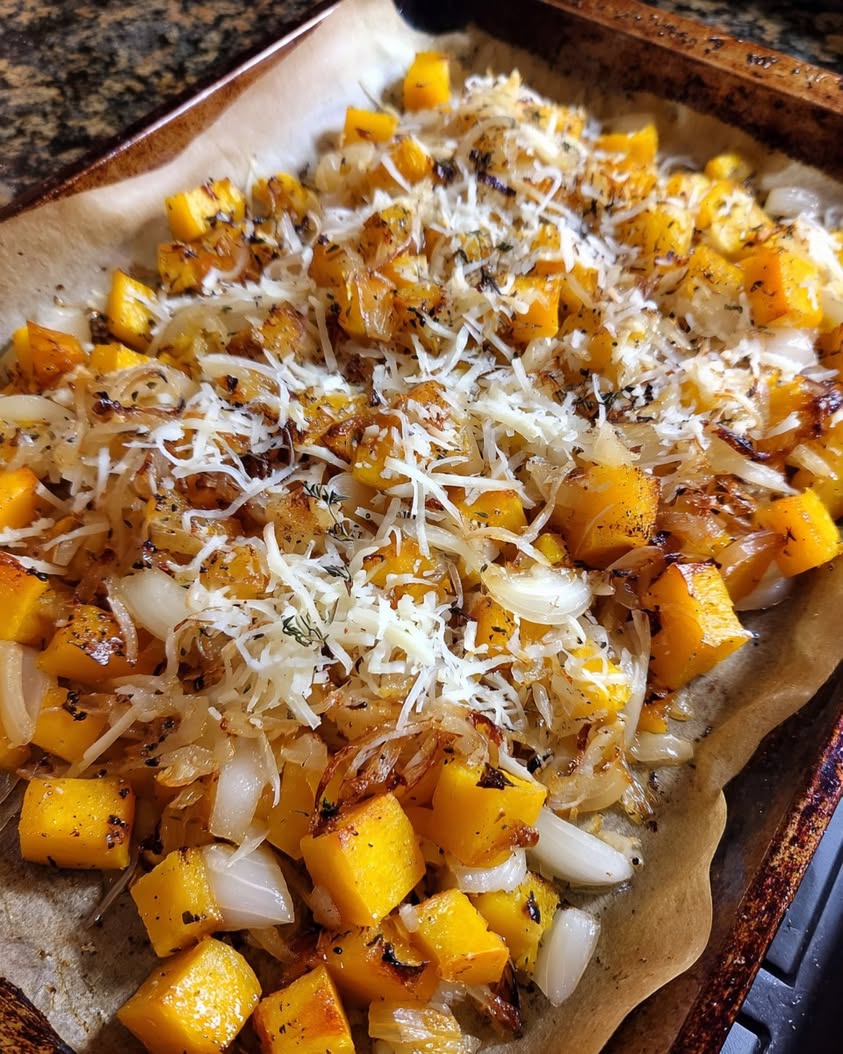
Caramelized Onion Gruyère Squash: The Ultimate Cozy and Elegant Side Dish
This Caramelized Onion Gruyère Squash recipe transforms simple, wholesome ingredients into an extraordinary culinary experience. Imagine tender, sweet squash halves filled with deeply savory, slow-cooked caramelized onions and topped with nutty, melted Gruyère cheese. The result is a side dish that feels simultaneously rustic and refined, perfect for both weeknight dinners and holiday feasts. Furthermore, the combination of flavors and textures creates a memorable dish that will have everyone asking for seconds.
Creating this dish is a rewarding process that fills your kitchen with an incredible aroma. The sweet scent of roasting squash mingles with the rich, savory smell of onions slowly transforming into golden perfection. Ultimately, this Caramelized Onion Gruyère Squash delivers maximum flavor with straightforward techniques. It showcases how a few quality ingredients, when treated with care, can create something truly special that elevates any meal.
This recipe is incredibly versatile, complementing a wide range of main courses from roasted chicken to beef tenderloin. Additionally, it can be prepared in advance, making entertaining stress-free. The beautiful presentation, with the golden cheese bubbling over the vibrant squash, makes it a show-stopping addition to any table. Consequently, this Caramelized Onion Gruyère Squash is destined to become a new favorite in your recipe collection.
Quick Recipe Highlights
- Flavor Profile: This Caramelized Onion Gruyère Squash features a beautiful balance of sweet and savory notes. The natural sweetness of the roasted squash pairs perfectly with the deep, umami-rich caramelized onions. Meanwhile, the nutty, slightly salty Gruyère cheese brings everything together into a harmonious flavor experience.
- Texture: The texture contrast in this dish is exceptional. You get the creamy, soft flesh of the roasted squash against the silky, jam-like caramelized onions. Finally, the bubbly, golden-brown cheese crust provides a delightful crispness that completes the sensory experience.
- Aroma: While cooking, this Caramelized Onion Gruyère Squash fills your kitchen with an irresistible fragrance. The sweet, earthy scent of roasting squash combines with the rich, savory aroma of slowly caramelizing onions. Additionally, the nutty perfume of melting Gruyère cheese creates an olfactory experience that builds anticipation for the delicious meal to come.
- Visual Appeal: This dish presents beautifully with vibrant squash halves serving as natural bowls. The golden-brown cheese topping contrasts beautifully with the orange squash flesh, while the caramelized onions create a visually appealing middle layer. Consequently, it makes for an impressive presentation that requires minimal plating effort.
- Skill Level Needed: This Caramelized Onion Gruyère Squash is accessible to cooks of all levels. While caramelizing onions requires patience rather than advanced technique, the process is straightforward. Therefore, even beginner cooks can achieve restaurant-quality results with this approachable recipe.
- Special Equipment: You need only basic kitchen equipment to make this Caramelized Onion Gruyère Squash. A baking sheet, skillet, and basic kitchen knives are sufficient. However, a mandoline can help achieve uniformly sliced onions for even caramelization, though it is not essential.
Recipe Overview
- Difficulty Level: This Caramelized Onion Gruyère Squash recipe earns its easy rating because it involves fundamental cooking techniques rather than complicated procedures. The most challenging aspect is patiently caramelizing the onions, which requires attention rather than advanced skill. Additionally, preparing the squash is straightforward, involving simple scooping and roasting. Consequently, home cooks of all experience levels can successfully create this impressive dish.
- Category: This versatile Caramelized Onion Gruyère Squash fits perfectly into multiple meal categories. It shines as an elegant side dish for special occasions and holiday meals. Simultaneously, it works beautifully as a satisfying vegetarian main course when served with a simple green salad. Furthermore, it makes an excellent addition to brunch spreads alongside eggs and breakfast meats.
- Cuisine: This Caramelized Onion Gruyère Squash draws inspiration from French and Swiss culinary traditions while maintaining broad appeal. The use of Gruyère cheese, a classic Swiss ingredient, pairs with the French technique of slow onion caramelization. However, the preparation approach is contemporary and adaptable, making it suitable for various culinary contexts. Ultimately, it represents a fusion of European technique with accessible, modern home cooking.
- Cost: Preparing this Caramelized Onion Gruyère Squash is surprisingly economical considering its impressive results. Winter squash is typically affordable, especially during peak season, and onions are consistently inexpensive. Although Gruyère represents the most significant cost, a little goes a long way in terms of flavor impact. Therefore, this dish delivers restaurant-quality taste without the restaurant price tag.
- Season: This Caramelized Onion Gruyère Squash is particularly wonderful during autumn and winter months. During these seasons, winter squash is at its peak sweetness and most affordable. Additionally, the warm, comforting nature of the dish perfectly complements cooler weather. Nevertheless, with proper storage, you can enjoy this recipe year-round with excellent results.
- Occasion: This versatile Caramelized Onion Gruyère Squash suits numerous occasions beautifully. It elevates everyday family dinners from ordinary to special without requiring extra effort. For holiday meals, it makes an impressive side dish that complements traditional mains like turkey or ham. Furthermore, it is perfect for dinner parties and potlucks since it travels well and appeals to diverse tastes.
Why You’ll Love This Caramelized Onion Gruyère Squash
The flavor experience of this Caramelized Onion Gruyère Squash is truly exceptional. Each component brings its own distinct character that harmonizes beautifully with the others. The squash provides a sweet, earthy foundation that contrasts wonderfully with the deep, savory richness of the slowly cooked onions. Meanwhile, the Gruyère cheese adds a nutty complexity and creamy texture that ties everything together. The resulting combination creates a sophisticated flavor profile that feels both comforting and elegant, satisfying simple cravings and discerning palates alike.
From a practical perspective, this Caramelized Onion Gruyère Squash offers numerous preparation advantages. The recipe uses simple, accessible ingredients that are easy to find in most grocery stores. Additionally, much of the cooking time is hands-off, allowing you to attend to other meal components or simply relax. The dish also holds well, meaning it stays delicious even if your dinner timing shifts slightly. Furthermore, leftovers reheat beautifully, making this an excellent option for meal planning and next-day lunches.
Nutritionally, this Caramelized Onion Gruyère Squash delivers substantial benefits alongside its incredible taste. Winter squash is packed with vitamins A and C, fiber, and antioxidants, supporting immune function and digestive health. Onions provide quercetin and other beneficial compounds with anti-inflammatory properties. While Gruyère cheese contributes protein and calcium, creating a more balanced nutritional profile. Consequently, you can feel good about serving this dish to your family, knowing it provides both nourishment and pleasure.
For social and entertaining purposes, this Caramelized Onion Gruyère Squash is an undeniable winner. Its beautiful presentation creates an impressive visual impact that suggests culinary expertise, regardless of your actual cooking experience. The recipe scales easily, allowing you to serve small family dinners or larger gatherings without adjustment stress. Moreover, it appeals to various dietary preferences, satisfying vegetarians while complementing meat-centric menus. The universal appeal of these flavors ensures this dish will receive compliments and requests for the recipe.
Finally, this Caramelized Onion Gruyère Squash represents outstanding value and accessibility. The ingredients are budget-friendly, especially when squash is in season, making gourmet taste achievable without gourmet prices. The techniques involved are simple enough for novice cooks yet satisfying for experienced ones. Additionally, the recipe accommodates various substitutions and adaptations based on what you have available. This flexibility, combined with the consistently delicious results, makes it a reliable go-to recipe you will return to again and again.
Historical Background and Cultural Significance
The culinary traditions that inspire this Caramelized Onion Gruyère Squash have deep historical roots in European cooking. Squash cultivation dates back thousands of years in the Americas, with indigenous peoples developing numerous varieties and preparation methods. European colonists brought squash back to their homelands, where it gradually integrated into local cuisines. Meanwhile, onion caramelization techniques evolved particularly in French cooking, where slow-cooked onions became the foundation for many classic dishes. The marriage of these elements with Swiss cheesemaking traditions creates a dish that honors multiple culinary histories while feeling entirely contemporary.
Cultural significance surrounds each main component of this Caramelized Onion Gruyère Squash recipe. Squash holds important symbolic meaning in many Native American cultures, representing one of the “Three Sisters” agricultural system alongside corn and beans. In European traditions, onions have been culinary staples for centuries, valued for their storage qualities and flavor-enhancing properties. Gruyère cheese carries protected designation of origin status, meaning authentic Gruyère must come from specific regions of Switzerland where cheesemaking techniques have been refined over generations. The combination of these culturally significant ingredients creates a dish with rich historical resonance.
The evolution of stuffed squash recipes reflects broader culinary trends toward vegetable-centric dining. Historically, stuffed vegetables appeared across various cuisines as practical ways to extend precious ingredients and create satisfying meals. In recent decades, as vegetarian and plant-forward eating gained popularity, recipes like this Caramelized Onion Gruyère Squash have moved from side dish status to center plate contenders. Contemporary cooking shows and food media have further popularized these preparations, highlighting how simple ingredients can be transformed through technique and thoughtful flavor combinations.
Regional variations of stuffed squash appear throughout world cuisines, each reflecting local ingredients and traditions. Mediterranean versions might include olives, tomatoes, and feta cheese, while Middle Eastern interpretations often feature spices like cumin and coriander. American versions frequently incorporate maple syrup or pecans, highlighting indigenous ingredients. This particular Caramelized Onion Gruyère Squash recipe draws most directly from European traditions while remaining adaptable to various ingredient availability. The fundamental concept of stuffing vegetables transcends cultural boundaries, demonstrating how different food traditions arrive at similar delicious solutions using locally available ingredients.
Ingredient Deep Dive
Winter squash forms the foundation of this Caramelized Onion Gruyère Squash recipe, providing both vessel and primary substance. Cultivated for thousands of years, squash originated in the Americas and was among the first New World foods introduced to Europe. Nutritionally, winter squash is exceptionally rich in beta-carotene, which converts to vitamin A in the body, supporting vision, immune function, and skin health. It also provides substantial vitamin C, fiber, and various antioxidants. When selecting squash, choose specimens that feel heavy for their size with firm, unblemished rinds. Store whole squash in a cool, dark place for several months, but once cut, wrap tightly and refrigerate for up to five days. Butternut, acorn, or delicata squash all work beautifully in this recipe, though cooking times may vary slightly depending on density and thickness.
Onions undergo a magical transformation in this Caramelized Onion Gruyère Squash, developing deep sweetness through slow cooking. Historically, onions have been cultivated for over 5,000 years and were highly valued by ancient Egyptians, who even placed them in tombs for the afterlife. Nutritionally, onions provide quercetin, a powerful antioxidant with anti-inflammatory properties, along with chromium, vitamin C, and fiber. The slow caramelization process breaks down the onions’ natural sugars, creating complex flavor compounds that provide the savory backbone of this dish. Select firm onions with dry, papery skins and no soft spots, storing them in a cool, dark place with good air circulation. Yellow onions work best for caramelizing due to their balanced sugar and sulfur content, though sweet varieties like Vidalia will caramelize faster. If necessary, you can substitute shallots for a more delicate flavor, though they require careful monitoring to prevent burning.
Gruyère cheese provides the crowning glory for this Caramelized Onion Gruyère Squash, contributing nutty complexity and beautiful meltability. This Swiss cheese has protected designation of origin status, meaning authentic Gruyère must come from specific cantons in Switzerland where production methods have been perfected over centuries. Nutritionally, Gruyère provides high-quality protein, calcium, phosphorus, and vitamin A, though it should be enjoyed in moderation due to saturated fat content. The aging process develops flavor compounds that complement both the sweetness of the squash and the savoriness of the onions perfectly. When selecting Gruyère, look for cheese that is firm but not hard, with a natural rind and aroma that is aromatic but not overpowering. Store wrapped in parchment or wax paper inside an airtight container in the refrigerator’s cheese drawer. Excellent substitutes include Comté, Beaufort, or even a good quality Emmental, though each will impart slightly different flavor characteristics to the final dish.
Common Mistakes to Avoid
- Rushing the onion caramelization process represents the most common error. Caramelizing onions properly requires patience and low heat to develop their natural sugars without burning. If you cook them too quickly over high heat, they will brown externally while remaining crunchy and harsh-tasting internally. Proper caramelization should take at least 30-40 minutes of gentle cooking to achieve the desired sweet, jam-like consistency and deep golden color.
- Underseasoning the squash before roasting diminishes the final flavor impact. The squash flesh itself needs adequate seasoning to bring out its natural sweetness and complement the other components. Be generous with salt and pepper when preparing the squash halves, remembering that some seasoning will be absorbed during cooking. Additionally, consider adding a pinch of nutmeg or thyme to enhance the squash’s earthy notes before it meets the other ingredients.
- Overcrowding the pan when caramelizing onions prevents proper moisture evaporation and even cooking. When onions are too tightly packed in the skillet, they steam rather than sauté, resulting in boiled rather than caramelized onions. Use a sufficiently large skillet and cook in batches if necessary to ensure each onion slice has contact with the pan surface. This allows for proper browning and the development of complex flavor compounds through the Maillard reaction.
- Using pre-shredded cheese instead of grating your own Gruyère compromises texture and flavor. Pre-shredded cheeses contain anti-caking agents that prevent proper melting and can create a grainy texture. Furthermore, the increased surface area of pre-shredded cheese causes it to lose flavor more quickly. For the creamiest melt and fullest flavor, always purchase a block of Gruyère and grate it yourself just before using in this Caramelized Onion Gruyère Squash recipe.
- Under-roasting the squash before filling creates textural issues in the final dish. The squash needs to be tender enough to scoop easily but still hold its shape to serve as a edible container. Test for doneness by piercing the flesh with a fork or paring knife; it should offer no resistance. If the squash is undercooked, the final baking time with fillings won’t be sufficient to achieve the desired creamy texture throughout.
- Neglecting to let the squash cool slightly before handling leads to difficulty and potential burns. The squash halves retain considerable heat after roasting and need 10-15 minutes to cool to a manageable temperature. Attempting to scoop and fill them immediately from the oven often results in burned fingers and messy handling. Allow this brief cooling period for both safety and easier preparation of your Caramelized Onion Gruyère Squash.
- Skipping the step of slightly hollowing the squash halves reduces filling capacity. After roasting, use a spoon to gently scrape some of the tender flesh, creating a deeper well for the onion and cheese filling. This step not only makes room for more delicious filling but also creates a better integration of flavors as the squash mingles with the other components during the final baking stage.
- Baking at too high a temperature for the final stage risks burning the cheese before the filling heats through. The second bake primarily serves to melt the cheese and integrate the flavors rather than cook the components further. A moderate oven temperature around 375°F allows the cheese to melt evenly and develop a beautiful golden color without burning while gently warming the filling throughout.
Essential Techniques
Proper squash preparation begins with selecting the right variety and cutting it safely. Butternut squash works excellently for this Caramelized Onion Gruyère Squash due to its sweet flavor and manageable size, though acorn or delicata squash also work well. To cut squash safely, first slice a small piece off the bottom to create a stable base. Then use a sharp, heavy chef’s knife to cut through the squash from top to bottom, applying steady pressure rather than forceful chopping. Scoop out the seeds and stringy pulp thoroughly, as leaving these behind can create bitter flavors and unpleasant textures. The goal is to create even halves that will roast uniformly, so take time to ensure your cuts are straight and centered.
Onion caramelization represents the most technically important step in developing the deep flavor profile of this dish. Begin with uniformly sliced onions about ¼-inch thick to ensure even cooking. Use a heavy-bottomed skillet and moderate heat, adding the onions to the preheated oil or butter. Stir frequently initially, then less often as they begin to brown, scraping any fond that develops on the pan bottom. The process cannot be rushed—true caramelization requires at least 30 minutes to develop the complex sugars fully. The onions are ready when they have reduced significantly in volume, turned a deep golden-brown color, and developed a jam-like consistency with a sweet, intensely savory flavor.
Cheese selection and preparation significantly impact the final result of your Caramelized Onion Gruyère Squash. Authentic Gruyère offers the ideal balance of flavor and meltability, but understanding cheese properties helps with selection and substitution. Always purchase cheese in block form and grate it yourself just before using to prevent drying and preserve flavor compounds. When topping the squash, distribute the cheese evenly but not too thickly, as an excessively heavy layer can prevent proper melting in the center. The cheese should form a beautiful golden crust while remaining fluid beneath the surface, creating a textural contrast with the tender squash and silky onions.
Pro Tips for Perfect Caramelized Onion Gruyère Squash
Choose squash with consistent shape and coloring for even cooking and beautiful presentation. Look for specimens that feel heavy for their size, indicating good moisture content and dense flesh. Squash with dull rather than shiny skin often has better flavor development and sweeter flesh. Additionally, selecting similarly sized squash halves ensures uniform roasting times and consistent results across all servings.
Add a pinch of sugar to the onions during caramelization to accelerate the Maillard reaction. This small addition helps jumpstart the browning process without making the onions taste noticeably sweeter in the final dish. A teaspoon of brown sugar or even a drizzle of maple syrup can enhance the natural sweetness while promoting beautiful color development. This technique is particularly helpful if you are using onions that are less than perfectly fresh or sweet.
Enhance the flavor base by adding fresh thyme to the onions during the final minutes of caramelization. The herbal notes complement both the sweetness of the squash and the nuttiness of the Gruyère beautifully. Alternatively, a bay leaf added earlier in the caramelization process infuses subtle complexity that elevates the entire dish. Fresh rosemary also works wonderfully, though it should be used sparingly as its potent flavor can overwhelm the other components.
Create a flavor bridge between components by seasoning each layer individually. Salt and pepper the squash cavities before roasting to season the flesh throughout. Season the onions during caramelization to build layers of flavor. Finally, a light grating of fresh nutmeg over the assembled dish before the final baking complements both the squash and cheese beautifully. This layered seasoning approach ensures balanced flavor in every bite of your Caramelized Onion Gruyère Squash.
Boost umami complexity by adding a teaspoon of white miso paste to the caramelized onions during the last few minutes of cooking. The fermented soybean paste adds depth that enhances the savory qualities without dominating the flavor profile. Alternatively, a splash of soy sauce or Worcestershire sauce provides similar umami enhancement. These small additions create a more complex flavor profile that makes the dish taste even more satisfying.
Ensure beautiful cheese browning by positioning the squash under the broiler for the final minute of cooking. Watch carefully during this stage, as the transition from perfectly golden to burnt happens quickly. The direct high heat creates beautiful blistering and color variation on the cheese surface while ensuring it melts completely. This finishing touch elevates the visual appeal of your Caramelized Onion Gruyère Squash significantly.
Variations and Adaptations
Regional variations of this concept allow for creative interpretation based on culinary traditions. A Mediterranean version might include Kalamata olives, sun-dried tomatoes, and feta cheese with oregano. Southwestern adaptation could feature poblano peppers, corn, black beans, and Monterey Jack cheese with cumin and chili powder. For an Italian-inspired twist, incorporate roasted garlic, fresh sage, and fontina cheese, finishing with a balsamic glaze. These regional variations demonstrate the versatility of the stuffed squash concept while maintaining the fundamental appeal of the preparation method.
Seasonal adaptations keep this dish exciting throughout the year. During summer, substitute zucchini or pattypan squash and incorporate fresh basil and cherry tomatoes. In autumn, add roasted chestnuts or pecans to the filling for seasonal crunch and flavor. Winter versions might include chopped kale or Brussels sprouts for added heartiness and nutrition. Spring adaptations could feature fresh peas, mint, and young leeks for a lighter, brighter interpretation. These seasonal adjustments ensure your Caramelized Onion Gruyère Squash remains relevant and delicious regardless of the calendar.
Dietary modifications make this dish accessible to various eating preferences and restrictions. For a vegan version, use nutritional yeast or vegan cheese alternatives and ensure the caramelized onions are cooked in oil rather than butter. Gluten-free needs are naturally accommodated in the basic recipe. Lower-carb adaptations might use less squash and increase the onion and cheese proportions. Dairy-free versions can substitute caramelized mushrooms or roasted peppers for the cheese component while maintaining satisfying umami richness.
Flavor variations allow for customization based on personal preference and ingredient availability. Incorporate cooked bacon or pancetta for smoky, salty notes that complement the sweetness beautifully. For mushroom lovers, sautéed wild mushrooms mixed with the caramelized onions add earthiness and texture. A touch of heat from red pepper flakes or diced jalapeños creates a pleasant contrast to the rich cheese and sweet squash. Sweet additions like dried cranberries or chopped apples provide bursts of flavor that highlight the autumnal character of the dish.
Serving and Presentation Guide
Plating techniques for this Caramelized Onion Gruyère Squash emphasize its natural beauty while ensuring practical serving. Present each squash half on individual plates for an elegant, restaurant-style presentation that feels special. Alternatively, arrange the halves on a large platter for family-style serving that encourages sharing and conversation. For a more refined presentation, scoop the filled squash from the skin and plate it as a molded portion, though this sacrifices the visual appeal of the natural vessel. Regardless of plating style, ensure each portion includes some of the crispy cheese topping, which provides textural contrast and visual appeal.
Garnishing ideas should complement the flavors while adding visual interest without overwhelming the dish. Fresh herb sprigs like thyme, rosemary, or sage provide color contrast and aromatic appeal. Toasted nuts such as walnuts, pecans, or pine nuts add crunch and reinforce the autumnal theme. A drizzle of high-quality olive oil or balsamic reduction creates beautiful plating lines and adds another flavor dimension. For special occasions, edible flowers like nasturtiums or pansies introduce unexpected color and a touch of elegance to your Caramelized Onion Gruyère Squash presentation.
Traditional accompaniments balance the rich, sweet, and savory notes of this dish beautifully. Simple green salads with vinaigrette dressing cut through the richness and provide refreshing contrast. Roasted meats like chicken, turkey, or pork loin complement the squash without competing for attention. Hearty grains such as wild rice, farro, or quinoa make the meal more substantial while absorbing the delicious cheese and onion flavors. Crusty bread is essential for scooping up every last bit of the delicious filling that might escape the squash vessel.
Wine and Beverage Pairing
Wine pairings for this Caramelized Onion Gruyère Squash should complement its rich, sweet, and savory characteristics without overwhelming the delicate balance. White wines with good acidity cut through the richness beautifully—try an Alsatian Riesling, Oregon Pinot Gris, or White Burgundy. Light-bodied red wines with minimal tannins also work wonderfully—Beaujolais, Pinot Noir, or Grenache provide fruit notes that enhance the sweetness without clashing. For a truly special pairing, consider a dry rosé with enough body to stand up to the cheese while refreshing the palate between bites. The key is selecting wines that acknowledge both the sweetness of the squash and the richness of the cheese and onions.
Non-alcoholic alternatives should provide similar balancing acts between richness and refreshment. Sparkling water with a squeeze of citrus cleanses the palate between bites beautifully. Apple cider, either hot or cold, echoes the autumnal notes while providing natural sweetness that complements the squash. Herbal teas like chamomile or mint offer soothing counterpoints to the rich flavors without competing for attention. For a more substantial beverage, a creamy butternut squash soup shot served alongside creates a playful thematic connection while contrasting temperatures and textures.
Coffee and tea pairings work surprisingly well with this dish, particularly for brunch or lunch servings. Medium-roast coffees with nutty or chocolate notes complement the Gruyère without introducing bitter elements that might clash with the squash’s sweetness. Black teas like Earl Grey or English Breakfast provide robust flavor that stands up to the rich components while cleansing the palate. For afternoon or evening servings, herbal chai spices mirror the warming flavors in the dish while providing caffeine-free comfort. The general principle involves selecting beverages with enough character to complement rather than disappear against the pronounced flavors of the Caramelized Onion Gruyère Squash.
Storage and Shelf Life
Storage methods for leftover Caramelized Onion Gruyère Squash require attention to food safety and quality preservation. Cool leftovers completely before transferring to airtight containers, as trapping heat creates condensation that accelerates spoilage and creates sogginess. Refrigerate within two hours of cooking to prevent bacterial growth, placing containers in the coldest part of your refrigerator. For individual portions, consider separating the components to maintain better texture upon reheating. Properly stored, this dish maintains good quality for 3-4 days in the refrigerator, though the texture will soften with each day.
Reheating instructions focus on restoring texture and flavor without further cooking the components. The oven method works best—place portions in a baking dish, cover with foil, and heat at 350°F until warmed through, then uncover to recrisp the cheese topping. The microwave can be used for speed but often results in soggy texture; if using this method, place on a microwave-safe plate and heat in short bursts, checking frequently. For single servings, a toaster oven provides excellent results, recreating the original crispy cheese topping while heating the interior evenly. Always ensure reheated leftovers reach an internal temperature of 165°F for food safety.
Freezing guidelines require consideration of how the components withstand temperature changes. While you can freeze this dish, the squash texture will become watery upon thawing due to its high moisture content. If freezing is necessary, undercook the squash slightly initially and expect texture changes upon reheating. Freeze in airtight containers or heavy-duty freezer bags, removing as much air as possible to prevent freezer burn. Thaw overnight in the refrigerator before reheating using the oven method described above. For best quality, consume frozen Caramelized Onion Gruyère Squash within 2-3 months, though it remains safe indefinitely when properly frozen.
Make Ahead Strategies
Prep timeline for this Caramelized Onion Gruyère Squash can be stretched over three days for stress-free entertaining. Day one: wash squash and store in a cool place. Day two: caramelize onions and refrigerate in an airtight container. Day three: roast squash, assemble with cold onions and cheese, then bake just before serving. This staggered approach breaks the recipe into manageable tasks that take 15-20 minutes each rather than one longer session. The flavors actually benefit from this extended preparation, as the onions develop more complexity when allowed to rest overnight.
Storage between steps requires understanding how each component holds under refrigeration. Caramelized onions keep beautifully for up to five days in the refrigerator, often improving in flavor as the ingredients meld. Roasted squash halves can be prepared up to two days ahead, stored covered in the refrigerator, though they may release some liquid during storage. The cheese should always be grated fresh just before assembly to prevent drying and clumping. When storing partially prepared components, ensure they are completely cooled before covering and refrigerating to maintain food safety and quality.
Assembly tips for make-ahead preparation focus on maintaining texture and preventing sogginess. If assembling completely ahead of time, leave the cheese topping off until just before baking to prevent it from absorbing moisture from the other components. For best results, bring the refrigerated components to room temperature for 30 minutes before final baking to ensure even heating. If the squash has released liquid during storage, drain this off before adding the onion filling to prevent a watery final result. These small adjustments ensure your make-ahead Caramelized Onion Gruyère Squash tastes as fresh as one prepared entirely at once.
Scaling Instructions
Halving the recipe works beautifully for smaller households while maintaining the flavor balance. Use one medium squash instead of two large, cutting it lengthwise to create two serving portions. The onion caramelization process remains the same, though you may want to make the full amount and reserve half for other uses since caramelizing small quantities can be challenging. Reduce the cheese proportionally, grating approximately ¾ cup for two servings. Cooking times may decrease slightly for the smaller squash, so begin checking for doneness 5-10 minutes earlier than the original recipe suggests. This scaled-down version allows you to enjoy this delicious dish without excessive leftovers.
Doubling or tripling the recipe requires some adjustments to ensure consistent results across all servings. When working with multiple squash, select specimens of similar size and shape for even cooking. You may need to caramelize the onions in multiple batches to avoid steaming; do not overcrowd the skillet. Use multiple baking sheets or rotate them halfway through cooking if your oven has hot spots. For large quantities, consider staging the baking process, keeping assembled squash refrigerated until ready to bake in batches. These considerations ensure that your multiplied Caramelized Onion Gruyère Squash turns out as perfectly as a single batch.
Equipment adjustments become necessary when significantly increasing or decreasing recipe quantities. For doubled recipes, ensure you have baking sheets that can accommodate all squash halves without crowding, which would cause steaming rather than roasting. When halving, a quarter sheet pan may be more appropriate than a half sheet to prevent the squash from sliding around. For very large batches, you may need to use multiple oven racks, requiring rotation for even cooking. Having the right equipment for your scaled recipe ensures the technical aspects of preparing Caramelized Onion Gruyère Squash work as effectively regardless of quantity.
Nutritional Deep Dive
Macro breakdown of this Caramelized Onion Gruyère Squash reveals a balanced profile that provides sustained energy. Each serving contains approximately 15-20 grams of carbohydrates, primarily from the squash and onions, offering complex carbs that digest slowly. The dish provides 8-10 grams of protein, mostly from the Gruyère cheese, supporting muscle maintenance and satiety. Fat content ranges from 10-15 grams per serving, with a mix of saturated fat from the cheese and monounsaturated fat if olive oil is used. This macronutrient balance makes the dish satisfying without being overly heavy, suitable as either a substantial side or light main course.
Micronutrient analysis shows this Caramelized Onion Gruyère Squash delivers significant vitamins and minerals. The winter squash provides exceptional vitamin A content in the form of beta-carotene, supporting vision, immune function, and skin health. Both squash and onions contribute vitamin C, enhancing iron absorption and providing antioxidant protection. Gruyère cheese offers substantial calcium and phosphorus for bone health, along with vitamin B12. The onions contribute quercetin, a flavonoid with anti-inflammatory properties, while the squash provides various carotenoids that combat oxidative stress in the body.
Health benefits extend beyond basic nutrition to functional advantages for various body systems. The high fiber content from both squash and onions supports digestive health and promotes satiety, potentially aiding weight management. The combination of vitamins A and C strengthens immune response, particularly valuable during cold and flu season. Anti-inflammatory compounds in both onions and squash may help reduce chronic disease risk. The calcium and phosphorus support bone density, while the moderate protein content helps maintain muscle mass. These collective benefits make Caramelized Onion Gruyère Squash not just delicious but genuinely supportive of overall health.
Dietary Adaptations
Gluten-free needs are naturally met by this Caramelized Onion Gruyère Squash recipe, as none of the core ingredients contain gluten. However, when adapting or adding ingredients, ensure any additions like breadcrumbs or flour thickeners are certified gluten-free. Cross-contamination concerns are minimal with this dish since it requires minimal processed ingredients. Always check labels on prepared ingredients like Worcestershire sauce if using in variations, as some brands contain gluten. This makes the recipe an excellent choice for those with celiac disease or gluten sensitivity when basic precautions are observed.
Dairy-free adaptation requires replacing the Gruyère cheese with suitable alternatives that provide similar melt and flavor characteristics. Vegan cheese alternatives have improved significantly, with nut-based varieties often providing the best texture and flavor match. Nutritional yeast can be sprinkled over the onions before baking to provide cheesy flavor without dairy. For those avoiding all processed alternatives, a breadcrumb topping with herbs and olive oil provides textural contrast though different flavor profile. These adaptations allow those with dairy allergies or lactose intolerance to enjoy the fundamental appeal of this dish.
Vegan transformation involves multiple component adjustments while maintaining the dish’s structural integrity. Replace the butter for caramelizing onions with olive oil or vegan butter substitutes. The Gruyère cheese can be substituted with commercial vegan cheese or a homemade cashew-based sauce. For additional protein, consider adding cooked lentils or chickpeas to the onion filling. Ensure all other ingredients meet vegan standards, including checking that sugar used in caramelization is vegan (some refined sugars use bone char in processing). These comprehensive adjustments create a plant-based version that captures the spirit of the original Caramelized Onion Gruyère Squash.
Troubleshooting Guide
Texture issues commonly involve squash that is either undercooked and firm or overcooked and watery. If your squash is undercooked after the recommended time, it may have been particularly dense or your oven temperature
Print
Caramelized Onion Gruyère Squash
Description
A savory and comforting dish featuring tender squash topped with sweet caramelized onions and melted Gruyère cheese.
Ingredients
For the Crust:
- 2 medium yellow squash, sliced
- 1 large yellow onion, thinly sliced
- 1 cup shredded Gruyère cheese
- 2 tablespoons olive oil
- 1 tablespoon butter
- 1 teaspoon fresh thyme leaves
- Salt and black pepper to taste
Instructions
1. Prepare the Crust:
- Preheat oven to 375°F (190°C).
- Heat olive oil and butter in a skillet over medium heat. Add onions and cook, stirring occasionally, until caramelized, about 20 minutes.
- Arrange squash slices in a baking dish. Season with salt, pepper, and thyme.
- Spread caramelized onions evenly over the squash, then top with shredded Gruyère.
- Bake for 25-30 minutes, or until squash is tender and cheese is golden and bubbly.
Notes
You can customize the seasonings to taste.

I’m Shaykee—born in Morocco, seasoned across continents. From airplane galleys to home kitchens, I share the flavors and stories that shaped my journey.