
Warm & Vibrant Winter Salad: A Healthy Holiday Side Dish
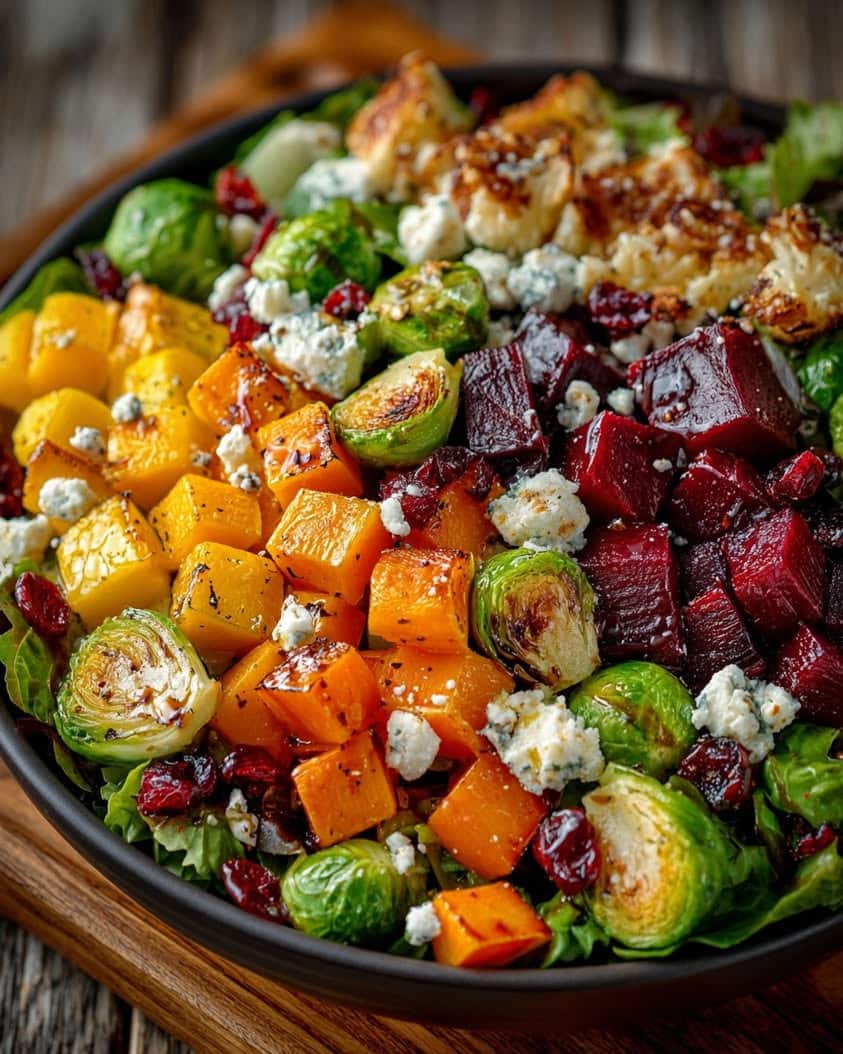
This vibrant winter vegetable salad brings a burst of color and flavor to your table. Roasted butternut squash, Brussels sprouts, and beets create a stunning medley of sweet and savory notes. Furthermore, this dish transforms humble root vegetables into an extraordinary culinary experience. The deep orange, ruby red, and forest green hues make it a visually spectacular centerpiece for any holiday gathering.
Imagine tender, caramelized butternut squash paired with crispy Brussels sprout leaves and earthy roasted beets. Each bite delivers a complex texture and flavor profile that will delight your guests. Consequently, this salad becomes more than just a side dish; it becomes a conversation starter. The natural sweetness of the roasted vegetables balances beautifully with a tangy vinaigrette, creating a harmonious blend that complements rich holiday mains.
This healthy winter salad recipe proves that eating seasonally can be both delicious and beautiful. Using winter produce at its peak ensures maximum flavor and nutritional value. Additionally, the roasting process intensifies the natural sugars in the vegetables, creating depth without added sweeteners. Ultimately, this dish showcases how simple ingredients can create extraordinary results with minimal effort.
Quick Recipe Highlights
- Flavor Profile: This winter vegetable salad features sweet roasted butternut squash, earthy beets, and slightly bitter Brussels sprouts. The combination creates a sophisticated balance that dances on your palate. A tangy vinaigrette cuts through the richness, tying all the elements together perfectly.
- Texture: You will experience creamy soft squash, firm yet tender beets, and crispy Brussels sprout leaves. The contrast between the soft roasted vegetables and the slight crunch creates an exciting mouthfeel. Additionally, the vegetables maintain their structural integrity while becoming meltingly tender inside.
- Aroma: As the vegetables roast, your kitchen fills with sweet, caramelized scents and earthy undertones. The aroma of roasting garlic and herbs mingles with the natural sweetness of the vegetables. Consequently, the cooking process becomes an aromatic experience that builds anticipation for the finished dish.
- Visual Appeal: The stunning color combination of orange squash, red beets, and green Brussels sprouts creates a festive presentation. The jewel-toned vegetables arranged on a platter resemble a winter mosaic. This visual drama makes the salad particularly suitable for special occasions and holiday feasts.
- Skill Level Needed: This recipe requires basic knife skills for vegetable preparation and simple roasting techniques. Even novice cooks can achieve excellent results by following the straightforward instructions. The process involves fundamental cooking methods that build confidence in the kitchen.
- Special Equipment: You will need a good quality baking sheet, a sharp chef’s knife, and a medium bowl for tossing. A vegetable peeler makes quick work of the squash and beet preparation. Having these basic tools ready streamlines the cooking process significantly.
Recipe Overview
- Difficulty Level: This winter vegetable salad ranks as easy because it involves straightforward preparation techniques. The primary cooking method is roasting, which requires minimal active attention. Basic knife skills are sufficient for prepping the vegetables. Following simple timing guidelines ensures perfectly cooked components every time.
- Category: This dish falls into multiple categories including side dishes, salads, and vegetable preparations. It works beautifully as part of a holiday meal or a weeknight dinner. The recipe also qualifies as a healthy plant-based option for various dietary preferences.
- Cuisine: This recipe draws inspiration from contemporary American farm-to-table cooking traditions. The focus on seasonal vegetables reflects modern culinary trends toward simplicity and quality ingredients. While not tied to a specific ethnic cuisine, it embodies principles of seasonal eating common in many culinary traditions.
- Cost: Preparing this winter vegetable salad proves quite economical, especially during peak winter season. Root vegetables typically offer excellent value and yield. The ingredients list contains affordable staples that provide generous portions. Overall, the cost per serving remains reasonable while delivering impressive results.
- Season: This recipe shines during late fall through winter when these vegetables reach their peak flavor. Cold weather enhances the sugar content in root vegetables, making them particularly sweet and flavorful. The hearty nature of the dish provides comfort during colder months while utilizing seasonal abundance.
- Occasion: This versatile salad suits everything from casual family dinners to formal holiday celebrations. It makes an excellent contribution to potlucks and gatherings because it travels well. The festive appearance particularly complements Thanksgiving and Christmas menus beautifully.
Why You’ll Love This Recipe
The taste and texture appeal of this winter vegetable salad will immediately win you over. Sweet roasted butternut squash provides creamy contrast to earthy beets and slightly bitter Brussels sprouts. Each vegetable contributes unique characteristics that create a symphony of flavors in every bite. The caramelization from roasting enhances natural sugars while adding depth and complexity. Furthermore, the combination of soft and crisp textures keeps your palate engaged throughout the eating experience.
Convenience and preparation benefits make this recipe a practical choice for busy cooks. You can prepare the vegetables ahead of time and simply roast them before serving. The hands-off cooking time allows you to focus on other meal components or spend time with guests. Additionally, the recipe uses common ingredients that are easily sourced during winter months. The straightforward technique delivers impressive results without requiring advanced culinary skills.
Nutritional advantages abound in this vibrant winter vegetable salad. Each component brings valuable vitamins, minerals, and fiber to your diet. Butternut squash provides vitamin A, while beets offer folate and Brussels sprouts contribute vitamin K. The colorful vegetables contain various antioxidants that support overall health. Using olive oil in the roasting process adds heart-healthy fats that aid nutrient absorption.
Social and entertaining value makes this dish a standout choice for gatherings. The beautiful presentation creates visual excitement on your holiday table. Guests often appreciate having a flavorful vegetable option alongside richer traditional dishes. The recipe scales easily to accommodate larger groups without compromising quality. Moreover, the salad serves well at room temperature, reducing last-minute kitchen stress.
Cost-effectiveness and accessibility ensure this recipe fits various budgets and shopping situations. Winter root vegetables typically offer excellent value, especially when purchased in season. The ingredients list contains simple, whole foods without expensive specialty items. Most components store well, allowing flexibility in shopping and preparation timing. Ultimately, you create an impressive dish using humble, affordable ingredients.
Historical Background and Cultural Significance
The origin story of roasted vegetable dishes stretches back to ancient cooking traditions. Early civilizations discovered that roasting root vegetables near fire enhanced their flavor and digestibility. However, the specific combination in this winter vegetable salad reflects more modern culinary trends. Contemporary chefs began celebrating seasonal produce through simple preparations that highlight natural qualities. This particular medley emerged from the farm-to-table movement that gained momentum in recent decades.
Cultural importance of root vegetables varies across different societies and historical periods. Beets have Eastern European roots where they feature prominently in traditional dishes like borscht. Butternut squash originates from the Americas and became integrated into colonial cooking. Brussels sprouts have European ancestry, particularly associated with Belgian and British cuisine. The fusion of these ingredients in one dish represents our globalized modern food culture.
Evolution of the recipe demonstrates how culinary traditions adapt over time. Early roasted vegetable preparations likely involved simpler combinations based on local availability. As transportation improved, cooks gained access to diverse produce regardless of season. The development of home ovens made roasting more convenient and consistent. Modern recipes like this winter vegetable salad reflect both historical techniques and contemporary ingredient availability.
Regional variations of roasted vegetable salads appear throughout different culinary traditions. Mediterranean versions might include eggplant, zucchini, and peppers with oregano and lemon. Northern European adaptations could feature parsnips, potatoes, and carrots with hardy herbs. Asian-inspired variations might incorporate different seasoning profiles like ginger and soy. This particular combination represents a distinctly American approach using globally sourced ingredients.
Ingredient Deep Dive
Butternut squash brings sweet, nutty flavor and vibrant orange color to this winter vegetable salad. This winter squash originated in the Americas and has become popular worldwide for its versatility and long storage life. Nutritionally, it provides excellent amounts of vitamin A, vitamin C, and fiber. Select squash that feel heavy for their size with firm, unblemished skin. Store whole squash in a cool, dark place for up to three months. For substitutions, consider sweet potatoes or acorn squash, though roasting times may vary slightly.
Brussels sprouts contribute slightly bitter notes and satisfying texture to the salad mixture. These miniature cabbages have been cultivated in Europe for centuries, particularly in Belgium, which inspired their name. They offer impressive amounts of vitamin K, vitamin C, and contain compounds with potential cancer-fighting properties. Choose firm, bright green sprouts with tightly closed leaves. Store them unwashed in your refrigerator’s crisper drawer. If Brussels sprouts aren’t available, broccoli florets or cubed cabbage make suitable alternatives.
Beets provide earthy flavor and stunning ruby color that makes this winter vegetable salad visually striking. Beets have ancient Mediterranean origins and were initially cultivated for their leafy greens rather than their roots. They are rich in folate, manganese, and contain unique antioxidants called betalains. Look for smooth, firm beets with vibrant greens still attached if possible. Store beets separately from their greens in the refrigerator. Golden beets can substitute for red ones if you prefer less intense coloring.
The olive oil and vinegar dressing enhances all the vegetable flavors while adding brightness. Olive oil has Mediterranean roots dating back thousands of years and provides heart-healthy monounsaturated fats. Vinegar adds acidity that balances the sweetness of the roasted vegetables. Use good quality extra virgin olive oil for the best flavor. The vinegar can be adjusted based on personal preference—balsamic, red wine, or apple cider vinegar all work beautifully.
Common Mistakes to Avoid
- Overcrowding the baking sheet prevents proper browning and creates steamed rather than roasted vegetables. Always use a large enough pan to allow space between vegetable pieces. Consider using two sheets if necessary to ensure adequate air circulation around each piece.
- Inconsistent vegetable cutting leads to uneven cooking where some pieces burn while others remain undercooked. Take time to cut vegetables into uniform sizes according to the recipe instructions. This attention to detail ensures everything finishes cooking at the same time.
- Neglecting to preheat the oven compromises the roasting process and affects texture development. Always allow your oven to reach the specified temperature before adding the vegetables. The initial blast of heat is crucial for proper caramelization.
- Skipping the step of tossing vegetables with oil results in dry, unevenly seasoned components. Ensure each vegetable piece gets lightly coated with the oil and seasoning mixture. Use your hands to massage the oil into the vegetables for the most even coverage.
- Using old, tired vegetables diminishes both flavor and texture in the final dish. Seek out fresh, firm vegetables without soft spots or signs of deterioration. Seasonal, locally sourced vegetables often provide the best flavor and performance.
- Overmixing the finished salad can cause the vegetables to break down and become mushy. Gently fold the components together to maintain their individual textures and appearances. This careful handling preserves the visual appeal of the different colored vegetables.
- Adding dressing too early makes the salad soggy rather than perfectly dressed. Time the dressing addition close to serving for the best texture. If making ahead, store dressing separately and combine just before serving.
- Underseasoning is a common issue that leaves the salad tasting flat rather than vibrant. Taste and adjust seasoning at multiple stages—after roasting and again after combining. Remember that cold foods often require more seasoning than hot ones.
Essential Techniques
Proper vegetable cutting represents the foundation of successful roasting for this winter vegetable salad. Uniform pieces ensure even cooking and consistent texture throughout the dish. Use a sharp chef’s knife and steady cutting surface for safety and precision. For butternut squash, first slice off the stem and bottom ends to create stable surfaces. Then peel vertically with a vegetable peeler before halving lengthwise and scooping out seeds. Cut the squash into half-moons or cubes as specified, aiming for consistent one-inch pieces.
Roasting technique transforms raw vegetables into caramelized, flavorful components through dry heat cooking. The process concentrates flavors while creating appealing browned surfaces and tender interiors. Preheat your oven thoroughly to ensure immediate cooking upon entry. Arrange vegetables in a single layer with space between pieces to allow steam escape and proper browning. Rotate pans halfway through cooking if your oven has hot spots for even results. The vegetables should be tender when pierced with a fork and nicely browned at the edges.
Dressing emulsification creates a cohesive sauce that evenly coats all salad components. Properly emulsified dressing won’t separate quickly and distributes flavor uniformly. Combine acid and seasonings first before slowly whisking in oil to create a temporary suspension. Alternatively, shake ingredients vigorously in a jar with a tight-fitting lid. Taste and adjust ratios to balance sweetness, acidity, and seasoning. The dressing should complement rather than overwhelm the natural vegetable flavors.
Pro Tips for Perfect Winter Vegetable Salad
Roast vegetables on parchment-lined baking sheets for easier cleanup and to prevent sticking. The parchment creates a non-stick surface without additional oil. Furthermore, it helps promote even browning across all vegetable pieces.
Consider roasting different vegetables separately if their cooking times vary significantly. Dense beets often need more time than squash or Brussels sprouts. This approach ensures each component reaches perfect doneness without compromise.
Toss vegetables with oil and seasonings in a large bowl rather than on the baking sheet. This method distributes oil and seasonings more evenly across all surfaces. Consequently, every piece receives consistent flavoring and protection from drying out.
Allow roasted vegetables to cool slightly before combining with dressing and other components. Hot vegetables will absorb dressing differently and may become soggy. The ideal serving temperature is warm or room temperature rather than piping hot.
Add fresh herbs just before serving to maintain their bright flavor and vibrant color. Delicate herbs like parsley can wilt if added too early. The fresh herbal notes provide a pleasant contrast to the rich roasted flavors.
Reserve some beautifully roasted vegetable pieces to arrange on top for visual appeal. This technique creates an artful presentation that highlights the individual components. Guests will appreciate the extra attention to visual details.
Variations and Adaptations
Regional variations can transform this winter vegetable salad to reflect different culinary traditions. Mediterranean-inspired versions might include Kalamata olives, feta cheese, and oregano. Southwestern adaptations could feature chili powder, cumin, and a lime vinaigrette. Asian-inspired versions might incorporate sesame oil, ginger, and rice vinegar. European approaches often include hardy herbs like rosemary and thyme. These variations demonstrate the recipe’s flexibility while maintaining the core roasting technique.
Seasonal adaptations allow this salad to evolve throughout the year using available produce. Spring versions might feature asparagus, radishes, and new potatoes with fresh herbs. Summer adaptations could include zucchini, eggplant, and bell peppers with basil. Autumn variations might incorporate different squash varieties, sweet potatoes, and apples. Winter versions can include parsnips, turnips, and carrots alongside the standard ingredients. This flexibility makes the recipe valuable throughout the changing seasons.
Dietary modifications ensure this winter vegetable salad accommodates various eating preferences and restrictions. Vegan versions simply omit cheese or use plant-based alternatives. Gluten-free needs are naturally met since the recipe contains no grains. Lower-carb approaches might reduce the amount of sweeter vegetables like beets and squash. Nut-free versions eliminate any nut additions, while paleo adaptations avoid dairy and legumes. These modifications make the salad accessible to diverse dietary needs.
Serving and Presentation Guide
Plating techniques significantly enhance the visual impact of your winter vegetable salad. For family-style service, arrange the salad on a large platter rather than mixing in a bowl. Create intentional composition by grouping vegetable types together in sections. Alternatively, layer the vegetables for a more rustic, casual presentation. For individual servings, use ring molds to create elegant vertical presentations. The goal is to showcase the beautiful colors and textures rather than hiding them.
Garnishing ideas add finishing touches that elevate both appearance and flavor. Fresh herb sprigs like parsley, dill, or thyme provide color contrast and aromatic appeal. Toasted nuts or seeds contribute crunch and visual texture. Cheese crumbles or shavings add salty notes and white accents against the colorful vegetables. Pomegranate arils provide jewel-like red dots and bursts of sweetness. Edible flowers make spectacular garnishes for special occasion presentations.
Traditional accompaniments complement the flavors and textures of this winter vegetable salad. The salad pairs beautifully with roasted meats like turkey, chicken, or pork. It stands up well to rich, creamy dishes like gratins or mashed potatoes. Hearty grains like farro, quinoa, or wild rice can transform it into a main course. Crusty bread helps soak up any remaining dressing on the plate. These pairings create balanced meals that highlight the salad’s qualities.
Wine and Beverage Pairing
Wine pairings should complement the earthy, sweet, and acidic notes in this winter vegetable salad. Crisp white wines like Sauvignon Blanc or Pinot Grigio cut through the richness beautifully. Light-bodied reds such as Pinot Noir complement the earthy notes without overwhelming the vegetables. Rosé wines offer versatility that bridges the gap between red and white characteristics. For special occasions, sparkling wines provide cleansing bubbles that refresh the palate between bites.
Non-alcoholic alternatives can be just as sophisticated and complementary as wine pairings. Herbal teas like rosemary or thyme-infused brews echo the herbal notes in the salad. Sparkling water with citrus slices provides cleansing effervescence without added sweetness. Apple cider, either hot or cold, picks up on the natural sweetness of the roasted vegetables. Kombucha offers complexity and acidity that stands up to the robust flavors. These options ensure all guests enjoy thoughtful beverage pairings.
Storage and Shelf Life
Storage methods vary depending on whether components are separate or combined. Undressed roasted vegetables keep well in airtight containers for 3-4 days. Dressing should be stored separately in a jar or sealed container. Assembled salad with dressing is best consumed within 1-2 days as textures soften. Always cool components completely before refrigerating to prevent condensation and sogginess. Proper storage maintains quality and food safety.
Temperature requirements ensure optimal preservation of your winter vegetable salad. Refrigerate all components promptly at 40°F or below to prevent bacterial growth. Avoid leaving the salad at room temperature for more than two hours total. When serving, keep the salad on ice or return it to refrigeration between servings. These practices maintain both safety and quality throughout your eating experience.
Make Ahead Strategies
Prep timeline optimization makes holiday meal preparation significantly less stressful. Vegetables can be washed, peeled, and cut 1-2 days in advance. Store them in airtight containers with damp paper towels to maintain freshness. Dressing can be prepared up to one week ahead and refrigerated. Roast vegetables earlier on serving day and reheat gently before assembling. These strategies distribute the work load for more enjoyable cooking experiences.
Storage between steps requires attention to maintain quality throughout the preparation process. Cut vegetables should be stored separately since they may have different moisture contents. Roasted vegetables can be held at room temperature for several hours before final assembly. Dressing may need to come to room temperature and be re-shaken if oil has solidified. These considerations ensure all components come together perfectly at serving time.
Scaling Instructions
Halving the recipe works beautifully for smaller households or intimate meals. Simply divide all ingredient quantities by two while maintaining the same roasting temperature. Use a standard baking sheet rather than crowding a smaller one. Cooking time may decrease slightly due to better air circulation. This adaptation makes the recipe practical for everyday meals rather than just special occasions.
Doubling or tripling the recipe requires some adjustments for optimal results. Use multiple baking sheets and rotate them between oven racks halfway through cooking. Consider roasting in batches if oven space is limited to prevent steaming. Increase seasoning gradually and taste as you go rather than simply doubling measurements. These modifications ensure large batches maintain the quality of smaller preparations.
Nutritional Deep Dive
Macro breakdown reveals why this winter vegetable salad satisfies while remaining light. The dish provides complex carbohydrates from the root vegetables for sustained energy. Olive oil contributes healthy monounsaturated fats that aid nutrient absorption. The vegetables themselves provide modest amounts of plant-based protein. The overall macronutrient profile supports balanced eating without excessive calories. This makes the salad an excellent component of various eating patterns.
Micronutrient analysis demonstrates the impressive vitamin and mineral content of this dish. Butternut squash delivers exceptional vitamin A primarily as beta-carotene for eye health. Brussels sprouts provide vitamin K for blood clotting and bone health. Beets contribute folate for cell division and DNA synthesis. The variety of vegetables ensures a broad spectrum of phytonutrients with antioxidant properties. Eating diverse colored plants supports comprehensive nutritional intake.
Dietary Adaptations
Gluten-free needs are naturally met since the recipe contains no wheat, barley, or rye ingredients. Always check labels on prepared ingredients like vinegar to ensure they’re certified gluten-free if necessary. The simple whole foods approach minimizes cross-contamination concerns. This makes the salad safe for those with celiac disease or gluten sensitivity.
Vegan adaptation simply requires omitting any cheese garnish or using plant-based alternatives. The core recipe contains no animal products when prepared without cheese. Nutritional yeast can provide cheesy flavor for those who desire it. This adaptation makes the salad inclusive for plant-based eaters without compromising flavor.
Troubleshooting Guide
Texture issues often stem from improper roasting techniques or overcrowded pans. If vegetables are soggy rather than caramelized, increase oven temperature and use less oil. For uneven cooking, ensure pieces are cut uniformly and pans are rotated during cooking. If vegetables burn before becoming tender, reduce oven temperature and extend cooking time. These adjustments address common texture problems effectively.
Flavor balance problems can usually be corrected with simple adjustments. If the salad tastes bland, increase salt gradually and add acid like lemon juice or vinegar. For overly sweet results, increase bitter elements like additional Brussels sprouts or acidic components. If flavors seem flat, add fresh herbs or aromatic ingredients like garlic or shallots. Tasting and adjusting throughout the process prevents final disappointment.
Recipe Success Stories
Community feedback consistently highlights how this winter vegetable salad wins over vegetable skeptics. Many readers report that Brussels sprout haters specifically enjoy them prepared this way. The beautiful presentation frequently receives compliments at potlucks and holiday gatherings. Home cooks appreciate how the recipe delivers impressive results without advanced skills. These success stories demonstrate the recipe’s broad appeal across different palates and occasions.
Variation successes show how adaptable this basic formula proves in different kitchens. Some cooks add apples or pears for seasonal sweetness against the savory vegetables. Others incorporate different nuts like pecans or walnuts for textural contrast. Cheese variations range from feta to goat cheese to blue cheese depending on preference. These personalized touches make the recipe feel uniquely theirs while maintaining its essential character.
Frequently Asked Questions
Can I use frozen vegetables for this winter vegetable salad? While fresh vegetables yield the best texture and flavor, frozen can work in a pinch. Thaw frozen vegetables completely and pat them very dry before roasting. Expect slightly softer results since freezing breaks down cell structure. The convenience may outweigh textural compromises for busy cooks.
How do I prevent the red beets from staining other vegetables? Roast beets separately if you want to maintain distinct colors in your final presentation. The vibrant red pigment in beets will tint nearby vegetables during mixing. Alternatively, embrace the pinkish hue as part of the dish’s character. Using golden beets eliminates this concern entirely.
Can I make this salad completely ahead of time? You can prepare components ahead but assemble close to serving for best texture. Roast vegetables up to two days ahead and store separately. Make dressing up to one week in advance. Combine everything within a few hours of serving to maintain ideal textures.
What protein can I add to make this a main course? This winter vegetable salad becomes a complete meal with added protein. Consider roasted chickpeas, grilled chicken, seared tofu, or flaked salmon. Add protein after roasting to avoid overcooking. The hearty vegetables provide a substantial base for various protein options.
My vegetables aren’t browning properly—what am I doing wrong? Inadequate oven temperature or overcrowded pans commonly prevent proper browning. Ensure your oven is fully preheated and use an oven thermometer to verify temperature. Spread vegetables in a single layer with space between pieces. Higher heat and proper spacing promote caramelization.
Can I use different herbs than those suggested? Absolutely—this recipe adapts well to various herb combinations. Hardy herbs like rosemary and thyme withstand roasting better than delicate ones. Add delicate herbs like parsley or basil after roasting for fresh flavor. Experiment with your favorite herb combinations to personalize the dish.
How can I make this recipe more kid-friendly? Sweetness often appeals to younger palates, so emphasize the sweeter vegetables. Increase the butternut squash proportion and consider adding sweet potatoes. Cut vegetables into fun shapes using cookie cutters after roasting. A slightly sweeter dressing might also increase appeal.
What’s the best way to reheat leftovers? Gentle reheating in an oven or toaster oven works better than microwave. Spread vegetables on a baking sheet and warm at 350°F until heated through. The microwave can make vegetables soggy. Alternatively, enjoy leftovers at room temperature or slightly chilled.
Can I add grains to this salad? Absolutely—grains transform this side dish into a hearty main course. Cooked farro, quinoa, wheat berries, or brown rice complement the roasted vegetables. Add grains after they’ve cooled to room temperature. Adjust dressing quantity to account for the additional ingredient.
How do I know when the vegetables are perfectly roasted? Look for tender interiors and caramelized exteriors as your visual cues. Vegetables should pierce easily with a fork but not be mushy. Edges should show browning and slight crisping. Taste testing is the most reliable method to determine perfect doneness.
Additional Resources
Related recipes that complement this winter vegetable salad include various grain dishes and protein preparations. Farro with roasted mushrooms makes an excellent companion for vegetarian meals. Herb-roasted chicken or pork tenderloin pairs beautifully with the salad’s flavors. Simple apple crisp or pear galette create lovely seasonal dessert options. These combinations help plan complete menus around this centerpiece vegetable dish.
Technique guides for basic kitchen skills enhance your results with this and other recipes. Knife skills tutorials help with efficient and safe vegetable preparation. Understanding oven calibration ensures proper roasting temperatures. Emulsification principles improve all your dressing and sauce making. These fundamental skills transfer to countless other culinary endeavors beyond this specific recipe.
PrintWinter Vegetable Salad with Roasted Butternut Squash, Brussels Sprouts, and Beets
Description
A hearty and nutritious salad featuring roasted winter vegetables tossed with a tangy vinaigrette and topped with toasted pecans and goat cheese.
Ingredients
For the Crust:
- 1 small butternut squash, peeled and cubed
- 1 lb Brussels sprouts, trimmed and halved
- 2 medium beets, peeled and cubed
- 3 tbsp olive oil, divided
- 1 tsp salt
- 1/2 tsp black pepper
- 1/4 cup pecans, toasted
- 2 oz goat cheese, crumbled
- 2 tbsp balsamic vinegar
- 1 tsp Dijon mustard
- 1 tsp honey
- 4 cups mixed greens
Instructions
1. Prepare the Crust:
- Preheat oven to 400°F (200°C). Toss butternut squash, Brussels sprouts, and beets with 2 tbsp olive oil, salt, and pepper. Spread on a baking sheet and roast for 25-30 minutes until tender and slightly caramelized.
- While vegetables roast, whisk together remaining 1 tbsp olive oil, balsamic vinegar, Dijon mustard, and honey in a small bowl to make the vinaigrette.
- Arrange mixed greens on a serving platter. Top with roasted vegetables, toasted pecans, and crumbled goat cheese. Drizzle with vinaigrette and serve immediately.
Notes
You can customize the seasonings to taste.

I’m Shaykee—born in Morocco, seasoned across continents. From airplane galleys to home kitchens, I share the flavors and stories that shaped my journey.