
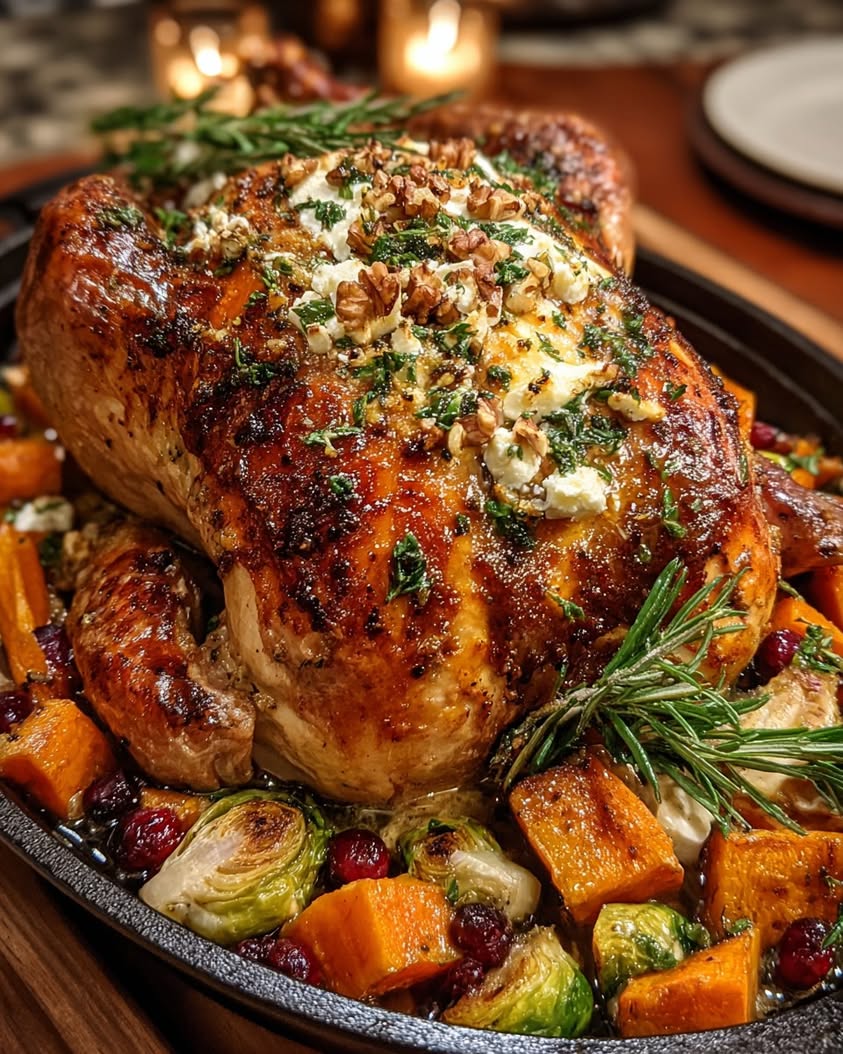
The Ultimate One-Pan Roasted Turkey Dinner: Your Holiday Centerpiece Awaits
Imagine presenting a stunning holiday centerpiece that fills your home with the most incredible aromas of roasting turkey and caramelized vegetables. This ultimate one-pan roasted turkey dinner brings together juicy, perfectly cooked turkey with a vibrant medley of autumn vegetables, all cooked together on a single sheet pan. Consequently, you get a complete holiday meal with minimal cleanup and maximum flavor. The magic happens as the turkey juices mingle with the seasonal vegetables, creating an unforgettable symphony of tastes and textures.
This recipe transforms the often-daunting task of preparing a holiday feast into a streamlined, approachable process. Furthermore, the combination of sweet butternut squash, earthy Brussels sprouts, and vibrant carrots creates a colorful backdrop for your golden-brown turkey. The addition of sweet cranberries provides a burst of tangy flavor that cuts through the richness beautifully. Ultimately, this dish represents the perfect balance of tradition and convenience, making it ideal for both experienced cooks and holiday hosting newcomers.
The beauty of this ultimate one-pan roasted turkey dinner lies in its simplicity and elegance. Each component complements the others while cooking together harmoniously. As the turkey roasts, its savory drippings coat the vegetables, infusing them with incredible depth of flavor. Meanwhile, the cranberries caramelize and release their natural sweetness, creating a built-in sauce that ties everything together. This method ensures every element reaches perfection simultaneously, resulting in a truly spectacular presentation.
Quick Recipe Highlights
- Flavor Profile: This ultimate one-pan roasted turkey dinner features savory, herb-infused turkey balanced by sweet, caramelized vegetables and tart cranberries. The natural sweetness from the roasted squash and carrots contrasts beautifully with the savory turkey and slightly bitter Brussels sprouts.
- Texture: You will experience incredibly juicy turkey meat alongside tender-crisp Brussels sprouts, soft sweet potatoes, and meltingly soft butternut squash. The cranberries provide delightful bursts of jammy texture that elevate every bite.
- Aroma: Your kitchen will fill with the comforting scents of roasting poultry, earthy herbs, and sweet caramelizing vegetables. The combination creates an unmistakable holiday fragrance that builds anticipation for the meal.
- Visual Appeal: This dish presents a stunning color palette of golden-brown turkey, vibrant orange squash, deep green Brussels sprouts, and ruby-red cranberries. The varied textures and colors create a feast for the eyes before the first bite.
- Skill Level Needed: This recipe requires basic knife skills for vegetable preparation and understanding of proper poultry handling. While not complicated, timing and temperature monitoring are crucial for perfect results.
- Special Equipment: You will need a large roasting pan or heavy-duty baking sheet with raised edges. A reliable meat thermometer ensures perfectly cooked turkey, while kitchen twine helps maintain the bird’s shape during roasting.
Recipe Overview
- Difficulty Level: This ultimate one-pan roasted turkey dinner falls into the intermediate category because it involves coordinating multiple components to finish simultaneously. While the techniques themselves are straightforward, managing the cooking times for different vegetables and the turkey requires attention. The recipe demands basic kitchen skills but delivers restaurant-quality results with careful following of instructions.
- Category: This dish serves as a complete main course for holiday gatherings and special family dinners. It combines protein, vegetables, and complex carbohydrates in one magnificent presentation, eliminating the need for multiple side dishes.
- Cuisine: This recipe draws inspiration from traditional American holiday cooking with contemporary influences. The combination of turkey and cranberries reflects classic Thanksgiving traditions, while the vegetable selection and cooking method represent modern, health-conscious approaches to holiday meals.
- Cost: Preparing this ultimate one-pan roasted turkey dinner represents excellent value for special occasions. A whole turkey typically costs less per pound than other premium meats, while the seasonal vegetables remain affordable during autumn months. The recipe yields generous portions with potential for leftovers, maximizing your investment.
- Season: This dish shines during autumn and winter months when squash, Brussels sprouts, and cranberries reach their peak flavor. The hearty, warming qualities make it perfect for cooler weather, though the recipe works beautifully year-round with seasonal vegetable substitutions.
- Occasion: This spectacular presentation makes it ideal for Thanksgiving, Christmas, and other holiday celebrations. Additionally, it works wonderfully for Sunday family dinners, potlucks, and any gathering where you want to impress guests with minimal stress.
Why You’ll Love This Recipe
The taste and texture experience of this ultimate one-pan roasted turkey dinner will absolutely delight your senses. Each bite offers the perfect balance of savory, sweet, and tangy flavors that complement rather than compete. The turkey emerges incredibly moist and flavorful, while the vegetables achieve that ideal combination of tender interiors and slightly caramelized edges. Furthermore, the occasional burst of sweet-tart cranberry cuts through the richness, cleansing your palate for the next delicious forkful. The harmony of textures from juicy meat to soft squash and crisp-tender Brussels sprouts creates a dining experience that feels both comforting and sophisticated.
From a convenience perspective, this ultimate one-pan roasted turkey dinner simplifies holiday meal preparation dramatically. Cooking everything together means you spend less time juggling multiple pots and pans and more time enjoying the company of your guests. The single-pan method also translates to easier cleanup, which everyone appreciates after a big meal. Moreover, the recipe includes make-ahead steps that let you prep vegetables and season the turkey in advance, reducing day-of stress significantly. This streamlined approach proves particularly valuable when hosting large gatherings where kitchen space and attention become precious commodities.
Nutritionally, this ultimate one-pan roasted turkey dinner delivers substantial benefits alongside its incredible flavor. Turkey provides lean protein essential for muscle maintenance and satiety, while the colorful vegetable medley offers a wide spectrum of vitamins, minerals, and antioxidants. The roasting process caramelizes natural sugars in the vegetables, enhancing their sweetness without adding refined sugars. Additionally, using the turkey’s own rendered fat to cook the vegetables adds flavor without requiring excessive additional oils. This cooking method preserves more nutrients compared to boiling, making each component both delicious and nourishing.
The social and entertaining value of this ultimate one-pan roasted turkey dinner cannot be overstated. Presenting a complete meal from a single pan creates a dramatic tableside moment that impresses guests and makes them feel special. The beautiful presentation encourages conversation and appreciation, setting a celebratory tone for any gathering. Furthermore, the familiar yet elevated flavors appeal to diverse palates, ensuring everyone from children to grandparents finds something to love. This recipe becomes not just a meal but a centerpiece for memory-making occasions that people will request year after year.
Regarding cost-effectiveness, this ultimate one-pan roasted turkey dinner represents exceptional value for feeding a crowd. Turkey typically costs less per serving than other premium meats, especially when purchased during holiday sales. The vegetable components utilize affordable, seasonal produce that reaches its peak flavor and lowest price during autumn months. Additionally, the efficient use of ingredients and energy (one pan in one oven) reduces waste and utility costs. The generous yield often provides delicious leftovers that extend your investment across multiple meals, making this both an impressive and economical choice for special occasions.
Historical Background and Cultural Significance
The tradition of roasting whole birds dates back centuries across numerous cultures, but the specific combination of turkey with autumn vegetables and cranberries has distinctly American roots. Native Americans domesticated wild turkeys long before European settlers arrived, and the bird quickly became a centerpiece for celebratory meals due to its substantial size. Early Thanksgiving celebrations documented in the 17th century likely featured wild fowl rather than the domesticated turkeys we know today, but the tradition solidified over generations. The practice of roasting meats with seasonal vegetables reflected practical cooking methods of the era, where communities cooked what they harvested together in communal ovens or over open fires.
The cultural significance of turkey as a holiday centerpiece grew throughout the 19th and 20th centuries, particularly in the United States and Canada. Sarah Josepha Hale, editor of Godey’s Lady’s Book, famously campaigned for Thanksgiving to become a national holiday and helped popularize turkey as its symbolic centerpiece. Meanwhile, the inclusion of specific autumn vegetables reflected both seasonal availability and cultural preferences that varied by region. Sweet potatoes and squash had Native American origins, while Brussels sprouts gained popularity through European influences. The combination of these elements on holiday tables represented a melting pot of culinary traditions that came to define American holiday cooking.
The evolution of this ultimate one-pan roasted turkey dinner recipe mirrors broader changes in American cooking habits and kitchen technology. Traditional holiday meals often involved multiple dishes cooked separately, requiring considerable oven space and coordination. As home kitchens evolved and time became more precious, cooks began seeking streamlined approaches that maintained traditional flavors with modern convenience. The one-pan method represents this evolution, combining time-honored ingredients with contemporary techniques that respect both tradition and practical reality. This adaptation demonstrates how classic dishes can evolve without losing their essential character or cultural significance.
Regional variations of roasted turkey dinners reveal fascinating culinary adaptations across different parts of North America. In the Southern United States, recipes might include pecans or cornbread stuffing alongside sweet potatoes. Northeastern versions often feature maple-glazed vegetables or additional herbs like sage and thyme. Canadian Thanksgiving traditions might incorporate different spice blends or vegetable combinations reflecting local harvests. The basic concept of roasting turkey with seasonal vegetables remains constant, but the specific components and flavor profiles adjust to local ingredients and cultural preferences. This versatility helps explain the enduring popularity of roasted turkey dinners across diverse communities and family traditions.
Ingredient Deep Dive
Whole turkey serves as the foundation of this ultimate one-pan roasted turkey dinner, carrying both culinary and cultural significance. Historically, wild turkeys were native to North America and played important roles in Indigenous food systems long before European colonization. Nutritionally, turkey provides high-quality lean protein, B vitamins, selenium, and tryptophan. When selecting your turkey, look for plump birds with smooth, unblemished skin and a fresh smell. For best results, choose a turkey that hasn’t been previously frozen if possible, though high-quality frozen turkeys work well when properly thawed. Store turkey in the refrigerator until ready to use, and always thaw frozen turkeys in the refrigerator, never at room temperature.
Butternut squash brings natural sweetness and vibrant color to this ultimate one-pan roasted turkey dinner. This winter squash originated in Central and South America before spreading worldwide through exploration and trade. Butternut squash provides excellent amounts of vitamin A, vitamin C, potassium, and fiber. Select squash that feel heavy for their size with firm, matte skin free of soft spots. Store whole squash in a cool, dark place for up to three months. For this recipe, peeling and cubing the squash ensures even cooking and maximum surface area for caramelization. If unavailable, substitute with acorn squash or sweet potatoes, though cooking times may vary slightly.
Brussels sprouts contribute earthy flavors and beautiful green color to balance the sweetness in this ultimate one-pan roasted turkey dinner. These miniature cabbages likely originated in ancient Rome but gained popularity in Brussels, Belgium, hence their name. Brussels sprouts deliver impressive amounts of vitamin K, vitamin C, folate, and antioxidants. Choose firm, bright green sprouts with tightly packed leaves, avoiding those with yellowing or loose leaves. Smaller sprouts typically prove more tender and sweeter than larger ones. Store unwashed Brussels sprouts in a plastic bag in the refrigerator for up to one week. For this recipe, halving them ensures they cook through while developing delicious caramelized edges.
Sweet potatoes provide additional sweetness and creamy texture to complement the other vegetables in this ultimate one-pan roasted turkey dinner. Unlike regular potatoes, sweet potatoes belong to the morning glory family and originated in Central or South America. They offer exceptional amounts of beta-carotene, vitamin C, potassium, and fiber. Select firm sweet potatoes with smooth, unblemished skins, avoiding those with soft spots or signs of sprouting. Store in a cool, dark place with good ventilation. For this recipe, cutting them into similar-sized pieces as the other vegetables ensures even cooking. If you prefer less sweetness, substitute with Yukon Gold potatoes, which will absorb the turkey flavors beautifully.
Fresh cranberries introduce essential tartness and vibrant color to cut through the richness of this ultimate one-pan roasted turkey dinner. Native to North America, cranberries have been part of Indigenous diets for centuries and were likely served at early Thanksgiving celebrations. They provide vitamin C, fiber, and unique plant compounds called proanthocyanidins. Select firm, plump berries with bright red color, avoiding shriveled or discolored ones. Fresh cranberries freeze beautifully, so you can keep extra bags in your freezer for future use. In this recipe, they burst during roasting, creating a natural sauce that enhances all the components. If fresh aren’t available, frozen cranberries work well without thawing.
Common Mistakes to Avoid
- Overcrowding the pan prevents proper browning and creates steamed rather than roasted vegetables. Ensure vegetables sit in a single layer with some space between pieces for optimal caramelization and texture development.
- Neglecting to pat the turkey dry results in pale, steamed skin rather than crispy, golden-brown perfection. Always thoroughly dry the skin with paper towels before seasoning and roasting.
- Using vegetables cut in different sizes leads to uneven cooking. Cut all vegetables into similarly sized pieces to ensure they finish cooking at the same time.
- Skipping the resting period causes the turkey juices to run out when carved. Always let the turkey rest for at least 30 minutes before slicing to allow juices to redistribute.
- Adding cranberries too early makes them disintegrate completely. Incorporate them during the final 30 minutes of cooking to maintain their structural integrity and bright flavor.
- Roasting at inconsistent oven temperatures affects cooking times and results. Use an oven thermometer to verify your oven’s accuracy and avoid frequently opening the door during cooking.
- Underseasoning the turkey and vegetables creates bland results. Be generous with seasoning, remembering that some will be lost during the cooking process.
- Not using a meat thermometer often results in overcooked or undercooked turkey. Invest in a reliable instant-read thermometer for perfect doneness every time.
- Starting with cold vegetables straight from the refrigerator affects cooking time and texture. Let vegetables come to room temperature for about 30 minutes before roasting.
- Forgetting to toss vegetables in the turkey drippings misses flavor opportunities. Baste vegetables with the pan juices partway through cooking for enhanced flavor.
Essential Techniques
Proper vegetable preparation proves crucial for successful execution of this ultimate one-pan roasted turkey dinner. Cutting vegetables into uniform sizes ensures even cooking and consistent texture throughout the dish. For butternut squash, first slice off the stem and bottom ends, then carefully peel with a sturdy vegetable peeler. Halve lengthwise, scoop out seeds, and cut into 1-inch cubes. Sweet potatoes and carrots should match this size, while Brussels sprouts need only halving. This technique matters because differently sized pieces cook at varying rates, resulting in some vegetables becoming mushy while others remain undercooked. The visual cue for perfect preparation is seeing all vegetable pieces looking approximately the same size when spread on your cutting board.
Turkey preparation techniques significantly impact the final quality of your ultimate one-pan roasted turkey dinner. Begin by removing the turkey from its packaging and thoroughly patting it dry inside and out with paper towels. This step proves essential because moisture on the skin creates steam that prevents proper browning. Next, season the cavity generously with salt and pepper, then truss the legs together with kitchen twine. Trussing helps the turkey cook evenly and maintains an attractive presentation. Rub the entire surface with oil or butter before applying your seasoning blend. This technique creates a protective layer that bastes the meat while promoting beautiful, crispy skin. Proper preparation ensures your turkey emerges golden brown, juicy, and perfectly cooked throughout.
The roasting technique itself represents the heart of this ultimate one-pan roasted turkey dinner method. Starting with a preheated oven proves non-negotiable for proper cooking from the moment the turkey enters. Arrange the turkey in the center of your pan with vegetables distributed around it, ensuring they aren’t piled underneath where they would steam rather than roast. The vegetables should have enough space for hot air to circulate around them. During cooking, baste the turkey and vegetables occasionally with the pan juices using a bulb baster or spoon. This technique enhances flavor and prevents drying. The visual cue for perfect roasting appears when the turkey skin turns deep golden brown and the vegetables develop caramelized edges while remaining tender.
Temperature monitoring stands as the most critical technique for perfect results in this ultimate one-pan roasted turkey dinner. Using a reliable meat thermometer eliminates guesswork and ensures food safety. Insert the thermometer into the thickest part of the thigh without touching bone, as this area takes longest to cook. The turkey reaches doneness at 165°F in the thigh and 160°F in the breast, with carryover cooking adding another 5-10 degrees during resting. For vegetables, testing with a fork provides the best indication of doneness—they should yield easily but not feel mushy. This technique prevents the common pitfalls of overcooked, dry turkey or undercooked, crunchy vegetables that can ruin an otherwise perfect meal.
Pro Tips for Perfect One-Pan Roasted Turkey Dinner
Bring your turkey to room temperature for about 60 minutes before roasting. This simple step promotes even cooking from the exterior to the interior, preventing the common problem of overcooked outer layers while the center remains underdone.
Season your turkey generously underneath the skin as well as on the surface. Gently loosen the skin from the breast meat and rub seasoning directly onto the flesh, creating deeply flavored meat and beautifully seasoned skin.
Arrange vegetables according to their cooking times, placing denser items like squash and carrots toward the edges where heat concentrates. This strategic placement ensures all vegetables reach perfect tenderness simultaneously.
Elevate your turkey slightly on a roasting rack or bed of sturdy vegetable scraps. This technique allows hot air to circulate evenly around the bird while preventing the bottom from becoming soggy from sitting in juices.
Resist the temptation to constantly open the oven door during cooking. Each opening significantly reduces oven temperature, extending cooking time and potentially compromising the turkey’s crispy skin development.
Create flavor layers by adding fresh herbs like thyme and rosemary to the pan during the final hour of cooking. The herbs infuse the turkey and vegetables with aromatic complexity without becoming bitter from prolonged exposure to high heat.
Let your roasted turkey rest for at least 30 minutes before carving. This crucial step allows the muscle fibers to relax and reabsorb juices, resulting in remarkably moist meat that doesn’t dry out when sliced.
Finish with a flavor boost by tossing the roasted vegetables with fresh herbs or a splash of citrus juice after removing from the oven. This brightens the dish and adds complexity to the caramelized flavors developed during roasting.
Variations and Adaptations
Regional variations of this ultimate one-pan roasted turkey dinner reflect local ingredients and culinary traditions. In the American South, you might add pecans to the vegetable mix during the final 15 minutes of roasting for added crunch and flavor. Northeastern adaptations often include maple syrup drizzled over the vegetables or apple cider in the roasting pan. Southwestern versions incorporate chili powder, cumin, and roasted poblano peppers alongside the traditional vegetables. Canadian preparations might feature a glaze made with Canadian maple syrup and mustard. These regional touches personalize the dish while maintaining its essential character as a complete, one-pan holiday meal that celebrates local flavors and traditions.
Seasonal adaptations allow you to enjoy this ultimate one-pan roasted turkey dinner throughout the year with appropriate ingredient substitutions. During spring, substitute asparagus, new potatoes, and young carrots for the autumn vegetables. Summer versions might feature zucchini, bell peppers, and cherry tomatoes added during the final 30 minutes of cooking. Early autumn adaptations could include parsnips, turnips, and the first Brussels sprouts of the season. These seasonal variations keep the concept fresh and exciting while taking advantage of peak produce availability. The cooking method remains consistent, but the changing vegetable selection reflects nature’s calendar and provides delightful variety for family meals beyond traditional holidays.
Dietary modifications make this ultimate one-pan roasted turkey dinner accessible to various eating preferences and restrictions. For gluten-free needs, simply ensure your seasoning blend contains no hidden gluten ingredients. Dairy-free adaptations work beautifully by using olive oil instead of butter for coating the turkey and vegetables. Lower-carb versions focus on non-starchy vegetables like Brussels sprouts, broccoli, and cauliflower while reducing or omitting sweet potatoes and carrots. Vegetarian adaptations replace the turkey with large portobello mushrooms or a whole cauliflower, adjusting cooking times accordingly. These modifications demonstrate the recipe’s versatility while maintaining its essence as a complete, flavorful meal that brings people together regardless of dietary needs.
Flavor variations provide creative opportunities to customize this ultimate one-pan roasted turkey dinner to your personal preferences. Mediterranean-inspired versions might include lemon slices, olives, and oregano in the roasting pan. Asian-fusion adaptations could feature a glaze of soy sauce, ginger, and garlic with bok choy replacing some vegetables. Smoky variations incorporate paprika and a touch of liquid smoke in the seasoning blend. Herb-focused versions might use herbes de Provence or an Italian seasoning blend instead of basic salt and pepper. These flavor explorations keep the cooking experience exciting while maintaining the practical benefits of the one-pan method that makes holiday meal preparation more manageable and enjoyable.
Serving and Presentation Guide
Plating techniques for this ultimate one-pan roasted turkey dinner should highlight its beautiful colors and textures while making serving practical. Transfer the roasted turkey to a large cutting board and let it rest while you arrange the vegetables on a serving platter. Create a colorful pattern by grouping similar vegetables together or mixing them for a more rustic presentation. Slice the turkey against the grain and arrange the slices partially overlapping over the vegetables or on a separate platter. This method showcases the perfectly cooked meat while allowing guests to appreciate the vegetable medley. For individual plates, place a slice of turkey slightly off-center and spoon vegetables around it, ensuring each portion includes all components.
Garnishing ideas should enhance rather than overwhelm the natural beauty of this ultimate one-pan roasted turkey dinner. Fresh herb sprigs like rosemary, thyme, or parsley provide color contrast and aromatic appeal. Toasted nuts such as pecans or walnuts add texture and visual interest when sprinkled over the vegetables. Pomegranate seeds offer brilliant red color and bursts of sweetness that complement the cranberries. For additional elegance, drizzle reduced balsamic vinegar or pomegranate molasses in artistic patterns across the platter. These garnishes should be applied just before serving to maintain their freshness and visual impact, transforming an already beautiful dish into a stunning centerpiece worthy of special occasions.
Traditional accompaniments for this ultimate one-pan roasted turkey dinner might include cranberry sauce, gravy, and dinner rolls, though the dish stands complete on its own. If serving gravy, prepare it while the turkey rests by deglazing the roasting pan with broth or wine and thickening with a roux or cornstarch slurry. Cranberry sauce provides additional tart-sweet contrast that enhances the roasted cranberries in the dish. For carbohydrate options, consider simple dinner rolls or cornbread to soak up the delicious pan juices. These traditional elements complement without competing with the main dish, allowing the one-pan preparation to remain the star while providing familiar holiday touches that many guests expect.
Wine and Beverage Pairing
Wine pairings for this ultimate one-pan roasted turkey dinner should complement the diverse flavors without overwhelming any single component. A medium-bodied Pinot Noir represents an excellent choice with its red fruit notes and earthy undertones that harmonize with both the turkey and roasted vegetables. For white wine lovers, an oaked Chardonnay provides enough body to stand up to the rich flavors while its buttery notes complement the caramelized vegetables. If you prefer rosé, select a drier style with sufficient acidity to cut through the richness. These wine options enhance the dining experience by creating flavor bridges between the various components of the dish, making each element taste more vibrant and balanced.
Non-alcoholic alternatives should provide the complexity and refreshment needed to balance this ultimate one-pan roasted turkey dinner. Sparkling apple cider offers natural sweetness and effervescence that cleanses the palate between bites. For more sophisticated options, consider a ginger-based mocktail with fresh lime juice and mint. Iced herbal teas like rosemary-lemon or hibiscus provide interesting flavor dimensions without caffeine. These beverages should have enough character to stand up to the robust flavors while refreshing the palate, ensuring that non-drinking guests enjoy an equally special beverage experience that complements the meal perfectly.
Coffee and tea pairings work wonderfully with this ultimate one-pan roasted turkey dinner, particularly for post-meal enjoyment. After the meal, medium-roast coffee with its balanced acidity and subtle chocolate notes complements the savory and sweet elements without overwhelming the palate. For tea selections, Earl Grey provides bergamot brightness that cuts through the richness, while chai tea offers warming spices that echo the seasoning in the dish. These hot beverages provide a comforting conclusion to the meal while aiding digestion. Serving them about 30 minutes after the main course allows guests to appreciate the flavors fully before transitioning to the coffee and tea service.
Storage and Shelf Life
Storage methods for this ultimate one-pan roasted turkey dinner require proper handling to maintain quality and ensure food safety. First, separate the turkey from the vegetables and allow all components to cool to room temperature within two hours of cooking. Store the turkey and vegetables in separate airtight containers in the refrigerator, where they will maintain quality for 3-4 days. For longer storage, freeze portions in freezer-safe containers or heavy-duty freezer bags for up to 3 months. Proper storage prevents bacterial growth while preserving the textures and flavors developed during roasting. Always label containers with dates to track freshness and practice proper rotation.
Reheating instructions should restore the qualities of this ultimate one-pan roasted turkey dinner without further drying the meat or making vegetables mushy. For the turkey, slice it first and reheat gently in a covered oven-safe dish with a splash of broth at 325°F until warmed through. Vegetables reheat best in a single layer on a baking sheet at 375°F until they regain their caramelized edges. Microwave reheating works in a pinch but may soften textures unpleasantly. These methods help recreate the freshly cooked experience as closely as possible, though some quality loss is inevitable with any reheating process. Always ensure reheated food reaches 165°F throughout before serving.
Make Ahead Strategies
Prep timeline for this ultimate one-pan roasted turkey dinner can be spread over several days to reduce day-of stress. Up to three days ahead, chop all vegetables and store them in separate airtight containers in the refrigerator. Two days before serving, prepare your seasoning blend and compound butter if using. The day before, thaw your turkey completely if frozen and brine if desired. On cooking day, simply pat the turkey dry, season, and arrange with the prepped vegetables. This staggered approach distributes the workload while ensuring all components remain fresh and flavorful. The strategy proves particularly valuable when hosting large gatherings where kitchen time becomes limited on the actual event day.
Storage between steps requires attention to food safety and quality preservation. Pre-chopped vegetables maintain best texture when stored in resealable bags with a paper towel to absorb excess moisture. Prepared seasoning blends can be kept in small jars at room temperature. If brining your turkey, do so in a clean food-safe container in the refrigerator, never at room temperature. These proper storage practices prevent cross-contamination while preserving the freshness of each component. The goal is to have everything ready while maintaining the quality you would achieve with same-day preparation, just with significantly less stress and last-minute effort.
Scaling Instructions
Halving this ultimate one-pan roasted turkey dinner works beautifully for smaller gatherings or weeknight meals. Use a 6-8 pound turkey instead of a larger bird and reduce all vegetable quantities by half. Maintain the same oven temperature but reduce cooking time by approximately 25-30%, checking for doneness early and often. Use a smaller roasting pan to ensure the vegetables still have enough surface area for proper browning rather than steaming. This scaling allows you to enjoy the same magnificent flavors and presentation for intimate dinners or when cooking for a smaller household, making the recipe versatile beyond holiday feasts.
Doubling or tripling this ultimate one-pan roasted turkey dinner requires strategic planning for successful execution. Rather than using one enormous turkey, consider roasting two smaller birds simultaneously on separate racks. Rotate the pans halfway through cooking to ensure even browning. For vegetables, use multiple pans rather than overcrowding, and consider staggering their start times if oven space is limited. Increase seasoning proportionally but taste as you go, as some spices can become overpowering when doubled. This scaling approach works well for large celebrations, though it requires careful monitoring and potentially extended cooking times to accommodate the increased volume.
Nutritional Deep Dive
Macro breakdown of this ultimate one-pan roasted turkey dinner provides a balanced nutritional profile suitable for various dietary needs. A typical serving offers approximately 35-40 grams of high-quality protein from the turkey, supporting muscle maintenance and satiety. Complex carbohydrates from the vegetables provide sustained energy release without blood sugar spikes. The dish contains moderate amounts of healthy fats primarily from the turkey skin and olive oil used in preparation. This balance makes the meal both satisfying and nutritionally complete, providing essential macronutrients in proportions that support overall health while delivering the robust flavors expected from a celebratory centerpiece dish.
Micronutrient analysis reveals this ultimate one-pan roasted turkey dinner delivers an impressive array of vitamins and minerals. Turkey provides B vitamins essential for energy metabolism, selenium for antioxidant protection, and zinc for immune function. The colorful vegetable medley contributes vitamin A from sweet potatoes and carrots, vitamin C from Brussels sprouts and cranberries, and vitamin K from Brussels sprouts. Additionally, the combination provides potassium, magnesium, and various phytonutrients with antioxidant and anti-inflammatory properties. This diverse micronutrient profile supports multiple body systems while making the meal as nourishing as it is delicious, proving that celebratory food can be both indulgent and health-supporting.
Dietary Adaptations
Gluten-free adaptation of this ultimate one-pan roasted turkey dinner requires minimal modification since the core ingredients naturally lack gluten. Simply verify that any pre-made seasoning blends or brining ingredients contain no hidden gluten sources. For gravy, use cornstarch or arrowroot powder instead of wheat flour as a thickener. These simple adjustments make the dish safe for those with celiac disease or gluten sensitivity while maintaining all the traditional flavors and presentation that make this meal special for holiday gatherings.
Dairy-free adaptation easily accommodates this ultimate one-pan roasted turkey dinner by substituting olive oil or avocado oil for any butter in the recipe. The natural richness from the turkey skin and the caramelization of vegetables provide sufficient flavor and moisture without dairy products. For those who prefer the flavor of butter, high-quality plant-based butter alternatives work beautifully. These simple substitutions make the dish accessible to those with dairy allergies or lactose intolerance while preserving the essential character and quality of the original recipe.
Troubleshooting Guide
Texture issues commonly arise with this ultimate one-pan roasted turkey dinner but have straightforward solutions. If vegetables become too soft, they were likely cut too small or overcrowded in the pan. For future attempts, increase vegetable size and ensure proper spacing. If turkey turns out dry, it was probably overcooked or not rested sufficiently. Use a meat thermometer next time and respect the resting period. If skin isn’t crispy, the turkey may not have been dried thoroughly before roasting or the oven temperature was too low. These adjustments address the most common texture problems, ensuring your next attempt yields perfect results.
Flavor balance problems can diminish this ultimate one-pan roasted turkey dinner experience but are easily corrected. If the dish tastes bland, you likely underseasoned either the turkey or vegetables. Be more generous with salt and herbs next time, remembering that roasting mutes flavors. If bitterness dominates, Brussels sprouts may have overcooked or cranberries were added too early. Adjust cooking times and add cranberries during the final 30 minutes. If the dish tastes too sweet, reduce sweet potatoes or carrots and increase Brussels sprouts or add a splash of vinegar before serving. These simple adjustments restore the harmonious balance that makes this dish exceptional.
Recipe Success Stories
Community feedback on this ultimate one-pan roasted turkey dinner consistently highlights its transformative effect on holiday meal preparation. Many home cooks report that this method reduced their Thanksgiving stress significantly while delivering superior results compared to their traditional multi-pan approach. One home cook shared that her family now requests this recipe specifically, noting that the vegetables receive more attention than the turkey itself. Another mentioned successfully adapting the recipe for a Christmas Eve dinner for twelve, praising how easily it scaled while maintaining quality. These real-world experiences demonstrate the recipe’s reliability and appeal across different cooking skill levels and family traditions.
Variation successes showcase the adaptability of this ultimate one-pan roasted turkey dinner concept across different dietary needs and ingredient availability. A vegetarian reader reported excellent results using a large cauliflower in place of the turkey, adjusting cooking times accordingly. Another cook shared their success with a citrus-infused version using oranges and lemons in the pan for a brighter flavor profile. Several readers have substituted different vegetable combinations based on what they had available, consistently reporting delicious results. These adaptations prove the recipe’s fundamental soundness while encouraging creativity and personalization based on individual preferences and circumstances.
Frequently Asked Questions
Can I use frozen vegetables instead of fresh? While fresh vegetables provide superior texture and flavor, frozen vegetables can work in a pinch. Use them straight from the freezer to prevent mushiness, and extend cooking time by 10-15 minutes. The results won’t caramelize as beautifully but will still taste delicious. I recommend this substitution only when fresh options are unavailable.
How do I prevent the turkey from drying out? Several strategies ensure moist turkey: don’t overcook (use a thermometer), let it come to room temperature before roasting, baste periodically, and let it rest thoroughly before carving. Additionally, rubbing herb butter under the skin adds both flavor and moisture protection during the cooking process.
Can I prepare this recipe with a turkey breast instead of a whole turkey? Absolutely. Use a 4-6 pound bone-in turkey breast and reduce the cooking time to approximately 1.5-2 hours. Check for doneness when the internal temperature reaches 160°F in the thickest part. The vegetables may need a head start since the cooking time is shorter.
What if my vegetables are done before the turkey? Simply remove them from the pan and keep them warm in a low oven (200°F) while the turkey finishes cooking. Alternatively, you can cut vegetables larger next time to extend their cooking time, ensuring everything finishes simultaneously.
Can I make gravy from the pan drippings? Definitely. After removing the turkey and vegetables, pour the pan drippings into a measuring cup and let the fat rise to the top. Use the flavorful liquid underneath as your gravy base, thickening with a roux or
Print
Whole Roasted Turkey with Caramelized Butternut Squash, Carrots, Brussels Sprouts, and Sweet Potato with Cranberries
Description
A festive and hearty roasted turkey surrounded by a medley of caramelized root vegetables and sweet cranberries, perfect for holiday gatherings.
Ingredients
For the Crust:
- 1 whole turkey (12–14 lbs), thawed
- 2 cups butternut squash, cubed
- 1 cup carrots, sliced
- 1 cup Brussels sprouts, halved
- 1 large sweet potato, cubed
- 1 cup fresh cranberries
- 4 tbsp olive oil
- 2 tbsp maple syrup
- 1 tsp dried thyme
- 1 tsp dried rosemary
- Salt and black pepper to taste
- 1 onion, quartered
- 4 cloves garlic, smashed
Instructions
1. Prepare the Crust:
- Preheat oven to 325°F (165°C). Pat the turkey dry and season inside and out with salt, pepper, thyme, and rosemary. Stuff cavity with onion and garlic.
- In a large bowl, toss butternut squash, carrots, Brussels sprouts, sweet potato, and cranberries with olive oil, maple syrup, salt, and pepper.
- Arrange the turkey in a roasting pan and surround with the vegetable mixture. Roast for 3-4 hours, basting occasionally, until turkey reaches 165°F internally.
- Remove from oven, let turkey rest for 20 minutes before carving. Serve with the caramelized vegetables and pan juices.
Notes
You can customize the seasonings to taste.

I’m Shaykee—born in Morocco, seasoned across continents. From airplane galleys to home kitchens, I share the flavors and stories that shaped my journey.