
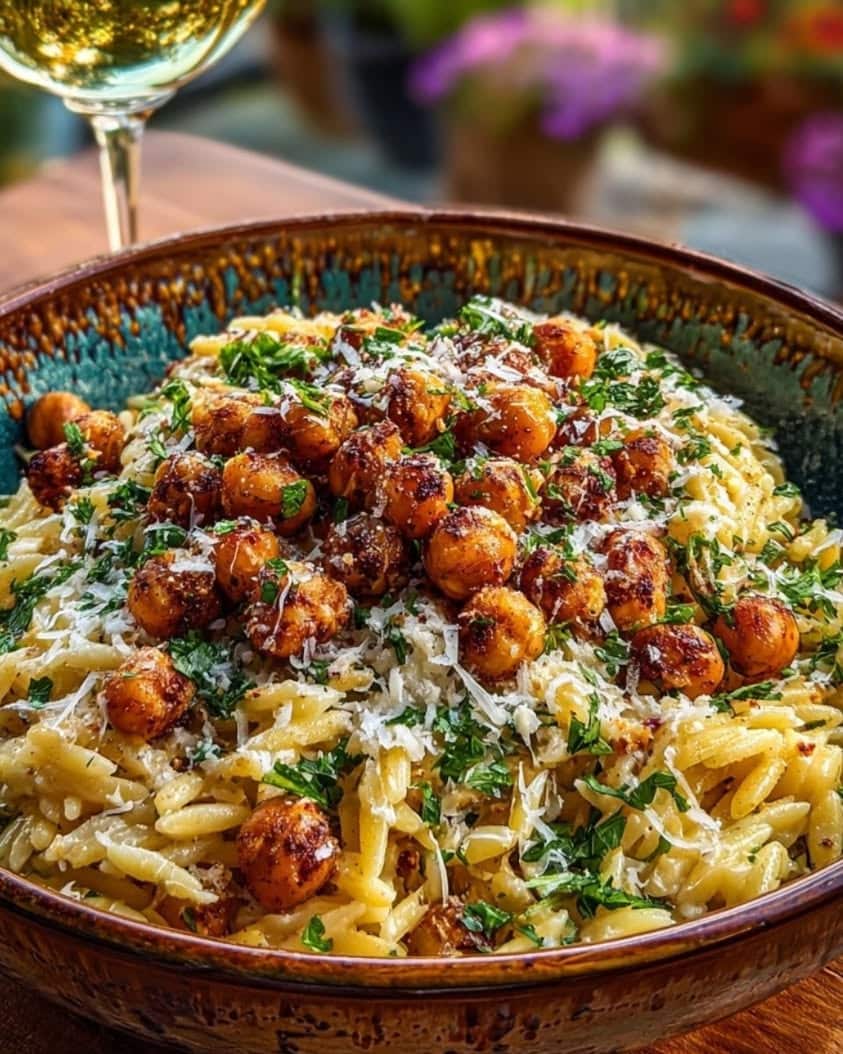
Creamy Lemon Ricotta Orzo with Garlic-Roasted Chickpeas: A 30-Minute Vegetarian Feast
Imagine a dish that delivers the ultimate comfort of creamy pasta but feels bright, fresh, and surprisingly light. This creamy lemon ricotta orzo with garlic-roasted chickpeas is exactly that kind of culinary magic. It transforms simple pantry staples into a restaurant-worthy vegetarian pasta that comes together in a flash. The beauty of this recipe lies in its perfect balance. You get the rich, velvety texture from the ricotta, a vibrant zing from fresh lemon, and an incredible crunch from those addictive roasted chickpeas.
Moreover, this meal is a true weeknight dinner hero. It requires minimal active cooking time and uses one sheet pan and one pot for maximum efficiency and minimal cleanup. The process is straightforward. You roast the chickpeas with garlic and spices until they are golden and crisp. Meanwhile, you cook the orzo to al dente perfection and whip up the luscious lemon ricotta sauce. Finally, you combine everything for a dish that is greater than the sum of its parts. The result is a satisfying vegetarian pasta that will have everyone asking for seconds.
Ultimately, this creamy lemon ricotta orzo is more than just a quick meal. It is a versatile canvas for your favorite flavors. You can easily add seasonal vegetables or swap herbs based on what you have on hand. The garlic-roasted chickpeas provide a fantastic plant-based protein boost, making the dish hearty enough to stand on its own. This recipe proves that gourmet flavor does not require hours in the kitchen. In just thirty minutes, you can create a memorable, delicious dinner that feels special enough for company yet simple enough for any busy evening.
Quick Recipe Highlights
- Flavor Profile: This dish is a masterclass in balance. The creamy, mild ricotta forms a luxurious base, which is brilliantly cut by the sharp, fresh acidity of lemon zest and juice. Meanwhile, the garlic-roasted chickpeas add a deep, savory, and slightly spicy note that ties everything together beautifully.
- Texture: You experience a wonderful symphony of textures in every bite. The orzo is tender and almost risotto-like, coated in a smooth, velvety sauce. This creamy base is contrasted dramatically by the crispy, crunchy, and utterly addictive roasted chickpeas scattered on top, creating a perfect mouthfeel.
- Aroma: As this cooks, your kitchen will fill with an irresistible fragrance. First, the warm, toasty scent of roasting chickpeas and garlic wafts from the oven. Then, the bright, citrusy perfume of fresh lemon zest cuts through, mingling with the earthy aroma of fresh herbs like parsley or basil.
- Visual Appeal: This dish is a feast for the eyes with its appealing color and texture contrast. The pale yellow, creamy orzo provides a beautiful backdrop for the vibrant green of fresh herbs and the golden-brown, crispy chickpeas. A final sprinkle of cheese adds a touch of white, making the plate look professionally composed.
- Skill Level Needed: This is a fantastic recipe for cooks of all levels. Beginners will appreciate the clear, sequential steps and minimal techniques. Conversely, experienced cooks will enjoy the opportunity to perfect the balance of flavors and textures. The key skills are simple: boiling pasta, making a no-cook sauce, and roasting vegetables.
- Special Equipment: You need only very basic kitchen tools. A standard baking sheet is essential for roasting the chickpeas to crispy perfection. Additionally, a large pot for boiling the orzo and a medium bowl for mixing the ricotta sauce are all you require. A microplane or fine grater for the lemon zest is highly recommended for the best flavor.
Recipe Overview
- Difficulty Level: We classify this creamy lemon ricotta orzo as an easy recipe. The steps are linear and simple, involving fundamental cooking techniques like boiling, mixing, and roasting. There is no complex knife work or delicate timing. Most importantly, the components are forgiving. Even if the chickpeas roast a minute too long or the sauce seems thin, the final dish will still be delicious and cohesive.
- Category: This versatile dish fits multiple meal categories perfectly. It is an outstanding vegetarian main course, packed with protein from the chickpeas and ricotta. Alternatively, it serves as a substantial side dish alongside grilled chicken or fish. You can also present it as a luxurious pasta primo at a dinner party. It is truly an all-in-one comfort food meal.
- Cuisine: This recipe draws inspiration from the sunny flavors of the Mediterranean. Orzo, a rice-shaped pasta, is common in Greek and Italian cooking. Ricotta cheese is a staple in Italian cuisine, while the use of lemon and garlic is prevalent throughout the Mediterranean region. The combination creates a modern, fusion-style vegetarian pasta that celebrates bright, fresh ingredients.
- Cost: This is an incredibly cost-effective meal. The base ingredients—orzo, canned chickpeas, lemon, garlic, and basic spices—are pantry staples with a low price point. Ricotta cheese is generally affordable, especially compared to other specialty cheeses. You can easily feed a family of four a gourmet-tasting meal for a fraction of the cost of takeout, making it a budget-friendly dinner winner.
- Season: While truly a year-round recipe, this creamy lemon ricotta orzo shines brightest in the spring and summer. The bright lemon and fresh herbs mirror the season’s produce. It feels light yet satisfying on a warm evening. However, its comforting creaminess also makes it a wonderful dish to combat the gray days of fall and winter, bringing a much-needed splash of citrusy sunshine to your table.
- Occasion: This dish is perfect for almost any occasion due to its flexibility. It is the ultimate quick and easy weeknight dinner solution for busy families. Simultaneously, it is elegant enough for a casual dinner party with friends. You can even prepare it for a comforting weekend lunch. It is a reliable, crowd-pleasing recipe that adapts to your needs.
Why You’ll Love This Creamy Lemon Ricotta Orzo
First and foremost, the taste and texture combination is utterly irresistible. The creamy lemon ricotta sauce is luxuriously smooth and rich, yet the fresh lemon zest and juice prevent it from feeling heavy. This bright acidity makes each bite lively and refreshing. Then, you get the incredible contrast of the crispy, garlic-roasted chickpeas. They add a savory, crunchy element that keeps the dish exciting from start to finish. Every forkful delivers a perfect harmony of creamy, tangy, and crunchy, satisfying multiple cravings at once. This is not a one-note pasta; it is a complex and delightful eating experience that feels indulgent and balanced.
Furthermore, the convenience factor is a major win. This entire meal comes together in thirty minutes with minimal hands-on effort. You can multitask efficiently by roasting the chickpeas while the orzo cooks. The sauce requires no cooking at all—just a quick stir in a bowl. This streamlined process makes it an ideal choice after a long workday when you want something delicious without a lengthy kitchen project. Additionally, cleanup is a breeze since you only use one sheet pan and one pot. The simplicity of the preparation means you spend less time cooking and more time enjoying a fantastic homemade meal with your family.
From a nutritional standpoint, this vegetarian pasta offers substantial benefits. Chickpeas are a fantastic source of plant-based protein and fiber, which help keep you full and satisfied. Ricotta cheese provides a good dose of calcium and protein with a lower fat content than many other creamy sauce bases. Using the starchy pasta water to thin the sauce incorporates natural thickeners without needing heavy cream or excessive butter. You can also easily boost the veggie content by stirring in spinach, peas, or roasted broccoli. This dish proves that comfort food can be both wholesome and incredibly flavorful, supporting a balanced approach to eating.
This creamy lemon ricotta orzo also holds tremendous value for entertaining. It is a guaranteed crowd-pleaser that looks impressive but doesn’t stress the cook. You can easily double the recipe to feed a larger group. Moreover, it accommodates various dietary preferences seamlessly, being naturally vegetarian. You can set up a garnish bar with extra lemon wedges, red pepper flakes, fresh herbs, and grated cheese, allowing guests to customize their plates. Serving a dish that feels gourmet and homemade is a wonderful way to show care for your guests without being stuck in the kitchen all evening.
Finally, the cost-effectiveness and accessibility of the ingredients make this a recipe you will return to again and again. You likely have many of the core components—garlic, spices, lemon—already in your kitchen. Canned chickpeas, orzo, and ricotta are inexpensive and widely available at any grocery store. This accessibility means you can decide to make this dish on a whim without a special shopping trip. Creating a restaurant-quality meal from affordable, simple ingredients is the ultimate kitchen triumph. This recipe delivers immense flavor and satisfaction without straining your wallet, making it a practical staple in your culinary repertoire.
Historical Background and Cultural Significance
The story of this dish begins with its individual components, each with a rich history. Orzo, which means “barley” in Italian, is a pasta shaped like a large grain of rice. Its origin is often traced to Italy, where it is commonly used in soups and salads. However, similar small pasta shapes exist throughout the Mediterranean and Middle East. The technique of cooking orzo in a way that it absorbs flavorful liquid, similar to risotto, is a traditional method that maximizes taste. Using orzo as a base for a creamy sauce is a modern adaptation that leverages its wonderful ability to create a comforting, cohesive dish.
Ricotta cheese plays a central cultural role in Italian cuisine. Traditionally, ricotta is made from the whey leftover from producing other cheeses, making it a resourceful “recooked” product—which is what “ricotta” means. It has been a staple in Italian kitchens for centuries, featuring in both savory dishes like stuffed pasta and sweet desserts like cannoli. Its mild, slightly sweet flavor and creamy texture make it an ideal base for sauces. Incorporating ricotta into a pasta sauce is a classic Italian-American technique, creating richness without heaviness. This recipe honors that tradition by using ricotta to achieve a luxurious, protein-packed sauce.
The practice of roasting chickpeas has ancient roots across many cultures. In the Middle East and Mediterranean, roasted chickpeas, often seasoned with spices, have been a popular snack for millennia. Adding them to a pasta dish is a contemporary innovation that combines textural contrast with plant-based nutrition. This fusion of a traditional Italian pasta shape with a creamy cheese sauce and a crispy, globally-inspired topping exemplifies modern home cooking. It reflects a current culinary trend of blending techniques and ingredients from different traditions to create exciting, satisfying vegetarian meals that are full of flavor and texture.
Regional variations of this concept abound, showcasing its adaptability. In Greece, you might find a similar dish using feta cheese and oregano. In parts of southern Italy, toasted breadcrumbs (pangrattato) often top pasta for crunch instead of chickpeas. The lemon and garlic pairing is quintessentially Mediterranean, celebrating the region’s bright, aromatic flavors. This specific recipe for creamy lemon ricotta orzo with garlic-roasted chickpeas is a product of today’s creative, health-conscious, and time-sensitive home kitchen. It represents a beautiful evolution where ancient ingredients and modern convenience meet to create something both timeless and perfectly suited for contemporary life.
Ingredient Deep Dive
Orzo: Orzo is a versatile pasta that bridges the gap between rice and traditional noodles. Culturally, it is a staple in Greek and Italian households, often served in pilafs, soups, or as a side dish called “orzo buttero.” Nutritionally, it provides carbohydrates for energy and is typically enriched with B vitamins like folate and iron. When selecting orzo, look for a brand made from durum wheat semolina for the best texture and flavor. You can store dry orzo in your pantry for months in a sealed container. For a gluten-free substitution, use a certified gluten-free rice-shaped pasta or even short-grain rice, adjusting the cooking liquid and time accordingly.
Ricotta Cheese: Ricotta is a fresh, soft cheese with a mild, slightly sweet flavor and a grainy yet creamy texture. Its history is one of ingenuity, born from the practice of recooking the whey leftover from cheese production. It is a fantastic source of protein and calcium, and part-skim varieties offer a lighter option. For the best flavor and texture in your creamy lemon ricotta orzo, seek out whole-milk ricotta from the dairy section, not the canned shelf-stable version. Always store ricotta in the refrigerator and use it by the date on the container. If you need a substitute, full-fat cottage cheese blended until smooth or mascarpone thinned with a little milk can work, though the flavor profile will change.
Chickpeas (Garbanzo Beans): Chickpeas are one of the oldest cultivated legumes, with a history spanning over 7,000 years in the Middle East. They are a cultural cornerstone in cuisines from India to the Mediterranean. They are a nutritional powerhouse, packed with plant-based protein, fiber, and essential minerals like iron and folate. For this recipe, canned chickpeas are perfect for convenience. Be sure to rinse and drain them thoroughly to remove the starchy liquid and pat them very dry with a towel—this is the secret to getting them crispy. Store unused canned chickpeas in a sealed container in the fridge for up to a week. You can substitute other canned beans like cannellini, though the crispiness may vary.
Lemon: The lemon brings essential brightness and acidity that lifts the entire dish. Lemons have been cultivated around the Mediterranean for centuries and are symbolic of cleanliness and freshness. They are rich in vitamin C and antioxidants. For the deepest flavor, use organic lemons if possible, as you will be using the zest. Always zest the lemon before juicing it—it is much easier. Roll the lemon firmly on the counter before cutting and juicing to maximize yield. Store lemons at room temperature for a week or in the fridge for longer. In a pinch, you can use about two tablespoons of bottled lemon juice, but you will miss the fragrant zest.
Garlic: Garlic is a fundamental flavor builder with a history of both culinary and medicinal use dating back thousands of years. It provides the savory, aromatic base note for both the roasted chickpeas and the sauce. Garlic contains allicin, a compound with noted health benefits. For the best flavor, use fresh garlic cloves rather than pre-minced jarred garlic. The roasting process mellows its sharpness and brings out a sweet, nutty character. Store fresh garlic in a cool, dark, dry place with good air circulation. If you must substitute, granulated garlic powder can be used on the chickpeas, but use about one-third the amount since it is more concentrated.
Common Mistakes to Avoid
- Not Drying the Chickpeas Thoroughly: This is the most critical step for achieving crispy roasted chickpeas. If the chickpeas are wet, they will steam in the oven instead of roast, resulting in a soft, chewy texture. Always rinse canned chickpeas, then spread them on a clean kitchen towel or paper towels and pat them completely dry. Taking an extra minute here makes all the difference.
- Overcrowding the Sheet Pan: When roasting the chickpeas, spread them in a single, even layer with plenty of space between them. If they are piled on top of each other, they will steam and become soggy instead of crisping evenly. Use a large enough baking sheet to give them room. This ensures hot air can circulate around each chickpea for uniform browning and crunch.
- Underseasoning the Sauce: Ricotta cheese on its own is very mild. The sauce for your creamy lemon ricotta orzo relies on bold seasoning to come alive. Do not be shy with the salt, black pepper, and lemon zest. Always taste the sauce before combining it with the pasta and adjust the seasoning. Remember, it needs to flavor the entire volume of orzo.
- Overcooking the Orzo: Orzo cooks quickly and can turn mushy if left in the boiling water too long. Cook it only until it is al dente—tender but still with a slight bite. It will continue to absorb liquid and soften slightly when you mix it with the sauce. Start tasting a minute or two before the package’s suggested cook time to ensure perfect texture.
- Skipping the Pasta Water: The starchy, salty water left after cooking the orzo is liquid gold. Do not drain it all away. Saving a cup and adding it gradually to the sauce is what creates a silky, cohesive emulsion that clings to the pasta. Using plain water or milk will result in a sauce that is either too thin or separates easily.
- Adding Cold Ricotta Straight from the Fridge: Using very cold ricotta can make it harder to blend smoothly into a sauce and can cool down your hot pasta. Let the ricotta sit at room temperature for 15-20 minutes before making the sauce. Alternatively, you can gently warm it in a microwave for 10-15 seconds to take the chill off.
- Not Zesting the Lemon Before Juicing It: It is nearly impossible to zest a lemon after you have cut it and squeezed out the juice. The essential oils in the zest provide the brightest, most aromatic lemon flavor. Always use a microplane or fine grater to remove the yellow zest first, being careful to avoid the bitter white pith underneath, then proceed to cut and juice the fruit.
- Forgetting to Reserve Chickpeas for Garnish: If you mix all the crispy chickpeas into the pasta immediately, they will lose their crunch in the creamy sauce. To preserve their wonderful texture, set aside a handful of the roasted chickpeas to sprinkle on top of each serving just before eating. This guarantees a satisfying crunch in every bite.
Essential Techniques
Roasting Chickpeas to Crispy Perfection: This technique transforms soft, canned chickpeas into a crunchy, flavorful topping. The key is thorough drying before roasting to eliminate surface moisture. Tossing them with oil and seasonings ensures even coating. Roast at a high heat (400-425°F) to encourage rapid browning and crisping without drying out the interior. Shake the pan halfway through cooking to promote even browning. The visual cue for success is a deep golden-brown color and a light, hollow sound when shaken. They will crisp up further as they cool on the pan.
Creating an Emulsified Sauce with Pasta Water: This is a classic Italian technique for creating silky, restaurant-quality pasta sauces. The starch released from the orzo into the cooking water acts as a natural binder and thickener. When you gradually whisk this hot, starchy water into the ricotta and lemon mixture, it helps create a smooth, creamy emulsion that coats the pasta evenly. The trick is to add the water slowly while stirring constantly. The sauce should thicken slightly and cling to the back of a spoon. If it seems too thick, add more water; if too thin, let it sit for a minute—the starch will continue to work.
Zesting Citrus Effectively: Proper zesting maximizes the potent aromatic oils in the lemon peel without adding bitterness. Use a fine microplane grater for the best results. Gently rub the lemon against the grater, rotating it to only remove the thin, bright yellow outer layer. Avoid the white pith beneath, as it is bitter. Zest the lemon directly over the bowl containing your ricotta to capture any falling essential oils. This technique ensures you get the pure, vibrant lemon flavor that is essential to balancing the richness of the cheese.
Pro Tips for Perfect Creamy Lemon Ricotta Orzo
First, always use the pasta cooking water. The starchy liquid is the secret to a sauce that is creamy without being heavy or greasy. It helps the ricotta bind seamlessly with the orzo.
Second, let your ricotta cheese come to room temperature before mixing the sauce. Cold ricotta can be grainy and difficult to blend smoothly, while slightly warmed ricotta whips into a velvety consistency much easier.
Third, do not rinse the orzo after draining. Rinsing washes away the surface starch that helps the sauce adhere to the pasta. Simply drain it and immediately add it to the sauce bowl to retain maximum starch.
Fourth, roast your chickpeas on parchment paper or a silicone baking mat. This prevents sticking and makes cleanup effortless. It also allows for easy shaking and stirring during the roasting process.
Fifth, season in layers. Add salt to the chickpea roasting oil, salt to the pasta water, and salt to the ricotta sauce. This builds a deep, well-rounded seasoning profile throughout the entire dish, not just on the surface.
Sixth, finish the dish with high-quality finishing touches. A final drizzle of good extra-virgin olive oil, a squeeze of fresh lemon juice, and a sprinkle of flaky sea salt just before serving elevate the flavors dramatically.
Seventh, if your sauce seems too thick after combining, do not panic. Simply add more of the reserved pasta water, one tablespoon at a time, until you reach your desired creamy consistency. The sauce will continue to thicken as it sits.
Eighth, garnish generously. Fresh herbs like parsley, basil, or chives add a pop of color and a fresh flavor note. A sprinkle of red pepper flakes adds a welcome touch of heat that complements the lemon and garlic beautifully.
Variations and Adaptations
Regional Variations: You can easily adapt this creamy lemon ricotta orzo to taste like it came from different regions. For a Greek twist, substitute the ricotta with crumbled feta cheese and add a teaspoon of dried oregano to the chickpeas. For an Italian-American feel, stir in a handful of grated Parmesan and use toasted pine nuts instead of chickpeas for crunch. A French-inspired version could include herbes de Provence and a dollop of Dijon mustard whisked into the sauce.
Seasonal Adaptations: Make this dish a year-round favorite by incorporating seasonal produce. In spring, fold in fresh peas and asparagus tips with the pasta. For summer, add roasted zucchini or cherry tomatoes. In the fall, roasted butternut squash or mushrooms would be wonderful. During winter, hearty greens like kale or Swiss chard, sautéed until just wilted, add color and nutrients.
Dietary Modifications: This recipe is naturally vegetarian, but you can modify it further. For a vegan version, use a plant-based ricotta alternative and a vegan Parmesan sprinkle. To make it gluten-free, use certified gluten-free orzo or a rice-shaped pasta. For a higher-protein boost, add a can of drained tuna or shredded rotisserie chicken when combining the pasta and sauce.
Flavor Variations: The basic lemon-garlic-ricotta profile is wonderfully adaptable. For a richer, nuttier flavor, brown a tablespoon of butter and let it cool slightly before adding it to the ricotta. For an herby explosion, mix in a pesto swirl. For a spicy kick, add Calabrian chili paste or harissa to the sauce. A teaspoon of anchovy paste melted into the chickpea roasting oil adds incredible umami depth.
Texture Modifications: If you prefer different textures, the components are flexible. Instead of roasting, you could pan-fry the chickpeas in a skillet for a quicker crisp. For a smoother, more uniform dish, you could blend the ricotta sauce until completely silky before combining. If you want extra creaminess, stir in a quarter cup of heavy cream or mascarpone to the ricotta mixture.
Presentation Alternatives: Serve this dish in various ways to keep it interesting. For individual portions, bake the combined pasta and sauce in ramekins with a breadcrumb topping. For a cold option, let the orzo and sauce cool completely and serve as a pasta salad, keeping the chickpeas separate until serving to maintain crunch. You can also present it family-style in a large, shallow bowl for a rustic, inviting look.
Serving and Presentation Guide
Plating this creamy lemon ricotta orzo beautifully enhances the dining experience. For individual servings, use a shallow pasta bowl or a wide, rimmed plate. Twirl a serving of orzo with a fork and spoon to create a neat nest in the center of the plate. This technique showcases the creamy texture of the pasta. Then, artfully scatter the crispy garlic-roasted chickpeas over the top, allowing some to tumble down the sides. This creates visual height and immediately signals the textural contrast to your diners.
Garnishing is the final, crucial step for both flavor and appearance. Always add fresh, chopped herbs just before serving—parsley, basil, chives, or dill all work wonderfully. A light grating of Parmesan or Pecorino Romano cheese adds a salty, umami note and a touch of white color. For a vibrant finish, place a thin lemon wedge on the side of the plate. A final drizzle of high-quality extra-virgin olive oil adds a beautiful sheen and richness. A light sprinkle of flaky sea salt and cracked black pepper makes the flavors pop.
Traditional accompaniments for a rich pasta like this are simple and light. A crisp, green salad with a lemony vinaigrette complements the main dish perfectly without competing. Garlic bread or a crusty baguette is ideal for soaking up any remaining sauce on the plate. For a more substantial meal, grilled or roasted vegetables like asparagus, broccoli, or peppers make excellent sides. If serving as a starter, smaller portions work well before a simply prepared protein like grilled fish or chicken.
Consider modern serving suggestions for different occasions. For a casual dinner party, serve the orzo family-style from a large, beautiful ceramic bowl, allowing guests to help themselves. For a picnic or potluck, this dish travels well and can be served at room temperature; just keep the chickpeas in a separate container to add on-site. You can also deconstruct the elements for a fun interactive meal: serve bowls of orzo, small cups of ricotta sauce, and a bowl of crispy chickpeas, letting everyone build their own perfect bite.
Temperature considerations are important for the best texture. This dish is ideally served immediately while the orzo is hot and the chickpeas are still warm and crispy. If you must hold it, keep the components separate until the last possible moment. The combined dish can be kept warm for a short time over a very low double boiler, but the chickpeas will soften. For leftovers, reheating gently in a skillet with a splash of water or broth can help revive the sauce’s creaminess.
Portion control is easy with this satisfying meal. As a main course, plan for about one to one and a half cups of the finished dish per person. Remember, the chickpeas and ricotta make it very filling. If serving as a side dish or part of a multi-course meal, a half-cup to three-quarter cup portion is sufficient. Using a measuring cup or a kitchen scale when plating can ensure even servings, especially when cooking for a group.
Wine and Beverage Pairing
Choosing the right wine can elevate your creamy lemon ricotta orzo from a great meal to a memorable one. The dish’s dominant flavors—creamy ricotta, bright lemon, and savory garlic—pair beautifully with white wines that have good acidity to cut through the richness. A Pinot Grigio from Italy is a classic and reliable choice. Its crisp, clean, and slightly citrusy notes mirror the lemon in the dish and cleanse the palate. Alternatively, a Sauvignon Blanc, particularly from New Zealand, offers vibrant grapefruit and herbal notes that complement the fresh herbs and zesty profile perfectly. For those who prefer a touch of sweetness, a dry Riesling provides balancing acidity with stone fruit flavors that work well with the mild cheese.
If you prefer red wine, opt for a light-bodied, low-tannin option that will not overpower the delicate flavors of the pasta. A chilled Beaujolais, made from the Gamay grape, is an excellent choice. It is fruity, fresh, and low in tannins, making it a friendly companion to the creamy sauce and roasted chickpeas. A Italian Barbera, known for its high acidity and low tannins, is another fantastic red option that can stand up to the garlic and lemon without clashing. The key with reds is to serve them slightly chilled, around 55°F, to enhance their freshness.
For non-alcoholic alternatives, you have many delicious options. Sparkling water with a twist of lemon or lime is always refreshing. A homemade lemonade or lavender lemonade picks up on the citrus theme beautifully. For something more complex, try a chilled herbal iced tea, such as mint or verbena. Kombucha, especially a ginger or citrus flavor, offers a tangy, effervescent pairing that can mimic the acidity of wine. These beverages provide a satisfying and sophisticated complement to the meal without alcohol.
While not traditional pairings for pasta, certain coffees and teas can work if serving this dish for a leisurely lunch. A light roast coffee with citrusy notes could surprisingly echo the lemon flavors. However, a better choice would be an herbal tea served after the meal to aid digestion. A cup of peppermint or chamomile tea is soothing and light. The general rule is to avoid strong, bitter, or heavily tannic beverages like espresso or black tea during the meal, as they can clash with the creamy, acidic profile of the food.
Serving suggestions for your beverages are simple but impactful. Always serve white wines and sparkling waters well-chilled, between 45-50°F. Red wines should be slightly cooler than room temperature. For non-alcoholic drinks, use nice glassware—a wine glass for kombucha or iced tea feels special. Have a pitcher of infused water or lemonade on the table for easy refills. The goal is to offer drinks that refresh the palate between bites of the rich, creamy pasta, enhancing the overall dining experience.
Storage and Shelf Life
Proper storage is key to enjoying leftovers of your creamy lemon ricotta orzo. First, allow the dish to cool completely to room temperature before storing; placing hot food directly in the refrigerator can raise the internal temperature and promote bacterial growth. Store the orzo and the crispy chickpeas in separate airtight containers. If stored together, the chickpeas will absorb moisture from the pasta and become soggy within hours. Glass containers with tight-fitting lids are ideal as they do not retain odors and allow you to see the contents easily.
Refrigerate the orzo portion for up to 3-4 days. The sauce may thicken and separate slightly as it chills, which is normal. The chickpeas, stored separately at room temperature in a paper-towel-lined container (to absorb any residual moisture), will stay crispy for 1-2 days. For longer storage, you can freeze the orzo portion for up to 2 months. Note that the texture of the ricotta may become slightly grainy upon thawing, but the flavor will still be good. It is not recommended to freeze the roasted chickpeas, as they will lose their crisp texture entirely.
When reheating, the goal is to restore creaminess without overcooking the pasta. For the refrigerated orzo, the best method is on the stovetop. Place it in a skillet or saucepan over low heat. Add a splash of water, broth, or milk and stir gently until warmed through. The added liquid will help re-emulsify the sauce. You can also reheat single portions in the microwave. Use a microwave-safe bowl, cover loosely, and heat in 30-second intervals, stirring between each and adding a teaspoon of liquid as needed.
Signs of spoilage to watch for include an off or sour smell, visible mold (often appearing as fuzzy spots), or a significant change in texture becoming unpleasantly slimy. If the pasta has been left at room temperature for more than two hours, it should be discarded to avoid foodborne illness. Always use your best judgment and when in doubt, throw it out. The chickpeas, if they become chewy instead of crisp, are still safe to eat but will have lost their intended textural appeal.
Make Ahead Strategies
This creamy lemon ricotta orzo is an excellent candidate for strategic make-ahead prep, saving you valuable time on busy nights. You can break down the components a day in advance. Cook the orzo until just al dente, drain it, rinse it briefly with cool water to stop the cooking, and toss it with a tiny bit of olive oil to prevent sticking. Store it in an airtight container in the refrigerator. Prepare the ricotta sauce by mixing the ricotta, lemon zest, salt, and pepper. Cover the bowl tightly with plastic wrap and refrigerate. These steps can shave 15 minutes off your active cook time the next day.
For the chickpeas, you can roast them up to two days ahead. Let them cool completely on the baking sheet, then transfer them to an airtight container lined with a paper towel. Store them at room temperature, not in the fridge, as refrigeration can introduce moisture and make them lose their crunch. When ready to serve, you can give them a quick 3-4 minute refresh in a 350°F oven or a dry skillet to re-crisp them. This make-ahead approach ensures the most time-consuming textural element is ready to go.
Assembling the final dish is best done just before serving. When ready to eat, bring a small pot of water to a simmer. Place your chilled, pre-cooked orzo in a colander and dip it into the simmering water for 60-90 seconds just to heat through. Drain well. Gently warm the ricotta sauce in a microwave for 20-30 seconds or in a saucepan over very low heat, stirring constantly. Combine the hot orzo with the warmed sauce, adding reserved pasta water (or fresh hot water) as needed to achieve a creamy consistency. Top with the refreshed chickpeas and fresh garnishes.
Scaling Instructions
This recipe scales beautifully, whether you are cooking for one or a crowd. To halve the recipe, simply divide all ingredient quantities by two. Use a medium pot for the orzo and a quarter-sheet pan or small baking dish for the chickpeas. The cooking times will remain roughly the same, though you should start checking the chickpeas a few minutes
Print
Creamy Lemon Ricotta Orzo with Garlic-Roasted Chickpeas
Description
A comforting, one-pan dish featuring creamy ricotta-infused orzo paired with crispy, garlicky roasted chickpeas for a satisfying vegetarian meal.
Ingredients
For the Crust:
- 1 cup orzo pasta
- 1 (15 oz) can chickpeas, drained and rinsed
- 3 cloves garlic, minced
- 2 tablespoons olive oil, divided
- 1 cup whole milk ricotta cheese
- 1 lemon, zested and juiced
- 1/4 cup grated Parmesan cheese
- 2 cups vegetable broth
- 1/2 teaspoon dried oregano
- Salt and black pepper to taste
- Fresh parsley, chopped for garnish
Instructions
1. Prepare the Crust:
- Preheat oven to 400°F (200°C). Toss chickpeas with 1 tablespoon olive oil, half the minced garlic, oregano, salt, and pepper. Spread on a baking sheet and roast for 20-25 minutes until crispy.
- In a large skillet, heat remaining olive oil over medium heat. Add remaining garlic and sauté for 1 minute until fragrant.
- Add orzo to the skillet and toast for 2-3 minutes, stirring frequently.
- Pour in vegetable broth, bring to a simmer, cover, and cook for 10-12 minutes until orzo is tender and liquid is absorbed.
- Remove skillet from heat. Stir in ricotta, lemon zest, lemon juice, and Parmesan until creamy. Season with salt and pepper.
- Serve orzo topped with roasted chickpeas and garnished with fresh parsley.
Notes
You can customize the seasonings to taste.

I’m Shaykee—born in Morocco, seasoned across continents. From airplane galleys to home kitchens, I share the flavors and stories that shaped my journey.