
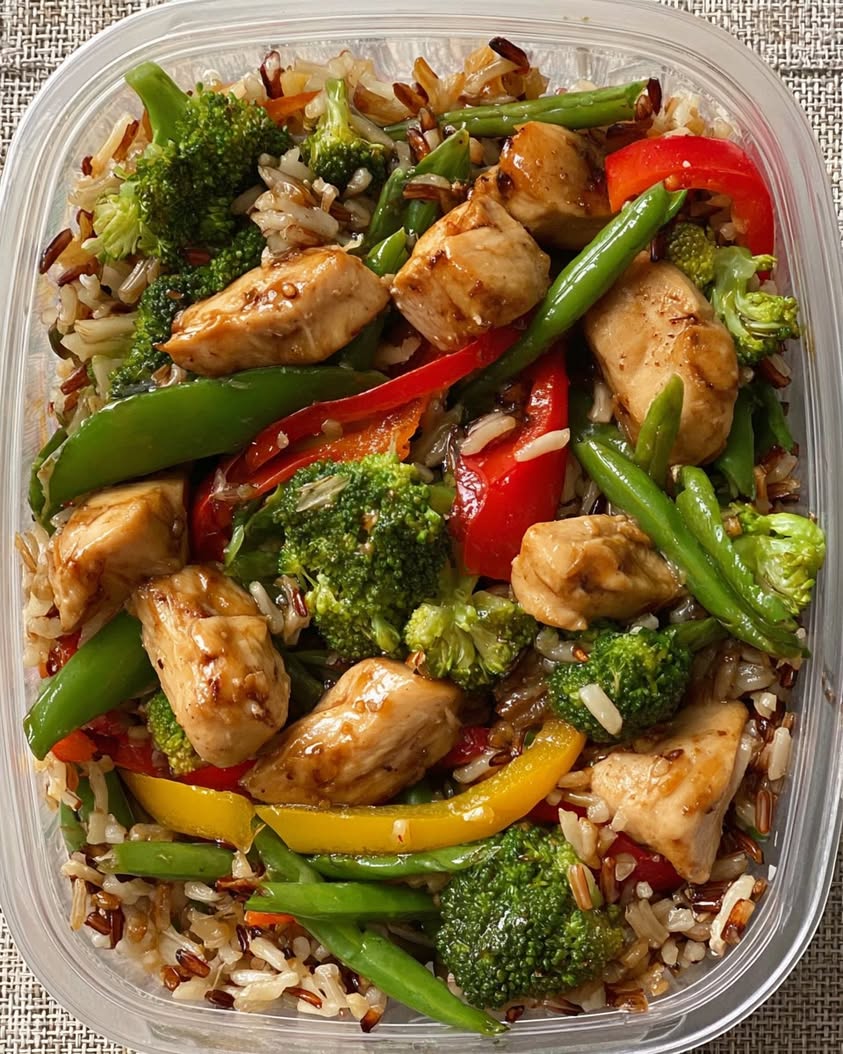
Chicken Stir-Fry with Wild Rice: A Vibrant and Healthy Weeknight Wonder
Imagine a sizzling pan filled with tender, golden-brown chicken pieces dancing alongside a rainbow of crisp vegetables, all coated in a glossy, aromatic sauce that fills your kitchen with an irresistible scent. This chicken stir-fry with wild rice delivers exactly that experience, transforming simple ingredients into a spectacular meal. Moreover, it brings restaurant-quality flavor to your dinner table in under thirty-five minutes, making it a champion of busy weeknights. Ultimately, this dish is a celebration of texture and taste, where every bite offers something new and exciting.
The foundation of this incredible meal is the nutty, chewy wild rice, which provides a hearty and wholesome base that soaks up the savory stir-fry sauce beautifully. Unlike typical white rice, wild rice adds a delightful textural contrast and a deeper, more complex flavor profile. Meanwhile, the stir-fry itself is a masterclass in balance, featuring a savory ginger-garlic sauce that is both bold and nuanced. Consequently, this recipe proves that healthy eating does not have to be bland or time-consuming. In fact, it is a perfect example of how a few fresh ingredients and smart techniques can create a dinner everyone will love.
This chicken stir-fry is more than just a quick meal; it is a versatile canvas for your culinary creativity. You can easily swap vegetables based on what is in season or hiding in your crisper drawer. Additionally, the sauce is wonderfully adaptable, allowing you to adjust the levels of sweetness, saltiness, or heat to match your family’s preferences. Therefore, whether you are cooking for a casual family dinner or need an impressive yet easy dish for guests, this recipe rises to the occasion. It is a reliable, flavorful, and nutritious solution that will earn a permanent spot in your weekly rotation.
Quick Recipe Highlights
- Flavor Profile: This dish boasts a deeply savory and umami-rich foundation from soy sauce and chicken, perfectly balanced by the bright, sharp notes of fresh ginger and garlic. Furthermore, a touch of sweetness, often from honey or brown sugar, rounds out the sauce, creating a complex and addictive flavor that clings to every ingredient.
- Texture: The texture journey is a key part of the experience. You get tender, juicy bites of chicken, a satisfying crunch from vegetables like broccoli and bell peppers, and the uniquely chewy, slightly firm grains of wild rice. Altogether, these elements create a wonderfully dynamic and engaging mouthfeel in every forkful.
- Aroma: As soon as the ginger and garlic hit the hot oil, your kitchen will be filled with a warm, pungent, and incredibly inviting fragrance. This aromatic base is then complemented by the savory scent of cooking chicken and the subtle, toasty notes from the stir-fried vegetables, promising a delicious meal before the first bite.
- Visual Appeal: This dish is a feast for the eyes with its vibrant color palette. Think golden-brown chicken, emerald green broccoli, bright red bell peppers, and deep, dark wild rice. The glossy sauce brings everything together, making the plate look glossy, professional, and incredibly appetizing.
- Skill Level Needed: This recipe is ideal for beginners and seasoned cooks alike. It requires fundamental skills like chopping, sautéing, and making a simple pan sauce. Importantly, the process is fast and forgiving, teaching essential timing and high-heat cooking techniques without intense pressure.
- Special Equipment: A large skillet or wok is the only crucial tool. A wok’s sloped sides are ideal for stir-frying, but a large, heavy-bottomed skillet works perfectly. Otherwise, you just need basic kitchen tools: a sharp knife, a cutting board, and a whisk for the sauce.
Recipe Overview
- Difficulty Level: We classify this chicken stir-fry with wild rice as an easy recipe. The steps are straightforward and sequential, with minimal complex techniques. While it requires some multitasking, such as cooking the rice while preparing the stir-fry, each individual task is simple. Consequently, even a novice cook can achieve excellent results by following the clear instructions.
- Category: This dish firmly belongs in the healthy dinner and quick weeknight meal categories. It is a complete, balanced plate featuring lean protein, a generous serving of vegetables, and a whole grain. Additionally, it fits beautifully into meal prep routines, as the components reheat well for lunches throughout the week.
- Cuisine: While stir-frying is a cornerstone of many East Asian cuisines, this recipe takes a modern, fusion approach. It uses classic stir-fry technique and flavor profiles but pairs them with North American wild rice. The result is a globally-inspired, adaptable dish that celebrates fresh ingredients and high-heat cooking.
- Cost: This is a remarkably cost-effective meal. Chicken breast and frozen vegetables are budget-friendly protein and produce options. Meanwhile, pantry staples like soy sauce, ginger, and garlic provide immense flavor for just pennies. Therefore, you can create a restaurant-quality dinner for a family of four for a fraction of the cost of takeout.
- Season: This recipe is truly a year-round champion. In spring and summer, you can highlight fresh, seasonal veggies like snap peas and asparagus. During fall and winter, heartier vegetables like carrots and mushrooms make it comforting and nourishing. Ultimately, its adaptability makes it perfect for any season.
- Occasion: It is supremely versatile for different occasions. It is a quick solution for busy Tuesday nights, a healthy option for post-workout fuel, and elegant enough for a casual dinner party when plated thoughtfully. It is also an excellent dish for introducing kids to new vegetables and flavors in a familiar format.
Why You’ll Love This Recipe
First and foremost, the taste and texture of this chicken stir-fry are utterly compelling. The savory, ginger-kissed sauce clings to every piece of chicken and vegetable, creating bursts of flavor with each bite. Meanwhile, the contrast between the tender chicken, crisp-tender veggies, and chewy wild rice makes eating this dish a genuinely enjoyable sensory experience. It is far from a monotonous meal; instead, it keeps your palate interested from start to finish. Furthermore, the aroma that wafts from the pan as you cook is simply unbeatable, building anticipation and making your home feel warm and welcoming.
From a practical standpoint, the convenience of this recipe is a major win. It comes together in one pan for the stir-fry, with a separate pot for the rice, meaning cleanup is minimal. Additionally, the active cooking time is short, and the process is fast-paced but simple, making it ideal for evenings when time and energy are low. You can also prep the vegetables and sauce ahead of time, turning the actual cooking into a mere ten-minute affair. Consequently, this dish consistently delivers maximum flavor with minimal fuss, which is the holy grail of weeknight cooking.
Nutritionally, this meal is a powerhouse. Chicken breast provides lean protein to keep you full and support muscle repair. The variety of vegetables delivers a broad spectrum of vitamins, minerals, and fiber. Significantly, using wild rice instead of white rice adds more protein, fiber, and antioxidants like anthocyanins. This combination creates a balanced plate that fuels your body without leaving you feeling heavy or sluggish. It is a meal that truly makes you feel good from the inside out, proving that healthy food can be the most delicious food.
This chicken stir-fry also holds tremendous value for social and entertaining purposes. It is easy to double or triple for a crowd, and you can set up a “stir-fry bar” with different proteins and veggies for a fun, interactive meal. Moreover, its bright, colorful presentation looks impressive on a dinner table, suggesting more effort than was actually required. For families, it is a great way to encourage everyone to eat their vegetables, as the flavorful sauce makes even broccoli a coveted item. Therefore, it bridges the gap between everyday nourishment and special occasion fare seamlessly.
Finally, the cost-effectiveness and accessibility of this recipe cannot be overstated. It utilizes affordable, readily available ingredients found in any standard grocery store. You can adapt it based on what is on sale or what you already have, reducing food waste. Compared to ordering similar food from a restaurant or delivery service, cooking this at home saves a substantial amount of money. Ultimately, this chicken stir-fry with wild rice empowers you to create a gourmet, healthy, and satisfying meal on a budget, which is a skill that pays dividends for a lifetime.
Historical Background and Cultural Significance
The technique of stir-frying has a rich and ancient history, originating in China over 1,500 years ago. This method evolved as a practical solution for conserving fuel; cooking food quickly over intense heat used less wood or coal. Additionally, the fast cooking preserved the vibrant color, crisp texture, and nutritional value of vegetables, which was highly valued. The wok, with its unique shape, was ingeniously designed to facilitate this style of cooking, allowing ingredients to be tossed and stirred constantly. Consequently, stir-frying became a cornerstone of Chinese culinary tradition, emphasizing freshness, speed, and the harmony of flavors and textures.
Culturally, stir-fry dishes are deeply connected to principles of balance and adaptability in Chinese cuisine. They often reflect the concept of “yin and yang,” combining ingredients of different colors, textures, and nutritional properties. A typical stir-fry might pair “cooling” vegetables with “warming” spices or sauces. Furthermore, stir-fries are inherently adaptable, designed to make use of seasonal produce and small amounts of meat or tofu. This resourcefulness made them a staple in households across regions, with each family developing its own signature variations based on local ingredients and tastes.
The recipe we know today, particularly one served with wild rice, represents a modern fusion. Wild rice is not native to Asia but is actually a grain harvested from aquatic grasses native to North America, traditionally consumed by Indigenous peoples like the Ojibwe. Its incorporation into a stir-fry is a contemporary innovation, blending Eastern cooking technique with a North American ingredient. This fusion exemplifies how global cuisines evolve and influence each other, creating new and exciting dishes that resonate across cultures. It is a testament to the adaptability of the stir-fry format itself.
Regional variations of stir-fry are endless across Asia. In Sichuan province, you might find stir-fries with mouth-numbing Sichuan peppercorns and fiery chiles. Cantonese stir-fries often highlight the natural sweetness of fresh seafood and vegetables with lighter sauces. Meanwhile, American-Chinese cuisine developed its own popular stir-fry dishes, like chop suey and beef with broccoli, adapting to local ingredient availability and tastes. Today, the chicken stir-fry with wild rice sits within this continuum of adaptation. It is a global citizen of a dish, honoring its technical roots while freely incorporating ingredients from other pantries to create something uniquely delicious for the modern home cook.
Ingredient Deep Dive
Chicken Breast: Chicken breast is a lean, versatile protein that forms the hearty base of this stir-fry. For the best texture, look for plump, evenly-sized breasts with a pink hue and no gray spots. To ensure tenderness, slice the chicken against the grain into uniform pieces; this shortens the muscle fibers, making each bite more tender. A brief marinade in a little soy sauce and cornstarch works wonders, as the cornstarch helps create a delicate coating that seals in juices during the high-heat cook. If you prefer dark meat, chicken thighs are an excellent, more flavorful substitute. Always store raw chicken in the coldest part of your refrigerator and use it within 1-2 days of purchase.
Wild Rice: Technically a grass seed, wild rice boasts a dramatic, dark color and a robust, nutty flavor. It is significantly higher in protein and fiber than white rice, contributing to the meal’s nutritional profile. When selecting it, you can find pure wild rice or blends, which often include other rices for a faster cook time. Rinse it thoroughly before cooking to remove any debris. To store, keep uncooked wild rice in an airtight container in a cool, dark pantry where it will last for years. For a quicker-cooking alternative, you can use a wild rice blend or substitute brown rice, though the unique texture and flavor will differ.
Fresh Ginger and Garlic: This aromatic duo is non-negotiable for an authentic stir-fry flavor. Ginger provides a warm, sharp, and slightly sweet pungency, while garlic offers a deeper, savory base. Always choose firm ginger roots with smooth skin and avoid any that are wrinkled or soft. For garlic, select firm, heavy heads with tight, papery skin. To maximize their impact, mince them finely so they disperse their flavor throughout the sauce. You can store unpeeled ginger in the freezer and grate it frozen as needed. As a substitute, jarred minced ginger and garlic can work in a pinch, but the fresh versions provide a far superior, brighter taste.
Soy Sauce: Soy sauce is the salty, umami backbone of the stir-fry sauce. It is made from fermented soybeans and wheat, contributing deep, complex flavors. For a richer taste, consider using low-sodium soy sauce to control salt levels, then adjust as needed. Tamari is a great gluten-free alternative with a similar flavor profile. For a different dimension, you could incorporate a splash of dark soy sauce for color and a molasses-like sweetness. Always add soy sauce to the pan away from the highest heat to prevent it from burning and turning bitter. Store opened bottles in a cool, dark place.
Fresh Vegetables (Broccoli, Bell Pepper, Carrot): This colorful trio provides crunch, vitamins, and visual appeal. Broccoli should have tight, dark green florets and firm stalks. Bell peppers are best when their skin is glossy and taut. Carrots should be firm and smooth. To prepare them for stir-frying, cut them into uniform, bite-sized pieces to ensure even cooking. You can absolutely adapt this mix based on seasonality: try snap peas, mushrooms, zucchini, or baby corn. For the crispiest results, avoid overcrowding the pan when cooking them. Store uncut vegetables in the crisper drawer of your refrigerator to maintain their freshness and crunch.
Common Mistakes to Avoid
- Overcrowding the Pan: Adding all the ingredients at once is a critical error. Overcrowding causes the pan temperature to plummet, leading to steamed, soggy vegetables and rubbery chicken instead of a proper sear. Always cook in batches if your pan is not large enough to hold everything in a single layer without touching.
- Using the Wrong Oil: Olive oil or butter have low smoke points and will burn at the high heat required for stir-frying. This creates off-flavors and a smoky kitchen. Instead, consistently use a high-smoke-point oil like avocado, peanut, or canola oil, which can withstand the heat without breaking down.
- Not Prepping Everything First (Mise en Place): Stir-frying is a fast process with no time to chop or measure once you start cooking. Failing to have all your ingredients chopped, sauces mixed, and tools ready will result in burned garlic or overcooked chicken. Mise en place is absolutely essential for success.
- Underseasoning the Sauce: The sauce seems simple but needs balance. Tasting it before adding it to the pan is crucial. Adjust the ratio of salty (soy sauce), sweet (honey), and acidic (rice vinegar) elements to your liking. Remember, it will season the entire dish, so it should be bold on its own.
- Overcooking the Vegetables: The goal is crisp-tender vegetables that retain their color and bite. Adding them too early or cooking them for too long turns them mushy and dull. Add longer-cooking veggies (like carrots) first, and delicate ones (like bell peppers) last, just to heat through.
- Slicing Chicken Incorrectly: Slicing with the grain creates long, tough strands of meat. Always slice chicken breast against the grain into thin, uniform pieces. This cuts through the muscle fibers, guaranteeing a tender result even with quick cooking over high heat.
- Neglecting to Pat the Chicken Dry: Moisture on the surface of the chicken prevents proper browning. Before marinating or cooking, always pat chicken pieces thoroughly dry with paper towels. This ensures they sear beautifully instead of steaming in their own liquid.
- Adding Garlic and Ginger Too Early: If minced garlic and ginger hit scorching oil alone, they can burn in seconds, becoming bitter and ruining the oil. Add them to the hot oil for just 30 seconds to a minute until fragrant, then immediately add your protein or next ingredient to cool the pan slightly.
- Stirring Constantly: While it is called a stir-fry, you do not need to stir non-stop. Allow the chicken and vegetables to sit undisturbed for a minute or two to develop a flavorful sear and caramelization. Then, toss and repeat. Constant stirring prevents proper browning.
- Using Cold Rice: If you are using leftover wild rice, ensure it is warmed up or at room temperature before adding it to the stir-fry. Adding cold, clumpy rice straight from the fridge will cool the dish down and make it difficult to integrate evenly with the sauce and other ingredients.
Essential Techniques
High-Heat Searing: This is the defining technique of any stir-fry. High heat, typically medium-high to high on your burner, is crucial for creating the “wok hei” or breath of the wok—that characteristic smoky, seared flavor. It quickly caramelizes the surfaces of the chicken and vegetables, locking in juices and creating complex flavors. To master it, ensure your pan is fully preheated before adding oil, and then wait for the oil to shimmer. A common pitfall is a pan that is not hot enough, leading to steaming. The visual cue for success is a audible sizzle upon ingredient contact and the development of golden-brown color.
Batch Cooking: When dealing with a large volume of ingredients, batch cooking is non-negotiable for maintaining high heat. Overcrowding the pan drops the temperature, causing food to release liquid and steam instead of sear. The technique involves cooking ingredients in manageable, single-layer batches, removing them to a plate, and then returning them all at the end to combine with the sauce. This ensures every piece gets proper exposure to the hot surface. The key is to not fear removing partially cooked food; it will finish heating through in the final toss.
Creating a Pan Sauce: After searing the protein and vegetables, you build the sauce directly in the same pan. This technique deglazes the pan, incorporating all the flavorful browned bits (fond) stuck to the bottom. First, you often add a bit of liquid like broth or water to loosen the fond. Then, you add your pre-mixed sauce ingredients. The importance lies in layering flavor and creating a cohesive, glossy sauce that coats every component. Let it simmer for a minute to thicken slightly. The visual cue for success is a sauce that thickens just enough to coat the back of a spoon, known as “nappé.”
Pro Tips for Perfect Chicken Stir-Fry with Wild Rice
First, for exceptionally tender chicken, use a velveting technique. Marinate your sliced chicken in a mixture of one egg white, one tablespoon of cornstarch, and one tablespoon of soy sauce for 30 minutes before cooking. This Chinese restaurant method creates a silky, protective coating on the chicken.
Second, to achieve restaurant-style crisp vegetables, blanch harder veggies like broccoli and carrots in boiling water for 60-90 seconds before stir-frying. Immediately shock them in ice water to stop the cooking. This “blanch and shock” method sets their vibrant color and ensures they finish perfectly crisp-tender in the wok.
Third, amplify the umami flavor by adding a teaspoon of toasted sesame oil to the sauce just before finishing. Do not cook with it, as it has a low smoke point. Instead, drizzle it in at the end off the heat. Its nutty, profound flavor elevates the entire dish.
Fourth, if your sauce is too thin, create a quick slurry. Mix one teaspoon of cornstarch with one tablespoon of cold water until smooth. Stir this into your simmering sauce and cook for another 30-60 seconds. The sauce will thicken into a beautiful, glossy coating.
Fifth, for the best wild rice texture, cook it like pasta in a large pot of generously salted boiling water until tender, then drain. This method often yields better results than the absorption method and prevents gummy or unevenly cooked grains.
Sixth, add a touch of brightness with a final garnish. A sprinkle of sliced green onions, a handful of chopped cilantro, or a squeeze of fresh lime juice just before serving adds a layer of fresh flavor that cuts through the richness.
Seventh, let your cooked stir-fry rest for two minutes off the heat before serving. This allows the sauce to settle and the ingredients to absorb the flavors more fully, resulting in a more cohesive and delicious final product.
Eighth, invest in a good, heavy carbon steel or cast iron wok if you make stir-fries regularly. Season it properly, and it will become your most prized kitchen tool, distributing heat evenly and developing a natural non-stick patina over time.
Variations and Adaptations
For regional variations, explore different sauce profiles. For a Sichuan-inspired kick, add a tablespoon of chili bean paste (doubanjiang) and a teaspoon of ground Sichuan peppercorns to the sauce. For a Thai twist, use fish sauce instead of soy sauce and finish with Thai basil. A Korean version could feature a gochujang-based sauce. These simple swaps transport the basic framework to different culinary traditions while keeping the technique identical.
Seasonal adaptations are easy and recommended. In spring, use asparagus tips, fresh peas, and morels. Summer calls for zucchini, yellow squash, and cherry tomatoes. Autumn is perfect for sweet potatoes, Brussels sprouts, and wild mushrooms. In winter, rely on hardier staples like cabbage, carrots, and stored onions. Rotating vegetables with the seasons keeps the dish exciting and maximizes freshness and flavor throughout the year.
Dietary modifications are straightforward. For a gluten-free version, use tamari or coconut aminos instead of soy sauce and ensure your other sauces are certified gluten-free. For a vegan or vegetarian adaptation, replace the chicken with extra-firm tofu, tempeh, or a hearty vegetable like king oyster mushrooms. Use vegetable broth in the sauce. To lower carbs, increase the volume of non-starchy vegetables and serve the stir-fry over cauliflower rice instead of wild rice.
Flavor variations can cater to different palates. For a sweeter profile, increase the honey or add a splash of orange juice. For more tang, up the rice vinegar or add a bit of lime zest. Smoky notes can be introduced with a dash of smoked paprika. For a richer, deeper flavor, incorporate a tablespoon of hoisin sauce or oyster sauce into your sauce mixture. Experimenting with these additions allows you to customize the dish to your exact preferences.
Texture modifications can also be fun. For extra crunch, add toasted nuts like almonds or cashews, or seeds like sesame seeds, right at the end. For a creamier element, drizzle a little tahini-thinned sauce over the top. If you prefer softer vegetables, simply extend their cooking time by a minute or two. The basic recipe is a template that welcomes your personal textural tweaks.
Presentation alternatives can elevate the dish for guests. Instead of mixing the rice and stir-fry, serve the vibrant stir-fry in a large, shallow bowl with a mound of dark wild rice in the center, creating a “nest” effect. Alternatively, pack the rice into a small bowl, invert it onto the plate for a neat dome, and arrange the stir-fry around it. Using colorful plates and thoughtful garnishes turns a simple dinner into a restaurant-style presentation.
Serving and Presentation Guide
Plating techniques matter for visual appeal. For a family-style meal, serve the wild rice on a large platter and pile the colorful stir-fry on top, allowing the rice to peek out at the edges. For individual servings, place a scoop of rice slightly off-center on a warm plate or shallow bowl and spoon the stir-fry next to it, letting the sauce pool around the rice. This method keeps the textures distinct until mixed by the diner.
Garnishing adds the final professional touch. A classic garnish is thinly sliced green onions (both green and white parts) scattered over the top. Fresh cilantro leaves, toasted sesame seeds, or a light drizzle of chili oil also work beautifully. For a citrusy note, add a twist of lime or orange zest. The garnish should be fresh, colorful, and add a complementary flavor or texture.
Traditional accompaniments might include simple sides like a clear soup (e.g., egg drop soup) or a light, vinegary cucumber salad to cleanse the palate. In a Western context, a simple side salad with a ginger-sesame dressing complements the meal perfectly. These sides add variety without competing with the main dish’s robust flavors.
Modern serving suggestions embrace convenience and style. Consider serving the stir-fry in lettuce cups for a low-carb, handheld option. For a bento-box style lunch, pack the rice and stir-fry in separate compartments. You can also deconstruct the elements for a DIY bowl bar, allowing everyone to build their own perfect combination with extra toppings like shredded cabbage, edamame, or crispy shallots.
Temperature considerations are key. Both the stir-fry and the rice should be served piping hot. Warm your serving plates or bowls beforehand to prevent the food from cooling too quickly. If you are cooking in batches, keep finished portions in a warm oven (around 200°F) while you finish the rest, but do not hold them for too long to avoid overcooking.
Portion control is easy with this balanced dish. A good rule of thumb is to aim for a portion about the size of your fist for the cooked wild rice and a slightly larger portion for the stir-fry mix (roughly 1 to 1.5 cups each per person). This provides a satisfying meal that is filling but not overly heavy, aligning well with balanced eating guidelines.
Wine and Beverage Pairing
For wine pairings, you want something that can handle the dish’s savory, umami, and slightly sweet notes. A crisp, aromatic white wine like an off-dry Riesling or Gewürztraminer is a classic choice, as their slight sweetness contrasts beautifully with the soy and ginger. Alternatively, a light-bodied, low-tannin red like Pinot Noir or Beaujolais can work well if you prefer reds, especially if the dish has earthy mushrooms. The key is to avoid heavily oaked or high-tannin wines, which can clash with the stir-fry’s complex flavors.
Non-alcoholic alternatives are abundant and delicious. Iced green tea or jasmine tea is a traditional and refreshing match, their subtle bitterness cleansing the palate. Sparkling water with a squeeze of lime or a splash of cranberry juice provides a crisp, clean counterpoint. For a more crafted option, a ginger beer (non-alcoholic) mimics and complements the ginger in the dish, or try a tart cherry juice spritzer.
While not traditional, certain coffees and teas can pair interestingly. A lightly roasted, floral coffee served after the meal can be pleasant. For tea, a smoky Lapsang Souchong could create an intriguing contrast with the savory elements, though it is a bold choice. Generally, lighter teas are safer bets for during the meal.
Temperature considerations are straightforward: white wines and non-alcoholic drinks should be well-chilled, while light reds should be served slightly cool, around 55°F. Iced beverages should be cold but not diluted with too much ice. Serving drinks at their ideal temperature ensures they refresh and complement the hot, flavorful food rather than fighting against it.
Serving suggestions include offering a variety of options if you are hosting. Place a bottle of chilled Riesling and a pitcher of iced jasmine tea on the table. Encourage guests to sip water throughout the meal to cleanse their palates. Ultimately, the best pairing is one that you enjoy, so feel free to experiment with your favorite beverages alongside this versatile dish.
Storage and Shelf Life
For storage, allow the leftover chicken stir-fry and wild rice to cool completely to room temperature before refrigerating, but do not leave it out for more than two hours. Store them in separate airtight containers to prevent the rice from becoming soggy. Properly stored, the stir-fry will keep in the refrigerator for 3-4 days. The wild rice alone can last up to 5-6 days when stored correctly. Glass containers are ideal as they do not absorb odors and allow you to see the contents.
Temperature requirements are critical for food safety. Your refrigerator should be at or below 40°F (4°C). Do not store large, hot portions of food directly in the fridge, as they can raise the internal temperature of the appliance. Instead, divide the leftovers into smaller, shallow containers to promote rapid, even cooling. This practice minimizes the time food spends in the “danger zone” between 40°F and 140°F where bacteria multiply rapidly.
Signs of spoilage are important to recognize. Discard the stir-fry if you notice an off or sour smell, a slimy texture on the chicken or vegetables, or any visible mold. If the rice develops a dry, hard texture or an unusual smell, it is best to throw it out. When in doubt, follow the golden rule: when in doubt, throw it out. It is not worth the risk of foodborne illness.
Reheating instructions are key to preserving quality. The best method is to reheat the stir-fry in a skillet or wok over medium heat with a splash of water or broth. This revives the texture better than a microwave. For the microwave, place the stir-fry in a microwave-safe dish, sprinkle with a tablespoon of water, cover loosely, and heat in 60-second intervals, stirring in between, until hot throughout. Always ensure reheated food reaches an internal temperature of 165°F.
Freezing guidelines: You can freeze the chicken stir-fry for up to 3 months, though vegetables may become softer upon thawing. Cool it completely, then transfer to freezer-safe bags or containers, removing as much air as possible. Thaw overnight in the refrigerator before reheating. Note that the texture of the vegetables, especially those with high water content like bell peppers, will suffer slightly. Wild rice freezes very well; store it in a separate container.
Make Ahead Strategies
A smart prep timeline can turn this into a 10-minute meal. The day before, cook the wild rice and let it cool before storing it in the fridge. Chop all your vegetables and store them in separate containers or compartments in a large container. Slice the chicken and marinate it in the refrigerator. Mix the sauce ingredients in a jar. On cooking day, everything is ready to grab and go, streamlining the process immensely.
Storage between steps is simple. Keep raw marinated chicken in a sealed container on the bottom shelf of the fridge to prevent cross-contamination. Store chopped vegetables in the crisper drawer. The pre-mixed sauce can sit at room temperature for a few hours or in the fridge overnight. Keeping components separate until cooking is crucial for maintaining texture and food safety.
The quality impact of make-ahead prep is generally positive. Pre-chopped vegetables may lose a tiny amount of crispness but are perfectly fine for stir-frying. Marinated chicken becomes more tender. The sauce flavors meld and improve. The only element that benefits from being freshly cooked is the final stir-fry itself, as the high-heat sear is best done just before serving. Therefore, prepping ahead enhances the process without sacrificing the final result.
Assembly tips for make-ahead meals involve having your station ready. Place your containers of prepped ingredients next to the stove in the order you will use them: oil, garlic/ginger, chicken, hard veggies, soft veggies, sauce, garnishes. Have your cooking tools—spatula, whisk, measuring spoons—within reach. This organized “assemble line” makes the fast-paced cooking effortless and enjoyable, even after a long day.
Reheating guidelines for fully made-ahead stir-fry differ from leftovers. If you cooked the entire dish ahead and refrigerated it, reheat it in a wok or large skillet over medium-high heat. You may need to add a little extra sauce or broth to loosen it up and refresh the flavors. Avoid the microwave for the whole plated meal if possible, as it will steam the vegetables into mush.
Fresh element additions are the secret to making a prepped-ahead meal taste freshly made. Even if you made the entire stir-fry ahead, add a fresh garnish right before serving. Sprinkle with newly sliced green onions, a handful of just-chopped cilantro, or a fresh squeeze of lime juice. This bright, last-minute addition elevates the dish and provides a burst of fresh flavor that tricks the palate.
Scaling Instructions
Halving the recipe is straightforward for smaller households. Simply divide all ingredient quantities by two. Use a medium skillet instead of a large one. The cooking times will be slightly shorter because there is less food in the pan, so keep a close eye on the chicken and vegetables to prevent overcooking. The sauce will also thicken more quickly. This is a perfect way to enjoy the dish without leftovers, though leftovers are highly recommended!
Doubling or tripling the recipe for a crowd requires some adjustments. Do not attempt to cook a double batch in one pan; the overcrowding will ruin the texture. Instead, cook in multiple batches, using a fresh teaspoon of oil for each batch if needed. You can keep finished batches warm on a sheet pan in a 200°F oven. For the sauce, mix it in a large measuring cup or bowl before you start cooking. Consider using a pot to cook a larger quantity of wild rice, or use two rice cookers.
Equipment adjustments are necessary when scaling. For a double batch, ensure you have two large skillets or a very large wok and a pot big enough for the increased rice quantity. Have extra bowls on hand for holding prepped ingredients and cooked batches. If you are tripling, it may be more efficient to use two burners simultaneously. Planning your equipment setup before you start is crucial for a smooth cooking process when
Print
Chicken Stir-Fry with Wild Rice
Description
A quick and healthy stir-fry featuring tender chicken, colorful vegetables, and nutty wild rice, all tossed in a savory garlic-ginger sauce.
Ingredients
For the Crust:
- 1 lb boneless, skinless chicken breasts, sliced into strips
- 1 cup uncooked wild rice
- 1 red bell pepper, sliced
- 1 cup broccoli florets
- 1 carrot, julienned
- 3 cloves garlic, minced
- 1 tbsp fresh ginger, grated
- 3 tbsp soy sauce
- 1 tbsp sesame oil
- 2 tbsp vegetable oil
- 1/2 cup chicken broth
- 1 tsp honey
- 2 green onions, chopped
- Salt and pepper to taste
Instructions
1. Prepare the Crust:
- Cook wild rice according to package instructions until tender, then set aside.
- Heat vegetable oil in a large wok or skillet over high heat. Add chicken strips and season with salt and pepper. Cook until browned and cooked through, about 5-7 minutes. Remove from skillet and set aside.
- In the same skillet, add sesame oil, garlic, and ginger. Sauté for 30 seconds until fragrant. Add bell pepper, broccoli, and carrot, stirring frequently for 4-5 minutes until crisp-tender.
- Return chicken to the skillet. Pour in soy sauce, chicken broth, and honey. Stir to combine and simmer for 2-3 minutes until sauce thickens slightly.
- Add cooked wild rice to the skillet, tossing everything together until well-coated and heated through. Garnish with green onions before serving.
Notes
You can customize the seasonings to taste.

I’m Shaykee—born in Morocco, seasoned across continents. From airplane galleys to home kitchens, I share the flavors and stories that shaped my journey.