
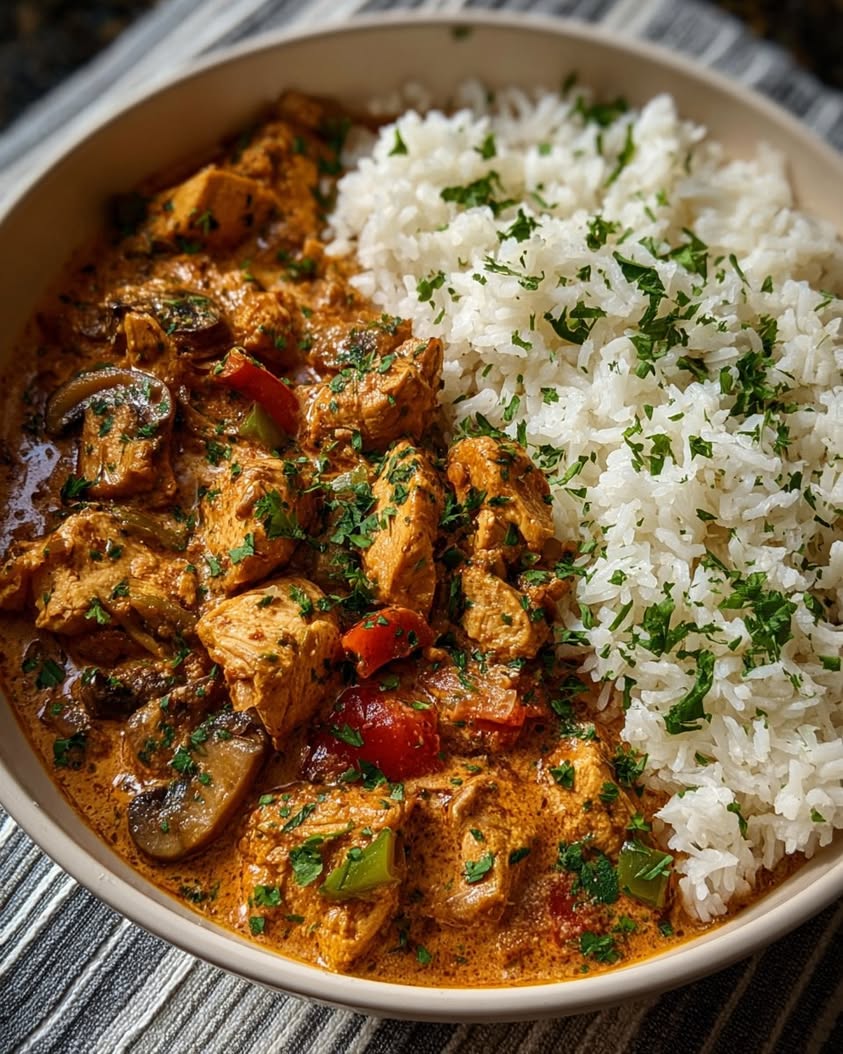
Creamy Chicken Curry with Fluffy Rice: A Weeknight Wonder
Imagine a dinner that delivers maximum flavor with minimal effort. This creamy chicken curry recipe is exactly that kind of magic. It transforms simple ingredients into a luxurious, comforting meal that feels like a warm hug in a bowl. The aroma alone, as the spices bloom in the pan, will have your whole family gathering in the kitchen. Ultimately, this dish proves that a truly satisfying dinner doesn’t require hours of work.
This particular creamy chicken curry recipe strikes a perfect balance between rich and approachable. It uses a blend of warm, accessible spices to create depth without overwhelming heat. Meanwhile, the creamy sauce clings beautifully to tender pieces of chicken and vegetables. Served over a mound of perfectly steamed, fluffy rice, it creates a complete, harmonious plate. Consequently, it’s a guaranteed crowd-pleaser that works for both busy weeknights and casual weekend gatherings.
The beauty of this recipe lies in its adaptability. You can easily adjust the spice level to suit your taste or swap in your favorite vegetables. Furthermore, the process is straightforward, making it an excellent choice for novice cooks looking to build confidence. From start to finish, you’ll have a restaurant-quality meal on your table in well under an hour. Therefore, let’s dive into how to make this unforgettable creamy chicken curry with fluffy rice.
Quick Recipe Highlights
- Flavor Profile: This creamy chicken curry delivers a complex, layered taste. It starts with a warm, aromatic base of curry powder, garlic, and ginger. Then, it builds into a rich, savory, and slightly sweet profile from the coconut milk and tomatoes.
- Texture: The texture experience is wonderfully varied. You get tender, juicy bites of chicken contrasted with soft vegetables. Meanwhile, the sauce itself is luxuriously smooth and velvety, coating every grain of fluffy rice perfectly.
- Aroma: The cooking process fills your kitchen with an irresistible fragrance. First, you’ll smell the earthy cumin and coriander toasting. Next, the sharp, pungent notes of fresh garlic and ginger join in, followed by the sweet, creamy scent of coconut milk.
- Visual Appeal: This dish is a feast for the eyes with its vibrant yellow-gold sauce. Bright green peas or fresh cilantro provide a beautiful color contrast against the creamy backdrop. Served in a shallow bowl over white rice, it looks both rustic and elegant.
- Skill Level Needed: This is a fantastic recipe for cooks of all levels. It requires basic knife skills for chopping and fundamental techniques like sautéing and simmering. No advanced culinary skills are necessary for success.
- Special Equipment: You only need common kitchen tools. A large skillet or Dutch oven with a lid is essential for cooking the curry. Additionally, a standard saucepan and a fine-mesh strainer or rice cooker will prepare your fluffy rice perfectly.
Recipe Overview
- Difficulty Level: We classify this creamy chicken curry as an easy recipe. The steps are logical and sequential, with no complicated techniques. Most importantly, the margin for error is generous, and the recipe is very forgiving for beginners.
- Category: This dish fits perfectly into the main course category for dinner. It’s a hearty, protein-packed meal that stands on its own. Furthermore, it can also be considered a fantastic comfort food or a quick weeknight dinner solution.
- Cuisine: This recipe draws inspiration from broader South Asian and Southeast Asian culinary traditions. It uses curry powder, a British-Indian blend, for convenience and accessibility. The use of coconut milk also nods toward Thai and Malaysian curry styles.
- Cost: This is an incredibly cost-effective meal to prepare at home. Chicken thighs or breasts, rice, and canned tomatoes and coconut milk are budget-friendly staples. Spices represent a one-time investment that pays off across many meals.
- Season: This creamy chicken curry is truly a year-round dish. It provides warmth and comfort during chilly fall and winter evenings. Conversely, its bright flavors and relatively quick cook time also make it suitable for spring and summer.
- Occasion: It’s the ultimate versatile dish for numerous occasions. Primarily, it’s a lifesaver for busy weeknight family dinners. Additionally, it scales easily for potlucks, casual dinner parties, or meal prep for the week ahead.
Why You’ll Love This Recipe
First and foremost, the taste and texture of this creamy chicken curry are utterly irresistible. Each bite offers a symphony of flavors where the savory chicken, aromatic spices, and sweet coconut milk meld seamlessly. The sauce is luxuriously smooth, creating a comforting coating for the tender meat and vegetables. Paired with the simple, fluffy rice, it achieves a perfect balance that satisfies deeply. Ultimately, this dish delivers restaurant-quality complexity from your own kitchen with far more heart.
From a practical standpoint, the convenience of this recipe is a major win. It requires just one pot for the curry and one for the rice, meaning cleanup is a breeze. The ingredient list features pantry staples and fresh items readily available at any supermarket. Moreover, the active cooking time is minimal, with most of the process involving hands-off simmering. Therefore, you can easily multitask, setting the table or preparing a simple salad while dinner cooks itself.
Nutritionally, this creamy chicken curry offers a well-rounded profile. Chicken provides a lean source of high-quality protein to keep you full and support muscle health. The vegetables contribute essential vitamins, minerals, and fiber. Using coconut milk adds healthy fats, and the spices like turmeric and ginger boast anti-inflammatory properties. When served with brown rice, you increase the fiber content even further for a truly wholesome meal.
This dish also holds tremendous social and entertaining value. It’s a universally appealing recipe that pleases both adults and children, especially when you control the spice level. The entire meal comes together in one beautiful, shareable pot, perfect for family-style serving. Furthermore, its aroma is incredibly inviting, making your home feel warm and welcoming. Consequently, it’s a reliable choice when you want to impress guests without spending the whole evening in the kitchen.
Finally, the cost-effectiveness and accessibility of this creamy chicken curry cannot be overstated. It dramatically undercuts the price of ordering similar takeout or dining at a restaurant. The ingredients are affordable and have a long shelf life, reducing food waste. You can also adapt it based on what you have on hand, using different proteins or vegetables. In short, it’s a smart, delicious, and economical way to feed your family a fantastic meal.
Historical Background and Cultural Significance
The concept of curry has a long and complex history, tracing back thousands of years across the Indian subcontinent. Originally, the term derived from the Tamil word “kari,” meaning sauce or relish for rice. British colonialists later adopted and generalized the term “curry” to describe a wide variety of spiced dishes. The creamy chicken curry we know today represents a modern, globalized interpretation of these traditions. It simplifies complex spice blends into accessible curry powder while incorporating ingredients like coconut milk from other regions.
Culturally, chicken curry holds significant importance in many households around the world. In India and Pakistan, it’s a celebratory dish often served at gatherings and festivals. In Thailand, a similar creamy coconut-based curry called “Gaeng Gati” is a staple. These dishes are more than just food; they are vessels of tradition, family, and comfort. The act of sharing a pot of curry symbolizes community and nourishment, connecting people through shared experience and flavor.
The evolution of the creamy chicken curry recipe is a story of adaptation and fusion. Traditional Indian curries often use a base of onions, tomatoes, and yogurt or cream. The incorporation of coconut milk likely came from trade routes and cultural exchange with Southeast Asia. In Western home cooking, the development of pre-mixed curry powder in the 18th century made these flavors accessible. Today’s recipes, like this one, blend these influences into a quick, creamy, and universally loved weeknight dinner.
Regional variations of creamy chicken curry are fascinating and diverse. In North India, a “Murgh Makhani” or Butter Chicken uses tomatoes, butter, and cream. In South India and Sri Lanka, coconut milk and a host of fresh curry leaves are predominant. Japanese curry incorporates a roux for thickness and often includes sweet elements like apples or honey. Thai green or red curry uses a paste of fresh herbs and chilies with coconut milk. Each variation reflects local ingredients, tastes, and culinary history, showcasing the incredible versatility of the core concept.
Ingredient Deep Dive
Chicken thighs are the preferred protein for this creamy chicken curry due to their flavor and texture. Thighs contain more fat than breasts, which means they stay incredibly juicy and tender through the simmering process. Their rich taste stands up beautifully to the bold spices and creamy sauce. If you prefer white meat, chicken breasts will work, but be vigilant not to overcook them. For the best results, cut your chicken into uniform, bite-sized pieces to ensure even cooking.
Curry powder is the cornerstone spice blend that defines this dish’s flavor profile. Importantly, curry powder is not a single spice but a mixture that typically includes turmeric, coriander, cumin, fenugreek, and chili powder. Turmeric provides the vibrant yellow color and earthy notes, while cumin and coriander add warmth and depth. For the freshest flavor, consider toasting whole spices and grinding them yourself, though a high-quality store-bought powder works perfectly. Always check the freshness of your spices, as old ones lose their potency and can taste dusty.
Coconut milk is the ingredient that creates the luxurious, creamy sauce we all love. It’s made from the grated flesh of mature coconuts mixed with water. The fat content in coconut milk adds richness and helps carry the flavors of the spices. For cooking, use full-fat canned coconut milk for the best texture and taste; light coconut milk will result in a thinner, less satisfying sauce. Shake the can well before opening to incorporate the cream that often separates and rises to the top.
Fresh ginger and garlic are the aromatic powerhouses of this curry. Ginger adds a bright, slightly spicy, and pungent kick that cuts through the richness. Garlic provides a deep, savory base note that is fundamental to countless cuisines. Always use fresh cloves and ginger root rather than dried powders for the most vibrant flavor. To prepare, mince them finely so they disperse evenly throughout the sauce, or use a microplane for an even finer paste.
Basmati rice is the classic accompaniment for serving with this creamy chicken curry. This long-grain rice is known for its delicate aroma, often described as nutty or floral, and its fluffy, separate texture when cooked. The key to perfect fluffy rice is the absorption method: rinsing the rice to remove excess starch and using the correct water-to-rice ratio. Let the cooked rice steam off the heat for a few minutes before fluffing with a fork. This simple step ensures each grain is distinct and perfectly tender.
Common Mistakes to Avoid
- Not Browning the Chicken: Adding chicken directly to the sauce without searing it first is a common error. Browning creates a flavorful fond on the bottom of the pan and gives the chicken a more complex taste and appealing color. Always pat the chicken dry and sear it in batches to avoid steaming.
- Using Old Spices: Spices lose their potency and aromatic oils over time. Cooking with stale curry powder or ground cumin will result in a flat, dull-tasting sauce. Check your spices before you start; they should smell vibrant and strong. Ideally, replace ground spices every 6-12 months for the best flavor.
- Overcrowding the Pan: When sautéing onions or browning chicken, adding too much to the pan at once lowers the temperature. This causes the ingredients to steam and sweat instead of caramelizing properly. Work in batches if necessary to ensure everything has space to brown and develop flavor.
- Not Blooming the Spices: Adding curry powder and other ground spices directly to a liquid sauce misses a key step. Blooming them in hot oil for 30-60 seconds before adding liquids wakes up their essential oils. This simple technique deepens and rounds out the flavor profile dramatically.
- Boiling the Coconut Milk: Once you add coconut milk to the curry, you should reduce the heat to a gentle simmer. A rolling boil can cause the coconut milk to separate, making the sauce look grainy or oily. A low, steady simmer keeps the sauce emulsified and creamy.
- Overcooking the Chicken: Chicken, especially breasts, can become tough and dry if simmered for too long. Thighs are more forgiving, but they still have a limit. Add the chicken back to the sauce just to heat through and finish cooking, usually in the last 10-15 minutes of simmer time.
- Skipping the Rice Rinse: For fluffy, separate basmati rice, rinsing is non-negotiable. The surface starch makes rice gummy and clumpy. Rinse under cold water until the water runs mostly clear. This removes excess starch and is the single best tip for perfect rice texture.
- Using the Wrong Pan: A small, shallow skillet won’t hold all the ingredients comfortably and can lead to messy spills. Conversely, a pot that’s too large can cause the sauce to reduce too quickly. Use a large, deep skillet or a Dutch oven for the best control and even cooking.
Essential Techniques
Browning the chicken, also known as the Maillard reaction, is a foundational technique for building flavor. This chemical reaction between amino acids and sugars creates hundreds of new flavor compounds. To master it, ensure your pan is hot and your chicken pieces are patted very dry. Furthermore, avoid moving the chicken for the first minute or two to allow a proper crust to form. You’ll know it’s ready to flip when the pieces release easily from the pan.
Blooming spices is the simple act of cooking ground spices in hot oil. This technique is crucial because heat unlocks the fat-soluble flavor compounds in spices that water cannot access. To do it correctly, add your curry powder, cumin, or other ground spices to the oil after cooking your aromatics. Stir constantly for just 30-60 seconds until they become fragrant; be careful not to burn them. The oil will often change color slightly, taking on the hue of the spices, which is your visual cue for success.
Building a sauce through deglazing and simmering creates depth and harmony. After browning meat and vegetables, a flavorful fond, or browned bits, sticks to the pan. Deglazing with a liquid like broth or tomatoes scrapes this fond up, incorporating it into the sauce. Then, a gentle simmer allows all the ingredients to meld and the flavors to concentrate. The sauce is ready when it has thickened slightly and coats the back of a spoon.
Cooking perfect fluffy rice relies on the absorption method and proper steaming. The key is using the correct ratio of water to rice, typically 1.5:1 or 1.75:1 for white basmati. After bringing it to a boil, immediately reduce the heat to the lowest setting and cover it tightly. Do not peek, as this releases steam. After cooking, let it steam off the heat for 5-10 minutes before fluffing. This resting period allows the grains to firm up and separate perfectly.
Pro Tips for Perfect Creamy Chicken Curry
For an extra flavor boost, marinate your chicken pieces in a tablespoon of yogurt mixed with half the curry powder for 30 minutes before cooking. This tenderizes the meat and helps the spices penetrate more deeply. Additionally, it creates a better sear on the chicken when you brown it.
If your sauce seems too thin after simmering, create a quick slurry. Mix one tablespoon of cornstarch with two tablespoons of cold water until smooth. Stir this into the bubbling curry and cook for one more minute. The sauce will thicken beautifully without altering the flavor.
Toast your own whole spices for a next-level curry powder. Lightly toast whole cumin seeds, coriander seeds, and a cinnamon stick in a dry pan, then grind them with turmeric and chili powder. The fragrance and flavor intensity from freshly ground spices are incomparable to pre-ground blends.
Add a splash of acid at the end of cooking to brighten the entire dish. A squeeze of fresh lime juice or a teaspoon of lemon juice stirred in just before serving lifts the rich, creamy flavors. This balances the dish and prevents it from tasting too heavy or one-dimensional.
For a smoother, more luxurious sauce, use an immersion blender briefly on the curry base after adding the tomatoes and before adding the coconut milk and chicken. Blend just enough to break down the tomatoes and onions into a silky texture, leaving some chunks for body.
If using chicken breasts, cut them into larger chunks and add them later in the cooking process. Add them to the simmering sauce just for the last 8-10 minutes of cook time. This prevents them from becoming tough and dry from prolonged cooking.
Garnish generously with fresh elements. Chopped cilantro, a dollop of cool yogurt, a sprinkle of toasted nuts, or thin slices of fresh chili add texture, color, and freshness. These final touches make the presentation pop and add contrasting flavors.
Variations and Adaptations
For regional variations, explore different curry pastes instead of powder. A tablespoon of Thai red or green curry paste will take the dish in a Southeast Asian direction, perfect with added bamboo shoots and Thai basil. For a more Indian-style curry, use garam masala in addition to or instead of curry powder, and finish with a swirl of heavy cream.
Seasonal adaptations make this recipe work year-round. In spring, add fresh peas and asparagus tips. Summer calls for zucchini, bell peppers, and cherry tomatoes. For fall, incorporate sweet potatoes, pumpkin, or cauliflower. In winter, hearty greens like kale or spinach added at the end provide color and nutrients.
Dietary modifications are straightforward. For a gluten-free version, ensure your curry powder and broth are certified gluten-free. To make it dairy-free, it already is, as coconut milk replaces cream. For a vegan creamy curry, use chickpeas, lentils, or firm tofu in place of chicken and vegetable broth.
Flavor variations can customize the dish to your palate. For a sweeter curry, add a tablespoon of mango chutney or a pinch of brown sugar. For more heat, include a diced fresh chili like a serrano or jalapeño when cooking the onions. For a smoky note, add a pinch of smoked paprika or chipotle powder with the other spices.
Texture modifications can cater to different preferences. For a chunkier curry, use diced canned tomatoes instead of crushed. For an ultra-smooth sauce, puree the entire curry base before adding the chicken back in. To add crunch, top with toasted coconut flakes, crushed peanuts, or crispy fried onions just before serving.
Presentation alternatives can elevate the dish for special occasions. Instead of pouring the curry over rice, serve the fluffy rice in a mold in the center of a shallow bowl, with the curry ladled around it. Alternatively, serve the creamy chicken curry in a hollowed-out bread bowl or with warm naan or roti for dipping.
Serving and Presentation Guide
Plating techniques start with choosing the right vessel. Shallow, wide bowls are ideal as they provide a canvas for the rice and allow the sauce to pool attractively. Place a generous scoop of fluffy rice slightly off-center in the bowl. Then, ladle the creamy chicken curry next to or partially over the rice, allowing some of the white rice to remain visible for contrast.
Garnishing ideas should add color, texture, and fresh flavor. A vibrant green sprinkle of freshly chopped cilantro or parsley is classic. A drizzle of plain yogurt or a swirl of coconut cream adds visual appeal and cools the spice. For crunch and color, add thinly sliced red chili, toasted slivered almonds, or a few whole cilantro leaves.
Traditional accompaniments complete the meal. Warm, buttery naan bread or flaky parathas are perfect for scooping up every last bit of sauce. A simple side salad of sliced cucumbers, tomatoes, and red onion with a lemon vinaigrette cuts through the richness. For an Indian-inspired spread, include cooling raita (yogurt sauce) and a tangy mango pickle.
Modern serving suggestions can streamline your dinner. Consider a build-your-own bowl bar with the curry, rice, and an array of toppings like diced pineapple, crispy chickpeas, pickled onions, and various herbs. For a casual gathering, serve the curry directly from the Dutch oven at the table with all the sides, encouraging a family-style feast.
Temperature considerations are key for the best experience. Serve the curry and rice piping hot. Warm your serving bowls by rinsing them with hot water and drying them just before plating. If serving with cool garnishes like yogurt or raita, add them at the last moment so they provide a pleasant temperature contrast.
Portion control tips help balance the meal. A good rule of thumb is about ¾ to 1 cup of cooked rice per person and 1 to 1.5 cups of the creamy chicken curry mixture. If including multiple side dishes, you can reduce these amounts slightly. Remember, it’s always better to have a little extra than not enough, as leftovers are fantastic.
Wine and Beverage Pairing
Wine pairings for creamy chicken curry should consider the dish’s richness and spice. An off-dry white wine like a German Riesling or Gewürztraminer works beautifully. Their slight sweetness and floral notes complement the spices and cool the heat. Alternatively, a fruity, low-tannin red like a Beaujolais or Pinot Noir can also pair well if you prefer red wine. The key is to avoid high-alcohol or heavily oaked wines that can clash with the complex flavors.
Non-alcoholic alternatives offer refreshing counterpoints to the rich curry. A classic mango lassi, made with yogurt, mango, and a touch of cardamom, is a perfect traditional pairing. Sparkling water with a squeeze of lime and a few mint leaves provides a clean, palate-cleansing option. For something more substantial, a sweet and spicy ginger beer or a cool glass of iced mint tea are excellent choices.
While not traditional, coffee and tea can also be lovely with this dish. A lightly spiced chai tea, either hot or iced, echoes the warm spices in the curry. A smooth, medium-roast coffee with low acidity can stand up to the bold flavors, especially after the meal as a digestif. Avoid overly bitter or acidic brews that might accentuate any heat from the spices.
Temperature considerations for beverages are straightforward. Iced or chilled drinks provide the most refreshing contrast to the warm, spicy curry. If serving a white wine, ensure it is well-chilled. For non-alcoholic options like lassi or iced tea, serve them very cold. Hot beverages like chai are best served after the meal or on the side if the weather is cool.
Serving suggestions for your beverage pairing enhance the overall experience. Serve drinks in clear glasses to show off their color, whether it’s the pale gold of a Riesling or the vibrant orange of a mango lassi. Offer plenty of ice and garnishes like lime wedges or mint sprigs. Most importantly, ensure drinks are within easy reach so everyone can take a sip between bites to refresh their palate.
Storage and Shelf Life
Storage methods for leftover creamy chicken curry are simple but important. First, allow the curry to cool to room temperature, but do not leave it out for more than two hours. Then, transfer it to an airtight container. Store the curry and rice separately for the best texture; the rice can become mushy if stored in the sauce. Properly stored, the curry will last in the refrigerator for 3-4 days.
Temperature requirements are critical for food safety. The danger zone for bacterial growth is between 40°F and 140°F. Therefore, you must cool the curry quickly and get it into the refrigerator promptly. To speed up cooling, you can transfer the curry to a shallow container, which increases the surface area. Never put a large, hot pot of curry directly into the fridge, as it can raise the internal temperature of the appliance.
Container recommendations focus on airtight, non-reactive materials. Glass containers with locking lids are ideal because they don’t absorb odors or stains. Alternatively, BPA-free plastic containers designed for food storage work well. If using plastic bags, ensure they are heavy-duty and freezer-safe if you plan to freeze the curry. Always label containers with the date so you can track freshness.
Signs of spoilage are easy to identify. First, trust your nose; any sour, off, or unpleasant smell means the curry should be discarded. Visually, look for mold, which can appear as fuzzy spots, or significant discoloration. If the texture seems unusually slimy or the sauce has separated irreversibly, it’s best to err on the side of caution and throw it out.
Reheating instructions ensure the curry tastes as good as the first day. Gently reheat the curry in a saucepan over medium-low heat, stirring occasionally. If it seems too thick, add a splash of water, broth, or coconut milk to loosen it. You can also reheat it in the microwave in a microwave-safe container, covered, stirring every 60 seconds until hot. Always ensure the internal temperature reaches 165°F when reheating.
Freezing guidelines allow you to enjoy this meal weeks later. The creamy chicken curry freezes exceptionally well for up to 2-3 months. Cool it completely, then portion it into freezer-safe bags or containers, leaving some headspace for expansion. Thaw overnight in the refrigerator before reheating. Note that the texture of the potatoes or other vegetables may soften slightly upon thawing, but the flavor will remain excellent.
Make Ahead Strategies
Prep timeline for this creamy chicken curry can be spread over two days. The day before, you can chop all vegetables, mince garlic and ginger, and cut the chicken. Store each component in separate airtight containers in the refrigerator. You can also measure out your dry spices and rinse your rice. This advance work reduces your active cooking time on the day of serving to about 25 minutes.
Storage between steps is straightforward with proper planning. Prepared vegetables can be stored in the fridge for 1-2 days. Marinated chicken can be kept in the refrigerator for up to 24 hours, which actually enhances flavor. Cooked rice can be made a day ahead; spread it on a baking sheet to cool quickly, then store it in an airtight container. Reheat the rice with a sprinkle of water before serving to restore its fluffiness.
Quality impact assessment shows that some make-ahead steps improve the dish. Marinating the chicken deepens flavor. Allowing the curry to sit for a few hours or overnight lets the flavors meld and intensify, often tasting even better the next day. However, adding delicate fresh herbs or a final splash of acid should always be done just before serving to preserve their brightness.
Assembly tips for a make-ahead meal are simple. You can fully cook the curry a day in advance, cool it, and refrigerate it. When ready to serve, gently reheat it on the stove. Cook fresh rice just before eating for the best texture. If you must reheat rice, do so with a tight lid and a tablespoon of water to steam it back to life.
Reheating guidelines for a fully made-ahead curry are crucial. Always reheat gently over medium-low heat to prevent the coconut milk from separating. Stir frequently to ensure even heating. If the sauce has thickened too much in the fridge, thin it with a little broth, water, or additional coconut milk as it reheats.
Fresh element additions are the final touch for make-ahead meals. Even if the curry is reheated, add garnishes like fresh cilantro, a dollop of yogurt, or a squeeze of lime juice right at the end. This adds a layer of freshness that makes the dish taste newly made. Also, consider serving with a warm, freshly baked piece of naan for the ultimate experience.
Scaling Instructions
Halving the recipe is easy for smaller households. Simply divide all ingredient quantities by two. Use a medium-sized skillet instead of a large one. The cooking times will remain roughly the same, though you may need to reduce the simmering time by a few minutes since there’s less volume to heat. Keep an eye on the sauce consistency, as it may thicken more quickly.
Doubling or tripling the recipe works well for meal prep or feeding a crowd. Multiply all ingredients accordingly. You will likely need to use a large Dutch oven or even a stockpot. Brown the chicken in more batches to avoid overcrowding. The simmering time may increase slightly to ensure everything heats through and the sauce reduces to the desired consistency. Taste and adjust seasoning at the end, as you may need a touch more salt or spice.
Equipment adjustments are necessary when scaling. For a double batch, ensure your pot has at least a 6-quart capacity. You may need a larger rice cooker or to cook the rice in two separate pots. Have a bigger serving bowl ready. If tripling, consider using two separate skillets for the curry to maintain control over the cooking process, then combine them at the end.
Timing modifications when scaling are minimal but important. Prep time will increase linearly as you have more vegetables to chop and more chicken to cut. Browning time will increase because you must work in more batches to avoid steaming. Simmer time may increase by 5-10 minutes for a double batch to ensure the flavors meld and the sauce thickens properly.
Storage considerations for large batches are practical. If making a big batch for meal prep, portion the cooled curry into individual containers for easy grab-and-go lunches. Label each container with the date and contents. For a party, you can keep the large batch warm in a slow cooker on the “warm” setting for up to two hours, stirring occasionally.
Nutritional Deep Dive
Macro breakdown for a typical serving of this creamy chicken curry with rice is well-balanced. A serving provides approximately 35-40 grams of protein from the chicken, essential for muscle repair and satiety. The coconut milk and any added oil contribute healthy fats, around 20-25 grams, which aid in nutrient absorption. Carbohydrates, primarily from the rice and vegetables, offer energy, totaling roughly 45-55 grams per serving. This balance makes it a sustaining meal that keeps you full for hours.
Micronutrient analysis reveals a wealth of vitamins and minerals. Chicken is an excellent source of B vitamins, particularly B6 and B12, which support energy metabolism and nerve function. The spices, especially turmeric, provide curcumin, a compound with noted anti-inflammatory properties. Vegetables like onions, garlic, and peas contribute vitamin C, potassium, and fiber. Coconut milk offers manganese, which is important for bone health and enzyme function.
Health benefits of this dish are significant due to its whole-food ingredients. The lean protein supports a healthy metabolism and helps maintain muscle mass. The spices have antioxidant and anti-inflammatory effects. The moderate fat content from coconut milk provides sustained energy. Furthermore, when served with fiber-rich brown rice, it promotes digestive health and helps regulate blood sugar levels.
Dietary considerations are easily addressed. The recipe is naturally gluten-free and dairy-free if you use certified gluten-free broth. It can be made lower in carbohydrates by serving the curry over cauliflower rice instead of traditional rice. For those monitoring sodium, you can control the salt content by using low-sodium broth and limiting added salt.
Portion analysis helps with mindful eating. A standard serving is about 1.5 cups of curry with ¾ cup of cooked rice. This provides a satisfying meal without excessive calories. If you are very active, you may increase the rice portion. For a lighter meal, you can increase the vegetable content in the curry and slightly reduce the rice and chicken.
Weight management tips include being mindful of the coconut milk portion. While healthy, it is calorie-dense. You can use light coconut milk for a reduction in fat and calories, though the sauce will be less rich. Loading the curry with extra non-starchy vegetables like bell peppers and spinach increases volume and nutrients without adding many calories. Also, using a measuring cup for the rice helps control carbohydrate portions easily.
Dietary Adaptations
For a gluten-free version, this creamy chicken curry is almost there naturally. Simply ensure that the curry powder and any broth you use are certified gluten-free, as some brands may include fillers or be processed in facilities with wheat. Serve with rice, which is naturally gluten-free, or with gluten-free naan bread. This adaptation requires minimal change and is perfect for those with celiac disease or gluten sensitivity.
A dairy-free version is the standard recipe as written, using coconut milk instead of cream or yogurt. Always double-check that your curry powder contains no dairy-based anti-caking agents. For garnish, use dairy-free yogurt alternatives made from coconut or almond milk. This makes the dish suitable for vegans or those with lactose intolerance without compromising on creaminess.
Creating a vegan creamy curry is simple and delicious. Replace the chicken with a can of drained chickpeas, two cups of cooked lentils, or a block of extra-firm tofu, cubed and pan-fried. Use vegetable broth instead of chicken broth. The rest of the recipe remains the same, resulting in a hearty, plant-based meal packed with protein and fiber from the legumes or tofu.
For a low-carb or keto adaptation, omit the starchy vegetables like potatoes and peas. Increase the quantity of low-carb veggies like cauliflower, bell peppers, and spinach. Replace the rice with cauliflower rice or simply enjoy the curry on its own. Ensure you use full-fat coconut milk and be mindful that some curry powder blends may contain a small amount of sugar.
A paleo version focuses on whole, unprocessed foods. Use homemade curry powder to avoid any additives. Ensure the coconut milk and broth contain no unwanted gums or preservatives. Serve the curry over cauliflower rice or roasted spaghetti squash instead of grain-based rice. This aligns the meal with paleo dietary principles while keeping it flavorful and satisfying.
For a low-FODMAP adaptation, which is helpful for those with IBS, make careful substitutions. Use the green tops of spring onions instead of regular onions. Omit garlic and use garlic-infused oil for flavor. Ensure the curry powder contains no onion or garlic powder. Serve with a safe portion of white rice. These changes minimize fermentable carbohydrates that can trigger digestive symptoms.
Troubleshooting Guide
If your sauce is too thin, the solution is a quick simmer or a slurry. First, try
Print
Creamy Chicken Curry with Fluffy Rice
Description
A rich and aromatic curry with tender chicken in a creamy coconut sauce, served over perfectly steamed fluffy rice.
Ingredients
For the Crust:
- 1 lb boneless, skinless chicken breast, cubed
- 1 cup basmati rice
- 1 can (13.5 oz) coconut milk
- 1 onion, finely chopped
- 2 cloves garlic, minced
- 1 tbsp curry powder
- 1 tsp turmeric
- 1 tsp cumin
- 2 tbsp vegetable oil
- Salt and pepper to taste
- Fresh cilantro for garnish
Instructions
1. Prepare the Crust:
- Rinse the basmati rice under cold water until the water runs clear, then cook according to package instructions until fluffy.
- Heat vegetable oil in a large skillet over medium heat. Add chopped onion and garlic, sauté until soft and fragrant.
- Add cubed chicken to the skillet, season with salt and pepper, and cook until browned on all sides.
- Stir in curry powder, turmeric, and cumin, coating the chicken evenly. Pour in coconut milk and bring to a simmer.
- Reduce heat to low, cover, and let the curry cook for 15-20 minutes until the chicken is tender and the sauce thickens.
- Serve the creamy chicken curry over the fluffy rice, garnished with fresh cilantro.
Notes
You can customize the seasonings to taste.

I’m Shaykee—born in Morocco, seasoned across continents. From airplane galleys to home kitchens, I share the flavors and stories that shaped my journey.