
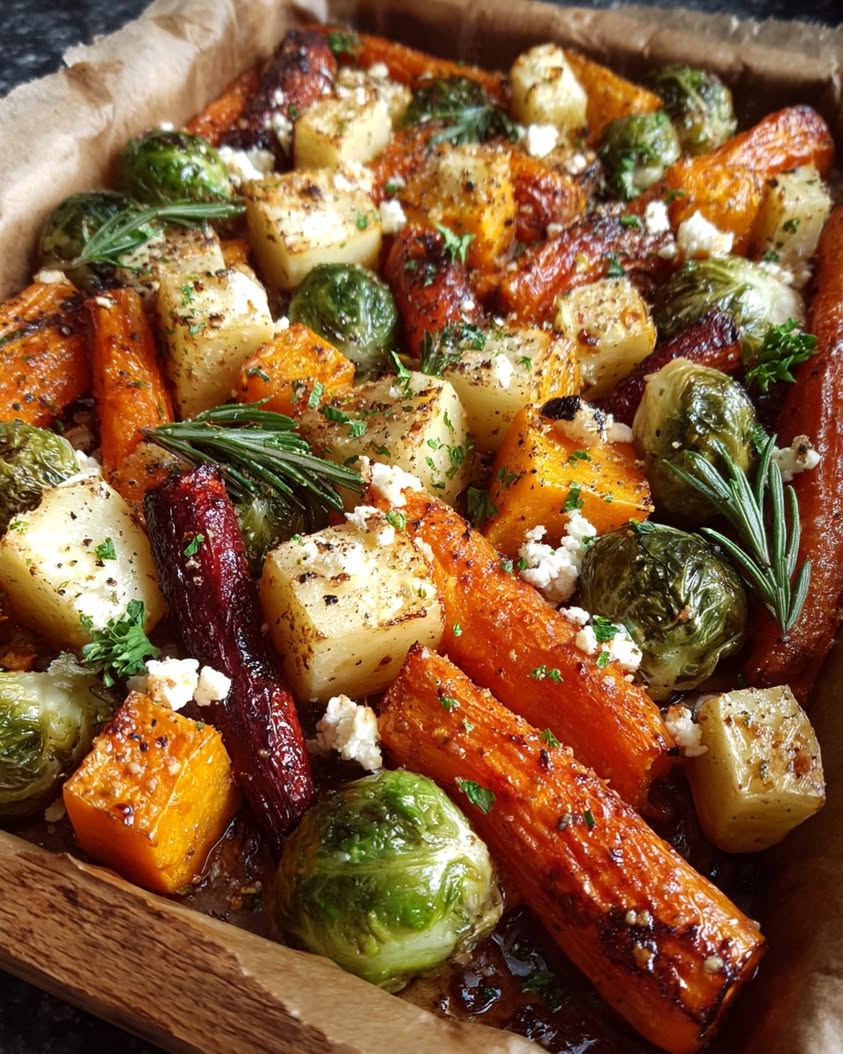
Christmas Roasted Vegetable Medley with Maple-Feta Crumble: A Festive Side Dish Bursting with Flavor
Imagine a holiday table brimming with vibrant color and intoxicating aromas. This Christmas Roasted Vegetable Medley with Maple-Feta Crumble is the show-stopping side dish that delivers exactly that. Consequently, it transforms humble root vegetables and sweet squash into a caramelized, tender masterpiece. Moreover, the crowning glory is a savory-sweet crumble featuring tangy feta, crunchy pecans, and a whisper of maple syrup. Ultimately, this dish is a symphony of winter flavors designed to complement your festive main course perfectly.
The beauty of this recipe lies in its elegant simplicity. For instance, you simply chop, toss, and roast. Meanwhile, the oven does the heavy lifting, caramelizing the natural sugars in the vegetables. As a result, you get deep, complex flavors with minimal hands-on effort. This Christmas Roasted Vegetable Medley is the ultimate solution for busy hosts who want maximum impact without kitchen stress. Furthermore, it’s a naturally vegetarian centerpiece that will delight every guest at your table.
Each bite offers a delightful contrast. Specifically, you experience the earthy sweetness of roasted carrots and parsnips paired with the creamy depth of butternut squash. Additionally, the red onions add a punch of sharpness that mellows into jammy sweetness. Then, the Maple-Feta Crumble provides the perfect textural and flavor counterpoint. In short, it’s salty, sweet, crunchy, and utterly irresistible. This dish is more than a side; it’s a celebration of the season’s best produce.
Quick Recipe Highlights
- Flavor Profile: This dish masterfully balances earthy, sweet, and savory notes. The roasted vegetables develop a deep caramelized sweetness, which is beautifully offset by the salty, tangy feta. Finally, a hint of maple syrup and warm spices ties everything together harmoniously.
- Texture: Expect a wonderful contrast between the tender, almost creamy interior of the roasted vegetables and their slightly crisp edges. The crumble topping adds a crucial element of crunch from toasted pecans and panko, creating a satisfying mouthfeel in every forkful.
- Aroma: As this medley roasts, your kitchen will fill with the comforting scents of roasting garlic, sweet maple, and fragrant rosemary. These holiday aromas are absolutely irresistible and set the perfect festive mood for your Christmas gathering.
- Visual Appeal: This dish is a feast for the eyes with its vibrant jewel tones of orange squash, deep purple onion, and bright green herbs. The golden-brown crumble topping adds a beautiful finishing touch, making it as stunning on a buffet as it is on a formal dinner plate.
- Skill Level Needed: This is a beginner-friendly recipe requiring only basic knife skills for chopping. The techniques involved—tossing vegetables in oil and mixing a simple crumble—are straightforward. Therefore, even novice cooks can achieve impressive, restaurant-quality results with confidence.
- Special Equipment: You need only a large baking sheet and basic kitchen tools. Using a heavy-duty rimmed baking sheet is recommended to prevent overcrowding. Additionally, parchment paper is helpful for easy cleanup, though it is not strictly necessary for success.
Recipe Overview
- Difficulty Level: This recipe is rated easy because it involves fundamental techniques like chopping vegetables and mixing dry ingredients. There is no fussy timing or complex procedures. The oven does most of the work, allowing you to focus on other holiday preparations without worry.
- Category: This dish fits perfectly into several categories: Holiday Side Dishes, Vegetarian Mains, and Winter Comfort Food. It is substantial enough to be a centerpiece for a meat-free meal yet designed to complement roasted turkey, ham, or prime rib seamlessly.
- Cuisine: While not tied to a single tradition, this recipe draws inspiration from modern American farm-to-table cuisine and the broad tradition of roasting winter vegetables found across European and North American holiday tables. The maple syrup adds a distinctly North American touch.
- Cost: This is a cost-effective dish, especially when using in-season winter vegetables. The most expensive components are typically the pecans and feta cheese. Overall, you can feed a crowd for a fraction of the cost of many other festive side dishes, making it budget-friendly.
- Season: This recipe is ideal for late fall through winter, when root vegetables and hard squash are at their peak of flavor and affordability. The warming, hearty nature of the dish is perfectly suited to cold-weather holidays like Christmas, Thanksgiving, and New Year’s gatherings.
- Occasion: It is tailor-made for festive holiday dinners, potlucks, and special Sunday suppers. Its make-ahead flexibility and stunning presentation also make it an excellent choice for entertaining, whether you’re hosting a large family feast or an intimate friendsgiving celebration.
Why You’ll Love This Recipe
First and foremost, the taste and texture are utterly captivating. Each component brings something special to the table: sweet roasted squash, earthy parsnips, and caramelized onions. Then, the Maple-Feta Crumble introduces a salty, crunchy, and subtly sweet element that elevates the entire dish. Consequently, every bite is a complex and satisfying experience that will have guests asking for the recipe. This is not your average, bland vegetable side; it’s a flavor powerhouse that celebrates winter produce.
From a convenience standpoint, this recipe is a host’s dream. The prep is simple and mostly involves chopping, which you can even do a day ahead. Once the vegetables are on the sheet pan, your work is essentially done. This hands-off cooking time frees you up to manage other dishes, set the table, or simply enjoy a moment of calm before the feast. Furthermore, the dish is incredibly forgiving; a few extra minutes in the oven won’t ruin it, making timing your holiday meal much less stressful.
Nutritionally, this Christmas Roasted Vegetable Medley is packed with benefits. Winter vegetables like carrots and butternut squash are excellent sources of beta-carotene and vitamin A, which support vision and immune health. Additionally, they provide a good amount of dietary fiber, promoting digestive wellness. Using olive oil adds heart-healthy monounsaturated fats. While the crumble adds indulgence, it does so in a balanced way, using nuts for healthy fats and protein. Therefore, you can feel good about serving this vibrant, nutrient-dense dish.
For social gatherings, this dish is a superstar. Its stunning visual appeal makes it a natural centerpiece on any buffet. Moreover, it caters beautifully to vegetarians and those with various dietary preferences, ensuring everyone has a delicious and satisfying option. The familiar yet elevated flavors are universally appealing, pleasing both adventurous eaters and traditionalists alike. Serving this medley sparks conversation and shows your guests the care you put into crafting a memorable holiday meal.
Finally, this recipe is remarkably cost-effective and accessible. The base ingredients are humble root vegetables, which are inexpensive, especially in season. You can easily adapt the recipe based on what’s available or on sale at your market. For example, swap sweet potatoes for butternut squash or use walnuts instead of pecans. This flexibility means you can create a spectacular holiday side without straining your grocery budget, proving that festive food can be both luxurious and affordable.
Historical Background and Cultural Significance
The tradition of roasting vegetables stretches back centuries, rooted in hearth cooking across many cultures. Before modern ovens, people would cook root vegetables in the embers of a fire, which concentrated their sugars and created a deeply savory, caramelized flavor. This simple, effective method of transforming hardy storage crops into delicious food was essential for surviving winter. Our modern Christmas Roasted Vegetable Medley is a direct descendant of these ancient practices, utilizing the same principle of dry heat to unlock natural sweetness.
In many European and North American cultures, roasted root vegetables became synonymous with harvest festivals and winter celebrations. Specifically, they represented abundance, sustenance, and the preservation of the harvest through the cold months. Serving a medley of colorful roasted vegetables at Christmas taps into this symbolism of gratitude and plenty. The addition of a special topping, like our Maple-Feta Crumble, reflects a more modern, celebratory twist on the rustic original, elevating it to holiday feast status.
The recipe has evolved significantly with global trade and modern agriculture. Historically, the vegetable selection would have been limited to what was locally stored: potatoes, turnips, carrots, and onions. Today, we have access to a global bounty, allowing for the inclusion of vegetables like butternut squash, which is native to the Americas. The use of maple syrup, a distinctly North American ingredient, and feta cheese, with its Mediterranean origins, shows how contemporary holiday cooking beautifully blends traditions and ingredients from around the world.
Regional variations of this concept are endless. In the American South, you might find a similar dish with pecans and a bourbon glaze. In the Mediterranean, it could feature olives, lemon, and oregano. Our version sits comfortably in the middle, offering broad appeal. This adaptability is key to the dish’s enduring popularity. It serves as a canvas for personal and regional expression while maintaining its core identity as a hearty, celebratory, and delicious tribute to winter’s harvest, making it a perfect modern Christmas side dish.
Ingredient Deep Dive
Butternut Squash is the sweet, creamy backbone of this medley. Native to the Americas, it has been a staple food for thousands of years. Nutritionally, it’s a powerhouse of vitamin A, vitamin C, and potassium. When selecting squash, choose one that feels heavy for its size with a hard, matte rind and no soft spots. Store whole squash in a cool, dark place for months. For a substitution, sweet potatoes or acorn squash work beautifully, offering a similar texture and sweetness when roasted.
Carrots and Parsnips are the classic earthy duo. Carrots, originally purple and white, were cultivated for their medicinal properties before becoming a kitchen staple. Parsnips, a pale cousin of the carrot, were a major source of starch in Europe before the potato arrived. Both are rich in fiber, antioxidants, and vitamins. Look for firm, smooth roots without wrinkles. They can be stored in the refrigerator’s crisper drawer for weeks. If parsnips are unavailable, extra carrots or even chopped golden beets can provide a similar earthy sweetness.
Feta Cheese brings the essential salty, tangy punch to the crumble. This brined cheese has been made in Greece for centuries, traditionally from sheep’s milk. It provides protein and calcium, though it is also high in sodium. For the best flavor, seek out block feta packed in brine rather than pre-crumbled varieties, which often contain anti-caking agents. For a dairy-free version, consider a firm, salty vegan feta or simply increase the nuts and add a pinch more salt to the crumble mixture.
Pure Maple Syrup is the natural sweetener that glues the crumble together. Made from the sap of sugar maple trees, it is a traditional North American product. It contains antioxidants and minerals like manganese and zinc, unlike refined sugars. Always opt for “pure maple syrup” over pancake syrup, which is primarily corn syrup. The syrup can be stored in the pantry but should be refrigerated after opening to prevent mold. In a pinch, honey can be used, though it will impart a different, more floral flavor profile.
Common Mistakes to Avoid
- Overcrowding the Pan: This is the most common error. If the vegetables are piled on top of each other, they will steam instead of roast. Consequently, you’ll miss out on the essential caramelized edges and deep flavor. Always use a large enough baking sheet or roast in batches to ensure each piece has space.
- Using Wet Vegetables: Failing to dry your chopped vegetables thoroughly after washing adds excess moisture to the pan. This moisture creates steam, which again prevents proper browning and leads to soggy results. Always pat vegetables very dry with a clean kitchen towel before tossing them with oil.
- Neglecting to Preheat the Oven: A properly preheated oven is non-negotiable for roasting. Starting with a cold oven causes the vegetables to cook unevenly and releases too much moisture before browning begins. Always allow your oven to reach the full specified temperature before adding your sheet pan.
- Cutting Vegetables Inconsistently: If your vegetable pieces are different sizes, they will cook at different rates. Smaller pieces will burn before larger ones are tender. Take the time to cut everything into uniform, bite-sized chunks to ensure even cooking and a perfect texture throughout the medley.
- Skipping the Toss: Simply drizzling oil over the vegetables on the pan leads to uneven coating. Some pieces will be drenched while others are dry. You must toss the vegetables vigorously in a bowl with the oil and seasonings to ensure every surface is lightly and evenly coated for perfect roasting.
- Forgetting to Season in Layers: Seasoning only at the end results in a bland dish. Salt draws out moisture and enhances flavor from within during cooking. Be sure to season the vegetables generously before they go into the oven, and then taste and adjust the seasoning again after roasting if necessary.
- Using Stale Nuts or Spices: The flavor of the crumble hinges on fresh, aromatic ingredients. Old pecans can taste rancid, and ground spices lose their potency over time. For the best flavor, taste your nuts before using and ensure your dried rosemary and other spices are fresh and fragrant.
- Adding the Crumble Too Early: If you sprinkle the crumble topping on at the beginning of roasting, the nuts and panko will burn long before the vegetables are done. Always add the crumble during the last 10-15 minutes of cooking so it toasts to a perfect golden brown without scorching.
Essential Techniques
Uniform Chopping is the foundational technique for success. Cutting all vegetables to a similar size, about 1-inch chunks, ensures they roast at the same rate. This prevents the frustrating scenario of burnt parsnips and undercooked squash. Use a sharp chef’s knife for control and safety. The goal is consistent pieces, not necessarily perfect cubes. Taking an extra few minutes here pays off dramatically in the final texture and presentation of your Christmas Roasted Vegetable Medley.
Dry Tossing is crucial for achieving caramelization, not steaming. After patting your vegetables dry, place them in a large mixing bowl. Drizzle with oil and add your seasonings. Then, use your hands or a large spoon to toss and tumble everything together until every piece glistens with a thin, even film of oil. This hands-on method is far superior to tossing on the pan itself. It guarantees maximum surface area is coated, leading to that beautiful, flavorful browning everyone loves.
High-Heat Roasting is the engine of flavor development. A hot oven, around 425°F (220°C), is ideal. This temperature is high enough to quickly evaporate surface moisture and promote the Maillard reaction—the chemical process that creates complex, savory flavors and appealing brown color. Resist the urge to constantly open the oven door, as this releases heat. Let the oven work its magic, rotating the pan once halfway through to account for any hot spots.
Toasting the Crumble is the final, defining step. Adding the maple-feta mixture in the last segment of cooking allows it to warm through, the cheese to soften, the nuts to toast, and the panko to become crisp. Watch it closely during these final minutes, as the high sugar content from the maple syrup means it can go from golden to burnt quickly. The visual cue for success is a fragrant, uniformly golden-brown topping with the feta just beginning to melt in spots.
Pro Tips for Perfect Christmas Roasted Vegetable Medley
For extra caramelization, give the vegetables space. If your baking sheet is crowded, use two sheets. Alternatively, roast the vegetables in a preheated cast-iron skillet for exceptional browning due to the skillet’s superior heat retention and distribution.
Boost the flavor with infused oil. Briefly warm your olive oil with the rosemary sprig and minced garlic before tossing it with the vegetables. This simple step deeply infuses the oil, ensuring every bite is packed with aromatic flavor.
Prevent sticking without steaming. Instead of parchment paper, which can trap steam, try a light coating of avocado oil spray directly on the baking sheet. This promotes browning on the underside of the vegetables while still allowing for easy release.
Add a bright finish for balance. Just before serving, squeeze a little fresh lemon juice or a drizzle of balsamic glaze over the roasted vegetables. The acidity cuts through the richness and elevates all the other flavors beautifully.
Customize the crumble to your taste. For a smokier note, add a pinch of smoked paprika to the crumble mix. For a festive touch, substitute the pecans with chopped pistachios and add a teaspoon of orange zest.
Get ahead with prep. Chop all your vegetables the day before and store them in sealed containers or zip-top bags in the refrigerator. This makes assembly on the day of your event incredibly fast and stress-free.
Check for doneness with a fork, not just a timer. Vegetables are done when you can easily pierce the largest piece of squash or carrot with a fork with little resistance. Oven temperatures vary, so use the recommended time as a guide, not a rule.
Let it rest before serving. Allow the roasted medley to sit for 5-10 minutes after it comes out of the oven. This lets the flavors settle and meld together, and it prevents the crumble from disintegrating when you first scoop into the hot dish.
Variations and Adaptations
For regional twists, consider a Mediterranean version with olives, artichoke hearts, lemon zest, and oregano, topped with a crumble of feta, pine nuts, and breadcrumbs. A Southern-inspired take could feature sweet potatoes, peaches, and a crumble with pecans, brown sugar, and a dash of bourbon in the maple syrup. These adaptations show how the basic framework of a roasted vegetable medley can travel across culinary traditions while maintaining its festive appeal.
Seasonal adaptations are simple and rewarding. In spring, use asparagus, new potatoes, and baby carrots with a lemon-herb crumble. For summer, try zucchini, bell peppers, and cherry tomatoes with a basil and parmesan topping. The autumn version might highlight Brussels sprouts, beets, and delicata squash with a walnut and blue cheese crumble. This flexibility makes the recipe a year-round staple in your kitchen.
Dietary modifications are straightforward. For a vegan dish, omit the feta and use a plant-based alternative or increase the nuts. A gluten-free version simply requires certified gluten-free panko or oats in the crumble. For a nut-free option, substitute the pecans with sunflower or pumpkin seeds. The recipe is naturally vegetarian and can be easily adjusted to accommodate most dietary needs without sacrificing flavor or texture.
Flavor variations can keep the dish exciting. Add warming spices like cumin or coriander to the oil toss. Incorporate a tablespoon of harissa or gochujang for a spicy kick. Swap the maple syrup in the crumble for pomegranate molasses for a tangy, Middle Eastern flair. A sprinkle of grated parmesan or pecorino cheese over the vegetables before the final roast adds a delicious umami crust.
Texture modifications can cater to different preferences. For a creamier component, add chunks of roasted eggplant or turnip. For more crunch, include radishes or kohlrabi in the vegetable mix. You can also vary the crumble texture by using coarse cornmeal instead of panko for a polenta-like crunch, or add rolled oats for a heartier, more granola-like topping.
Presentation alternatives offer creative freedom. Instead of mixing all vegetables, arrange them in concentric circles or separate rows on the pan for a stunning, organized look. Serve the medley in a large, shallow serving bowl or on a rustic wooden board. For individual portions, roast the vegetables in small cast-iron pans or ceramic baking dishes, topping each one with its own portion of crumble just before serving.
Serving and Presentation Guide
Plating techniques matter for visual impact. For a family-style presentation, transfer the entire medley to a large, warm platter. Use a wide, shallow bowl or a rimmed serving plate to contain the crumble. Gently mound the vegetables, allowing the colorful pieces to show, and let the crumble cascade over the top and down the sides. Garnish with a final flourish of fresh rosemary sprigs or chopped parsley for a touch of green.
Garnishing adds the final professional touch. Beyond fresh herbs, consider a drizzle of high-quality extra virgin olive oil or a reduced balsamic glaze. A scattering of pomegranate arils adds brilliant red color and a juicy pop of tartness that complements the sweetness perfectly. For a festive look, edible flowers or microgreens make an elegant, upscale garnish that impresses guests immediately.
Traditional accompaniments include the classic holiday proteins. This medley pairs wonderfully with roasted turkey, glazed ham, prime rib, or a standing rib roast. Its robust flavors can stand up to rich meats without being overshadowed. For a vegetarian feast, it can be the centerpiece alongside other substantial sides like wild rice pilaf, stuffed mushrooms, or a hearty lentil loaf.
Modern serving suggestions are more flexible. Consider it as a topping for a holiday grain bowl with farro or quinoa. Spoon it over a bed of creamy polenta for ultimate comfort food. Leftovers make a fantastic filling for next-day breakfast omelets or a hearty addition to a green salad with a sharp vinaigrette. Its versatility extends well beyond the Christmas dinner table.
Temperature considerations are key. This dish is best served warm, not piping hot. Allowing it to rest for 5-10 minutes after roasting lets the flavors integrate and prevents the crumble from becoming soggy from trapped steam. If you need to hold it, you can keep it in a warm oven (around 200°F) for up to 30 minutes, though the crumble will soften slightly.
Portion control is easy to manage. As a side dish, plan for about 1.5 to 2 cups per person. If serving as a vegetarian main course, increase that to 3 cups per person. The recipe scales up or down effortlessly. When serving a buffet, provide a large serving spoon to ensure guests get a good mix of vegetables and the coveted crumble topping with each scoop.
Wine and Beverage Pairing
Wine pairings should complement the dish’s sweet and savory balance. A medium-bodied white wine like an Oregon Pinot Gris or a French Viognier has enough acidity to cut through the richness and enough body to match the vegetables’ weight. For red wine lovers, a fruity, low-tannin red like a Beaujolais or a Pinot Noir works beautifully. The berry notes in these wines harmonize with the maple and caramelized vegetable flavors without clashing.
Non-alcoholic alternatives can be just as sophisticated. A sparkling apple cider offers sweet effervescence that cleanses the palate. For a warmer option, a mulled cranberry punch with cinnamon and orange complements the festive spices. A simple, high-quality ginger beer provides a spicy kick that contrasts nicely with the sweet squash and salty feta, creating a refreshing balance.
Coffee and tea pairings work well for a post-dinner setting. A medium-roast coffee with notes of caramel or nut will echo the flavors in the crumble. For tea, consider a smoky Lapsang Souchong, which pairs wonderfully with roasted vegetables, or a spiced chai that mirrors the warm spices used in the dish. Serve these beverages after the meal to aid digestion and extend the cozy holiday atmosphere.
Temperature considerations for beverages are straightforward. White wines and sparkling ciders should be served well-chilled. Red wines are best at a cool room temperature, slightly below 65°F. Non-alcoholic punches and ciders can be served warm or cold, depending on the recipe. Always offer a variety to suit different preferences, especially since holiday meals often span several hours.
Serving suggestions enhance the experience. Provide clear glassware to show off the color of wines and ciders. Use a carafe for water on the table. If serving a signature non-alcoholic punch, present it in a beautiful punch bowl with festive garnishes like citrus slices and cinnamon sticks. Thoughtful presentation of drinks completes the holistic sensory experience of your holiday feast.
Storage and Shelf Life
Storage methods are simple but important. Allow the roasted vegetable medley to cool completely to room temperature before storing, which should take no more than two hours to ensure food safety. Transfer it to an airtight container. It’s best to store the vegetables and any remaining crumble topping separately if possible, as this helps maintain the crumble’s texture. However, storing them combined is perfectly fine for short-term use.
Temperature requirements are non-negotiable for safety. The cooked medley must be refrigerated at 40°F or below. Do not leave it on the counter overnight. In the refrigerator, it will keep for 3 to 4 days. The high moisture content of the vegetables means it is not suitable for long-term room temperature storage, even if the crumble contains nuts and cheese.
Container recommendations include glass or BPA-free plastic containers with tight-fitting lids. These prevent odor transfer and keep the vegetables from drying out. For the best organization, use a shallow container rather than a deep one, as this promotes faster, more even cooling and makes reheating smaller portions easier later on.
Signs of spoilage are usually obvious. Discard the medley if you notice an off or sour smell, significant mold growth (often fuzzy spots in white, green, or blue), or if the vegetables become excessively slimy. A little moisture in the container is normal from condensation, but a slippery texture on the vegetables themselves indicates bacterial growth.
Reheating instructions are key to restoring texture. The best method is to spread the vegetables in a single layer on a baking sheet and warm them in a 350°F oven for 10-15 minutes. This helps re-crisp the edges. The microwave is convenient but will steam the vegetables, making them soft. If using a microwave, do so in short bursts and consider adding a fresh sprinkle of the crumble after heating.
Freezing guidelines are possible but with caveats. You can freeze the roasted vegetables (without the crumble) for up to 2 months. However, their texture will become softer upon thawing, as the cell walls break down. They are best used in soups, stews, or blended into a sauce after freezing. The crumble topping does not freeze well, as the nuts become soggy and the panko loses all crispness.
Make Ahead Strategies
Prep timeline can significantly reduce day-of stress. Two days before serving, you can chop all the vegetables. Store each type in separate airtight containers or zip-top bags in the refrigerator. The dry ingredients for the crumble (pecans, panko, spices) can also be measured and mixed, stored at room temperature. The feta should be crumbled and kept separately in the fridge. This leaves only tossing and roasting for the day of your event.
Storage between steps is straightforward. Keep pre-chopped vegetables chilled. If they release a little liquid, simply pat them dry again before using. The oil, garlic, and rosemary can be combined in a small jar a day ahead, allowing the flavors to infuse. Having everything pre-measured and ready is called “mise en place,” and it transforms holiday cooking from chaotic to calm and controlled.
Quality impact assessment is positive for most steps. Pre-chopping vegetables has a minimal effect on final quality, especially if they are stored properly. The infused oil only improves with time. The only element that must be done at the last minute is the actual roasting and adding of the crumble, as this ensures optimal texture and flavor. This strategy protects the dish’s freshness while maximizing your time.
Assembly tips for the day-of are simple. When ready to cook, simply toss your pre-chopped vegetables with the infused oil and salt on your baking sheet. There’s no need to dirty an extra bowl. Spread them out and roast according to the recipe. While they roast, combine your pre-measured crumble dry ingredients with the maple syrup and chilled feta. This streamlined process takes less than 10 minutes of active time.
Reheating guidelines for a fully made-ahead dish are specific. If you roast the entire medley a few hours early, let it cool, then cover loosely. Reheat it in a 375°F oven for 10-15 minutes until warmed through. The crumble will soften but will still be delicious. For the absolute best texture, you could roast the vegetables ahead, then add a freshly mixed batch of crumble for the final reheat.
Fresh element additions can revive a make-ahead dish. If you’ve made the entire recipe ahead and reheated it, a final garnish of fresh herbs, a new sprinkle of flaky sea salt, or a quick drizzle of maple syrup just before serving can make it taste freshly made. This trick adds a layer of brightness and complexity that delights the palate.
Scaling Instructions
Halving the recipe is simple for smaller gatherings. Simply divide all ingredient quantities by two. Use a standard-sized baking sheet; the vegetables will have plenty of room. The cook time may decrease by 5-10 minutes, so start checking for doneness a little earlier. Keep an eye on the crumble, as a smaller amount can toast faster. This scaling is perfect for a cozy dinner for two or three people.
Doubling or tripling requires more planning. For a double batch, use two large baking sheets and rotate them between oven racks halfway through cooking. For a triple batch, you may need to roast in consecutive batches to avoid steaming. Do not simply pile more vegetables onto a single pan. Mix the crumble in a larger bowl to ensure even distribution of the maple syrup. Cooking times may increase slightly with fuller ovens.
Equipment adjustments are necessary when scaling up. Ensure you have enough large mixing bowls and baking sheets. If roasting in batches, have a large heat-proof bowl or tray ready to hold the first batch while the second cooks. You can keep the first batch warm in a low oven (200°F) loosely covered with foil. Consider using convection bake if your oven has it, as it promotes more even browning in a full oven.
Timing modifications are minimal but important. When using multiple sheets, the total oven time may increase by 5-10 minutes due to reduced air circulation. Always use a timer and rely on visual and textural cues (fork-tender vegetables, golden-brown crumble) rather than the clock alone. Staggering batches is often smarter than trying to cook everything at once if oven space is limited.
Storage considerations change with volume. A large batch will take longer to cool to a safe temperature for refrigeration. To speed this up, spread the roasted medley out on a clean baking sheet or in a shallow pan before transferring it to storage containers. This prevents the center of a large, deep container from staying warm too long, which is a food safety risk.
Nutritional Deep Dive
Macro breakdown reveals a balanced profile. A serving provides complex carbohydrates from the vegetables for sustained energy, healthy fats from olive oil and pecans, and a moderate amount of protein from the feta and nuts. The dish is relatively low in saturated fat, especially if you use a lighter hand with the cheese. The maple syrup adds simple sugars, but because it’s used sparingly in the topping, the overall sugar content per serving remains reasonable for a holiday side.
Micronutrient analysis shows a wealth of vitamins and minerals. Butternut squash and carrots are exceptionally high in Vitamin A (as beta-carotene), crucial for eye and immune health. The vegetables also contribute Vitamin C, potassium, and various B vitamins. Pecans provide manganese and copper. Feta cheese adds calcium and phosphorus. Using fresh rosemary introduces antioxidants like rosmarinic acid. This makes the dish a nutrient-dense choice compared to many starch-heavy holiday sides.
Health benefits are significant. The high fiber content from the vegetables promotes digestive health and helps regulate blood sugar by slowing carbohydrate absorption. The monounsaturated fats in olive oil support heart health. The antioxidants in the colorful vegetables combat oxidative stress. While festive, this dish supports overall wellness, making it a feel-good addition to your holiday table that you can enjoy without guilt.
Dietary considerations are mostly positive. The recipe is naturally vegetarian and can be adapted for many other needs. It is not inherently gluten-free unless you use certified GF panko. For those monitoring sodium, you can reduce the salt in the vegetable toss and use a lighter feta cheese. The dish contains dairy and tree nuts, which are common allergens, so always inform guests of the ingredients.
Portion analysis helps with mindful eating. A standard serving (about 1.5 cups) is satisfying and substantial enough to be a focal point of your plate. Because it is so flavorful and textured, you may find yourself satisfied with smaller portions of richer main dishes. Using this medley to fill half your plate is an excellent strategy for enjoying the holiday feast while consuming a balanced array of nutrients.
Weight management tips revolve around smart serving. You can further reduce the oil by using a spray bottle for a fine mist. Increasing the proportion of non-starchy vegetables like Brussels sprouts or broccoli can lower the overall calorie density. Remember, the pleasure of eating is also part of health. This dish allows you to indulge in festive flavors while still consuming a large volume of nutritious, fiber-rich vegetables that promote satiety.
Dietary Adaptations
For a gluten-free version, the only change needed is the panko breadcrumbs. Substitute with an equal amount of certified gluten-free panko, crushed gluten-free crackers, or even rolled oats pulsed briefly in a food processor. Ensure all other packaged ingredients, like maple syrup, are certified gluten-free. This simple swap makes the entire dish safe for those with celiac disease or gluten sensitivity without altering the texture or flavor profile.
A dairy-free adaptation focuses on replacing the feta cheese. Several brands offer excellent vegan feta alternatives made from tofu, almonds, or coconut oil. Alternatively, you can omit the cheese and increase the pecans, adding a tablespoon of nutritional yeast to the crumble for a cheesy, umami flavor. Use a high-quality olive oil to ensure richness. This version allows everyone to enjoy the dish, regardless of lactose intolerance or vegan preferences.

I’m Shaykee—born in Morocco, seasoned across continents. From airplane galleys to home kitchens, I share the flavors and stories that shaped my journey.