
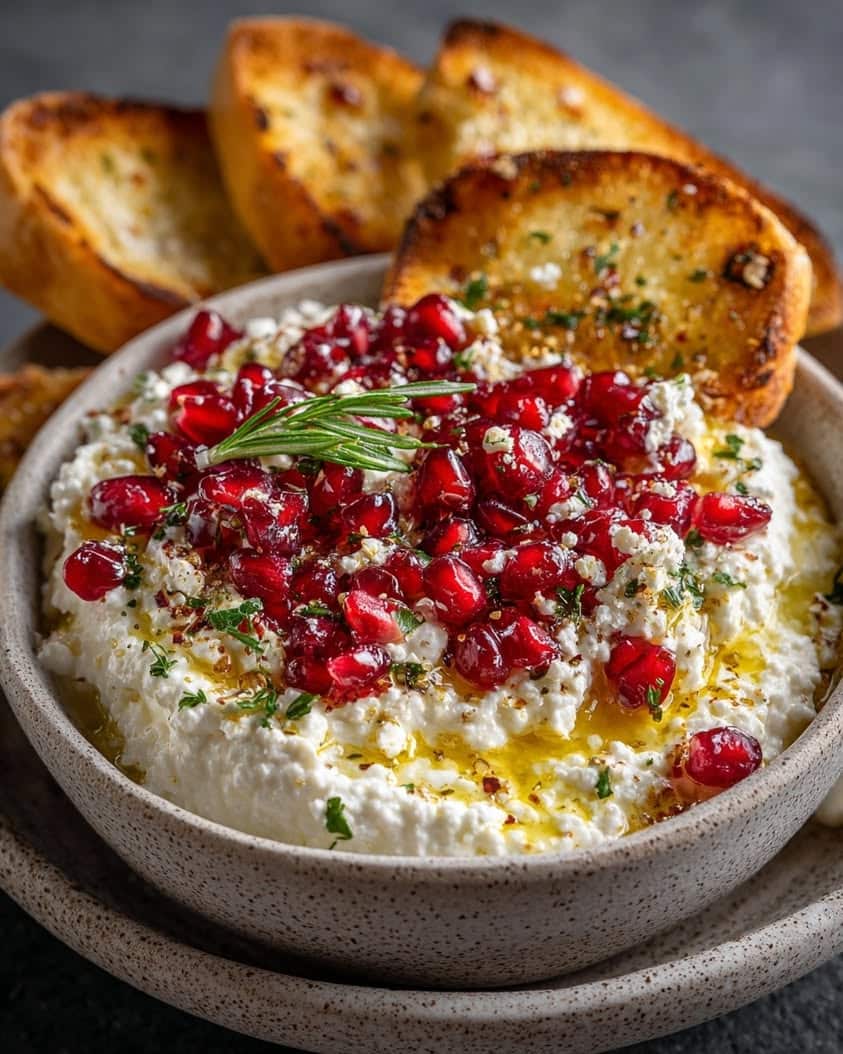
Cranberry Pomegranate Feta Dip with Christmas Herb Oil: A Festive Flavor Explosion
Imagine a holiday appetizer that instantly becomes the star of your party spread. This Cranberry Pomegranate Feta Dip with Christmas Herb Oil is precisely that dish. Moreover, it masterfully combines sweet, tart, salty, and savory notes into one stunningly beautiful bowl. Consequently, it delivers a festive flavor explosion with every single bite. Ultimately, this dip is not just food; it is a vibrant centerpiece that captures the joyful spirit of the season.
The magic of this recipe lies in its brilliant simplicity and its incredible layers of flavor. First, a creamy, tangy base of whipped feta and cream cheese provides a rich canvas. Next, a vibrant, jewel-toned cranberry pomegranate relish adds a burst of fruity tartness. Finally, a fragrant drizzle of Christmas herb oil, infused with rosemary and thyme, ties everything together with an aromatic, savory finish. This combination creates a holiday appetizer that is both visually breathtaking and irresistibly delicious.
Furthermore, this dip is the ultimate solution for busy holiday hosts. It requires absolutely no cooking, comes together in about fifteen minutes, and can be prepared ahead of time. Meanwhile, its stunning red and white colors, accented with green herbs, look incredibly festive on a Christmas table. Therefore, whether you are hosting a large family gathering or an intimate friendsgiving, this Cranberry Pomegranate Feta Dip promises to impress your guests and become a new seasonal tradition.
Quick Recipe Highlights
- Flavor Profile: This dip offers a perfect harmony of tastes. The tangy cranberry and sweet pomegranate cut through the salty, creamy feta beautifully. Meanwhile, the aromatic Christmas herb oil adds a sophisticated, savory depth that elevates the entire experience.
- Texture: Expect a delightful contrast in every scoop. The base is luxuriously smooth and creamy from the whipped cheeses. In contrast, the cranberry pomegranate topping provides a juicy, slightly chunky texture that is incredibly satisfying against crispy crackers or bread.
- Aroma: The scent is unmistakably festive. As soon as you drizzle the warm herb oil, the kitchen fills with the comforting, piney fragrance of rosemary and the earthy, lemony notes of fresh thyme. This aroma immediately signals a special holiday treat.
- Visual Appeal: This dip is a feast for the eyes with its stunning holiday color palette. The bright white feta base is topped with a deep ruby-red cranberry pomegranate mixture. Finally, the green flecks of herbs in the golden oil create a truly Christmas-worthy presentation.
- Skill Level Needed: This is a beginner-friendly recipe designed for success. It involves simple techniques like mixing, chopping, and infusing oil. No advanced culinary skills are required, making it an accessible and impressive project for any home cook.
- Special Equipment: You need only basic kitchen tools. A food processor or hand mixer is ideal for achieving an ultra-smooth feta base. Otherwise, a good mixing bowl, a sharp knife, and a small saucepan for the herb oil are all you require.
Recipe Overview
- Difficulty Level: This recipe is confidently rated as easy. The steps are straightforward, involving no complex techniques or precise cooking times. Essentially, you are assembling quality ingredients. The most involved step is gently warming herbs in oil, which is simple to master.
- Category: This dish falls squarely into the appetizer and snack category. It is perfect for parties, potlucks, and holiday grazing. Additionally, it can be served as part of a festive brunch spread or as a pre-dinner bite with cocktails.
- Cuisine: While not tied to one specific tradition, it draws inspiration from Mediterranean and modern American fusion. The use of feta and herb-infused oil nods to Greek flavors. Meanwhile, the cranberry and pomegranate are classic North American holiday ingredients, creating a delicious cultural blend.
- Cost: This is a moderately priced appetizer that delivers high-end appeal. The cheeses and fresh pomegranate are the primary costs. Fortunately, using frozen cranberries and common dried spices keeps it affordable. Overall, it offers fantastic value for a show-stopping dish.
- Season: This recipe is quintessentially a winter and holiday season creation. Cranberries and pomegranates are at their peak during the late fall and winter months. Their vibrant flavors and colors naturally complement Christmas, New Year’s, and Thanksgiving celebrations.
- Occasion: It is exceptionally versatile for festive occasions. It is ideal for Christmas Eve gatherings, Thanksgiving appetizer spreads, holiday office parties, and New Year’s Eve buffets. Furthermore, it makes a wonderful edible gift when presented in a beautiful jar.
Why You’ll Love This Recipe
First and foremost, the taste and texture of this Cranberry Pomegranate Feta Dip are utterly captivating. Each component plays a crucial role. The creamy, salty feta base provides a rich foundation that perfectly balances the explosive tartness of the cranberry-pomegranate mixture. Then, the Christmas herb oil introduces a warm, aromatic layer that makes the flavors sing. This complex yet harmonious profile keeps your palate interested from the first bite to the last. Ultimately, it is a sophisticated departure from typical holiday dips, offering a memorable eating experience that guests will rave about.
From a practical standpoint, the convenience of this recipe is a major win for any host. You can assemble the entire dip in about fifteen minutes with zero cooking required. This is a huge advantage during the hectic holiday season when oven and stovetop space is precious. Additionally, both the cranberry relish and the whipped feta base can be prepared a day or two in advance. Simply store them separately in the refrigerator and assemble your holiday appetizer just before serving. This make-ahead flexibility reduces last-minute stress dramatically.
Interestingly, this festive dip also offers some notable nutritional advantages compared to other rich party foods. Cranberries and pomegranates are packed with antioxidants and vitamin C. Feta cheese provides a good source of calcium and protein. Using a high-quality olive oil for the herb infusion adds heart-healthy monounsaturated fats. While it is certainly an indulgent treat, you can feel good about serving a dish that incorporates wholesome, nutrient-dense ingredients. Choosing whole-grain crackers or sliced vegetables for dipping boosts the nutritional profile even further.
The social and entertaining value of this dish cannot be overstated. It is designed for sharing and sparks conversation the moment you set it on the table. Its stunning visual appeal makes it a natural focal point on any buffet. Guests will gather around it, intrigued by the beautiful layers and festive aroma. It encourages interaction as people scoop, dip, and taste together. This Cranberry Pomegranate Feta Dip does more than feed people; it creates a moment of shared delight and becomes a highlight of your holiday gathering.
Finally, this recipe is wonderfully cost-effective and accessible. You do not need expensive, hard-to-find ingredients. Frozen cranberries work perfectly, and pre-crumbled feta saves time. The Christmas herb oil uses common dried spices and fresh herbs you might already have. Compared to ordering a platter from a caterer or buying premium dips from a gourmet store, making this at home saves significant money while yielding a far superior product. It proves that impressive holiday entertaining does not have to break the bank or require professional chef skills.
Historical Background and Cultural Significance
The story of this dip is a modern tale of culinary fusion, blending ingredients with deep historical roots. Feta cheese, a staple of Greek cuisine for thousands of years, brings its ancient, salty tang. Meanwhile, cranberries and pomegranates are fruits steeped in symbolism and tradition across different cultures. The cranberry, native to North America, has been used by Indigenous peoples for centuries, both as food and medicine, and later became synonymous with Thanksgiving and Christmas feasts. The pomegranate, one of the oldest known fruits, appears in mythology and art from the Mediterranean to the Middle East, often representing abundance and blessing.
Culturally, combining cheese with fruit and herbs is a practice with global precedents. From the Italian pairing of figs and prosciutto to the French tradition of serving cheese with fruit paste, the balance of savory, sweet, and tart is a timeless culinary principle. This Cranberry Pomegranate Feta Dip taps into that universal wisdom but presents it in a format perfect for modern, casual entertaining. The “Christmas” herb oil specifically ties it to Western holiday traditions, where rosemary, thyme, and sage are iconic seasonal flavors that scent the home and the table during the winter festivities.
The evolution of this recipe reflects contemporary eating trends. Appetizer dips have moved far beyond simple sour cream and onion. Today’s hosts and food enthusiasts seek “centerpiece dips” that are visually dramatic and flavor-forward. The act of whipping feta into a smooth spread is a technique popularized by modern Mediterranean cooking. Similarly, using whole cranberries in a fresh relish, rather than just jellied sauce, highlights a desire for brighter, less processed flavors. This dip is a product of this evolution, merging traditional ingredients with current styles of presentation and preparation.
Regional variations of this concept are easy to imagine and encourage culinary creativity. In the Mediterranean, one might use olives and lemon instead of cranberries. In the American South, a pecan and pepper jelly version could emerge. The basic formula—a creamy cheese base, a vibrant fruit or vegetable topping, and a flavored oil—is wonderfully adaptable. This particular combination, however, with its red and white colors and festive herbs, has firmly planted itself as a modern Christmas classic. It represents how holiday food traditions are not static but continually enriched by new ideas and global influences.
Ingredient Deep Dive
Feta cheese is the salty, tangy soul of this dip. Historically, feta is a brined curd cheese from Greece, traditionally made from sheep’s milk or a sheep-and-goat milk blend. Its name literally means “slice,” referring to how it is cut and stored in barrels. Nutritionally, it is a good source of calcium, protein, and probiotics. When selecting feta, seek out a block packed in brine for the best flavor and texture; pre-crumbled feta often contains anti-caking agents that can make it dry. For a smoother dip, let it come to room temperature before whipping. If you need a substitution, a firm ricotta salata or a creamy goat cheese can work, though the flavor profile will shift.
Cream cheese is the supporting actor that provides essential creaminess and helps the feta whip into a perfectly spreadable base. Invented in New York in the late 19th century, it is a fresh, mild cheese. It adds fat and structure, ensuring the dip holds its shape on a cracker. For the best results, use full-fat, brick-style cream cheese and ensure it is fully softened. Low-fat varieties can make the dip grainy and less stable. If you are out of cream cheese, an equal amount of thick Greek yogurt or mascarpone can be used in a pinch, though the texture will be slightly different.
Fresh cranberries deliver the iconic tart punch and vibrant red color. These native North American berries are harvested in the fall and are a staple of holiday meals. They are incredibly rich in vitamin C and proanthocyanidins, antioxidants known for supporting urinary tract health. For this recipe, fresh or frozen cranberries work perfectly; do not thaw frozen berries if using them, as they chop more cleanly when cold. If you cannot find cranberries, tart cherries or even chopped rhubarb can provide a similar tangy counterpoint, though the color and flavor will be distinct.
Pomegranate arils, or seeds, introduce a burst of juicy sweetness and a delightful crunch. The pomegranate is a symbol of fertility and abundance in many ancient cultures. The arils are packed with fiber, vitamin K, and potent antioxidants like punicalagins. To select a good pomegranate, choose one that feels heavy for its size with taut, unblemished skin. You can buy pre-seeded arils to save time. If pomegranate is out of season, a tablespoon of pomegranate molasses mixed into the cranberries can mimic some of the flavor, or you can use dried cranberries soaked in orange juice for a chewy texture.
The Christmas herb oil is the aromatic crown of the dish. Extra virgin olive oil forms the base, carrying the flavors of the herbs. Rosemary, with its pine-like fragrance, is a classic winter herb symbolizing remembrance. Thyme offers an earthy, slightly lemony note. Dried oregano adds a warm, Mediterranean backbone. Gently warming these herbs in the oil is called infusion, which allows their essential oils and flavors to meld with the fat without burning. Use the best olive oil you have for this step, as its flavor is prominent. Fresh herbs are crucial for the best aroma; dried herbs will not infuse with the same brightness.
Common Mistakes to Avoid
- Using cold cheese: Attempting to whip cold, hard feta and cream cheese will result in a lumpy, uneven base. Always allow both cheeses to soften at room temperature for at least 30 minutes before mixing. This simple step ensures a luxuriously smooth and creamy texture.
- Over-processing the cranberries: When pulsing the cranberries in the food processor, aim for a coarse relish, not a puree. A few quick pulses are enough. Over-processing will release too much pectin and create a jammy, wet texture that can make the topping weep and dilute the creamy base.
- Burning the herb oil: The goal is to gently infuse the oil, not fry the herbs. Heat the oil on the lowest possible setting and warm it just until it becomes fragrant and you see small bubbles around the herbs, about 3-5 minutes. Overheating will make the oil taste bitter and destroy the delicate herbal notes.
- Not draining the feta: If your feta is packed in brine, pat it dry with a paper towel before using. Excess moisture can make the dip base too loose and watery. Properly drained feta ensures your dip has the perfect thick, scoopable consistency.
- Assembling too far in advance: For the best presentation and texture, assemble the dip just before serving. If you layer the juicy cranberry relish on the cheese base hours ahead, the moisture will seep down and make the bottom layer soggy. Prepare components separately and combine them at party time.
- Skimping on seasoning: While the ingredients are flavorful, they still need balance. Always taste the whipped feta base and the cranberry mixture separately and adjust with a pinch of salt, a squeeze of lemon, or a hint of honey as needed. Proper seasoning makes all the difference.
- Using pre-ground black pepper: The flavor of freshly cracked black pepper is infinitely superior to the pre-ground kind, which loses its potency quickly. For the herb oil and the cranberry relish, take the extra moment to crack your own pepper. It adds a brighter, more aromatic heat.
- Serving with the wrong dippers: A delicate dip needs thoughtful dippers. Avoid overly salty chips or crackers that will overpower the subtle flavors. Opt for neutral, sturdy vehicles like plain pita chips, sliced baguette, crisp crackers, or endive leaves and apple slices for a fresh option.
Essential Techniques
Whipping the cheese base is the fundamental technique for achieving the dip’s signature creamy texture. This process incorporates air into the cheeses, transforming them from dense blocks into a light, spreadable cloud. To master it, use a food processor or a hand mixer on medium speed. Process until the mixture is completely uniform, smooth, and slightly increased in volume. A common pitfall is stopping too soon, leaving small lumps of feta. The visual cue for success is a homogenous, pale, and fluffy mixture that holds soft peaks when you lift the beaters.
Creating the cranberry pomegranate relish relies on the chopping technique. The goal is a coarse, textured mixture where the cranberries are broken down but not liquefied. Using a food processor, pulse in very short, one-second bursts, checking the texture after each pulse. This controlled method prevents over-processing. If you do not have a processor, you can finely chop the cranberries by hand with a sharp knife for more control. The perfect relish should have pieces no larger than a quarter of a cranberry, with the pomegranate arils remaining mostly whole for pops of juicy texture.
Infusing the Christmas herb oil is a simple but crucial technique for layering flavor. Infusion involves gently heating herbs in oil to transfer their essential oils and flavors into the fat. The key is using very low heat; you should see tiny bubbles forming around the herbs, but the oil should never simmer or smoke. Swirl the pan occasionally. This low-and-slow approach extracts maximum flavor without burning, which would introduce bitterness. The visual cue is the herbs becoming slightly darkened and the oil taking on a pronounced, fragrant aroma. Always let the oil cool slightly before drizzling to avoid melting the cheese base.
Pro Tips for Perfect Cranberry Pomegranate Feta Dip
For an ultra-smooth cheese base, crumble the room-temperature feta into the food processor first and pulse it a few times alone before adding the cream cheese. This breaks down the feta’s crumbly texture first, ensuring no stubborn lumps remain in the final mix.
Toast the dried oregano lightly in your dry saucepan for about 30 seconds before adding the oil and fresh herbs. This quick toasting wakes up the dormant oils in the dried herb, releasing a deeper, more complex flavor into your Christmas herb oil.
Add a teaspoon of orange or lemon zest to the cranberry pomegranate relish. The bright citrus oils will elevate the fruit flavors and add another layer of festive aroma that complements the herb oil beautifully.
If your cranberry relish seems too tart after mixing, balance it with a teaspoon of honey or maple syrup. Stir it in gently; the goal is to take the sharp edge off, not to make the topping sweet.
For a stunning presentation, use the back of a spoon to create dramatic swirls in the whipped feta base before adding the topping. This creates little wells that hold the crimson cranberry relish, making the dip look even more artistic.
Let the assembled dip sit at room temperature for 10-15 minutes before serving. This slight warming allows the flavors to meld and the texture to soften from the fridge, making it easier to scoop and maximizing its taste.
Garnish with a final flourish just before serving. A sprinkle of extra pomegranate arils, a few whole fresh rosemary or thyme sprigs, and a last crack of black pepper make the dip look professionally finished and incredibly inviting.
When making ahead, press plastic wrap directly onto the surface of the whipped feta base before refrigerating. This prevents a skin from forming and keeps the texture perfectly creamy until you are ready to assemble your holiday appetizer.
Variations and Adaptations
For regional variations, consider the ingredients local to your area. In the Pacific Northwest, try using lingonberries instead of cranberries. A Southern adaptation might incorporate a pepper jelly swirl into the cheese base. For a Mediterranean twist, replace the cranberry relish with a mixture of chopped sun-dried tomatoes, Kalamata olives, and a pinch of red pepper flakes, using an oregano-forward herb oil.
Seasonal adaptations are simple and keep the recipe exciting year-round. In spring, use a strawberry-rhubarb compote and a mint-infused oil. For summer, a peach and basil combination would be delightful. In autumn, roasted figs with a walnut-thyme oil would complement the feta perfectly. The basic framework is endlessly versatile.
Dietary modifications are straightforward. For a gluten-free dip, simply serve it with gluten-free crackers or vegetable crudités. To make it vegetarian, ensure your feta is made with microbial rennet. For a lower-fat version, use reduced-fat cream cheese and feta, though the texture will be less rich. A dairy-free version would require a base of soaked and blended cashews with lemon juice and salt to mimic the tangy creaminess.
Flavor variations can personalize this festive dip. Add a minced jalapeño to the cranberry relish for a spicy kick. Mix a tablespoon of honey into the feta base for a sweeter profile. Stir a teaspoon of ground cumin or smoked paprika into the herb oil for a warm, smoky note. Fold chopped toasted pecans or walnuts into the cranberry topping for added crunch and nuttiness.
Texture modifications can cater to different preferences. For a chunkier dip, fold whole pomegranate arils and roughly chopped cranberries into the whipped feta base instead of layering. For a completely smooth, spreadable dip, puree the cranberry relish until smooth and swirl it thoroughly into the cheese base for a marbled pink effect.
Presentation alternatives offer creative ways to serve. Instead of one large bowl, make individual portions in small ramekins or jars. Layer the dip in a clear glass trifle bowl to showcase the beautiful red and white stripes. Alternatively, spread the feta base on a serving platter, top with the relish, and drizzle with oil for a stunning flatbread-style dip.
Serving and Presentation Guide
Plating techniques can elevate this dip from simple to spectacular. Choose a wide, shallow bowl or a rimmed plate to give guests easy access for scooping. Use the back of a spoon to create decorative swirls or wells in the feta base before adding the topping; this adds visual interest and creates pockets for the herb oil to pool. For a modern look, use an offset spatula to create a smooth, leveled base.
Garnishing is the final touch that signals care and attention. Beyond the drizzled herb oil, add a final sprinkle of fresh pomegranate arils and a few delicate herb leaves right in the center. A light dusting of flaky sea salt over the top just before serving enhances all the flavors. For a festive touch during the holidays, a few edible gold flakes or a small rosemary wreath placed beside the bowl adds celebratory flair.
Traditional accompaniments focus on neutral, sturdy vehicles that support the dip’s weight and flavor. Thinly sliced and toasted baguette is a classic choice. Plain pita chips, water crackers, or sturdy seeded crackers provide a satisfying crunch. For a gluten-free option, rice crackers or crispy lavash work perfectly.
Modern serving suggestions include a broader array of dippers for variety and color. Offer endive leaves, Belgian endive spears, and thick slices of crisp apple or pear for a fresh, juicy contrast. Pretzel crisps add a salty counterpoint. For a heartier option, include warm, soft pretzel bites or mini naan breads on the side.
Temperature considerations are important for texture and flavor. The dip should not be served ice-cold from the refrigerator, as this mutes the flavors and makes it too firm to scoop easily. Let it stand at room temperature for 10-15 minutes before serving. Conversely, do not let it sit out for more than two hours for food safety reasons.
Portion control tips are helpful for planning. This recipe yields about 3.5 to 4 cups of dip, comfortably serving 8 people as part of a larger appetizer spread. If it is the main appetizer, plan for it to serve 6. Provide at least two different types of dippers and ensure you have enough so guests are not fighting over the last cracker.
Wine and Beverage Pairing
Wine pairings for this dip should balance its creamy, tangy, and herbal notes. A dry Riesling or a Sauvignon Blanc is an excellent choice; their bright acidity and citrus notes cut through the richness of the cheese and complement the tart cranberry. For a red option, a light-bodied, fruity Pinot Noir with low tannins works well, as it will not overpower the dip. A dry rosé, particularly one with herbal characteristics, can be a perfect bridge, mirroring the red fruit and herb flavors in the dish.
Non-alcoholic alternatives can be just as sophisticated. A sparkling pomegranate juice or cranberry spritzer mimics the festive colors and flavors. For a warmer option, a herbal tea like rosemary-thyme or a citrus-forward blend complements the dip’s aromatic profile. A high-quality ginger beer or a non-alcoholic sparkling cider also provides a pleasant, effervescent contrast to the creamy texture.
Coffee and tea pairings are ideal for holiday brunch or daytime gatherings. A medium-roast coffee with low acidity will not clash with the tart fruits. A chai tea latte, with its warm spices of cinnamon and cardamom, would create a cozy, festive combination. For an after-dinner serving, a cup of mint tea would act as a lovely palate cleanser following the rich and flavorful dip.
Temperature considerations for beverages are key. Serve white wines and sparkling drinks well-chilled. Red wines should be served slightly below room temperature. Non-alcoholic spritzers should be icy cold. Warm teas and coffees should be served hot but not scalding. Offering a mix of temperatures gives guests options and enhances their overall tasting experience.
Serving suggestions for your beverage station can tie the whole theme together. Present white wine in a chilled bucket next to the appetizer table. For non-alcoholic options, consider a large carafe of sparkling pomegranate punch garnished with frozen cranberries and rosemary sprigs. Clearly label each beverage so guests know their options and can pair their drink confidently with your delicious holiday appetizer.
Storage and Shelf Life
Storage methods are crucial for maintaining quality and safety. Store any leftovers in an airtight container in the refrigerator. It is best to store the components separately if possible—the whipped feta base in one container and the cranberry relish in another. This prevents the juicy topping from making the base soggy. The Christmas herb oil can be stored in a small sealed jar at room temperature for up to a week.
Temperature requirements are straightforward. This dip must be kept refrigerated at or below 40°F (4°C). If serving at a party, do not leave it at room temperature for more than two hours. In a warm room, reduce this time to one hour to prevent bacterial growth. Always place the dip bowl on a larger platter of ice if you plan to leave it out for an extended grazing period.
Container recommendations focus on maintaining freshness. Glass or hard plastic containers with tight-fitting lids are ideal. For the cheese base, press a piece of plastic wrap directly onto the surface before sealing the lid to prevent oxidation and drying. The cranberry relish can be stored in any small, non-reactive container.
Signs of spoilage are important to recognize. Discard the dip if you notice an off or sour smell, significant discoloration (like gray or green mold), or an excessively watery separation that cannot be stirred back together. The herb oil should be discarded if it develops a rancid smell or a cloudy appearance.
Reheating instructions are not applicable for this cold dip. If the dip is too firm straight from the fridge, simply let it sit on the counter for 10-15 minutes to soften to a scoopable consistency. Stirring it gently can also help redistribute any separated moisture.
Freezing guidelines are not recommended for this recipe. Freezing will severely damage the texture of the dairy base, causing it to become grainy and watery upon thawing. The cranberries will also become mushy. This dip is best enjoyed fresh or made a day in advance and stored in the refrigerator, not frozen.
Make Ahead Strategies
Prep timeline for maximum convenience is simple. You can prepare the whipped feta base and the cranberry pomegranate relish up to two days in advance. Make the Christmas herb oil up to one week ahead. Store each component separately in the refrigerator (except the oil, which stays at room temperature). On the day of your event, simply assemble the dip in your serving bowl, drizzle with the oil, and add fresh garnishes.
Storage between steps is key to preserving texture. For the cheese base, press plastic wrap directly on the surface before sealing the container to prevent a skin from forming. The cranberry relish can be stored in a covered bowl; its flavor often improves as it marinates. Keep the herb oil in a cool, dark place in a sealed jar.
Quality impact assessment shows that making ahead is beneficial. The flavors in the cranberry relish have time to meld and deepen. The herb oil’s infusion becomes more pronounced. The cheese base may firm up in the fridge, but it will soften again at room temperature. Overall, prepping ahead enhances the dip’s flavor profile without compromising quality.
Assembly tips for last-minute perfection are easy. When ready to serve, give the feta base a quick stir to fluff it up again. Spread it into your serving dish. Spoon the cranberry relish over the top, leaving a small border of white showing for contrast. Gently warm the herb oil if it has solidified, then drizzle it artistically over everything.
Reheating guidelines do not apply, but temperature management does. Remember to pull the chilled components from the fridge 10-15 minutes before assembling. This takes the chill off and allows the full flavors to emerge. If you assemble a completely cold dip, the oil may congeal on contact.
Fresh element additions are the final touch. Always add any final garnishes—like extra pomegranate arils, a fresh herb sprig, or a crack of pepper—right before serving. This ensures they look vibrant and fresh, providing the perfect visual and textural finish to your make-ahead masterpiece.
Scaling Instructions
Halving the recipe is perfect for smaller gatherings. Simply divide all ingredient quantities by two. Use a smaller food processor or bowl for mixing. The herb oil infusion step remains the same, as you need enough oil to cover the herbs in the pan, but you can use a smaller saucepan. The assembly and techniques do not change. This yield will comfortably serve 3-4 people.
Doubling or tripling the recipe is ideal for large parties. Multiply all ingredients consistently. For the cheese base, you may need to work in batches if your food processor is small. For the herb oil, use a larger saucepan but maintain the same low-heat infusion principle; you do not need to triple the infusion time, just ensure the herbs are fully submerged and warmed through. A doubled recipe will serve 16, and a tripled recipe will serve 24 as part of a varied spread.
Equipment adjustments may be necessary when scaling. A large stand mixer fitted with the paddle attachment can handle a double or triple batch of the cheese base efficiently. For very large batches of the cranberry relish, pulse the cranberries in multiple batches in the food processor to ensure even chopping. Use a wide, shallow serving platter or multiple bowls to present a large quantity attractively.
Timing modifications are minimal. The prep time will increase linearly with the quantity. Whipping a double batch of cheese may take an extra minute. Chopping more cranberries will require a few more pulses. The herb oil infusion time remains roughly the same regardless of volume, as it is dependent on heat transfer, not quantity.
Storage considerations become more important with larger batches. You will need multiple or larger airtight containers for the separate components in the refrigerator. Ensure you have adequate fridge space planned. For serving, consider setting up two separate dip stations to avoid crowding at your party buffet.
Nutritional Deep Dive
Macro breakdown of this dip reflects its role as a festive treat. A typical serving provides a balance of fats from the cheese and olive oil, a moderate amount of protein from the feta, and carbohydrates primarily from the fruits. The exact numbers vary, but it is richer in fat and lower in carbs than many sweet holiday desserts. This macronutrient profile provides sustained energy and satiety, making it a satisfying appetizer that prevents guests from overindulging in empty calories before the main meal.
Micronutrient analysis reveals some hidden benefits. Cranberries and pomegranates are excellent sources of Vitamin C and manganese. Feta cheese contributes significant calcium, phosphorus, and Vitamin B12. The extra virgin olive oil in the herb oil is rich in Vitamin E and beneficial polyphenols. Together, these micronutrients support immune function, bone health, and provide antioxidant protection, which is especially welcome during the stressful holiday season.
Health benefits are tied to its whole-food ingredients. The antioxidants in the berries may help reduce inflammation. The probiotics in feta can support gut health. The monounsaturated fats in olive oil are heart-healthy. While this is an indulgent dip, it is made from real, recognizable ingredients without processed additives, which is a health advantage in itself compared to many store-bought party foods.
Dietary considerations are important for guests with restrictions. This recipe is naturally gluten-free if served with appropriate dippers. It is vegetarian, though vegans would need modifications. Those on low-sodium diets should note that feta is a salty cheese. For low-carb or keto diets, the cranberries and pomegranate add sugars, so portion control is key, and serving with vegetable dippers is essential.
Portion analysis helps with mindful eating. A reasonable serving is about 1/4 to 1/3 cup of dip. This amount allows you to enjoy the complex flavors without overdoing it on calories or fat. Pairing it with vegetable crudités increases the volume of food without significantly adding calories, helping you feel full and satisfied.
Weight management tips focus on balance. Enjoy this dip as part of a holiday meal, not in addition to it. If you are hosting, ensure there are plenty of lighter options like vegetable platters on the table. When indulging, savor each bite slowly to appreciate the flavors, which can lead to greater satisfaction with a smaller quantity. Remember, holiday eating is about celebration, not deprivation; mindful portions allow you to enjoy special foods like this festive dip without guilt.
Dietary Adaptations
Gluten-free adaptation is the simplest. The dip itself contains no gluten. The only consideration is the dippers you serve alongside. Ensure you offer gluten-free crackers, toasted gluten-free bread, or a platter of fresh vegetables and fruits. Always check labels on pre-packaged ingredients like dried herbs to confirm they are processed in a gluten-free facility if cross-contamination is a concern.
Dairy-free adaptation requires a complete base replacement. For the creamy layer, blend 2 cups of raw cashews (soaked in hot water for 1 hour, then drained) with 1/4 cup lemon juice, 1/4 cup water, 2 tablespoons nutritional yeast, and 1 teaspoon salt until completely smooth and creamy. This creates a rich, tangy,
Print
Cranberry Pomegranate Feta Dip with Christmas Herb Oil
Description
A festive, creamy dip blending tangy feta with sweet-tart cranberries and pomegranate, drizzled with aromatic herb oil for a holiday twist.
Ingredients
For the Crust:
- 8 oz feta cheese, crumbled
- 1/2 cup dried cranberries, chopped
- 1/4 cup pomegranate seeds
- 1/4 cup plain Greek yogurt
- 1 tbsp honey
- 1/4 cup extra virgin olive oil
- 1 tsp fresh rosemary, minced
- 1 tsp fresh thyme leaves
- 1/2 tsp red pepper flakes (optional)
- Salt and black pepper to taste
- Crackers or toasted baguette slices for serving
Instructions
1. Prepare the Crust:
- In a medium bowl, combine crumbled feta, Greek yogurt, and honey. Mix until smooth and creamy.
- Fold in chopped dried cranberries and pomegranate seeds, reserving a few for garnish.
- In a small saucepan, heat olive oil over low heat. Add rosemary, thyme, and red pepper flakes (if using). Warm for 2-3 minutes until fragrant, then remove from heat and let cool slightly.
- Spread the feta mixture on a serving plate. Drizzle the warm herb oil over the top.
- Garnish with remaining pomegranate seeds and a sprinkle of black pepper. Serve immediately with crackers or baguette slices.
Notes
You can customize the seasonings to taste.

I’m Shaykee—born in Morocco, seasoned across continents. From airplane galleys to home kitchens, I share the flavors and stories that shaped my journey.