
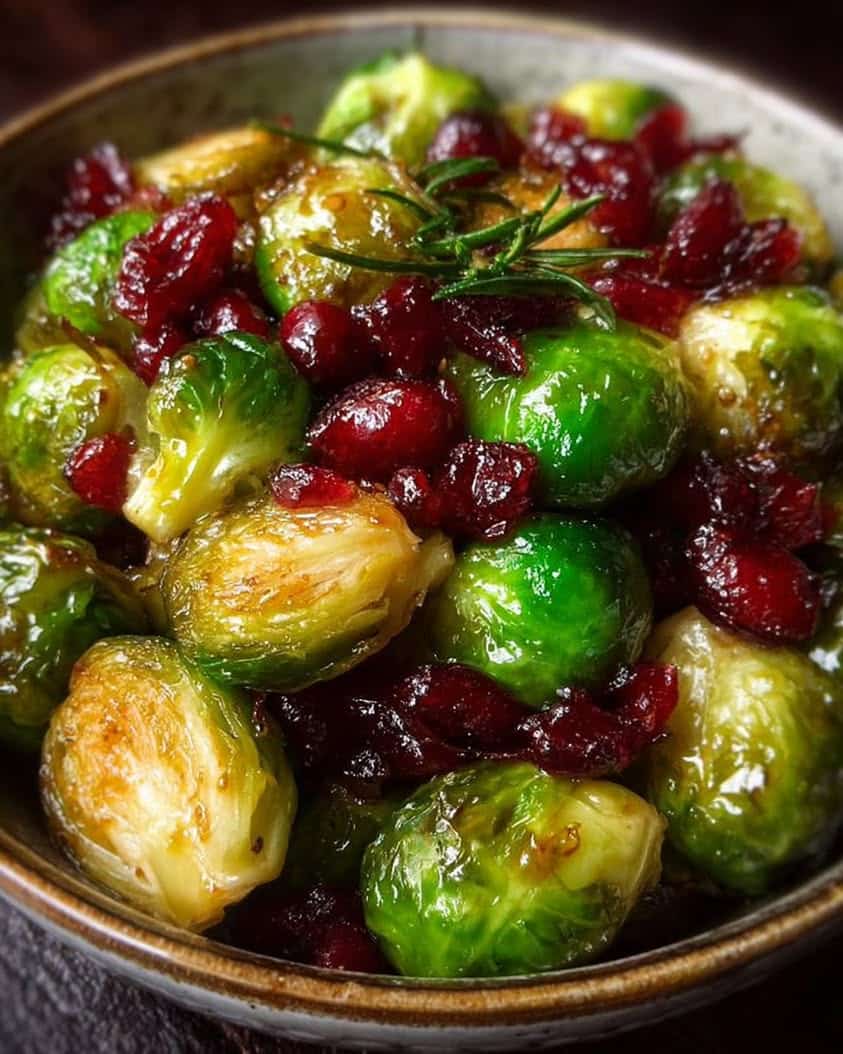
Brussels Sprouts with Cranberry-Orange Glaze: A Festive Holiday Masterpiece
Transform the humble Brussels sprout into the star of your holiday table with this stunning recipe for Brussels Sprouts with Cranberry-Orange Glaze. This dish masterfully combines earthy, roasted vegetables with a vibrant, sweet-tart sauce, creating a symphony of flavors and textures that will impress every guest. Moreover, the beautiful presentation, featuring glossy, jewel-toned sprouts, adds a touch of elegant color to your festive spread. Ultimately, this recipe proves that side dishes can be just as exciting and memorable as the main course.
Imagine the perfect bite: a crispy, caramelized Brussels sprout half, its edges slightly charred from high-heat roasting, coated in a glossy, ruby-red glaze. The initial savory, nutty flavor of the sprout gives way to the bright pop of cranberry and the sunny, aromatic hint of fresh orange. This Brussels Sprouts with Cranberry-Orange Glaze recipe is not just food; it’s an experience. It balances sophisticated flavors with remarkably simple preparation, making it accessible for weeknight cooks and special enough for holiday feasts. Consequently, it bridges the gap between everyday dining and celebratory cuisine.
Furthermore, this dish is a celebration of seasonal produce at its peak. It utilizes the best of late autumn and winter harvests, bringing warmth and cheer to your dinner table. The process of roasting deepens the natural sugars in the sprouts, while the quick stovetop glaze comes together in minutes. As a result, you achieve restaurant-quality results with minimal fuss. This Brussels Sprouts with Cranberry-Orange Glaze will quickly become a requested tradition, a side dish that people genuinely look forward to year after year.
Quick Recipe Highlights
- Flavor Profile: This dish delivers a complex and harmonious balance. You experience the deep, savory umami of roasted Brussels sprouts first, followed immediately by the bright, tangy sweetness of cranberry and the fresh, citrusy zing of orange. A subtle background note of maple syrup or brown sugar rounds out the sharp edges, creating a perfectly unified taste.
- Texture: The texture contrast is a key delight. Each sprout boasts a crispy, almost crackling exterior achieved through high-heat roasting. Meanwhile, the interior remains tender and slightly firm. The sticky glaze adds a wonderful glossy coating that clings to every crevice, providing a pleasant, juicy mouthfeel against the crisp vegetable.
- Aroma: As this dish cooks, your kitchen will fill with an irresistible fragrance. Initially, you’ll smell the earthy, slightly nutty scent of roasting Brussels sprouts. Then, as the glaze simmers, the air becomes perfumed with the sweet-tart essence of cranberries and the bright, uplifting aroma of fresh orange zest and juice. It’s the quintessential smell of the holidays.
- Visual Appeal: This recipe is a feast for the eyes. The roasted Brussels sprouts turn a beautiful deep green with caramelized brown edges. After tossing, they become glistening and coated in a vibrant, ruby-red cranberry-orange glaze. Finally, when garnished with fresh orange zest or extra cranberries, the dish looks professionally plated and incredibly inviting.
- Skill Level Needed: This is a beginner-friendly recipe designed for success. The techniques involved—chopping, roasting, and making a simple stovetop sauce—are fundamental. With clear instructions and a focus on timing, even a novice cook can produce impressive results. Therefore, it’s an excellent recipe for building confidence in the kitchen.
- Special Equipment: You need only basic kitchen tools. A sturdy baking sheet, parchment paper for easy cleanup, a sharp knife, and a medium saucepan are essential. A microplane or fine grater for zesting the orange is highly recommended but not strictly required. A whisk is also helpful for creating a smooth glaze.
Recipe Overview
- Difficulty Level: We classify this Brussels Sprouts with Cranberry-Orange Glaze recipe as “Easy.” The steps are straightforward and linear: prepare the sprouts, roast them, make the glaze, and combine. There are no advanced techniques like tempering or complex knife work. The primary skill is monitoring the oven to achieve perfect caramelization without burning. Overall, it’s a forgiving recipe that yields fantastic results with minimal stress.
- Category: This dish fits perfectly into several categories. Primarily, it is a vegetable side dish, destined to accompany a holiday roast like turkey or ham. Additionally, it can serve as a vibrant component on a vegetarian or vegan feast plate. Its sweet and savory profile also allows it to cross into the realm of modern condiments or relishes, pairing wonderfully with cheeses and charcuterie.
- Cuisine: While not tied to a single traditional cuisine, this recipe is a celebration of modern American holiday cooking. It draws inspiration from classic Thanksgiving flavors—the cranberry sauce and the roasted vegetable—and elevates them with contemporary flair. The use of fresh citrus and a glossy glaze reflects a current culinary trend towards bright, balanced, and visually stunning plates.
- Cost: This is a very cost-effective dish, especially when cranberries and Brussels sprouts are in season during the fall and winter. The main ingredients are affordable vegetables and pantry staples like orange juice, sweetener, and vinegar. For instance, a bag of fresh cranberries and a pound of sprouts typically costs just a few dollars, making this an elegant side that doesn’t break the bank.
- Season: This recipe is quintessentially autumnal and wintry. It shines from October through December when cranberries are at their peak and Brussels sprouts are sweetened by frost. The warm, roasted flavors provide comfort on cold evenings, while the bright glaze cuts through the richness of holiday meals. It is the perfect seasonal bridge between Thanksgiving and Christmas gatherings.
- Occasion: While ideal for major holidays like Thanksgiving, Christmas, and Easter, this dish is versatile enough for any special dinner. Serve it at a festive potluck, an elegant dinner party, or even as a standout side for a Sunday family roast. Its impressive appearance and crowd-pleasing flavor make it suitable for any occasion where you want to serve something memorable.
Why You’ll Love This Recipe
First and foremost, the taste and texture appeal of this dish is undeniable. The magic lies in the contrast: the deep, savory, almost nutty flavor of perfectly roasted Brussels sprouts meets the explosive sweet-tartness of the cranberry-orange glaze. Each bite offers a satisfying crunch from the caramelized outer leaves, followed by a tender interior. The glaze is sticky, glossy, and clings to every nook, ensuring flavor in every mouthful. This combination is sophisticated yet comforting, familiar yet exciting, making it a guaranteed hit with both adventurous eaters and traditionalists at your table.
Next, consider the convenience and preparation benefits. This Brussels Sprouts with Cranberry-Orange Glaze recipe is remarkably streamlined. The hands-on time is minimal; most of the work is done by your oven. You can prepare the glaze while the sprouts roast, maximizing efficiency. Furthermore, the ingredients are simple and the steps are clear, reducing kitchen stress during busy holiday prep. You can even trim and halve the sprouts ahead of time. Consequently, you get a stunning, restaurant-worthy side dish without the complexity or last-minute panic.
From a health perspective, this recipe packs a powerful nutritional punch. Brussels sprouts are a cruciferous vegetable superstar, loaded with fiber, vitamins C and K, and antioxidants. Cranberries are famous for their proanthocyanidins, which support urinary tract health and provide anti-inflammatory benefits. Using fresh orange juice adds a dose of vitamin C and natural sweetness. When you choose a natural sweetener like maple syrup, you avoid refined sugars. Therefore, this beautiful dish is as good for your body as it is for your taste buds, allowing you to indulge healthfully.
The social and entertaining value of this dish is exceptionally high. A vibrant, glazed vegetable platter becomes a natural conversation starter at any gathering. It demonstrates care and culinary skill, impressing guests with its professional appearance. Moreover, because it caters beautifully to vegetarian, vegan, and gluten-free diets with simple checks, it’s an inclusive option that ensures everyone has a delicious side to enjoy. Serving a show-stopping dish like this boosts your confidence as a host and elevates the entire dining experience for your friends and family.
Finally, the cost-effectiveness and accessibility of this recipe are major wins. As mentioned, the core ingredients are inexpensive, especially in season. You likely already have the glaze components—vinegar, sweetener, citrus—in your pantry. There’s no need for expensive specialty items or equipment. This accessibility means you can create a luxurious-feeling side dish on a modest budget. It proves that eating well and celebrating lavishly doesn’t require extravagant spending, just smart, flavorful combinations of wholesome ingredients.
Historical Background and Cultural Significance
The story of Brussels sprouts themselves is centuries old, with believed cultivation near Brussels, Belgium, dating back to the 16th century. However, their journey to American holiday tables is more recent. For many years, they were often boiled into submission, earning a poor reputation. The modern renaissance of the Brussels sprout, particularly through roasting, is a culinary revolution of the last few decades. This technique, which highlights their natural sweetness, transformed them from a dreaded vegetable to a coveted side dish. Our recipe for Brussels Sprouts with Cranberry-Orange Glaze sits at the pinnacle of this modern evolution.
Culturally, cranberries are deeply woven into the fabric of American history and cuisine, particularly in New England. Native Americans used them for food, dye, and medicine long before the Pilgrims arrived. Cranberry sauce became a Thanksgiving staple in the 19th century, symbolizing the harvest and the blending of Old World and New World foods. By pairing cranberries with Brussels sprouts, this recipe creates a new tradition that honors historical ingredients while applying contemporary cooking wisdom. It represents a shift towards more vegetable-centric, flavor-forward holiday meals.
The evolution of this specific recipe follows broader food trends. The move away from canned, jellied cranberry sauce toward fresh, homemade preparations opened the door for creative uses of the berry. Chefs and home cooks began experimenting with cranberry glazes, relishes, and compotes for meats and vegetables. Simultaneously, the roasted vegetable trend took hold, celebrating the caramelized flavors of oven-cooked produce. Combining these two trends—a fresh cranberry glaze and roasted sprouts—was a natural and delicious progression. It’s a perfect example of how home cooking innovates by merging classic flavors with modern techniques.
Regional variations of this concept abound, showcasing its adaptability. In the Pacific Northwest, a version might use local marionberries or a reduction of Pinot Noir in the glaze. Southern interpretations could incorporate a touch of bourbon or pecans for garnish. Some cooks add warm spices like cinnamon or star anise to the glaze for a deeper winter flavor profile. The basic formula of roasted vegetable plus fruit-based glaze is a versatile canvas. Consequently, this Brussels Sprouts with Cranberry-Orange Glaze recipe serves as a foundational template for endless regional and personal customization.
Ingredient Deep Dive
Let’s start with Brussels sprouts. These miniature cabbages are nutritional powerhouses, offering high levels of vitamin K for bone health, vitamin C for immunity, and fiber for digestion. They also contain glucosinolates, compounds studied for their potential cancer-protective properties. When selecting sprouts, look for firm, bright green heads that feel heavy for their size. Avoid those with yellowing leaves or a strong odor. Store them unwashed in a plastic bag in your refrigerator’s crisper drawer. For the best texture and flavor, use them within a week. If you need a substitution, broccoli florets or cauliflower cut into bite-sized pieces can be roasted using the same method, though the cooking time may vary slightly.
Fresh cranberries are the star of the glaze. These native North American berries are renowned for their high antioxidant content and role in supporting urinary tract health. They are naturally low in sugar and high in vitamin C and fiber. Choose berries that are plump, shiny, and deep red in color; they should bounce when dropped. Shriveled or discolored berries are past their prime. Store fresh cranberries in their original bag in the refrigerator, or freeze them directly in the bag for up to a year—they require no blanching. If fresh are unavailable, you can use frozen cranberries without thawing; just add a minute or two to the simmering time. Dried cranberries are not a direct substitute for the glaze but make a excellent chewy garnish.
The orange component is crucial for brightness. We use both juice and zest. The zest, the colorful outer skin, contains fragrant essential oils that pack a potent citrus aroma without acidity. The juice provides liquid, sweetness, and tang. Nutritionally, oranges are famous for vitamin C and contain beneficial flavonoids. Always zest your orange before juicing it; it’s nearly impossible to do the reverse. For the best flavor, select heavy, firm oranges with smooth, brightly colored skin. If you lack a fresh orange, you can substitute with 1/3 cup of high-quality, pulp-free orange juice and add 1/2 teaspoon of orange extract to mimic the zest’s aroma. However, the fresh zest truly makes the flavor pop.
The sweetener balances the cranberries’ intense tartness. Options like pure maple syrup, honey, or light brown sugar work beautifully. Maple syrup adds a nuanced, woody sweetness and keeps the recipe vegan. Honey offers a floral note but is not vegan. Brown sugar contributes a deeper molasses flavor and helps create a thicker glaze. Each will slightly alter the final flavor profile, so choose based on your preference and dietary needs. Agave nectar is another suitable vegan option. The key is to add sweetener to taste, as cranberry tartness can vary. Start with the recommended amount and add more after the glaze simmers and reduces.
Common Mistakes to Avoid
- Overcrowding the Pan: This is the most common error. If the sprouts are piled on top of each other, they will steam instead of roast. Steamed sprouts become soggy and lose their chance to develop crispy, caramelized edges. Always spread them in a single layer with a little space between each piece for optimal hot air circulation.
- Not Drying the Sprouts Thoroughly: Moisture is the enemy of crispiness. After washing your Brussels sprouts, pat them aggressively dry with a clean kitchen towel or paper towels. Any residual water will create steam in the oven, which hinders the browning process and can lead to a mushy texture.
- Skipping the Halving Step: Leaving sprouts whole means the interior cooks slowly while the outer leaves can burn. Cutting them in half creates a flat surface that makes direct contact with the hot pan, ensuring beautiful browning. It also allows the heat to penetrate to the core more evenly for tender results.
- Using Old or Wilted Cranberries: The quality of your cranberries directly impacts the glaze. Old, soft, or brown cranberries will lack vibrant tartness and may impart a dull, fermented flavor. Always inspect your berries and discard any that are mushy or discolored before cooking.
- Not Simmering the Glaze Long Enough: The cranberry-orange glaze needs time to reduce and thicken. If you remove it from the heat too soon, it will be thin and watery, sliding right off the roasted sprouts. Simmer until it coats the back of a spoon and has a syrupy consistency that will cling to the vegetables.
- Combining Sprouts and Glaze Too Early: If you pour the glaze over the sprouts while they are still on the hot baking sheet, the residual heat can cause the glaze to burn or become sticky in an unpleasant way. For the best texture, always toss the roasted sprouts with the glaze in a separate serving bowl.
- Neglecting to Season at Multiple Stages: Seasoning is not a one-time event. You should season the sprouts with salt and pepper before roasting to build flavor from within. Then, taste the finished glaze and adjust seasoning if needed before combining. Layering seasoning ensures a perfectly balanced dish from the first bite to the last.
- Forgetting the Acid Balance: The glaze relies on the balance of sweet (maple/orange), tart (cranberry), and acid (vinegar/orange juice). If your glaze tastes too sweet or flat, a tiny splash of vinegar (apple cider or balsamic) can brighten it instantly. Don’t be afraid to adjust this balance to suit your palate.
Essential Techniques
High-Heat Roasting: This technique is non-negotiable for perfect Brussels sprouts. Roasting at a high temperature (around 400°F to 425°F) causes the natural sugars in the vegetable to caramelize quickly. This caramelization creates complex, savory-sweet flavors and a delightfully crispy texture on the exterior. The key is to ensure your oven is fully preheated and your baking sheet is not overcrowded. A common pitfall is roasting at too low a temperature, which steams the sprouts instead of browning them. Visual cues for success are deeply browned, almost charred edges and leaves that are crispy enough to shatter when bitten.
Reducing a Glaze: Reducing a sauce or glaze means simmering it to evaporate excess water, which concentrates the flavors and thickens the consistency. For the cranberry-orange glaze, you start with relatively liquid ingredients—juice, vinegar, maple syrup. As it simmers, the cranberries pop and release their pectin, a natural thickener. The mixture will bubble vigorously at first, then settle into a gentler simmer as it thickens. The importance lies in achieving a coating consistency that will stick to the sprouts, not pool at the bottom of the bowl. Master it by watching for the moment when the bubbles become slower and larger, and the glaze leaves a clear path on the back of a spoon.
Zesting Citrus: Zesting is the act of removing the colorful outer peel of a citrus fruit while avoiding the bitter white pith beneath. The zest holds the fruit’s essential oils, which carry its most potent aroma. For this recipe, it provides the intense orange fragrance without adding more liquid. Use a microplane grater or the fine holes of a box grater, and gently scrape just the surface of the orange. A common mistake is grating too deeply and getting pith, which tastes bitter. The visual cue for perfect zest is fine, fluffy, brightly colored shreds with no white specks. Always zest your fruit before juicing it.
Pro Tips for Perfect Brussels Sprouts
First, for maximum crispiness, preheat your baking sheet in the oven. Place the empty sheet in the oven as it preheats. Carefully remove it, add your oiled sprouts (they should sizzle upon contact), and return to the oven. This jump-starts the searing process on the flat cut sides.
Second, save those loose leaves! When you trim and halve the sprouts, many outer leaves will fall off. Don’t discard them. Toss them in oil and salt along with the halves. These leaves become incredibly crispy, almost like vegetable chips, and add wonderful textural contrast to the final dish.
Third, consider a flavor boost for the roasting oil. Infuse your olive oil with a smashed garlic clove or a sprig of rosemary for a few minutes over low heat before tossing it with the sprouts. This adds a subtle, aromatic background note that complements the sweet glaze beautifully.
Fourth, don’t stir the sprouts too often. Let them roast undisturbed for at least 15-20 minutes before checking. This allows time for proper browning to occur on the side touching the pan. Constant stirring prevents good caramelization from forming.
Fifth, make the glaze while the sprouts roast. This is efficient kitchen management. By the time your sprouts are golden and tender, your glaze will be reduced, slightly cooled, and ready to use. This workflow ensures everything comes together hot and fresh.
Sixth, for a glossy, professional finish, add a small pat of cold butter or a drizzle of olive oil to the finished glaze just before tossing. This enriches the sauce and helps it cling to the sprouts in a beautiful, shiny coat.
Seventh, if your sprouts are very large, consider quartering them instead of halving. This ensures the interior cooks through at the same rate as the exterior browns, preventing a raw, hard center.
Eighth, always taste and adjust the finished glaze off the heat. The flavor balance can change as it cools slightly. This is your last chance to add a pinch of salt, a squeeze of orange, or a drop of vinegar to perfect the sweet-tart balance.
Variations and Adaptations
For regional variations, consider adding chopped toasted pecans or walnuts for a Southern twist, or incorporate crumbled goat cheese or feta after tossing for a creamy, tangy element. A Pacific Northwest version might include a tablespoon of local berry jam in the glaze or a garnish of fresh pomegranate arils instead of extra cranberries.
Seasonal adaptations are simple. In spring, try this method with asparagus or young carrots using a strawberry-balsamic glaze. For summer, use zucchini or bell peppers with a peach and herb glaze. The roasting technique remains constant; only the vegetable and fruit base change to match what’s fresh and abundant.
Dietary modifications are straightforward. To keep it vegan, use maple syrup and ensure your vinegar is not processed with animal products. For a Whole30 or refined-sugar-free version, use date paste or compliant orange juice reduction as the sweetener. The dish is naturally gluten-free, but always check labels on pre-made broths or vinegars if you have celiac disease.
Flavor variations can take this recipe in new directions. Add a pinch of red pepper flakes to the glaze for heat, or stir in a teaspoon of fresh grated ginger for a zingy kick. A splash of bourbon or orange liqueur added to the simmering glaze introduces a warm, adult complexity. Swap balsamic vinegar for apple cider vinegar for a deeper, sweeter acidity.
Texture modifications can cater to different preferences. For extra crunch, sprinkle the finished dish with toasted breadcrumbs or crispy fried shallots. For a softer, more stew-like side, add a splash of vegetable broth to the glaze and let the tossed sprouts simmer together for a few minutes before serving.
Presentation alternatives include serving the glazed sprouts in a hollowed-out roasted acorn squash or pumpkin for a stunning edible bowl. For individual portions, serve them in small ramekins or on large, colorful leaves like kale or cabbage. Skewering halved sprouts on small appetizer sticks with a cranberry between them makes for a festive finger food.
Serving and Presentation Guide
Plating techniques matter for visual impact. Instead of piling the glazed sprouts in a bowl, consider spreading them attractively on a large, shallow platter or a long rectangular dish. Arrange them with the caramelized cut sides facing up to showcase their beautiful color. Create height by leaning some sprouts against each other, rather than laying them all flat. This adds dimension and makes the dish look more abundant and artful.
Garnishing is the final touch that elevates the dish from homemade to chef-worthy. A sprinkle of fresh orange zest adds a burst of color and signals the flavor within. A few whole fresh cranberries or pomegranate arils scattered over the top provide jewel-like accents. Fresh herbs like finely chopped parsley, thyme, or chives add a touch of green and freshness. For richness, a light drizzle of high-quality olive oil or a few flakes of sea salt just before serving enhances both look and taste.
Traditional accompaniments for this dish are classic holiday proteins. It pairs magnificently with roasted turkey, glazed ham, prime rib, or baked chicken. Its bright acidity cuts through the richness of these meats beautifully. For a vegetarian holiday centerpiece, serve it alongside a hearty nut roast, stuffed squash, or mushroom Wellington. It also complements other classic sides like mashed potatoes, sweet potato casserole, or stuffing by providing a contrasting texture and vibrant flavor.
Modern serving suggestions think beyond the holiday plate. Serve these glazed sprouts warm or at room temperature as part of an elegant appetizer spread with cheeses and charcuterie. Chop them roughly and add them to a grain bowl with quinoa, farro, and a lemony tahini dressing for a hearty lunch. They can even be a surprising and delicious topping for a pizza with goat cheese and caramelized onions.
Temperature considerations are key. These Brussels sprouts are best served warm, shortly after tossing with the glaze. The contrast between the hot, crispy vegetable and the warm, sticky sauce is ideal. If you must hold them, keep them in a warm oven (200°F) on the serving platter, loosely tented with foil. Avoid sealing them tightly, as the steam will soften the crispy edges you worked so hard to achieve.
Portion control tips are simple. As a side dish, plan for about 1/4 to 1/3 pound of raw Brussels sprouts per person. This recipe yields about four generous servings. If you are serving a meal with many other rich sides, you can stretch it to six smaller servings. Remember, because the dish is so flavorful and visually appealing, a little goes a long way in satisfying both the eye and the palate.
Wine and Beverage Pairing
Wine pairings for this dish should complement its sweet, tart, and savory profile. A dry Riesling is a fantastic choice; its acidity matches the cranberry tang, and its slight stone fruit notes harmonize with the orange. A Pinot Noir, with its bright red fruit flavors and low tannins, won’t overpower the vegetables and complements the earthy notes of the sprouts. For a richer option, a rosé Champagne or sparkling wine provides celebratory bubbles and cleansing acidity that cuts through the glaze’s sweetness beautifully.
Non-alcoholic alternatives can be just as sophisticated. A tart cranberry spritzer made with unsweetened cranberry juice, sparkling water, and a twist of orange peel mirrors the dish’s flavors. Ginger beer, with its spicy kick, offers a refreshing contrast to the sweet glaze. For a warm option, a mulled apple cider with cinnamon and orange slices shares the cozy, festive spices that often accompany holiday meals featuring this side.
Coffee and tea pairings work well, especially for a holiday brunch or lunch. A medium-roast coffee with citrusy notes can highlight the orange in the glaze. A black tea like Earl Grey, which is flavored with bergamot (a type of citrus), creates a lovely aromatic synergy. For an after-dinner pairing, a cup of peppermint tea provides a cool, clean finish that refreshes the palate after the rich, glazed vegetables.
Temperature considerations for beverages are standard. Serve white wines, sparkling wines, and non-alcoholic spritzers well-chilled. Red wines like Pinot Noir should be served slightly below room temperature, around 55-60°F. Warm beverages like cider or tea should be served piping hot to provide a comforting contrast to the warm, but not steaming hot, vegetable dish.
Serving suggestions include offering a choice. During a holiday meal, set out both a red and a white wine option to cater to different preferences. For non-alcoholic drinks, consider a self-serve station with a carafe of cranberry spritzer and a pot of hot cider. Always ensure water is abundantly available on the table to cleanse the palate between bites of this flavorful dish.
Storage and Shelf Life
Storage methods for leftovers are straightforward. Allow the glazed Brussels sprouts to cool completely to room temperature. Then, transfer them to an airtight container. Do not leave them at room temperature for more than two hours to prevent bacterial growth. Store the container in the refrigerator. The glaze will thicken significantly when cold, and the sprouts will lose their crispness, becoming softer.
Temperature requirements are strict for safety. Always refrigerate leftovers at or below 40°F. The dish should not be left out on a buffet for extended periods. If you are transporting it, use an insulated cooler with ice packs to keep it cold until you can refrigerate it at your destination.
Container recommendations include glass or BPA-free plastic containers with tight-fitting lids. These prevent odor transfer in the fridge and keep the sprouts from drying out. You can also use a bowl tightly covered with plastic wrap, though a sealed container is more effective.
Signs of spoilage are important to recognize. Discard the sprouts if you notice an off or sour smell, significant further discoloration (beyond normal darkening), or the presence of mold. If the glaze becomes excessively watery or slimy, it is a sign of deterioration and the dish should not be consumed.
Reheating instructions aim to restore some texture. The best method is to reheat in an oven or toaster oven at 375°F spread on a baking sheet for 10-15 minutes. This will re-crisp the edges somewhat. The microwave is a quicker option but will result in uniformly soft sprouts; use short bursts and stir to heat evenly. Add a tiny splash of water or orange juice before microwaving to prevent excessive drying.
Freezing guidelines are not generally recommended. The high water content in Brussels sprouts and the dairy-free but sugar-based glaze means the texture will suffer greatly upon thawing. The sprouts will become mushy and watery. For best quality, enjoy this dish fresh or refrigerated for short-term storage only.
Make Ahead Strategies
Your prep timeline can be spread over two days. The day before serving, you can complete all the vegetable prep: trim, halve, and wash the Brussels sprouts. Dry them thoroughly, then store them in a large zip-top bag or airtight container lined with paper towels in the refrigerator. You can also make the cranberry-orange glaze completely ahead of time. Let it cool, then store it separately in a jar or container in the fridge.
Storage between steps is simple. Keep the prepped sprouts dry and cold. Store the cooled glaze in its container. This separation is crucial; combining them ahead of time will make the sprouts soggy. Having both components ready means on the day of your event, you simply need to roast the sprouts and warm the glaze.
The quality impact assessment is positive for this make-ahead approach. Prepping the sprouts a day early has no negative effect; in fact, it can save valuable time. The glaze may thicken considerably in the fridge. This is fine—you will gently reheat it, likely adding a tablespoon or two of water or orange juice to return it to a pourable consistency.
Assembly tips for the day-of are key. Roast your prepped sprouts as directed. While they roast, gently warm the glaze in a saucepan over low heat, stirring until fluid. Proceed with tossing the hot sprouts with the warm glaze in a serving bowl. This method ensures the final dish has the best possible texture and temperature.
Reheating guidelines for components are gentle. Reheat the glaze slowly on the stovetop, stirring frequently. Do not boil it vigorously, as this can break it down or cause it to burn. If you need to reheat a large batch of already-combined leftovers, use the oven method described in the storage section to help revive some crispness.
Fresh element additions are a pro move. If you make the glaze ahead, consider reserving a bit of fresh orange zest. Add this fresh zest to the dish after you toss the sprouts with the reheated glaze. This brightens the aroma dramatically and makes the dish taste freshly made, even though most of the work was done in advance.
Scaling Instructions
Halving the recipe is simple for smaller households. Use 1/2 pound of Brussels sprouts and simply divide all other glaze ingredients in half. Use a smaller baking sheet to maintain the crucial single layer for roasting. The cook time may be slightly shorter, so start checking for doneness around the 20-minute mark. This is a perfect way to enjoy this dish without leftovers on a regular weeknight.
Doubling or tripling the recipe for a crowd requires some adjustments. You must use multiple baking sheets and rotate them in the oven (top to bottom, front to back) halfway through roasting to ensure even cooking. Do not pile the sprouts higher on a single sheet. For the glaze, use a larger, wider saucepan to allow for proper evaporation when you increase the volume. It may take a few extra minutes to reduce and thicken.
Equipment adjustments are necessary when scaling up. Ensure you have enough oven space and baking sheets. If oven space is limited, you can roast in batches and keep the first batch warm in a 200°F oven while the second cooks. Use a very large bowl for tossing the final product, or toss directly on a large, clean sheet pan if your serving bowl isn’t big enough.
Timing modifications are minimal when scaling. The roasting time for the sprouts themselves remains largely the same as long as they are in a single layer. The glaze simmering time will increase slightly when you make a larger batch, as there is more liquid to reduce. Keep a close eye on it and use the “coats the back of a spoon” test to determine doneness, not just the clock.
Storage considerations change with scale. A double batch will yield more leftovers. Plan for adequate refrigerator space in appropriately sized containers. Remember that the quality is best fresh, so for very large gatherings, it’s often better to make multiple single batches if possible, rather than one enormous one, to ensure perfect texture for all your guests.
Nutritional Deep Dive
The macro breakdown of this dish is favorable. A serving provides a good balance: complex carbohydrates and fiber from the Brussels sprouts and cranberries, healthy fats from the olive oil used in roasting, and a small amount of natural sugars from the fruit and sweetener. It is low in protein, which is fine as it’s designed to accompany a protein-rich main course. The fat content is primarily monounsaturated from olive oil, which is heart-healthy.
A micronutrient analysis
Print
Brussels Sprouts with Cranberry-Orange Glaze
Description
A festive side dish featuring roasted Brussels sprouts tossed in a sweet-tart cranberry-orange glaze, perfect for holiday meals.
Ingredients
For the Crust:
- 1 lb Brussels sprouts, trimmed and halved
- 2 tbsp olive oil
- 1/2 tsp salt
- 1/4 tsp black pepper
- 1/2 cup fresh cranberries
- 1/4 cup orange juice
- 2 tbsp honey
- 1 tsp orange zest
- 1 tbsp balsamic vinegar
Instructions
1. Prepare the Crust:
- Preheat oven to 400°F (200°C). Toss Brussels sprouts with olive oil, salt, and pepper, then spread on a baking sheet. Roast for 20-25 minutes until tender and browned.
- While sprouts roast, combine cranberries, orange juice, honey, and orange zest in a small saucepan. Simmer over medium heat for 8-10 minutes until cranberries burst and sauce thickens. Stir in balsamic vinegar.
- Toss roasted Brussels sprouts with the cranberry-orange glaze in a large bowl. Serve warm.
Notes
You can customize the seasonings to taste.

I’m Shaykee—born in Morocco, seasoned across continents. From airplane galleys to home kitchens, I share the flavors and stories that shaped my journey.