
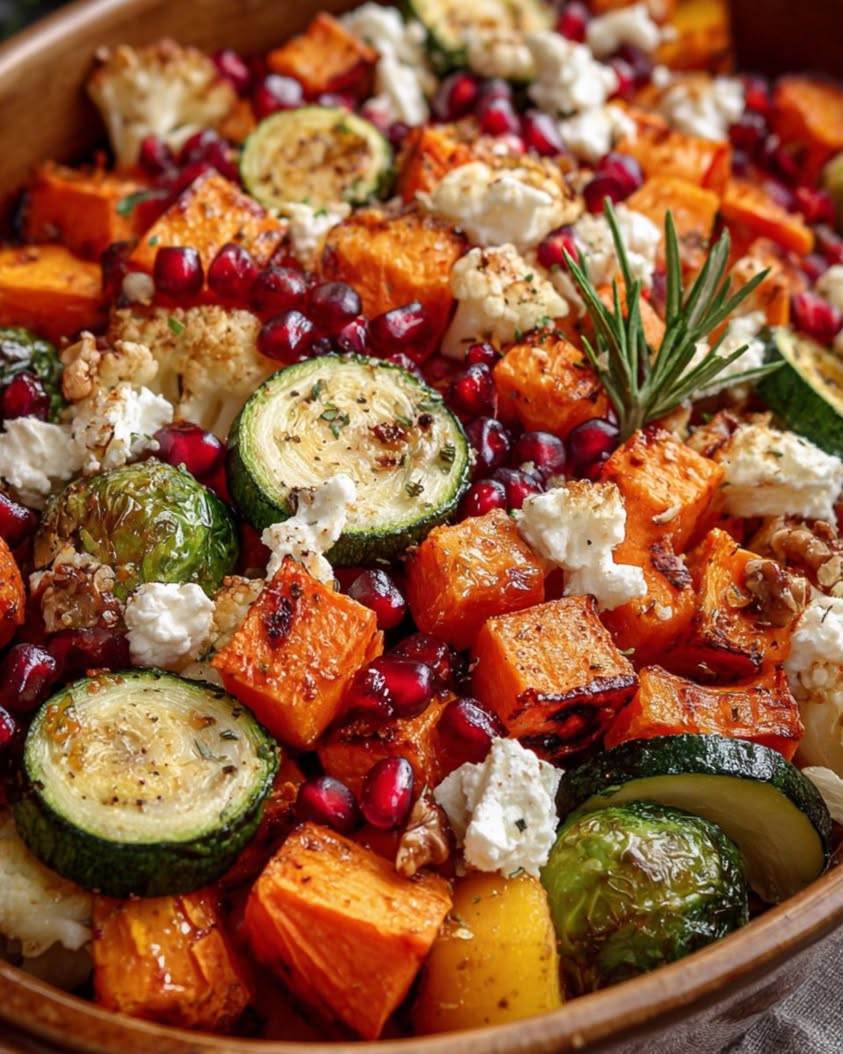
Mediterranean Home Cooking Caramelized Sweet Potato, Carrot, Zucchini, Brussels Sprouts & Butternut Squash: A Vibrant Roasted Vegetable Medley
Imagine a sheet pan brimming with the warm, earthy colors of autumn. This Mediterranean home cooking caramelized sweet potato, carrot, zucchini, Brussels sprouts and butternut squash recipe transforms simple vegetables into a spectacular side dish. The process of roasting coaxes out deep, natural sugars, creating edges that are perfectly crisp and caramelized. Meanwhile, the interiors become meltingly tender, offering a delightful contrast in every single bite. This dish is a celebration of texture and flavor, all achieved with minimal hands-on effort.
Furthermore, this recipe embodies the heart of Mediterranean home cooking, which prioritizes fresh, seasonal produce and straightforward techniques. The blend of sweet potatoes, carrots, zucchini, Brussels sprouts, and butternut squash creates a symphony of complementary flavors and nutrients. Each vegetable contributes its unique character, resulting in a dish that is as nourishing as it is delicious. Ultimately, this vibrant medley is a testament to how a few quality ingredients and a hot oven can produce something truly extraordinary for your family table.
This caramelized roasted vegetable dish is incredibly versatile. You can serve it as a stunning centerpiece for a vegetarian feast, a hearty accompaniment to roasted chicken or fish, or even as a fantastic meal prep component for your weekly lunches. The beauty lies in its simplicity and the way the vegetables’ natural flavors are amplified through roasting. Once you try this method, you will find yourself returning to it again and again as your go-to technique for perfect vegetables.
Quick Recipe Highlights
- Flavor Profile: This dish delivers a beautiful balance of savory and sweet notes. The caramelization process intensifies the natural sugars in the root vegetables, while the zucchini adds a fresh, green note. Herbs like rosemary or thyme provide an aromatic, earthy backbone that ties everything together perfectly.
- Texture: You get the best of both worlds with a fantastic textural contrast. The exteriors of the vegetables, particularly the sweet potato and butternut squash, develop a delightful, slightly chewy caramelized crust. Inside, the flesh remains soft and creamy, while the Brussels sprouts offer a satisfying bite and the zucchini becomes tender.
- Aroma: As this medley roasts, your kitchen will fill with an irresistible, comforting fragrance. You will first notice the sweet, almost nutty scent of caramelizing vegetables. Then, the aromatic herbs like rosemary or thyme release their essential oils, creating a warm and inviting atmosphere that promises a delicious meal.
- Visual Appeal: The color palette of this dish is simply stunning. It features vibrant orange from the sweet potatoes and carrots, deep green from the Brussels sprouts and zucchini, and a warm gold from the butternut squash. This colorful presentation makes it a beautiful addition to any dinner plate, especially for holidays.
- Skill Level Needed: This is a beginner-friendly recipe that requires very little advanced culinary skill. The most important tasks are cutting the vegetables to a relatively uniform size and knowing when to stir them for even cooking. Consequently, it is an excellent recipe for new cooks or a stress-free option for busy weeknights.
- Special Equipment: You need only a few basic kitchen tools. A large, sturdy baking sheet is essential to allow space for the vegetables to roast instead of steam. Additionally, a good chef’s knife and cutting board for prepping the vegetables are key. Parchment paper or a silicone baking mat is optional but helps with cleanup.
Recipe Overview
- Difficulty Level: This recipe is rated easy because it involves fundamental techniques accessible to any home cook. The primary skills are knife work for chopping and the patience to allow the oven to do its work. There is no complex sauce-making or precise temperature control required, making it a very forgiving dish.
- Category: This dish falls primarily into the side dish category. However, it can easily be bulked up with a protein like chickpeas or lentils to become a main course. It is also perfect for meal prep, as it stores and reheats beautifully, maintaining its texture and flavor throughout the week.
- Cuisine: The recipe is inspired by the principles of Mediterranean cuisine, which emphasizes plant-based foods, healthy fats, and simple preparation. While not a traditional dish from one specific country, it uses ingredients and cooking methods—like high-heat roasting with olive oil and herbs—common throughout the Mediterranean region.
- Cost: This is a very cost-effective recipe, especially when you choose vegetables that are in season. Root vegetables like sweet potatoes, carrots, and squash are typically affordable year-round. Zucchini and Brussels sprouts may fluctuate in price but are generally budget-friendly, making this a wholesome dish that does not strain your wallet.
- Season: This recipe shines brightest in the fall and winter when squash and root vegetables are at their peak sweetness and abundance. However, it is truly adaptable for any season. For instance, you can swap in spring asparagus or summer bell peppers to create a seasonal variation with the same cooking technique.
- Occasion: This versatile dish is suitable for everything from a casual Tuesday night dinner to a festive holiday spread like Thanksgiving or Christmas. Its vibrant colors and elegant presentation make it company-worthy, while its simplicity ensures it is not a stressful addition to your menu planning.
Why You’ll Love This Recipe
First and foremost, the taste and texture appeal of this dish is undeniable. The caramelization process unlocks a deep, complex sweetness from the vegetables that is utterly addictive. Each bite offers a satisfying contrast between the crispy, browned edges and the soft, tender interiors. The combination of different vegetables ensures a dynamic eating experience where no two forkfuls are exactly the same. This variety keeps your palate engaged and makes the dish far more interesting than a single roasted vegetable.
From a convenience standpoint, this recipe is a weeknight hero. After the initial chopping, the oven does nearly all the work. You simply toss the vegetables with oil and seasonings, spread them out, and let the heat transform them. This hands-off time allows you to prepare the rest of your meal, tidy the kitchen, or simply relax. Moreover, cleanup is a breeze, especially if you use parchment paper. This simplicity makes healthy eating feel effortless and sustainable.
Nutritionally, this Mediterranean home cooking caramelized vegetable medley is a powerhouse. It is packed with fiber, vitamins A and C from the orange vegetables, and a range of antioxidants from the colorful produce. Using heart-healthy olive oil as the fat source aligns perfectly with the celebrated Mediterranean diet. This dish supports gut health, boosts your immune system, and provides sustained energy without any heaviness. It is a delicious way to meet your daily vegetable goals.
For social and entertaining value, this dish is a guaranteed crowd-pleaser. Its stunning visual presentation on a platter immediately elevates any table setting. It caters to various dietary preferences, being naturally vegetarian, vegan, and gluten-free. You can easily double or triple the recipe to feed a large group without complicating your cooking process. Serving a beautiful, healthy, and flavorful dish like this always earns compliments and makes hosting feel more successful.
Finally, the cost-effectiveness and accessibility of this recipe are major benefits. The ingredients are humble, affordable, and readily available at any standard grocery store. You do not need any expensive or hard-to-find items. This approach demonstrates that eating well does not require a large budget or specialty shopping. It is a fantastic way to make a impressive and nutritious dish using simple, economical ingredients that you may already have in your pantry.
Historical Background and Cultural Significance
The story of roasting vegetables is as old as fire itself. However, the specific practice of caramelizing a medley of roots and squashes in an oven is a more modern interpretation of ancient techniques. Mediterranean cultures have long utilized their abundant sunshine to grow incredible produce like eggplants, tomatoes, and zucchini. Cooking these vegetables with olive oil over open flames or in communal ovens was a daily practice, preserving their harvest and creating deeply flavorful, nourishing food. This recipe is a direct descendant of that tradition, using contemporary kitchen tools to achieve a similar result.
Culturally, the act of sharing a platter of roasted vegetables is central to the Mediterranean ethos of communal dining and “slow food.” Meals are not just about sustenance but about connection, seasonality, and pleasure. A dish like this would rarely be eaten alone; instead, it is placed in the center of the table for everyone to share. This practice encourages conversation, moderation, and an appreciation for the simple, good things in life. The recipe embodies the principle of “farm to table” long before it became a modern trend.
The evolution of this specific recipe is a tale of global ingredient exchange. Sweet potatoes and butternut squash, now staples, originated in the Americas. Their incorporation into a Mediterranean-style dish is a beautiful example of how cuisines adapt and grow over time. As these vegetables traveled the world, cooks everywhere recognized their roasting potential. They naturally paired them with Old World herbs like rosemary and thyme, creating a fusion that feels both timeless and contemporary. This evolution shows the dynamic, living nature of home cooking.
Regional variations of roasted vegetable dishes are endless. In Provence, you might find a similar mix known as “ratatouille,” though it is typically stewed. In Italy, “verdure al forno” often features peppers, eggplant, and potatoes. The Greek version might include more oregano and lemon. Our specific combination with Brussels sprouts and sweet potato leans into a more modern, global pantry. This flexibility is the hallmark of great home cooking—using what is fresh, local, and appealing to create a meal that nourishes both body and soul.
Ingredient Deep Dive
Sweet potatoes are a nutritional superstar with a history tracing back to Central and South America. They are incredibly rich in beta-carotene, which your body converts to vitamin A, crucial for vision and immune health. They also provide a good amount of vitamin C and fiber. When selecting sweet potatoes, look for firm tubers with smooth, unblemished skin. Store them in a cool, dark, well-ventilated place—not the refrigerator. For a substitution, regular potatoes or parsnips can work, though the flavor profile will be less sweet.
Carrots have been cultivated for thousands of years, originally for their aromatic leaves and seeds rather than their roots. They are famously high in beta-carotene and also contain biotin, vitamin K, and potassium. Choose carrots that are firm, smooth, and brightly colored, with fresh, green tops if possible. Store them in the crisper drawer of your refrigerator in a plastic bag. You can substitute them with parsnips for a more peppery flavor or use baby carrots for convenience, though they may roast faster due to their size.
Zucchini, a type of summer squash, is a versatile vegetable that adds moisture and a fresh flavor. It is low in calories but provides manganese, vitamin C, and a small amount of fiber. Select small to medium-sized zucchini that feel heavy for their size and have glossy, unbruised skin. Store them in a plastic bag in the refrigerator for up to a week. Yellow summer squash is a perfect substitute. Because of its high water content, it is crucial not to overcrowd it on the pan to ensure it roasts rather than steams.
Brussels sprouts have seen a culinary renaissance after years of being boiled into oblivion. These mini cabbages are packed with vitamins K and C, fiber, and antioxidants. Choose sprouts that are small, firm, and bright green with tightly packed leaves. Avoid any that are yellowing or have loose leaves. Store them in a breathable bag in the refrigerator. For a substitution, broccoli or cauliflower florets can be used, though their roasting times may vary slightly. The key is to cut them to a size that allows for caramelization.
Butternut squash is a winter squash known for its sweet, nutty flavor and creamy texture. It is an excellent source of vitamins A and C, magnesium, and potassium. Select a squash that feels heavy for its size and has a hard, matte rind without soft spots. Store whole squash in a cool, dark place for months. Once cut, wrap it tightly and refrigerate. Acorn squash or pumpkin can be used as substitutes. Peeling butternut squash is the most labor-intensive part of this recipe, but the reward is its velvety texture after roasting.
Common Mistakes to Avoid
- Cutting Vegetables Unevenly: This is the most common error. If pieces are different sizes, some will burn while others remain undercooked. Aim for a relatively uniform 1-inch dice or chop for even roasting and perfect caramelization throughout the entire batch.
- Overcrowding the Pan: Piling vegetables on top of each other causes them to steam instead of roast. Steam prevents caramelization and results in soggy, bland vegetables. Always use a large enough pan and spread the pieces in a single, uncrowded layer for the best results.
- Using the Wrong Oil: Olive oil is ideal for its flavor and smoke point for this temperature. Avoid low-smoke-point oils like extra virgin olive oil for very high heat, or butter, which can burn. Conversely, a neutral oil like avocado oil is a fine substitute if you prefer.
- Not Preheating the Oven: Starting with a cold oven drastically changes the cooking process. A properly preheated oven ensures immediate searing and caramelization on the vegetables’ surfaces, which locks in flavor and creates that desirable crispy texture from the very beginning.
- Skipping the Seasoning Toss: Do not just drizzle oil and sprinkle salt over the vegetables on the pan. Tossing them thoroughly in a bowl ensures every single piece is evenly coated with oil and seasoning. This step is crucial for consistent flavor and browning.
- Forgetting to Stir or Flip: Leaving the vegetables untouched for the entire cook time will cause the bottoms to over-brown or burn while the tops pale. Stirring or flipping them once or twice during roasting promotes all-over caramelization and even cooking for a perfect result.
- Underseasoning: Vegetables need a generous amount of seasoning to shine. Do not be shy with salt and pepper. Additionally, remember that dried herbs are best added at the start, while fresh herbs should be added at the end to preserve their bright flavor and color.
- Ignoring Vegetable Water Content: Vegetables like zucchini and Brussels sprouts release moisture. If you notice excess liquid pooling on the pan during roasting, simply tilt the pan to drain it off or carefully soak it up with a paper towel to keep the roasting environment dry.
Essential Techniques
Uniform Chopping: This technique is fundamental for even cooking. The goal is to cut all vegetables to a similar size and shape, typically a 1-inch dice or wedge. Consistent size ensures that every piece cooks at the same rate, preventing a mix of burnt and raw vegetables. Use a sharp chef’s knife for control and safety. A common pitfall is rushing this step; taking your time here pays off dramatically in the final dish. Visual success is a baking sheet filled with evenly sized pieces that will roast in harmony.
The High-Heat Roast: Roasting at a high temperature, around 425°F (220°C), is the key to caramelization. This technique uses dry heat to concentrate the vegetables’ natural sugars, creating complex flavors and a beautiful browned exterior. The importance lies in the Maillard reaction, a chemical process that creates new flavor compounds. To master it, ensure your oven is fully preheated and your pan is not overcrowded. A visual cue for success is the appearance of deep golden-brown, slightly crispy edges on the vegetables, especially the sweet potatoes and squash.
Proper Pan Tossing: Thoroughly tossing the vegetables with oil and seasonings in a large bowl before roasting is a non-negotiable step. This technique ensures a thin, even coating of oil on every surface, which promotes uniform browning and prevents drying out. Simply drizzling oil on the pan leads to uneven cooking and bland spots. The motion should be a confident mixing and turning until everything glistens. The visual cue is that each piece of vegetable looks lightly slicked with oil, with no dry, powdery seasoning visible.
Pro Tips for Perfect Mediterranean Home Cooking Caramelized Vegetables
First, for easier peeling of the butternut squash, pierce it a few times and microwave it for 2-3 minutes. This softens the skin just enough to make it much safer and simpler to cut and peel with a sharp vegetable peeler or knife.
Second, consider roasting the vegetables on a preheated baking sheet. Placing the cold pan in the oven as it preheats gives the vegetables an immediate sear when they hit the hot surface, jumpstarting the caramelization process for extra crispy edges.
Third, add a splash of acidity at the end. A drizzle of balsamic glaze, a squeeze of fresh lemon juice, or a sprinkle of red wine vinegar just before serving can brighten all the rich, caramelized flavors and add a wonderful layer of complexity.
Fourth, if your vegetables are not browning to your liking, try using the convection roast setting if your oven has it. The circulating air promotes faster and more even browning, reducing overall cook time and improving texture.
Fifth, do not discard the slightly charred, crispy bits that stick to the pan. These are flavor gold! Scrape them up when serving, as they contain concentrated, delicious taste that should be enjoyed, not left behind.
Sixth, for the best texture, add delicate vegetables like zucchini halfway through the cooking time. Since they cook faster and have more water, adding them later prevents them from becoming mushy while the heartier roots finish caramelizing.
Variations and Adaptations
For regional variations, you can take this basic formula anywhere. Give it an Italian flair by tossing the roasted vegetables with fresh basil, torn mozzarella, and a drizzle of good balsamic reduction. For a Moroccan twist, season the vegetables with cumin, coriander, cinnamon, and smoked paprika before roasting, and finish with chopped cilantro and a dollop of yogurt. A Greek version might include oregano, lemon zest, and a crumble of feta cheese after baking.
Seasonal adaptations are simple and encouraged. In spring, swap in asparagus tips, radishes, and new potatoes. For summer, use bell peppers, cherry tomatoes, and eggplant. The core technique remains the same; you are just celebrating what is freshest and most abundant at the market, which is the true spirit of Mediterranean home cooking.
Dietary modifications are straightforward. The recipe is naturally gluten-free, vegan, and vegetarian. To make it a complete meal, add a can of drained chickpeas to the pan before roasting for plant-based protein. For a Paleo or Whole30 version, ensure your seasonings are compliant and enjoy as is. A low-FODMAP adaptation might exclude the sweet potato and butternut squash, focusing on carrots, zucchini, and the green tops of Brussels sprouts.
Flavor variations are endless with different herb and spice blends. Try herbes de Provence for a French feel, za’atar for a Middle Eastern note, or a simple mix of garlic powder, onion powder, and smoked paprika for a universally loved flavor. A finishing sprinkle of nutritional yeast can add a cheesy, umami note for dairy-free diets.
Texture modifications can cater to different preferences. If you love extra crispiness, increase the oven temperature by 25 degrees and roast for a slightly shorter time. For softer, more stew-like vegetables, cover the pan with foil for the first half of cooking, then uncover to brown. You can also cut the vegetables into different shapes—try sweet potato wedges or carrot coins for variety.
Presentation alternatives can make the same dish feel new. Instead of a mixed medley, you can roast each vegetable type on its own small tray or pan section for a “deconstructed” look, allowing guests to choose their favorites. Alternatively, mash the roasted vegetables together lightly for a rustic, chunky side dish, or puree them with broth for a stunning roasted vegetable soup.
Serving and Presentation Guide
Plating techniques matter for visual impact. For a family-style meal, pile the warm vegetables high on a large, rustic platter or in a wide, shallow bowl. This encourages sharing and looks abundant. For individual plates, use a ring mold or a small bowl to create a neat, upright stack of vegetables in the center of the plate, then carefully remove the mold for a restaurant-quality presentation. Alternatively, spoon them casually alongside your main protein for a cozy, home-cooked feel.
Garnishing adds the final touch of freshness and color. A generous scattering of chopped fresh herbs like parsley, dill, or chives is classic. For richness, add crumbled goat cheese, feta, or shaved Parmesan. Toasted nuts like pine nuts, walnuts, or sliced almonds provide wonderful crunch. A final drizzle of high-quality extra virgin olive oil, a flavored oil, or a balsamic reduction adds shine and depth.
Traditional accompaniments in Mediterranean cuisine would include simply grilled or roasted fish, chicken, or lamb. A bowl of creamy hummus or tzatziki for dipping also pairs beautifully. For a vegetarian feast, serve this alongside a grain like couscous, quinoa, or crusty bread to soak up any delicious juices left on the platter.
Modern serving suggestions include using the roasted vegetables as a topping for grain bowls, a filling for warm wraps with a tahini sauce, or tossed with cooked pasta and a little pasta water for a quick primavera. They are also incredible folded into scrambled eggs or an omelet the next morning, or as a vibrant topping for a green salad.
Temperature considerations are important. These vegetables are best served warm or at room temperature. They can sit for 20-30 minutes after roasting without losing quality, which actually allows the flavors to meld. Avoid serving them cold from the refrigerator, as the textures can become less appealing. If needed, re-crisp them in a hot oven for a few minutes.
Portion control tips are simple given the healthfulness of the dish. A standard serving is about 1.5 to 2 cups per person as a side. As a main course, aim for 3+ cups and be sure to include a protein source like legumes or cheese. Because the vegetables are so nutrient-dense and filling, people often find they are satisfied with smaller portions than they might expect.
Wine and Beverage Pairing
Wine pairings for this dish should complement its earthy sweetness and herbal notes without overpowering it. A crisp, unoaked white wine like a Sauvignon Blanc or Pinot Grigio works wonderfully, as their acidity cuts through the richness. For red wine lovers, a light-bodied, low-tannin red such as a Pinot Noir or a Grenache-based wine from the Southern Rhône is an excellent choice. The fruitiness of these reds harmonizes with the caramelized vegetables beautifully.
Non-alcoholic alternatives can be just as sophisticated. A sparkling water with a twist of lemon or lime is always refreshing. For something more complex, try a tart cherry juice spritzer or a cold-brewed hibiscus tea (agua de jamaica) over ice. These drinks offer a sweet-tart balance that mirrors the flavor profile of the dish without any alcohol.
While not a classic pairing, certain coffees and teas can work if serving this as part of a brunch. A medium-roast coffee with low acidity would not clash. For tea, an earthy green tea or a gentle herbal tea like lemon verbena or mint could be a pleasant, cleansing finish to the meal, especially on a cool day.
Temperature considerations for beverages are standard: white wines and non-alcoholic spritzers should be well-chilled, while light red wines are best served slightly cool, around 55-60°F. This ensures the beverages refresh the palate between bites of the warm, savory-sweet vegetables.
Serving suggestions are simple. Always offer water on the table alongside your chosen beverage. If serving wine, pour it just before the meal begins. For non-alcoholic options, consider presenting them in a nice pitcher with garnishes like citrus slices or herb sprigs to make the meal feel special and thoughtfully curated.
Storage and Shelf Life
Storage methods are crucial for maintaining quality. Allow the roasted vegetables to cool completely to room temperature before storing. This prevents condensation, which leads to sogginess. Transfer them to an airtight container. Do not leave them at room temperature for more than two hours to ensure food safety and preserve their best texture and flavor.
Temperature requirements are straightforward. The refrigerator is the best place for short-term storage. The ideal temperature is below 40°F (4°C). Stored properly, your Mediterranean home cooking caramelized vegetables will keep well in the refrigerator for 3 to 5 days. They are a fantastic make-ahead component for weekly meals.
Container recommendations include glass containers with tight-sealing lids or high-quality BPA-free plastic containers. Avoid storing them in a loose bowl covered with plastic wrap, as this does not provide an adequate seal and can allow odors from the fridge to permeate the vegetables.
Signs of spoilage to watch for include an off or sour smell, visible mold (often fuzzy spots in white, green, or black), or an excessively slimy texture. If the vegetables develop any of these characteristics, it is safest to discard them. A slight softening of texture after refrigeration is normal and can be remedied by proper reheating.
Reheating instructions are key to restoring texture. The oven or toaster oven is the best method. Spread the vegetables on a baking sheet and reheat at 375°F (190°C) for 10-15 minutes, until heated through and re-crisped. The microwave is convenient but will steam them, resulting in a softer texture. If using the microwave, do so in short bursts and stir between intervals.
Freezing guidelines are possible but come with a texture trade-off. Freezing can make the vegetables, especially zucchini, more watery and soft upon thawing. If you must freeze, spread the cooled vegetables on a parchment-lined tray to freeze individually before transferring to a freezer bag. Use within 2-3 months. Thaw in the refrigerator and reheat in the oven for the best possible result.
Make Ahead Strategies
A prep timeline can turn this into a seamless weeknight dish. You can chop all the vegetables (except the zucchini) up to 2 days in advance. Store them in separate airtight containers or resealable bags in the refrigerator. The zucchini is best chopped the day of cooking to prevent excess moisture loss. The oil and seasoning mixture can also be measured out ahead of time. This “mise en place” makes the final assembly take just minutes before roasting.
Storage between steps is simple. Keep pre-chopped hearty vegetables like sweet potato, carrot, and squash in the fridge. If they seem dry when you take them out, you can toss them with a tiny bit of extra oil before the full seasoning mix. Keep herbs and any fresh garnishes wrapped in a damp paper towel inside a bag in the crisper drawer to maintain freshness.
Quality impact assessment is important. Pre-chopping root vegetables has minimal impact on the final dish. However, pre-chopping Brussels sprouts can cause the cut edges to brown slightly; this is purely visual and does not affect taste. Pre-chopping zucchini is not recommended, as it releases too much water and can become slimy. The flavor of the dish is not compromised by doing the knife work ahead of time.
Assembly tips for make-ahead are easy. When ready to cook, simply take your pre-chopped vegetables from the fridge, add the zucchini, and toss everything with the pre-measured oil and seasonings in your large bowl. There is no need to bring the vegetables to room temperature; they will roast perfectly straight from the fridge, though it may add a minute or two to the cooking time.
Reheating guidelines for make-ahead batches are the same as for leftovers. The oven is your friend for restoring texture. If you made a full batch for future meals, reheat only the portion you plan to eat to avoid repeatedly cooling and reheating the entire batch, which degrades quality and safety.
Fresh element additions are the final touch for make-ahead meals. If you prepared the vegetables days in advance, add a fresh garnish after reheating. A new sprinkle of fresh herbs, a fresh squeeze of lemon, or a new drizzle of oil just before serving will make the dish taste freshly made and bright, elevating the entire experience.
Scaling Instructions
Halving the recipe is straightforward for smaller households. Simply divide all ingredient quantities by two. Use a standard-sized baking sheet; the smaller amount of vegetables will have even more room to caramelize beautifully and may cook a few minutes faster. Keep a close eye on them after the 30-minute mark to prevent over-browning on the less crowded pan.
Doubling or tripling the recipe for a crowd requires planning. Do not simply pile double the vegetables on one pan. Instead, use two or three large baking sheets and rotate them between oven racks halfway through cooking. You may also need to extend the cooking time by 5-10 minutes because the increased volume can lower the oven’s temperature temporarily when the doors are opened.
Equipment adjustments are necessary when scaling. For a double batch, you will need an extra large mixing bowl for tossing. For a triple batch, consider tossing in two separate batches to ensure even coating. Ensure your oven can accommodate multiple large pans with adequate air circulation. If not, roast in consecutive batches and keep the first batch warm in a low oven.
Timing modifications are minimal when scaling up or down. The core roasting time at 425°F remains 35-45 minutes. The main variable is the amount of vegetables on the pan affecting how quickly they release moisture and brown. More vegetables might require a slightly longer time, while fewer vegetables may cook quicker. Always rely on visual cues—golden-brown caramelization and tender flesh—over strict timer adherence.
Storage considerations change with scale. A double batch will yield more leftovers. Ensure you have enough appropriate airtight containers for refrigeration. If you do not plan to eat all the leftovers within 4-5 days, consider freezing a portion immediately after the vegetables have cooled for best quality, following the freezing guidelines mentioned earlier.
Nutritional Deep Dive
The macro breakdown of this dish is favorable for balanced eating. It is primarily carbohydrates from the vegetables, but these are complex carbs packed with fiber, leading to a slow, steady release of energy. The fat content comes almost exclusively from heart-healthy olive oil, providing monounsaturated fats. Protein content is modest but present, especially from the Brussels sprouts and squash. This makes it an excellent side to pair with a protein source for a complete meal.
Micronutrient analysis reveals a vitamin and mineral powerhouse. Sweet potatoes and carrots deliver massive amounts of vitamin A (as beta-carotene). Brussels sprouts and zucchini are excellent sources of vitamin C. Butternut squash adds potassium and magnesium. Together, they provide a wide spectrum of B vitamins, vitamin K, and trace minerals like manganese. Eating a variety of colorful plants is the best way to ensure you get this broad nutrient profile.
Health benefits are extensive. The high fiber content promotes digestive health and satiety. The antioxidants (like beta-carotene and vitamin C) combat oxidative stress and support immune function. The healthy fats from olive oil aid in the absorption of these fat-soluble vitamins and are linked to improved heart health. This dish is a concrete example of how food can be both medicine and a profound pleasure.
Dietary considerations are largely positive. The recipe is naturally gluten-free, dairy-free, vegan, and vegetarian. It is also nut-free and soy-free, making it suitable for many common allergies and restrictions. For those on specific carb-controlled diets, the total carbohydrate count per serving should be considered, though the high fiber content means the net carbs are lower.
Portion analysis shows that a standard 2-cup serving is very filling due to the fiber and water content of the vegetables. This promotes natural portion control, as it is difficult to overeat on such a nutrient-dense, voluminous food. The dish provides significant bulk with a moderate calorie count, which is ideal for weight management and overall health.
Weight management tips include using this dish as a base. By filling half your plate with these roasted vegetables, you naturally reduce the space for higher-calorie options. Their fiber and water content keep you full longer, reducing the likelihood of snacking on less healthy foods later. The satisfying flavors also curb cravings for sweeter, processed foods.
Dietary Adaptations
Gluten-free adaptation is inherent; this recipe contains no gluten-containing ingredients. Simply ensure that any pre-made spice blends or garnishes you use (like a balsamic glaze) are certified gluten-free if you have celiac disease or a severe sensitivity. Cross-contamination is not a concern with these whole food ingredients.
Dairy-free adaptation is also automatic. The recipe uses olive oil, not butter. For garnishes, avoid cheese-based toppings and opt for dairy-free alternatives like nutritional yeast, vegan Parmesan, or simply fresh herbs and nuts. This makes it perfect for those with lactose intolerance or a vegan lifestyle.
Vegan adaptation requires no changes to the core recipe. It is plant-based by design. The only considerations are for serving—pair it with other vegan dishes and choose vegan-friendly garnishes. It is a staple for vegan meal prep and entertaining, providing robust flavor and substance without any animal products.
Low-carb and Keto adaptations require significant modification, as the root vegetables and squash are higher in carbs. Focus on the lowest-carb vegetables: zucchini, Brussels sprouts, and perhaps a small amount of carrot. Increase the fat by using more olive oil or tossing with avocado oil. Add low-carb protein like halloumi cheese cubes to the roasting pan to make it a more balanced keto meal.
Paleo adaptation is simple. The recipe is already Paleo-compliant if you use approved oils like olive or avocado oil. Ensure your seasonings are pure spices without additives. It aligns perfectly with the Paleo emphasis on whole, unprocessed vegetables and healthy fats.
Low-FODMAP adaptation requires selective vegetable choices. Sweet potato and butternut squash are high in FODMAPs (specifically GOS and fructans) in larger servings. A suitable low-FODMAP version would use carrots, zucchini, and the green parts of green onions (instead of regular onions)
Print
Mediterranean Roasted Vegetable Medley
Description
A hearty and colorful dish featuring caramelized sweet potatoes, carrots, zucchini, Brussels sprouts, and butternut squash, roasted with Mediterranean herbs and olive oil for a sweet, savory, and nutritious meal.
Ingredients
For the Crust:
- 2 medium sweet potatoes, peeled and cubed
- 2 large carrots, peeled and sliced
- 1 medium zucchini, sliced into half-moons
- 1 cup Brussels sprouts, halved
- 2 cups butternut squash, peeled and cubed
- 3 tablespoons olive oil
- 2 teaspoons dried oregano
- 1 teaspoon smoked paprika
- 1/2 teaspoon garlic powder
- Salt and black pepper to taste
- Fresh parsley for garnish
Instructions
1. Prepare the Crust:
- Preheat the oven to 400°F (200°C) and line a large baking sheet with parchment paper.
- In a large bowl, combine the sweet potatoes, carrots, zucchini, Brussels sprouts, and butternut squash. Drizzle with olive oil and toss to coat evenly.
- Sprinkle the oregano, smoked paprika, garlic powder, salt, and pepper over the vegetables. Toss again until well seasoned.
- Spread the vegetables in a single layer on the prepared baking sheet. Roast for 25-30 minutes, stirring halfway through, until tender and caramelized at the edges.
- Remove from the oven, garnish with fresh parsley, and serve warm as a side or main dish.
Notes
You can customize the seasonings to taste.

I’m Shaykee—born in Morocco, seasoned across continents. From airplane galleys to home kitchens, I share the flavors and stories that shaped my journey.