
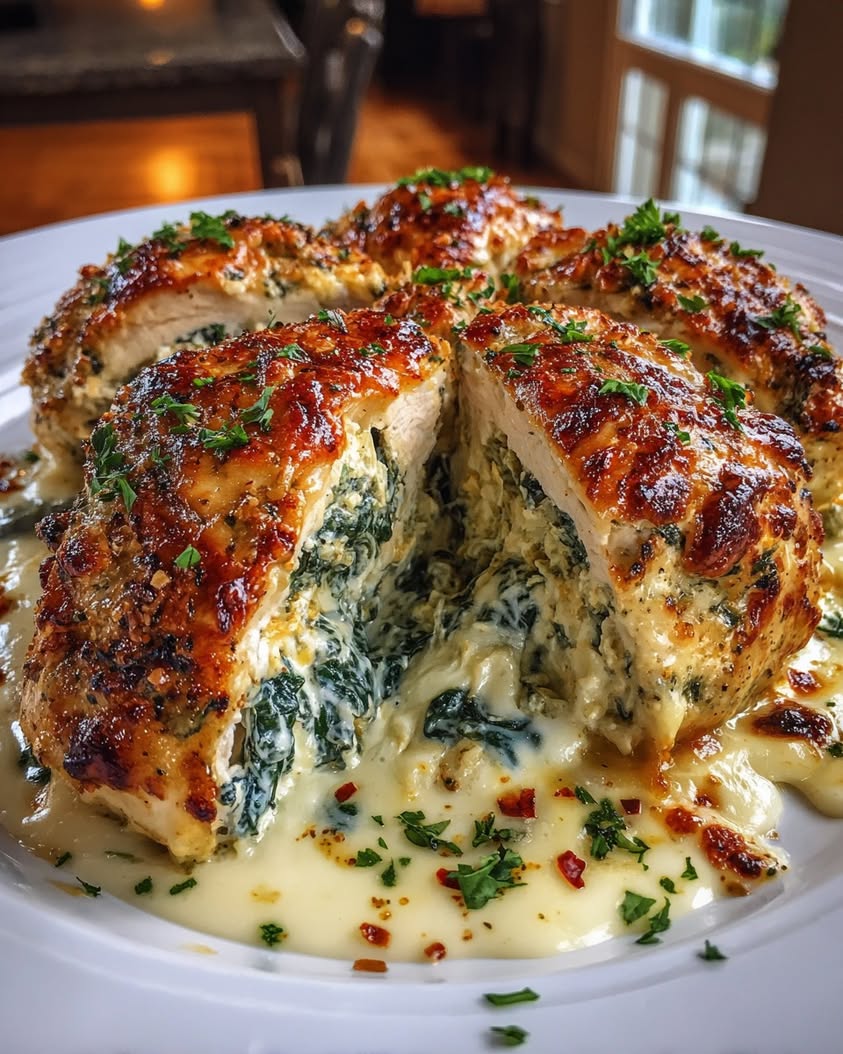
Spinach Artichoke Chicken Bake: Your New Favorite Weeknight Comfort Food
Imagine your favorite restaurant-style spinach artichoke dip, but transformed into a hearty, protein-packed main course. This spinach artichoke chicken bake does exactly that. It combines tender, juicy chicken breasts with a luxuriously creamy, cheesy spinach and artichoke topping. The result is a comforting, flavor-packed dinner that feels indulgent yet comes together with minimal effort. Moreover, it’s a one-pan wonder, meaning you get a spectacular meal without a sink full of dishes.
The magic of this dish lies in its perfect balance. The savory, slightly tangy artichoke hearts mingle beautifully with the earthy spinach. Meanwhile, the creamy cheese sauce binds everything together into a cohesive, bubbly topping. As it bakes, the chicken stays incredibly moist, absorbing all those wonderful flavors. Ultimately, this recipe delivers restaurant-quality taste from your own kitchen in about thirty minutes. It’s the ultimate solution for busy nights when you crave something truly satisfying.
This spinach artichoke chicken bake is more than just a meal; it’s a crowd-pleaser. It appeals to both adults and kids, making family dinners stress-free. Additionally, it’s naturally low in carbs and high in protein, fitting seamlessly into various healthy eating plans. Whether you need a quick weeknight dinner or an impressive dish for casual entertaining, this recipe consistently delivers. Let’s dive into why this easy, cheesy bake deserves a permanent spot in your dinner rotation.
Quick Recipe Highlights
- Flavor Profile: This dish boasts a rich, savory, and tangy flavor. The creamy cheese and garlic provide a decadent base, while the artichokes add a bright, slightly briny note. Consequently, every bite is a complex and satisfying blend of comforting tastes.
- Texture: You experience wonderful textural contrasts. The chicken is tender and juicy, while the topping is luxuriously creamy with pleasant bites from the spinach and artichoke pieces. After baking, the cheese becomes beautifully golden and slightly crisp on top.
- Aroma: While baking, your kitchen fills with the irresistible smell of roasting garlic, melting cheese, and savory herbs. This aromatic promise builds anticipation for the delicious, comforting meal to come.
- Visual Appeal: The bake presents beautifully with a golden-brown, bubbly cheese crust over a vibrant green and white filling. Served in a baking dish, it looks rustic, hearty, and incredibly inviting straight from the oven.
- Skill Level Needed: This is a beginner-friendly recipe. It requires basic skills like seasoning, simple mixing, and baking. No advanced techniques are necessary, making it perfect for novice cooks or anyone seeking a straightforward, reliable dinner.
- Special Equipment: You need only a standard 9×13 inch baking dish and basic kitchen tools like a mixing bowl, spoon, and knife. No special appliances are required, which contributes to its ease and accessibility.
Recipe Overview
- Difficulty Level: We rate this recipe as “Easy” because it involves simple, sequential steps with no complicated techniques. You simply prepare the chicken, mix the topping, assemble, and bake. There’s no fussy searing or intricate sauce-making, making it fail-proof for cooks of all levels.
- Category: This dish falls squarely into the main course category for dinner. It’s a complete protein-and-vegetable meal. Furthermore, it can be considered a comfort food classic and a reliable weeknight dinner solution.
- Cuisine: While spinach and artichoke dip is often associated with American casual dining, this bake is a modern American home cooking creation. It takes a popular appetizer flavor profile and adapts it into a substantial, family-friendly entrée.
- Cost: This is a cost-effective meal. Chicken breasts, frozen spinach, and canned artichokes are budget-friendly staples. Cream cheese and shredded cheese are the primary splurges, but they stretch across four generous servings, keeping the per-plate cost low.
- Season: This recipe is fantastic year-round. It provides cozy warmth in fall and winter. Conversely, in spring and summer, it’s a simple oven meal that doesn’t require standing over a hot stove for hours.
- Occasion: Perfect for busy weeknights, casual weekend family dinners, or potluck gatherings. It’s also excellent for meal prep, as it reheats beautifully for lunches throughout the week.
Why You’ll Love This Recipe
First and foremost, the taste and texture are utterly irresistible. This spinach artichoke chicken bake delivers the beloved flavor of everyone’s favorite dip in a hearty, satisfying format. The chicken stays unbelievably moist and tender because it bakes under a blanket of the creamy spinach artichoke mixture. Each forkful combines juicy protein with the rich, tangy, and savory topping. The melted cheese forms a perfect golden crust that adds a slight crunch. Ultimately, it’s a symphony of comforting flavors and textures that feels like a treat.
From a convenience standpoint, this recipe is a true weeknight hero. It requires just about ten minutes of active prep time. You don’t need to cook anything on the stovetop first. Simply season the chicken, mix the topping ingredients in one bowl, spread it over the chicken, and bake. The oven does all the heavy lifting. Furthermore, it’s a one-pan meal, so cleanup is incredibly minimal. This efficiency makes it possible to have a spectacular, home-cooked dinner on the table even on your busiest evenings.
Nutritionally, this bake packs a powerful punch. Chicken breast is a fantastic source of lean protein, essential for muscle repair and keeping you full. Spinach is a nutrient-dense leafy green, loaded with iron, vitamins A, C, and K, and fiber. Artichokes are rich in antioxidants and fiber as well. By using full-flavored cheeses, you get maximum taste without needing an excessive amount. Therefore, this dish supports a balanced, healthy lifestyle while still feeling indulgent.
For social and entertaining value, this dish is a guaranteed crowd-pleaser. It’s easy to double for a larger group and bakes in a single presentable dish. Guests always love the familiar yet elevated spin on classic flavors. It eliminates the stress of last-minute cooking because you can assemble it ahead of time. Simply pop it in the oven when guests arrive. The delicious aroma will welcome everyone, and the result looks and tastes like you spent far more effort than you actually did.
Finally, its cost-effectiveness and accessibility are major wins. The ingredients are common, affordable, and available at any standard grocery store. You likely have many of the seasonings already in your pantry. It transforms inexpensive staples into a meal that feels special and restaurant-worthy. This accessibility ensures you can make it anytime a craving strikes, without a special trip to the store or breaking the bank.
Historical Background and Cultural Significance
The origin story of this dish is rooted in the American love for spinach and artichoke dip. That iconic dip itself gained massive popularity in chain restaurants across the United States in the 1980s and 1990s. It became a staple of casual dining appetizer menus, beloved for its creamy, cheesy, shareable nature. The spinach artichoke chicken bake is a natural evolution, a clever “hack” by home cooks to transform those beloved dip flavors into a substantial main course. It represents the modern trend of “deconstructing” or reimagining appetizers as full meals.
Culturally, this bake speaks to the desire for comfort and convenience. It combines the nostalgic, communal joy of dipping chips into a warm, cheesy dip with the practical need for a protein-centered dinner. In many ways, it reflects contemporary American home cooking priorities: maximizing flavor while minimizing time and complexity. It’s a dish born from weeknight necessity and a clever use of familiar, pantry-friendly ingredients.
The recipe’s evolution is ongoing. While the core concept remains, countless variations exist online and in community cookbooks. Some versions incorporate sun-dried tomatoes or different cheeses like feta or Gruyère. Others use chicken thighs for more fat and flavor, or add a crunchy breadcrumb topping. This adaptability shows how a simple, successful formula can be personalized. It has moved from a novel idea to a trusted standard in many household recipe collections.
Regarding regional variations, the base recipe is fairly consistent. However, you might find Southern adaptations adding a dash of hot sauce or Cajun seasoning for a kick. In coastal areas, some cooks might add a handful of crabmeat to the topping, bridging it closer to a seafood dip inspiration. These subtle tweaks allow the bake to absorb local flavor preferences while maintaining its essential, comforting character.
Ingredient Deep Dive
Chicken Breasts are the protein foundation. Opt for boneless, skinless breasts of even thickness to ensure uniform cooking. Pound them lightly if needed. Chicken is a historical staple protein worldwide, prized for its versatility and mild flavor that absorbs other ingredients beautifully. Nutritionally, it’s an excellent source of lean protein and B vitamins. For storage, keep raw chicken refrigerated and use within 1-2 days, or freeze for longer storage. For substitution, boneless chicken thighs work wonderfully for a juicier, richer result.
Cream Cheese is the creamy base of the topping. Use full-fat brick cream cheese for the richest texture and best melting properties. Cream cheese originated in the United States in the late 19th century. It provides a tangy, lush creaminess that is essential to the dip-like quality of the bake. It contains fat and protein, contributing to the dish’s satiety. Store it tightly wrapped in the refrigerator. For a lighter version, Neufchâtel cheese can be used. For dairy-free, use a high-quality vegan cream cheese alternative.
Frozen Chopped Spinach is a convenient and nutrient-packed workhorse. Always thaw and thoroughly squeeze it dry to remove excess water; this step is crucial to prevent a soggy bake. Spinach has a long culinary history, from Persian origins to European cultivation. It’s loaded with iron, calcium, and vitamins A and K. Using frozen spinach ensures year-round availability and eliminates the tedious work of cleaning and chopping fresh leaves. You can substitute an equal amount of fresh spinach that has been wilted, cooled, and squeezed dry.
Canned Artichoke Hearts provide the signature tangy, slightly sweet flavor. Use quartered or chopped artichoke hearts packed in water, not oil, and drain them well. Artichokes are ancient thistles cultivated in the Mediterranean. They are a good source of fiber, vitamin C, and folate. Their unique flavor is irreplaceable in this dish. After opening, store unused artichokes in a covered container in the fridge for up to a week. While fresh artichokes can be used, the canned version offers unparalleled convenience for this quick recipe.
Shredded Mozzarella and Parmesan Cheeses create the perfect melt and flavor. A pre-shredded Italian cheese blend works for convenience, but freshly grated cheese melts more smoothly. Mozzarella offers that iconic stretchy, mild melt, while Parmesan adds a salty, nutty depth. Cheese-making dates back thousands of years. These cheeses contribute calcium and protein. Store shredded cheese in the refrigerator. For variations, try adding some shredded Gruyère for complexity or Asiago for sharper flavor.
Common Mistakes to Avoid
- Not Drying the Spinach: Using frozen spinach without thoroughly squeezing out the liquid is the top mistake. Excess water will seep out during baking, creating a watery sauce and steaming the chicken instead of baking it in a creamy environment. Always squeeze the spinach in a clean kitchen towel or with your hands until it’s very dry.
- Using Uneven Chicken: Chicken breasts that vary greatly in thickness will cook unevenly. The thinner parts will overcook and dry out while the thicker parts remain undercooked. To fix this, place the breasts between plastic wrap and gently pound them to an even ½-inch thickness before seasoning.
- Underseasoning the Chicken: The chicken itself needs ample seasoning. Don’t just rely on the flavorful topping. Generously season both sides of the chicken breasts with salt and pepper before adding the spinach artichoke mixture. This ensures every component of the dish is well-seasoned.
- Overmixing the Topping: When combining the cream cheese, spinach, artichokes, and other ingredients, mix just until combined. Overmixing can cause the cream cheese to become gummy and the artichokes to break down too much, resulting in a less textured, homogenous topping.
- Using Cold Cream Cheese: Trying to mix hard, cold cream cheese straight from the fridge is difficult and leads to lumps. Let the cream cheese sit at room temperature for 15-20 minutes before mixing. This allows it to blend smoothly with the other ingredients for a cohesive sauce.
- Skipping the Garlic: Garlic is a non-negotiable flavor builder in this spinach artichoke chicken bake. Using garlic powder instead of fresh minced garlic will result in a less aromatic, more one-dimensional flavor. The quick cook time mellows the fresh garlic perfectly without burning it.
- Overbaking: Baking for too long is the primary cause of dry chicken. Since the chicken is covered, it cooks quickly. The bake is done when the chicken reaches 165°F internally and the topping is bubbly and lightly golden. Use a meat thermometer for perfect results every time.
- Not Letting it Rest: Cutting into the chicken immediately after pulling it from the oven causes the juices to run out onto the plate. Let the bake rest for 5-10 minutes after baking. This allows the juices to redistribute throughout the chicken, ensuring maximum moistness.
Essential Techniques
Thoroughly Draining Vegetables is a critical technique for success. Why is it important? Both frozen spinach and canned artichokes contain significant water. If this water isn’t removed, it will release into your bake during cooking. This dilutes the creamy sauce, prevents proper browning, and can make the chicken steam instead of bake in a rich environment. To master it, thaw the spinach completely, then place it in a clean kitchen towel, gather the edges, and twist tightly over the sink until no more liquid drips out. For artichokes, drain in a colander and press with paper towels. The visual cue for success is spinach that looks crumbly and dry, not clumped and wet.
Creating an Even Cooking Surface with the chicken is another key technique. Why is it important? Boneless chicken breasts naturally have thick and thin ends. Without evening them out, you get uneven cooking—dry thin parts and undercooked thick parts. To master it, place each breast on a cutting board, cover with plastic wrap, and use a rolling pin, meat mallet, or even a heavy skillet to gently pound the thicker end until the entire breast is a uniform ½ to ¾-inch thickness. The common pitfall is pounding too aggressively and tearing the meat. The visual cue is a consistently flat, even piece of chicken that will cook at the same rate.
Proper Assembly and Layering ensures flavor in every bite. Why is it important? Simply dumping the topping on the chicken won’t guarantee the flavors meld or that the chicken stays moist. The technique involves seasoning the chicken directly first, then spreading the creamy mixture evenly over the top, making sure to cover the edges to seal in moisture. To master it, pat the chicken dry first so the seasoning sticks, then use a spoon or spatula to spread the thick topping, creating a sealed layer. The common pitfall is leaving gaps or making the layer too thin in spots. The visual cue is chicken completely covered by a generous, even layer of the spinach artichoke mixture.
Pro Tips for Perfect Spinach Artichoke Chicken Bake
For maximum flavor, sauté your minced garlic in a teaspoon of butter or olive oil for just 30 seconds before adding it to the cream cheese mixture. This quick step mellows the raw bite and deepens the garlic’s aromatic sweetness, adding a more complex base note to the entire dish.
Elevate the texture by adding a simple crispy topping. Mix ¼ cup of panko breadcrumbs with a tablespoon of melted butter and a tablespoon of grated Parmesan. Sprinkle this over the spinach artichoke layer before baking. It adds a delightful crunch that contrasts beautifully with the creamy filling and tender chicken.
Ensure your chicken is perfectly cooked every single time by using an instant-read meat thermometer. Insert it into the thickest part of the breast; the bake is done when it reads 165°F. This prevents guesswork and guarantees juicy, safe-to-eat chicken without overbaking.
If you have a little extra time, marinate the chicken breasts in a simple mixture of olive oil, lemon juice, salt, and pepper for 30 minutes before assembling the bake. This extra step infuses the chicken with brightness and adds an extra layer of flavor that shines through the rich topping.
For a beautifully golden and bubbly top without overcooking the chicken, use the broiler for the final minute or two of cooking. Watch it closely! This gives the cheese that perfect restaurant-style blistering and color that makes the dish look incredibly appetizing.
Let the assembled bake rest for 5-10 minutes after removing it from the oven. This allows the hot, bubbling cheese and cream sauce to settle slightly, making it easier to slice and serve neatly. It also lets the chicken juices redistribute, ensuring every bite is moist.
For easier clean-up, line your baking dish with parchment paper or aluminum foil before adding the chicken. While the dish may not be as “one-pan” visually, it makes washing up a breeze, as any baked-on cheese or sauce will lift right off with the liner.
Variations and Adaptations
For regional variations, consider a Southwest spin by adding a 4-ounce can of diced green chiles and swapping half the mozzarella for pepper jack cheese. Alternatively, a Mediterranean version could include crumbled feta, kalamata olives, and a sprinkle of dried oregano in the topping. These twists transport the basic recipe to different flavor worlds while keeping the method identical.
Seasonal adaptations are simple. In summer, garnish the finished bake with fresh chopped tomatoes and basil for a bright, fresh contrast. During the fall, incorporate a few tablespoons of finely chopped roasted red peppers or sun-dried tomatoes into the mixture for a deeper, autumnal sweetness that complements the creamy base.
Dietary modifications are straightforward. For a gluten-free version, ensure all packaged ingredients are certified gluten-free and use a gluten-free crispy topping if desired. For a keto or ultra-low-carb bake, simply omit any breadcrumb topping and confirm your artichokes and cream cheese have no added sugars.
Flavor variations can keep this recipe exciting. Add a teaspoon of Italian seasoning or a pinch of red pepper flakes to the cream cheese mixture. Stir in a tablespoon of pesto for an herbal punch. Or, mix in ½ cup of cooked, crumbled bacon for a smoky, salty dimension that pairs wonderfully with the spinach and artichoke.
Texture modifications can cater to personal preference. For a smoother topping, pulse the drained spinach and artichokes in a food processor a few times before mixing with the cream cheese. For more chunkiness, roughly chop the artichokes and leave the spinach as-is after squeezing. Adding chopped water chestnuts can introduce an unexpected, pleasant crunch.
Presentation alternatives include making individual portions. Use smaller, shallow ramekins or oven-safe baking dishes for each chicken breast. This is elegant for dinner parties. You can also slice the baked chicken and serve it over a bed of pasta, rice, or zucchini noodles, spooning the extra creamy sauce from the dish over the top.
Serving and Presentation Guide
Plating techniques matter for turning this simple bake into a restaurant-worthy meal. For individual plates, use a sharp knife or spatula to lift a portion of chicken with its topping onto the plate. Spoon any extra sauce from the baking dish around or over the chicken. Angle the chicken slightly for height and visual interest. For family-style service, bring the baking dish directly to the table on a trivet; its rustic, bubbly appearance is part of the appeal.
Garnishing ideas add the final touch of freshness and color. A light sprinkle of chopped fresh parsley, chives, or basil provides a green contrast against the golden cheese. A light dusting of paprika or a few grinds of black pepper adds visual depth. A small lemon wedge on the side allows guests to add a bright, acidic pop if they desire, which cuts through the richness beautifully.
Traditional accompaniments keep the meal simple and focused. Since the bake is rich and flavorful, simple sides work best. A crisp green salad with a light vinaigrette is the classic pairing, providing a refreshing contrast. Alternatively, steamed or roasted vegetables like asparagus, green beans, or broccoli complement the dish without competing for attention.
Modern serving suggestions might include cauliflower rice or zucchini noodles for a low-carb, grain-free meal that soaks up the sauce. For a heartier option, serve it alongside crusty garlic bread or a baguette for dipping into the creamy remnants in the dish. This brings the experience full circle back to the dip inspiration.
Temperature considerations are key. Serve the bake hot, straight from the oven after its brief rest. The cheese should be molten and the sauce bubbling. Ensure your serving plates are warm to prevent the dish from cooling too quickly. If serving family-style, remind guests that the baking dish is extremely hot.
Portion control tips are helpful given the dish’s richness. A standard chicken breast half with a generous scoop of topping is a satisfying serving for most adults. For lighter appetites or as part of a larger meal spread, you can slice the chicken and serve smaller portions. The recipe easily serves four, but can be stretched to six with the addition of more substantial side dishes.
Wine and Beverage Pairing
Wine pairings should complement the dish’s creamy, savory, and slightly tangy profile. A crisp, unoaked Chardonnay is an excellent choice. Its bright acidity cuts through the richness of the cheese, while its citrus notes harmonize with the artichoke. Alternatively, a Pinot Gris or a dry Riesling offers a similar balancing effect with their fruity acidity. For red wine lovers, a light-bodied, low-tannin red like a Pinot Noir works surprisingly well; its red fruit flavors won’t overpower the chicken and its acidity can handle the creaminess.
Non-alcoholic alternatives are just as important. Sparkling water with a squeeze of lemon or lime provides a palate-cleansing effervescence. For something more substantial, an herbal iced tea, like lemon verbena or mint, offers a refreshing counterpoint. A tart cherry juice spritzer (mixed with club soda) can mimic the acidity and fruitiness of a good wine pairing without the alcohol.
Coffee and tea pairings are more relevant for leftovers or if serving the dish for a cozy weekend lunch. A medium-roast coffee with low acidity won’t clash with the savory flavors. For tea, a green tea like Sencha or a white tea provides a clean, slightly astringent finish that can cleanse the palate after the rich, cheesy bake.
Temperature considerations are universal. White wines and non-alcoholic sparklers should be served well-chilled. Red wines should be served slightly cooler than room temperature, perhaps 15-20 minutes in the fridge. Iced beverages should be cold but not watered down; use large ice cubes to prevent rapid dilution. The goal is to have a refreshing, temperature-contrasting drink alongside the hot, baked dish.
Serving suggestions include offering a choice. When entertaining, set out a bottle of white and a bottle of red, plus a pitcher of a signature non-alcoholic spritzer. This allows guests to choose their preferred pairing. Always serve water alongside any other beverage to keep everyone hydrated, especially since the dish is savory and cheesy.
Storage and Shelf Life
Storage methods are straightforward for leftovers. Allow the bake to cool completely to room temperature, which should take no more than an hour. Do not leave it out for more than two hours total. Transfer portions to an airtight container, or cover the entire baking dish tightly with plastic wrap or aluminum foil. Properly stored, leftovers will last in the refrigerator for 3-4 days.
Temperature requirements are critical for food safety. The baked dish must be refrigerated at 40°F or below. If you need to cool it more quickly before refrigerating, you can portion it into smaller, shallow containers. This reduces the time it spends in the “danger zone” between 40°F and 140°F where bacteria can multiply rapidly.
Container recommendations include glass meal-prep containers with tight-fitting lids, which are ideal for portioning and reheating. If keeping it in the original baking dish, ensure the wrap is sealed tightly over the entire top to prevent the chicken from drying out and to contain odors in your fridge.
Signs of spoilage are important to recognize. Discard leftovers if you notice an off or sour smell, a significant change in texture (like excessive sliminess), or any visible mold. When in doubt, throw it out. The creamy dairy components make this dish more perishable than a plain baked chicken.
Reheating instructions are key to enjoying leftovers. The best method is to reheat portions in the oven at 350°F until warmed through, about 10-15 minutes. You can add a splash of chicken broth or water to the dish to prevent drying. The microwave works in a pinch; use a medium power setting and cover the dish to retain moisture, stirring the topping if possible.
Freezing guidelines are possible but with caveats. You can freeze the fully assembled and baked dish for up to 2 months. Thaw overnight in the refrigerator before reheating. Note that the texture of the creamy sauce may separate slightly upon thawing and reheating; it will still taste good but may be less smooth. For best results, freeze before baking: assemble the dish in a freezer-safe container, wrap tightly, and freeze. Bake from frozen, adding 15-20 minutes to the cooking time.
Make Ahead Strategies
Prep timeline for maximum convenience: You can prepare the entire spinach artichoke chicken bake up to 24 hours in advance. Simply assemble the dish completely—chicken in the dish, topping spread evenly—cover it tightly with plastic wrap, and refrigerate. When ready to cook, remove it from the fridge while you preheat the oven, then bake as directed, possibly adding 5-10 extra minutes since it’s starting cold.
Storage between steps is simple. The creamy topping mixture can be made up to two days ahead and stored separately in an airtight container in the fridge. The chicken can also be seasoned and stored separately. This allows for ultra-quick assembly on a busy weeknight: just place the chicken in the dish, spread the cold topping over it, and bake.
Quality impact assessment of make-ahead prep is generally positive. The flavors actually have time to meld and develop when assembled ahead, which can enhance the final taste. The key is ensuring the chicken is well-covered by the topping to prevent it from drying out even in the fridge. The texture of the baked result is virtually identical to a freshly assembled bake.
Assembly tips for make-ahead: If assembling a day ahead, press a piece of plastic wrap directly onto the surface of the spinach artichoke topping before covering the whole dish. This creates a better seal and prevents a skin from forming on the cream cheese mixture. Also, let the cream cheese mixture soften slightly at room temperature before spreading it over the chicken if it has been refrigerated; it will be much easier to work with.
Reheating guidelines for a fully pre-made and baked dish are the same as for leftovers. The oven method is superior for restoring texture. If you made and baked the dish ahead, let it cool, store it, and then reheat covered with foil in a 325°F oven until hot throughout, about 20 minutes.
Fresh element additions can be incorporated after a make-ahead bake. If you’ve prepared the dish ahead and baked it, consider adding a fresh garnish after reheating. Sprinkle with fresh herbs or a little extra grated Parmesan right before serving to add a pop of freshness and texture that wasn’t lost during storage and reheating.
Scaling Instructions
Halving the recipe is easy for smaller households. Use two chicken breast halves. Halve all other ingredient quantities precisely. Use a smaller baking dish, like an 8×8 inch square pan, to ensure the topping layer remains appropriately thick and covers the chicken. The bake time may be reduced by 5-7 minutes, so start checking for doneness early with a meat thermometer.
Doubling or tripling for a crowd works perfectly. Double or triple all ingredients. Use two separate 9×13 inch baking dishes to avoid overcrowding, which leads to steaming and uneven cooking. You may need to rotate the dishes in the oven halfway through baking for even browning. The total bake time could increase slightly, so rely on the internal temperature of the chicken (165°F) as your guide.
Equipment adjustments are necessary when scaling. For a doubled recipe, ensure you have a large enough mixing bowl for the topping. When tripling, you may need to mix the topping in batches. Having multiple baking dishes of the same size is ideal for consistent results. If stacking dishes in the oven, ensure there is good air circulation between racks.
Timing modifications are minimal when scaling up or down. The primary factor is the thickness of the chicken and the depth of the topping in the dish, not the total volume. Therefore, the bake time does not scale linearly. A doubled recipe in two separate dishes will cook in roughly the same time as a single batch. Always use a meat thermometer to confirm doneness rather than strictly following the clock.
Storage considerations for scaled recipes: If you make a large batch, ensure you have adequate refrigerator space for storing leftovers in shallow containers. For freezing, portion the baked dish into meal-sized amounts before freezing for easier thawing and reheating later on.
Nutritional Deep Dive
Macro breakdown per serving is favorable for balanced eating. A typical serving provides a high amount of protein from the chicken and cheese, essential for satiety and muscle maintenance. The fats come primarily from the cream cheese and mozzarella, offering satiety and carrying flavor. Carbohydrates are relatively low and come mainly from the fibrous vegetables (spinach and artichokes), making this a naturally lower-carb meal option.
Micronutrient analysis reveals a wealth of vitamins and minerals. Spinach contributes significant amounts of Vitamin K for bone health, Vitamin A for vision and immunity, and iron. Artichokes are a good source of folate and vitamin C. Chicken provides B vitamins, particularly niacin and B6, which are crucial for energy metabolism. The cheese adds calcium for bone strength.
Health benefits are numerous. The high protein and moderate fat content promote fullness, which can aid in weight management by preventing overeating. The fiber from the vegetables supports digestive health. The nutrients support immune function, bone health, and energy production. This dish is a great example of how comforting food can also be nutrient-dense.
Dietary considerations are easily addressed. The recipe is naturally gluten-free if you check your artichoke labels. It’s high in protein, moderate in fat, and low in carbs. For those on specific plans like keto, the carb count is primarily from fiber, making the net carb count very manageable. It is not suitable for vegan or dairy-free diets without significant modifications.
Portion analysis shows that one chicken breast half with topping is a satisfying and reasonable portion. For those actively managing calorie intake, you can further control portions by using slightly smaller chicken breasts or dividing one large breast between two servings, focusing on the vegetable-rich topping to provide volume and satisfaction.
Weight management tips include pairing this bake with a large side salad filled with non-starchy vegetables to increase volume and fiber without adding many calories. Using reduced-fat cream cheese and part-skim mozzarella can lower the calorie and fat content slightly, though full-fat versions provide more satiety. The key is that the dish is inherently filling, which helps prevent snacking later.
Dietary Adaptations
For a gluten-free adaptation, this recipe is naturally gluten-free. The only potential source of gluten could be in canned artichokes (if packed with flavorings) or pre-shredded cheese (which sometimes contains anti-caking agents). Simply ensure you use brands that are certified gluten-free. Any added crispy topping should be made with gluten-free breadcrumbs or crushed pork rinds.
For a dairy-free version, replace the cream cheese with a high-quality, firm vegan cream cheese alternative. Substitute the shredded mozzarella and Parmesan with your favorite vegan melting cheeses; brands that shred and melt well are now widely available. Be aware that the flavor profile will be different but can still be delicious. Nutritional yeast can be added to the topping for a cheesy, umami flavor boost.
For a vegan adaptation, replace the chicken with thick slices of extra-firm tofu, pressed and patted dry, or with large portobello mushroom caps. Use the dairy-free cheese substitutions mentioned above. You may want to increase the garlic and herb seasoning to compensate for the milder base. The baking time may be less; cook until the topping is bubbly and the plant-based base is heated through.
For a keto adaptation, this recipe is already excellent. Confirm that your cream cheese and canned artichokes have no added sugars. Omit any breadcrumb topping. For an even higher fat content, use chicken thighs instead of breasts. You can also stir a tablespoon of mayonnaise into the cream cheese mixture for extra richness and fat.
For a paleo adaptation, it’s more challenging due to the dairy. Replace the cream cheese with a mixture of coconut cream (the thick part from a can of full-fat coconut milk) and a little tapioca starch to help it thicken. Omit the shredded cheese entirely, or use a paleo-friendly “cheese” sauce made from nutritional yeast, cashews, and spices. Ensure your artichokes are packed in water without preservatives.
For a low-FODMAP adaptation, this requires careful modification. Use garlic-infused oil instead of fresh garlic for flavor. Use only the green tops of scallions instead of garlic. Ensure the cream cheese is lactose-free (many are naturally very low in lactose). Artichoke hearts are high in FODMAPs (fructans), so they must be limited; use a small amount (maybe ¼ cup per whole recipe) or omit them entirely and add other low-FODMAP veggies like red bell pepper.
PrintSpinach Artichoke Chicken Bake
Description
A creamy, cheesy baked chicken dish with spinach and artichokes, perfect for a comforting family dinner.
Ingredients
For the Crust:
- 4 boneless, skinless chicken breasts
- 1 cup chopped spinach (fresh or thawed frozen)
- 1 cup canned artichoke hearts, drained and chopped
- 8 oz cream cheese, softened
- 1/2 cup sour cream
- 1/2 cup grated Parmesan cheese
- 1 cup shredded mozzarella cheese
- 2 cloves garlic, minced
- 1 tsp Italian seasoning
- Salt and pepper to taste
- 1 tbsp olive oil
Instructions
1. Prepare the Crust:
- Preheat oven to 375°F (190°C). Lightly grease a 9×13 inch baking dish.
- Season chicken breasts with salt and pepper. In a large skillet, heat olive oil over medium-high heat and sear chicken for 3-4 minutes per side until golden. Transfer to the baking dish.
- In a mixing bowl, combine spinach, artichoke hearts, cream cheese, sour cream, Parmesan, garlic, and Italian seasoning. Mix until smooth and well blended.
- Spread the spinach-artichoke mixture evenly over the chicken breasts in the baking dish. Top with shredded mozzarella cheese.
- Bake uncovered for 25-30 minutes, until chicken is cooked through and cheese is bubbly and golden. Let rest for 5 minutes before serving.
Notes
You can customize the seasonings to taste.

I’m Shaykee—born in Morocco, seasoned across continents. From airplane galleys to home kitchens, I share the flavors and stories that shaped my journey.