
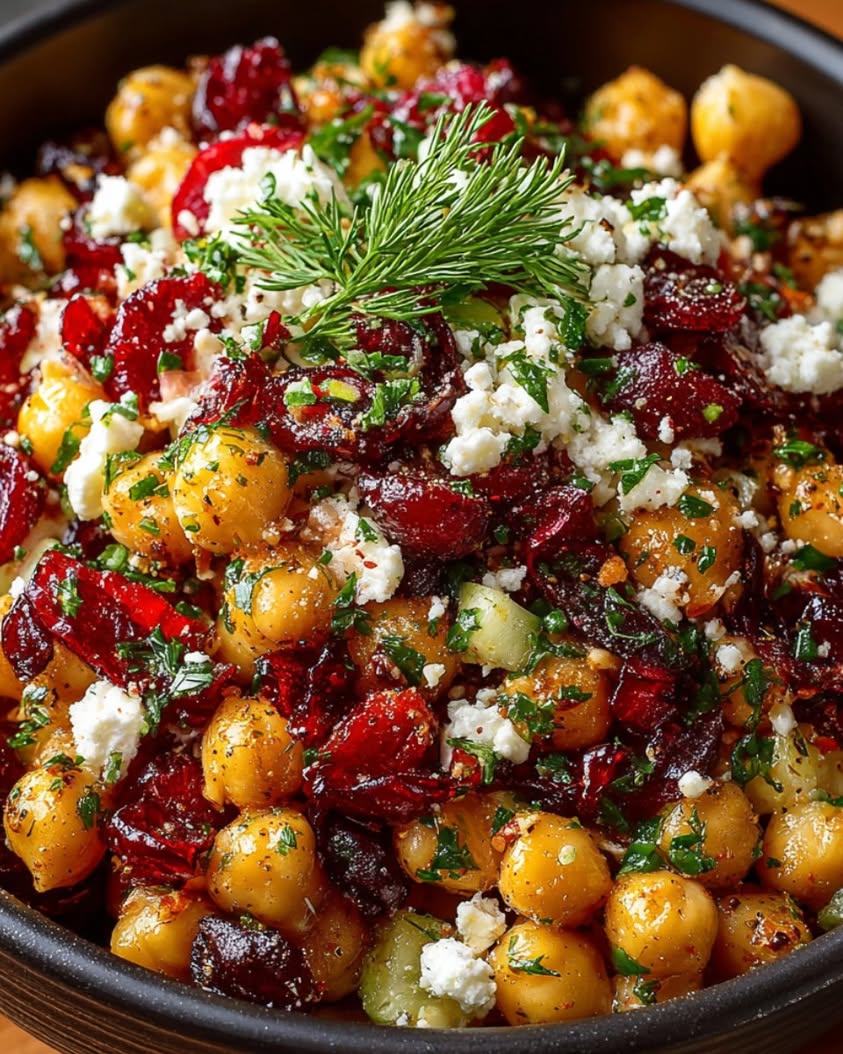
Feta and Cranberry Chickpeas with Lemon Vinaigrette: A Vibrant, Protein-Packed Power Dish
Imagine a dish that bursts with flavor in every single bite, a dish that combines creamy, salty, sweet, and tangy notes into a perfect harmony. This recipe for feta and cranberry chickpeas with lemon vinaigrette is exactly that. It is a vibrant, no-cook salad that comes together in mere minutes, yet it delivers a sophisticated and satisfying eating experience. Whether you need a quick lunch, a standout side dish for a dinner party, or a reliable component for your weekly meal prep, this recipe is your new go-to solution.
The beauty of this dish lies in its stunning simplicity and its powerful nutritional profile. Chickpeas provide a hearty, plant-based protein and fiber base, while the feta cheese adds a rich creaminess. Meanwhile, the dried cranberries contribute delightful pops of sweetness that cut through the savory elements. Ultimately, everything is brought together by a bright, zesty lemon vinaigrette that ties all the flavors together beautifully. This combination creates a meal that is as pleasing to the eye as it is to the palate, featuring a gorgeous mosaic of white, red, and golden hues.
Furthermore, this feta and cranberry chickpeas recipe is incredibly versatile. You can serve it over a bed of fresh greens for a light salad, stuff it into a pita for a hearty wrap, or enjoy it straight from the bowl as a protein-packed snack. Its make-ahead nature means the flavors have time to meld and intensify, making it even more delicious the next day. Consequently, this dish is a true testament to how a few quality ingredients can transform into something extraordinary with minimal effort.
Quick Recipe Highlights
- Flavor Profile: This dish masterfully balances tangy feta cheese with sweet dried cranberries, all coated in a bright, herbaceous lemon vinaigrette. The savory chickpeas act as a neutral canvas, allowing the bold flavors to shine while providing a satisfying, earthy base.
- Texture: You will enjoy a wonderful contrast of textures, from the firm yet tender bite of the chickpeas to the creamy crumble of the feta and the pleasing chew of the cranberries. The vinaigrette adds a light, coating mouthfeel that brings everything together without being heavy.
- Aroma: The immediate scent is the fresh, citrusy zing of lemon zest and juice, followed by the earthy fragrance of extra virgin olive oil and the subtle, savory note of minced red onion. These aromas promise a clean, bright, and appetizing dish.
- Visual Appeal: This salad is a feast for the eyes with its colorful composition. The creamy white feta, vibrant red cranberries, and golden chickpeas create a visually stunning dish that looks elegant on any table, whether for a casual meal or a special occasion.
- Skill Level Needed: Absolutely beginner-friendly. This recipe requires no cooking, just simple mixing and chopping. If you can use a can opener, a knife, and a whisk, you can successfully create this impressive and healthy chickpea salad.
- Special Equipment: No special tools are required. You only need basic kitchen equipment: a mixing bowl, a whisk or fork for the vinaigrette, a sharp knife, and a cutting board. A microplane or fine grater for the lemon zest is helpful but not essential.
Recipe Overview
- Difficulty Level: We classify this recipe as “Easy” because it involves zero cooking techniques. The process consists entirely of assembly: draining and rinsing canned chickpeas, crumbling cheese, chopping herbs and onion, and whisking a simple dressing. There is no heat application or precise timing to worry about, making it foolproof for cooks of all levels.
- Category: This dish fits perfectly into multiple categories. It is a stellar vegetarian main course salad, a fantastic side dish for grilled meats or fish, and an excellent component for meal prep. Additionally, it can be used as a flavorful filling for wraps, sandwiches, or as a topping for grain bowls.
- Cuisine: While not tied to one specific tradition, this recipe draws inspiration from Mediterranean and Middle Eastern culinary styles, which frequently celebrate chickpeas, fresh herbs, lemon, and olive oil. The use of feta cheese points directly to Greek influences, creating a fusion that is both familiar and exciting.
- Cost: This is a very budget-friendly recipe, especially when using canned chickpeas. The main costs are the block of feta cheese and the dried cranberries, both of which are typically affordable and used in modest quantities. Overall, you can create four generous servings for just a few dollars, making it an economical choice for families.
- Season: This feta and cranberry chickpeas salad is truly a year-round champion. Its bright flavors are perfect for spring and summer picnics, while its hearty base makes it satisfying for fall and winter meals. It is especially welcome during the holiday season when cranberries are a festive favorite.
- Occasion: Ideal for quick weeknight dinners, potlucks, and barbecues where it stands out among heavier dishes. It is also elegant enough for holiday gatherings, baby or bridal showers, and as part of a brunch spread. Its make-ahead quality makes it a stress-free choice for entertaining.
Why You’ll Love This Recipe
First and foremost, the taste and texture appeal of this dish is undeniable. Every forkful delivers a complex symphony of flavors: the salty, creamy punch of the feta, the sudden sweet tang of the cranberry, the mild earthiness of the chickpea, and the bright, aromatic finish of the lemon vinaigrette and fresh parsley. This combination is incredibly moreish and satisfying. The textures are equally engaging, providing a pleasant chew that makes you slow down and savor each bite. It is a dish that feels both indulgent and wholesome, a rare and delightful balance.
From a convenience standpoint, this recipe is a true lifesaver. With no cooking required, it comes together in about fifteen minutes, making it faster than ordering takeout. It is the ultimate “throw together” meal for busy evenings. Moreover, it is a meal prep superstar. You can make a large batch on Sunday, and it will taste even better by Tuesday as the flavors continue to marry in the refrigerator. This makes healthy eating during a hectic week not just possible, but effortless and enjoyable.
Nutritionally, this feta and cranberry chickpeas salad is a powerhouse. Chickpeas are loaded with plant-based protein and fiber, which promote satiety and support digestive health. Feta cheese provides calcium and protein, while the olive oil in the vinaigrette offers heart-healthy monounsaturated fats. The cranberries add antioxidants and a touch of natural sweetness. Together, they create a balanced meal that fuels your body without weighing you down, aligning perfectly with a mindful approach to eating.
For social and entertaining value, this salad is a guaranteed crowd-pleaser. Its vibrant colors make it a beautiful addition to any table, and its familiar yet elevated flavors appeal to a wide range of palates. It is vegetarian-friendly, which is great for mixed-diet gatherings, and it can easily be doubled or tripled to feed a crowd. Bringing this dish to a potluck ensures you will come home with an empty bowl and likely a few requests for the recipe.
Finally, its cost-effectiveness and accessibility are major wins. The ingredients are pantry staples and widely available in any standard grocery store. Using canned chickpeas eliminates the need for soaking and boiling dried beans, saving both time and energy. You can create a restaurant-quality, nutritious meal for a fraction of the cost of dining out. This recipe proves that eating well does not have to be complicated or expensive, making healthy, flavorful food accessible to everyone.
Historical Background and Cultural Significance
The story of this dish begins with its individual components, each with a rich history. Chickpeas, or garbanzo beans, are one of the earliest cultivated legumes, with origins tracing back over 7,000 years to the Middle East and Mediterranean region. They were a staple in ancient diets from Rome to Greece to Egypt, valued for their durability, nutrition, and versatility. The practice of combining chickpeas with herbs, oil, and acid forms the bedrock of countless traditional salads and spreads, like the famous Lebanese hummus or Italian ceci bean salads.
Feta cheese brings its own deep cultural significance to the recipe. As a protected designation of origin (PDO) product, authentic feta must be made in specific regions of Greece from sheep’s milk or a blend with goat’s milk. Its history dates back to the Byzantine era, and its characteristic salty, tangy flavor has defined Greek cuisine for centuries. Incorporating feta into a chickpea salad is a natural fusion, marrying the legume staple of the broader region with the iconic cheese of Greece.
The evolution of this specific recipe is a modern tale of global fusion cooking. While chickpeas and feta have ancient roots, the addition of sweet dried cranberries is a contemporary, likely North American, influence. This addition reflects a modern palate that enjoys contrasting sweet and savory flavors. The lemon vinaigrette, however, is a classic preparation from French cuisine, demonstrating how global culinary techniques can come together to create something new and exciting. This dish is a beautiful example of how recipes evolve by crossing borders and borrowing from different traditions.
Regional variations of this concept are endless. In the Eastern Mediterranean, you might find a similar salad with chopped tomatoes, cucumbers, and mint, omitting the cranberries. In parts of the Middle East, pomegranate molasses might replace the lemon for a different kind of tangy sweetness. Some modern interpretations add quinoa or bulgur for extra bulk, or swap the feta for goat cheese or halloumi. This adaptability is a testament to the strong foundational flavors of the chickpea and lemon pairing, which can support a wide array of additions and inspirations.
Ingredient Deep Dive
Chickpeas (Garbanzo Beans): Chickpeas are nutritional champions, packed with protein, fiber, iron, and folate. Historically, they sustained ancient civilizations across the Mediterranean and Asia. For this recipe, canned chickpeas are perfectly convenient. Look for low-sodium varieties if you are monitoring salt intake. Always rinse and drain them thoroughly to remove the starchy canning liquid, which improves texture and digestibility. For a superior texture, you can peel the chickpeas by rubbing them in a towel, but this is optional. You can substitute with white beans like cannellini for a slightly different flavor and creamier texture.
Feta Cheese: Authentic Greek feta, made from sheep’s milk, offers a superior creamy texture and balanced tang compared to cow’s milk versions. It is a good source of calcium and protein. When selecting feta, buying a block stored in brine is always better than pre-crumbled cheese, as it stays moist and flavorful longer. Crumble it yourself just before adding to the salad. For storage, keep the block submerged in its brine in the refrigerator. For a dairy-free version, a firm, salty tofu or a vegan feta alternative can work, though the flavor profile will shift.
Dried Cranberries: Unlike fresh cranberries, dried cranberries are sweetened and chewy, providing the necessary sweet contrast. They contain antioxidants like proanthocyanidins. For a healthier option, seek out unsweetened or fruit-juice-sweetened varieties. If cranberries are not available, other dried fruits like chopped apricots, cherries, or golden raisins make excellent substitutes. For a more savory profile, you could use chopped sun-dried tomatoes. Store dried cranberries in a cool, dark pantry in a sealed container to prevent them from hardening.
Lemon (Juice and Zest): The lemon is non-negotiable for the vinaigrette’s bright character. Always use fresh lemon juice; bottled juice often has preservatives and lacks vibrancy. The zest contains essential oils that provide intense citrus aroma without acidity. To maximize juice yield, roll the lemon firmly on the counter before cutting and juicing. A microplane grater is ideal for zesting without catching the bitter white pith. In a pinch, you could substitute with another citrus like lime or a mild vinegar like white wine vinegar, but you will lose the distinctive lemon fragrance.
Extra Virgin Olive Oil: This is the backbone of the vinaigrette. A good quality, fruity extra virgin olive oil will elevate the entire dish. It carries the flavors and adds a luxurious mouthfeel. Look for oil bottled in dark glass and store it in a cool, dark place to prevent rancidity. For the best flavor, avoid using “light” olive oil. If you need a substitute, a neutral oil like avocado oil can work, but you will sacrifice the classic Mediterranean flavor. The olive oil also helps the salad keep well, as it coats the ingredients and prevents them from drying out.
Common Mistakes to Avoid
- Not Rinsing the Chickpeas: Skipping the rinse leaves a starchy, sometimes metallic-tasting liquid on the beans. This can make the salad gloppy and affect the clean flavor of the vinaigrette. Always drain and rinse canned chickpeas under cold water in a colander until the water runs clear.
- Using Pre-Crumbled Feta: Pre-crumbled feta is often coated in anti-caking agents that can make it dry and chalky. It also lacks the creamy, moist texture of a block feta crumbled by hand. For the best flavor and texture, always buy a block of feta in brine and crumble it yourself just before adding.
- Overlooking the Lemon Zest: The zest is where the powerful citrus aroma lives. Using only the juice provides acidity but misses the fragrant oils that make the dressing truly special. Always zest your lemon before you juice it for maximum flavor impact.
- Adding the Dressing Too Early for Immediate Serving: If you plan to eat the salad right away, add the dressing just before serving. Adding it too far in advance can cause the chickpeas to soften and the fresh parsley to wilt slightly, diminishing the best textures.
- Using a Bland Olive Oil: The vinaigrette has few ingredients, so each one counts. A low-quality or flavorless olive oil will result in a flat, uninspiring dressing. Invest in a decent bottle of extra virgin olive oil you enjoy tasting on its own.
- Chopping the Red Onion Too Coarsely: Large chunks of raw red onion can be overpowering. Mincing them finely ensures their sharp, sweet flavor distributes evenly throughout the salad without dominating any single bite.
- Forgetting to Season the Dressing: The vinaigrette needs salt and pepper to balance the acidity of the lemon. Always taste your dressing and adjust the seasoning before tossing it with the salad. Remember, the feta is salty, so season judiciously.
- Storing the Salad Improperly: If making ahead, store it in an airtight container in the refrigerator. Do not leave it at room temperature for extended periods, as the dairy and fresh ingredients can spoil. A proper container also prevents the salad from absorbing other odors from the fridge.
Essential Techniques
Making an Emulsified Vinaigrette: The goal is to temporarily blend the oil and lemon juice into a cohesive dressing. Start by whisking the lemon juice, zest, and Dijon mustard (if using) together vigorously. The mustard acts as an emulsifier. Then, while whisking constantly, slowly drizzle in the olive oil in a thin, steady stream. This gradual incorporation helps the two liquids bind. The result should be a slightly thickened, homogenous mixture. If you add the oil all at once, it will separate quickly. For an even easier method, you can shake all the dressing ingredients in a tightly sealed jar.
Creamy Feta Crumbling: For perfect crumbles, start with cold feta straight from the refrigerator. Use your fingers to break off small pieces, applying gentle pressure. Alternatively, you can use a fork to press and break the block apart. Aim for varied sizes, from small crumbs to pea-sized pieces, for interesting texture. Avoid using a knife to cube it, as crumbled edges better catch the dressing. If the feta seems too soft or sticky, chilling it in the freezer for 10 minutes can make crumbling easier.
Balancing Sweet and Savory: This recipe’s magic lies in the contrast between the salty feta and sweet cranberries. The key technique is distribution. Ensure the cranberries and feta are evenly scattered throughout the chickpeas so each spoonful gets both elements. Taste as you assemble. If the salad seems too savory, add a few more cranberries. If it’s too sweet, add another sprinkle of feta or a pinch of salt. The lemon vinaigrette is the mediator that bridges these two opposing flavors seamlessly.
Pro Tips for Perfect Feta and Cranberry Chickpeas
First, toast your chickpeas for a game-changing texture. After rinsing and drying them thoroughly, toss them in a teaspoon of olive oil and a pinch of salt. Then, roast them on a baking sheet at 400°F for 15-20 minutes until slightly crispy. This adds a nutty depth and prevents any mushiness in the salad.
Second, let the dressed salad rest. If you are making it ahead, cover and refrigerate it for at least 30 minutes before serving. This allows the chickpeas to absorb the vinaigrette flavors and the sharpness of the red onion to mellow slightly, creating a more harmonious overall taste.
Third, freshen it up before serving. After its rest in the fridge, give the salad a final stir and taste. Often, a fresh squeeze of lemon juice or a new sprinkle of chopped parsley right before serving can brighten the flavors that may have settled during storage.
Fourth, control the salt. Since feta is quite salty, be cautious when adding extra salt to the dressing. It is best to season the dressing lightly, toss the salad, then taste and add more salt only if needed after the feta has been incorporated.
Fifth, use the leftovers creatively. Mash the leftover salad slightly with a fork and use it as a flavorful spread for crackers or sandwiches. You can also warm it gently in a pan and serve it over rice or couscous for a warm meal.
Sixth, customize your herbs. While parsley is classic, feel free to experiment. Fresh dill, mint, or basil can add completely different and wonderful aromatic dimensions to the dish. Just make sure to use tender, fresh herbs for the best effect.
Variations and Adaptations
For regional variations, consider a Middle Eastern twist by adding chopped mint, a pinch of sumac to the dressing, and swapping cranberries for pomegranate arils. A Mediterranean version could include diced cucumber, Kalamata olives, and cherry tomatoes. For a more substantial meal, stir in cooked quinoa, farro, or orzo pasta to transform the salad into a hearty grain bowl.
Seasonal adaptations are simple and rewarding. In summer, add fresh sweet corn kernels or diced peaches. For autumn, incorporate roasted cubed butternut squash and swap the cranberries for dried apples. In spring, fresh peas and asparagus tips bring a lovely green vibrancy. These changes keep the recipe exciting throughout the year.
Dietary modifications are straightforward. For a vegan version, use a plant-based feta alternative and ensure your dried cranberries are sweetened without animal products. To make it gluten-free, simply confirm all packaged ingredients are certified GF, which they typically are. For a lower-fat option, reduce the olive oil slightly and use a reduced-fat feta, though this will alter the creamy texture.
Flavor variations can take this salad in new directions. Add a teaspoon of harissa paste to the vinaigrette for a spicy kick. Incorporate toasted nuts like walnuts or sliced almonds for crunch. A tablespoon of capers or chopped cornichons can introduce a briny, pickle-like note that complements the feta beautifully.
Serving and Presentation Guide
Plating techniques matter for visual appeal. For individual servings, use a ring mold to create a neat, cylindrical stack of the salad in the center of a plate. Alternatively, serve it in a shallow, wide bowl to show off the colorful ingredients. For a family-style presentation, a clear glass salad bowl is perfect, as it allows the layers of color to be visible from the outside.
Garnishing is the final touch. A final drizzle of high-quality olive oil over the top adds shine. A few whole parsley leaves, extra feta crumbles, or a sprinkle of lemon zest make the dish look professionally finished. For special occasions, edible flowers like nasturtiums add a stunning, elegant touch.
Traditional accompaniments include warm pita bread or crusty baguette for scooping. It also pairs wonderfully with grilled halloumi cheese, lamb chops, or simply over a bed of peppery arugula. For a complete mezze platter, serve it alongside hummus, baba ganoush, olives, and stuffed grape leaves.
Modern serving suggestions include using the salad as a topping for baked sweet potatoes, stuffing it into avocado halves, or layering it in a jar with greens for a portable lunch. It also makes an excellent filling for lettuce wraps or whole-wheat tortillas for a quick, hand-held meal.
Wine and Beverage Pairing
Wine pairings should complement the salad’s bright acidity and salty-sweet profile. A crisp, dry white wine like Sauvignon Blanc or Pinot Grigio mirrors the lemon’s zestiness and cuts through the richness of the feta. A Greek Assyrtiko, with its citrus and mineral notes, is a perfect regional match. For rosé lovers, a dry Provençal rosé offers berry notes that harmonize with the cranberries without adding sweetness.
Non-alcoholic alternatives are just as important. Sparkling water with a squeeze of lemon or lime keeps the palate refreshed. A tart cherry or pomegranate juice spritzer (mixed with club soda) echoes the fruity elements of the salad. Herbal iced tea, like mint or lemon verbena, provides a refreshing, aromatic counterpoint to the savory flavors.
Temperature considerations are key. Serve white wines and rosés well-chilled, between 45-50°F. Non-alcoholic sparkling drinks should be ice-cold. This contrast of cool beverage and the cool (or room temperature) salad is refreshing and prevents any single element from feeling heavy.
Storage and Shelf Life
Proper storage is crucial for maintaining quality. Store the salad in an airtight container in the refrigerator. Glass containers are ideal as they do not retain odors. The salad will keep well for up to 3-4 days. The acid in the lemon juice acts as a mild preservative, helping the ingredients stay fresh.
Signs of spoilage include an off or sour smell (beyond the tang of lemon and feta), visible mold, or a slimy texture on any of the ingredients, particularly the chickpeas or onion. If the parsley has turned completely black and mushy, it is best to discard the batch.
Reheating is not typically recommended, as this is a cold salad. However, if you wish to serve it warm, gently heat it in a skillet over low heat just until it loses its chill, stirring frequently. Be careful not to cook it, as this can make the chickpeas mealy and melt the feta.
Freezing is not advised. The texture of the chickpeas, feta, and fresh parsley will degrade significantly upon thawing, becoming watery and mushy. This recipe is best enjoyed fresh or refrigerated for a few days.
Make Ahead Strategies
You can fully prepare this salad 1-2 days in advance. In fact, making it ahead is encouraged, as the flavors meld beautifully. After mixing, press a piece of plastic wrap directly onto the surface of the salad in the container before sealing with the lid. This minimizes oxidation and keeps the parsley greener.
For a prep timeline, you can rinse and dry the chickpeas up to two days ahead, storing them in a container in the fridge. The lemon vinaigrette can be whisked together and stored separately in a jar for up to a week. Chop the red onion and parsley, and crumble the feta, storing each in separate small containers for 1-2 days. Then, simply combine everything when ready to serve or pack for lunch.
If preparing components separately, add the dressing to the chickpeas and onion first, letting them marinate for an hour. Then, fold in the feta, cranberries, and fresh parsley just before serving. This method keeps the feta from dissolving and the parsley from wilting.
Scaling Instructions
Halving the recipe is simple for smaller households. Use one 15-ounce can of chickpeas, halve all other ingredient quantities precisely, and prepare the dressing in a small jar. The method and timing remain exactly the same. This is perfect for creating two generous lunch portions.
Doubling or tripling for a crowd works seamlessly. Use a very large mixing bowl. When making the vinaigrette for a large batch, consider using an immersion blender or shaking it in a large mason jar to ensure proper emulsification. Taste and adjust seasoning carefully, as scaling up can sometimes dilute the flavor balance.
Equipment adjustments for larger batches are minimal. You may need a second baking sheet if you choose to toast the chickpeas. Otherwise, a large enough bowl is the only necessity. Timing does not change with scaling, as there is no active cooking time involved.
Nutritional Deep Dive
This salad offers a robust macro breakdown. A serving provides a substantial amount of plant-based protein and complex carbohydrates from the chickpeas, healthy fats from the olive oil and feta, and a small amount of natural sugar from the cranberries. This combination promotes steady energy release and satiety, making it an excellent meal for balancing blood sugar levels.
The micronutrient profile is impressive. Chickpeas contribute iron, magnesium, and B vitamins. Feta cheese is rich in calcium and phosphorus for bone health. Olive oil provides vitamin E and antioxidants. Lemon juice offers vitamin C, which can help with the absorption of the plant-based iron from the chickpeas. Together, they create a nutrient-dense dish.
For weight management, this salad is a powerful ally. The high fiber and protein content help you feel full longer, reducing the likelihood of snacking on less healthy options. The healthy fats also contribute to satiety. To make it even lighter, you can slightly reduce the amount of olive oil and feta, though this will affect the creamy texture and flavor balance.
Dietary Adaptations
For a gluten-free version, this recipe is naturally compliant, as none of the core ingredients contain gluten. Always double-check labels on canned chickpeas and dried cranberries to ensure no cross-contamination if you have celiac disease or a severe sensitivity.
For a dairy-free or vegan adaptation, omit the feta cheese. Instead, use a vegan feta alternative made from tofu or almonds, or add extra creaminess with a handful of mashed avocado or a sprinkle of nutritional yeast for a cheesy flavor. Ensure your dried cranberries are not processed with animal-derived sugar.
For a lower-carb or keto-friendly version, this recipe in its standard form is not suitable due to the carb content of chickpeas and cranberries. You could create a similar flavor profile by using roasted cauliflower florets instead of chickpeas and a very small amount of chopped sugar-free dried berries, increasing the fat content with more olive oil and feta.
Troubleshooting Guide
If your salad tastes bland, the most likely culprit is underseasoning or a weak vinaigrette. First, ensure you added enough salt to the dressing itself. Second, the lemon juice may not be acidic enough; add a splash more. Third, your olive oil or feta might lack flavor. Always taste and adjust the dressing on a piece of chickpea before tossing the whole salad.
If the texture is too mushy, you may have used chickpeas that were overcooked or not rinsed thoroughly. For future batches, consider the toasting tip to firm them up. If making ahead, the salad will soften over time; add fresh ingredients like extra parsley just before serving to reintroduce texture.
If the red onion is too overpowering, you can tame its bite by soaking the minced onion in a small bowl of cold water for 5-10 minutes before adding it to the salad. This process mellows the sharp, sulfuric compounds. Drain and pat dry before using.
Recipe Success Stories
Community feedback on this recipe consistently highlights its versatility. Many readers report using it as their go-to potluck dish, always receiving compliments and recipe requests. Others love it for work lunches, noting that it stays fresh and satisfying throughout the week. Several home cooks have shared that this recipe successfully won over family members who were skeptical about “bean salads,” thanks to the familiar and beloved flavors of feta and cranberry.
Adaptation stories from readers are inspiring. One reader added leftover roasted chicken for a complete meal. Another mixed in cooked wild rice for a heartier winter salad. A parent shared that they blended it slightly to use as a sandwich spread for their kids, who loved the sweet and savory combo. These stories show how a solid foundational recipe can spark creativity in any kitchen.
Frequently Asked Questions
Can I use dried chickpeas instead of canned? Absolutely. Use 1.5 cups of cooked chickpeas. To prepare dried chickpeas, soak them overnight, then boil until tender (about 1-2 hours). This method is more economical and allows you to control the texture, but it requires significant advance planning.
How can I make this salad creamier? For a creamier texture, mash about one-third of the chickpeas with a fork before mixing them in with the whole ones. You can also add a tablespoon of plain Greek yogurt or tahini to the vinaigrette for extra richness and body.
Is this salad good for weight loss? Yes, when consumed as part of a balanced diet. It is high in fiber and protein, which promote fullness. Be mindful of portion sizes with the feta and olive oil, as they are calorie-dense. A serving is typically about 1 to 1.5 cups.
Can I add other vegetables? Definitely. Diced cucumber, bell pepper, cherry tomatoes, or steamed broccoli florets are all excellent additions that add crunch, color, and extra nutrients. Just be aware that watery vegetables like cucumber may release liquid and dilute the dressing over time.
What can I use instead of Dijon mustard in the dressing? If you do not have Dijon, you can use a teaspoon of honey or maple syrup to help emulsify the dressing, though the flavor will be sweeter. A small pinch of dry mustard powder is another good alternative. You can also simply omit it and whisk vigorously.
My salad is dry after storing. How can I fix it? The chickpeas may have absorbed the dressing. Simply drizzle a little fresh lemon juice and olive oil over the salad and toss well to revive it. A splash of water can also help loosen it up in a pinch.
Can I make this nut-free? Yes, this recipe is naturally nut-free. Just ensure all your packaged ingredients, particularly the dried cranberries, are processed in a facility free from nut cross-contamination if you have a severe allergy.
How do I transport this salad for a picnic? Keep it cold. Pack the salad in a sealed container and place it in an insulated cooler or bag with ice packs. Consider carrying the dressing separately in a small jar and tossing it just before eating to ensure optimal texture.
Additional Resources
If you loved the flavors here, explore related recipes like a classic Greek salad, a hearty lentil salad with feta, or a warm roasted vegetable and chickpea bowl. Understanding how to build a basic vinaigrette is a fundamental skill that opens up a world of salad possibilities.
For technique guides, look for resources on how to properly cook dried beans from scratch or how to toast nuts and seeds to enhance their flavor. Learning basic knife skills for mincing herbs and onions will also make your prep for this and countless other recipes faster and more enjoyable.
For ingredient information, consider researching the different types of olive oil and how they are best used. Learning about the wide world of legumes beyond chickpeas can inspire you to create new variations with black beans, kidney beans, or lentils using the same flavorful framework of this recipe.
PrintFeta and Cranberry Chickpeas with Lemon Vinaigrette
Description
A vibrant and tangy salad featuring chickpeas, creamy feta, and sweet cranberries, all tossed in a zesty lemon vinaigrette. Perfect as a light lunch or a refreshing side dish.
Ingredients
For the Crust:
- 2 cans (15 oz each) chickpeas, drained and rinsed
- 1 cup crumbled feta cheese
- 1/2 cup dried cranberries
- 1/4 cup chopped fresh parsley
- 1/4 cup extra virgin olive oil
- 3 tablespoons fresh lemon juice
- 1 teaspoon Dijon mustard
- 1 clove garlic, minced
- Salt and black pepper to taste
Instructions
1. Prepare the Crust:
- In a large bowl, combine the chickpeas, feta cheese, cranberries, and parsley.
- In a small bowl, whisk together the olive oil, lemon juice, Dijon mustard, minced garlic, salt, and pepper until well blended.
- Pour the lemon vinaigrette over the chickpea mixture and toss gently to coat all ingredients evenly.
- Let the salad sit for at least 10 minutes to allow the flavors to meld before serving.
Notes
You can customize the seasonings to taste.

I’m Shaykee—born in Morocco, seasoned across continents. From airplane galleys to home kitchens, I share the flavors and stories that shaped my journey.