
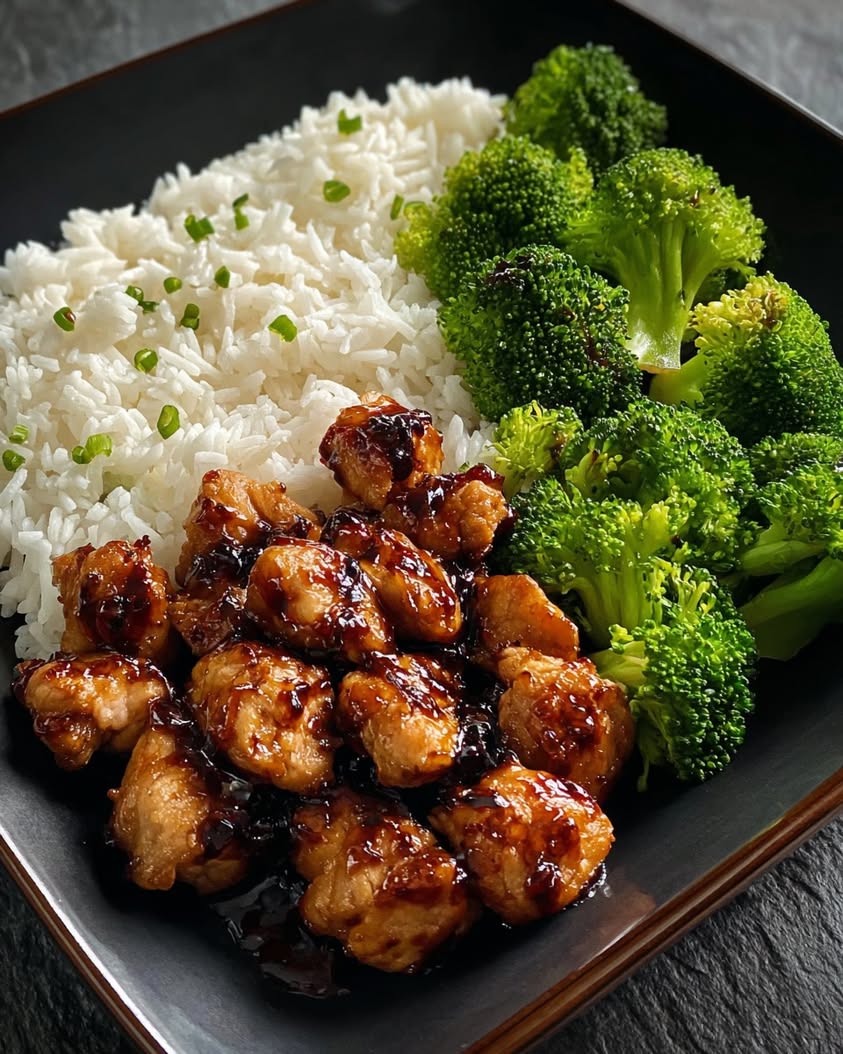
Sticky Garlic Soy Chicken with Rice & Broccoli: Your New Weeknight Hero
Picture this: a busy Tuesday evening, hungry mouths to feed, and a craving for something deeply satisfying that doesn’t require hours in the kitchen. This is exactly where our sticky garlic soy chicken with rice and broccoli comes to the rescue. This recipe delivers a perfect balance of sweet, savory, and umami flavors in a glossy, irresistible glaze that clings to tender chicken pieces. Furthermore, it transforms a few humble ingredients into a complete, restaurant-worthy meal that feels both comforting and exciting.
The magic of this dish lies in its beautiful simplicity and incredible flavor payoff. You get succulent chicken bathed in a sticky garlic soy glaze, served alongside fluffy white rice and crisp-tender broccoli. Each component soaks up that delicious sauce, creating a harmonious bite every single time. Ultimately, this recipe proves that you don’t need complex techniques or a pantry full of exotic items to create a memorable family dinner. It’s a reliable, 30-minute dinner win that will earn a permanent spot in your weekly rotation.
Quick Recipe Highlights
- Flavor Profile: This dish is a masterclass in balance. The primary taste is a robust umami savoriness from the soy sauce, perfectly countered by a subtle sweetness from honey or brown sugar. Additionally, the pungent, aromatic punch of fresh garlic forms the backbone of the flavor, while a hint of ginger adds a warm, spicy complexity that rounds everything out.
- Texture: Texture plays a starring role here. You achieve beautifully seared, tender chicken pieces with a slight bite, contrasted by the fluffy, soft grains of steamed rice. The broccoli, cooked just until crisp-tender, provides a satisfying crunch. Moreover, the glossy sauce itself has a wonderfully sticky, clingy quality that coats every element without being overly thick or gummy.
- Aroma: As this dish cooks, your kitchen will fill with an absolutely intoxicating aroma. First, you’ll smell the sizzling garlic and ginger, which is immediately followed by the rich, salty scent of soy sauce caramelizing with sweetener. This combination is unmistakably inviting and promises a delicious meal to come.
- Visual Appeal: This plate is a feast for the eyes. The chicken boasts a deep, mahogany-brown glaze that looks glossy and professional. Meanwhile, the vibrant green broccoli pops against the white rice, creating a colorful and appetizing presentation that is as beautiful as it is tasty.
- Skill Level Needed: This is a fantastic recipe for cooks of all levels. It requires only basic skills like chopping, sautéing, and making a simple pan sauce. Consequently, even a beginner can follow the straightforward steps and achieve impressive, delicious results on their first try.
- Special Equipment: You need only standard kitchen equipment. A large skillet or wok is essential for achieving a good sear on the chicken and reducing the sauce. Beyond that, a good chef’s knife, a cutting board, and a pot for cooking rice are all you need to get started.
Recipe Overview
- Difficulty Level: We rate this recipe as “Easy” for several compelling reasons. The techniques involved—cubing chicken, mincing garlic, steaming broccoli—are fundamental. The sauce comes together effortlessly in the same pan used to cook the chicken, minimizing cleanup. Finally, the timing is forgiving; the components are simple to manage even for someone juggling multiple tasks in the kitchen.
- Category: This dish firmly belongs in the “Quick & Easy Dinner” and “Family-Friendly Meals” categories. It provides a complete, balanced plate with protein, vegetables, and starch. It’s also an excellent candidate for “Weekly Meal Prep,” as the components reheat beautifully for lunches throughout the week.
- Cuisine: While inspired by the broad, umami-rich flavors of East Asian cuisine, particularly Chinese and Japanese cooking, this is a modern home cook’s adaptation. It uses accessible ingredients like soy sauce and garlic to create a familiar flavor profile that is universally loved, without claiming to be an authentic regional dish.
- Cost: This is an incredibly cost-effective meal. Chicken thighs or breasts, rice, and broccoli are all budget-friendly staples. The sauce ingredients (soy sauce, garlic, honey, ginger) are pantry items with a long shelf life, making the cost per serving very low, especially when compared to takeout.
- Season: This is a true all-season recipe. It’s light and fresh enough for spring and summer, especially with the bright green broccoli. Conversely, the hearty, savory flavors and comforting warmth make it equally suitable for cozy fall and winter evenings. It truly works year-round.
- Occasion: This sticky garlic soy chicken is perfect for casual weeknight family dinners, effortless meal prep for busy professionals, and even for serving to guests in a more relaxed setting. It’s universally appealing, easy to scale up, and always feels like a treat.
Why You’ll Love This Sticky Garlic Soy Chicken
First and foremost, the taste and texture of this dish are utterly irresistible. The chicken becomes incredibly juicy and tender on the inside while developing a slightly caramelized exterior from the sticky glaze. Each bite delivers a powerful punch of garlicky, savory-sweet flavor that is deeply satisfying. The broccoli retains a pleasant crunch, offering a refreshing contrast, while the rice acts as the perfect, neutral canvas to soak up every last drop of the delicious sauce. This combination creates a symphony of flavors and textures in your mouth that is both comforting and exciting.
From a practical standpoint, the convenience of this recipe is a major win. It comes together in about 30 minutes using one main pan, which means minimal active cooking time and even less cleanup. The process is straightforward: cook the chicken, whip up the simple glaze in the same pan, and steam the broccoli. You can even cook the rice in a separate pot simultaneously. This efficiency makes it an ideal solution for those hectic evenings when you want a wholesome, homemade meal without the fuss. It’s the definition of a quick and easy dinner.
Nutritionally, this meal is a well-rounded powerhouse. Chicken provides lean protein essential for muscle repair and satiety. Broccoli is loaded with vitamins C and K, fiber, and antioxidants. Using brown rice instead of white adds extra fiber and nutrients. You control the sodium and sugar levels in the glaze, allowing you to make it healthier than any restaurant or takeout version. Consequently, you can feel good about serving this to your family, knowing it’s both delicious and nourishing.
This sticky garlic soy chicken also boasts fantastic social and entertaining value. It’s a crowd-pleaser that appeals to both adults and children alike. The familiar yet elevated flavors make it a safe bet for guests, and because it’s so easy to prepare, you won’t be stuck in the kitchen all evening. You can easily double or triple the recipe for a larger group. Presenting it on a platter with the glossy chicken piled over rice and vibrant green broccoli on the side looks impressive and appetizing, guaranteeing compliments.
Finally, the cost-effectiveness and accessibility of this recipe cannot be overstated. It utilizes inexpensive, readily available ingredients found in any standard grocery store. A single batch feeds a family of four for a fraction of the cost of ordering similar food for delivery. The ingredients are also versatile; you can use chicken breasts or thighs, different types of rice, or swap broccoli for another green vegetable like green beans or snap peas. This adaptability makes it a reliable, budget-friendly staple in your cooking repertoire.
Historical Background and Cultural Significance
The concept of glazing protein with a soy-based sauce has deep roots in several East Asian culinary traditions, particularly in Chinese and Japanese cooking. Soy sauce itself, or *jiangyou*, originated in China over 2,500 years ago as a way to preserve soybeans. The technique of reducing a mixture of soy sauce, a sweetener like sugar or honey, and aromatics like garlic and ginger to create a glossy coating is a cornerstone of many classic dishes. This method, often called a “master sauce” or reduction glaze, showcases the ancient culinary wisdom of balancing salty, sweet, and umami flavors to enhance simple ingredients.
Culturally, dishes featuring this flavor profile are associated with home cooking and comfort. In many households, a version of soy-glazed chicken or pork with rice and a simple vegetable is a weekly staple. It represents practicality, nourishment, and the skillful use of pantry ingredients to create maximum flavor. The combination specifically of chicken, broccoli, and a brown sauce, while popularized in Western Chinese-American restaurants, draws inspiration from these fundamental techniques. It reflects a global adaptation of core principles to suit local tastes and ingredient availability.
The evolution of this specific recipe into a “30-minute meal” is a modern phenomenon, aligned with contemporary needs for speed and convenience. Traditionally, such glazes might be part of slower braises or more elaborate preparations. The current version, which focuses on quick-cooking chicken pieces and a fast-reducing sauce, optimizes the classic flavors for today’s fast-paced lifestyle. It democratizes a once time-intensive technique, allowing anyone to achieve deeply layered, restaurant-quality tastes in a short amount of time using standard kitchen tools.
Regional variations of this concept are vast. In Japan, *teriyaki* chicken uses a similar soy-sweetener glaze, often with mirin and sake. In Korea, *bulgogi* marinades incorporate soy, sugar, and pear for sweetness and tenderness. Filipino *adobo* uses soy sauce and vinegar for a tangy twist. The version presented here—sticky garlic soy chicken—is a simplified, pan-sauce adaptation that pulls from these broad influences. It prioritizes the potent combination of garlic and soy as the stars, making it a versatile base recipe that home cooks can then customize with their own preferred spices or ingredients.
Ingredient Deep Dive
Chicken Thighs (Boneless, Skinless): Chicken thighs are the preferred choice for this recipe due to their higher fat content. This fat renders during cooking, keeping the meat incredibly juicy and flavorful, even if slightly overcooked. Thighs also have a richer, more savory taste compared to breasts. Culturally, dark meat chicken is prized in many Asian cuisines for its succulence and ability to stand up to robust sauces. Nutritionally, they provide high-quality protein, iron, and zinc. For best results, look for thighs with minimal visible fat and pat them very dry before cooking to ensure a good sear. You can substitute chicken breasts, but be vigilant about cooking time to prevent dryness.
Soy Sauce: Soy sauce is the umami engine of this dish. This fermented condiment, made from soybeans, wheat, salt, and water, has been a cornerstone of East Asian cuisine for millennia. It provides a deep, complex saltiness that forms the foundation of the glaze. Nutritionally, it contains antioxidants and some minerals, but it is high in sodium. For a richer flavor, use a dark soy sauce, or for a gluten-free version, opt for tamari. When selecting soy sauce, avoid brands with excessive additives or corn syrup. Store it in a cool, dark place. Remember, it is the primary salt source, so taste before adding any extra salt to the recipe.
Fresh Garlic: Garlic is non-negotiable for achieving the signature aromatic punch. Historically used both medicinally and culinarily for thousands of years, it adds a pungent, spicy depth that mellows and sweetens as it cooks in the sauce. It contains allicin, a compound with noted health benefits. Always use fresh garlic cloves rather than pre-minced jarred garlic for the brightest, cleanest flavor. To prepare, smash the clove with the flat side of your knife to easily remove the peel, then mince finely. The finer the mince, the more it will infuse the sauce. Store fresh garlic in a cool, dry place with good air circulation.
Honey or Brown Sugar: The sweetener is crucial for creating the sticky, glossy glaze and balancing the saltiness of the soy sauce. Honey, a natural sweetener used since ancient times, adds a floral note and helps the sauce thicken beautifully. Brown sugar contributes a deeper molasses flavor. Both caramelize during reduction, adding complexity. Nutritionally, these are simple carbohydrates, so the amount can be adjusted to taste or dietary need. For alternatives, consider maple syrup, agave nectar, or a sugar-free substitute like monk fruit sweetener, though the final texture and flavor may vary slightly.
Fresh Ginger: Ginger adds a warm, spicy, and slightly citrusy note that elevates the sauce from good to exceptional. This rhizome has a long history in Asian medicine and cooking, valued for its digestive properties and unique zing. It pairs perfectly with garlic and soy. Always use fresh ginger root; peel the tough skin with a spoon, then grate or mince it finely. You can find it in the produce section of any grocery store. Store unused ginger root in the refrigerator wrapped in a paper towel, or freeze it for longer storage and easy grating.
Broccoli: Broccoli provides color, texture, and vital nutrients. Part of the cruciferous vegetable family, it’s renowned for its high levels of vitamins C and K, fiber, and sulforaphane, a compound with antioxidant properties. For this recipe, you want crisp-tender florets that offer a refreshing contrast to the rich chicken. Look for heads with tight, dark green florets and firm stalks. Avoid any with yellowing or soft spots. To prepare, cut the florets into uniform, bite-sized pieces for even cooking. You can also peel and slice the stalk—it’s delicious and reduces waste.
Common Mistakes to Avoid
- Crowding the Pan: Adding all the chicken to the skillet at once is a critical error. The pieces will steam instead of sear, resulting in pale, rubbery chicken without the flavorful browned bits (fond) needed for the sauce. Always cook in batches if necessary to ensure each piece has contact with the hot surface.
- Using Jarred, Pre-Minced Garlic: While convenient, jarred garlic lacks the potent, fresh flavor of freshly minced cloves. It often contains preservatives and has a muted, sometimes bitter taste that can negatively impact the delicate balance of the sauce. Taking the extra minute to mince fresh garlic is always worth it.
- Not Letting the Sauce Reduce Enough: Pouring the sauce over the chicken before it has properly thickened will leave you with a thin, soupy glaze. The sauce needs a few minutes of active simmering to evaporate water, concentrate flavors, and reach a syrupy consistency that will coat the chicken beautifully.
- Overcooking the Broccoli: Soggy, mushy broccoli is an unpleasant contrast to the perfect chicken. Steam or sauté the broccoli just until it is bright green and tender-crisp, usually 3-5 minutes. It should still have a slight bite. You can even shock it in ice water after cooking to halt the process and preserve its vibrant color and crunch.
- Adding Salt Too Early (or at All): Soy sauce is very salty. The reduction process further concentrates this saltiness. Therefore, you should never add extra salt to the chicken before searing or to the sauce while it’s cooking. Always do a final taste test at the very end, after the sauce has reduced, and only then adjust seasoning if absolutely necessary.
- Skipping the Cornstarch Slurry (if needed): If your sauce isn’t thickening to a sticky glaze after several minutes of reduction, don’t just keep boiling it, as it may burn. Instead, mix a teaspoon of cornstarch with a tablespoon of cold water to create a slurry. Whisk this into the simmering sauce; it will thicken almost immediately.
- Using the Wrong Pan: A small, thin-bottomed skillet will not distribute heat evenly, leading to hot spots that can burn the garlic or sauce. It also won’t allow enough surface area for the chicken to sear properly. A large, heavy-bottomed skillet or wok is ideal for consistent heat and successful sauce reduction.
- Not Patting the Chicken Dry: Moisture is the enemy of a good sear. If the chicken cubes are wet when they hit the hot oil, they will steam and boil instead of developing that desirable golden-brown crust. Always use paper towels to thoroughly pat the chicken pieces dry before seasoning and cooking.
Essential Techniques
The Sear (Maillard Reaction): Achieving a proper sear on the chicken is the first and most crucial technique. This isn’t just about browning; it’s about triggering the Maillard reaction, a complex chemical process between amino acids and sugars that creates hundreds of new flavor compounds. These compounds provide the deep, savory, nutty base notes for your entire dish. To master it, ensure your pan is properly preheated over medium-high heat, your oil is shimmering, and your chicken is patted completely dry. Do not move the chicken for the first minute or two, allowing a crust to form. The visual cue for success is golden-brown spots on the chicken and flavorful browned bits stuck to the pan (the fond).
Building a Pan Sauce: This technique transforms simple pan drippings into a luxurious, cohesive sauce. After removing the seared chicken, you use the same pan with its flavorful fond. Sautéing the garlic and ginger in the residual fat toasts them slightly, mellowing their raw bite and releasing their aromatic oils. Then, deglazing with soy sauce and other liquids uses moisture to dissolve the fond off the bottom of the pan, incorporating all those concentrated flavors into the liquid. The common pitfall is rushing this step; take time to let the aromatics become fragrant but not burnt before adding the liquids.
Reduction and Glazing: Reduction is the process of simmering a liquid to evaporate water, thereby concentrating its flavors and thickening its consistency. For this sticky glaze, you simmer the soy-honey mixture until it reduces by about a third and coats the back of a spoon. As it reduces, the sugars caramelize, contributing to the glossy finish and sticky texture. The key is maintaining an active simmer—not a rolling boil, which can cause burning—and stirring frequently. The sauce is ready when it leaves a clear trail when you drag a spatula through it and clings thickly to the chicken when tossed.
Pro Tips for Perfect Sticky Garlic Soy Chicken
For the most flavorful results, marinate your chicken cubes in a tablespoon of the soy sauce mixed with a teaspoon of cornstarch for 15-20 minutes before cooking. The cornstarch creates a light coating that helps the chicken stay tender and gives the sauce extra body later.
Toast your sesame seeds. If using sesame seeds as a garnish, toast them in a dry pan over low heat for 2-3 minutes until fragrant and lightly golden. This simple step unlocks their nutty flavor and adds a wonderful textural element to the finished dish.
Finish with a bright acid. A small squeeze of fresh lime or lemon juice over the plated dish just before serving can work wonders. The acidity cuts through the richness of the glaze, brightens all the flavors, and adds a layer of complexity that makes the dish taste more restaurant-quality.
Use a microplane for the ginger. Instead of mincing, use a fine microplane grater to grate the fresh ginger directly into the sauce. This creates almost a ginger paste that disperses its flavor more evenly throughout the glaze and eliminates any fibrous bits.
Let the chicken rest. After you return the cooked chicken to the skillet and toss it in the glaze, remove the pan from the heat and let it sit for 2-3 minutes. This allows the chicken to absorb the sauce more thoroughly and ensures every bite is perfectly coated.
Blanch your broccoli for superior texture. For exceptionally crisp-tender, vibrant green broccoli, blanch it: drop the florets into a pot of boiling salted water for 60-90 seconds, then immediately transfer them to a bowl of ice water. Drain and add to the dish at the end. This method locks in color and perfect crunch.
Variations and Adaptations
For regional variations, you can easily pivot this base recipe. For a Korean-inspired twist, add a tablespoon of gochujang (Korean chili paste) to the sauce and garnish with sliced green onions. For a more Japanese teriyaki style, use mirin instead of water or broth in the sauce and add a splash of sake if available. A Filipino adobo influence can be achieved by using a 1:1 ratio of soy sauce and vinegar and adding several bay leaves during simmering.
Seasonal adaptations are straightforward. In spring, swap broccoli for fresh asparagus or sugar snap peas. During summer, try it with zucchini ribbons or bell peppers. For fall, roasted Brussels sprouts or cubed sweet potatoes make excellent vegetable companions. In winter, hearty bok choy or kale can be stirred into the sauce at the end until just wilted.
Dietary modifications are simple to implement. For a gluten-free version, use tamari or a certified gluten-free soy sauce. To make it vegan, substitute the chicken with extra-firm tofu (pressed and cubed) or thick slices of king oyster mushroom, and use maple syrup instead of honey. For a lower-carb or keto adaptation, serve the chicken and broccoli over cauliflower rice and use a sugar-free sweetener like erythritol or allulose in the glaze.
Experiment with flavor variations by incorporating different aromatics. Add a teaspoon of toasted sesame oil to the finished sauce for a nutty depth. Stir in a tablespoon of smooth peanut butter for a satay-like twist. For a hint of smokiness, include a dash of smoked paprika or a few drops of liquid smoke when building the sauce.
Serving and Presentation Guide
Plating is key to making this home-cooked meal feel special. For a family-style presentation, spoon a large bed of fluffy white or brown rice onto a warm platter. Arrange the glossy sticky garlic soy chicken pieces over one half of the rice. Place the bright green broccoli florets on the other half, creating a visually appealing contrast. Finally, drizzle any remaining sauce from the pan over everything and sprinkle with toasted sesame seeds and thinly sliced green onions.
For individual plates, use a small bowl to pack rice, then invert it onto the center of each plate to create a neat mound. Lean the chicken pieces against the rice and scatter the broccoli around the perimeter. This restaurant-style plating highlights each component and makes the dish look meticulously prepared. Always serve immediately while the chicken is hot and the glaze is still glossy.
Wine and Beverage Pairing
The bold, savory-sweet flavors of sticky garlic soy chicken pair beautifully with wines that have a touch of sweetness or high acidity to balance the salt and umami. An off-dry Riesling or Gewürztraminer is a classic choice; their slight sweetness and floral notes complement the glaze without clashing. For red wine lovers, a light-bodied, low-tannin Pinot Noir with its red fruit flavors can work well. Avoid heavily oaked wines, as they can compete with the dish’s delicate garlic and ginger notes.
For non-alcoholic pairings, consider a chilled, slightly sweet jasmine or green tea, which cleanses the palate between bites. Sparkling water with a wedge of lime or lemon is always refreshing. A ginger beer or a homemade lemon-ginger iced tea can also mirror and enhance the aromatic spices in the dish itself, creating a harmonious dining experience.
Storage and Shelf Life
Store leftover sticky garlic soy chicken, rice, and broccoli together in an airtight container in the refrigerator for up to 3-4 days. The quality is best within the first 2 days. For best results, store the components separately if possible, as the broccoli may release moisture and the rice can become soggy. The sauce may thicken considerably when cold.
This dish freezes surprisingly well for up to 2-3 months. Place cooled portions in freezer-safe containers or heavy-duty bags, removing as much air as possible. Thaw overnight in the refrigerator before reheating. Note that the texture of the broccoli will become softer after freezing and reheating.
To reheat, the microwave is convenient: sprinkle a tablespoon of water over the rice and chicken, cover loosely, and heat in 60-second intervals, stirring in between, until hot. For better texture, reheat in a skillet over medium-low heat with a splash of water or chicken broth to loosen the glaze and prevent drying out. Reheat just until warmed through to avoid overcooking the chicken.
Make Ahead Strategies
You can significantly speed up your weeknight cooking by prepping components ahead. Cube the chicken and store it in a sealed container or bag in the refrigerator for up to 2 days. You can even marinate it in the soy-cornstarch mixture during this time. Mince the garlic and ginger up to 2 days in advance and store them together in a small container in the fridge. Cut the broccoli into florets and store them in a sealed bag with a dry paper towel to absorb moisture.
For full meal prep, cook the entire recipe and divide it into single-serving containers. Let it cool completely before refrigerating. When ready to eat, reheat gently. To maintain the best broccoli texture, consider steaming it fresh and adding it to the prepped chicken and rice when you reheat. Adding a fresh garnish like green onions or sesame seeds after reheating will also revive the dish’s visual appeal.
Scaling Instructions
This recipe scales up or down with simple math. To halve it, simply divide all ingredient quantities by two. Use a slightly smaller skillet, but keep the cooking time roughly the same, as the smaller batch will sear and reduce just as quickly. To double or triple the recipe for a crowd, multiply all ingredients accordingly. The key adjustment is to cook the chicken in more batches to avoid overcrowding the pan—never try to sear a double batch all at once. You may also need to simmer the sauce for a few extra minutes to achieve the proper reduction when working with a larger volume.
Nutritional Deep Dive
A serving of this sticky garlic soy chicken with rice and broccoli provides a balanced macronutrient profile. The chicken offers high-quality protein essential for satiety and muscle maintenance. The rice, particularly if using brown rice, contributes complex carbohydrates for sustained energy. Broccoli adds fiber, vitamins, and minimal calories. The sauce, while flavorful, contributes the majority of the sodium and sugars. Using low-sodium soy sauce and moderating the sweetener can create a healthier profile. The dish also provides micronutrients like iron from the chicken, vitamin C from the broccoli, and various B vitamins.
Dietary Adaptations
Gluten-Free: Use certified gluten-free tamari instead of regular soy sauce. Ensure all other packaged ingredients, like broth, are labeled gluten-free. This simple swap makes the dish entirely safe for those with celiac disease or gluten sensitivity.
Dairy-Free: This recipe is naturally dairy-free. No butter, milk, or cheese is used in the standard preparation. Always check labels on pre-made broths or sauces to confirm they don’t contain hidden dairy derivatives.
Vegan/Vegetarian: Replace the chicken with extra-firm tofu (pressed and cubed), tempeh, or seitan. Use maple syrup or agave instead of honey. For a richer “chicken” flavor, you can use a vegan chicken-style broth or add a pinch of poultry seasoning to the tofu marinade.
Low-Carb/Keto: Omit the rice or serve over cauliflower rice. Replace the honey or brown sugar in the glaze with a keto-friendly sweetener like erythritol or allulose that measures like sugar. Be mindful that some sugar substitutes may not caramelize or thicken the same way, so a small cornstarch slurry might still be needed.
Troubleshooting Guide
Sauce is too thin: If your sauce hasn’t thickened after simmering, create a cornstarch slurry. Mix 1 teaspoon of cornstarch with 1 tablespoon of cold water until smooth. While the sauce is simmering, whisk in the slurry. It should thicken within 30-60 seconds. Alternatively, simply continue simmering for a few more minutes to reduce further, but watch closely to prevent burning.
Sauce is too thick or salty: If you’ve reduced the sauce too much, it can become overly thick and salty. The fix is simple: stir in a splash of water, chicken broth, or even unsweetened rice vinegar to dilute it back to the desired consistency and balance the saltiness. Add liquid gradually, a tablespoon at a time, until it’s perfect.
Chicken is dry: Dry chicken usually results from overcooking. For thighs, cook just until no pink remains and the internal temperature reaches 165°F (74°C). For breasts, remove them from heat at 160°F (71°C), as carryover cooking will bring them to temperature. Using a digital meat thermometer is the most reliable way to prevent dryness.
Garlic burned while sautéing: Burnt garlic tastes bitter. If this happens, it’s best to wipe out the pan and start the sauce step over with fresh oil and new garlic. To prevent it, ensure the heat is at medium, not high, and add the garlic just as the aromatics start to sizzle, stirring constantly. Have your liquid ingredients measured and ready to pour in to stop the cooking quickly.
Frequently Asked Questions
Q: Can I use chicken breasts instead of thighs?
A: Absolutely. Chicken breasts work well but require more careful cooking to stay juicy. Cut them into uniform cubes and reduce the cooking time slightly, as they cook faster than thighs. Use a meat thermometer and remove them from the pan as soon as they reach 160°F (71°C) to account for carryover cooking.
Q: My sauce isn’t getting “sticky.” What did I do wrong?
A: The sticky texture comes from the reduction of sugars and the optional cornstarch. Ensure you are simmering the sauce long enough for the water to evaporate. If after 4-5 minutes it’s still thin, mix a teaspoon of cornstarch with a tablespoon of cold water and whisk it into the simmering sauce. It will thicken almost immediately.
Q: Can I make this in an Instant Pot or air fryer?
A: Yes, with adaptations. For the Instant Pot, use the sauté function to sear the chicken and make the sauce. For the air fryer, cook the chicken in batches, then make the sauce separately in a saucepan on the stove, combining everything at the end. The broccoli can be cooked in the air fryer as well.
Q: How can I make this less sweet?
A: Simply reduce the amount of honey or brown sugar called for in the recipe. Start by using half the amount, then taste the sauce after it has reduced. You can always add a little more sweetener if needed, but you can’t take it out.
Q: What’s the best way to reheat leftovers without drying out the chicken?
A: The best method is to reheat gently in a covered skillet over low heat with a splash of water or broth. This steams the rice and chicken back to tenderness and loosens the glaze. Microwave reheating works if you add a tablespoon of water and cover the dish, reheating in short intervals and stirring in between.
Q: Can I freeze this meal?
A: Yes, it freezes well for up to 2-3 months. Cool completely, then store in airtight freezer-safe containers. Thaw in the refrigerator overnight before reheating. Note that the broccoli’s texture will be softer after freezing.
Q: What can I use instead of broccoli?
A: Many vegetables work beautifully. Try green beans, snap peas, bell peppers, asparagus, bok choy, or carrots. Adjust the cooking time based on the vegetable’s density; harder veggies like carrots may need a quick blanch or longer sauté before adding to the dish.
Q: Is this recipe spicy?
A: The base recipe is not spicy; it’s savory, sweet, and garlicky. To add heat, include a teaspoon of sriracha, chili garlic sauce, or red pepper flakes when you add the soy sauce and other liquids to the pan.
Sticky Garlic Soy Chicken with Rice & Broccoli
Description
A savory and slightly sweet chicken dish with tender broccoli and fluffy rice, coated in a sticky garlic-soy glaze.
Ingredients
For the Crust:
- 1 lb boneless, skinless chicken thighs, cut into bite-sized pieces
- 2 cups broccoli florets
- 1 cup white rice, uncooked
- 4 cloves garlic, minced
- 1/4 cup soy sauce
- 2 tbsp honey
- 1 tbsp rice vinegar
- 1 tsp sesame oil
- 1 tbsp vegetable oil
- 1/2 tsp black pepper
- 1 tsp cornstarch mixed with 1 tbsp water
- Green onions, sliced for garnish
Instructions
1. Prepare the Crust:
- Cook the rice according to package instructions and set aside.
- In a bowl, mix soy sauce, honey, rice vinegar, sesame oil, and black pepper to make the sauce.
- Heat vegetable oil in a large skillet over medium-high heat. Add chicken pieces and cook until browned, about 5-7 minutes.
- Add minced garlic to the skillet and cook for 1 minute until fragrant.
- Pour the sauce over the chicken, stir to coat, and simmer for 3-4 minutes.
- Add the cornstarch slurry to the skillet and stir until the sauce thickens and becomes sticky.
- Steam or blanch the broccoli florets until tender-crisp, then add to the skillet and toss with the chicken and sauce.
- Serve the sticky garlic soy chicken and broccoli over the cooked rice, garnished with sliced green onions.
Notes
You can customize the seasonings to taste.

I’m Shaykee—born in Morocco, seasoned across continents. From airplane galleys to home kitchens, I share the flavors and stories that shaped my journey.