
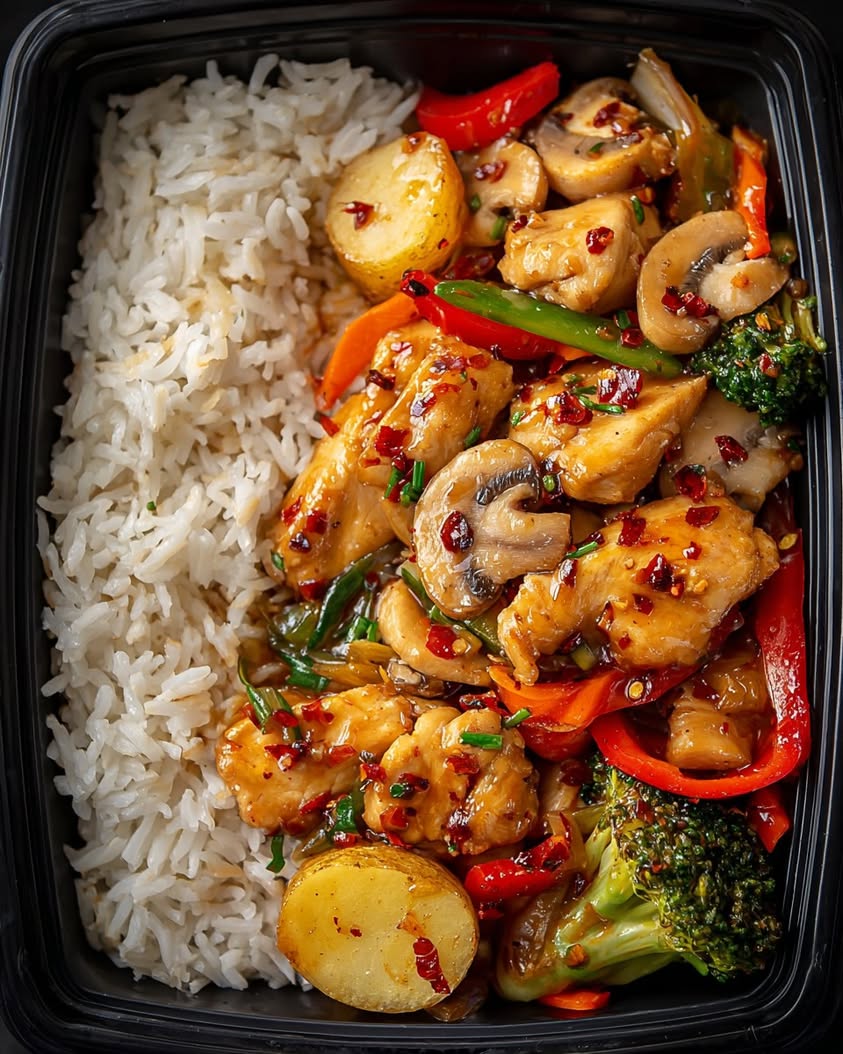
Sweet & Spicy Chicken Stir-Fry with Rice & Mixed Veggies: The Ultimate Weeknight Dinner Hero
Imagine a dinner that delivers a perfect symphony of flavors and textures in under thirty minutes. This sweet & spicy chicken stir-fry with rice & mixed veggies is exactly that kind of magic. It transforms simple, fresh ingredients into a vibrant, restaurant-quality meal right on your stovetop. The aroma alone, with notes of toasted sesame and ginger, will have your family gathering in the kitchen long before the plates hit the table. Ultimately, this dish proves that a fast, easy dinner does not have to sacrifice excitement or satisfaction.
The beauty of this sweet & spicy chicken stir-fry lies in its brilliant balance. A glossy, complex sauce coats tender bites of chicken and crisp-tender vegetables, creating a harmony of sweet honey, savory soy, and a gentle kick of heat. Served over a bed of fluffy white rice, it soaks up every last drop of that incredible sauce. Consequently, each forkful is a delightful contrast—the soft rice, the juicy chicken, and the satisfying crunch of bell peppers and broccoli. This recipe is your secret weapon against boring weeknights, offering a colorful, nutritious, and utterly delicious solution.
Furthermore, this recipe embraces flexibility. You likely have most ingredients already, and the vegetables are easily swapped based on what’s in your fridge. It’s a fantastic template for clean-out-the-crisper cooking. From start to finish, the process is straightforward and fast, making it ideal for busy evenings. In short, this sweet & spicy chicken stir-fry with rice & mixed veggies is more than just a meal; it’s a reliable, flavor-packed strategy for winning dinner time, again and again.
Quick Recipe Highlights
- Flavor Profile: This dish masterfully balances sweet, spicy, savory, and umami notes. The sauce, built from honey, soy, and chili, caramelizes beautifully in the hot wok, creating a sticky glaze that clings to every ingredient. A hint of garlic and fresh ginger adds aromatic depth, ensuring no single flavor overpowers the others.
- Texture: Expect a wonderful contrast in every bite. You get tender, juicy pieces of chicken alongside vegetables that retain a pleasant crispness. The sauce adds a glossy, slightly sticky mouthfeel, which is perfectly absorbed by the soft, steaming bed of rice underneath.
- Aroma: As soon as the garlic and ginger hit the hot oil, your kitchen will fill with an irresistible, savory fragrance. Toasted sesame oil adds a nutty finish, while the cooking sauce releases sweet and salty notes that promise a delicious meal is moments away.
- Visual Appeal: This stir-fry is a feast for the eyes with its vibrant color palette. Bright red bell peppers, deep green broccoli, and orange carrots pop against the golden-brown chicken and glossy brown sauce. Served over white rice, it’s a colorful, restaurant-worthy plate.
- Skill Level Needed: This is a beginner-friendly recipe perfect for anyone new to cooking. The techniques are fundamental: chopping, stir-frying, and making a simple sauce. If you can use a knife and a pan, you can absolutely master this easy dinner.
- Special Equipment: A large wok or a wide, deep skillet is highly recommended for proper stir-frying. You also need a good chef’s knife and cutting board for prep. Otherwise, standard kitchen tools like measuring spoons, a whisk for the sauce, and a rice cooker or pot for the rice are all you require.
Recipe Overview
- Difficulty Level: We rate this sweet & spicy chicken stir-fry as “Easy” because it uses basic cooking techniques accessible to all skill levels. The prep involves straightforward chopping, and the cooking process is a simple sequence of browning protein and quickly sautéing vegetables. There’s no intricate timing or advanced skills required, making it a confident first stir-fry for any home cook.
- Category: This recipe fits perfectly into multiple meal categories. Primarily, it’s a quick and easy dinner solution for busy weeknights. Additionally, it’s excellent for healthy meal prep, as it stores and reheats beautifully. It also serves as a fantastic one-pan meal when you consider the protein and vegetables cooked together.
- Cuisine: While stir-frying is a cornerstone of Chinese cuisine, this recipe is a modern, Americanized take designed for accessible ingredients and home kitchens. It draws inspiration from classic Chinese-American dishes but simplifies the sauce and technique for a 30-minute timeline, resulting in a fusion meal that’s both familiar and exciting.
- Cost: This is a very cost-effective meal. Chicken thighs or breasts, rice, and common frozen or fresh vegetables like broccoli and bell peppers are typically affordable. The sauce ingredients (soy, honey, etc.) are pantry staples for many. Overall, you can feed a family of four a restaurant-quality meal for a fraction of the cost of takeout.
- Season: This sweet & spicy chicken stir-fry is truly a year-round dish. In colder months, its warm, hearty nature is comforting. During summer, you can highlight seasonal produce like snap peas or zucchini. Because it’s quick, it doesn’t heat up the kitchen for too long, making it suitable for any season.
- Occasion: It’s the ultimate weeknight family dinner, but don’t underestimate its value for casual entertaining. Doubling the recipe is simple, and the colorful result is impressive for guests. It’s also ideal for weekly meal prep, providing ready-to-go lunches that are far superior to sad desk salads.
Why You’ll Love This Recipe
First and foremost, the taste and texture appeal is undeniable. This sweet & spicy chicken stir-fry delivers a complex flavor profile that feels gourmet without the fuss. Each component plays a role: the savory soy sauce, the floral sweetness of honey, the warm kick from chili, and the aromatic punch of fresh ginger and garlic. Texturally, it’s a joy to eat—tender chicken, crisp vegetables, and sticky sauce over fluffy rice create a perfect harmony in every single bite. Consequently, it satisfies cravings for something both wholesome and exciting, making it a meal everyone at the table will request again.
Secondly, the convenience and preparation benefits are massive. From fridge to table in thirty minutes, this recipe is a lifesaver on hectic evenings. The prep is minimal and mostly involves chopping, which you can even do ahead of time. The cooking process is fast and active, meaning you’re not waiting around for hours. Moreover, it uses just one main pan, significantly cutting down on cleanup. This efficiency makes it possible to enjoy a freshly cooked, healthy meal even on your busiest days, effectively eliminating the need for expensive and less healthy takeout options.
Nutritionally, this dish is a powerhouse. It’s packed with lean protein from the chicken, which is essential for muscle repair and keeping you full. The mixed vegetables provide a wide spectrum of vitamins, minerals, and fiber. By making the sauce at home, you control the sodium and sugar levels, avoiding the hidden additives often found in pre-made sauces or restaurant versions. Served with brown rice instead of white, you can easily increase the fiber content. Therefore, it’s a meal that fuels your body properly without sacrificing an ounce of flavor.
For social and entertaining value, this stir-fry is a surprisingly excellent choice. It’s visually stunning with its bright colors, making it look impressive on a dinner plate. The recipe scales up effortlessly to feed a crowd, and because it cooks so quickly, you can spend more time with your guests instead of being stuck in the kitchen. Additionally, the sweet and spicy profile is generally crowd-pleasing, appealing to a wide range of palates. Serving it family-style encourages sharing and conversation, turning a simple weeknight recipe into the centerpiece of a casual gathering.
Finally, the cost-effectiveness and accessibility are unbeatable. As mentioned, the ingredients are common and affordable, especially when you consider the high cost of a comparable meal from a Chinese restaurant. You can also adapt it based on sales or what’s seasonal, using cheaper vegetable alternatives without compromising the dish. Staples like rice stretch the meal further, ensuring it’s budget-friendly. Essentially, this recipe empowers you to create a delicious, healthy, and satisfying dinner that respects both your time and your wallet, which is a winning combination in any kitchen.
Historical Background and Cultural Significance
The story of stir-frying is deeply woven into Chinese culinary history, dating back over 1,500 years. This cooking technique evolved as a practical solution to conserve fuel, which was often scarce. By using a rounded-bottom wok over intense heat, cooks could prepare food incredibly quickly, using minimal oil and fuel. The method, known as “chǎo,” emphasizes the searing and tossing of ingredients to achieve the coveted “wok hei” or “breath of the wok”—that distinctive, smoky flavor. Consequently, stir-frying became a cornerstone of Chinese cuisine, perfectly suited to preparing fresh vegetables and small pieces of meat in harmony.
Culturally, stir-frying represents more than just a cooking method; it embodies principles of balance, efficiency, and resourcefulness. It aligns with traditional Chinese medicinal ideas about preserving the vitality and color of ingredients through quick cooking. The practice of preparing all ingredients before heating the wok, known as “mise en place,” is a lesson in organization and respect for the cooking process. Dishes like this sweet & spicy chicken stir-fry are modern descendants of this tradition, adapting ancient techniques for contemporary kitchens and global pantries while still honoring the core philosophy of fast, fresh, and flavorful cooking.
The evolution of the recipe to its current Americanized form is a tale of immigration and adaptation. As Chinese immigrants settled in the United States, they adapted their traditional dishes to incorporate locally available ingredients and suit Western tastes. Soy sauce and ginger remained, but new elements like broccoli (not native to China) and sweeter, thicker sauces became common. The sweet and spicy profile itself is a popular fusion, catering to a preference for bold, contrasting flavors. Thus, what we enjoy today is less a strict regional dish and more a delicious product of cultural exchange and culinary innovation.
Regional variations of stir-fry across China are vast, influencing modern interpretations. Sichuan stir-fries might feature mouth-numbing Sichuan peppercorns and dried chilis, while Cantonese versions often highlight lighter, sweeter sauces and supreme freshness. Our version, with its honey-based sweet and spicy glaze, borrows broadly from these traditions to create a universally appealing profile. Understanding this background enriches the cooking experience, connecting a simple weeknight meal to a rich global culinary heritage. Ultimately, every time you fire up your wok, you’re participating in a cooking tradition that is both ancient and endlessly adaptable.
Ingredient Deep Dive
Chicken Thighs or Breast: Chicken is a globally cherished protein, and in stir-fry, its mild flavor makes it the perfect canvas for bold sauces. Nutritionally, chicken breast is lean and high in protein, while thighs offer more flavor and juiciness due to a slightly higher fat content. For the best stir-fry, choose boneless, skinless cuts and slice them uniformly against the grain for tenderness. If substituting, consider tofu for a vegetarian option or thinly sliced beef for a different flavor profile. Always pat your chicken dry before cooking to ensure a proper sear instead of steaming.
Soy Sauce: This fermented soybean sauce is a pillar of East Asian cuisine, with a history spanning over 2,500 years. It provides the essential salty, umami backbone to the stir-fry sauce. From a health perspective, it’s rich in antioxidants but can be high in sodium; using a reduced-sodium version is a smart choice. For storage, keep it in a cool, dark place. If you need a gluten-free substitute, tamari is an excellent alternative, and coconut aminos can provide a similar savory-sweet flavor with less sodium.
Fresh Ginger & Garlic: These aromatic rhizomes are fundamental to flavor foundations across countless cuisines. Ginger adds a warm, sharp, and slightly sweet note, while garlic provides a pungent, savory depth. Both have celebrated histories in traditional medicine for their anti-inflammatory and immune-supporting properties. Select ginger with smooth, taut skin and firm garlic heads. They store best in a cool, dry, ventilated place. For a convenient swap, jarred minced ginger and garlic can work in a pinch, though fresh will always deliver a brighter, more potent aroma.
Mixed Vegetables (Broccoli, Bell Pepper, Carrot): This colorful trio brings crunch, nutrition, and visual appeal. Broccoli, rich in vitamins C and K, became a stir-fry staple in the West. Bell peppers, originally from Central and South America, offer sweetness and vibrant color. Carrots, domesticated thousands of years ago, contribute earthy sweetness and beta-carotene. Choose vegetables that are firm and brightly colored. For optimal texture, cut them into similar-sized pieces. You can easily adapt based on seasonality—try snap peas, mushrooms, or zucchini. Frozen vegetable blends are also a perfectly convenient and nutritious shortcut for this easy dinner.
Honey & Chili Garlic Sauce: This duo creates the signature “sweet & spicy” balance. Honey, one of humanity’s oldest sweeteners, provides a floral, mellow sweetness that caramelizes beautifully. Chili garlic sauce offers a vibrant, garlicky heat. Together, they create a complex glaze. For a vegan version, maple syrup or agave can replace honey. The chili level is easily adjustable; use more sauce, a dash of crushed red pepper, or even a fresh chopped chili to tailor the heat to your preference. This customizable balance is what makes the recipe so personally satisfying.
Common Mistakes to Avoid
- Crowding the Pan: Adding all the chicken or vegetables at once is a critical error. Overcrowding causes the ingredients to steam instead of sear, resulting in soggy, pale food. Always cook in batches if necessary to maintain high heat and achieve proper caramelization, which is essential for flavor development in any stir-fry.
- Using the Wrong Pan: A small saucepan or a skillet with low sides won’t work well. You need a large wok or wide, deep skillet to provide enough surface area for tossing and evaporating liquids quickly. The right equipment ensures even cooking and that coveted sear on your ingredients.
- Not Prepping Everything First (Mise en Place): Stir-frying happens fast. If you’re chopping garlic while your chicken burns, disaster strikes. Measure your sauce ingredients, chop all vegetables, and slice your meat before you even turn on the stove. This organization is non-negotiable for a smooth, stress-free cooking process.
- Overcooking the Vegetables: The goal is crisp-tender, not mushy. Add longer-cooking veggies (like carrots) first, and delicate ones (like bell peppers) last. They should still have a bit of bite when you take the wok off the heat, as residual cooking will continue for a minute.
- Using Cold Meat: Taking chicken straight from the fridge and putting it in the pan lowers the wok’s temperature dramatically. Let your sliced chicken sit at room temperature for about 10-15 minutes before cooking. This simple step promotes even and quicker cooking.
- Neglecting to Pat the Chicken Dry: Excess moisture on the surface of the chicken prevents browning. Thoroughly pat the slices dry with paper towels before seasoning. A dry surface sears instantly, creating a flavorful fond in the pan and locking in juices.
- Adding the Sauce Too Early: If you pour the sauce over raw vegetables, they’ll boil in liquid instead of stir-frying. Always cook your protein and vegetables almost completely first. Then add the sauce, letting it bubble and thicken quickly to coat everything in a glossy glaze.
- Skipping the Cornstarch Slurry: The cornstarch mixed with water is what thickens the sauce into a luxurious glaze that sticks to the food. Without it, the sauce will be thin and runny, pooling at the bottom of your plate instead of coating each piece beautifully.
Essential Techniques
High-Heat Stir-Frying: This is the core technique. High heat (medium-high to high on most home stoves) is crucial for searing ingredients quickly, sealing in juices, and creating complex flavors through the Maillard reaction. To master it, ensure your pan is fully preheated before adding oil, which should shimmer but not smoke. The constant tossing or stirring motion ensures even exposure to heat and prevents burning. A common pitfall is turning the heat down too low out of fear, which leads to steaming. Visual cues for success include a quick sizzle upon adding ingredients and the development of slight browned edges on the chicken and vegetables.
Creating the Sauce & Slurry: A balanced sauce and proper thickening are what elevate this from a simple sauté to a stellar stir-fry. Whisking the sauce ingredients together beforehand ensures even distribution of flavors. The cornstarch slurry (cornstarch mixed with cold water) must be added at the end and stirred continuously. The starch granules need to heat up to about 203°F (95°C) to gelatinize and thicken the liquid. If you add cornstarch directly to hot liquid, it will clump. The key is to pour the slurry into the center of the bubbling liquid in the wok and stir immediately until the sauce turns glossy and clings to the back of a spoon.
Slicing Against the Grain: This technique is essential for tender meat, especially with chicken breast. Identify the direction of the muscle fibers (the “grain”) on the chicken. Then, slice perpendicularly across those lines, not parallel with them. Cutting against the grain shortens the long, tough muscle fibers, making each piece much easier to chew. For thighs, which are more forgiving, it’s still a good practice. Uniform, thin slices also ensure quick and even cooking, preventing some pieces from being done while others are still raw in the center.
Pro Tips for Perfect Sweet & Spicy Chicken Stir-Fry
First, for the most flavorful base, infuse your oil. Heat a neutral oil like avocado or peanut oil, then add the minced ginger and garlic. Let them sizzle for just 20-30 seconds until fragrant before adding your protein. This blooms their flavors into the oil, which then coats every other ingredient you add to the wok.
Second, consider velveting your chicken for restaurant-quality tenderness. Briefly marinate the sliced chicken in a mixture of egg white, cornstarch, and a splash of rice wine or sherry before stir-frying. This Chinese technique creates a protective coating that keeps the chicken incredibly juicy and silky.
Third, to maximize vegetable crunch, blanch harder veggies like broccoli and carrots in boiling water for 60-90 seconds, then shock them in ice water. This “blanch and shock” method sets their vibrant color and allows them to finish cooking perfectly in the wok in just a minute or two.
Fourth, if your sauce thickens too much, don’t panic. Simply add a tablespoon or two of water or chicken broth and stir. The sauce will loosen up immediately. Conversely, if it’s too thin, create a little more slurry and add it while stirring over heat.
Fifth, finish with a “finishing oil.” After you turn off the heat, drizzle a small amount of toasted sesame oil over the entire stir-fry and give it one final toss. The residual heat will warm the oil without burning it, adding a final layer of incredible nutty aroma that makes the dish smell amazing.
Sixth, let your cooked rice rest. After your rice is done cooking, let it sit, covered and off the heat, for 10 minutes. Then fluff it with a fork. This allows steam to redistribute, making the rice fluffier and less gummy, creating the perfect bed for your saucy stir-fry.
Variations and Adaptations
For regional variations, you can take this basic formula in countless directions. For a Sichuan-inspired version, add a teaspoon of ground Sichuan peppercorns and use doubanjiang (chili bean paste) instead of chili garlic sauce. For a Thai twist, replace the soy sauce with fish sauce, add a squeeze of lime juice at the end, and garnish with fresh cilantro and chopped peanuts. A Korean adaptation might use gochujang (Korean chili paste) for the heat and a dash of sesame seeds.
Seasonal adaptations are easy and recommended. In spring, use asparagus tips, sugar snap peas, and fresh peas. Summer calls for zucchini, yellow squash, and cherry tomatoes added at the very end. Fall is perfect for mushrooms, sweet potatoes (cut small), and Brussels sprout halves. Winter welcomes heartier greens like kale or bok choy added at the last minute to wilt.
Dietary modifications are straightforward. For gluten-free, use tamari instead of soy sauce and ensure your chili garlic sauce is certified GF. For vegan or vegetarian, swap chicken for extra-firm tofu (pressed and cubed) or a plant-based chicken alternative, and use maple syrup instead of honey. For a low-carb or keto version, serve the stir-fry over cauliflower rice and be mindful of the honey content, potentially substituting a keto-friendly sweetener.
Flavor variations let you customize the profile. For more umami, add a spoonful of oyster sauce (or vegetarian oyster sauce) to the sauce mix. For a tangier note, include a tablespoon of rice vinegar. For a smokier flavor, a dash of smoked paprika in the sauce works wonders. For extra freshness, stir in a handful of chopped basil or mint just before serving.
Serving and Presentation Guide
Plating is key to making this easy dinner feel special. For a restaurant-style presentation, pack warm rice into a small bowl, then invert it onto the center of a shallow pasta bowl or plate to create a neat dome. Carefully spoon the sweet & spicy chicken stir-fry around and over part of the rice, allowing the colorful vegetables and glossy sauce to cascade down the sides. This method highlights each component beautifully.
Garnishing adds the final touch of freshness and texture. A sprinkle of thinly sliced green onions (both white and green parts) is classic. Toasted sesame seeds add a nutty crunch and visual contrast. For a pop of color and heat, add a few thin slices of fresh red chili pepper. A small lime wedge on the side allows guests to add a bright, acidic note if they choose.
Traditional accompaniments are simple. A light, clear soup like egg drop or miso soup makes a perfect starter. A small side of quick-pickled vegetables (like cucumbers or carrots) provides a refreshing, acidic contrast that cuts through the richness of the stir-fry. For a modern twist, serve with a side of kimchi or a simple arugula salad with a ginger-sesame vinaigrette.
Wine and Beverage Pairing
Choosing the right wine can enhance the sweet and spicy flavors beautifully. An off-dry Riesling or Gewürztraminer is a classic pairing; their slight sweetness and floral notes complement the spice and harmonize with the honey in the sauce. For red wine lovers, a fruity, low-tannin wine like a Beaujolais or a Zinfandel works well, as the fruitiness stands up to the spice without clashing. Serve white wines chilled and reds slightly cool, around 55°F.
For non-alcoholic alternatives, consider drinks that can cool the palate. A sparkling water with a squeeze of lime is always refreshing. Iced jasmine or green tea provides a gentle, aromatic counterpoint. A ginger beer (non-alcoholic) mirrors the ginger in the dish and offers a spicy-sweet sip. For a creamy contrast, a chilled glass of coconut water or a mango lassi (yogurt drink) is delightful.
Storage and Shelf Life
Proper storage is crucial for maintaining quality and safety. Allow the stir-fry to cool completely before storing—never put a hot pan directly into the fridge. Transfer the cooled stir-fry and rice into separate airtight containers. Stored this way, it will keep in the refrigerator for 3 to 4 days. The vegetables will soften over time but will still be tasty.
For freezing, the stir-fry (without rice) freezes reasonably well for up to 2 months. Place it in a freezer-safe bag or container, removing as much air as possible. Note that the texture of the vegetables will become softer upon thawing and reheating. Cooked rice can also be frozen separately. Thaw overnight in the refrigerator before reheating.
Reheating instructions are simple. For best results, reheat the stir-fry in a skillet or wok over medium heat with a splash of water or broth to revive the sauce and prevent drying out. You can also use the microwave, stirring every 60 seconds until hot throughout. Always ensure reheated food reaches an internal temperature of 165°F (74°C).
Make Ahead Strategies
This recipe is a meal prep superstar. You can prep components 1-2 days in advance to assemble and cook in minutes. Slice the chicken and store it in a sealed container in the fridge. Chop all vegetables and keep them in a separate container or bag. Whisk the sauce ingredients together and store them in a jar or small container. The cornstarch slurry should be made fresh when cooking, as it can separate if stored.
For a full make-ahead meal, cook the entire stir-fry and let it cool. Portion it with rice into meal prep containers. When ready to eat, reheat following the instructions above. To maintain optimal texture, consider slightly undercooking the vegetables during the initial cook so they don’t become mushy upon reheating. Adding a fresh garnish like green onions after reheating brings back a bright, fresh element.
Scaling Instructions
Scaling this recipe up or down is straightforward due to its simple ratios. To halve the recipe, simply divide all ingredient quantities by two. Use a slightly smaller pan, but maintain the high heat. Cooking times will be slightly shorter, so rely on visual cues (browning, vegetable tenderness) rather than strict timers.
For doubling or tripling to feed a crowd, multiply the ingredients accordingly. The key here is to not overcrowd the pan. You will need to cook the chicken and vegetables in multiple, separate batches. Cook all the chicken, set it aside, then cook the vegetables in batches. Combine everything back in the wok or a large serving bowl to toss with the sauce, which you may need to make in a separate saucepan if your wok is too full.
Nutritional Deep Dive
This sweet & spicy chicken stir-fry offers a well-rounded nutritional profile. A typical serving (including ¾ cup of rice) provides a good balance of macronutrients: approximately 35-40 grams of protein from the chicken, complex carbohydrates from the rice and vegetables, and healthy fats from the cooking oil. The dish is rich in micronutrients like Vitamin C from bell peppers and broccoli, Vitamin A from carrots, and various B vitamins from the chicken and soy sauce.
The health benefits are significant. The high protein and fiber content promote satiety, helping with weight management by keeping you full longer. The vegetables contribute antioxidants that combat inflammation. Using lean chicken and controlling the sauce ingredients allows you to limit added sugars and sodium compared to takeout versions. For an even greater nutritional boost, use brown rice or quinoa instead of white rice to increase fiber and minerals.
Dietary Adaptations
Gluten-Free: This is an easy fix. Substitute the soy sauce with an equal amount of tamari (ensure it’s certified gluten-free) or coconut aminos. Double-check that your chili garlic sauce is also gluten-free, as some brands contain wheat.
Dairy-Free: This recipe is naturally dairy-free as written. No adaptations are needed unless a specific sauce ingredient contains dairy, which is highly uncommon for these Asian-inspired staples.
Vegan/Vegetarian: Replace the chicken with cubed extra-firm tofu (pressed thoroughly), tempeh, or a store-bought plant-based chicken alternative. Use maple syrup or agave nectar instead of honey. Ensure your soy sauce or substitute is vegan-friendly.
Low-Carb/Keto: Omit the rice or serve over cauliflower rice. Replace the honey in the sauce with a keto-approved sweetener like erythritol or allulose that measures like sugar. Be mindful of the carb count in carrots and onions, potentially reducing their quantity.
Paleo: Use coconut aminos instead of soy sauce, and replace the honey with pure maple syrup (though some strict Paleo followers avoid all sweeteners). Use arrowroot powder instead of cornstarch for thickening. Ensure all other ingredients are whole, unprocessed foods.
Troubleshooting Guide
Sauce is Too Thin: If your sauce hasn’t thickened, the cornstarch may not have been activated. Mix another teaspoon of cornstarch with a tablespoon of cold water. Ensure the sauce in the wok is bubbling, then stir in the new slurry. Cook for another 30-60 seconds, stirring constantly, until it thickens to a glaze.
Sauce is Too Thick/Gummy: You’ve added too much cornstarch or cooked it too long. Immediately add a splash of water, chicken broth, or even a bit of orange juice to thin it out. Stir quickly over heat until it reaches your desired consistency. Next time, use slightly less cornstarch in your slurry.
Vegetables Are Soggy: This is usually due to overcrowding the pan or adding the sauce too early, causing the veggies to steam/boil. For salvage, drain any excess liquid from the pan and stir-fry over high heat for another minute to evaporate moisture. For next time, cook in batches and add sauce only at the very end.
Chicken is Tough: This often results from overcooking or slicing with the grain. For tough chicken, slice the cooked pieces against the grain on your cutting board before serving—it will help. For future success, velvet the chicken or simply be vigilant about removing it from the pan as soon as it’s no longer pink inside.
Recipe Success Stories
This sweet & spicy chicken stir-fry has become a community favorite, with readers consistently reporting back on its success. Many note that it has permanently replaced their Friday night takeout habit, saving them money and feeling like a healthier choice. One home cook shared that her picky toddler now devours broccoli because it’s coated in the “yummy sauce,” which she considers a major parenting win.
Adaptation stories are inspiring. A reader following a Whole30 diet successfully made it with coconut aminos and omitted the honey, adding a bit of sweet potato for natural sweetness. Another used the sauce formula with shrimp and snow peas for a lightning-fast seafood version. The flexibility of the recipe is what users celebrate most—it’s a template they feel confident tweaking based on what’s in their fridge, reducing food waste and sparking creativity in the kitchen.
Frequently Asked Questions
Q: Can I use frozen vegetables?
A: Absolutely. Using a frozen stir-fry vegetable blend is a fantastic shortcut. There’s no need to thaw them; add them directly to the hot wok from frozen. You may need to cook them for an extra minute or two to evaporate the excess moisture they release. This is a huge time-saver and makes the recipe even easier.
Q: What’s the best substitute for chili garlic sauce?
A: If you don’t have chili garlic sauce, you can use sriracha for the heat and add an extra clove of minced garlic. Alternatively, use 1-2 teaspoons of crushed red pepper flakes, or for a different flavor, a tablespoon of gochujang (Korean chili paste) thinned with a little water. The goal is to add both heat and garlicky depth.
Q: How can I make this less spicy for kids?
A: Simply omit the chili garlic sauce entirely. The sauce will still be deliciously sweet and savory from the honey and soy. You can also serve the chili sauce on the side for adults to add to their own plates. Another option is to use just half a teaspoon of sauce to introduce a very mild warmth.
Q: Do I have to use a wok?
A: While a wok is ideal, a large, heavy-bottomed skillet or Dutch oven with high sides works perfectly well. The key is having a pan with enough surface area to allow ingredients to sear rather than steam. Avoid small, crowded pans for the best results in your easy dinner preparation.
Q: Can I make this with beef or shrimp?
A: Yes, this sauce pairs wonderfully with other proteins. For beef, use thinly sliced flank steak or sirloin and cook it very quickly. For shrimp, use peeled, deveined shrimp and add them after the vegetables, cooking just until they turn pink and opaque, about 2-3 minutes. Adjust cooking times based on your protein choice.
Q: Why is my chicken sticking to the pan?
A: Sticking usually means the pan wasn’t hot enough before adding the oil and chicken, or the chicken wasn’t patted dry. Ensure your pan is preheated over medium-high heat, add the oil and let it shimmer, then add the dry chicken in a single layer. Let it sear for a minute before stirring—it should release easily once a crust forms.
Q: How do I know when the sauce is thick enough?
A: After adding the cornstarch slurry, the sauce will go from looking watery to glossy and will begin to coat the back of a spoon. If you drag your spatula across the bottom of the pan, the sauce should take a second to fill in the path. It should cling to the chicken and vegetables, not run off immediately.

I’m Shaykee—born in Morocco, seasoned across continents. From airplane galleys to home kitchens, I share the flavors and stories that shaped my journey.