
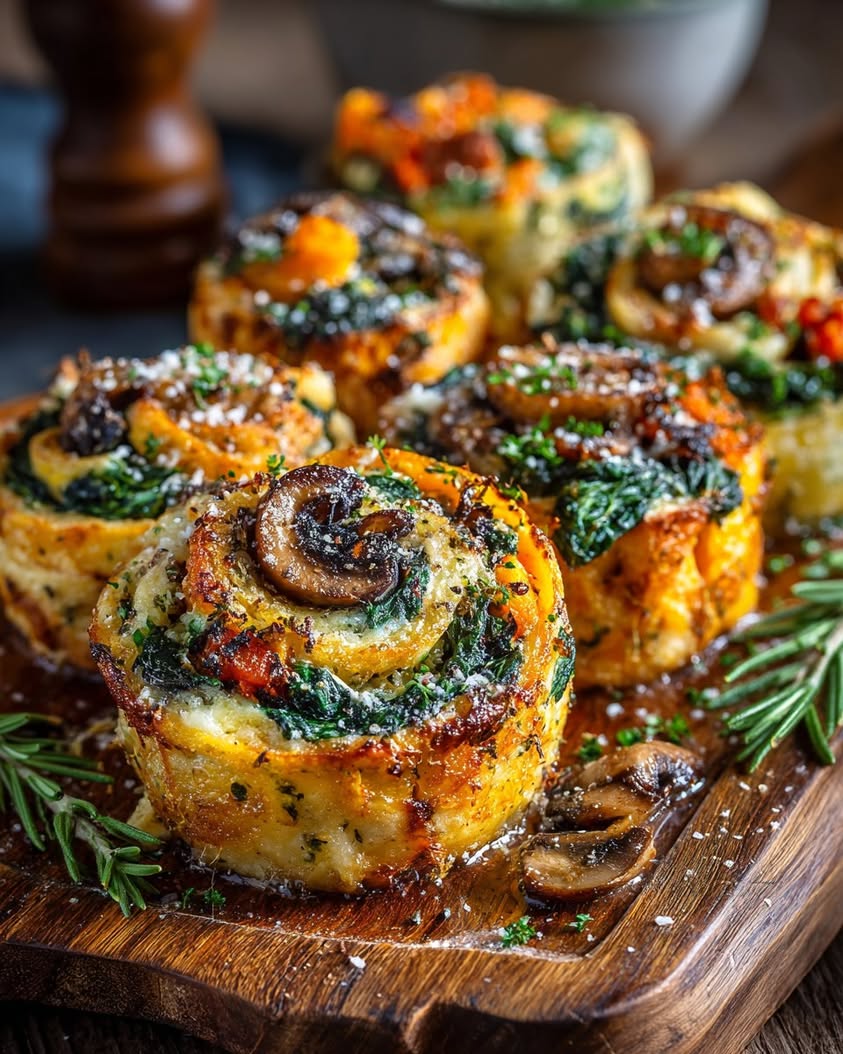
Cheesy Baked Mushrooms, Spinach, Sweet Potato, Butternut Squash, Carrot Rolls: Your New Favorite Veggie-Packed Comfort Food
Imagine a cozy dinner where every bite delivers a symphony of savory, sweet, and creamy textures. These Cheesy Baked Mushrooms, Spinach, Sweet Potato, Butternut Squash, Carrot Rolls are precisely that kind of culinary masterpiece. Consequently, they transform humble, wholesome vegetables into an elegant and deeply satisfying main dish. The recipe wraps a vibrant, spiced filling of roasted sweet potato, butternut squash, and carrot with fresh spinach inside a tender, cheesy mushroom blanket. Ultimately, baking everything together creates a golden, bubbly exterior that gives way to a soft, flavorful interior.
This dish is a celebration of vegetables, designed to win over even the most dedicated carnivores at your table. Moreover, it masterfully balances earthy mushrooms with the natural sweetness of root vegetables. The process is surprisingly straightforward, yet the final presentation feels special enough for a holiday centerpiece or a fancy weekend meal. Importantly, these rolls are a fantastic example of how vegetarian comfort food can be both nourishing and indulgent. They are packed with fiber, vitamins, and color, making them a healthy choice that doesn’t sacrifice an ounce of flavor.
Furthermore, the aroma that fills your kitchen while these bake is utterly irresistible. It’s a warm, inviting scent of roasting vegetables, melted cheese, and herbs. Each roll is a self-contained package of goodness, perfect for portioning and serving. Whether you are looking for a impressive dish to bring to a potluck or a comforting family dinner that yields delicious leftovers, these veggie-packed rolls deliver on every front. They are the ultimate proof that eating your vegetables can be the most exciting part of the meal.
Quick Recipe Highlights
- Flavor Profile: These rolls offer a complex and satisfying taste journey. Savory, umami-rich mushrooms and cheese perfectly balance the natural sweetness of roasted sweet potato and butternut squash. Additionally, subtle spices and fresh herbs add depth and warmth to every single bite.
- Texture: The experience begins with a slightly crisp, cheesy baked exterior. Next, you encounter the tender, meaty texture of the mushroom layer. Finally, the center reveals a soft, almost creamy filling of perfectly cooked sweet potatoes, squash, and carrots, with the slight wilt of spinach throughout.
- Aroma: While baking, the kitchen fills with an intoxicating scent. Earthy mushrooms and savory cheese meld with the caramelized sweetness of the roasted root vegetables. Furthermore, the fragrance of garlic and herbs like thyme or rosemary creates a classic, comforting perfume.
- Visual Appeal: These rolls are a feast for the eyes with their beautiful golden-brown tops. When sliced open, they reveal a stunning cross-section of colorful layers: orange sweet potato, bright carrot, creamy squash, and green spinach, all wrapped in a savory mushroom coating.
- Skill Level Needed: This recipe is accessible to home cooks with some kitchen experience. It involves several components like roasting vegetables and preparing a mushroom mixture, but the steps are clear and sequential. Therefore, organization and a bit of patience are your best tools for success.
- Special Equipment: You will need basic kitchen tools like a baking sheet, a skillet, and a mixing bowl. Helpfully, a food processor can significantly speed up the process of finely chopping the mushrooms and vegetables. However, a good knife and cutting board will work perfectly fine if you prefer.
Recipe Overview
- Difficulty Level: We classify this recipe as intermediate. The reason is it requires managing multiple components simultaneously, such as roasting vegetables and cooking down a mushroom duxelles. However, each individual step is simple and explained in detail. With careful reading and mise en place, a confident beginner can absolutely achieve excellent results.
- Category: This dish fits beautifully into several meal categories. Primarily, it serves as a stunning vegetarian main course for lunch or dinner. Alternatively, you can present smaller portions as an elegant side dish or appetizer. It’s also ideal for special occasion meals and holiday feasts where a show-stopping centerpiece is required.
- Cuisine: While not tied to one specific tradition, these rolls draw inspiration from global vegetarian cuisine. The technique of using mushrooms as a wrapper has roots in European cooking, while the spice profile can lean Mediterranean or even subtly Indian. Ultimately, it’s a modern, fusion-style dish celebrating universal, plant-based ingredients.
- Cost: This is a very cost-effective recipe, especially when root vegetables are in season. Sweet potatoes, carrots, and squash are typically inexpensive. Mushrooms and cheese represent the main cost, but they stretch far in this application. Overall, you can feed a family of six a gourmet-quality meal for a fraction of the cost of a meat-centric dish.
- Season: This recipe shines brightest in the fall and winter months. Naturally, that’s when sweet potatoes, squash, and carrots are at their peak flavor and most affordable. Conversely, the warm, baked nature of the dish provides comfort during cooler weather. That said, it’s delicious year-round thanks to the always-available spinach and mushrooms.
- Occasion: These rolls are versatile for many events. They make a fantastic vegetarian option for Thanksgiving or Christmas dinner. Similarly, they are perfect for a cozy Sunday family supper or a dinner party where you want to impress guests with beautiful, homemade food. They also pack and reheat well for weekday lunches.
Why You’ll Love This Recipe
First and foremost, the taste and texture appeal of these rolls is undeniable. Each bite delivers a satisfying contrast between the savory, cheesy exterior and the sweet, creamy interior. The umami from the mushrooms creates a deeply flavorful base that makes the vegetables taste incredibly rich. Meanwhile, the combination of different veggies ensures no single bite is monotonous. You get the earthy sweetness of squash, the denser sweetness of potato, and the bright note of carrot, all harmonized by herbs and cheese. It’s a comforting, complex flavor profile that feels both wholesome and indulgent.
Regarding convenience, this recipe is a meal-prepper’s dream. You can roast the vegetables and prepare the mushroom mixture a day or two in advance. Consequently, assembly on the day you plan to serve becomes a quick and simple task. The rolls also bake in a relatively short time, freeing you up to prepare sides or simply relax. Additionally, they are self-contained portions, which makes serving incredibly easy and eliminates the need for messy scooping or slicing at the table. This makes them ideal for entertaining or for ensuring everyone gets a perfectly composed plate.
From a nutritional standpoint, these rolls are a powerhouse. They are loaded with vitamins A and C from the orange vegetables, which support immune function and eye health. The spinach provides iron and folate, while the mushrooms offer B vitamins and selenium. Moreover, all the vegetables contribute significant dietary fiber, promoting digestive health and helping you feel full and satisfied. Using cheese adds protein and calcium, creating a more balanced meal. Therefore, you can feel great about serving a dish that is as good for your body as it is for your taste buds.
For social and entertaining value, this dish is a true winner. It presents beautifully on a platter, making it a conversation starter. Because it is a complete vegetarian main, it simplifies menu planning when you have guests with dietary preferences. Furthermore, it pairs wonderfully with a wide variety of sides, from simple salads to more elaborate grain dishes. Serving these rolls shows thoughtfulness and effort, impressing your family and friends with your culinary skills. They are a guaranteed crowd-pleaser that proves vegetarian food can be the star of the show.
Finally, the cost-effectiveness and accessibility of this recipe are major benefits. The core ingredients are pantry staples and common produce items available at any grocery store. You likely have many of the spices and herbs in your cupboard already. Because the recipe uses affordable vegetables as the bulk of the filling, it is incredibly economical compared to meals centered around meat or specialty ingredients. This accessibility means you can enjoy a gourmet-tasting, healthy meal any time without breaking the bank. It’s a sustainable choice for both your wallet and your weekly meal plan.
Historical Background and Cultural Significance
The concept of wrapping fillings in edible leaves or vegetable layers is ancient and spans countless cultures. From Greek dolmades wrapped in grape leaves to Chinese cabbage rolls, the technique of creating a portable, self-contained food parcel is universal. These Cheesy Baked Veggie Rolls are a modern, Western interpretation of this timeless idea. They specifically draw inspiration from dishes like mushroom duxelles, a finely chopped mushroom mixture used in classic French cuisine as a filling or garnish. By using the mushroom mixture as the wrapper itself, this recipe innovates on tradition, creating a new form that is entirely gluten-free and vegetable-forward.
Culturally, this dish speaks to the growing global movement towards plant-based and vegetable-centric eating. It reflects a contemporary desire to make vegetables the hero of the plate, moving them from a side dish to the main event. The use of sweet potato and squash, staples of Native American and Mesoamerican diets for millennia, connects the recipe to ancient foodways. Meanwhile, the incorporation of spinach and carrots, vegetables cultivated across Europe and Asia, creates a truly global fusion. This blend of ingredients and techniques symbolizes how modern cooking often borrows and blends from diverse culinary histories to create something new and exciting.
The evolution of this recipe likely stems from home cooks and chefs looking for satisfying vegetarian alternatives to meat-based rolls or pastries. As vegetarianism and flexitarian diets gained popularity, the demand for hearty, “center-of-the-plate” vegetable dishes increased. The challenge was to create something with substantial texture and umami flavor without relying on meat. Mushrooms, with their meaty texture and savory depth, became a natural solution. Combining them with sweet, starchy vegetables and cheese resulted in a filling that was both flavorful and structurally sound enough to be rolled and baked. This evolution represents a creative response to changing dietary preferences.
Regional variations of this concept are easy to imagine. In the Mediterranean, one might add sun-dried tomatoes, olives, and feta cheese to the filling. An Indian-inspired version could incorporate spices like garam masala, turmeric, and peas, serving it with a cilantro chutney. In East Asia, the filling might include shiitake mushrooms, ginger, and water chestnuts for crunch, with a soy-based glaze. The basic formula—a savory vegetable wrapper around a spiced filling—is wonderfully adaptable. This adaptability ensures the recipe can be personalized to suit local tastes and ingredient availability, continuing the long tradition of wrapped foods across human cultures.
Ingredient Deep Dive
Cremini or Button Mushrooms: These common mushrooms form the essential “wrapper” for the rolls. Cultivated worldwide, they are the modern descendant of wild field mushrooms foraged for centuries. Nutritionally, they are a low-calorie source of B vitamins, selenium, and antioxidants. They also provide a unique umami flavor, thanks to compounds like glutamate. When selecting, choose mushrooms that are firm, dry, and smooth, with closed caps. Avoid any that are slimy or have dark, open gills. Store them in a paper bag in the refrigerator for up to a week. For a deeper flavor, you can substitute with a mix of cremini and shiitake mushrooms.
Sweet Potato: This vibrant root vegetable, native to Central and South America, has been a dietary staple for over 5,000 years. It traveled to Europe and Asia with explorers and is now beloved globally. Sweet potatoes are incredibly rich in beta-carotene (which converts to vitamin A), vitamin C, and fiber. They also have a lower glycemic index than regular potatoes. Choose firm sweet potatoes without soft spots, cracks, or wrinkles. Store them in a cool, dark, well-ventilated place—not the refrigerator. For a different flavor, you could substitute with pumpkin or regular orange-fleshed squash, though the texture may be slightly wetter.
Butternut Squash: A type of winter squash, butternut squash is known for its sweet, nutty flavor and creamy texture when cooked. Like sweet potatoes, it is high in vitamins A and C, potassium, and fiber. Its long storage life made it a valuable food source through winter for many indigenous cultures in the Americas. Select squash that feel heavy for their size with a hard, matte rind and a long, solid neck. Store whole squash in a cool, dark place for months. Once cut, wrap tightly and refrigerate. Acorn squash or kabocha squash can be used as substitutes, though peeling may be more challenging.
Fresh Spinach: Spinach has a history dating back to Persia, from where it spread to China and later Europe. It gained modern popularity partly due to the Popeye cartoon. It is a nutritional superstar, packed with iron, calcium, magnesium, and vitamins K, A, and C. For this recipe, fresh spinach is wilted, which reduces its volume dramatically while concentrating its nutrients and flavor. Look for vibrant green leaves without yellowing or sliminess. Store it loosely in a plastic bag in the crisper drawer. If substituting, Swiss chard or kale can be used, but ensure they are finely chopped and thoroughly wilted to soften their tougher texture.
Cheese (Mozzarella & Parmesan): Cheese adds crucial protein, fat, and flavor that binds the dish together. Mozzarella provides the beloved stretchy, melty quality, while Parmesan contributes a sharp, salty umami punch. Cheese-making is an ancient preservation technique, with evidence dating back over 7,000 years. In this recipe, cheese helps the mushroom mixture adhere and form a cohesive “dough.” For best results, shred your own cheese from a block, as pre-shredded varieties contain anti-caking agents that can affect meltability. For a dairy-free version, use a combination of vegan mozzarella shreds and nutritional yeast to mimic the cheesy flavor and binding properties.
Common Mistakes to Avoid
- Not Removing Enough Moisture from the Mushrooms: This is the most critical step. If your mushroom duxelles is too wet, the rolls will be soggy and difficult to handle. Cook the chopped mushrooms until they release all their liquid and it fully evaporates, leaving a dry, pasty mixture. This can take 10-15 minutes of patient cooking.
- Underseasoning the Filling: Vegetables, especially when roasted, can absorb a lot of seasoning. Taste your roasted vegetable and spinach mixture before assembling. It should be well-seasoned with salt, pepper, and herbs on its own. Remember, the mushroom layer also contains seasoning, but the heart of the flavor is in the filling.
- Overfilling the Rolls: Using too much filling will cause the rolls to burst open during baking. Use a moderate amount, about 1/3 to 1/2 cup per roll, and spread it evenly, leaving a small border. The goal is a tight, secure roll that holds its shape in the oven.
- Skipping the Parchment Paper: Lining your baking sheet is non-negotiable. The cheese in the mushroom layer will melt and can stick fiercely to a bare pan. Parchment paper ensures easy release and quick cleanup, preventing a frustrating mess after your beautiful rolls are done baking.
- Not Letting the Rolls Rest After Baking: Pulling them from the oven and slicing immediately will cause the filling to gush out. Let them rest for 5-10 minutes. This allows the ingredients to set slightly, making them easier to cut and serve neatly, preserving those beautiful layers.
- Using Pre-Shredded Cheese Exclusively: While convenient, pre-shredded cheese is coated to prevent clumping, which can hinder its melting and binding capabilities. For the best texture and cohesion in the mushroom layer, take the extra minute to shred a block of cheese yourself.
- Roasting Vegetables to Mushiness: The sweet potato, squash, and carrot should be tender but still hold their shape when mashed slightly. If they are overcooked and watery, the filling will be too wet. Roast until just fork-tender and allow them to cool slightly before mixing.
- Rushing the Mushroom Cooking Process: Cooking the mushrooms on too high heat can scorch them before the water evaporates. Use medium heat and stir frequently. The process cannot be hurried; allowing the liquid to slowly cook off is key to achieving the right dry, spreadable consistency.
Essential Techniques
Creating a Mushroom Duxelles: This French technique involves finely chopping mushrooms and cooking them slowly with aromatics until all moisture evaporates. The importance lies in transforming wet, bulky mushrooms into a concentrated, dry paste that can be used as a flavorful wrapper or filling. To master it, ensure your mushrooms are very finely chopped—a food processor is ideal. Cook them in a dry pan at first to release water, then add a small amount of oil or butter and continue cooking, stirring often, until the mixture is dark, fragrant, and no liquid remains in the pan. A common pitfall is stopping too early; success is visually confirmed by a paste that moves as one mass in the pan, not a wet pile.
Roasting Vegetables for Filling: Roasting concentrates the natural sugars in vegetables like sweet potato and squash, deepening their flavor and improving texture. The goal is caramelization, not just cooking. To achieve this, cut vegetables into uniform, small cubes to ensure even cooking. Toss them thoroughly with oil and seasonings, and spread them in a single layer on a baking sheet—crowding causes steaming. Roast in a hot oven (around 400°F/200°C) until the edges are browned and the centers are tender. The visual cue for success is golden-brown spots on the vegetables and a sweet, roasted aroma. Undercooked veggies will be hard, while overcooked ones will be mushy and wet.
Rolling and Sealing: This technique is what gives the dish its distinctive “roll” shape and ensures the filling stays enclosed. After spreading the cooled mushroom mixture on parchment, you must create an even rectangle. Place the filling in a log shape along one long edge, then use the parchment paper to lift and tightly roll the mushroom layer over the filling, similar to rolling sushi. Press gently to seal the seam and ends. The key is a firm, confident roll. If the mixture is too wet or you roll too loosely, the roll may fall apart. A properly executed roll will feel cohesive and hold its shape when you transfer it to the baking sheet.
Pro Tips for Perfect Cheesy Baked Veggie Rolls
First, roast your vegetables on a preheated baking sheet. Placing cold veggies on a hot sheet promotes immediate sizzle and better caramelization, preventing them from steaming in their own moisture. This simple trick yields a more flavorful, less watery filling.
Second, let all components cool completely before assembly. Attempting to roll warm mushroom duxelles or hot roasted vegetables will result in a sticky, difficult-to-handle mess and may cause the rolls to split. Patience here guarantees a smooth assembly process.
Third, use a second sheet of parchment on top of the mushroom mixture when pressing it out. Place another piece of parchment over the blob of mushroom duxelles and use your hands or a rolling pin to press it into a thin, even rectangle. This prevents sticking and makes achieving a uniform thickness much easier.
Fourth, add a binding agent to the filling if it seems dry. If your mashed roasted vegetables aren’t holding together, mix in one beaten egg or a tablespoon of flour or breadcrumbs. This helps the filling cohere, making it easier to roll and preventing a crumbly interior.
Fifth, score the top of the rolls lightly before baking. Make a few shallow diagonal cuts on the top of each roll. This allows steam to escape during baking, preventing the rolls from bursting open at weak points and giving them an attractive, professional appearance.
Sixth, brush the rolls with a little olive oil or melted butter before baking. This promotes even browning and helps achieve that beautiful, golden, crispy-cheesy exterior that is so visually appealing and texturally delightful.
Variations and Adaptations
For regional variations, consider a Mediterranean twist by adding crumbled feta, chopped Kalamata olives, and dried oregano to the filling. A Mexican-inspired version could incorporate black beans, corn, cumin, chili powder, and Monterey Jack cheese, served with avocado crema. An Indian adaptation might include peas, garam masala, turmeric, and paneer cheese instead of mozzarella, with a side of mint chutney.
Seasonal adaptations are straightforward. In spring, use asparagus and peas in the filling. For summer, incorporate roasted zucchini, bell peppers, and fresh basil. The autumn version stays true to the original recipe. In winter, you might add hardy greens like kale and use more robust herbs like rosemary and sage to match the heartier season.
Dietary modifications are easily achieved. For a gluten-free version, ensure any binding agent used is gluten-free flour or crumbs. To make it vegan, use vegan cheese shreds and a flax egg or chickpea flour as a binder in the filling. For a nut-free version, simply avoid any nut-based cheese substitutes and stick to seed- or soy-based products.
Flavor variations can come from the cheese and herbs. Try using smoked Gouda for a deeper flavor, or goat cheese for tanginess. Fresh herbs like dill, tarragon, or basil can dramatically change the profile. A spoonful of pesto mixed into the filling or a drizzle of balsamic glaze after baking are also fantastic flavor boosters.
Texture modifications might include adding crunch. Mix in some toasted pine nuts, walnuts, or sunflower seeds into the vegetable filling. Alternatively, sprinkle panko breadcrumbs mixed with a little Parmesan on top of the rolls before baking for an extra crispy, textured crust.
Presentation alternatives include making mini rolls for appetizers by dividing the mixture into more, smaller portions. You could also forgo individual rolls and press the mushroom mixture into a baking dish, layer the filling, top with more mushroom mix and cheese, and bake it as a savory vegetable “lasagna” or casserole.
Serving and Presentation Guide
For plating, place one or two whole rolls slightly off-center on a warm dinner plate. Alternatively, slice one roll in half on a bias (diagonally) and fan out the pieces to showcase the colorful interior layers. Use a wide spatula for transfer to keep the rolls intact. A drizzle of sauce around the plate or a small dollop on the side adds visual interest and flavor.
Garnishing ideas should be fresh and simple to complement the rich rolls. A sprinkle of finely chopped fresh parsley, chives, or microgreens adds a pop of color. A light dusting of paprika or smoked paprika enhances the color and adds a hint of spice. A few delicate edible flowers can elevate the dish for a special occasion.
Traditional accompaniments might include a simple green salad with a bright vinaigrette to cut through the richness. For a heartier meal, serve with a side of garlic mashed potatoes, quinoa, or crusty bread to soak up any delicious juices. A tangy tomato sauce or a creamy garlic aioli for dipping is also a welcome addition.
Modern serving suggestions lean towards balanced, composed plates. Serve alongside a grain bowl base like farro or brown rice, adding extra steamed greens. For a low-carb option, pair with a large, colorful salad packed with raw vegetables and a protein-rich bean salad. They also make excellent leftovers served cold in a lunchbox with a side of hummus.
Temperature considerations are key. These rolls are best served warm from the oven, after their brief resting period. The cheese will be perfectly melted, and the flavors are most pronounced when warm. If serving on a buffet, keep them covered with foil in a warm oven until ready to serve to maintain optimal temperature and texture.
Portion control is inherent in this recipe, as each roll is a single serving. For a lighter meal or as part of a larger spread, one roll per person is sufficient. For a hearty main course, plan for two rolls per adult. You can easily adjust appetites by serving with more or less substantial sides.
Wine and Beverage Pairing
For wine pairings, consider the earthy, savory notes of the mushrooms and the sweetness of the vegetables. A medium-bodied Pinot Noir with its red fruit flavors and earthy undertones is a classic and excellent choice. Alternatively, a creamy, oak-aged Chardonnay can complement the richness of the cheese and the sweetness of the squash beautifully. A dry Rosé with good acidity can also work wonderfully, bridging the gap between the earthy and sweet components.
Non-alcoholic alternatives should offer refreshment and balance. Sparkling water with a twist of lemon or lime cleanses the palate. A tart cherry or pomegranate juice spritzer mirrors the fruity notes of a red wine pairing. For something warmer, a ginger-lemon herbal tea can aid digestion and complement the earthy flavors without overwhelming them.
Coffee and tea pairings are best considered after the meal. A medium-roast coffee with low acidity would be a pleasant follow-up, especially if served with a dessert. For tea, an Earl Grey with its bergamot citrus notes can be a refreshing finish, or a soothing chamomile tea would be a calming end to a cozy meal.
Temperature considerations are standard: serve white wines and sparkling beverages chilled, red wines slightly below room temperature, and non-alcoholic spritzers cold. Warm teas and coffee should be served hot to provide a contrasting temperature experience if enjoyed after the meal.
Serving suggestions include offering a choice between red and white wine if serving guests. Always provide a non-alcoholic option visibly on the table. For a formal dinner, you might pour the wine before presenting the main course. In a casual setting, allow guests to help themselves to beverages that best suit their taste alongside this versatile dish.
Storage and Shelf Life
For storage, allow the baked rolls to cool completely to room temperature. Then, place them in a single layer in an airtight container, separating layers with parchment paper if stacking is necessary. Alternatively, wrap each roll individually in plastic wrap or aluminum foil. Properly stored, they will last in the refrigerator for 3-4 days.
Temperature requirements are straightforward: always refrigerate leftovers promptly. Do not leave baked rolls at room temperature for more than two hours. For longer storage, freezing is an excellent option. The rolls freeze remarkably well, making them a fantastic make-ahead meal.
Container recommendations include glass meal-prep containers with tight-fitting lids or heavy-duty freezer bags with the air pressed out. For freezing, first flash-freeze the unbaked or baked rolls on a parchment-lined tray until solid (about 2 hours), then transfer to a container or bag. This prevents them from sticking together into one large clump.
Signs of spoilage include an off or sour smell, visible mold (often fuzzy green or white spots), or a slimy texture on the surface. If you detect any of these, discard the rolls immediately. The cheese and vegetable content means they are perishable and should be consumed within the recommended timeframes.
Reheating instructions are best done in the oven or toaster oven to restore texture. Preheat your oven to 350°F (175°C). Place the rolls on a baking sheet, cover loosely with foil to prevent over-browning, and heat for 10-15 minutes if refrigerated, or 20-25 minutes from frozen, until heated through. The microwave can be used for speed but will result in a softer, less crispy exterior.
Freezing guidelines: You can freeze either unbaked assembled rolls or fully baked rolls. For unbaked, assemble as directed, place on a parchment-lined sheet to flash-freeze, then store. Bake from frozen, adding 10-15 minutes to the baking time. For baked, cool completely, flash-freeze, then store. Reheat from frozen in a 350°F oven until hot throughout.
Make Ahead Strategies
For a prep timeline, you can break the recipe into stages over two days. Day 1: Roast all the vegetables and let them cool, then store in a sealed container in the fridge. Also, prepare the mushroom duxelles, cool it completely, and store it separately in the fridge. Day 2: Remove components from the fridge, let them come closer to room temperature for easier handling, assemble the rolls, and bake. This makes the actual cooking day much less hectic.
Storage between steps is simple. Both the cooled roasted vegetable filling and the cooled mushroom duxelles can be stored in separate airtight containers in the refrigerator for up to 48 hours before assembly. Do not mix them until you are ready to roll, as the filling may release moisture into the mushroom layer.
The quality impact assessment is positive. In fact, making the components ahead often improves the dish. The flavors have time to meld in the filling, and the mushroom duxelles firms up when chilled, making it even easier to spread and roll. The final baked result is identical to, if not better than, making it all in one go.
Assembly tips for make-ahead: If you want to assemble the rolls completely ahead of baking, you can do so. Place the assembled, unbaked rolls on a parchment-lined baking sheet, cover tightly with plastic wrap, and refrigerate for up to 24 hours. You can also flash-freeze them at this stage for longer storage. Bake directly from the fridge or freezer, adding time as needed.
Reheating guidelines for fully made-ahead and baked rolls are covered in the storage section. The key is using the oven to restore texture. If you assembled and refrigerated unbaked rolls, bake them straight from the fridge, adding maybe 3-5 extra minutes to the baking time since they start cold.
Fresh element additions should be considered if making ahead. If you’ve made the rolls fully and reheated them, a fresh garnish added just before serving makes a big difference. Sprinkle on some freshly chopped herbs, a zest of lemon, or a drizzle of high-quality olive oil to brighten the dish and add a note of freshness that was lost during storage and reheating.
Scaling Instructions
Halving the recipe is straightforward for smaller households. Simply divide all ingredient quantities by two. Use a smaller baking sheet for roasting the vegetables. The assembly process is identical; you will just end up with three rolls instead of six. Baking time may be slightly reduced by a few minutes, so start checking for doneness around the 25-minute mark.
Doubling or tripling the recipe is excellent for meal prep or feeding a crowd. Multiply all ingredients accordingly. You will need to roast the vegetables in batches to avoid overcrowding the pans, which leads to steaming. You may also need to cook the mushroom duxelles in two separate skillets or in batches. Assemble in batches and bake on multiple oven racks, rotating the sheets halfway through baking for even cooking.
Equipment adjustments are necessary when scaling up. Ensure you have enough baking sheets, mixing bowls, and skillet space. If doubling, you might need to use two skillets simultaneously for the mushrooms or cook them in a very large Dutch oven. For tripling, consider using your largest stockpot to cook the mushrooms in batches, removing each batch to a bowl before adding the next.
Timing modifications are minimal for scaling down. For scaling up, the prep time will increase linearly—chopping triple the vegetables takes about three times as long. The active cooking time for components like the mushrooms will also increase if you’re working in batches. However, the actual baking time for the rolls themselves will remain roughly the same, as they are still individual portions.
Storage considerations change with scale. If you make a large batch, ensure you have adequate refrigerator or freezer space for the components or the finished rolls. When freezing a large batch, the flash-freezing step on baking sheets is even more critical to prevent a giant, frozen block of rolls that are impossible to separate.
Nutritional Deep Dive
Macro breakdown: These rolls provide a balanced mix of macronutrients. The complex carbohydrates come primarily from the sweet potatoes, squash, and carrots, offering sustained energy release. Protein is supplied by the cheese and, to a lesser extent, the mushrooms and spinach. Healthy fats are present in the olive oil used for roasting and in the cheese. This balance helps keep you full and satisfied for hours after eating.
Micronutrient analysis reveals a wealth of vitamins and minerals. The orange vegetables are exceptionally high in beta-carotene (Vitamin A), crucial for vision and immune health. Spinach contributes iron, calcium, and Vitamin K. Mushrooms provide B vitamins like riboflavin and niacin, as well as selenium, an important antioxidant. Cheese adds more calcium and Vitamin B12. Together, they create a nutrient-dense meal.
Health benefits are numerous. The high fiber content from all the vegetables supports digestive health and helps regulate blood sugar. The antioxidants (beta-carotene, Vitamin C, selenium) combat oxidative stress and inflammation. The calcium from spinach and cheese supports bone health. The combination of fiber, protein, and healthy fats promotes satiety, which can aid in weight management by preventing overeating.
Dietary considerations: This recipe is naturally vegetarian and can be adapted to be gluten-free and vegan. It is not suitable for a strict keto or very low-carb diet due to the starchy vegetables. For those monitoring sodium, you can control the amount of salt added and choose a lower-sodium cheese. The dish is also nut-free in its basic form.
Portion analysis shows that one roll is a substantial serving, providing a good volume of food that is high in nutrients but moderate in calories, especially when considering the satiety factor. The self-contained nature of the roll naturally defines a portion, which is helpful for mindful eating.
Weight management tips include pairing one roll with a large side salad dressed with lemon juice or vinegar to create a voluminous, filling meal with controlled calories. You can also use slightly less cheese in the mushroom mixture or opt for a part-skim mozzarella to reduce fat content without sacrificing too much flavor or texture.
Dietary Adaptations
For a gluten-free adaptation, this recipe is naturally gluten-free as written. Simply ensure that any binding agent you might add (if the filling is too wet) is a gluten-free flour like rice flour or a gluten-free breadcrumb. Also, verify that your cheese shreds do not contain any gluten
Print
Cheesy Baked Mushrooms, Spinach, Sweet Potato, Butternut Squash, Carrot Rolls
Description
A hearty and nutritious vegetarian dish featuring roasted vegetables and spinach wrapped in a cheesy, baked roll, perfect for a comforting meal.
Ingredients
For the Crust:
- 1 large sweet potato, peeled and diced
- 1 cup butternut squash, peeled and cubed
- 1 large carrot, peeled and sliced
- 8 oz mushrooms, sliced
- 2 cups fresh spinach
- 1 cup shredded mozzarella cheese
- 1/2 cup grated Parmesan cheese
- 2 tbsp olive oil
- 1 tsp garlic powder
- 1 tsp dried thyme
- Salt and pepper to taste
- 1 package (8 count) refrigerated crescent roll dough
Instructions
1. Prepare the Crust:
- Preheat oven to 400°F (200°C). Line a baking sheet with parchment paper.
- In a large bowl, toss sweet potato, butternut squash, carrot, and mushrooms with olive oil, garlic powder, thyme, salt, and pepper. Spread on the baking sheet and roast for 20 minutes, or until tender.
- Remove vegetables from oven and let cool slightly. In a mixing bowl, combine roasted vegetables with spinach, mozzarella, and Parmesan.
- Unroll crescent roll dough and separate into triangles. Spoon vegetable mixture onto each triangle, then roll up from the wide end to the tip.
- Place rolls on the baking sheet and bake for 10-12 minutes, or until golden brown and cheese is melted.
- Serve warm as a main dish or appetizer.
Notes
You can customize the seasonings to taste.

I’m Shaykee—born in Morocco, seasoned across continents. From airplane galleys to home kitchens, I share the flavors and stories that shaped my journey.