
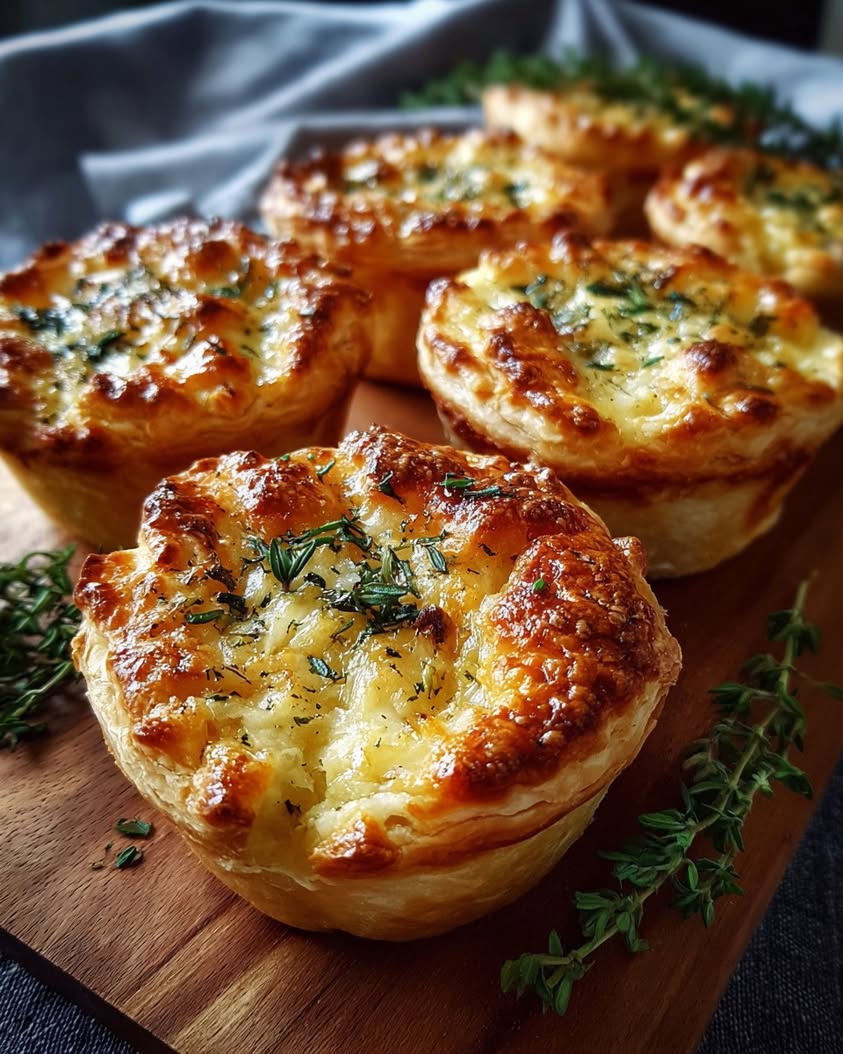
Mini Sweet Potato & Gruyère Pot Pies: The Ultimate Cozy Comfort Food
Imagine the most comforting hug in food form. That is exactly what these Mini Sweet Potato & Gruyère Pot Pies deliver. Each individual serving is a perfect vessel of warmth, featuring a creamy, savory filling encased in a golden, flaky crust. This recipe elevates the humble pot pie into a sophisticated yet deeply comforting dish ideal for intimate dinners or impressive holiday gatherings. The combination of earthy sweet potatoes and nutty Gruyère cheese, fragrant with fresh thyme, creates a flavor symphony that is both familiar and excitingly new.
Furthermore, the individual presentation transforms a classic family-style meal into an elegant personal experience. Each guest receives their own perfectly portioned pie, with a crispy top and a steaming, flavorful interior. The process of making these mini pot pies is surprisingly therapeutic, from rolling out the buttery dough to watching them puff and brown in the oven. Ultimately, the aroma that fills your kitchen promises a meal that is as rewarding to make as it is to eat. This dish proves that comfort food can be beautiful, balanced, and utterly delicious.
Consequently, if you are searching for a standout recipe that bridges the gap between casual comfort and dinner-party elegance, these mini pot pies are your answer. They are a celebration of seasonal produce and artisanal cheese, all wrapped up in a timeless pastry package. Let’s explore how to create these delightful individual savory pies that are sure to become a cherished part of your culinary repertoire.
Quick Recipe Highlights
- Flavor Profile: These savory mini pot pies masterfully balance the natural sweetness of roasted sweet potato with the rich, slightly salty, and nutty depth of Gruyère cheese. Fresh thyme adds an aromatic, earthy note that ties everything together without overpowering the delicate filling.
- Texture: The experience begins with a shatteringly flaky, golden-brown pastry crust. Then, you discover the luxuriously smooth and creamy interior filling, where the sweet potato melts into the cheesy sauce, creating a comforting and cohesive mouthfeel in every bite.
- Aroma: As the pies bake, your kitchen will fill with the irresistible scent of buttery pastry, caramelizing sweet potato, and the herbal fragrance of thyme. The nutty aroma of the melting Gruyère cheese adds a final layer of savory anticipation that is simply mouthwatering.
- Visual Appeal: These individual pies are as beautiful as they are tasty. The golden, domed crusts have a rustic, handcrafted charm. When broken open, the vibrant orange filling provides a stunning contrast against the pale, flaky pastry, making them perfect for photographing and sharing.
- Skill Level Needed: This recipe is ideal for a confident home cook. While it involves making a pastry crust and a roux-based filling, the steps are straightforward. Patience with chilling the dough and attention to seasoning are the primary skills required for success.
- Special Equipment: You will need a standard muffin tin to form the mini pie shells. A rolling pin, pastry brush, and a sharp knife are essential. Additionally, a potato masher or fork for the sweet potato and a medium saucepan for the filling will make the process smooth and efficient.
Recipe Overview
- Difficulty Level: We classify this recipe as intermediate. The reason is the multi-step process involving both pastry and a cooked filling. Making a flaky pie crust from scratch requires careful handling to avoid toughness. Simultaneously, creating a perfectly balanced, lump-free cheese sauce demands constant attention. However, each step is clearly explained and absolutely manageable for a cook with some baking experience.
- Category: These mini pot pies brilliantly straddle multiple categories. They function wonderfully as a hearty vegetarian main course for lunch or dinner. Alternatively, they can be served as a substantial and impressive appetizer or starter for a festive meal. Their versatility makes them a valuable addition to any menu plan.
- Cuisine: This dish is a modern fusion with roots in classic American and European traditions. The pot pie concept is deeply American comfort food. Meanwhile, the use of Gruyère cheese and fresh thyme borrows from French and Swiss culinary styles, creating an elegant, bistro-inspired twist on a homey favorite.
- Cost: The cost is moderate, largely dependent on the Gruyère cheese, which is a premium ingredient. Sweet potatoes, flour, butter, and thyme are typically affordable pantry staples. You can expect to spend roughly fifteen to twenty dollars for the entire batch, which yields six generous individual servings, making it a cost-effective choice for entertaining.
- Season: These pies are truly perfect for the fall and winter seasons. Sweet potatoes are at their peak, and the warm, hearty nature of the dish provides comfort on chilly evenings. That said, with sweet potatoes available year-round, this recipe can certainly bring cozy comfort to any table, regardless of the season.
- Occasion: This recipe is incredibly versatile for events. It is ideal for an intimate Friendsgiving, a cozy date night at home, or a holiday cocktail party as a passed appetizer. The individual servings also make them excellent for a special weekend family dinner where everyone gets their own personal pie.
Why You’ll Love This Recipe
First and foremost, the taste and texture combination is utterly irresistible. The filling is the star, featuring velvety sweet potato that provides a subtle natural sweetness. This sweetness is perfectly countered by the complex, nutty saltiness of the Gruyère cheese. The fresh thyme cuts through the richness with its clean, aromatic flavor. Encasing this luxurious filling is a buttery, flaky crust that provides a satisfying crunch with every forkful. Together, they create a harmonious bite that is both comforting and sophisticated, appealing to a wide range of palates.
Moreover, the convenience and preparation benefits are significant despite the from-scratch approach. Making individual portions means controlled serving sizes and no messy slicing at the table. You can prepare the components ahead of time, assembling and baking just before serving for maximum freshness. The recipe is also a fantastic way to use seasonal sweet potatoes, transforming them into a centerpiece dish. Additionally, the hands-on process of making the pastry and filling is a rewarding culinary project that builds foundational kitchen skills, making the final result even more satisfying.
From a nutritional standpoint, these pot pies offer distinct advantages. Sweet potatoes are a powerhouse of beta-carotene, vitamin A, and fiber. Using them as the base of the filling adds substantial nutritional value compared to a standard meat-based pot pie. While rich, the dish is vegetarian and can be adapted to use whole wheat pastry flour for added fiber. By controlling the salt and using high-quality cheese, you manage the sodium and fat content better than any store-bought or restaurant version, making it a more wholesome comfort food choice.
Furthermore, the social and entertaining value of this dish cannot be overstated. Individual servings are inherently special and make guests feel catered to. They are elegant enough for a dinner party yet familiar enough to please everyone. The pies are also a fantastic conversation starter, bridging the gap between rustic and refined. Serving them creates a warm, welcoming atmosphere, encouraging people to gather, share, and enjoy a meal that feels both personal and communal. They are a guaranteed crowd-pleaser that showcases your effort and care.
Finally, the cost-effectiveness and accessibility are major wins. Creating a restaurant-quality dish at home costs a fraction of the price. Sweet potatoes and basic pastry ingredients are inexpensive, leaving Gruyère as the main splurge. The recipe uses common kitchen tools, requiring no specialized equipment. Additionally, the ingredients are readily available in most grocery stores year-round. This accessibility means you can create an impressive, comforting meal without a special trip or a hefty budget, proving that delicious, beautiful food can be both achievable and affordable.
Historical Background and Cultural Significance
The origin story of the pot pie is deeply rooted in practical, economical cooking. Historically, pies served as a means of preserving and stretching ingredients, with a thick crust acting as a cooking vessel and storage container. The concept dates back to ancient Romans and Greeks, but the medieval English “coffyn” or “coffin,” a sturdy pastry shell, is a direct ancestor. These early pies often contained meat and game. The idea of a savory pie filled with cooked ingredients in gravy evolved over centuries, eventually crossing the Atlantic with European settlers to become a staple of American comfort food.
Cultural importance of the pot pie, particularly in America, is tied to notions of home, hearth, and resourcefulness. It represents a way to transform leftovers or humble ingredients into a nourishing, complete meal. The pot pie is a symbol of maternal care and family dinners, often evoking strong nostalgic feelings. Its evolution from a large, family-style dish to individual servings reflects changing dining trends and a desire for personalized presentation. The dish maintains its core identity as hearty, comforting fare while adapting to modern tastes and aesthetics.
The evolution of the recipe to include sweet potato and Gruyère is a modern twist on a classic template. Traditional American pot pies featured chicken, beef, or turkey. The vegetarian adaptation signals a shift toward plant-forward eating and celebrating vegetables as a main component. The use of Gruyère, a Swiss alpine cheese, introduces European sophistication, blending culinary traditions. This specific variation highlights how global ingredients and contemporary flavor profiles can refresh a timeless dish, keeping it relevant and exciting for today’s cooks and eaters who seek both comfort and novelty.
Regional variations of savory pies are endless, showcasing local ingredients and traditions. In the UK, the pasty from Cornwall features a similar portable, crust-encased meal. In Australia and New Zealand, the meat pie is a national icon. Southern U.S. cuisine might incorporate black-eyed peas or collard greens. Our Mini Sweet Potato & Gruyère Pot Pies fit into this global tapestry as a modern, upscale variation. They draw inspiration from the French “tarte soleil” or vegetable galette but retain the deep-dish, comforting soul of the American classic, creating a delicious fusion that honors its history while looking forward.
Ingredient Deep Dive
Sweet Potatoes: This vibrant tuber, native to Central and South America, has been cultivated for thousands of years. Columbus brought them to Europe, and they became a crucial crop in the American South. Nutritionally, they are superstar vegetables, packed with beta-carotene (which converts to Vitamin A), Vitamin C, manganese, and fiber. Their natural sweetness caramelizes when roasted, adding depth. For this recipe, choose firm, medium-sized sweet potatoes with smooth, unblemished skin. Store them in a cool, dark, well-ventilated place, not in the refrigerator. For a substitution, butternut squash or pumpkin puree can work, though the flavor and moisture content will differ.
Gruyère Cheese: Hailing from Switzerland, Gruyère is a hard yellow cheese with a rich, complex, and slightly salty flavor that becomes wonderfully nutty when melted. Its excellent melting properties make it ideal for sauces and baked dishes. It provides protein and calcium but is also high in saturated fat, so use it thoughtfully. Always buy a block and grate it yourself; pre-shredded cheese contains anti-caking agents that can make your sauce grainy. Store Gruyère tightly wrapped in the refrigerator. If unavailable, Comté, Emmental, or a good-quality Swiss cheese are the best substitutes. Avoid using a dry or non-melting cheese like Parmesan as the primary cheese here.
All-Purpose Flour: Flour serves two critical roles here. In the crust, it forms the structure with gluten development, which must be managed to ensure tenderness. In the filling, it is used to make a roux, thickening the milk and cream into a luxurious sauce that coats the sweet potato. For a more tender crust, some bakers use a blend of all-purpose and pastry flour. Store flour in a sealed container in a cool, dry place. For a gluten-free adaptation, a 1:1 gluten-free flour blend can work for both the crust and roux, though the texture may vary slightly.
Fresh Thyme: This woody, aromatic herb is a cornerstone of French “bouquet garni” and has been used since ancient times for culinary and medicinal purposes. Its tiny leaves pack an earthy, slightly minty, and lemony flavor that complements root vegetables and cheese beautifully. Fresh thyme is superior to dried in this recipe, as its delicate flavor shines through the rich filling. To store, wrap stems in a damp paper towel and place in a plastic bag in the refrigerator. If you must substitute, use 1/3 the amount of dried thyme, but the flavor will be more muted. Rosemary or sage could work in a pinch but will dramatically alter the flavor profile.
Common Mistakes to Avoid
- Overworking the Pie Dough: This is the most common pitfall. Overmixing or kneading the dough develops too much gluten, resulting in a tough, chewy crust instead of a tender, flaky one. Mix the dough just until it comes together, and handle it as little as possible when rolling.
- Using Warm Butter for the Crust: Your butter must be cold, even icy. When cold butter hits the hot oven, the water in it turns to steam, creating those desirable flaky layers. If the butter is soft or melted, it will simply be absorbed by the flour, yielding a dense, greasy pastry.
- Not Chilling the Dough: Skipping the chill time allows the gluten to relax and the butter to firm up again. If you try to roll warm dough, it will be sticky, shrink excessively in the oven, and lose its shape. Always chill for the full recommended time.
- Adding Cold Liquid to a Hot Roux: When making the cheese sauce, ensure your milk and cream are at least at room temperature before slowly whisking them into the hot roux. Adding cold liquid can cause the roux to seize up into lumps that are difficult to smooth out.
- Overcooking the Sweet Potato: The sweet potato should be tender enough to mash but still hold its shape. If it becomes waterlogged or mushy during boiling, it will make the filling too wet and can cause the bottom crust to become soggy during baking.
- Using Pre-Shredded Cheese: Pre-shredded cheese is coated with cellulose or starch to prevent clumping. These additives can prevent the cheese from melting smoothly into your sauce, leading to a grainy or stringy texture instead of a velvety one.
- Overfilling the Pie Shells: It is tempting to pack in as much filling as possible, but overfilling risks spillage in the oven, messy cleanup, and the top crust not sealing properly. Leave about a quarter-inch of space at the top to allow for bubbling and expansion.
- Not Venting the Top Crust: Forgetting to cut slits or a small hole in the top crust is a critical error. Steam needs to escape during baking. Without vents, pressure builds up, which can cause the filling to burst out the sides or make the top crust soggy.
- Baking on the Wrong Oven Rack: Place your muffin tin on the middle rack. Baking too low can result in a soggy bottom crust, while baking too high can cause the top to burn before the filling is fully heated through and the bottom is cooked.
- Skipping the Egg Wash: The egg wash is not just for shine; it helps seal the edges and promotes beautiful, even browning. Without it, your crust may look pale and dull, and the edges may not fuse together as well during baking.
Essential Techniques
Making a Flaky Pie Crust: The key to flakiness is keeping solid pieces of cold fat (butter) intact within the flour mixture. When the crust bakes, these fat pockets melt and create steam, which lifts the dough into separate, delicate layers. To master this, use a pastry cutter or your fingertips to work the cold butter into the flour until the mixture resembles coarse peas with some larger butter pieces remaining. Then, add ice water sparingly, just until the dough holds together when pinched. Over-mixing is the enemy. The visual cue for success is a dough that is marbled with visible butter streaks, not a homogeneous, smooth ball.
Creating a Lump-Free Roux: A roux is an equal mixture of fat and flour cooked together, used to thicken sauces. For a smooth result, cook the butter and flour over medium heat for a minute or two to cook out the raw flour taste, stirring constantly. Then, slowly add your warm liquid in a steady stream while whisking vigorously. This gradual incorporation prevents the flour from clumping. The mixture will initially look thick and pasty, then will thin out and become smooth as you add more liquid. The final sauce should coat the back of a spoon without any graininess.
Blind Baking (if required): Some recipes call for partially baking the bottom crust before adding a wet filling to prevent sogginess. To do this, line your dough with parchment paper and fill it with pie weights, dried beans, or rice. This weights the dough down so it doesn’t puff up or slump. Bake until the edges are set and lightly golden. For these mini pies in a muffin tin, the high heat and small volume often make full blind baking unnecessary, but understanding the technique is valuable for other pie recipes.
Proper Sealing and Venting: After placing the top crust over the filling, press the edges firmly with a fork or your fingers to create a tight seal. This lock prevents the filling from leaking during baking. Then, use a sharp paring knife to cut a few small slits or a decorative hole in the center of the top crust. These vents are non-negotiable; they allow steam to escape, ensuring the crust bakes up crisp and the filling doesn’t become watery from trapped condensation. A well-sealed and vented pie will bake evenly and hold its beautiful shape.
Pro Tips for Perfect Mini Sweet Potato & Gruyère Pot Pies
Grate your cheese from a block. Pre-shredded cheese contains anti-caking agents that prevent smooth melting, which can result in a grainy sauce texture. Freshly grated Gruyère will incorporate seamlessly into your roux.
Roast the sweet potatoes instead of boiling them. Roasting concentrates their natural sugars and flavor, and reduces excess water content, leading to a more intensely flavored and less watery filling.
Chill your rolling pin and work surface. For easier handling of the pastry dough, especially on a warm day, chill your marble or granite rolling pin and even sprinkle your counter with cold water before laying down the parchment paper.
Use a round cookie cutter slightly larger than your muffin cup. This ensures you have enough dough to line the cup and create an overhang for sealing with the top crust, preventing any gaps.
Let the filling cool slightly before assembling. Adding piping hot filling to your raw dough can begin to melt the butter in the crust, compromising its flakiness. A warm filling is ideal.
Brush the crust with an egg wash just before baking. For a deep golden, glossy finish, whisk one egg yolk with a teaspoon of cream or milk and brush it lightly over the top crust and edges.
Place the muffin tin on a preheated baking sheet. This extra burst of bottom heat helps ensure the bottom crust cooks through and becomes crisp, guarding against any potential sogginess.
Allow the pies to rest after baking. Let them cool in the tin for at least 10-15 minutes. This allows the filling to set slightly, making them much easier to remove without falling apart.
Variations and Adaptations
For regional variations, consider adding a Southern twist with a dash of smoked paprika and a handful of chopped kale or black-eyed peas mixed into the filling. A French-inspired version could include sautéed leeks and a touch of Dijon mustard in the sauce. For a heartier take, some cooked, crumbled vegetarian sausage or lentils would blend beautifully with the sweet potato and cheese, adding protein and texture.
Seasonal adaptations are simple and rewarding. In spring, substitute asparagus and peas for the sweet potato, using a lighter cheese like Fontina. For summer, a version with roasted corn, zucchini, and goat cheese would be delightful. In the heart of winter, adding roasted parsnips or carrots alongside the sweet potato enhances the earthy, sweet notes. A sprinkle of chopped toasted pecans or walnuts on top before baking adds a wonderful autumn crunch.
Dietary modifications are straightforward. For a gluten-free version, use a reliable 1:1 gluten-free flour blend for both the crust and the roux. To make it dairy-free, use a plant-based butter and a high-quality vegan cheese that melts well, along with unsweetened plant-based milk and cream. For a vegan adaptation, combine the dairy-free swaps with a flax egg for the crust binding and a cornstarch slurry to thicken the filling instead of a roux.
Flavor variations can take this recipe in new directions. Add a teaspoon of maple syrup to the filling to enhance the sweet potato’s natural sweetness. Incorporate a pinch of cayenne or chipotle powder for a subtle smoky heat. Swap the thyme for fresh rosemary or sage for a more pungent, aromatic profile. A tablespoon of whole-grain mustard stirred into the cheese sauce adds a lovely tangy complexity that cuts through the richness.
Serving and Presentation Guide
Plating techniques can elevate these humble pies. For a rustic look, serve them directly in the muffin tin or on a simple wooden board. For a more elegant presentation, carefully run a knife around each pie to loosen it, then use a small offset spatula to transfer each to individual appetizer plates or a large serving platter. Place a small bed of lightly dressed microgreens or arugula underneath or beside each pie for a pop of color and freshness.
Garnishing ideas should be simple and complementary. A final sprinkle of flaky sea salt and cracked black pepper on the golden crust adds visual and flavor contrast. A small fresh thyme sprig placed on top of each pie as it comes out of the oven looks beautiful. A tiny dollop of crème fraîche or sour cream on the side, or a light drizzle of high-quality olive oil around the plate, adds a chef’s touch.
Traditional accompaniments include a simple green salad with a bright vinaigrette to balance the richness of the pies. For a heartier meal, serve with roasted Brussels sprouts or sautéed green beans. A tangy fruit chutney or cranberry sauce on the side provides a sweet and acidic counterpoint that complements the savory, cheesy filling perfectly.
Modern serving suggestions might include presenting them as part of a “pie flight” at a party, offering a mini sweet potato pie, a mini chicken pot pie, and a mini shepherd’s pie. For a brunch option, top a baked pie with a perfectly poached egg. As a passed appetizer, consider making them in a mini-muffin tin for a one-bite version, perfect for cocktail parties.
Wine and Beverage Pairing
Wine pairings should complement the richness and earthy-sweet flavors. A medium-bodied white wine like an oaked Chardonnay with notes of butter and vanilla mirrors the creamy, buttery elements in the dish. Alternatively, a dry Riesling or Grüner Veltliner offers a crisp acidity that cuts through the fat beautifully. For red wine lovers, a light-bodied Pinot Noir with its earthy, cherry notes won’t overpower the sweet potato and pairs wonderfully with the thyme and Gruyère.
Non-alcoholic alternatives can be just as sophisticated. A sparkling apple cider provides sweetness and effervescence to cleanse the palate. A warm, savory thyme-infused tea or a creamy mushroom broth would be a cozy and thematic match. For something refreshing, a ginger beer or a lemonade with a hint of rosemary offers a bright, herbal contrast to the rich, savory pies.
Coffee and tea pairings work well, especially if serving these pies for a lunch or brunch. A medium-roast coffee with nutty or chocolatey notes complements the Gruyère. A black tea like Earl Grey, with its bergamot citrus aroma, provides a lovely aromatic counterpoint. For an after-dinner serving, a decaf espresso or a cup of chamomile tea would be a soothing finish.
Temperature considerations are key. Serve white wines well-chilled but not ice-cold, around 45-50°F, so their flavors aren’t muted. Red wines should be served slightly cooler than room temperature, around 55-60°F. Non-alcoholic sparkling drinks should be thoroughly chilled. Ultimately, the pies themselves are best served warm, not scalding hot, allowing the full spectrum of flavors in the filling to be appreciated.
Storage and Shelf Life
Storage methods are crucial for maintaining quality. Once completely cooled to room temperature, store the pies in a single layer in an airtight container. If you must stack them, place a sheet of parchment paper between layers to prevent sticking and damage to the crust. They can be kept in the refrigerator for up to 3-4 days. For longer storage, freezing is the best option.
Reheating instructions are simple but important. To restore crispness, avoid the microwave, which will steam the crust soggy. Instead, reheat in a preheated 350°F oven for 10-15 minutes, or until the filling is hot and the crust is crisp again. You can also use an air fryer at 325°F for about 5-8 minutes for a quick and effective re-crisp.
Freezing guidelines allow you to enjoy these pies later. Freeze the fully baked and cooled pies on a parchment-lined baking sheet until solid (about 2 hours), then transfer them to a freezer-safe bag or container. They will keep for up to 2 months. Reheat frozen pies directly in a 375°F oven for 20-25 minutes, covering loosely with foil if the crust browns too quickly.
Make Ahead Strategies
Prep timeline can be spread over two days for stress-free entertaining. Day One: Roast the sweet potatoes and prepare the filling. Let it cool completely, then store it covered in the refrigerator. Also, make the pie dough, form it into a disc, wrap tightly, and refrigerate. Day Two: Roll out the dough, assemble the pies, and bake. This split approach makes the final assembly quick and manageable, even with guests present.
Storage between steps is simple. The chilled dough disc can be refrigerated for up to 2 days or frozen for a month. The cooked filling can be refrigerated for 2 days. Ensure both are tightly covered to prevent drying out or absorbing other flavors. Let the filling come to room temperature for easier assembly, and if the dough is frozen, thaw it overnight in the refrigerator.
Quality impact assessment is positive. Making components ahead often improves flavor, as it allows the thyme and other seasonings to meld into the filling. The dough benefits from a long, slow chill, which relaxes the gluten for a more tender crust. The key is to assemble and bake the pies on the day you plan to serve them to ensure the crust is at its peak freshness and flakiness.
Scaling Instructions
Halving the recipe is straightforward for a smaller batch. Simply divide all ingredient quantities by two. Use a standard 6-cup muffin tin. The prep and cook times will remain roughly the same, though you may need slightly less time to roll out the smaller amount of dough. This is perfect for a dinner for two with planned leftovers.
Doubling or tripling for a crowd is easy, but requires organization. Double or triple all ingredients systematically. You will need multiple muffin tins or to bake in batches. Consider using a large baking sheet to roast all the sweet potatoes at once. The most important adjustment is to ensure you have enough space to roll out the larger quantity of dough; work in sections if needed.
Equipment adjustments are necessary when scaling. For a double batch, you’ll likely need two muffin tins. Rotate the tins on the oven racks halfway through baking for even browning. If mixing a large batch of dough by hand becomes difficult, use a food processor, but pulse carefully to avoid overworking. When making a large batch of filling, use a wider, heavy-bottomed pot to allow the roux and sauce to cook evenly without scorching.
Nutritional Deep Dive
Macro breakdown per serving will include a balance of carbohydrates from the sweet potato and crust, a moderate amount of protein from the cheese and milk, and a significant amount of fat from the butter, cheese, and cream. This makes it a hearty, energy-dense dish. The exact numbers depend on specific ingredient brands and portion sizes, but it’s a satisfying meal that provides sustained energy.
Micronutrient analysis reveals a wealth of vitamins and minerals. Sweet potatoes are exceptionally high in Vitamin A (as beta-carotene), crucial for vision and immune health. They also provide Vitamin C, potassium, and manganese. The dairy components contribute calcium and Vitamin D for bone health. Using whole wheat flour in the crust would add B vitamins and additional fiber.
Health benefits are tied to its whole-food ingredients. The beta-carotene is a powerful antioxidant. The fiber from the sweet potato aids digestion and promotes satiety. While rich, the dish is vegetarian and can be part of a balanced diet when paired with lighter sides like a large green salad. It’s a more nutrient-dense alternative to meat-heavy pot pies.
Dietary Adaptations
For a gluten-free version, substitute the all-purpose flour with a trusted 1:1 gluten-free flour blend that contains xanthan gum. This works for both the pastry crust and the roux in the filling. Be extra gentle when handling the GF dough, as it can be more fragile. The baking time may need a slight adjustment.
For a dairy-free adaptation, use a high-quality vegan butter stick for the crust and roux. For the filling, choose an unsweetened, unflavored plant-based milk and cream alternative (like oat or soy cream). Use a vegan cheese that melts well, such as those made from cashews or coconut oil. The flavor profile will be different but still delicious.
For a vegan version, combine the dairy-free swaps with an egg substitute for the crust binding. A flax egg (1 tbsp ground flax mixed with 2.5 tbsp water) works well. To thicken the filling without a traditional roux, you can use a cornstarch or arrowroot slurry mixed into the plant-based milk before heating. The texture will be slightly less rich but still creamy.
For a lower-carb or keto adaptation, the sweet potato must be replaced. Use mashed cauliflower as the base. For the crust, consider a nut-based crust made from almond flour and melted butter, pressed into the muffin tin and pre-baked. Increase the cheese and cream in the filling for fat content, and use a low-carb thickener like xanthan gum instead of flour for the sauce.
Troubleshooting Guide
If your filling is too runny, the likely cause is undercooked roux or excess moisture from the sweet potatoes. Next time, cook the roux a minute longer and ensure your roasted sweet potatoes are well-drained and mashed thoroughly. For a quick fix on the finished pies, you can carefully spoon out some excess liquid and return them to the oven for a few more minutes to set.
If your crust is tough and not flaky, you probably overworked the dough or used warm butter. Unfortunately, this cannot be fixed after baking. For next time, handle the dough minimally and ensure all ingredients and tools are cold. Cutting the butter in until it’s the size of small peas, not fine sand, is crucial for creating those flaky layers.
If the bottom crust is soggy, the filling may have been too wet or the oven temperature too low. Ensure you roast the sweet potatoes to concentrate their flavor and reduce water. Placing the muffin tin on a preheated baking sheet can help. For already-baked pies, you can carefully remove them from the tin and place them directly on the oven rack for a few minutes to crisp the bottom.
If the cheese sauce is grainy, the cheese may have been added too quickly or at too high a temperature, or pre-shredded cheese was used. Always remove the sauce from heat before stirring in the grated cheese, letting it melt gently from the residual heat. Use only freshly grated cheese from a block to avoid anti-caking agents.
Frequently Asked Questions
Can I make the dough in a food processor? Yes, absolutely. Pulse the flour and salt, add cold cubed butter, and pulse until coarse crumbs form. Then, drizzle in ice water through the feed tube while pulsing, just until the dough begins to clump. Be careful not to over-process. Turn it out, shape into a disc, and chill as directed.
Can I use frozen puff pastry instead of homemade pie crust? You can, for a quicker version. Thaw the pastry according to package directions. Use it to line the muffin cups and create the tops. The result will be very flaky and buttery but different in texture from a traditional pie crust. Adjust baking times as puff pastry may cook faster.
My sweet potatoes are very watery after roasting. What should I do? If they release a lot of liquid, drain them in a colander after mashing. You can also return the mashed sweet potato to the warm oven (turned off) for 10 minutes to dry out slightly before mixing it into the cheese sauce.
Can I prepare and freeze these pies unbaked? Yes. Assemble the pies completely, but do not apply the egg wash. Freeze them solid on the muffin tin, then wrap individually and store in a freezer bag. When ready to bake, add the egg wash and bake from frozen, adding 10-15 minutes to the baking time.
What’s the best way to remove the pies from the muffin tin? Let them cool in the tin for at least 10-15 minutes to set. Then, gently run a small offset spatula or butter knife around the edges of each pie. Carefully lift from the bottom to release. If they stick, a slight twisting motion can help loosen them.
Can I add meat to this recipe? Certainly. Diced cooked ham, bacon, or chicken would be excellent additions. Add about 1/2 to 3/4 cup of cooked, diced meat to the filling mixture. Ensure the meat is not too wet, as it could make the filling runny.
Why did Cozy, savory mini pot pies filled with creamy sweet potatoes, nutty Gruyère cheese, and fresh thyme, all baked in a flaky puff pastry crust. You can customize the seasonings to taste.
PrintMini Sweet Potato & Gruyère Pot Pies with Thyme
Description
Ingredients
For the Crust:
Instructions
1. Prepare the Crust:
Notes

I’m Shaykee—born in Morocco, seasoned across continents. From airplane galleys to home kitchens, I share the flavors and stories that shaped my journey.