
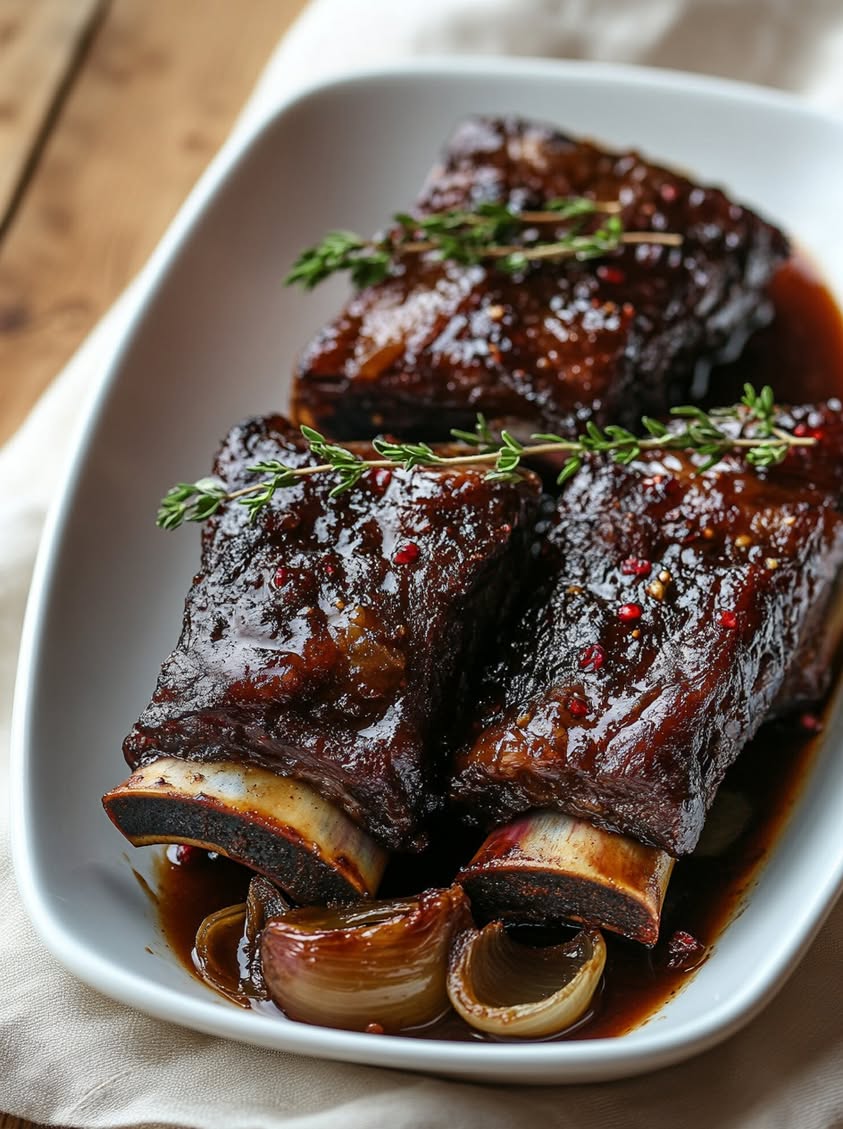
Slow-Braised Short Ribs with Garlic Rosemary Jus and Pomegranate-Honey Lamb Shank: The Ultimate Comfort Food Feast
Imagine the most decadent, soul-warming Sunday dinner or holiday feast you can picture. Now, picture it on a single platter. This recipe for slow-braised short ribs with garlic rosemary jus and pomegranate-honey lamb shank delivers exactly that. It is a masterclass in braising, transforming two of the most flavorful cuts of meat into a symphony of textures and tastes. The short ribs become impossibly tender, literally falling off the bone into a rich, savory jus. Meanwhile, the lamb shank gets a beautiful, sticky-sweet glaze that perfectly balances its gamey richness. Ultimately, this dish is the ultimate comfort food, designed to impress and satisfy in equal measure.
Furthermore, the magic of this recipe lies in its contrasting yet complementary flavors. The garlic rosemary jus from the short ribs is deeply savory and aromatic, a classic combination that feels both rustic and refined. Conversely, the pomegranate-honey glaze on the lamb introduces a bright, fruity, and floral sweetness that cuts through the fat and creates a stunning caramelized crust. When served together, each bite offers a new experience, from the melt-in-your-mouth beef to the succulent, glazed lamb. This is not just a meal; it is a culinary event, perfect for those occasions when you want to pull out all the stops.
Additionally, while the cooking time is substantial, the active work is surprisingly minimal. Braising is a forgiving technique that rewards patience. You will spend about forty-five minutes prepping and searing, then the oven does the heavy lifting for several hours, filling your home with an intoxicating aroma. Consequently, this makes it an ideal choice for entertaining. You can socialize with your guests while your masterpiece slowly transforms in the oven. The result is a gourmet dinner that looks and tastes like it came from a high-end restaurant, yet it was crafted with love in your own kitchen.
Quick Recipe Highlights
- Flavor Profile: This dish masterfully balances deep, savory umami from the garlic rosemary jus with the bright, tangy sweetness of the pomegranate-honey glaze. The combination creates a complex and unforgettable taste experience that is both rich and refreshing.
- Texture: Expect fall-off-the-bone tenderness from both the short ribs and lamb shank. The meat fibers break down completely during the long braise, resulting in a succulent, juicy mouthfeel. Meanwhile, the reduced glazes add a luxurious, velvety sauce and a slightly sticky exterior on the lamb.
- Aroma: As it cooks, your kitchen will fill with the earthy, piney scent of rosemary melding with sweet, caramelizing garlic and onions. Later, the fruity, floral notes of pomegranate and honey join the symphony, creating a truly intoxicating fragrance that promises a delicious meal.
- Visual Appeal: The presentation is stunning. The short ribs are dark and glossy, nestled in a deep brown jus, while the lamb shank boasts a beautiful mahogany-colored, sticky glaze. Garnished with fresh rosemary and pomegranate arils, it is a feast for the eyes before the first bite.
- Skill Level Needed: This recipe is intermediate, ideal for a confident home cook. It requires patience and attention to foundational techniques like proper searing and sauce reduction. However, the process is broken down into clear, manageable steps that are easy to follow for a spectacular result.
- Special Equipment: A large, heavy-bottomed Dutch oven or braising pan with a tight-fitting lid is essential for even heat distribution. You will also need a reliable instant-read thermometer to check meat doneness and a fine-mesh strainer for achieving a silky-smooth jus.
Recipe Overview
- Difficulty Level: We rate this recipe as intermediate. While the braising technique itself is simple, success hinges on executing a few key steps perfectly. For instance, achieving a proper sear on the meat to develop flavor, managing the reduction of two separate sauces, and coordinating the timing for two different proteins require a bit of culinary confidence and organization.
- Category: This dish squarely fits into the main course category for a special dinner. It is a protein-centric, show-stopping centerpiece. Moreover, it can be considered a holiday feast centerpiece or the star of a gourmet dinner party, offering unmatched comfort food appeal with an elegant twist.
- Cuisine: The recipe draws from broad, rustic European traditions of slow-cooked meats. The garlic rosemary jus has strong French and Italian influences, while the use of pomegranate and honey with lamb nods to Mediterranean and Middle Eastern flavor profiles. It is a beautiful fusion that celebrates global braising traditions.
- Cost: This is a splurge-worthy meal. High-quality beef short ribs and lamb shank are premium cuts. When you factor in the wine for deglazing and fresh herbs, the cost per serving is on the higher end. However, the impressive results and restaurant-quality experience provide tremendous value for a special occasion.
- Season: This is the ultimate cold-weather dish. It is perfect for autumn and winter when hearty, rich, and slow-cooked meals are most desired. The warming spices and deep flavors are ideal for holiday gatherings, from Thanksgiving through New Year’s, though it can certainly be enjoyed year-round by dedicated comfort food lovers.
- Occasion: Think of this recipe for milestone celebrations: birthdays, anniversaries, or a fancy date night at home. It is also phenomenal for holiday feasts like Christmas or Easter dinner. Essentially, any event where you want to convey care and create a memorable, indulgent dining experience calls for this meal.
Why You’ll Love This Recipe
First and foremost, the taste and texture are simply unparalleled. The slow-braised short ribs achieve a level of tenderness that is almost magical. The meat separates with the gentle pull of a fork, soaking up the deeply savory garlic rosemary jus. Conversely, the lamb shank offers a different but equally delightful experience. The pomegranate-honey glaze caramelizes into a glossy, sweet-tart coating that beautifully complements the lamb’s robust flavor. Each component stands strong on its own, but together they create a harmonious and exciting plate that keeps you coming back for another bite. This is the very definition of gourmet comfort food.
From a convenience standpoint, this recipe is a entertainer’s dream. After the initial searing and sautéing, the oven takes over for the long braise. This hands-off time allows you to prepare side dishes, set the table, or simply relax. The aromas that waft through your home act as the best possible appetizer for your guests. Furthermore, much of the prep can be done ahead of time. You can sear the meat and prepare the braising bases a day in advance, storing them separately in the fridge. On the day of your dinner, you simply need to combine everything and let it cook, drastically reducing day-of stress.
Nutritionally, braised meats offer some distinct advantages. The long, slow cooking process breaks down tough connective tissue (collagen) into gelatin, which is beneficial for joint health. These cuts are also excellent sources of high-quality protein, iron, zinc, and B vitamins. While they contain fat, much of it renders out during cooking and can be skimmed from the sauces later. By using natural sweeteners like honey and the antioxidant-rich pomegranate, you add flavor complexity without relying on processed ingredients. Served with a heap of roasted vegetables or a whole grain, this meal is both indulgent and nourishing.
The social and entertaining value of this dish cannot be overstated. Presenting a platter of these magnificent braised meats instantly elevates any gathering. It sparks conversation and shows a significant investment of care and skill. This recipe feeds a crowd generously, making it perfect for family-style dining where everyone can help themselves. The act of sharing such a thoughtfully prepared, hearty meal fosters connection and creates lasting memories. It turns a simple dinner into a celebrated event, making your guests feel truly special and well-cared-for.
Finally, considering the cost-effectiveness, while the initial outlay for the meat is higher, you are creating a restaurant-quality experience at a fraction of the price. A similar dish at a fine dining establishment would cost a small fortune per person. Additionally, the ingredients are accessible. You can find beef short ribs, lamb shank, garlic, rosemary, pomegranate molasses or juice, and honey at most well-stocked grocery stores. The recipe uses foundational cooking techniques that, once mastered, open the door to countless other braised dishes. In short, this recipe delivers maximum wow factor, flavor, and satisfaction for your investment of time and money.
Historical Background and Cultural Significance
The practice of braising tough cuts of meat is as old as cooking itself, spanning nearly every global cuisine. Essentially, it was a practical solution for making the most of less tender, often more affordable, parts of the animal. The technique of slow-cooking meat in a sealed pot with liquid allowed families to feed many people with a single, hearty dish. Our recipe for slow-braised short ribs and lamb shank is a modern homage to this ancient, universal method of transformation. It takes cuts that require time and patience and turns them into the star of a luxurious gourmet dinner.
Specifically, short ribs have a storied history. In many European cultures, beef ribs were a byproduct of butchery, often given to the working class or used in stews. Over time, especially in French cuisine (as in “boeuf bourguignon” principles) and later in American steakhouse culture, chefs recognized their incredible potential for flavor when cooked low and slow. The lamb shank, meanwhile, holds significant cultural importance in Mediterranean and Middle Eastern traditions. Often featured in celebratory meals and religious feasts, lamb symbolizes hospitality and sacrifice. Braising it with sweet and tangy elements like pomegranate and honey is a tradition seen from Greece to Persia.
The evolution of this particular recipe reflects contemporary dining trends. Modern palates enjoy bold, contrasting flavors and composed plates that tell a story. Combining two different braised meats on one platter is a relatively new, restaurant-driven concept that maximizes variety and visual impact. The use of pomegranate molasses, once a niche Middle Eastern ingredient, has become mainstream, allowing home cooks to easily incorporate its unique sweet-sour profile. This recipe represents a fusion: it respects the rustic, slow-food roots of braising while embracing a global pantry and a desire for elevated, complex comfort food.
Regional variations of these concepts are endless. In Italy, you might find short ribs braised with red wine and tomatoes (Stracotto). In Korea, galbi jjim features braised short ribs in a sweet-soy sauce. Greek lamb shanks might be braised with lemon and oregano (arni kleftiko), while in Morocco, they could be cooked with apricots and spices. Our recipe borrows liberally from these traditions—the garlic rosemary jus leans European, while the pomegranate-honey glaze draws from Eastern Mediterranean flavors. This intentional blending creates a unique dish that feels both familiar and excitingly new, perfect for a modern holiday feast.
Ingredient Deep Dive
Beef Short Ribs: Cut from the rib plate, short ribs are marbled with fat and connective tissue, making them ideal for braising. This collagen melts during the long cook, basting the meat from within and creating that iconic fall-off-the-bone texture. Historically a humble cut, they are now prized by chefs for their intense beefy flavor. Look for ribs that are well-marbled with a thick cap of meat. English-cut ribs (a single bone with a thick piece of meat) are perfect for this recipe. Store them in the coldest part of your fridge for up to two days before use. For a richer flavor, you can request “plate” short ribs, which have more connective tissue.
Lamb Shanks: The shank is the lower part of the lamb’s leg, a muscle that works hard, resulting in a flavorful, gelatin-rich cut perfect for braising. Lamb has been a central protein in Mediterranean and Middle Eastern diets for millennia. It is an excellent source of high-quality protein, iron, and vitamin B12. Select shanks that are a similar size for even cooking, with a pinkish-red color and firm, white fat. If they are particularly large, ask your butcher to “french” them (clean the bone) for a more elegant presentation. Lamb shanks freeze very well, so you can buy them on sale and save for your next gourmet dinner project.
Pomegranate Molasses/Honey: Pomegranate molasses is reduced pomegranate juice, yielding a thick, tangy, and sweet syrup used extensively in Middle Eastern cooking. It provides the foundational fruitiness for the lamb glaze. If unavailable, you can reduce pure pomegranate juice with a little sugar. Honey, one of humanity’s oldest sweeteners, adds floral notes and helps the glaze caramelize. Together, they create a complex sweetness that balances the lamb’s gaminess without being cloying. For best results, use a raw, flavorful honey. Store both in a cool, dark pantry. This combination is what transforms the lamb shank from simply braised to spectacularly glazed.
Garlic & Rosemary: This classic duo forms the aromatic backbone of the short rib jus. Garlic, used for both its pungent raw flavor and sweet, mellow cooked notes, is essential. We use a generous amount, both chopped and as whole cloves that soften and sweeten during braising. Rosemary, with its piney, robust fragrance, is a hardy herb that stands up to long cooking times. It infuses the braising liquid with an earthy depth that is unmistakable. Always use fresh rosemary for this recipe; dried rosemary becomes woody and unpleasant. These two ingredients, though simple, are non-negotiable for achieving the deeply savory profile that defines this braised meat dish.
Common Mistakes to Avoid
- Not Searing the Meat Properly: Searing is not just for color; it creates the Maillard reaction, which builds foundational flavor. If you crowd the pan, the meat steams instead of sears. Always pat the ribs and shanks very dry with paper towels first, and sear in batches in a very hot pan with enough space between each piece.
- Using Boiling Braising Liquid: When you add your wine or stock to the hot pan after searing, ensure it is at least at room temperature. Adding cold liquid is fine, but adding boiling liquid can shock the pan and potentially warp it. Furthermore, a cooler liquid helps deglaze effectively, lifting all the flavorful fond from the bottom.
- Braising at Too High a Temperature: Braising is a gentle process. If your oven is too hot or the liquid is at a rolling boil, the meat will toughen and the connective tissue won’t break down properly. You want a bare simmer, with just a few small bubbles breaking the surface occasionally. An oven temperature between 300°F and 325°F is ideal.
- Not Skimming the Fat: After braising, a significant amount of fat will rise to the surface of the jus. If you skip skimming it off with a spoon or a fat separator, your sauce will be greasy and unbalanced. Taking the time to skim results in a clean, glossy, and intensely flavored sauce that clings to the meat beautifully.
- Over-Reducing the Glaze: When reducing the pomegranate-honey glaze for the lamb, watch it carefully. It can go from perfectly sticky and syrupy to burnt and bitter in moments. Remove it from the heat when it coats the back of a spoon and leaves a clear trail when you run your finger through it. It will thicken further as it cools.
- Serving Immediately from the Pot: Both the short ribs and lamb shank benefit from a short rest after braising, covered loosely with foil. This allows the juices to redistribute throughout the meat, ensuring every slice is moist. If you cut into them straight from the oven, precious juices will run out onto the plate.
- Using Low-Quality Wine: The rule “don’t cook with wine you wouldn’t drink” absolutely applies here. The wine reduces significantly, concentrating its flavor. A harsh, acidic, or overly sweet wine will make your jus taste off. Choose a dry, medium-bodied red wine like Cabernet Sauvignon, Merlot, or Syrah that you enjoy drinking.
- Neglecting to Strain the Jus: For a truly refined, restaurant-quality presentation, strain the finished garlic rosemary jus through a fine-mesh sieve. This removes any tiny bits of herb, vegetable, or loose meat, resulting in a silky-smooth sauce that looks professional and feels luxurious on the palate.
Essential Techniques
Proper Searing: This is the most critical step for building flavor. Ensure your Dutch oven is very hot before adding the oil. Pat the meat completely dry—moisture is the enemy of a good sear. Place the meat in the pan and do not move it for a few minutes. You need to give it time to develop a dark brown crust that releases naturally from the pan. If it sticks, it’s not ready. Sear all sides, including the edges of the short ribs. This crust is the flavor foundation for your entire dish.
Deglazing: After removing the seared meat, you’ll see dark, stuck-on bits in the pan. This is fond, and it’s pure flavor. Deglazing is the process of adding liquid (wine, in this case) to the hot pan and using a wooden spoon to scrape all those bits loose. The liquid loosens the fond and dissolves it, creating the base of your sauce. Do this over medium heat, and scrape thoroughly. A successful deglaze means no brown bits are left on the bottom of your pan; they should all be incorporated into the liquid.
Low-and-Slow Braising: Braising is a combination cooking method: you start with dry heat (searing) and finish with moist heat in a covered pot. The key is maintaining a low, steady temperature. The braising liquid should barely simmer—just a shiver, not a boil. This gentle heat slowly breaks down tough collagen into gelatin over several hours without toughening the muscle fibers. The lid must be tight-fitting to prevent too much evaporation. You know it’s working when the meat becomes fork-tender and starts to pull away from the bone.
Reducing a Glaze: A glaze is a sauce that is cooked down until it becomes thick, glossy, and coating. For the pomegranate-honey glaze, you combine the ingredients and simmer them. As water evaporates, the sugars concentrate, and the mixture thickens. The visual cue is the “coating the back of a spoon” test. Dip a spoon in the glaze, run your finger across it; if the line holds clean, it’s ready. This reduction intensifies the flavor and gives the lamb its beautiful, sticky, caramelized finish.
Pro Tips for Perfect Slow-Braised Short Ribs and Lamb Shank
For the deepest flavor, season your short ribs and lamb shanks generously with salt and pepper the night before cooking. Store them uncovered on a rack in the fridge. This dry-brine draws out moisture, which is then reabsorbed, seasoning the meat deeply and helping the surface dry for a better sear.
Use a mix of chicken and beef stock for the braising liquid. Chicken stock provides a cleaner, more neutral base, while beef stock adds a richer, meatier depth. This combination prevents the sauce from becoming overly heavy or muddy-tasting.
Add a tablespoon of tomato paste to the vegetables after they soften and cook it for a minute until it darkens slightly. This “toasting” caramelizes the sugars in the tomato paste, adding a subtle sweetness and umami complexity to the foundation of your jus.
After braising, carefully remove the meat and strain the jus into a fat separator or a bowl. Let it settle for a few minutes, then skim the fat from the top with a spoon. For an even clearer sauce, you can line your strainer with a cheesecloth.
When reducing the pomegranate-honey glaze, add a small splash of the braising liquid from the lamb pot. This incorporates the savory lamb flavors into the sweet glaze, creating a more cohesive and complex final product on the plate.
If your short rib jus seems a bit thin after skimming, you can reduce it further on the stovetop. Simmer it in a wide saucepan; the larger surface area allows for faster evaporation and concentration of flavors without overcooking the meat.
For an elegant presentation, after the lamb shanks are glazed and resting, sprinkle them with a few fresh pomegranate arils and a tiny pinch of flaky sea salt. The pop of juicy tartness and crunch from the salt elevates the final bite.
Let the braised meats rest for a full 15-20 minutes after removing them from the oven and before glazing or saucing. This rest period is crucial for juicy, tender results, as it allows the muscle fibers to relax and reabsorb their juices.
Variations and Adaptations
For regional variations, consider a Spanish twist: use smoked paprika and sherry vinegar in the short rib braise, and glaze the lamb with a mixture of honey, orange zest, and saffron. Alternatively, an Asian-inspired version could braise the short ribs in soy sauce, ginger, and star anise, and glaze the lamb with a hoisin and five-spice mixture. These adaptations show the incredible versatility of the braising technique while keeping the core concept of a luxurious, two-meat platter intact.
Seasonal adaptations are straightforward. In spring, incorporate fresh peas and mint into the finished jus or as a garnish. For a summer version, you could grill the braised and cooled meats briefly to reheat and add a smoky char, serving them with a fresh tomato and herb salad. In autumn, add roasted root vegetables like parsnips or turnips to the braising pot during the last hour of cooking. These modifications keep the dish feeling fresh and connected to the time of year.
Dietary modifications are easily managed. For a gluten-free meal, ensure your stocks and any other packaged ingredients are certified gluten-free; the recipe is naturally gluten-free otherwise. To make it dairy-free, simply omit the optional butter finish for the jus—it will still be delicious. For a lower-carb or keto adaptation, reduce or omit the honey in the glaze, relying more on the pomegranate molasses and a keto-friendly sweetener, and serve the meats over cauliflower mash instead of polenta or potatoes.
Flavor variations can cater to different palates. If you prefer less sweetness, reduce the honey in the lamb glaze and add a splash of red wine vinegar for acidity. For more heat, add a couple of crushed dried chilies or a teaspoon of chili flakes to the vegetable base for the short ribs. To enhance the herbal notes, add a few sprigs of fresh thyme and a bay leaf to each braising pot. Experimenting with these elements allows you to tailor the dish to your personal taste preferences.
Serving and Presentation Guide
Plating techniques matter for a dish this impressive. For a family-style presentation, place a large bed of creamy polenta, mashed potatoes, or parsnip puree on a big platter. Arrange the short ribs and lamb shanks on top, then spoon the garlic rosemary jus around (not over) the meats to keep the glazed lamb shiny. Drizzle a little extra pomegranate glaze over the lamb shanks. This method allows guests to see both beautiful proteins and choose their own adventure.
Garnishing adds the final touch of color and freshness. Scatter fresh rosemary leaves and bright green parsley or chives over the platter. The vibrant red jewels of pomegranate arils are non-negotiable for the lamb—they echo the glaze’s flavor and add a festive pop. For a textural contrast, a sprinkle of toasted pine nuts or chopped pistachios works wonderfully. These elements should look casually elegant, not overly arranged.
Traditional accompaniments include sturdy, starch-based sides that can soak up the incredible sauces. Creamy polenta, garlic mashed potatoes, or soft, buttery grits are classic choices. For vegetables, consider simple roasted carrots, Brussels sprouts with bacon, or sautéed greens like kale or Swiss chard with garlic. A crisp, green salad with a sharp vinaigrette is essential to cut through the richness of the meal and cleanse the palate between bites.
Modern serving suggestions might deconstruct the elements. Serve the shredded short rib meat over a swoosh of cauliflower puree with the jus drizzled artistically around the plate. Place the glazed lamb shank upright, “frenched” bone pointing skyward, on a bed of freekeh or farro salad with herbs and pomegranate. This approach offers a more refined, restaurant-style plating for individual servings while maintaining the soul of the dish.
Wine and Beverage Pairing
Wine pairings for this dish must stand up to its bold, complex flavors. A robust, full-bodied red wine is ideal. A California Cabernet Sauvignon or a Bordeaux blend has the tannic structure to cut through the fat of the short ribs and complement the savory jus. Alternatively, a Syrah/Shiraz, with its peppery, dark fruit notes, pairs beautifully with the gamey lamb and the sweet pomegranate glaze. For a truly special match, consider a Spanish Rioja Reserva or an Italian Barolo; their earthy, developed flavors harmonize exquisitely with the long-cooked meats and herbal notes.
Non-alcoholic alternatives can be just as thoughtful. A tart pomegranate juice spritzer (mixed with sparkling water and a squeeze of lime) directly echoes the lamb’s glaze. For something richer, a smoked black tea like Lapsang Souchong provides a bold, savory counterpoint to the meat. A high-quality, non-alcoholic red wine alternative made for pairing with food can also work well. The key is to choose beverages with enough body and character not to be overwhelmed by the dish’s intensity.
While not traditional pairings, certain coffees and teas can work as after-dinner companions. A small cup of strong, black Turkish coffee or a single-origin espresso can help cut through the richness and aid digestion. For tea, a smoky Pu-erh or a mint tea would be refreshing. These are best served after the meal rather than during, allowing the flavors of the main course to be fully appreciated on their own first.
Storage and Shelf Life
Storage methods are straightforward but important for food safety. Allow the meats and their respective sauces to cool completely to room temperature before storing—this should take no more than two hours. Separate the meat from the sauces for best results. Place them in airtight containers. The garlic rosemary jus and pomegranate glaze should be stored in their own containers. This prevents the meats from becoming soggy and allows you to reheat and sauce them properly later.
In the refrigerator, the braised short ribs and lamb shanks will keep for 3 to 4 days. The sauces will also keep for the same duration. For longer storage, freezing is highly effective. Package the cooled meat and sauces in freezer-safe bags or containers, removing as much air as possible. They can be frozen for up to 3 months. Label everything with the date. The gelatin-rich nature of braised dishes means they freeze and reheat exceptionally well, often tasting even better as the flavors continue to meld.
Signs of spoilage include an off or sour smell, a slimy texture on the surface of the meat, or any visible mold. If the sauce develops bubbles or an alcoholic smell, it has likely fermented and should be discarded. Always reheat leftovers to an internal temperature of 165°F as measured by a food thermometer to ensure safety.
Make Ahead Strategies
This recipe is a make-ahead dream. You can break it down over two or even three days. Day 1: Complete the entire recipe through the braising step. Let the meats cool in their cooking liquids, then store them separately in the fridge overnight. This pause actually improves the flavor. Day 2: Remove the cold meat from the solidified fat (which is easy to lift off). Gently reheat the meats in their strained and defatted sauces in a covered pot in a 300°F oven until warmed through, about 45 minutes. Then, reduce the sauces and apply the glaze as directed. This method spreads the work and reduces day-of stress dramatically.
For components, you can prep the vegetable base (mirepoix) for the short ribs a day ahead and store it chopped in the fridge. You can also mix the pomegranate-honey glaze ingredients together in a jar. Having these elements ready turns the active cooking time into a simple assembly process. The quality impact of make-ahead is positive; flavors deepen when they have time to meld in the refrigerator.
When reheating, always do so gently. Use the oven or a low simmer on the stovetop. Microwaving can toughen the meat and cause the sauces to separate. If the sauces seem too thick after refrigeration, thin them with a small amount of water or stock when reheating. Add any fresh garnishes, like herbs or pomegranate arils, right before serving to maintain their vibrant color and texture.
Scaling Instructions
Halving the recipe is simple for a smaller dinner. Use a smaller Dutch oven and reduce all ingredients by half. The cooking times will remain roughly the same, as braising time depends on the thickness of the meat, not the quantity. However, keep a closer eye on the sauce reductions, as smaller volumes will reduce much faster. Ensure your pot is still sized appropriately so the braising liquid comes about halfway up the sides of the meat.
Doubling or tripling the recipe for a large crowd is very feasible. You will need multiple large Dutch ovens or one very large roasting pan that can be covered tightly with foil. Sear the meat in batches to avoid overcrowding. You may need to increase the oven time slightly if the pans are very full, as it will take longer for the core temperature to rise. Check for tenderness with a fork after the standard time. Staggering the cooking of two pots in a single oven is perfectly fine.
The main equipment adjustment for scaling up is having enough heavy-bottomed pots and oven space. For timing, the active prep time will increase linearly with the amount of meat you need to sear. The passive braising time may increase by 15-30 minutes for a doubled batch. Always rely on the tenderness test (fork-easy) rather than a strict timer when scaling.
Nutritional Deep Dive
From a macronutrient perspective, this dish is high in protein and fat, with minimal carbohydrates coming from the vegetables and glazes. A typical serving provides a substantial amount of complete protein from both beef and lamb, essential for muscle repair and satiety. The fats are a mix of saturated and unsaturated; while it is a rich dish, much of the saturated fat from the marbling renders into the sauce, which can be skimmed off. The pomegranate-honey glaze contributes natural sugars, but in a moderated amount per serving.
Micronutrient analysis reveals a wealth of nutrients. Both meats are excellent sources of heme iron, which is highly absorbable and crucial for oxygen transport in the blood. They also provide significant amounts of zinc for immune function, selenium as an antioxidant, and a full spectrum of B vitamins, particularly B12, which supports nerve function and energy metabolism. The garlic, onions, and pomegranate contribute antioxidants like allicin and polyphenols, which have anti-inflammatory properties.
For dietary considerations, this meal is naturally gluten-free and can be made dairy-free. It is not suitable for vegetarians, vegans, or those on a low-fat diet. For weight management, focus on portion control—one short rib and a half lamb shank is a generous serving. Balance the plate with a large portion of non-starchy vegetables and be mindful of skimming the sauces to reduce fat content. Enjoying this as an occasional celebratory meal within an overall balanced diet is a perfectly healthy approach.
Dietary Adaptations
Gluten-Free: This recipe is inherently gluten-free. The only potential sources of gluten would be in store-bought stocks or broths, or if you used flour to thicken the jus. To ensure it’s gluten-free, use certified gluten-free beef and chicken stock. You can thicken the jus naturally by reducing it further or with a cornstarch slurry instead of a traditional roux.
Dairy-Free: Adapting this recipe to be dairy-free is incredibly simple. Just omit the optional butter that is sometimes whisked into the finished jus for extra richness. The dish will still be exceptionally flavorful and luxurious from the rendered meat fats and reduced sauces. All other core ingredients are dairy-free.
Low-Carb/Keto: For a keto adaptation, the main adjustment is in the glaze and sides. Replace the honey in the lamb glaze with a keto-friendly sweetener like monk fruit or erythritol that measures like sugar. Be aware that sugar-free sweeteners may not caramelize the same way. Serve the meats over cauliflower mash or a bed of sautéed spinach instead of potatoes or polenta. The braised meats themselves are perfectly keto-friendly.
Paleo: To make this Paleo, ensure you use a sugar-free, additive-free stock. Replace the honey in the glaze with pure maple syrup (in moderation, as it’s still a sugar) or omit it and rely on the pomegranate molasses for sweetness. Use ghee or avocado oil instead of butter if finishing the jus. Serve with roasted vegetables or mashed sweet potatoes.
Troubleshooting Guide
Print
Slow-Braised Short Ribs with Garlic Rosemary Jus and Pomegranate-Honey Lamb Shank
Description
A luxurious, fall-off-the-bone dish featuring tender short ribs and lamb shank braised in a rich garlic rosemary jus, finished with a sweet-tart pomegranate-honey glaze for a festive touch.
Ingredients
Scale
For the Crust:
- 4 beef short ribs (about 3 lbs)
- 2 lamb shanks (about 1.5 lbs)
- 1 head garlic, cloves peeled and smashed
- 4 sprigs fresh rosemary
- 1 cup pomegranate juice
- 1/4 cup honey
- 2 cups beef broth
- 1 large onion, chopped
- 2 carrots, chopped
- 2 celery stalks, chopped
- 1/4 cup tomato paste
- 1/2 cup red wine
- 2 tbsp olive oil
- Salt and black pepper to taste
Instructions
1. Prepare the Crust:
- Preheat oven to 325°F (165°C). Season short ribs and lamb shanks generously with salt and pepper.
- Heat olive oil in a large Dutch oven over medium-high heat. Sear the short ribs and lamb shanks until browned on all sides, about 8-10 minutes total. Remove and set aside.
- In the same pot, add onion, carrots, and celery. Cook until softened, about 5 minutes. Stir in tomato paste and cook for 1 minute.
- Deglaze with red wine, scraping up browned bits. Add beef broth, garlic, and rosemary. Return meat to the pot, ensuring it’s mostly submerged.
- Cover and braise in the oven for 3 hours, until meat is very tender.
- In a small saucepan, combine pomegranate juice and honey. Simmer over medium heat until reduced by half and slightly syrupy, about 15 minutes.
- Remove meat from pot. Strain the braising liquid, skim off fat, and simmer to reduce into a jus. Serve meat drizzled with pomegranate-honey glaze and garlic rosemary jus on the side.
Notes
You can customize the seasonings to taste.

I’m Shaykee—born in Morocco, seasoned across continents. From airplane galleys to home kitchens, I share the flavors and stories that shaped my journey.
Slow-Braised Short Ribs with Garlic Rosemary Jus and Pomegranate-Honey Lamb Shank
Description
A luxurious, fall-off-the-bone dish featuring tender short ribs and lamb shank braised in a rich garlic rosemary jus, finished with a sweet-tart pomegranate-honey glaze for a festive touch.
Ingredients
For the Crust:
- 4 beef short ribs (about 3 lbs)
- 2 lamb shanks (about 1.5 lbs)
- 1 head garlic, cloves peeled and smashed
- 4 sprigs fresh rosemary
- 1 cup pomegranate juice
- 1/4 cup honey
- 2 cups beef broth
- 1 large onion, chopped
- 2 carrots, chopped
- 2 celery stalks, chopped
- 1/4 cup tomato paste
- 1/2 cup red wine
- 2 tbsp olive oil
- Salt and black pepper to taste
Instructions
1. Prepare the Crust:
- Preheat oven to 325°F (165°C). Season short ribs and lamb shanks generously with salt and pepper.
- Heat olive oil in a large Dutch oven over medium-high heat. Sear the short ribs and lamb shanks until browned on all sides, about 8-10 minutes total. Remove and set aside.
- In the same pot, add onion, carrots, and celery. Cook until softened, about 5 minutes. Stir in tomato paste and cook for 1 minute.
- Deglaze with red wine, scraping up browned bits. Add beef broth, garlic, and rosemary. Return meat to the pot, ensuring it’s mostly submerged.
- Cover and braise in the oven for 3 hours, until meat is very tender.
- In a small saucepan, combine pomegranate juice and honey. Simmer over medium heat until reduced by half and slightly syrupy, about 15 minutes.
- Remove meat from pot. Strain the braising liquid, skim off fat, and simmer to reduce into a jus. Serve meat drizzled with pomegranate-honey glaze and garlic rosemary jus on the side.
Notes
You can customize the seasonings to taste.

I’m Shaykee—born in Morocco, seasoned across continents. From airplane galleys to home kitchens, I share the flavors and stories that shaped my journey.