
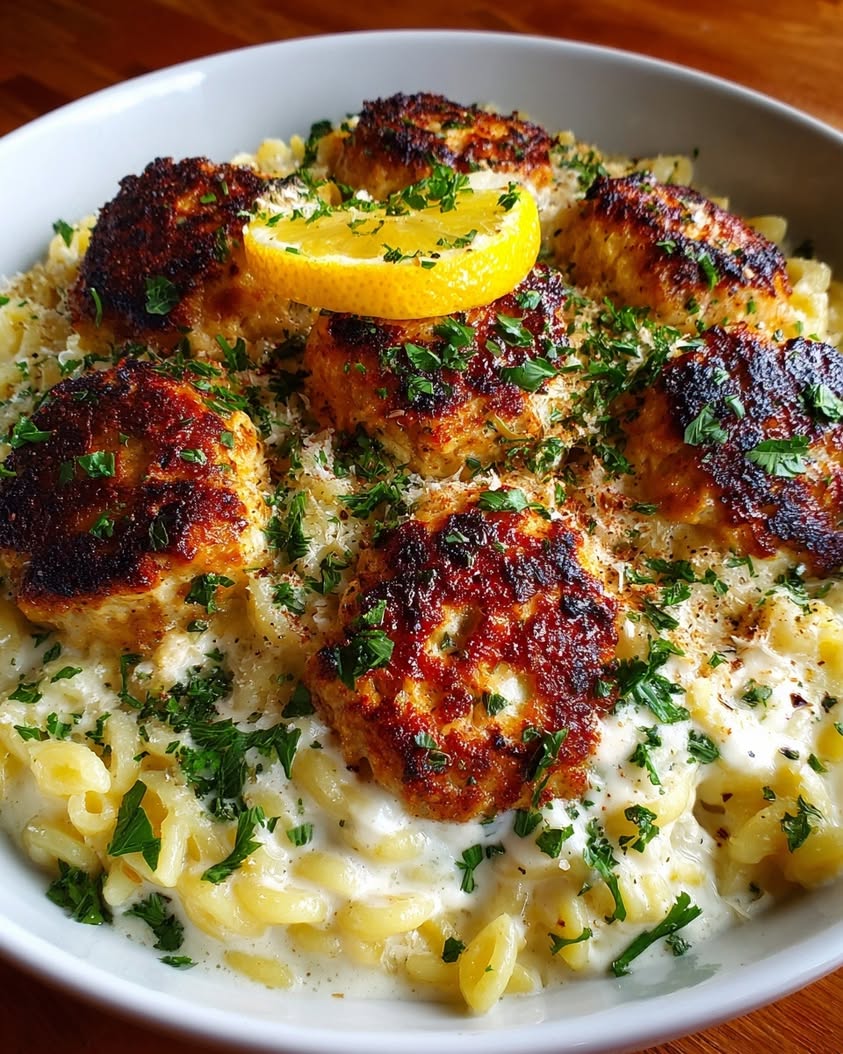
Lemon Chicken Ricotta Meatballs with Garlic Pastina: A Cozy, 30-Minute One-Pot Wonder
Imagine a dish that wraps you in a warm hug from the inside out. This recipe for Lemon Chicken Ricotta Meatballs with Garlic Pastina is precisely that kind of comforting magic. It transforms simple, humble ingredients into a spectacularly satisfying meal that feels both elegant and effortless. The star of the show is undoubtedly the tender, juicy chicken meatballs, which are incredibly light and flavorful thanks to the secret ingredient: creamy ricotta cheese. Paired with a bed of tiny, garlicky pastina pasta, every bite is a perfect harmony of bright lemon, savory herbs, and rich, comforting starch. Ultimately, this dish proves that gourmet-level flavor doesn’t require hours in the kitchen or a mountain of dirty pots.
Furthermore, the beauty of this recipe lies in its brilliant simplicity and speed. From start to finish, you can have a restaurant-quality dinner on the table in about 30 minutes, making it a lifesaver for busy weeknights. The process is straightforward and forgiving, perfect for both novice cooks and seasoned chefs looking for a quick win. Moreover, the entire meal comes together in essentially one pot, minimizing cleanup and maximizing flavor as the pastina cooks directly in the same pan used for the meatballs. This method allows the tiny pasta stars to soak up every last drop of savory, lemony goodness, creating a cohesive and deeply flavorful dish. In short, it’s the ultimate answer to the question, “What’s for dinner?”
Additionally, the sensory experience of this meal is unforgettable. As the meatballs brown, your kitchen will fill with the irresistible aromas of garlic, lemon zest, and fresh parsley. Visually, the dish is a stunner with golden-brown meatballs nestled against a sea of creamy, pale yellow pastina, all brightened with a generous sprinkle of fresh herbs and Parmesan cheese. The texture contrast is equally delightful: the melt-in-your-mouth meatballs against the soft, slightly chewy pasta creates a mouthfeel that is pure comfort. This recipe isn’t just about feeding the body; it’s about creating a moment of genuine joy and satisfaction around the dinner table.
Quick Recipe Highlights
- Flavor Profile: These lemon chicken ricotta meatballs deliver a vibrant, balanced taste. The bright, citrusy notes of fresh lemon zest cut through the richness of the ricotta and Parmesan, while garlic and herbs provide a savory, aromatic foundation. Meanwhile, the garlicky pastina offers a mild, buttery canvas that beautifully absorbs and complements the meatballs’ flavors.
- Texture: The texture is a masterclass in contrast. Thanks to the ricotta, the chicken meatballs are exceptionally tender, moist, and almost cloud-like, avoiding the common pitfall of dryness. Conversely, the pastina provides a soft, slightly chewy bite that is incredibly comforting. Together, they create a satisfying mouthfeel that is both light and substantial.
- Aroma: Cooking this dish releases an intoxicating fragrance that will draw everyone to the kitchen. Key aromatic notes include the pungent, savory scent of sautéing garlic, the bright, clean aroma of lemon zest, and the earthy, fresh smell of chopped parsley. Additionally, the browning meatballs add a deeply appetizing, roasted scent.
- Visual Appeal: This plate is a feast for the eyes. Golden-brown, perfectly seared meatballs rest atop a bed of creamy, pale yellow pastina. Freshly chopped green herbs and a dusting of white Parmesan cheese provide pops of color and texture, making the dish look as delicious as it tastes.
- Skill Level Needed: This is an accessible recipe designed for home cooks of all levels. Basic techniques like mixing, shaping, and pan-searing are the only skills required. Importantly, the recipe is forgiving; even if your meatballs aren’t perfectly round, they will still taste incredible.
- Special Equipment: You need only a large, deep skillet or Dutch oven with a lid and a standard mixing bowl. A box grater for fresh Parmesan and lemon zest is helpful but not strictly necessary. No fancy gadgets or appliances are required, keeping preparation simple and straightforward.
Recipe Overview
- Difficulty Level: We classify this recipe as “Easy” for several compelling reasons. First, the ingredient list is short and composed of pantry staples. Second, the steps are sequential and logical, with no advanced techniques like braising or baking required. Finally, the entire cook time is under 30 minutes, making it manageable even on the most hectic evenings.
- Category: This dish comfortably fits into multiple meal categories. Primarily, it is a hearty and complete main course for lunch or dinner. Alternatively, the lemon chicken ricotta meatballs can be prepared separately and served as a standout appetizer with a dipping sauce. It’s a versatile recipe that adapts to your needs.
- Cuisine: While not strictly traditional to one region, the dish draws strong inspiration from Italian-American home cooking. The use of pastina, ricotta, Parmesan, and lemon reflects classic flavors of Southern Italy. However, the quick, one-pot method gives it a modern, weeknight-friendly twist that appeals to a global audience.
- Cost: This is a remarkably cost-effective meal. Ground chicken is typically an affordable protein, and ricotta, Parmesan, and pastina are inexpensive pantry items. Fresh herbs and a lemon are the only “fresh” investments, and they provide immense flavor payoff. You can easily feed a family of four a restaurant-quality meal for a fraction of the cost of dining out.
- Season: While truly a year-round comfort food, this dish shines brightest in the spring and summer. The bright lemon flavor pairs perfectly with the season’s vibrancy. Conversely, during fall and winter, it provides a light yet satisfying alternative to heavier stews and roasts, bringing a touch of sunshine to colder days.
- Occasion: This recipe is perfect for casual family dinners, effortless weeknight meals, or even a relaxed weekend lunch. Its elegant appearance and complex flavor also make it suitable for impressing guests without stress. It’s a crowd-pleaser that works for both everyday nourishment and special gatherings.
Why You’ll Love This Recipe
First and foremost, the taste and texture appeal of these lemon chicken ricotta meatballs is undeniable. The ricotta cheese is the secret weapon, ensuring each meatball is impossibly moist and tender, avoiding the dry, dense texture that plagues many poultry meatballs. Meanwhile, the bright pop of lemon zest elevates the flavor profile from simple to spectacular. Paired with the garlicky, buttery pastina, every forkful is a perfect balance of savory, creamy, and citrusy notes. This combination is deeply satisfying yet feels light, leaving you feeling happily full but not weighed down.
Secondly, the convenience and preparation benefits are a major win. This entire meal comes together in one pot in about 30 minutes, a true miracle for busy households. There’s no need to boil pasta separately or use multiple pans. You simply cook the meatballs, remove them, and then cook the pastina right in the same flavorful pan drippings. This streamlined process not only saves time on cooking and cleanup but also layers flavors beautifully, as the pasta absorbs all the delicious fond from the meatballs.
From a nutritional standpoint, this dish offers several advantages. Ground chicken is a lean source of protein, and using whole milk ricotta adds calcium and healthy fats. By cooking the pastina in a controlled amount of broth, you can manage the sodium content better than with many pre-made sauces. Furthermore, you can easily incorporate additional vegetables like spinach or peas into the pastina as it cooks for a nutrient boost. It’s a balanced meal that delivers comfort without excessive guilt.
Moreover, the social and entertaining value of this recipe is high. It’s a visually impressive dish that looks like you spent far more time than you actually did, making it perfect for casual dinner parties. The recipe is also easy to scale up for a crowd. Serving a beautiful platter of these lemon chicken ricotta meatballs over garlicky pastina encourages sharing and conversation, fostering a warm, communal dining experience that everyone will remember.
Finally, the cost-effectiveness and accessibility of the ingredients make this a go-to recipe. You likely have many of the dry spices and the pasta in your pantry already. Ground chicken, ricotta, and a lemon are affordable and readily available at any grocery store. This accessibility means you can whip up a gourmet-tasting meal without a special trip to the market or breaking the bank. It democratizes delicious, comforting food for everyone.
Historical Background and Cultural Significance
The story of meatballs, or polpette, is deeply woven into the fabric of Italian cucina povera, or “poor kitchen.” Originally, meatballs were a ingenious way to stretch expensive meat further by combining small amounts with breadcrumbs, cheese, and herbs. Each region of Italy developed its own variation, from the large, slow-cooked meatballs in tomato sauce of Southern Italy to the lighter, herb-focused versions found in the North. The addition of ricotta, as seen in our lemon chicken ricotta meatballs, is a hallmark of Central Italian cooking, particularly in regions like Lazio, where ricotta is plentiful and used to add moisture and richness to countless dishes.
Pastina, meaning “little pasta,” holds a special place in Italian culinary culture, especially as a food of comfort and nurture. It is famously a baby’s first solid food in Italy, often served in a simple broth. This tiny pasta shape, which translates to “little pasta,” symbolizes home, care, and simplicity. Using pastina in a dish for adults, like this garlicky pastina base, is a nostalgic nod to childhood comfort, elevating a humble ingredient to star status in a sophisticated, yet deeply familiar way.
The evolution of this specific recipe reflects modern cooking trends and the global fusion of flavors. While traditional Italian meatballs are often made with beef, pork, or veal, the use of ground chicken is a contemporary adaptation that caters to preferences for lighter, leaner proteins. Similarly, the prominent use of lemon zest is a bright, modern twist that cuts through richness in a way that appeals to today’s palate. This recipe represents a beautiful evolution: it respects its rustic roots while embracing modern tastes and the need for quick, one-pot meals.
Regional variations of this concept are endless. In coastal areas, you might find similar meatballs made with fish and lemon. In the north, the pastina might be cooked in a rich meat broth instead of chicken broth. Some versions might omit the pasta entirely and serve the lemon chicken ricotta meatballs with a side of roasted vegetables or a crisp salad. This adaptability is a testament to the foundational strength of the concept—tender, flavorful protein paired with a comforting starch—allowing it to morph and thrive across different kitchens and cultures.
Ingredient Deep Dive
Ground Chicken: Choosing the right ground chicken is crucial for perfect lemon chicken ricotta meatballs. Opt for a mix of dark and white meat, often labeled as “ground chicken,” for the best flavor and moisture. Pure breast meat can become dry. Historically, chicken was a prized protein across many cultures, and grinding it for meatballs is a relatively modern convenience. Nutritionally, it’s a lean source of high-quality protein and B vitamins. For storage, use it within 1-2 days of purchase or freeze it immediately. If you need a substitute, ground turkey is an excellent alternative with a similar texture and flavor profile.
Whole Milk Ricotta Cheese: Ricotta, meaning “recooked,” is a fresh Italian whey cheese with a mild, slightly sweet flavor and a creamy, granular texture. It is the irreplaceable heart of these meatballs, providing unparalleled moisture and a delicate richness. Whole milk ricotta is preferred for its superior fat content, which translates to better flavor and texture. Nutritionally, it provides calcium, protein, and healthy fats. Always drain excess liquid from ricotta before using it in the meatball mixture to prevent sogginess. For a dairy-free version, well-drained, firm tofu blended with a touch of nutritional yeast can mimic the texture, though the flavor will differ.
Pastina: Pastina encompasses any tiny shape of pasta, from stars to little grains. It is a cornerstone of Italian comfort food, designed to cook quickly and absorb flavors beautifully. For this garlicky pastina, its small size allows it to become perfectly tender in just minutes within the broth, creating a creamy, risotto-like consistency. It is primarily a source of carbohydrates for energy. You can find it in the pasta aisle; if unavailable, orzo or even small ditalini pasta can work, though cooking times may need adjustment. Store it in a cool, dry pantry in an airtight container.
Lemon Zest: The zest of a lemon, the brightly colored outer skin, is where the fruit’s potent aromatic oils reside. It provides a powerful, floral citrus essence without the acidity of the juice, which is why it’s perfect for flavoring the meatball mixture directly. Historically, lemons have been used around the Mediterranean for millennia for both culinary and medicinal purposes. Zest is rich in antioxidants and vitamin C. Always use a fine grater or microplane to avoid the bitter white pith. For storage, zest lemons just before using for the brightest flavor. In a pinch, a teaspoon of high-quality dried lemon peel can substitute, but fresh is vastly superior.
Chicken Broth: Chicken broth forms the cooking liquid for the pastina, infusing it with deep, savory flavor. Using a good-quality, low-sodium broth is recommended so you can control the final salt level of the dish. Homemade broth is ideal, but a reputable store-bought brand works perfectly. It adds moisture and a layer of umami to the entire meal. For a vegetarian adaptation, a robust vegetable broth can be used, though the flavor profile will shift slightly. Unused broth can be refrigerated for up to a week or frozen for several months.
Common Mistakes to Avoid
- Overmixing the Meatball Mixture: Overworking the ground chicken and ricotta mixture can lead to tough, dense meatballs. Gently combine the ingredients until just incorporated; a few stray streaks are fine. The goal is tenderness, not a perfectly homogenous paste.
- Using Cold Ingredients: Combining straight-from-the-fridge ricotta and egg with other ingredients can make the mixture stiff and harder to work with. Let your ricotta, egg, and even ground chicken sit at room temperature for 15-20 minutes before mixing for easier handling and more even cooking.
- Skipping the Ricotta Drain: Ricotta often contains excess whey. If you don’t drain it in a fine-mesh strainer or by pressing it with paper towels, that extra liquid can make your meatball mixture too wet, causing them to fall apart during cooking.
- Not Browning the Meatballs Properly: Rushing the browning step is a major error. You want a deep, golden-brown crust on at least two sides. This “fond” (the browned bits in the pan) is essential for building the flavor base for your garlicky pastina. Be patient and let them sear without moving them too much.
- Crowding the Pan: If you try to cook all the meatballs at once in a small skillet, they will steam instead of sear. Cook them in batches if necessary to ensure each one has enough space to develop that crucial caramelized exterior.
- Overcooking the Pastina: Pastina cooks very quickly. Once you add the broth and bring it to a simmer, it usually only needs 4-5 minutes. Overcooking will turn it mushy and gummy. Start tasting a minute before the package instructions suggest.
- Adding Cheese Too Early: If you stir the Parmesan cheese into the pastina while it’s still on high heat, the cheese can clump or become oily. Always remove the pan from the heat before stirring in the cheese and butter for a smooth, creamy finish.
- Neglecting to Season in Layers: Seasoning only at the end results in a flat-tasting dish. Remember to season the meatball mixture well, then season the pastina cooking liquid, and finally, adjust the seasoning at the end with salt, pepper, and a squeeze of lemon juice.
Essential Techniques
Proper Meatball Shaping: The key to tender meatballs is a light touch. After gently mixing your ingredients, use a tablespoon or small cookie scoop to portion the mixture. Then, lightly roll each portion between damp palms—the water prevents sticking—just until it holds together. Avoid compacting or squeezing them tightly. This technique ensures an airy, tender interior once cooked, which is the hallmark of a great lemon chicken ricotta meatball.
Developing Fond (The Browned Bits): This is the single most important technique for building deep flavor in your one-pot meal. After browning the meatballs, you will see dark, sticky bits left in the pan. Do not scrub them away! Those bits are packed with savory, caramelized flavor. When you add the garlic and then the broth to the hot pan, you “deglaze” it, scraping those bits up so they dissolve into the liquid. This process infuses your entire garlicky pastina with a rich, complex taste that can’t be achieved otherwise.
Perfectly Cooking Pastina: Cooking pastina directly in the flavorful broth is a technique similar to making risotto, but much simpler. The goal is to bring the broth to a simmer, stir in the pasta, and cook until al dente, which means “to the tooth” – tender but with a slight bite. Stir occasionally to prevent sticking, but not constantly. The pasta will release starch as it cooks, naturally thickening the broth into a light, creamy sauce that clings beautifully to each tiny piece.
Pro Tips for Perfect Lemon Chicken Ricotta Meatballs
- For the most flavorful meatballs, toast your breadcrumbs in a dry skillet until golden before adding them to the mix. This adds a nutty depth that complements the lemon and ricotta beautifully.
- Use a microplane grater for your lemon zest. It creates ultra-fine zest that distributes flavor evenly throughout the meatball mixture without any bitter pith.
- Chill the formed meatballs for 15 minutes before cooking. This helps them firm up and hold their shape better when they hit the hot pan, preventing them from falling apart.
- When browning, resist the urge to move the meatballs around. Let them develop a proper sear on one side before gently turning them. A good crust is flavor.
- If your pastina seems too dry as it cooks, add a splash more warm broth or water. Conversely, if it’s too soupy at the end, let it simmer uncovered for an extra minute to reduce.
- Finish the dish with a final drizzle of high-quality extra virgin olive oil and a fresh squeeze of lemon juice just before serving. This brightens all the flavors and adds a restaurant-quality finish.
- Let the meatballs rest for a couple of minutes after cooking and before serving. This allows the juices to redistribute, ensuring every bite is moist.
Variations and Adaptations
For regional variations, consider a Greek twist by adding chopped fresh dill and oregano to the meatballs and using orzo instead of pastina. A Spanish-inspired version could include smoked paprika in the meatballs and use a saffron-infused broth for the pasta. For seasonal adaptations, in spring, stir fresh peas and asparagus tips into the pastina during the last minute of cooking. In fall, add roasted cubes of butternut squash to the pan when you add the broth.
Dietary modifications are straightforward. For a gluten-free version, use certified gluten-free breadcrumbs and a gluten-free small pasta like quinoa orzo. To make it dairy-free, substitute the ricotta with a mixture of mashed white beans and a touch of olive oil for moisture, and use nutritional yeast instead of Parmesan. For a low-carb or keto adaptation, serve the lemon chicken ricotta meatballs over cauliflower rice or zucchini noodles sautéed in garlic.
Flavor variations can keep this recipe exciting. Add a pinch of red pepper flakes to the meatball mix for a spicy kick. Incorporate a tablespoon of sun-dried tomato paste into the ricotta mixture for a deeper, umami-rich flavor. For an herbal note, try using fresh basil or tarragon instead of parsley. Texture modifications could include using ground turkey or even a mix of pork and chicken for a richer meatball. For a crispier exterior, bake the meatballs at 400°F for 15-20 minutes instead of pan-searing.
Serving and Presentation Guide
For beautiful plating, use a shallow bowl or wide pasta plate. Spoon a generous bed of the garlicky pastina into the center, creating a slight well. Artfully arrange the lemon chicken ricotta meatballs on top and around the pasta. Garnishing is key: a heavy shower of freshly grated Parmesan, a sprinkle of chopped fresh parsley or chives, a few cracks of black pepper, and a final drizzle of good olive oil make the dish pop. For a touch of color and acidity, add a few lemon wedges on the side.
Traditional accompaniments are simple. A crisp, green side salad with a lemony vinaigrette cuts the richness perfectly. Garlic bread or a crusty baguette is ideal for sopping up any remaining sauce. For a more substantial meal, roasted vegetables like broccoli or green beans pair wonderfully. Modern serving suggestions might include serving the components family-style on a large platter for sharing, or even deconstructing it into a lunch bowl with the pastina, meatballs, and a side of marinated vegetables.
Temperature considerations are important. Serve this dish immediately after assembling while the pastina is creamy and the meatballs are warm. The pastina will continue to absorb liquid as it sits, so if you need to hold it, keep a little extra warm broth on hand to loosen it up before serving. For portion control, this recipe reliably serves four, but you can stretch it to five or six if serving with multiple substantial sides.
Wine and Beverage Pairing
Wine pairings should complement the dish’s bright acidity and creamy richness. A crisp, unoaked white wine like Pinot Grigio or Sauvignon Blanc mirrors the lemon notes and cuts through the ricotta. Alternatively, a light-bodied red with low tannins, such as a Chianti or a Beaujolais, can work beautifully if served slightly chilled, as it won’t overpower the delicate chicken. For a special occasion, a dry sparkling wine or Prosecco provides a festive contrast to the savory, comforting flavors.
Non-alcoholic alternatives are just as important. A sparkling lemonade or a homemade citrus-infused sparkling water echoes the lemon in the dish. Iced herbal tea, like mint or chamomile, offers a soothing complement. For a warm beverage, a light green tea or a lemon-ginger tea can be a lovely finish to the meal. The goal is to choose drinks that refresh the palate between bites of the rich, savory meatballs and pasta.
Storage and Shelf Life
For storage, place leftovers in an airtight container in the refrigerator for up to 3 days. Store the meatballs and pastina together or separately; however, the pasta will continue to absorb moisture. When reheating, the stovetop is best. Add the leftovers to a skillet with a splash of broth or water over medium-low heat, stirring gently until warmed through. This method helps revive the creamy texture of the pastina. You can also use a microwave, but cover the dish and reheat in short intervals, stirring in between to avoid uneven heating.
Freezing is possible but with caveats. The meatballs freeze very well. Cook and cool them completely, then freeze in a single layer on a baking sheet before transferring to a freezer bag for up to 3 months. The pastina does not freeze well, as it becomes mushy and grainy upon thawing. Therefore, for best results, freeze only the meatballs and prepare a fresh batch of garlicky pastina when ready to serve. Thaw meatballs overnight in the refrigerator before reheating gently in a sauce or the oven.
Make Ahead Strategies
You can significantly speed up your weeknight dinner by prepping components ahead. The meatball mixture can be made and stored, covered, in the refrigerator for up to 24 hours before shaping and cooking. You can also shape the meatballs a day ahead and keep them on a parchment-lined tray in the fridge, covered. For the ultimate make-ahead, fully cook the meatballs, let them cool, and refrigerate them for 2-3 days. When ready to serve, simply reheat them gently in the skillet while you cook the pastina from scratch in the same pan for the freshest texture.
This staged approach has minimal impact on quality. In fact, letting the meatball mixture rest in the fridge allows the flavors to meld more deeply. The key is to add fresh elements at the end: a final squeeze of lemon juice, a fresh garnish of herbs, and a new grating of Parmesan cheese just before serving will make the dish taste freshly made, even if the meatballs were cooked earlier.
Scaling Instructions
Scaling this recipe is simple due to its straightforward ratios. To halve it, simply divide all ingredients by two. Use a medium skillet instead of a large one. To double or triple for a crowd, use a very large Dutch oven or cook the meatballs in multiple batches to avoid steaming. You may need to increase the broth for the pastina slightly, as a larger volume of pasta will absorb more liquid; start with the scaled amount and have extra warm broth on hand to add as needed.
Timing modifications are minimal when scaling. The meatball browning time may increase slightly with more batches, but the pastina cooking time will remain roughly the same as long as you use a pot large enough for the pasta to cook evenly. For storage considerations, if making a large batch, consider serving the pastina and meatballs separately to keep the pasta from becoming too soft if not all is eaten immediately.
Nutritional Deep Dive
A serving of Lemon Chicken Ricotta Meatballs with Garlic Pastina provides a balanced macronutrient profile. The ground chicken and ricotta offer a substantial amount of high-quality protein, essential for muscle repair and satiety. The pastina contributes complex carbohydrates for sustained energy. The fats come primarily from the olive oil, ricotta, and Parmesan, providing a mix of monounsaturated and saturated fats. This combination makes the meal satisfying and energy-dense without being overly heavy.
Micronutrient analysis reveals benefits from several key ingredients. The lemon zest provides vitamin C and antioxidants. The parsley contributes vitamin K, vitamin A, and folate. Ricotta and Parmesan are excellent sources of calcium and phosphorus for bone health. Using a low-sodium broth helps manage overall sodium intake. For dietary considerations, this dish is naturally nut-free. Portion control is easy with this recipe, as it’s designed to yield four balanced servings. For weight management, the high protein and fiber from the dish promote fullness, helping to prevent overeating.
Dietary Adaptations
For a gluten-free adaptation, replace the regular breadcrumbs with gluten-free breadcrumbs or crushed gluten-free crackers. Use a certified gluten-free small pasta like those made from rice, corn, or quinoa. Always check that your broth is certified gluten-free. For a dairy-free version, substitute the ricotta with a thick, plain, unsweetened dairy-free yogurt (strained) or a blend of mashed white beans and olive oil. Use a vegan Parmesan alternative or nutritional yeast in place of the cheese.
A vegan adaptation requires more significant changes. For the meatballs, use a base of cooked lentils or mashed chickpeas mixed with dairy-free ricotta alternative, gluten-free breadcrumbs, and lemon zest. Sauté them carefully to form patties. For the pastina, use vegetable broth and finish with vegan butter and nutritional yeast. A low-carb or keto version would omit the pastina entirely. Serve the lemon chicken ricotta meatballs over cauliflower rice sautéed with garlic, or alongside a large portion of non-starchy vegetables.
Troubleshooting Guide
If your meatballs are falling apart, the mixture is likely too wet. Next time, drain your ricotta more thoroughly and ensure you’re using the correct amount of breadcrumbs as a binder. If they’re falling apart during cooking, also make sure your pan is properly preheated before adding them, and avoid moving them for the first few minutes to allow a crust to form.
If the pastina is too dry or sticky, you may have used insufficient liquid or cooked it over too high heat, causing rapid evaporation. Next time, ensure you have the correct broth-to-pasta ratio and maintain a gentle simmer. To rescue it, stir in additional warm broth or water a few tablespoons at a time until it reaches a creamy consistency. If the pastina is too soupy, simply continue to simmer it uncovered for an extra minute or two, stirring frequently, to allow the excess liquid to reduce.
If the dish tastes bland, you likely underseasoned at one or more stages. Remember to season the meatball mixture, the pastina cooking liquid, and do a final seasoning at the end. A squeeze of fresh lemon juice just before serving can often brighten and correct a bland dish instantly. If the meatballs are dry, the primary culprit is overcooking. Chicken meatballs cook quickly; they only need to be browned on the outside and cooked through, which usually happens in under 10 minutes total. Using a meat thermometer can help—aim for an internal temperature of 165°F.
Recipe Success Stories
Community feedback on this recipe has been overwhelmingly positive, with many home cooks praising its weeknight feasibility and gourmet results. One reader shared that it’s now her “go-to dish for new parents,” as it’s easy to transport and reheat. Another reported that her picky children devoured it, calling the tiny pasta stars “magic confetti.” These stories highlight the recipe’s universal appeal and reliability.
Variation successes from readers are inspiring. One cook added a handful of spinach to the pastina in the last minute for a green boost. Another used ground turkey and said it was equally delicious. A creative reader made mini meatballs for a party appetizer, serving them on toothpicks with the pastina in small cups. These adaptations show the recipe’s fantastic flexibility and how it can inspire personal culinary creativity.
Frequently Asked Questions
Q: Can I bake the meatballs instead of pan-frying them?
A: Absolutely. For a hands-off method, arrange the meatballs on a parchment-lined baking sheet. Bake at 400°F for 15-20 minutes, or until cooked through. You’ll miss some fond for the pastina, so consider sautéing a little extra garlic in the pan before starting the pasta.
Q: What can I use if I can’t find pastina?
A: Orzo is the closest substitute in size and cooking time. Other small pastas like ditalini, stelline (little stars), or even acini di pepe will work. Just adjust the cooking time according to the package instructions for an al dente texture.
Q: Can I make the meatballs ahead and freeze them?
A: Yes, they freeze beautifully. After cooking and cooling, freeze them in a single layer, then transfer to a bag. Reheat from frozen in a simmering sauce or in a 350°F oven until hot throughout.
Q: Is it necessary to use whole milk ricotta?
A> For the best flavor and texture, yes. Part-skim ricotta contains more water and less fat, which can lead to less tender meatballs and a blander taste. The whole milk version makes a significant difference.
Q: My pastina became very thick after sitting. How can I fix it?
A> This is normal as pasta continues to absorb liquid. Simply reheat it in a skillet with a small splash of warm broth, milk, or water, stirring until it returns to a creamy consistency.
Q: Can I use lemon juice instead of zest in the meatballs?
A> It’s not recommended. Juice will add too much liquid to the mixture, potentially making it soggy and altering the cooking chemistry. The zest provides the pure citrus aroma without the acidity and extra moisture.
Q: How do I know when the meatballs are fully cooked?
A> The safest way is to use an instant-read thermometer. Insert it into the center of a meatball; it should read 165°F. Visually, they should be golden brown on the outside and no longer pink in the center when cut.
Q: Can I add vegetables to this dish?
A> Definitely. Finely chopped spinach, kale, or peas can
Print
Lemon Chicken Ricotta Meatballs with Garlic Pastina
Description
Tender, zesty chicken meatballs enriched with ricotta, served over a creamy garlic-infused pastina for a comforting and flavorful meal.
Ingredients
For the Crust:
- 1 lb ground chicken
- 1/2 cup ricotta cheese
- 1/4 cup grated Parmesan cheese
- 1 large egg
- 1/4 cup breadcrumbs
- Zest of 1 lemon
- 2 cloves garlic, minced
- 2 tbsp chopped fresh parsley
- Salt and pepper to taste
- 2 tbsp olive oil
- 1 cup pastina (or small pasta like orzo)
- 2 cups chicken broth
- 1/2 cup heavy cream
- 2 cloves garlic, minced (for pastina)
- Fresh basil or parsley for garnish
Instructions
1. Prepare the Crust:
- In a bowl, combine ground chicken, ricotta, Parmesan, egg, breadcrumbs, lemon zest, minced garlic, parsley, salt, and pepper. Mix gently until just combined.
- Form the mixture into 1-inch meatballs. Heat olive oil in a large skillet over medium heat and brown meatballs on all sides, about 5-7 minutes. Remove and set aside.
- In the same skillet, add pastina and minced garlic. Toast for 1-2 minutes, then pour in chicken broth. Bring to a simmer and cook until pastina is tender, about 8-10 minutes.
- Stir in heavy cream and return meatballs to the skillet. Simmer for another 5 minutes until meatballs are cooked through and sauce thickens slightly.
- Season with salt and pepper to taste. Garnish with fresh herbs and serve warm.
Notes
You can customize the seasonings to taste.

I’m Shaykee—born in Morocco, seasoned across continents. From airplane galleys to home kitchens, I share the flavors and stories that shaped my journey.