
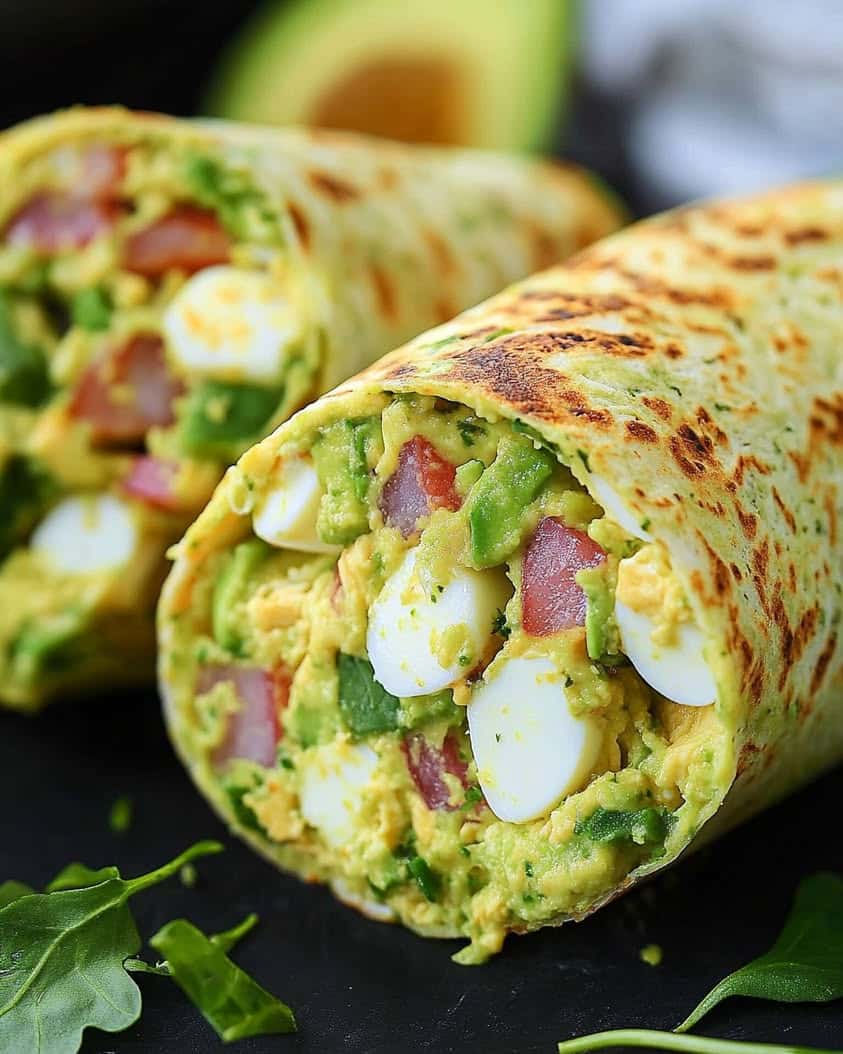
Creamy Avocado Egg Salad Lettuce Roll-Ups: A Fresh, High-Protein Power Lunch
Are you searching for a lunch that is both satisfying and refreshing? Look no further than these Creamy Avocado Egg Salad Lettuce Roll-Ups. This recipe transforms a classic comfort food into a modern, health-conscious meal. The creamy avocado replaces mayo in this high-protein egg salad, wrapped in crisp lettuce for a fresh, low-carb lunch or snack. Consequently, you get a dish that is rich in flavor and nutrients without feeling heavy. Ultimately, it is a perfect solution for busy weekdays, meal prep, or a light weekend bite.
Imagine the creamy texture of perfectly mashed avocado blending with tender hard-boiled eggs. Then, picture a hint of tangy Dijon mustard and a squeeze of fresh lemon juice brightening the mix. Finally, envision all of this nestled inside a cool, crunchy lettuce leaf. This combination creates a symphony of textures and tastes in every bite. Moreover, it is incredibly versatile, allowing for endless customization based on your preferences. Whether you need a quick desk lunch or an elegant appetizer, these roll-ups deliver.
The beauty of this dish lies in its simplicity and speed. From start to finish, you can have a restaurant-quality meal ready in under thirty minutes. Additionally, it requires minimal cooking, primarily just boiling eggs. Therefore, it is an ideal recipe for beginner cooks or anyone short on time. Furthermore, it uses whole, recognizable ingredients, making it a clean-eating favorite. This Creamy Avocado Egg Salad Lettuce Roll-Ups recipe is a testament to how easy healthy eating can be.
Quick Recipe Highlights
- Flavor Profile: This dish offers a rich, creamy base from the avocado and eggs, balanced by bright acidity from lemon juice. The Dijon mustard adds a subtle, sophisticated sharpness, while fresh chives or red onion provide a mild, aromatic bite. Overall, the flavor is satisfying and complex yet remarkably fresh.
- Texture: The experience begins with the cool, crisp snap of the butter lettuce leaf. Then, you encounter the luxuriously smooth and creamy avocado egg salad filling. Occasionally, you get a delightful crunch from finely diced celery or onion, creating a perfect mouthfeel that is never boring.
- Aroma: Freshness dominates the aroma, with clear notes of bright lemon and grassy chives. The earthy scent of ripe avocado is present but subtle. When you take a bite, the mild sulfurous note of hard-boiled eggs is balanced by the other fresh ingredients, resulting in an inviting and clean smell.
- Visual Appeal: These roll-ups are a feast for the eyes with their vibrant green lettuce cups cradling the pale green and yellow filling. A sprinkle of paprika or extra chives on top adds a pop of color. The presentation is elegant and neat, making them look as good as they taste.
- Skill Level Needed: This recipe is fundamentally beginner-friendly. The core skills required are boiling eggs and using a fork to mash ingredients. There is no complex knife work or advanced cooking techniques. Essentially, if you can stir and assemble, you can master this dish.
- Special Equipment: You need only basic kitchen tools: a small pot for boiling eggs, a mixing bowl, a fork or potato masher, and a knife. A timer for the eggs is helpful for perfect results. No blenders, food processors, or special gadgets are necessary.
Recipe Overview
- Difficulty Level: We classify this recipe as “Easy” because it involves straightforward techniques like boiling, mashing, and assembling. The steps are sequential and simple, with little room for major error. Even a first-time cook can achieve excellent results by following the clear instructions. The process is forgiving and quick.
- Category: This dish fits multiple meal categories beautifully. It is a stellar lunch option, a light dinner, or a substantial snack. Additionally, it works wonderfully as a healthy appetizer or party finger food. Its flexibility makes it a valuable addition to your weekly recipe rotation for various occasions.
- Cuisine: While egg salad has roots in European and American culinary traditions, this version takes a modern, health-forward twist. The use of avocado as a binder is inspired by contemporary California and wellness-focused cuisine. Therefore, it is a fusion dish that prioritizes fresh, whole ingredients over heavy dressings.
- Cost: This is an economical recipe, especially if eggs and avocados are purchased in season or on sale. The remaining ingredients, like lemon, mustard, and herbs, are pantry staples with a low cost per use. Overall, you can make a generous, high-quality meal for a fraction of the cost of a cafe salad.
- Season: These roll-ups are truly a year-round recipe. However, they shine brightest in spring and summer when fresh herbs are abundant and crisp, cool meals are most appealing. They are a perfect way to use peak-season avocados and garden herbs for maximum flavor.
- Occasion: This recipe is perfect for casual weekday lunches, meal prep Sundays, picnics, and potlucks. Furthermore, it makes an excellent light option for brunch gatherings or a post-workout refuel. Its elegant presentation also allows it to double as a healthy starter for a dinner party.
Why You’ll Love This Recipe
First and foremost, the taste and texture are utterly irresistible. The creamy avocado egg salad is rich and satisfying without any heaviness. Each bite delivers a cool crunch from the lettuce, followed by the smooth, flavorful filling. The lemon and mustard cut through the richness, creating a balanced flavor profile that keeps you coming back for more. Unlike traditional mayo-based salads, this version tastes incredibly fresh and light, leaving you energized rather than sluggish.
From a convenience standpoint, this recipe is a true winner. It comes together in about twenty-five minutes with minimal cleanup. Since it requires no oven, it is a perfect meal for hot days when you do not want to heat the kitchen. Moreover, the components can be prepped ahead of time, making assembly a matter of seconds when hunger strikes. This makes it an ideal candidate for efficient meal prep, guaranteeing you have a healthy lunch ready for several days.
Nutritionally, these roll-ups are a powerhouse. The creamy avocado replaces mayo, swapping out processed fats for heart-healthy monounsaturated fats and fiber. Eggs provide a complete source of high-quality protein and essential vitamins like B12 and choline. Wrapping it in lettuce instead of bread significantly reduces carbs and calories, aligning with low-carb, keto, or gluten-free diets. Consequently, you get a meal that supports muscle maintenance, sustained energy, and overall wellness.
For social and entertaining value, this dish is incredibly versatile. You can serve the filling in a bowl with lettuce leaves on the side for a fun, interactive build-your-own wrap station at parties. The roll-ups themselves are elegant enough for a bridal shower or baby shower menu. They are a crowd-pleaser that caters to various dietary preferences, ensuring all your guests have something delicious and healthy to enjoy.
Finally, this recipe is remarkably cost-effective and accessible. The ingredients are simple, whole foods found in any standard grocery store. You likely have many of them in your kitchen already. By making this at home, you save a significant amount of money compared to buying a similar prepared salad or wrap from a restaurant or deli. It democratizes healthy eating, proving that nourishing, gourmet-style food does not have to be expensive or complicated.
Historical Background and Cultural Significance
The concept of egg salad has deep roots, particularly in European and American culinary history. Hard-boiled eggs preserved with vinegar or mustard date back centuries as a practical way to use and transport eggs. The creamy, mayonnaise-bound egg salad we recognize today became popular in the United States in the early 20th century, often as a sandwich filling. It symbolized convenience and comfort, a staple at picnics, tea parties, and luncheons. This recipe represents an evolution of that classic, adapting to modern nutritional awareness.
Culturally, the lettuce wrap is a technique borrowed from various Asian cuisines, where fresh herbs and vegetables are used as vessels for flavorful fillings. Meanwhile, the use of avocado as a creamy base reflects the influence of Mexican and Californian cuisine, where the fruit is a dietary staple. This fusion creates a dish that is culturally hybrid, blending traditions to meet contemporary desires for meals that are light, fresh, and visually appealing. It is a testament to how global food trends inspire everyday home cooking.
The evolution of this specific recipe is directly tied to the wellness and clean-eating movements of the 21st century. As people sought alternatives to processed ingredients like commercial mayonnaise, avocado emerged as a perfect, whole-food substitute. Its natural creaminess and health halo made it an instant favorite for revitalizing classic dishes. This avocado egg salad is a prime example of that innovation, maintaining the soul of the original while upgrading its nutritional profile. It is a dish born from a desire to eat well without sacrifice.
Regional variations of this concept abound. In the American South, you might find a version with a dash of hot sauce or pickle relish. On the West Coast, additions like hemp seeds or microgreens are common. Some Mediterranean-inspired versions incorporate chopped kalamata olives and fresh dill. This adaptability is part of the recipe’s enduring appeal. It serves as a fantastic template, encouraging cooks to incorporate local ingredients and personal tastes, thus keeping the tradition alive and continuously evolving.
Ingredient Deep Dive
Avocados: Native to south-central Mexico, avocados have been cultivated for thousands of years. They are nutritionally dense, providing nearly 20 vitamins and minerals, including potassium, folate, and vitamins C, E, and K. Their monounsaturated fats support heart health and help absorb fat-soluble vitamins. For this recipe, select avocados that yield slightly to gentle pressure at the stem end. Store unripe avocados at room temperature and refrigerate once ripe. If you need a substitute, a mixture of plain Greek yogurt and a touch of olive oil can mimic the creaminess, though the flavor will differ.
Eggs: Eggs are a culinary cornerstone globally, valued for their versatility and complete protein profile. They provide all nine essential amino acids, along with choline for brain health and lutein for eye health. For the creamiest yolks, use the steaming method: place eggs in a steamer basket over boiling water for 12 minutes, then ice bath. Older eggs (7-10 days) actually peel more easily than fresh ones. Store eggs in their original carton in the coldest part of the refrigerator, not the door. For a vegan adaptation, mashed chickpeas can provide a similar texture and protein content.
Butter Lettuce: Known for its soft, pliable leaves and sweet, mild flavor, butter lettuce (including Boston and Bibb varieties) is ideal for wraps. It is a good source of vitamin A and offers hydration due to its high water content. Look for heads with vibrant, un-wilted leaves and a firm heart. To prepare, gently separate leaves from the core and rinse under cool water, then dry thoroughly in a salad spinner or with towels. Store the whole head, unwashed, in a plastic bag in the crisper drawer. For a crunchier alternative, romaine or iceberg lettuce hearts can be used.
Dijon Mustard & Lemon Juice: These are the key acid components that brighten and balance the rich fats. Dijon mustard, originating from Dijon, France, adds complexity without overwhelming heat. Lemon juice provides fresh vitamin C and citric acid. Their combined action prevents the avocado from browning quickly. Use fresh lemon juice rather than bottled for the best flavor. A high-quality Dijon makes a noticeable difference. If you do not have Dijon, whole-grain mustard or even a bit of apple cider vinegar can work in a pinch, though the flavor profile will shift.
Common Mistakes to Avoid
- Using Overripe or Underripe Avocados: An overripe avocado will be brown and mushy, creating a slimy texture. An underripe one will be hard and lack creaminess. Aim for that perfect stage where it is just tender. Check by removing the small stem nub; if it comes off easily and is green underneath, it is ready.
- Overcooking the Eggs: Boiling eggs for too long leads to a dry, chalky yolk and a green-gray ring around it. This negatively impacts both flavor and texture. Follow a precise timing method, such as 9-12 minutes in boiling water, and immediately transfer them to an ice bath to stop the cooking.
- Not Drying the Lettuce Leaves: Any residual water on the lettuce will make the wraps soggy and cause the filling to slide out. After washing, take the time to pat each leaf completely dry with clean kitchen towels or use a salad spinner. This step is crucial for structural integrity.
- Over-mashing the Filling: While you want a creamy base, completely pulverizing the eggs and avocado removes all textural interest. Mash the avocado smoothly, but fold in the chopped eggs gently. You should still see small, distinct pieces of egg white and yolk for a more satisfying bite.
- Skipping the Acid: The lemon juice and Dijon mustard are not just for flavor. The acid helps slow the oxidation (browning) of the avocado. If you omit it, your salad will turn an unappetizing brown color very quickly. Do not skip this vital preservation step.
- Seasoning at the End: Seasoning in layers is key. Season the mashed avocado with salt and pepper first. Then, season the combined mixture again. This ensures every component is properly seasoned, not just the surface. Taste and adjust just before assembling.
- Assembling Too Far in Advance: If you assemble the roll-ups hours before serving, the lettuce will wilt from contact with the moist filling. For the best results, store the filling and leaves separately and assemble right before eating. This keeps everything crisp and fresh.
- Using the Wrong Lettuce: Stiff, curly, or brittle lettuce like romaine hearts or red leaf can crack when rolled. The best choice is a soft, pliable lettuce like butter, Bibb, or Boston. Their cup-like shape naturally cradles the filling, making rolling much easier and neater.
Essential Techniques
Perfect Hard-Boiled Eggs: Mastering this technique is foundational. Start with eggs placed in a single layer in a pot. Cover them with cold water by about an inch. Bring to a full rolling boil, then immediately cover the pot and remove it from the heat. Let it stand for 9-12 minutes (9 for softer, 12 for firmer). Immediately transfer to an ice bath for at least 5 minutes. This method prevents overcooking and makes peeling easier. The visual cue for success is a fully set yolk with no gray ring.
Mashing and Combining: The goal is creaminess with texture. In your mixing bowl, start by mashing the avocado with a fork until it is mostly smooth, leaving a few small chunks for interest. Season this base. Then, fold in the chopped eggs, celery, and herbs gently. Over-mixing at this stage will turn the salad into a homogenous paste. The mixture should be cohesive but not perfectly uniform. This technique ensures a more dynamic eating experience.
Preparing Lettuce Cups: Proper preparation prevents breakage and sogginess. Carefully separate the leaves from the head by holding the core under running water; the water helps loosen them. Alternatively, cut out the core and gently pry leaves apart. Wash each leaf individually under cool water to remove any grit. Then, dry them meticulously. Lay them flat on a paper towel-lined tray until ready to use. This technique guarantees a sturdy, crisp vessel for your filling.
Pro Tips for Perfect Creamy Avocado Egg Salad Lettuce Roll-Ups
For the easiest peel, use eggs that are a week or two old. Very fresh eggs have a lower pH, causing the membrane to stick more tightly to the shell. Adding a teaspoon of baking soda to the boiling water can also help raise the pH and ease peeling.
To maximize avocado freshness, leave the pit in any unused portion of the avocado half and squeeze a little extra lemon juice over the exposed surface. Press plastic wrap directly onto the surface before refrigerating. This significantly slows the browning process.
If your lettuce leaves are on the smaller side, create a “double wrap” by overlapping two leaves slightly. This provides extra strength and prevents the filling from breaking through a fragile single leaf, especially if you are packing them for lunch on the go.
For a flavor boost, consider adding a teaspoon of everything bagel seasoning, smoked paprika, or a dash of hot sauce to the filling. These small additions can completely transform the profile without complicating the recipe, allowing you to customize it to your mood.
When meal prepping, store the filling in an airtight container with a piece of plastic wrap pressed directly on its surface to limit air exposure. Keep the cleaned and dried lettuce leaves in a separate container lined with a paper towel. Assemble each morning for the freshest result.
If you find the filling a bit too loose, add a tablespoon of finely ground almond flour or a teaspoon of chia seeds. These ingredients will absorb a small amount of moisture and help thicken the mixture slightly, making it easier to scoop and less likely to drip.
Variations and Adaptations
Regional Variations: Give these roll-ups a Greek twist by adding crumbled feta cheese, chopped kalamata olives, and fresh dill. For a Southwest flair, mix in a tablespoon of chopped green chiles, use lime juice instead of lemon, and garnish with cilantro. An Italian-inspired version could include sun-dried tomatoes and fresh basil.
Seasonal Adaptations: In spring, incorporate finely chopped radishes and fresh peas. Summer invites the addition of sweet corn kernels and cherry tomatoes. For fall, a pinch of curry powder and some diced apple can create a warm, spiced version. In winter, adding roasted red peppers provides a bright, sweet note.
Dietary Modifications: For a vegan version, replace the eggs with one 15-ounce can of rinsed and mashed chickpeas. To make it Whole30 or Paleo, ensure your mustard is compliant (no sugar) and skip any non-compliant add-ins like legumes or dairy. For a nut-free version, simply avoid nut-based garnishes.
Flavor Variations: Incorporate different herbs like tarragon, cilantro, or basil. Add umami with a teaspoon of white miso paste or nutritional yeast. For a smoky element, use a chipotle-flavored mustard or add a pinch of smoked paprika. A tablespoon of capers can introduce a lovely briny, salty pop.
Texture Modifications: For extra crunch, add toasted sunflower seeds, chopped water chestnuts, or diced jicama. For a smoother, more spreadable texture (great for celery sticks), blend the mixture briefly in a food processor. If you prefer more distinct egg pieces, chop the eggs more coarsely and fold them in at the very end.
Presentation Alternatives: Instead of roll-ups, serve the filling in hollowed-out bell pepper halves, cucumber boats, or on top of a bed of mixed greens as a salad. You can also use the filling as a high-protein topping for crackers or sweet potato toast. For kids, serve it as a dip with veggie sticks.
Serving and Presentation Guide
Plating Techniques: For an elegant presentation, arrange three roll-ups standing upright or slightly leaning against each other on a rectangular plate. Alternatively, lay them seam-side down in a neat row. On a platter for a party, create a circular pattern with the roll-ups pointing outward, placing a small bowl of extra filling or garnish in the center.
Garnishing Ideas: A light dusting of paprika, everything bagel seasoning, or black sesame seeds adds visual contrast and flavor. A small sprinkle of finely chopped fresh chives, dill, or parsley provides a fresh green accent. A few microgreens or edible flowers placed on the side of the plate elevate the dish instantly.
Traditional Accompaniments: These roll-ups are a complete meal on their own. However, they pair beautifully with a simple side of fresh fruit like berries or melon. A cup of light soup, such as tomato basil or chicken broth, also makes for a satisfying, balanced lunch combination.
Modern Serving Suggestions: For a deconstructed approach, serve the filling in a small bowl surrounded by lettuce leaves, allowing guests to assemble their own. Create a “power bowl” by placing the filling over quinoa or cauliflower rice, drizzled with a light vinaigrette, with the lettuce leaves served on the side for scooping.
Temperature Considerations: This dish is best served cold or at a cool room temperature. Ensure all components are chilled before assembly. If taking it for lunch, pack it with a small ice pack in an insulated lunch bag to maintain freshness and food safety, especially if the filling contains eggs and avocado.
Portion Control Tips: One serving typically consists of two to three medium-sized lettuce wraps, depending on their size and your appetite. For precise calorie control, you can measure the filling with a 1/3 or 1/2 cup scoop per lettuce leaf. This method ensures consistent portions whether you are managing intake or serving a crowd.
Wine and Beverage Pairing
Wine Pairings: The creamy, rich nature of the avocado and eggs pairs wonderfully with crisp, high-acid white wines. A Sauvignon Blanc, with its notes of citrus and grass, complements the lemon and fresh herbs beautifully. A dry Riesling or an unoaked Chardonnay would also be excellent choices, as they provide enough body to match the texture without overwhelming the delicate flavors.
Non-Alcoholic Alternatives: Sparkling water with a squeeze of lime or a slice of cucumber is a refreshing, hydrating match. For something sweeter, a lightly sweetened hibiscus iced tea (agua de jamaica) offers a tart contrast that cuts through the creaminess. A green juice or smoothie also makes for a healthy, complementary beverage pairing.
Coffee/Tea Pairing: For a brunch setting, a light roast coffee or a cold brew would work well, as the brightness of the coffee can balance the dish’s richness. In terms of tea, a green tea like sencha or a herbal tea such as lemon ginger or peppermint would be delightful, cleansing the palate between bites.
Temperature Considerations: Always serve your chosen beverage well-chilled if it is a white wine, sparkling water, or iced tea. The cool temperature of the drink should mirror the cool temperature of the food, creating a harmonious sensory experience. For hot coffee or tea, ensure it is served piping hot to provide a pleasant contrast.
Serving Suggestions: Present wine in a standard white wine glass to allow the aromas to develop. For non-alcoholic options, a tall glass with ice and a garnish looks appealing. If serving at a gathering, consider offering a signature mocktail, like a minty lime spritzer, in a pitcher for guests to help themselves.
Storage and Shelf Life
Storage Methods: The key to longevity is storing components separately. Place the avocado egg salad filling in an airtight container. Press a piece of plastic wrap directly onto the surface of the filling before sealing the lid to minimize air exposure. Store cleaned, dried lettuce leaves in a separate container or zip-top bag lined with a paper towel to absorb excess moisture.
Temperature Requirements: Both the filling and the lettuce must be refrigerated at all times. The ideal refrigerator temperature is 40°F (4°C) or below. Never leave the assembled roll-ups at room temperature for more than two hours, as the combination of eggs and avocado is perishable and can become a food safety risk.
Container Recommendations: Use glass containers with tight-sealing lids for the filling, as they are non-porous and do not retain odors. For the lettuce, a large, shallow container that allows the leaves to lay flat without crushing is best. Stacking leaves with paper towels between layers can help maintain crispness.
Signs of Spoilage: Discard the filling if you notice an off or sour smell, significant browning (beyond the surface), or any signs of mold. The lettuce should be discarded if it becomes slimy, wilted beyond revival, or develops dark spots. When in doubt, it is always safer to throw it out.
Reheating Instructions: This dish is not meant to be reheated. It is designed to be enjoyed cold. Attempting to heat the filling will cause the avocado to become bitter and the eggs to become rubbery. The lettuce will wilt instantly. Therefore, only take out what you plan to eat immediately.
Freezing Guidelines: Freezing is not recommended for this recipe. Avocado undergoes severe textural degradation when frozen and thawed, becoming watery and grainy. The lettuce will be completely destroyed by the freezing process. This is a fresh dish best made and consumed within a few days.
Make Ahead Strategies
Prep Timeline: You can successfully prep this recipe up to 2 days in advance. The optimal timeline is to boil and peel the eggs up to 3 days ahead. Chop any crunchy vegetables like celery. Wash and dry the lettuce leaves 1 day ahead. Finally, mash the avocado and combine all filling ingredients on the morning you plan to eat it for the absolute freshest taste and color.
Storage Between Steps: Store peeled whole hard-boiled eggs in a bowl of cold water in the refrigerator, changing the water daily; this keeps them moist. Prepared diced vegetables can be stored in a sealed container. The critical rule is to keep the avocado separate until the final assembly phase to prevent browning and texture loss.
Quality Impact Assessment: Making the complete filling 24 hours in advance will cause some browning on the surface (which can be stirred in) and a slight softening of texture as the salt draws moisture from the ingredients. The flavor often improves as it marinates. The lettuce may lose a bit of crispness if pre-washed but remains perfectly usable if dried and stored well.
Assembly Tips: For the best make-ahead lunch, use a divided container. Place the chilled filling in one section and the dry lettuce leaves in another. Include any crunchy toppings (like extra onions or seeds) in a tiny separate bag or compartment. Assemble just before you eat to guarantee a crisp, non-soggy wrap.
Reheating Guidelines: As noted, no reheating is involved. If you have taken the container from the fridge and it feels too cold, let it sit at your desk for 5-10 minutes before assembling. This takes the extreme chill off the filling, allowing the flavors to be more pronounced without compromising food safety.
Fresh Element Additions: If prepping ahead, reserve some of the fresh herbs (like chives) to stir into the filling right before serving. This adds a burst of fresh flavor and bright color that can diminish during storage. A final squeeze of lemon juice over the assembled roll-up can also perk up the flavors just before eating.
Scaling Instructions
Halving the Recipe: Halving is straightforward for a single serving. Use 2 eggs, 1/2 a medium avocado, and proportionally reduce all other ingredients by half. The challenge is the avocado; use the half without the pit first and save the other half using the preservation tips mentioned earlier. All timings remain the same.
Doubling or Tripling: When scaling up, use a larger pot for boiling eggs to ensure they are in a single layer; you may need to do multiple batches. For mashing, a potato masher in a large bowl works better than a fork. Taste and season carefully, as scaling spices is not always linear—add incrementally. You may need an extra head of lettuce.
Equipment Adjustments: For a double batch, your standard mixing bowl may suffice. For tripling or more, switch to a large salad bowl. Ensure you have enough sheet pans or trays lined with paper towels to dry all the lettuce leaves without crowding. A larger, wider container will be needed for storing the increased volume of filling.
Timing Modifications: The active prep time will increase linearly as you scale up, primarily due to more chopping and assembly. However, the passive cook time for the eggs remains the same if you have a pot large enough to hold them in one layer. If you need to boil in batches, factor in that additional time.
Storage Considerations: A larger batch of filling has a greater volume-to-surface-area ratio, which can help slow oxidation. However, it is even more crucial to divide it into smaller, portion-sized containers for storage. This limits how often the entire batch is exposed to air when you open it to serve, extending its overall shelf life.
Nutritional Deep Dive
Macro Breakdown: A typical serving (2-3 roll-ups) provides an excellent balance. It is high in healthy fats from the avocado, which support hormone function and satiety. The eggs contribute a significant amount of complete protein, essential for muscle repair. The carbohydrates are minimal and come primarily from the fibrous vegetables, making this a low-carb, high-fat, moderate-protein meal.
Micronutrient Analysis: This dish is rich in B vitamins from the eggs, including B12 for energy and choline for brain health. Avocado provides vitamins C, E, K, and potassium, which is crucial for blood pressure regulation. The lettuce and herbs contribute vitamin A and various antioxidants. Lemon juice adds a boost of vitamin C, enhancing iron absorption from the eggs.
Health Benefits: The combination of nutrients supports heart health, cognitive function, and healthy skin. The high fiber content from avocado and vegetables promotes digestive health and stable blood sugar levels. The protein and fat provide sustained energy, preventing the mid-afternoon crash often associated with carbohydrate-heavy lunches.
Dietary Considerations: This recipe is naturally gluten-free and grain-free. It can be made dairy-free by omitting any cheese additions. For those on a low-FODMAP diet, ensure you use only the green tops of scallions and limit avocado to 1/8 of one per serving. Always check specific diet protocols for individual ingredients.
Portion Analysis: One serving is quite satiating due to the fat and protein content, which trigger fullness hormones. Visually, a serving fills a standard lunch plate, providing psychological satisfaction. The act of rolling and eating with your hands can also promote mindful eating, slowing you down and helping you recognize satiety cues.
Weight Management Tips: This is an excellent recipe for weight management because it is high in volume and nutrients but relatively moderate in calories. The protein and fiber keep you full for hours, reducing the likelihood of snacking. To further reduce calories, you can use slightly less avocado or add more crunchy, low-calorie vegetables like celery and bell peppers to bulk up the filling.
Dietary Adaptations
Gluten-free: This recipe is inherently gluten-free as written. Simply ensure that any added condiments, like mustard, are certified gluten-free, as some brands may contain trace gluten from additives or shared equipment. All other core ingredients—avocado, eggs, lettuce, lemon—are naturally free of gluten.
Dairy-free: The basic recipe contains no dairy. Be cautious if adding any optional ingredients like cheese or a yogurt-based dressing. To keep it dairy-free, stick to the core recipe or use dairy-free alternatives like nutritional yeast for a cheesy flavor or vegan mayonnaise if you choose to blend it with the avocado.
Vegan: Replace the hard-boiled eggs with one 15-ounce can of chickpeas, rinsed, drained, and lightly mashed. The avocado will still provide the creaminess. For an “eggy” flavor, add a quarter teaspoon of black salt (kala namak), which contains sulfur compounds that mimic the taste of eggs. Ensure your mustard and other add-ins are vegan.
Low-carb & Keto: This recipe is perfectly suited for low-carb and keto diets. The net carbs are very low, coming mainly from the fibrous vegetables. To make it strictly keto, just double-check that any added ingredients (like mustard) do not contain hidden sugars. The high fat content from the avocado aligns perfectly with keto macronutrient goals.
Paleo: The core recipe is Paleo-compliant. The main thing to verify is your mustard; many commercial mustards contain non-Paleo ingredients like sugar or certain vinegars. Look for a mustard made with apple cider vinegar and no added sugar, or simply use ACV and a pinch of turmeric for color and tang.
Low-FODMAP: Avocado is only low-FODMAP in servings of 1/8 of a whole fruit. For this recipe, you would need to significantly reduce the avocado amount per serving or omit it and use a low-FODMAP mayonnaise instead. Use only the green parts of scallions for onion flavor. Ensure no garlic is added.
Troubleshooting Guide
Filling is Too Runny/Wet: This usually happens if the avocado is overripe or the eggs are undercooked (soft yolks). To fix it, drain any excess liquid from the bowl. Then, add a “binder” like a tablespoon of almond flour, ground flaxseed, or even a mashed, cooked white potato to absorb moisture. Chill the mixture for 30 minutes to firm up before using.
Filling is Too Dry/Crumbly: This indicates the avocado was underripe or there wasn’t enough. The quick fix is to add more moisture. Stir in an extra tablespoon of lemon juice
Print
Creamy Avocado Egg Salad Lettuce Roll-Ups
Description
A light and refreshing twist on classic egg salad, using creamy avocado instead of mayo, wrapped in crisp lettuce leaves for a low-carb, protein-packed meal.
Ingredients
For the Crust:
- 6 large hard-boiled eggs, peeled and chopped
- 1 ripe avocado, pitted and mashed
- 2 tablespoons plain Greek yogurt
- 1 tablespoon Dijon mustard
- 1/4 cup finely chopped red onion
- 2 tablespoons chopped fresh dill
- 1 tablespoon lemon juice
- Salt and black pepper to taste
- 8 large butter lettuce leaves, rinsed and patted dry
- Paprika for garnish (optional)
Instructions
1. Prepare the Crust:
- In a medium bowl, combine the mashed avocado, Greek yogurt, Dijon mustard, lemon juice, salt, and pepper. Mix until smooth and creamy.
- Add the chopped hard-boiled eggs, red onion, and fresh dill to the avocado mixture. Gently fold everything together until well combined, being careful not to overmix.
- Lay out the butter lettuce leaves on a clean surface. Spoon an equal amount of the avocado egg salad onto the center of each leaf.
- Carefully roll up each lettuce leaf around the filling, tucking in the sides as you go to create a neat roll-up. Serve immediately, garnished with a sprinkle of paprika if desired.
Notes
You can customize the seasonings to taste.

I’m Shaykee—born in Morocco, seasoned across continents. From airplane galleys to home kitchens, I share the flavors and stories that shaped my journey.