
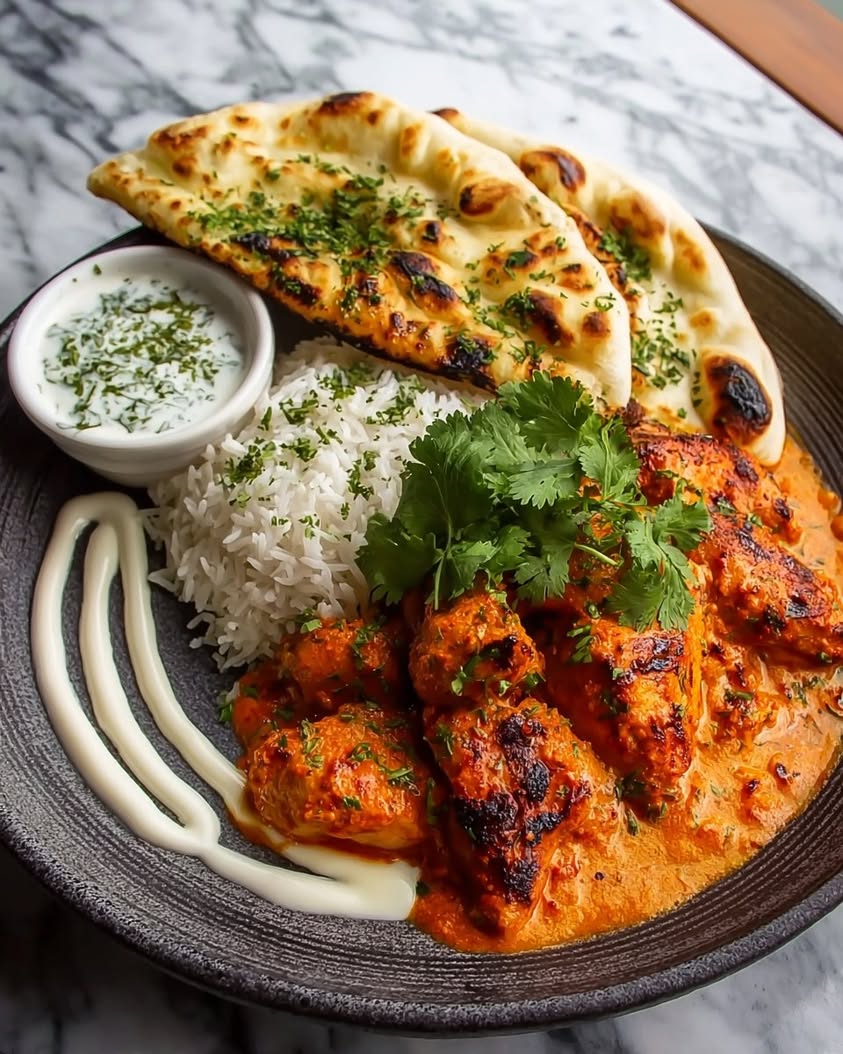
Homemade Butter Chicken Bowl with Garlic Naan: A Restaurant-Quality Feast in Your Kitchen
Imagine the rich, aromatic scent of toasted spices filling your kitchen, followed by the sight of tender chicken simmering in a luxuriously creamy tomato sauce. This homemade butter chicken bowl with garlic naan delivers exactly that experience, transforming your ordinary dinner into a vibrant Indian feast. Moreover, this recipe demystifies the process, proving you can achieve restaurant-quality flavors without professional training. Ultimately, the combination of a perfectly spiced curry and freshly baked, buttery flatbread creates a meal that feels both indulgent and deeply satisfying.
The magic of this dish lies in its beautiful balance. For instance, the butter chicken sauce boasts a complex flavor profile, starting with a subtle heat from ginger and garlic, then mellowing into the sweetness of tomatoes and cream. Meanwhile, the homemade garlic naan provides the perfect vehicle for scooping up every last bit of that incredible sauce. Consequently, each bite becomes a harmonious blend of textures and tastes, from the soft, pillowy bread to the succulent pieces of chicken. This homemade Indian feast is surprisingly easy and packed with flavor, making it an ideal project for a weekend cooking adventure.
Furthermore, preparing this meal from scratch allows you to control the quality of every ingredient. You can adjust the spice level to your family’s preference, use the freshest herbs, and avoid the preservatives often found in store-bought sauces. Additionally, the act of cooking becomes part of the enjoyment, filling your home with warmth and anticipation. Whether you are cooking for a special date night or a comforting family dinner, this butter chicken bowl promises to be a memorable and delicious centerpiece.
Quick Recipe Highlights
- Flavor Profile: This dish masterfully blends warm, earthy spices like garam masala and turmeric with the bright acidity of tomatoes and the rich, calming notes of butter and cream. The result is a sauce that is simultaneously tangy, savory, and subtly sweet, with layers of flavor that develop beautifully as it simmers.
- Texture: The butter chicken sauce achieves a velvety, luxurious consistency that clings perfectly to the tender chunks of chicken. Conversely, the garlic naan offers a delightful contrast with its slightly chewy interior and crisp, blistered exterior from the high-heat cooking.
- Aroma: Toasting whole spices like cumin seeds and cardamom pods releases their essential oils, creating an intensely fragrant base. This deep, warm aroma then mingles with the pungent garlic, sharp ginger, and sweet tomatoes as the sauce cooks, creating an unmistakable scent of authentic Indian cooking.
- Visual Appeal: The final bowl is a feast for the eyes, featuring a vibrant, orange-hued curry garnished with fresh green cilantro. Served alongside golden-brown, flecked-with-herb naan, the presentation is rustic yet elegant, promising a restaurant-quality experience on your dining table.
- Skill Level Needed: This recipe requires basic cooking skills like chopping, sautéing, and simmering. While it involves several steps and a blend of spices, the instructions are clear and sequential. Therefore, a confident beginner or an intermediate home cook will find this project entirely manageable and rewarding.
- Special Equipment: You will need a heavy-bottomed pot or Dutch oven for the curry to ensure even heat distribution and prevent burning. For the naan, a cast-iron skillet or griddle is ideal to achieve the characteristic high-heat blistering. A rolling pin and basic mixing bowls round out the necessary tools.
Recipe Overview
- Difficulty Level: We rate this recipe as medium difficulty because it involves multiple components working in tandem. You will manage a marinade, prepare a spiced sauce base, and make a simple yeast dough for the naan. However, each step is straightforward, and the process can be broken down into manageable stages. With a bit of organization, even a first-timer can achieve excellent results.
- Category: This dish falls squarely into the main course category, offering a complete and hearty meal. It is perfect for dinner but substantial enough for a weekend lunch. Additionally, the components can be served separately, with the butter chicken acting as a fantastic curry over rice and the naan as a versatile side bread for other meals.
- Cuisine: This is a classic North Indian and Punjabi dish, beloved worldwide for its comforting and rich profile. Butter chicken, or murgh makhani, has a storied history in Delhi restaurants. The garlic naan, meanwhile, is a leavened flatbread staple from tandoor ovens across the subcontinent. Together, they represent some of the most popular and accessible entries into Indian cuisine.
- Cost: Preparing this meal at home is significantly more cost-effective than dining out. The primary expenses are chicken, cream, and fresh spices. Many spices are pantry staples you will use repeatedly. Overall, you can create this feast for four at a fraction of the restaurant price, making gourmet Indian food an affordable regular option.
- Season: This comforting, rich dish is ideal for cooler fall and winter months when hearty, warming meals are most desired. That said, its vibrant flavors are enjoyable year-round. During summer, you can serve it with a lighter side salad to balance the richness, proving it is a versatile recipe for any season.
- Occasion: This meal is incredibly versatile for various occasions. It is impressive enough for entertaining guests, comforting for a family dinner, and special enough for a date night in. You can also prepare larger batches for potlucks or meal prep, as both the curry and naan reheat beautifully.
Why You’ll Love This Recipe
First and foremost, the taste and texture appeal of this dish is undeniable. The butter chicken sauce delivers a symphony of flavors where no single note overpowers the others. You get the initial warmth of ginger, the depth of toasted spices, the sweetness of onion and tomato, and the final luxurious richness of butter and cream. Each tender piece of chicken soaks up this magnificent sauce. Meanwhile, tearing off a piece of warm, garlicky naan and dragging it through the creamy curry provides the ultimate satisfying bite. This combination creates a dining experience that is far greater than the sum of its parts, offering comfort and excitement in every mouthful.
Secondly, the convenience and preparation benefits are a major win. While the recipe has several steps, many can be done in advance. For example, you can marinate the chicken overnight, allowing the yogurt and spices to deeply penetrate the meat for maximum flavor and tenderness. You can also prepare the naan dough ahead of time and let it rise slowly in the refrigerator. Consequently, when it is time to cook, the active work is streamlined. Furthermore, cooking this at home means you avoid the wait for delivery or the expense of a restaurant bill. You control the timeline and the environment, creating a relaxing and rewarding cooking session.
From a nutritional standpoint, this homemade version offers clear advantages over its restaurant counterpart. You regulate the amount of butter, cream, and salt, allowing for a healthier balance without sacrificing flavor. Using full-fat yogurt in the marinade adds protein and probiotics. The tomatoes provide lycopene and vitamin C, while the array of spices like turmeric and cumin offer anti-inflammatory compounds. By choosing lean chicken breast or thigh meat, you tailor the fat content to your dietary goals. Therefore, you enjoy a decadent-tasting meal that can be part of a conscious eating plan.
Moreover, the social and entertaining value of this meal is high. Cooking and sharing food is a universal language of care, and this dish is made for sharing. Placing a pot of fragrant butter chicken and a stack of fresh naan in the center of the table encourages conversation and connection. It is interactive and engaging, as everyone can build their own perfect bowl. For guests, a homemade Indian feast feels exceptionally thoughtful and impressive. It shows effort and skill, making any dinner party or family gathering feel like a special occasion.
Finally, the cost-effectiveness and accessibility make this recipe a keeper. The ingredients are readily available in most standard supermarkets or local international grocery stores. Investing in a few key spices upfront unlocks countless future Indian and global dishes. Compared to ordering takeout for a family, the savings are substantial. You also get a larger quantity of food, often with leftovers that taste even better the next day. This approach makes exploring world cuisines an affordable and regular part of your home cooking repertoire, expanding your skills and your palate with every attempt.
Historical Background and Cultural Significance
The origin story of butter chicken is a delightful tale of culinary innovation and resourcefulness. Most accounts trace it back to the 1950s in Delhi, specifically to the founders of the famous restaurant Moti Mahal. Legend has it that cooks, wanting to avoid wasting leftover tandoori chicken, created a solution. They simmered the dry pieces in a rich gravy made from tomatoes, butter, and cream. This ingenious move transformed leftover, potentially dry meat into a succulent, saucy, and entirely new dish. Consequently, murgh makhani, or butter chicken, was born not from meticulous planning but from smart, practical cooking. Its immediate popularity ensured it quickly moved from a clever reuse recipe to a permanent star on the menu.
The cultural importance of this dish cannot be overstated. Alongside chicken tikka masala, butter chicken became a global ambassador for North Indian Punjabi cuisine. It served as a gentle, creamy introduction to Indian flavors for many people unfamiliar with its complex spice profiles. In India, it remains a celebratory dish, often ordered at restaurants for family gatherings and special events. Its rich, comforting nature symbolizes hospitality and abundance. Furthermore, the dish represents a fusion within itself, marrying the dry heat cooking technique of the tandoor with the moist, saucy medium of a curry, showcasing the versatility of Indian culinary traditions.
The evolution of the recipe from its Delhi roots to global fame is fascinating. Initially, the gravy was likely simpler, relying on the fundamental flavors of butter, tomatoes, and cream with a few key spices. As it traveled across India and the world, regional and personal variations emerged. Some versions incorporate cashew or almond paste for added richness and thickness. Others adjust the spice blend, introducing Kashmiri red chili for color without excessive heat, or fenugreek leaves for a distinctive aromatic finish. The base concept, however, remains constant: tender chicken in a mildly spiced, creamy tomato sauce. This adaptability is key to its enduring and widespread appeal.
Regarding regional variations, you will find subtle differences across India and in diaspora communities. In Punjab, the heartland of the dish, the gravy tends to be richer and the chicken is almost always first cooked in a tandoor. In other parts of Northern India, the cream might be reduced, and more emphasis placed on the tang from tomatoes and yogurt. Western adaptations sometimes use coconut milk for a dairy-free version or add vegetables like bell peppers and peas. The garlic naan accompaniment also has its variations, with some recipes including stuffing like paneer or potatoes, or toppings like sesame seeds or nigella seeds. This beautiful diversity means there is no single “correct” version, only the one that delights your taste buds the most.
Ingredient Deep Dive
Starting with chicken, this protein is the star of the curry. Culturally, chicken is a prevalent meat in Indian cuisine due to its versatility and wide acceptance. For this recipe, boneless, skinless thighs are highly recommended for their superior flavor and ability to stay juicy during the simmering process. Nutritionally, chicken is an excellent source of lean protein, B vitamins, and selenium. When selecting, look for pieces with a pink hue and firm texture. For storage, keep it refrigerated and use within 1-2 days of purchase, or freeze for longer storage. If you need a substitution, firm tofu or chickpeas make wonderful plant-based alternatives that absorb the sauce beautifully.
Yogurt plays a dual role as both a tenderizer in the marinade and a subtle tangy note in the sauce. Historically, yogurt has been a staple in Indian cooking for centuries, used for its cooling properties and probiotic benefits. In this recipe, full-fat plain yogurt yields the best results, as its fat content helps carry flavors and creates a smoother marinade. Nutritionally, it provides calcium, protein, and gut-friendly bacteria. When shopping, avoid yogurts with added sugars or gelatin. For storage, always keep it tightly sealed in the refrigerator. If you require a dairy-free substitute, coconut yogurt can work in the marinade, though it will impart a coconut flavor.
The spice blend is the soul of the dish. Garam masala, a warming mix of spices like cardamom, cinnamon, and cloves, is essential. Turmeric provides the iconic golden color and earthy notes, while cumin offers a nutty, foundational flavor. Culturally, these spices are central to Ayurveda and Indian medicine for their digestive and anti-inflammatory properties. To maximize flavor, buy whole spices and toast them before grinding, or purchase high-quality pre-ground spices from a reputable source with a strong aroma. Store spices in airtight containers away from light and heat to preserve their potency. There are few direct substitutes for this unique blend, but a mix of cumin, coriander, and a pinch of cinnamon can serve in a pinch.
Tomatoes form the acidic, sweet base of the gravy. In Indian cooking, tomatoes are often cooked down until they break down completely and their natural sugars caramelize, forming the foundation of the curry. Using good-quality canned crushed tomatoes or fresh, ripe tomatoes is crucial for a balanced sauce. They are rich in lycopene, vitamin C, and potassium. For selection, choose canned tomatoes with no added citric acid or herbs, or fresh tomatoes that feel heavy for their size. If you need to substitute, roasted red peppers blended smooth can offer a similar texture and slight sweetness, though the flavor profile will shift.
Finally, the garlic naan ingredients deserve attention. The dough relies on all-purpose flour, yeast, yogurt, and garlic. The yeast gives the naan its signature puff and slight chew, a technique adapted from Central Asian bread-making traditions. Yogurt in the dough adds tenderness and a slight tang. Fresh garlic, both minced into the dough and brushed with butter on top, is non-negotiable for authentic flavor. For the best texture, use bread flour if available for higher gluten content and chewier naan. Store leftover naan in an airtight container; reheating in a dry skillet restores its texture far better than a microwave. For a gluten-free version, a blend of rice flour, tapioca starch, and xanthan gum can be used, though the texture will be different.
Common Mistakes to Avoid
- Rushing the Onion Cooking: One of the most common errors is not cooking the onions long enough. They need to become deeply golden brown and almost melt into the oil. This step, called “bhuno,” is crucial for developing a sweet, rich base flavor in the gravy. If you rush it, the sauce will taste raw and lack depth.
- Using Cold Yogurt in the Marinade: Adding cold yogurt straight from the fridge can shock the meat and prevent the marinade from adhering properly. Instead, let the yogurt come to room temperature before mixing it with the spices and chicken. This allows for better integration and more effective tenderization.
- Adding Cream Too Early: Introducing heavy cream at the beginning of the simmering process can cause it to curdle or separate when exposed to prolonged high heat and acidity from the tomatoes. Always add the cream at the very end, after the sauce has finished cooking and has been taken off the direct heat. Stir it in gently to maintain its silky texture.
- Overworking the Naan Dough: Kneading the naan dough is important for developing gluten, but over-kneading can make it tough. Knead just until the dough is smooth and elastic, then let it rest. The resting period allows the gluten to relax, making the dough easier to roll out and resulting in a softer, more pliable bread.
- Not Preheating the Skillet for Naan: A lukewarm skillet is the enemy of good naan. The bread needs immediate, intense heat to create steam inside, causing it to puff up, and to develop those desirable charred spots. Always ensure your cast-iron skillet or griddle is smoking hot before you lay the first piece of dough on it.
- Skipping the Butter Baste on the Naan: The final brush of garlic-infused butter on the hot naan is not just for show. It adds crucial flavor, keeps the bread soft, and gives it that glossy, professional finish. Using plain butter misses an opportunity to layer in more garlicky goodness. Always take the extra minute to infuse your butter with fresh garlic.
- Crowding the Pan When Cooking Chicken: If you are browning the marinated chicken before adding it to the sauce, avoid overcrowding the pan. Adding too much chicken at once lowers the pan temperature dramatically, causing the pieces to steam instead of sear. Cook in batches to ensure each piece gets proper color and a flavorful crust.
- Using Stale or Low-Quality Spices: The flavor of this dish is entirely dependent on the vibrancy of its spices. Ground spices lose their potency after about six months. If your garam masala or cumin powder smells faint or dusty, it is time to replace them. Investing in fresh, high-quality spices makes a monumental difference in the final taste.
Essential Techniques
The technique of “bhuno,” or frying the spice paste, is fundamental to Indian curries. This process involves cooking the onion-tomato-ginger-garlic mixture in oil until the moisture evaporates and the oil starts to separate from the solids. It is important because it caramelizes the natural sugars, deepens the color, and removes any raw taste from the aromatics, creating a complex flavor foundation. To master it, use medium heat and be patient, stirring frequently to prevent burning. A common pitfall is rushing this step, which leaves a harsh, acidic flavor. You will know it is done when the mixture thickens significantly, darkens in color, and the oil glistens on the surface around the edges of the pan.
Marinating the chicken properly is another critical technique. The purpose is twofold: to tenderize the meat with the acids in the yogurt and to infuse it deeply with the spices. For success, ensure every piece is thoroughly coated and allow at least 30 minutes, though several hours or overnight is ideal for the best results. A common mistake is using a marinade that is too thin; the yogurt should be thick enough to cling to the chicken. Visual cues are less apparent here, but well-marinated chicken will have a consistent color from the spices and turmeric, and will feel slightly slick to the touch from the yogurt coating.
Simmering the curry gently is key to achieving the perfect texture. After adding the liquid components, the sauce should bubble at a very low, steady rate. This slow cooking allows the chicken to become fork-tender without toughening, and lets the flavors meld together harmoniously. Boiling the sauce vigorously can cause the dairy to separate and make the chicken stringy. To master it, reduce the heat to the lowest setting that maintains a few small bubbles. The pitfall is impatience. A good visual cue is a slow, lazy bubble breaking the surface, and the sauce will gradually reduce and thicken to a gravy-like consistency that coats the back of a spoon.
For the garlic naan, the technique of rolling and cooking is vital. The dough should be rolled into an oval shape, not too thin, to allow for those characteristic air pockets to form. When placed on the scorching hot skillet, it should immediately begin to bubble. After about 30-45 seconds, flip it; you should see beautiful brown char spots. Then, using tongs, hold the naan directly over a low gas flame for a few seconds to puff it up, or cover the skillet with a lid to trap steam. The importance is texture: a combination of crisp, charred exterior and soft, airy interior. The common pitfall is rolling the dough too thin, resulting in a cracker-like bread instead of a soft, pliable one.
Pro Tips for Perfect Homemade Butter Chicken Bowl with Garlic Naan
For an incredibly smooth sauce, use an immersion blender directly in the pot after cooking the onion-tomato base but before adding the chicken. This creates a restaurant-style velvety texture that is impossible to achieve by stirring alone. Alternatively, you can carefully transfer the hot mixture to a stand blender, but be sure to vent the lid to prevent steam pressure buildup.
To maximize flavor in your naan, add a tablespoon of nigella seeds (kalonji) or sesame seeds to the dough during kneading. These seeds add a subtle, onion-like flavor and a delightful visual and textural element. They are traditional in many Indian flatbreads and elevate your homemade version to another level.
If your curry sauce seems too thin after simmering, create a quick slurry by mixing one teaspoon of cornstarch with one tablespoon of cold water. Stir this into the simmering sauce and cook for an additional minute. The sauce will thicken beautifully without altering the flavor, giving you perfect, clingy consistency.
Do not discard the marinade left in the bowl after removing the chicken. Instead, scrape it all into the pot when you add the chicken pieces. This ensures every bit of that spiced yogurt flavor makes it into your final dish, adding another layer of complexity and preventing waste.
For the most authentic buttery flavor, use a combination of butter and ghee. Ghee has a higher smoke point and a rich, nutty taste that is distinctive in Indian cuisine. Use ghee for sautéing the aromatics and butter for finishing the sauce. This dual approach provides depth and authentic richness.
Let your cooked naan rest under a clean kitchen towel as you finish the batch. This keeps them warm and soft, preventing them from drying out and becoming brittle. The trapped steam continues to work on the interior, ensuring every piece is tender and pliable when served.
If you want to intensify the tomato flavor without adding acidity, stir in a teaspoon of tomato paste when you are cooking the onion mixture. Let it cook for a minute with the other ingredients before proceeding. This little trick deepens the red color and concentrates the sweet tomato essence in the gravy.
For a professional presentation, garnish your butter chicken bowl with a drizzle of heavy cream, a sprinkle of garam masala, and a few fresh cilantro leaves just before serving. This adds visual contrast and a burst of fresh aroma that makes the dish look as spectacular as it tastes.
Variations and Adaptations
For regional variations, consider the Punjabi style which often includes a paste of cashews or almonds blended into the sauce for extra richness and a subtle nutty flavor. A Delhi-style version might emphasize the smokiness by using a technique called “dhungar,” where a piece of hot charcoal is placed in the curry pot with a drizzle of ghee and covered briefly to infuse a tandoor-like smoke flavor. South Indian adaptations could include curry leaves and a touch of coconut milk, moving the profile in a different but delicious direction.
Seasonal adaptations are easy to incorporate. In spring, add fresh green peas or asparagus tips to the curry during the last few minutes of cooking. For summer, serve the butter chicken at room temperature as part of a larger spread with cooling raita and salads. In autumn, incorporate roasted cubes of pumpkin or sweet potato for added sweetness and heartiness. Winter calls for keeping it classic and comforting, perhaps with a side of sautéed spinach (saag) for a complete meal.
Dietary modifications are straightforward. For a gluten-free version, ensure your spices are certified gluten-free and serve the curry with gluten-free flatbread or rice. For dairy-free, use coconut cream instead of heavy cream and coconut yogurt in the marinade; use oil or vegan butter for cooking. For a vegan butter chicken, substitute the chicken with cauliflower florets, chickpeas, or firm tofu, and use plant-based alternatives for all dairy products. The spice base remains delicious and adaptable.
Flavor variations can personalize the dish. For a spicier kick, add a finely chopped green chili to the onion mixture or increase the amount of red chili powder. For a sweeter, milder version, add a tablespoon of honey or maple syrup at the end with the cream. To incorporate an herbal note, stir in a handful of chopped fresh fenugreek leaves (kasuri methi) at the final stage; their unique, slightly bitter flavor is traditional and delightful.
Texture modifications can cater to different preferences. If you prefer a chunkier sauce, skip the blending step and leave the onion-tomato base as is. For an ultra-smooth, bisque-like consistency, blend the entire sauce (minus the chicken) until silky, then return the chicken to heat through. You can also use shredded chicken instead of chunks for a different eating experience, perfect for stuffing into wraps or loading onto naan pizzas.
Presentation alternatives can refresh the dish. Instead of a bowl, serve the butter chicken as a filling for wraps or rolls using the naan as the wrapper. Create a “butter chicken pasta” by tossing the sauce with penne and topping with grated paneer. For a party, serve mini naan rounds as appetizer bases, topped with a spoonful of butter chicken and a cilantro garnish. Deconstruct it into a salad by serving the chicken and sauce over greens with naan croutons on the side.
Serving and Presentation Guide
Plating techniques matter for the full experience. For individual bowls, start with a base of steamed basmati rice or jeera rice. Ladle the butter chicken generously over one side of the rice, allowing the vibrant sauce to pool around it. Place a warm, folded garlic naan on the other side of the bowl, leaning against the rice. This creates height and visual interest. Alternatively, for family-style serving, present the curry in a beautiful, wide bowl or traditional Indian handi, with the stack of naan on a separate plate or basket lined with a cloth napkin to keep them warm.
Garnishing is the final touch that elevates the dish from home-cooked to restaurant-worthy. A classic garnish is a generous sprinkle of fresh, chopped cilantro. For color contrast, add a few thin slices of red onion or a twist of lemon on the side. A light drizzle of cream swirled on top of the curry just before serving adds a luxurious touch. Finally, a tiny pinch of garam masala or red chili powder sprinkled over the center draws the eye and promises flavor.
Traditional accompaniments complete the meal. A simple cucumber raita (yogurt with grated cucumber, cumin, and mint) is essential for cutting through the richness. A tangy, sweet mango chutney or lime pickle adds a punchy contrast. A side salad of sliced onions, tomatoes, and cucumbers with a squeeze of lemon and chaat masala provides a fresh, crunchy element. These sides are not afterthoughts; they are integral to the balance and enjoyment of an Indian feast.
Modern serving suggestions can streamline the meal for contemporary lifestyles. Consider serving the butter chicken in wide, shallow bowls with the naan on the side for a casual dinner. For a fun, interactive meal, set up a “butter chicken bar” with bowls of rice, the curry, various toppings (extra cilantro, diced onions, lemon wedges, extra sauce), and let everyone build their own creation. This is especially great for entertaining or feeding a crowd with different preferences.
Temperature considerations are crucial for maximum enjoyment. The butter chicken should be served piping hot, straight from the pot. The garlic naan is best served warm, fresh from the skillet. The accompanying raita and salads should be chilled. This contrast of temperatures—hot curry, warm bread, cool sides—makes the dining experience dynamic and satisfying. To keep everything at ideal temps, time your cooking so the naan is finished just as the curry is done simmering.
Portion control tips can help manage this rich dish. A standard serving is about one cup of butter chicken with sauce over ¾ cup of rice, plus one piece of naan. Since it is so flavorful and satisfying, you often need less than you think. Serving in slightly smaller bowls can naturally guide portion sizes. Remember, you can always have seconds, but starting with a reasonable portion allows you to enjoy the meal without feeling overly stuffed.
Wine and Beverage Pairing
Wine pairings for butter chicken should complement its creamy texture and moderate spice. An off-dry white wine like a German Riesling or Gewürztraminer is a classic choice. Their slight sweetness cools the palate and contrasts beautifully with the spices, while their acidity cuts through the richness of the cream. For red wine lovers, a fruity, low-tannin red like a Beaujolais or a Pinot Noir works well. The berry notes and soft structure will not clash with the spices. Avoid heavily oaked wines or high-tannin reds like Cabernet Sauvignon, as they can taste bitter alongside the complex spice profile.
Non-alcoholic alternatives are just as important. A classic Indian drink like a sweet or salty lassi (yogurt smoothie) is perfect. A mango lassi pairs sweet fruit with the tangy yogurt, creating a refreshing counterpart to the savory curry. For a simpler option, sparkling water with a squeeze of lime and a pinch of salt helps cleanse the palate between bites. Iced mint tea or a ginger-infused lemonade also work wonderfully, offering cooling and digestive benefits that align with the meal.
While not traditional, coffee and tea can be lovely after the meal. A lightly spiced chai tea is the natural choice, echoing the warm spices used in the curry itself. Serve it hot with a little milk and sugar. For coffee, a medium-roast brew with low acidity and notes of chocolate or nuts can be a satisfying end to the feast. Avoid very acidic or fruity coffees, as they might clash with the lingering spices on your palate.
Temperature considerations for beverages are straightforward. White wines and non-alcoholic drinks like lassi should be well-chilled. Red wines should be served slightly cooler than room temperature, around 60-65°F, to keep them refreshing. Water should always be available and served cold to help with spice. The goal is to have beverages that provide a refreshing contrast to the warm, rich food, enhancing the overall dining experience rather than competing with it.
Serving suggestions for beverages include offering a variety to cater to different preferences. Place a pitcher of iced water with lemon slices on the table. Have both white and red wine options available if serving guests. For a special touch, pre-make a batch of mango lassi and serve it in glasses garnished with a cardamom pod. This thoughtful approach ensures everyone has a perfect drink to accompany their homemade Indian feast.
Storage and Shelf Life
Proper storage methods are key to maintaining quality. Allow the butter chicken to cool completely to room temperature before storing, but do not leave it out for more than two hours to prevent bacterial growth. Transfer it to an airtight container. The garlic naan should also cool completely, then be stored in a separate airtight container or a resealable plastic bag. Do not store them together while still warm, as the steam from the curry will make the naan soggy.
Temperature requirements are strict for food safety. Both the curry and the naan must be refrigerated if not consumed within a few hours. The refrigerator should be at or below 40°F. For longer storage, both components freeze exceptionally well. In the fridge, the butter chicken will keep for 3-4 days, and the naan for 2-3 days before starting to dry out. In the freezer, both can be stored for up to 3 months without significant loss of flavor or texture.
Container recommendations include glass containers with tight-sealing lids for the curry, as they do not absorb odors or stains. For the naan, a zip-top freezer bag with as much air pressed out as possible is ideal to prevent freezer burn. You can also separate individual naan with parchment paper before bagging them for easy retrieval. Label all containers with the date so you can track how long they have been stored.
Signs of spoilage to watch for include an off or sour smell, a change in the color of the sauce (like developing a grey tinge), or visible mold. If the sauce has separated and cannot be re-emulsified with gentle reheating and stirring, it may be past its prime. For naan, if it becomes excessively hard, develops spots, or smells musty, it is best to discard it. When in doubt, follow the golden rule: if you are unsure, throw it out.
Reheating instructions differ for each component. For the butter chicken, reheat it gently in a saucepan over low-medium heat, stirring occasionally. You may need to add a splash of water, cream, or milk to loosen the sauce if it has thickened. For the naan, reheating in a dry skillet over medium heat for about 30 seconds per side restores its texture best. You can also wrap it in foil and warm it in a 350°F oven for 5-7 minutes. Avoid the microwave for the naan, as it makes it rubbery.
Freezing guidelines are simple. For the curry, freeze it in portion-sized containers for easy thawing. To thaw, place it in the refrigerator overnight. You can reheat it directly from frozen in a saucepan over low heat, adding a little liquid and breaking it up as it melts. For the naan, freeze it as described. To reheat frozen naan, you can place it directly in a toaster or a hot skillet without thawing; just add a minute to the cooking time. This makes this homemade feast an excellent make-ahead meal.
Make Ahead Strategies
Creating a prep timeline can turn a complex meal into a stress-free experience. One to two days ahead, you can marinate the chicken in the yogurt-spice mixture and store it covered in the refrigerator. The flavor only improves. You can also prepare the naan dough, let it go through its first rise, then punch it down and keep it tightly covered in the fridge for up to 24 hours; this slow rise develops better flavor. On the day of cooking, take the dough out an hour before shaping to come to room temperature.
Storage between steps is straightforward. Keep the marinated chicken in a covered bowl or a zip-top bag in the coldest part of your fridge. The naan dough should be in a lightly oiled bowl, covered tightly with plastic wrap, to prevent it from drying out. You can also pre-measure all your dry spices into a small bowl and chop your aromatics (onion, ginger, garlic) a day ahead, storing them separately in the fridge. This “mise en place” makes the actual cooking process smooth and fast.
Assessing the quality impact of make-ahead steps is important. Marinating the chicken ahead is always beneficial, leading to
Print
Homemade Butter Chicken Bowl with Garlic Naan
Description
A rich and creamy Indian-inspired butter chicken served over fragrant basmati rice with warm, buttery garlic naan for dipping.
Ingredients
For the Crust:
- 1 lb boneless, skinless chicken thighs, cubed
- 1 cup plain yogurt
- 2 tbsp ginger-garlic paste
- 1 tsp garam masala
- 1 tsp turmeric
- 1 tsp chili powder
- 2 tbsp butter
- 1 large onion, finely chopped
- 1 cup tomato puree
- 1/2 cup heavy cream
- 1 tsp kasuri methi (dried fenugreek leaves)
- 1/4 cup fresh cilantro, chopped
- 4 pieces store-bought or homemade garlic naan
- 2 cups cooked basmati rice
- Salt to taste
Instructions
1. Prepare the Crust:
- Marinate chicken with yogurt, ginger-garlic paste, garam masala, turmeric, chili powder, and salt for at least 30 minutes.
- Heat butter in a large pan, sauté onions until golden, then add marinated chicken and cook until browned.
- Stir in tomato puree and simmer for 10 minutes until chicken is tender and sauce thickens.
- Add heavy cream and kasuri methi, simmer for another 5 minutes until creamy and fragrant.
- Warm garlic naan in a skillet or oven until soft and slightly toasted.
- Serve butter chicken over basmati rice, garnished with cilantro, alongside warm garlic naan.
Notes
You can customize the seasonings to taste.

I’m Shaykee—born in Morocco, seasoned across continents. From airplane galleys to home kitchens, I share the flavors and stories that shaped my journey.