
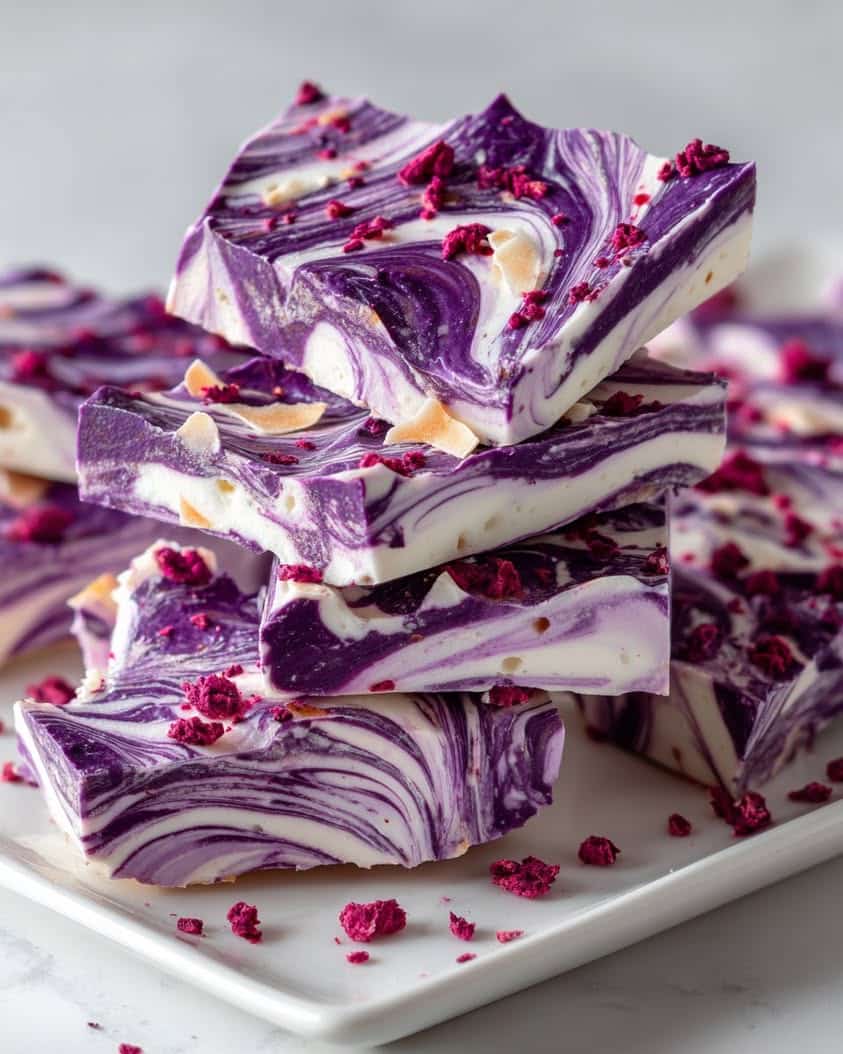
💜 Naturally Purple Meringue Bark: A Crispy, Colorful Showstopper
Imagine a dessert that stops conversations. This naturally purple meringue bark does exactly that, creating a stunning edible mosaic of crispy, airy sweetness. Moreover, it achieves its mesmerizing violet hue completely without artificial colors, relying instead on the gentle magic of natural ingredients. The result is a treat that looks like a piece of modern art but tastes like a cloud of pure, sweet delight. Consequently, it’s perfect for anyone seeking a unique, beautiful, and surprisingly simple homemade confection.
This recipe transforms basic egg whites and sugar into something extraordinary. The process is a delightful kitchen experiment, watching stark white peaks slowly swirl with vibrant purple. Ultimately, you bake it low and slow until it’s completely dry, creating that signature crisp, melt-in-your-mouth texture that defines perfect meringue. This naturally purple meringue bark is more than a dessert; it’s an experience. It’s a guaranteed showstopper for parties, a thoughtful homemade gift, or simply a joyful project to brighten your day.
The beauty of this treat lies in its contrast. You get the satisfying, glass-like snap of the bark breaking, followed immediately by its dissolution into sweet nothingness on your tongue. Additionally, the flavor is a clean, pure sweetness that allows the subtle, fruity notes of the natural color to shine. This naturally purple meringue bark proves that the most impressive desserts don’t require complex techniques or obscure ingredients. Sometimes, they just require a little creativity and the willingness to make something truly beautiful.
Quick Recipe Highlights
- Flavor Profile: This naturally purple meringue bark offers a pure, clean sweetness that is not overly cloying. The primary flavor is a classic, vanilla-kissed meringue, while the natural purple hue can impart a very subtle, berry-like undertone depending on the coloring agent used. It’s a light and elegant dessert that cleanses the palate.
- Texture: The texture is the star here. You achieve a perfectly crisp, dry shell that shatters dramatically with a single bite. Subsequently, it dissolves almost instantly on the tongue, leaving no chewiness or residue. This airy, ethereal quality makes it incredibly moreish and light.
- Aroma: As it bakes, your kitchen will fill with the comforting, sweet scent of vanilla and caramelizing sugar. The aroma is simple and nostalgic, reminiscent of toasted marshmallows or vanilla cake. There’s no strong artificial scent, just the pure promise of sweetness.
- Visual Appeal: This is where the naturally purple meringue bark truly shines. The swirling, marbled violet patterns against the white meringue base create a stunning, abstract appearance. Each piece is uniquely beautiful, making it ideal for photography or as a centerpiece on a dessert table.
- Skill Level Needed: This recipe is very accessible. While meringue can seem intimidating, this bark method is forgiving. You don’t need to pipe perfect shapes; you simply spread and swirl. The key skills are patiently whipping the egg whites to stiff peaks and carefully folding in the sugar and color.
- Special Equipment: A stand mixer or hand mixer is essential for achieving the proper meringue volume. You will also need a silicone baking mat or parchment paper for easy release. A large, clean, grease-free mixing bowl is non-negotiable for successful meringue.
Recipe Overview
- Difficulty Level: We rate this naturally purple meringue bark as “Easy.” The techniques involved are fundamental. However, success hinges on attention to detail, such as ensuring no yolk contaminates the whites and whipping to the correct stage. The spreading and swirling step is artistic and low-pressure, making it a great beginner baking project with a high visual reward.
- Category: This treat falls squarely into the dessert and sweet snack category. It’s also a fantastic candidate for homemade edible gifts due to its beautiful appearance and good shelf life. Furthermore, it can serve as a gluten-free and dairy-free dessert option for gatherings with diverse dietary needs.
- Cuisine: Meringue has roots in European pastry, with strong traditions in French, Swiss, and Italian baking. This naturally purple meringue bark is a modern, deconstructed take on those classics. It borrows the technique but presents it in a free-form, artistic style that is less formal than piped meringue kisses or a baked Alaska.
- Cost: This is an incredibly cost-effective dessert. The primary ingredients are egg whites and sugar, both pantry staples. The natural purple coloring might require a special purchase, such as powdered butterfly pea flower or ube extract, but a small amount goes a very long way. Overall, it’s a low-cost way to create a high-impact treat.
- Season: This naturally purple meringue bark is wonderfully versatile seasonally. Its bright color is perfect for spring celebrations and Easter. Conversely, it makes a stunning winter holiday treat. It’s also ideal for summer as it requires no baking at high temperatures and feels light and airy.
- Occasion: It’s perfect for baby showers, bridal showers, birthday parties, or holiday cookie plates. Additionally, it makes a thoughtful and personalized homemade gift when packaged in a clear cellophane bag with a ribbon. It’s also a fun project to do with kids who will love watching the color swirl.
Why You’ll Love This Recipe
First and foremost, the taste and texture combination is irresistibly delightful. The sheer crispness of the naturally purple meringue bark provides immense sensory satisfaction. As you bite into a piece, it audibly cracks before dissolving into a sweet, airy foam on your tongue. This contrast between solid and ethereal is what makes meringue so magical. Moreover, the flavor is pure and clean, offering a sweetness that feels elegant rather than heavy. It’s the kind of dessert you can enjoy several pieces of without feeling weighed down, making it perfect for grazing dessert tables.
From a convenience standpoint, this recipe is a winner. The ingredient list is short and simple, often comprised of items you already have on hand. The active prep time is minimal; most of the recipe time is hands-off baking and cooling. Furthermore, this naturally purple meringue bark stores exceptionally well in an airtight container, meaning you can make it days ahead of an event. This make-ahead capability removes last-minute dessert stress and allows you to focus on other party preparations.
Nutritionally, while it is a sweet treat, this bark has some advantages over other desserts. It is naturally fat-free and, if you use a plant-based colorant, can be dairy-free. It’s also gluten-free by its very nature. For individuals with certain dietary restrictions, this can be a wonderful inclusive option. Of course, it is still sugar-based, so portion awareness is key. However, its intense sweetness and airy nature mean a small piece or two is often perfectly satisfying, helping with natural portion control.
The social and entertaining value of this naturally purple meringue bark cannot be overstated. It is a guaranteed conversation starter. Guests will be drawn to its unique, marbled appearance and will have questions about how you achieved the color naturally. It demonstrates care and creativity, elevating a simple gathering. Gifting a batch of this bark shows tremendous thoughtfulness, as it is clearly homemade with attention to aesthetic detail. It builds a personal connection that a store-bought gift simply cannot match.
Finally, its cost-effectiveness and accessibility are major benefits. You can create a large, impressive platter of this beautiful dessert for just a few dollars. The techniques are accessible to bakers of all levels, and the required equipment is basic. This democratizes fancy-looking desserts, allowing anyone to create something spectacular without a pastry degree or a large budget. Ultimately, this naturally purple meringue bark empowers home bakers to create edible art that delights everyone who sees and tastes it.
Historical Background and Cultural Significance
The story of meringue is shrouded a bit in culinary mystery, with several European nations claiming its invention. Many food historians trace its earliest named reference to a Swiss pastry cook named Gasparini in the small town of Meiringen. However, the French also have a strong claim, with the term “meringue” appearing in François Massialot’s cookbook in the early 18th century. Initially, these confections were likely small, piped shapes or layers used in elaborate desserts. The concept of a free-form “bark” is a much more modern, home-baker friendly innovation that prioritizes ease and artistic expression over precise piping.
Culturally, meringue holds a place of esteem in the pastry world. In France, it is the foundation of the elegant île flottante and the delicate vacherin. In Italy, meringue is softly cooked into the creamy filling for lemon meringue pie. In Switzerland and Austria, it is often baked into crisp layers for elaborate tortes. This naturally purple meringue bark, therefore, sits on the shoulders of a rich, centuries-old tradition. It takes a technique perfected by pastry masters and makes it approachable and fun for everyday kitchens, while adding a modern, natural twist with its vibrant color.
The evolution of the recipe specifically into a “bark” format speaks to contemporary baking trends. Bakers began creating chocolate bark with nuts and dried fruits as an easy, no-bake treat. The meringue bark concept applies that same rustic, broken-piece aesthetic to a different medium. The use of natural colorants is another significant evolution. As consumers move away from artificial dyes, recipes like this naturally purple meringue bark have gained popularity. They satisfy the desire for visually stunning food while aligning with a preference for cleaner, simpler ingredients derived from plants and minerals.
Regional variations of meringue are endless, but the bark style invites even more customization. For instance, in Southeast Asia, bakers might use ube (purple yam) extract for a vibrant purple and a subtle, nutty flavor. In Europe, a powder made from dried blueberries or blackcurrants could provide the hue. This adaptability is part of its charm. The basic formula remains the same, but the color and subtle flavor notes can be tailored to local ingredients and tastes. Consequently, this naturally purple meringue bark becomes a global citizen, easily adapted to reflect the pantry and palette of the baker who makes it.
Ingredient Deep Dive
Egg Whites: Egg whites are the architectural foundation of any meringue. When whipped, their proteins unfold and form a network that traps air bubbles, creating the stable foam that gives meringue its volume. For the best naturally purple meringue bark, use room temperature egg whites as they whip to a greater volume than cold ones. Ensure absolutely no yolk is present, as fat is the enemy of meringue and will prevent proper whipping. If possible, use fresh eggs rather than carton egg whites for the most stable structure. They provide the structure without any added flavor, allowing the sweetness and color to shine.
Granulated Sugar: Sugar does more than just sweeten; it stabilizes the egg white foam. The sugar crystals help strengthen the protein network, creating a glossy, thick meringue that won’t collapse. Superfine or caster sugar is ideal because it dissolves more quickly, preventing a grainy texture. In this naturally purple meringue bark, the sugar is added gradually to ensure it fully incorporates. The sugar also caramelizes slightly during the long, low bake, contributing to the final crisp texture and that classic, toasty meringue flavor. It’s the essential partner to the egg whites.
Cream of Tartar: This acidic powder is a meringue’s best friend. It stabilizes the egg whites by lowering the pH, which helps the proteins form a stronger, more resilient network. This results in a meringue that is less likely to weep or deflate. For your naturally purple meringue bark, a small amount of cream of tartar ensures the peaks stay stiff during the folding and swirling process. If you don’t have it, you can substitute an equal amount of white vinegar or lemon juice, though cream of tartar is preferred for its neutral flavor.
Natural Purple Colorant: This is the star of the show. Options include purple sweet potato powder, butterfly pea flower powder, or ube extract. Each offers a slightly different hue and subtle flavor note. Butterfly pea flower gives a brilliant blue-purple that is pH-sensitive. Powdered forms are ideal for meringue as they won’t add extra liquid. When making your naturally purple meringue bark, start with a small amount of powder and add more to reach your desired vibrancy. Remember, the color will intensify slightly as the meringue bakes and dries.
Vanilla Extract: Pure vanilla extract adds a layer of warm, aromatic flavor that complements the pure sweetness of the meringue. It rounds out the flavor profile and adds complexity. For the best naturally purple meringue bark, use a high-quality extract. You can also experiment with other extracts like almond or clear vanilla to keep the color perfectly bright. The vanilla is typically added at the end of whipping, once the meringue is glossy and stiff. It’s a small ingredient that makes a big difference in the overall taste experience.
Common Mistakes to Avoid
- Greasy Bowl or Utensils: Any trace of fat or oil will sabotage your meringue. Before you start, thoroughly wash your mixing bowl and whisk attachment with hot, soapy water, then rinse and dry completely. Even a tiny bit of yolk in the whites can prevent proper aeration.
- Adding Sugar Too Quickly: Dumping all the sugar in at once will deflate the egg whites. Instead, add the sugar very gradually, one tablespoon at a time, while the mixer is running. This allows each addition to dissolve fully into the foam, creating a stable, glossy meringue for your bark.
- Under-whipping the Meringue: The meringue must reach stiff, glossy peaks. Under-whipped meringue will be loose and runny, causing your naturally purple meringue bark to spread too thin in the oven and potentially stick. The peaks should stand straight up when you lift the whisk.
- Over-mixing After Adding Color: When swirling in the natural purple colorant, use a light hand. Over-mixing will fully incorporate the color, turning the entire batch a uniform pale purple instead of creating beautiful, dramatic swirls. A few folds with a spatula are all you need.
- Baking at Too High a Temperature: Meringue must dry out, not bake quickly. A high temperature will cause it to brown too much on the outside while remaining soft and sticky inside. The low-and-slow method is crucial for achieving an evenly crisp texture throughout the entire bark.
- Opening the Oven Door Early: Resist the urge to check on your naturally purple meringue bark during the first hour of baking. A rush of cold air can cause the meringue to crack or collapse. Trust the process and only check near the end of the baking time.
- Storing in Humidity: Meringue is hygroscopic, meaning it absorbs moisture from the air. Storing your bark in a humid environment will turn it soft and chewy. Always cool it completely and store immediately in an absolutely airtight container at room temperature.
- Using Liquid Food Coloring: For this naturally purple meringue bark, avoid standard liquid food coloring. It adds too much moisture and can deflate the meringue. Always opt for gel, paste, or powder colorants, with natural powders being the ideal choice for both color intensity and recipe integrity.
Essential Techniques
Whipping Egg Whites to Stiff Peaks: This is the most critical technique for successful naturally purple meringue bark. Start with room temperature whites in a scrupulously clean bowl. Begin whipping on medium speed until frothy, then add the cream of tartar. Increase speed to medium-high and whip until soft peaks form—the peaks will curl over when you lift the whisk. Now, begin adding sugar one tablespoon at a time. Continue whipping on high until the meringue is very thick, glossy, and holds straight, stiff peaks. The bowl should feel cool, and the meringue should not slide if you tilt the bowl. This stage ensures maximum volume and stability.
The “Fold” Method for Incorporating Color: Folding is a gentle mixing technique used to combine a heavier mixture (the colorant) with a lighter, air-filled one (the meringue) without deflating it. To fold, use a large rubber spatula. Cut down through the center of the meringue, scrape along the bottom of the bowl, and fold the mixture over onto itself. Give the bowl a quarter turn and repeat. Sprinkle or add your natural purple colorant in stages as you fold. Stop as soon as streaks and swirls form; do not mix until uniform. This technique preserves the air bubbles for a light, crisp bark.
Spreading and Swirling for Artisan Bark: This technique defines the final look of your naturally purple meringue bark. Pour the swirled meringue onto a lined baking sheet. Using an offset spatula or the back of a spoon, spread it into an even layer, about 1/4 to 1/2 inch thick. Don’t aim for perfection—rustic edges are part of the charm. Then, use the tip of a knife or a toothpick to gently drag through the meringue, creating marbled patterns. Lift and swirl; don’t stir. This last-minute artistry creates the beautiful, abstract violet patterns that make each piece unique.
Low and Slow Baking/Drying: Meringue is not baked in the traditional sense; it is dried. The low temperature, typically between 200°F and 225°F, allows the moisture to evaporate slowly without browning the sugar. This process is essential for achieving the signature crisp-throughout texture of your naturally purple meringue bark. The long time, often 1.5 to 2 hours, ensures the center dries completely. A properly baked meringue bark will feel firm and dry to the touch and will release cleanly from the parchment paper. It should sound hollow if tapped lightly.
Pro Tips for Perfect Naturally Purple Meringue Bark
First, for the most vibrant color, use a concentrated natural powder like butterfly pea flower or purple sweet potato powder. Sift the powder before adding it to avoid clumps that can create dark spots in your swirls. Additionally, you can mix a tiny amount of powder with a teaspoon of the already-made meringue to form a paste, then fold that paste in for more controlled marbling.
Second, ensure your meringue is completely cool before breaking it. If you try to break or move the bark while it’s still warm, it may bend or have a slightly chewy texture. Let it cool on the baking sheet on a wire rack for at least an hour. This patience guarantees the perfect glass-like snap.
Third, line your baking sheet with a silicone baking mat if possible. Parchment paper works, but a silicone mat provides an absolutely non-stick surface and promotes even baking. It also makes cleanup effortless. This small investment in equipment can make a big difference in the final release of your bark.
Fourth, if your kitchen is humid, consider placing the airtight container of finished bark in the oven with just the light on (the oven off). The slight warmth from the bulb will create a dry environment that helps keep the meringue crisp for days longer than room temperature storage alone.
Fifth, experiment with adding very fine, dry mix-ins for extra flavor and texture. A tablespoon of finely ground freeze-dried raspberry powder added with the purple colorant can enhance the fruity notes. Or, after spreading the meringue, sprinkle the top with edible glitter or very finely chopped pistachios before baking for a subtle crunch.
Sixth, for a truly professional look when gifting, break the bark into irregular but intentional pieces. Avoid creating crumbs. Then, layer the pieces in a clear treat bag or box with sheets of parchment between layers. This presentation protects the delicate pieces and showcases their beautiful marbled edges.
Variations and Adaptations
For regional variations, look to local natural colorants. In the American Southwest, try a dusting of ground blue cornmeal for a speckled turquoise effect. In tropical regions, passion fruit powder can create a sunset of orange and yellow swirls. The basic meringue bark method is a perfect canvas for global pantry exploration, allowing you to create a dessert that reflects your local environment and available ingredients.
Seasonal adaptations are easy and fun. For autumn, mix in a bit of pumpkin pie spice with the sugar and use a combination of orange (from paprika or annatto) and brown (from cinnamon) natural powders. For winter holidays, create a peppermint bark version by adding a drop of peppermint extract and swirling with a natural red powder from beets or strawberries for a festive look.
Dietary modifications are straightforward. This recipe is naturally gluten-free and dairy-free. For a vegan naturally purple meringue bark, you can experiment with aquafaba (the liquid from a can of chickpeas). Whip it just like egg whites, though it may require a longer whipping time and a bit more stabilizer like cream of tartar. The baking process remains the same.
Flavor variations can go beyond vanilla. Try adding a 1/2 teaspoon of almond extract for a nutty note, or a teaspoon of finely grated citrus zest (like lemon or orange) for a bright, aromatic twist. You could even infuse the sugar with lavender by storing them together in a jar for a week before using, creating a subtly floral meringue bark.
Texture modifications can include creating a “s’mores” bark. After baking and cooling the plain meringue bark, drizzle it with melted dark chocolate and sprinkle with crushed graham cracker crumbs. Alternatively, for a nutty crunch, press very finely chopped, toasted almonds or hazelnuts into the surface of the meringue before baking.
Presentation alternatives are endless. Instead of one large sheet, you can pipe the swirled meringue into smaller, individual bark “cookies” or even into nest shapes to hold berries. For a more refined look, spread the meringue into a rectangle and, after baking and cooling, break it into long, elegant shards rather than irregular pieces. This controlled break looks stunning standing upright in a glass jar.
Serving and Presentation Guide
Plating techniques for this naturally purple meringue bark should highlight its artistic quality. Arrange broken pieces on a simple, solid-colored platter—a dark slate or pure white plate makes the violet swirls pop. Avoid overcrowding; let each piece have its own space. For a modern look, stack a few pieces vertically or lean them against each other to create height and dimension on the dessert table. This turns the bark into a sculptural centerpiece.
Garnishing ideas should be minimal to not compete with the bark’s own beauty. A light dusting of powdered sugar can look like a fresh snowfall, but apply it sparingly. A few fresh edible flowers, like pansies or violets, echo the purple theme elegantly. Alternatively, a small sprinkle of gold or silver edible luster dust on the ridges can make the bark look truly luxurious and festive for special occasions.
Traditional accompaniments for meringue often include fresh fruit and cream. Serve your naturally purple meringue bark alongside a bowl of mixed berries, whipped cream, or a fruit coulis for dipping. The crisp meringue paired with juicy berries and soft cream creates a perfect textural and flavor balance. This is a classic combination that never fails to please a crowd.
Modern serving suggestions might include using the bark as a topping. Crumble it over lemon sorbet, panna cotta, or a simple bowl of vanilla ice cream. The crisp meringue adds a delightful crunch and visual flair to softer desserts. You can also serve it with a rich, dark chocolate mousse; the contrast between the bitter chocolate and the sweet, airy meringue is sublime.
Temperature considerations are simple: always serve your bark at room temperature. Do not refrigerate it before serving, as condensation will make it sticky. If serving with ice cream or cold components, assemble the dish just before eating so the meringue retains its crispness for as long as possible against the cold.
Portion control tips are built into the dessert. Because it is so light and sweet, people tend to take just a piece or two. To encourage this, you can pre-break the bark into smaller, bite-sized pieces. This makes it easy for guests to sample without committing to a large shard. It also creates more pieces to go around, making your platter look abundant and generous.
Wine and Beverage Pairing
Wine pairings for this naturally purple meringue bark should complement its sweetness without overpowering its delicacy. A late-harvest Riesling or a Moscato d’Asti are excellent choices. Their natural sweetness matches the meringue, while their bright acidity cleanses the palate. A demi-sec Champagne or sparkling wine also pairs wonderfully; the bubbles contrast beautifully with the crisp, dissolving texture of the bark. Avoid dry, tannic wines, as the sugar in the dessert will make them taste bitter.
Non-alcoholic alternatives can be just as sophisticated. A sparkling elderflower cordial with soda water offers floral notes that enhance the vanilla in the meringue. A tart lemonade or a berry-infused iced tea provides a refreshing contrast to the sweetness. For a warm option, a lightly sweetened peppermint tea or a vanilla rooibos tea makes a cozy companion, especially if serving the bark as an after-dinner treat.
Coffee and tea pairings are classic with sweet treats. A medium-roast coffee with notes of caramel or nut pairs nicely, as the toasty flavors echo the baked sugar in the meringue. For tea, consider a delicate white tea like Silver Needle, which won’t compete with the dessert’s subtlety. A creamy Earl Grey latte is another fantastic option, as the bergamot and cream complement the vanilla notes beautifully.
Temperature considerations for beverages depend on the setting. Iced beverages are refreshing for a spring or summer gathering where the naturally purple meringue bark is served as a light, poolside treat. Warm beverages like tea or coffee are ideal for cooler weather or as an elegant finish to a dinner party. Always offer both options if possible to cater to all guest preferences.
Serving suggestions involve presentation. If serving at a party, create a small beverage station near the dessert table with suggested pairings in little cards. For example, “Pair your purple meringue bark with a glass of Moscato” or “Try a bite with sparkling lemonade.” This guides your guests and enhances their overall tasting experience, making the pairing feel intentional and special.
Storage and Shelf Life
Storage methods are crucial for maintaining the perfect texture of your naturally purple meringue bark. Once completely cooled, transfer the broken pieces to an airtight container. A glass jar with a rubber seal or a plastic container with a tight-fitting lid works best. Place a piece of parchment paper at the bottom and between layers if stacking to prevent sticking. Do not use a bread box or cover with a cloth, as ambient humidity will soften it.
Temperature requirements are simple: store at cool room temperature in a dry place. A pantry or kitchen cupboard away from the stove or dishwasher is ideal. Never refrigerate meringue bark, as the refrigerator is a humid environment that will cause it to become soft and sticky almost immediately. The condensation when removing it from the fridge will also ruin its crispness.
Container recommendations include metal tins for gifting, as they are classic and provide an excellent seal. For home storage, any airtight container is fine. If you live in a very humid climate, consider adding a food-safe silica gel packet (the kind found in new purses or electronics boxes) to the container to absorb any residual moisture. This can extend the crisp life by several days.
Signs of spoilage for meringue are primarily textural, not microbial. It will become soft, chewy, or sticky long before it becomes unsafe to eat. If it develops an off smell (beyond the simple scent of sugar and vanilla) or shows signs of mold—which is extremely rare due to the low moisture content—it should be discarded. Otherwise, softening just means it has absorbed moisture.
Reheating instructions can sometimes revive softened meringue. If your naturally purple meringue bark has lost its crispness, you can try placing it on a baking sheet in a 200°F oven for 10-15 minutes to dry it out again. Let it cool completely in the oven with the door cracked open. This can often restore much of the original texture, though the swirls may darken slightly.
Freezing guidelines are not generally recommended for meringue bark. The freezing and thawing process introduces moisture in the form of condensation, which will make the meringue soggy. It is best enjoyed within its optimal shelf life at room temperature. Since it is relatively quick to make, it’s better to prepare it fresh for an event rather than attempting to freeze it for long-term storage.
Make Ahead Strategies
Prep timeline for this naturally purple meringue bark is very forgiving. You can successfully make the bark up to 5-7 days in advance of when you need it, provided you store it perfectly in an airtight container. This makes it an ideal dessert for entertaining, as you can check it off your to-do list well before guests arrive. The long shelf life is one of its greatest assets for party planning.
Storage between steps is not typically needed, as the recipe flows from whipping to baking in one continuous process. However, if you must pause, you can cover the unbaked, swirled meringue on the baking sheet with plastic wrap and leave it at room temperature for up to an hour before baking. Do not refrigerate the unbaked meringue, as it will likely deflate and weep on the sheet.
Quality impact assessment of make-ahead baking is positive. The flavor and texture of the naturally purple meringue bark are stable over several days. In fact, some bakers argue that letting it “cure” in an airtight container for 24 hours allows the flavors to meld and the texture to become uniformly perfect. There is no downside to making it ahead, only convenience.
Assembly tips for gifting ahead of time are simple. Break the bark into pieces and layer them in your chosen gift container with parchment between layers. Seal the container tightly. You can decorate the outside with a ribbon and tag days before the gift is to be given. This allows you to manage your gift-making in a relaxed manner during a busy holiday season.
Reheating guidelines for make-ahead bark are the same as for storage. If, after a few days, it has softened slightly, a brief stay in a low oven (200°F for 10-15 minutes) can re-crisp it. Let it cool completely in the turned-off oven before repackaging. This trick can refresh bark that was made at the very beginning of your make-ahead window.
Fresh element additions should be done at the last minute. If you plan to drizzle your naturally purple meringue bark with chocolate or dust it with powdered sugar, do that just before serving or gifting. This prevents the added elements from melting, bleeding, or being absorbed, which keeps the presentation looking pristine and professional.
Scaling Instructions
Halving the recipe is straightforward if you need a smaller batch. Simply divide all ingredients by two. Use a standard large egg white, which is about 2 tablespoons; for half a recipe, you would need 2 egg whites total (4 tablespoons). Use a smaller baking sheet or spread the meringue less thickly on a standard sheet. The baking time may be slightly reduced—start checking for doneness around the 1-hour mark. This is perfect for testing the recipe or making a treat for a small household.
Doubling or tripling the recipe requires careful consideration. You can double the ingredients in your mixing bowl only if your stand mixer bowl is large enough to accommodate the volume; otherwise, whip the egg whites in separate batches. Use multiple baking sheets or bake in consecutive batches. Do not spread the meringue thicker than 1/2 inch, or the center will not dry properly. Baking time may increase slightly for a thicker batch. This scaling is ideal for large events, holiday gifting, or bake sales.
Equipment adjustments are necessary when scaling. For a double batch, you will likely need two oven racks and two baking sheets. Rotate the sheets top-to-bottom and front-to-back halfway through baking to ensure even drying. If your oven has hot spots, this rotation is even more important. Ensure you have enough airtight containers for storage. For a triple batch, consider baking one sheet at a time for the most consistent results, though two at a time is usually manageable.
Timing modifications are minimal but important. While the active prep time increases linearly with batch size, the baking time does not double. A double batch on two sheets may need an extra 15-30 minutes of baking time. Always rely on visual and tactile cues for doneness—the bark should be completely dry and firm—rather than strictly on the clock. Plan your scaling project with this in mind.
Storage considerations for large batches are the same but multiplied. You will need several airtight containers. Label them with the date made. Store in a cool, dry place. If making for gifts, package the scaled batches into individual gift containers soon after cooling to streamline your process. A large batch of naturally purple meringue bark is a fantastic project for a weekend, yielding many beautiful gifts or a plentiful supply for a party.

I’m Shaykee—born in Morocco, seasoned across continents. From airplane galleys to home kitchens, I share the flavors and stories that shaped my journey.

I’m Shaykee—born in Morocco, seasoned across continents. From airplane galleys to home kitchens, I share the flavors and stories that shaped my journey.