
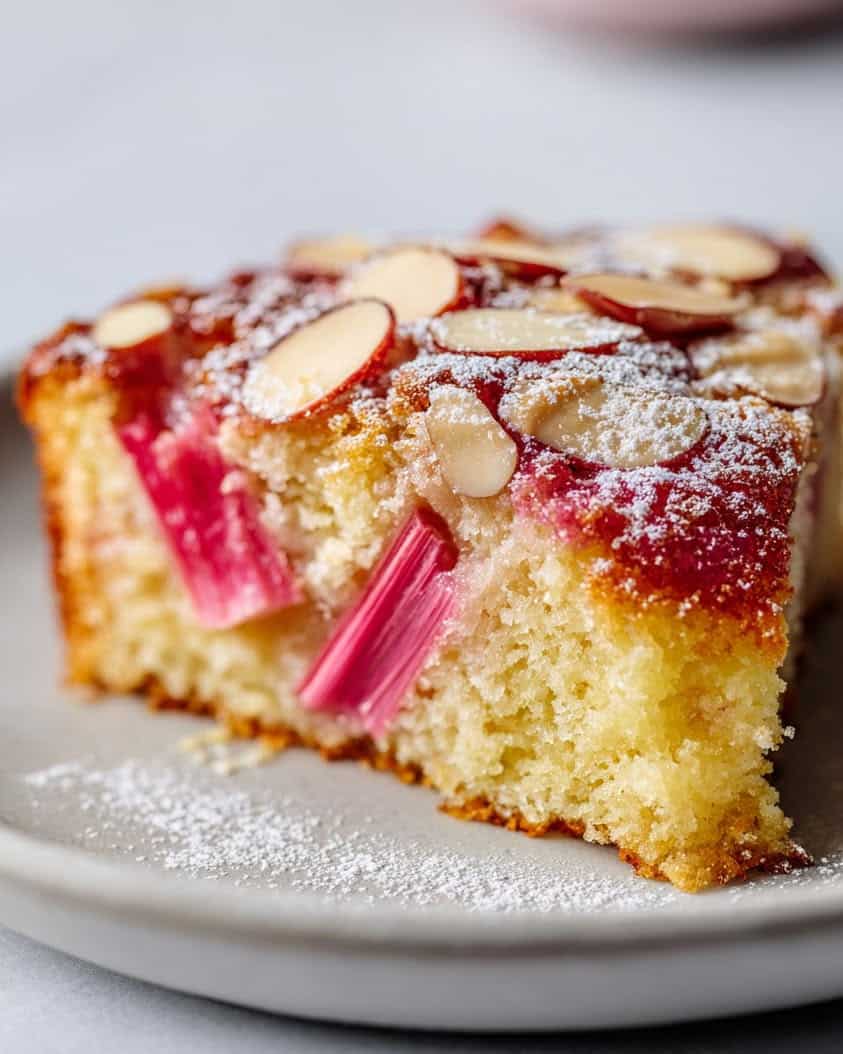
Almond Rhubarb Cake Delight: A Perfect Spring Dessert That’s Easy to Make and Impossible to Resist!
Welcome spring to your table with this stunning Almond Rhubarb Cake Delight. This recipe masterfully combines the nutty, rich flavor of almond with the bright, tangy punch of fresh rhubarb. Consequently, you get a dessert that is both comforting and refreshingly vibrant. Moreover, the moist almond cake swirled with tangy rhubarb creates a perfect textural harmony in every single bite. This cake is truly a celebration of seasonal produce, making it an ideal centerpiece for any spring gathering or a simple weekend treat.
Imagine pulling a golden-brown cake from the oven, its surface dotted with ruby-red pieces of rhubarb that have softened into sweet-tart pockets of flavor. The aroma of toasted almonds and vanilla fills your kitchen, promising a slice of pure comfort. This Almond Rhubarb Cake Delight is not just a dessert; it’s an experience. It captures the essence of spring in a simple, one-bowl recipe that delivers impressive results every single time. Whether you are a seasoned baker or a novice in the kitchen, this guide will walk you through creating a show-stopping cake that is as beautiful as it is delicious.
Furthermore, this cake is incredibly versatile. Serve it warm as a rustic dessert with a dollop of whipped cream, enjoy a slice with your afternoon coffee, or present it as the grand finale to a special dinner. The combination of flavors is sophisticated yet familiar, making it a crowd-pleaser for all ages. Ultimately, this recipe proves that the best desserts often come from the simplest, most honest ingredients. Let’s dive into why this moist almond cake swirled with tangy rhubarb will become your new seasonal favorite.
Quick Recipe Highlights
- Flavor Profile: This cake offers a beautiful balance of sweet and tart. The nutty, buttery flavor of the almond cake base perfectly complements the sharp, fruity tang of the rhubarb. Additionally, a hint of vanilla and a crunchy almond topping add layers of complexity that make each bite interesting.
- Texture: Expect a supremely moist and tender crumb from the almond flour and yogurt in the batter. The rhubarb pieces soften during baking but retain a slight texture, creating delightful juicy bursts. Finally, a sprinkling of sliced almonds on top provides a satisfying crunch that contrasts the soft cake beneath.
- Aroma: As it bakes, the cake fills your home with an irresistible fragrance. The primary notes are of sweet, toasted almonds and warm vanilla. Underneath, you’ll detect the bright, almost floral scent of the rhubarb as it caramelizes, creating an aroma that is pure comfort.
- Visual Appeal: This cake is a rustic beauty. The pink and red hues of the rhubarb peek through the golden-brown surface, creating a stunning marbled effect. The toasted almond slices on top add an elegant, professional finish, making it look like it came from a boutique bakery.
- Skill Level Needed: This is a beginner-friendly recipe designed for success. It uses straightforward mixing methods—no creaming butter and sugar for ages. Basically, you combine wet and dry ingredients, fold in the rhubarb, and bake. Therefore, even first-time bakers can achieve fantastic results.
- Special Equipment: You need only basic kitchen tools: a 9-inch springform or cake pan, mixing bowls, a whisk, and a spatula. A springform pan is highly recommended for easy removal, but a regular cake pan lined with parchment paper works perfectly well too.
Recipe Overview
- Difficulty Level: We rate this recipe as “Easy.” The steps are simple and sequential, with no advanced techniques like tempering or folding egg whites. However, proper preparation of the rhubarb and careful mixing to avoid overworking the batter are key. Overall, it’s a forgiving recipe that yields impressive results with minimal effort.
- Category: This cake falls squarely into the dessert category, but it also shines as a fantastic coffee cake or tea-time treat. Its not-too-sweet profile makes it suitable for brunch or an afternoon snack. Essentially, it’s versatile enough for any time you crave something homemade and satisfying.
- Cuisine: While not tied to one specific tradition, this cake draws inspiration from European baking styles, particularly Scandinavian and German kitchens where rhubarb and almonds are cherished ingredients. It’s a modern, home-style cake that celebrates seasonal, rustic flavors with a simple, elegant presentation.
- Cost: This is a very cost-effective dessert, especially if you have access to homegrown rhubarb. Almond flour is the priciest component, but a little goes a long way. Overall, the ingredients are pantry staples, making this an affordable way to create a special, seasonal treat.
- Season: This is the quintessential spring dessert. Rhubarb is one of the first “fruits” to appear in gardens after winter, making its peak season from April to June. Baking this cake is a wonderful way to celebrate the arrival of warmer weather and fresh produce.
- Occasion: Perfect for Easter brunch, Mother’s Day, potlucks, or a simple family dinner. Its beautiful appearance makes it fit for celebrations, while its easy preparation makes it ideal for casual weekend baking. It’s a guaranteed hit at any spring or summer gathering.
Why You’ll Love This Recipe
First and foremost, the taste and texture are utterly divine. This moist almond cake swirled with tangy rhubarb delivers a symphony of flavors in every forkful. The cake itself is rich and nutty, providing a buttery, tender base that melts in your mouth. Meanwhile, the rhubarb offers a vibrant, tangy counterpoint that cuts through the sweetness and keeps each bite exciting. The contrast between the soft cake, the juicy rhubarb, and the crunchy almond topping creates a textural experience that is simply unforgettable. You will find yourself going back for just one more slice, captivated by the perfect balance.
Secondly, the convenience and preparation benefits are significant. This recipe requires minimal active time and uses a straightforward, one-bowl mixing method. You don’t need a stand mixer or any fancy equipment. Simply whisk together your dry ingredients, mix your wets, combine them gently, and fold in the rhubarb. The batter comes together in minutes, and then the oven does the rest of the work. Consequently, you can have a stunning, homemade dessert with less than half an hour of hands-on effort. It’s the ideal recipe for busy bakers who still want to create something special from scratch.
From a nutritional standpoint, this cake has some hidden advantages. Rhubarb is a good source of vitamin K, fiber, and antioxidants. Almond flour adds protein, healthy fats, and vitamin E compared to using only all-purpose flour. While it is certainly a dessert, using Greek yogurt adds moisture and a bit of protein without overwhelming fat. Therefore, you can enjoy this treat knowing it incorporates wholesome ingredients. Of course, it’s still a cake to be enjoyed in moderation, but it’s a step above many overly processed, store-bought alternatives.
Furthermore, the social and entertaining value of this cake is immense. Its beautiful, rustic appearance instantly elevates any table setting. Bringing this Almond Rhubarb Cake Delight to a potluck or serving it to guests always garners compliments and requests for the recipe. It sparks conversation about seasonal baking and family traditions. Sharing a homemade cake creates a sense of warmth and hospitality that store-bought desserts simply cannot match. It becomes more than food; it becomes a centerpiece for connection and celebration.
Finally, this recipe is remarkably cost-effective and accessible. The ingredients are simple and often already in a well-stocked pantry. If you have a rhubarb plant, the main flavor component is free. Almond flour can be purchased in bulk or made at home from blanched almonds. Compared to dining out or buying a specialty cake from a bakery, making this at home saves a considerable amount of money. Moreover, it teaches valuable baking skills and allows you to control the quality of every ingredient. This moist almond cake swirled with tangy rhubarb proves that gourmet-quality desserts can be both easy and affordable to make at home.
Historical Background and Cultural Significance
The story of rhubarb in baking is a fascinating journey. Originally cultivated for medicinal purposes in Asia over 5,000 years ago, rhubarb’s stalks only became popular as a food ingredient in Europe in the 17th century. Initially, it was expensive and rare. However, as cultivation spread, particularly in England and later in North America, cooks began experimenting with its uniquely tart flavor. They discovered that when sweetened with sugar and paired with rich ingredients like butter and cream, rhubarb transformed into a delightful filling for pies and crumbles. Consequently, it earned the nickname “pie plant” in many regions, cementing its place in the dessert canon.
Culturally, rhubarb signifies the arrival of spring. In many temperate climates, it is one of the first perennial crops to be harvested, often poking through the last of the winter snow. For generations, families have looked forward to the first rhubarb harvest as a sign that warmer, abundant days are ahead. Baking with rhubarb became a ritual to celebrate the end of winter scarcity. In the British Isles, rhubarb crumble is a classic comfort food. Similarly, in Scandinavia, rhubarb is stewed into compotes or baked into simple cakes, often paired with almonds or cardamom, reflecting a preference for balanced, not-too-sweet desserts.
The evolution of the recipe for Almond Rhubarb Cake is a testament to modern home baking trends. Traditional rhubarb cakes were often simple, dense affairs—more like a sweet bread or slab cake. The incorporation of almond flour is a relatively contemporary twist, influenced by the growing popularity of gluten-free baking and a desire for richer, more complex textures. Almond flour adds moisture and tenderness that all-purpose flour alone cannot achieve. This version represents a fusion: the timeless, tart flavor of heritage rhubarb paired with the sophisticated, nutty richness of almond, creating a cake that feels both nostalgic and entirely new.
Regional variations of rhubarb cake abound, showcasing local ingredients and tastes. In Germany, you might find “Rhabarberkuchen” with a yeasted dough base and a custard topping. In the American Midwest, a rhubarb “dump cake” or crisp is a potluck staple. This Almond Rhubarb Cake Delight borrows elements from several traditions—the simplicity of a Scandinavian cake, the nutty depth found in Italian tortes, and the straightforward, home-style approach of American baking. Ultimately, it is a global citizen of a dessert, adaptable and beloved for its ability to highlight a singular seasonal ingredient in the most delicious way possible.
Ingredient Deep Dive
Fresh Rhubarb: Rhubarb is technically a vegetable, but it’s legally considered a fruit in the United States. Its history as a medicinal plant dates back to ancient China, where its roots were prized. The stalks, which are the only edible part (the leaves are toxic), contain vitamin K for bone health, fiber for digestion, and antioxidants. For the best flavor, choose firm, crisp stalks with a deep red or pink hue, though green stalks are just as tart and will work. Store rhubarb wrapped in plastic in the refrigerator for up to a week. For a substitution, you can use an equal amount of diced tart apples or pears mixed with a tablespoon of lemon juice, though the unique tang will be different.
Almond Flour: Almond flour, made from finely ground blanched almonds, has been used in baked goods for centuries, particularly in European and Middle Eastern cuisines where it features in marzipan and macarons. It is rich in vitamin E, monounsaturated fats, and protein, contributing to a moist, dense crumb. For this recipe, use fine, blanched almond flour, not almond meal, which has a coarser texture and can include the skins. Store almond flour in an airtight container in the refrigerator or freezer to prevent the oils from going rancid. If you need a substitute, an equal weight of hazelnut flour would be lovely, or you can use additional all-purpose flour, though you will lose the distinctive nutty flavor and moisture.
Plain Greek Yogurt: Yogurt’s history spans over 7,000 years, with origins in the Middle East. In baking, it acts as a tenderizer, adding moisture and a slight tang while reacting with baking soda for lift. Greek yogurt is strained, making it thicker and higher in protein than regular yogurt. This adds structure and richness to the cake without making it heavy. Opt for full-fat Greek yogurt for the best texture and flavor. Low-fat will work but may result in a slightly less tender cake. If you don’t have Greek yogurt, an equal amount of sour cream or buttermilk makes an excellent substitute, maintaining the desired acidity and moisture.
Granulated Sugar: Sugar’s role extends far beyond sweetness; it helps tenderize the crumb, retains moisture, and promotes browning. In this recipe, it balances the intense tartness of the rhubarb. While white sugar is standard, you can experiment with organic cane sugar for a slight molasses note. For a deeper flavor, substituting up to half the sugar with light brown sugar will add a caramel undertone that pairs beautifully with the almonds. Remember, reducing sugar significantly can affect the cake’s texture and the rhubarb’s ability to soften properly, so adjustments should be made cautiously.
Common Mistakes to Avoid
- Using Wet Rhubarb: Do not add rhubarb to the batter while it’s still wet from washing. Excess water will seep out during baking, making the cake soggy. Always pat the diced rhubarb thoroughly dry with paper towels after rinsing. This simple step ensures your cake has the perfect moist crumb, not a wet one.
- Overmixing the Batter: Once you combine the wet and dry ingredients, mix only until no large streaks of flour remain. Overmixing develops the gluten in the all-purpose flour, leading to a tough, dense cake instead of a tender one. A few small lumps in the batter are perfectly fine and preferable to overworking it.
- Incorrect Pan Size: Using a pan that is too small will cause the batter to overflow during baking. Conversely, a pan that is too large will result in a thin, dry cake. A 9-inch springform or round cake pan is ideal for this recipe’s volume. If you must substitute, adjust the baking time accordingly.
- Not Testing for Doneness Properly: Oven temperatures vary. Relying solely on the timer is a mistake. Always test the cake by inserting a toothpick or skewer into the center. It should come out with a few moist crumbs attached, not wet batter. The cake should also spring back lightly when touched in the center.
- Skipping the Parchment Paper: Even if you grease your pan, lining the bottom with a round of parchment paper guarantees easy release and prevents the bottom from sticking. This is especially important if you are not using a springform pan. It’s a minor prep step that saves major frustration later.
- Adding Almond Extract Excessively: While almond extract enhances the nutty flavor, it is extremely potent. Using more than the recommended half teaspoon can make the cake taste artificial and overpower the delicate rhubarb. Measure carefully; a little goes a very long way.
- Cutting the Cake While Hot: The cake needs time to set as it cools. Slicing into it immediately will cause it to crumble and fall apart. Allow it to cool in the pan on a wire rack for at least 20 minutes before removing the springform collar or transferring it from a regular pan.
- Storing While Still Warm: Trapped heat and steam will create condensation, making the cake sticky and promoting mold. Always ensure the cake is completely cool to the touch before covering it or placing it in an airtight container for storage.
Essential Techniques
The “Muffin Method” of Mixing: This recipe uses what’s known as the “muffin method” or the “one-bowl method.” You whisk the dry ingredients together in one bowl and the wet ingredients in another. Then, you combine them with minimal stirring. This technique is crucial because it prevents overdevelopment of gluten, which is the protein network in wheat flour. Overdeveloped gluten makes cakes tough and chewy. By mixing just until combined, you ensure a tender, delicate crumb. The visual cue for success is a batter that is still slightly lumpy, with no dry flour patches visible. Do not mix until it is completely smooth.
Folding in Fruit: “Folding” is a gentle mixing technique used to incorporate delicate ingredients, like rhubarb, without crushing them or deflating the batter. Use a wide, flexible spatula. Cut down through the center of the batter, scrape along the bottom, and fold the mixture over onto itself. Rotate the bowl a quarter turn and repeat. This motion evenly distributes the rhubarb without aggressive stirring. The goal is to have pieces of rhubarb suspended throughout the batter, not sunk at the bottom. Proper folding ensures every slice gets a generous amount of the tangy fruit.
Creating a Crunchy Topping: The sliced almond topping is not just for looks; it adds essential textural contrast. The key technique here is even distribution. After sprinkling the almonds over the batter, gently press them in just slightly. This helps them adhere during baking and prevents them from falling off when sliced. During baking, the almonds toast in the oven’s heat, deepening their flavor and crunch. Watch for a golden-brown color; if they begin to darken too quickly, you can tent the cake loosely with aluminum foil for the remainder of the baking time.
Pro Tips for Perfect Almond Rhubarb Cake Delight
Tip 1: For the most vibrant pink color from your rhubarb, choose stalks that are deep red all the way through. The color will bleed beautifully into the surrounding cake batter as it bakes, creating a stunning marbled effect.
Tip 2: Bring all your cold ingredients (eggs, yogurt) to room temperature before mixing. Room-temperature ingredients emulsify more easily, creating a smoother, more homogeneous batter that bakes up evenly.
Tip 3: If your rhubarb is exceptionally tart, toss the diced pieces with an extra tablespoon of the recipe’s sugar before folding them into the batter. This macerates them slightly, drawing out a bit of juice and tempering the sharpness.
Tip 4: Use an oven thermometer to verify your oven’s accuracy. An oven that runs too hot can over-brown the top before the center is done, while a cool oven will result in a dense, undercooked cake.
Tip 5: For an extra layer of flavor, toast the almond flour on a dry baking sheet in a 350°F oven for 5-7 minutes before using. Let it cool completely. This intensifies the nutty aroma and flavor of the entire cake.
Tip 6: Let the baked cake cool almost completely before dusting it with powdered sugar, if desired. The residual heat will melt the sugar if applied too soon, creating a wet, glazed look instead of a pretty, snowy dusting.
Variations and Adaptations
Regional Variations: To give this cake a Swedish twist, add a teaspoon of ground cardamom to the dry ingredients. For a French-inspired version, replace the vanilla extract with a tablespoon of dark rum or orange blossom water. In the American South, you might add a crumb topping made of brown sugar, flour, and butter instead of the sliced almonds for a “coffee cake” style finish.
Seasonal Adaptations: When rhubarb is out of season, this cake is still fantastic with other fruits. In summer, try using a combination of raspberries and sliced peaches. In fall, diced apples or pears with a pinch of cinnamon work wonderfully. For a winter variation, use frozen cranberries and orange zest for a festive holiday cake.
Dietary Modifications: For a gluten-free cake, replace the all-purpose flour with a 1:1 gluten-free baking blend. Ensure your baking powder is gluten-free as well. To make it dairy-free, substitute the Greek yogurt with an equal amount of dairy-free yogurt or coconut cream, and use a plant-based butter or oil.
Flavor Variations: Incorporate the zest of one lemon or orange into the batter for a citrusy brightness. A handful of fresh ginger, finely grated, adds a warm, spicy kick that complements the rhubarb beautifully. For a deeper flavor, use brown sugar instead of white, or add a tablespoon of bourbon to the wet ingredients.
Texture Modifications: For a cake with even more textural intrigue, add a half cup of rolled oats to the dry ingredients. Alternatively, create a ribbon layer by spreading half the batter in the pan, sprinkling with a layer of diced rhubarb and a mix of sugar and cinnamon, then topping with the remaining batter.
Presentation Alternatives: Bake the batter in a greased and lined 9×13-inch pan for a sheet cake that’s perfect for feeding a crowd. For individual servings, divide the batter among greased muffin tins to make elegant almond rhubarb cupcakes, reducing the baking time to 20-25 minutes.
Serving and Presentation Guide
Plating Techniques: For a clean, elegant slice, use a sharp, thin-bladed knife. Wipe the knife clean between cuts. Place each slice on a simple white or pastel-colored plate to let the beautiful colors of the cake stand out. You can also serve it directly from the springform pan on a cake stand for a rustic, family-style presentation that invites guests to help themselves.
Garnishing Ideas: A light dusting of powdered sugar is classic. For a more decorative touch, use a stencil to create a pattern with the sugar. Fresh edible flowers, like pansies or violets, add a stunning spring touch. A dollop of lightly sweetened whipped cream or a scoop of vanilla bean ice cream alongside the cake is always welcome. A few fresh mint leaves provide a pop of color and a refreshing aroma.
Traditional Accompaniments: This cake is traditionally served with a simple pour of custard (crème anglaise) or a drizzle of heavy cream. In the UK, a side of clotted cream would be indulgent and perfect. A cup of strong black tea, English breakfast, or a light herbal tea like chamomile makes for a classic pairing.
Modern Serving Suggestions: For a brunch spread, serve smaller slices alongside fresh fruit salad and yogurt. As a dessert, pair it with a tangy rhubarb compote or a berry coulis for an extra fruit punch. A scoop of ginger or honey ice cream creates a fantastic flavor contrast that modern palates will love.
Temperature Considerations: This cake is delicious served slightly warm, at room temperature, or even chilled. Warm highlights the softness of the rhubarb and the comforting aroma. Room temperature allows all the flavors to fully develop and meld. Chilled makes it a refreshing treat on a warm day. Choose based on your preference and the occasion.
Portion Control Tips: The cake yields 10 generous slices. For a larger gathering, you can cut it into 12 more modest portions, especially if serving other desserts. Using a cake server helps lift clean slices from the pan. To pre-portion for a party, you can cut the entire cake and arrange the slices on a platter before guests arrive.
Wine and Beverage Pairing
Wine Pairings: The sweet-tart profile of this cake calls for wines with good acidity and some sweetness. A late-harvest Riesling or Gewürztraminer from Germany or Alsace is a sublime match—their floral notes and honeyed sweetness complement the rhubarb and almonds perfectly. For a red option, a light, fruity Beaujolais or a Lambrusco with a slight fizz can work surprisingly well. Avoid heavy, tannic reds or very dry whites, as they will clash with the cake’s fruitiness.
Non-Alcoholic Alternatives: Sparkling water with a squeeze of lemon or a few muddled raspberries cleanses the palate beautifully. A homemade rhubarb soda (simmer rhubarb with sugar and water, strain, and mix with seltzer) echoes the cake’s main flavor. Iced hibiscus or rosehip tea offers a tart, floral note that pairs elegantly.
Coffee and Tea Pairings: A medium-roast coffee with low acidity and notes of caramel or nut is ideal—it won’t overpower the cake. For tea, consider an Earl Grey for its bergamot citrus notes, or a creamy Oolong. A simple cup of black tea with a splash of milk is a timeless, comforting companion to this rustic dessert.
Temperature Considerations: Serve white and sparkling wines well chilled, between 45-50°F. Dessert wines can be slightly cooler. Coffee and tea should be served hot, or iced if preferred. The key is that your beverage should be a contrasting temperature to the cake (cool drink with room-temp cake) or a matching one (hot drink with warm cake) for a cohesive experience.
Serving Suggestions: Always offer beverages in appropriate glassware to enhance the experience. Pour wine into stemmed glasses, serve tea in a proper pot with cups, and present coffee in mugs. Providing options allows guests to choose their perfect pairing, making the dessert course more interactive and enjoyable.
Storage and Shelf Life
Storage Methods: Once completely cool, store the cake in an airtight container. A cake carrier with a dome is perfect, but a large storage container or even the springform pan covered tightly with plastic wrap will work. The goal is to protect it from air, which dries it out, and from strong odors in the refrigerator.
Temperature Requirements: At cool room temperature, the cake will stay fresh for up to 2 days. If your kitchen is warm or humid, or if you need to store it longer, refrigerate it. Refrigeration is recommended for any storage beyond 48 hours to maintain freshness and prevent spoilage.
Container Recommendations: If using a storage container, place a paper towel underneath the cake and another loosely over the top before sealing the lid. The paper towels will absorb any excess moisture, preventing the cake from becoming sticky or the topping from getting soggy.
Signs of Spoilage: Discard the cake if you notice any visible mold, an off or sour smell, or significant drying and hardening. Rhubarb’s high moisture content means the cake will likely become unpleasantly soggy before it molds, so texture is a key indicator of freshness.
Reheating Instructions: To enjoy a slice warm, place it on a microwave-safe plate and heat for 10-15 seconds. Alternatively, warm it in a 300°F oven for 5-8 minutes, wrapped loosely in foil to prevent drying out. Reheating revives the aromas and softens the rhubarb beautifully.
Freezing Guidelines: This cake freezes exceptionally well. Wrap the completely cooled cake (or individual slices) tightly in plastic wrap, then in a layer of aluminum foil or place in a freezer bag. Freeze for up to 3 months. Thaw overnight in the refrigerator or at room temperature for a few hours before serving.
Make Ahead Strategies
Prep Timeline: You can prepare the entire cake 1 day in advance. Bake and cool it completely, then store it airtight at room temperature overnight. The flavors will meld and deepen, often making it even better the next day. For longer prep, freeze the baked cake as described above.
Storage Between Steps: The dry ingredients can be whisked together and stored in a sealed container at room temperature a day ahead. The rhubarb can be washed, dried, and diced, then stored in a sealed container in the refrigerator. Having these components ready streamlines the baking process.
Quality Impact Assessment: Making the cake ahead has a positive impact. The resting time allows the moisture from the rhubarb to distribute more evenly throughout the crumb, resulting in a more cohesive texture and a richer, more integrated flavor profile. It’s an ideal make-ahead dessert.
Assembly Tips: For absolute freshness, you can mix the dry ingredients and prepare the rhubarb the night before. In the morning, simply combine the wet ingredients, mix the batter, fold in the rhubarb, and bake. This “partial make-ahead” strategy gives you a fresh-baked cake with minimal morning effort.
Reheating Guidelines: If serving a cake made ahead, you can refresh it by warming the whole cake, loosely covered with foil, in a 325°F oven for about 10 minutes. This brings back the “just baked” aroma and softens the texture perfectly.
Fresh Element Additions: If making ahead, add any fresh garnishes like whipped cream, ice cream, or a dusting of powdered sugar just before serving. This ensures they look their best and maintain their intended texture, providing a contrast to the cake that was prepared in advance.
Scaling Instructions
Halving the Recipe: To make a smaller cake, simply divide all ingredient quantities by two. Use a 6-inch round cake pan or an 8×4-inch loaf pan. The baking time will be shorter—start checking for doneness at the 30-minute mark. All other techniques and temperatures remain the same.
Doubling or Tripling: This recipe doubles beautifully for a large crowd or to freeze an extra cake. Double all ingredients precisely. You will need to bake it in two separate 9-inch pans. Do not try to bake a double batch in one pan, as the center will not cook through. The baking time may need to be extended by 5-10 minutes; rely on the toothpick test.
Equipment Adjustments: When scaling up, ensure you have mixing bowls large enough to accommodate the increased volume. A stand mixer with a paddle attachment can be helpful for mixing larger batches, but continue to mix on low speed and stop as soon as the ingredients are combined to avoid overmixing.
Timing Modifications: For smaller cakes, reduce the baking time and check early. For larger batches or multiple pans, you may need to rotate the pans in the oven halfway through baking to ensure even browning, especially if your oven has hot spots. The total time may increase slightly.
Storage Considerations: A halved recipe yields less, so it may be consumed more quickly. A doubled recipe means you’ll have more cake to store. Plan your storage strategy in advance—freezing one of the cakes immediately after cooling is an excellent way to manage the surplus without waste.
Nutritional Deep Dive
Macro Breakdown: A typical slice of this cake provides a balance of carbohydrates from the flour and sugar, healthy fats from the almond flour and butter, and a modest amount of protein from the eggs, yogurt, and almonds. The almond flour contributes monounsaturated fats, which are heart-healthy. The cake is energy-dense, making it a satisfying treat that provides sustained energy rather than a simple sugar spike.
Micronutrient Analysis: This dessert offers more than empty calories. Rhubarb contributes vitamin K1, crucial for blood clotting and bone health, along with calcium, vitamin C, and fiber. Almond flour is an excellent source of vitamin E, a powerful antioxidant, and magnesium, which supports muscle and nerve function. The eggs provide choline and B vitamins.
Health Benefits: The fiber from the rhubarb and almond flour supports digestive health. The antioxidants in both main ingredients help combat oxidative stress. The healthy fats promote satiety and can help with nutrient absorption of fat-soluble vitamins. Enjoyed as part of a balanced diet, this cake can be a source of beneficial nutrients.
Dietary Considerations: This is a vegetarian recipe. It contains gluten (from all-purpose flour), dairy (butter, yogurt), eggs, and tree nuts (almonds). Individuals with allergies or intolerances to these ingredients should refer to the dietary adaptations section for modification ideas. It is not suitable for a strict paleo or keto diet in its original form due to the flour and sugar content.
Portion Analysis: The recipe yields 10 servings. A single serving is a satisfying wedge that allows for enjoyment without overindulgence. Being mindful of portion size is key, as the delicious flavor can tempt one to have a second slice. Cutting the cake into 12 smaller slices is an easy way to reduce the calorie count per serving if desired.
Weight Management Tips: If you are watching your calorie intake, enjoy a smaller slice and pair it with a protein-rich food like Greek yogurt to increase satiety. You can also reduce the sugar in the recipe by up to a quarter, though this may slightly affect texture. Remember, it’s perfectly healthy to enjoy treats in moderation as part of an overall balanced lifestyle.
Dietary Adaptations
Gluten-Free: Replace the 1 cup of all-purpose flour with a trusted 1:1 gluten-free baking blend. Ensure the blend contains xanthan gum, which mimics gluten’s binding properties. Also, verify that your baking powder is certified gluten-free. The almond flour already provides structure, so this substitution works very well without other adjustments.
Dairy-Free: Substitute the butter with an equal amount of refined coconut oil or a plant-based butter stick. Replace the Greek yogurt with an equal amount of unsweetened, plain dairy-free yogurt (soy, coconut
Print
Almond Rhubarb Cake Delight
Description
A moist, tender cake with a delightful balance of tart rhubarb and sweet almond flavors, perfect for spring or summer gatherings.
Ingredients
For the Crust:
- 2 cups all-purpose flour
- 1 cup granulated sugar
- 1/2 cup unsalted butter, softened
- 1 cup buttermilk
- 2 large eggs
- 1 teaspoon vanilla extract
- 1 teaspoon almond extract
- 2 cups fresh rhubarb, chopped into 1/2-inch pieces
- 1/2 cup sliced almonds
- 1 teaspoon baking powder
- 1/2 teaspoon baking soda
- 1/4 teaspoon salt
Instructions
1. Prepare the Crust:
- Preheat oven to 350°F (175°C). Grease and flour a 9-inch round cake pan.
- In a large bowl, cream together butter and sugar until light and fluffy. Beat in eggs one at a time, then stir in vanilla and almond extracts.
- In a separate bowl, whisk together flour, baking powder, baking soda, and salt. Gradually add dry ingredients to the butter mixture, alternating with buttermilk, mixing just until combined.
- Gently fold in chopped rhubarb. Pour batter into prepared pan and smooth the top. Sprinkle sliced almonds evenly over the batter.
- Bake for 40-45 minutes, or until a toothpick inserted into the center comes out clean. Let cool in pan for 10 minutes, then transfer to a wire rack to cool completely.
Notes
You can customize the seasonings to taste.

I’m Shaykee—born in Morocco, seasoned across continents. From airplane galleys to home kitchens, I share the flavors and stories that shaped my journey.