
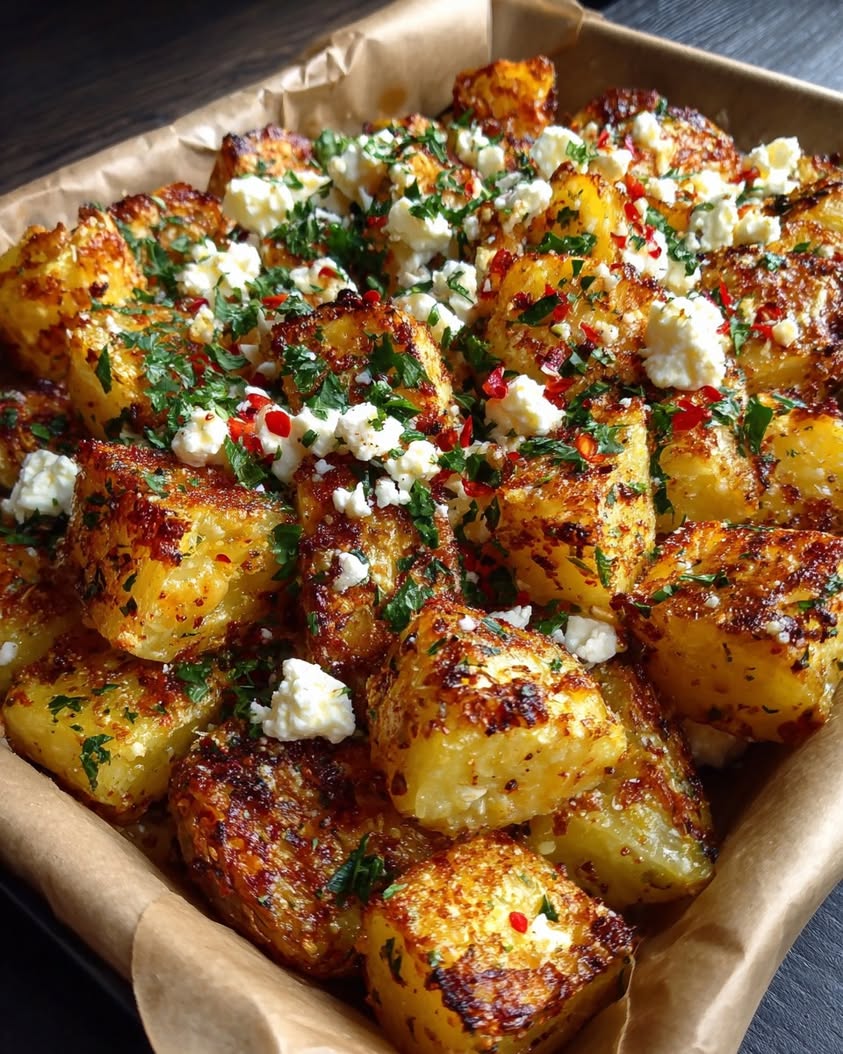
Creamy Baked Feta Potatoes: The Ultimate One-Pan Comfort Food
Imagine a dish so simple yet so incredibly delicious that it becomes an instant family favorite. These creamy baked feta potatoes deliver exactly that experience. This recipe transforms humble ingredients into a spectacular meal with minimal effort. Furthermore, the magic happens in a single pan, making cleanup an absolute breeze. The result is a harmonious blend of crispy, golden potatoes and luxuriously melted feta cheese.
The beauty of this baked feta potato recipe lies in its versatility. You can serve it as a stunning vegetarian main course or as a standout side dish for any protein. Meanwhile, the aromas that fill your kitchen while it bakes are simply irresistible. Garlic, herbs, and olive oil mingle together, creating an olfactory promise of the comfort to come. Ultimately, this dish proves that great food does not need to be complicated.
Social media platforms exploded with variations of this concept, and for good reason. The combination is a certified crowd-pleaser. Our version focuses on achieving the perfect textural contrast. Consequently, you get creamy, soft feta cheese alongside potatoes with a satisfying crispy exterior. This baked feta potato dish is a testament to the power of simple, quality ingredients cooked with care.
Quick Recipe Highlights
- Flavor Profile: Salty, tangy feta cheese melds perfectly with the earthy, savory potatoes. Garlic and herbs add aromatic depth, while a hint of black pepper provides a gentle warmth. The overall taste is rich and comforting without being overly heavy.
- Texture: This dish is a masterclass in textural contrast. The potatoes become crispy and golden on the outside while remaining fluffy and tender inside. Meanwhile, the baked feta transforms into a warm, incredibly creamy, and spreadable delight that coats each potato piece.
- Aroma: As it bakes, the scent of roasting garlic and dried oregano fills your kitchen. The olive oil toasts, releasing a nutty fragrance that complements the savory notes of the cheese and potatoes. It is a truly inviting and mouthwatering aroma.
- Visual Appeal: The presentation is rustic and beautiful. Golden-brown potato wedges nestle around a block of feta that has softened and slightly browned on top. A final garnish of fresh parsley adds a vibrant pop of green color, making the dish look as good as it tastes.
- Skill Level Needed: This is a beginner-friendly recipe requiring only basic kitchen skills. You need to be able to chop potatoes, mince garlic, and toss ingredients together. There are no advanced techniques involved, making it perfect for novice cooks or anyone seeking a stress-free meal.
- Special Equipment: A large baking sheet or roasting pan is essential for this one-pan wonder. You will also need a good chef’s knife for prepping the potatoes and garlic. Other than that, no special tools are required, which adds to the recipe’s accessibility and ease.
Recipe Overview
- Difficulty Level: We classify this recipe as easy because it involves straightforward chopping and mixing. The oven does most of the work, requiring no complicated steps or precise timings. Even a first-time cook can achieve fantastic results with this method. The process is forgiving and focuses on simple, combined flavors.
- Category: This dish brilliantly straddles multiple categories. It functions perfectly as a satisfying vegetarian main course, especially when paired with a fresh salad. Simultaneously, it makes an impressive and hearty side dish for grilled chicken, fish, or steak. It is a versatile addition to any meal plan.
- Cuisine: While baked feta potatoes draw inspiration from Mediterranean culinary traditions, particularly Greek cuisine, they have become a global phenomenon. The use of feta cheese, olive oil, and oregano is classic, but the preparation is a modern, internet-famous take on combining these staple ingredients. It is a fusion of tradition and contemporary convenience.
- Cost: This is an exceptionally budget-friendly meal. Potatoes are one of the most affordable vegetables available. A block of feta cheese is also relatively inexpensive, and the remaining ingredients are pantry staples like oil and dried herbs. You can create a restaurant-quality dish for just a few dollars per serving.
- Season: This is a fantastic year-round recipe. During colder months, it provides warm, hearty comfort. In the summer, it pairs wonderfully with grilled meats and fresh salads for a lighter feel. The ingredients are consistently available and reliable regardless of the season, making it a true staple.
- Occasion: These baked feta potatoes are suitable for everything from a casual weeknight family dinner to a more festive potluck or gathering. They are impressive enough for guests but simple enough for a quiet night in. This dish adapts effortlessly to any dining scenario.
Why You’ll Love This Recipe
The taste and texture appeal of this dish is undeniable. First, you experience the crispy, salted exterior of the potato wedges. Then, your teeth sink into the fluffy, steaming interior. Finally, you encounter the warm, tangy, and luxuriously creamy baked feta cheese that coats everything. This combination of crispy, soft, and creamy in a single bite is what makes the recipe so addictive and satisfying. The flavors are robust and savory, with the oregano and garlic perfectly complementing the star ingredients.
Convenience is another major benefit of this baked feta potato recipe. The entire meal comes together in one pan, which means minimal cleanup and maximum efficiency. You simply chop, toss, and bake. This hands-off approach frees you up to prepare other parts of your meal or simply relax while the oven works its magic. It is the ultimate solution for busy weeknights when you want a delicious, home-cooked meal without the fuss and mess of multiple pots and pans.
From a nutritional standpoint, this dish offers several advantages. Potatoes are a great source of potassium, vitamin C, and fiber, especially when you leave the skins on. Feta cheese provides protein and calcium, though it is wise to be mindful of portion size due to its sodium and fat content. Using a quality olive oil contributes healthy monounsaturated fats. Overall, when enjoyed as part of a balanced diet, this meal provides sustained energy and valuable nutrients.
The social and entertaining value of this recipe is incredibly high. It is a visually impressive dish that looks far more complex than it actually is. Guests will be delighted by the beautiful presentation and incredible aroma. Furthermore, it is a fantastic conversation starter, especially for those familiar with its viral online status. Serving this baked feta potato creation shows thought and care, making any meal feel a little more special and curated.
Cost-effectiveness and accessibility round out the reasons to love this recipe. The ingredients are humble, affordable, and easy to find at any standard grocery store. You do not need to hunt for exotic items or spend a fortune to create a meal that tastes luxurious. This accessibility makes it a reliable go-to for families, students, and anyone cooking on a budget. It demonstrates that eating well does not have to be expensive or complicated.
Historical Background and Cultural Significance
The origin story of baked feta potatoes is surprisingly modern, unlike many traditional dishes with centuries of history. The concept gained explosive popularity on social media platforms like TikTok and Instagram around 2021-2022. It was part of a larger “baked feta” trend that began with a baked feta pasta recipe originating from Finland. Food bloggers and home cooks quickly began experimenting, applying the same principle of roasting a block of feta with other ingredients, which led to the creation of this potato version. It is a dish born from the era of digital recipe sharing.
Despite its recent viral fame, the cultural importance of the ingredients runs deep. Feta cheese has a protected designation of origin in Greece, meaning true feta must be made in specific regions using traditional methods. Potatoes, while now global, were introduced to Europe from the Americas and became a staple in many European cuisines. Combining these two elements taps into a Mediterranean culinary ethos that celebrates simple, high-quality ingredients allowed to shine with minimal interference. This recipe is a modern interpretation of that timeless philosophy.
The evolution of the baked feta potato recipe is a testament to communal cooking. As the dish spread across the internet, countless variations emerged. Some cooks added cherry tomatoes for acidity, others included red onion for sweetness, and many experimented with different herb blends like rosemary or thyme. This collaborative evolution is a key feature of internet-age recipes. They are not static but are constantly being refined and adapted by a global community of home chefs, making the recipe a living, changing entity.
Regional variations of this concept are already appearing, reflecting local tastes and ingredient availability. In North America, versions with smoked paprika or Cajun seasoning are popular. In Scandinavian countries, dill might be the herb of choice. Some Mediterranean versions might include Kalamata olives or a drizzle of lemon juice after baking. This adaptability ensures the baked feta potato dish can find a home in any kitchen around the world, absorbing local flavors while maintaining its core identity of creamy cheese and roasted potatoes.
Ingredient Deep Dive
Potatoes form the hearty base of this dish. Cultivated for thousands of years, potatoes originated in the Andes and became a global staple after Spanish colonization. They are an excellent source of complex carbohydrates for energy, vitamin C for immune support, and potassium for heart health. They also provide fiber, especially with the skin on. For this recipe, choose starchy potatoes like Russets or all-purpose varieties like Yukon Golds, which become fluffy inside and crispy outside. Store them in a cool, dark, and well-ventilated place to prevent sprouting. Do not refrigerate raw potatoes, as cold temperatures can convert their starch into sugar.
Feta cheese is the star ingredient that creates the signature creamy sauce. This brined cheese has been made in Greece for centuries, with its name literally meaning “slice.” Traditionally, it is made from sheep’s milk or a sheep and goat milk blend. Feta is a good source of protein, calcium, and phosphorus, but it is also high in sodium. When selecting feta, look for a block packed in brine for the best flavor and texture. Avoid pre-crumbled feta, as it often contains anti-caking agents and won’t melt as beautifully. Store leftover feta in its brine in the refrigerator. For a dairy-free version, a firm, brined tofu or a vegan feta alternative can be used.
Extra virgin olive oil is crucial for flavor and cooking. A cornerstone of the Mediterranean diet, olive oil has been prized since ancient times for both culinary and medicinal uses. It is rich in heart-healthy monounsaturated fats and antioxidants. Use a good-quality extra virgin olive oil for its superior flavor and low acidity. It coats the potatoes, helping them crisp up and conveying the flavors of garlic and herbs throughout the dish. Store olive oil in a cool, dark cupboard away from heat and light to prevent it from becoming rancid. In a pinch, another neutral high-heat oil like avocado oil can be substituted, though the flavor profile will change.
Garlic and dried oregano provide the essential aromatic foundation. Garlic has been used for both flavor and its purported health benefits for millennia. It contains allicin, a compound with antioxidant and anti-inflammatory properties. Oregano, a herb native to the Mediterranean, is rich in antioxidants and adds a warm, slightly bitter note. Use fresh, firm garlic cloves for the best flavor. Dried oregano is actually preferable to fresh here because its flavor stands up better to the long cooking time and becomes more concentrated. Store garlic in a cool, dark place and dried oregano in a sealed container away from light. You can substitute the oregano with other dried herbs like thyme or an Italian herb blend.
Common Mistakes to Avoid
- Using the Wrong Potato Type: Avoid using waxy potatoes like red potatoes or fingerlings. These varieties hold their shape too well and will not achieve the desired fluffy interior. Instead, they can become gummy. Always opt for starchy or all-purpose potatoes for the perfect texture contrast.
- Overcrowding the Pan: Do not cram all the potatoes onto a small baking sheet. Overcrowding causes the potatoes to steam instead of roast. Consequently, you will end up with soft, pale potatoes rather than crispy, golden-brown ones. Use a large enough pan to allow for proper air circulation.
- Skipping the Oil Toss: Do not simply drizzle oil over the potatoes in the pan. You must toss them thoroughly in a bowl with the oil and seasonings. This ensures every single piece is evenly coated, which is essential for consistent cooking, browning, and flavor distribution.
- Using Pre-Crumbled Feta: Avoid the convenience of pre-crumbled feta cheese. It is often coated in anti-caking agents like potato starch, which prevents it from melting into a smooth, creamy sauce. A solid block of feta packed in brine will deliver a far superior texture and flavor.
- Underseasoning the Potatoes: Do not be shy with the salt and pepper on the potatoes. Remember, the feta is salty, but the potatoes themselves need ample seasoning to taste good on their own. Season them generously before they go into the oven to build layers of flavor.
- Not Preheating the Oven: Always preheat your oven fully before adding the pan. A hot oven is critical for triggering the Maillard reaction, which creates that desirable crispy, browned exterior on the potatoes. Starting in a cold oven will result in unevenly cooked, soggy potatoes.
- Forgetting to Stir Halfway: Do not just put the pan in the oven and forget it. Stirring the potatoes halfway through the baking time is crucial. This simple step ensures that all sides get exposed to the hot pan surface and air, leading to an even, all-over crispiness.
- Baking at the Wrong Temperature: Avoid baking at too low or too high a temperature. A very high heat might burn the garlic and herbs before the potatoes are cooked through. A moderate-high heat around 400-425°F (200-220°C) is the sweet spot for cooking the potatoes through while achieving a golden crust.
Essential Techniques
Proper potato cutting is fundamental to this recipe’s success. The goal is to create pieces that are uniform in size, typically wedges or 1-inch chunks. This ensures that every piece cooks at the same rate, preventing some from being undercooked while others burn. Use a sharp chef’s knife for clean, safe cuts. Hold the potato steady on the cutting board and slice it evenly. The ideal size is large enough to hold its structure but small enough to cook through and become crispy on the edges. Inconsistent pieces are a common pitfall that leads to an uneven final dish.
Thoroughly coating the potatoes in oil and seasoning is a technique that cannot be rushed. Do not simply drizzle oil over the potatoes on the pan. Instead, place the cut potatoes in a large mixing bowl. Add the oil, salt, pepper, and herbs. Then, use your hands or a large spoon to toss and mix everything aggressively. You should see every surface of every potato piece glistening with oil. This coating conducts heat efficiently, promotes browning, and allows the seasonings to adhere. The visual cue for success is a homogenous, well-dressed batch of potatoes with no dry spots.
Roasting is the primary cooking technique, and understanding your oven is key. Roasting at a high heat drives moisture out of the potato’s surface, allowing it to brown and crisp. The hot air circulating around the pan cooks the potatoes evenly. The technique’s importance lies in developing complex flavors through caramelization. To master it, always preheat your oven and use the middle rack for the most consistent temperature. A common pitfall is opening the oven door too frequently, which causes significant heat loss and can extend cooking time. The visual cue for perfectly roasted potatoes is a deep golden-brown color with crispy edges.
Pro Tips for Perfect Baked Feta Potatoes
Pat the potato wedges completely dry with a clean kitchen towel after washing them. Any excess surface moisture will create steam in the oven, which is the enemy of crispiness. This simple, extra step ensures your potatoes roast instead of steam, giving you that desirable crispy exterior.
Let the block of feta cheese sit at room temperature for about 15-20 minutes before baking. Taking the chill off the cheese allows it to melt more evenly and become creamier throughout. A stone-cold feta block straight from the fridge may not achieve the same luscious, spreadable consistency in the center.
Do not mince the garlic too finely. Instead, try slicing it or giving it a rough chop. Larger pieces are less likely to burn during the relatively long cooking time. They will still infuse the oil and potatoes with a beautiful, mellow garlic flavor without turning bitter from overcooking.
Use a heavy-duty, rimmed baking sheet for best results. A flimsy pan can warp in the high heat, causing the oil to pool unevenly. A dark metal pan also promotes better browning compared to a light-colored one. Lining the pan with parchment paper can help with cleanup but may slightly reduce crispiness.
After removing the pan from the oven, let it rest for 5 minutes before serving. This allows the molten feta to thicken slightly and makes it easier to handle. It also gives the potatoes a moment to set, ensuring they maintain their crispy texture when you toss everything together.
For an extra flavor boost, drizzle the finished dish with a little high-quality extra virgin olive oil and a squeeze of fresh lemon juice just before serving. The acidity from the lemon cuts through the richness of the cheese and brightens up the entire dish beautifully.
Variations and Adaptations
Regional variations can take this dish on a world tour from your kitchen. For a Greek-inspired version, add Kalamata olives, sliced red onion, and a sprinkle of dried mint along with the oregano. A French twist might involve using Herbes de Provence and tossing in some niçoise olives after baking. For a spicy kick, a Spanish version could include smoked paprika and chorizo slices arranged around the pan. These adaptations show how the basic formula of baked feta potatoes can be a canvas for global flavors, allowing you to customize the dish to your specific taste preferences or to match the theme of a meal.
Seasonal adaptations keep this recipe exciting all year long. In the spring, add tender asparagus spears or fresh peas during the last 10 minutes of cooking. Summer versions can include cherry tomatoes and zucchini slices, which roast beautifully alongside the potatoes. In the fall, incorporate sweet potato cubes or chunks of butternut squash for a warmer, sweeter profile. Winter calls for heartier additions like parsnips or carrots. These seasonal tweaks not only add variety but also allow you to take advantage of the freshest, most affordable produce available at any given time of year.
Dietary modifications make this dish accessible to almost everyone. For a vegan baked feta potato dish, substitute the dairy feta with a block of firm, pressed tofu marinated in lemon juice, salt, and nutritional yeast, or use a store-bought vegan feta alternative. To make it gluten-free, simply ensure all your seasonings are certified gluten-free, which they almost always are. For a lower-carb version, replace half the potatoes with cauliflower florets. They will roast nicely and absorb the flavors while significantly reducing the carbohydrate content of the meal. Each adaptation maintains the spirit of the original recipe while catering to specific nutritional needs.
Flavor variations are endless and fun to explore. Introduce different cheese profiles by using a block of halloumi for a squeakier texture or a young goat cheese for a tangier note. Herb combinations can be swapped out entirely; try rosemary and thyme instead of oregano, or add a teaspoon of za’atar for a Middle Eastern flair. For more umami, add a tablespoon of capers or anchovy fillets to the pan before baking. A drizzle of chili oil or a sprinkle of red pepper flakes after baking can add welcome heat. These simple changes can completely transform the character of the dish without complicating the cooking process.
Serving and Presentation Guide
Plating techniques can elevate this humble dish to restaurant-quality status. For a family-style presentation, bring the entire baking sheet directly to the table. This rustic approach is inviting and casual. Alternatively, transfer the contents to a large, warm serving platter. Use a spatula to gently scoop the potatoes and the softened feta, then drizzle any remaining oily, herby juices from the pan over the top. For individual plates, place a portion of potatoes on each plate and spoon over some of the creamy feta, ensuring each serving gets a good mix of crispy potatoes and cheesy sauce.
Garnishing adds the final touch of freshness and color that makes the dish visually stunning. A generous sprinkle of freshly chopped flat-leaf parsley is classic and provides a vibrant green contrast to the golden potatoes and white cheese. Other excellent garnish options include fresh dill, chives, or a few leaves of fresh oregano. For a bit of color and acidity, add a handful of halved cherry tomatoes or a sprinkle of pomegranate seeds in the winter. A final grind of black pepper and a light flake of sea salt just before serving enhances both the look and the taste.
Traditional accompaniments stick to a Mediterranean theme. Serve the baked feta potatoes with a simple, crisp green salad dressed with a lemony vinaigrette to balance the richness. Warm pita bread or crusty baguette slices are essential for scooping up every last bit of the melted feta. For a more substantial meal, grilled lamb chops, chicken souvlaki, or simply seared fish fillets pair beautifully. These combinations create a well-rounded meal that honors the culinary roots of the dish’s key ingredients while satisfying a variety of appetites.
Wine and Beverage Pairing
Wine pairings should complement the salty, tangy feta and the earthy potatoes without overpowering them. A crisp, acidic white wine like a Greek Assyrtiko or a Sauvignon Blanc is an excellent choice. Their bright acidity cuts through the richness of the cheese beautifully. Alternatively, a light-bodied red wine with low tannins, such as a Pinot Noir or a Beaujolais, can also work well if you prefer reds. The key is to avoid heavily oaked wines or high-tannin reds like Cabernet Sauvignon, as they can clash with the saltiness of the feta. A dry rosé from Provence is another fantastic, versatile option that bridges the gap between red and white.
Non-alcoholic alternatives can be just as sophisticated and pairing-conscious. Sparkling water with a squeeze of fresh lemon or lime provides a clean, palate-cleansing effervescence. For a more crafted option, a herbal iced tea, such as mint or lemon verbena, complements the Mediterranean herbs in the dish. A tart cherry juice spritzer, made with sparkling water and a splash of juice, offers a sweet-and-sour contrast that stands up to the strong flavors. Even a simple glass of cold, crisp apple cider can work surprisingly well, its slight sweetness balancing the saltiness of the cheese.
Coffee and tea pairings are worth considering if you are serving this for a cozy brunch or lunch. A medium-roast coffee with low acidity won’t compete with the flavors of the dish. A cup of Earl Grey tea, with its bergamot citrus notes, can provide a lovely aromatic counterpoint to the savory, herby notes of the baked feta potatoes. Ultimately, the goal is to choose beverages that refresh the palate between bites of this flavorful, rich dish, ensuring each mouthful tastes as good as the first.
Storage and Shelf Life
Storage methods are straightforward but important for maintaining quality and safety. Allow any leftovers to cool completely to room temperature before storing, but do not leave them out for more than two hours. Transfer the baked feta potatoes to an airtight container. You can store the potatoes and feta together; however, note that the potatoes will lose their crispness as they sit in the residual moisture from the cheese. For the best texture upon reheating, some people prefer to store the components separately if possible, but for convenience, a single container is perfectly acceptable.
Temperature requirements are critical for food safety. Refrigerate the leftovers promptly. The stored baked feta potatoes will keep in the refrigerator for up to 3-4 days. Do not leave the dish at room temperature for extended periods, as the dairy and potato combination can become a breeding ground for bacteria. You can also freeze this dish, though the texture of the potatoes will become softer and more granular upon thawing. The feta may also separate slightly. If you do freeze it, use a freezer-safe container and consume it within 2 months for the best quality.
Reheating instructions are key to reviving the dish. The microwave is the quickest method but will result in very soft potatoes. For a better texture, reheat in a conventional oven or toaster oven at 375°F (190°C) for about 10-15 minutes, or until hot throughout. Spread the leftovers in a single layer on a baking sheet to help the potatoes recrisp a bit. You can also reheat in a skillet over medium heat, stirring occasionally. Always ensure the leftovers are piping hot all the way through before serving a second time. Do not reheat the dish more than once.
Make Ahead Strategies
A prep timeline can make weeknight dinners effortless. The day before you plan to cook, you can wash and cut the potatoes. Submerge them completely in a bowl of cold water and store them in the refrigerator. This prevents them from oxidizing and turning brown. You can also measure out your oil, mince your garlic, and gather your dried spices, storing them all together in a small container. The block of feta can be taken out of its brine and patted dry, ready to go. This advance prep means that when it’s time to cook, you simply need to drain and dry the potatoes, toss everything together, and pop it in the oven.
Storage between steps is simple with the right containers. The water-submerged potatoes should be kept in a large bowl covered with plastic wrap or in a sealed container. The pre-measured oil and spice mixture can be kept in a small jar or airtight container at room temperature. Do not mix the potatoes with the oil and seasonings until you are ready to bake, as this will make them soggy and can cause discoloration. The prepped garlic can be stored in a tiny container in the fridge. This segmented make-ahead approach saves valuable time on a busy evening without compromising the final dish’s quality.
Assembly tips for pre-prepped ingredients are crucial. When ready to bake, drain the potatoes that have been sitting in water and then thoroughly pat them dry with clean kitchen towels. This step is even more important when prepping ahead, as the potatoes will have absorbed extra water. In a large bowl, combine the perfectly dry potatoes with the pre-measured oil and spices, tossing vigorously to coat. Then, proceed with the recipe as directed, arranging the potatoes and placing the block of feta in the center. Your make-ahead efforts will pay off with a meal that comes together in minutes before hitting the oven.
Scaling Instructions
Halving the recipe is simple for smaller households. Use half the amount of all ingredients. A standard block of feta is often 200-250 grams, so you can use a half-block or a smaller “salad” sized block. The key adjustment is the pan size; use a smaller baking sheet or quarter sheet pan. If the potatoes are not crowded, they will still crisp up properly. The cooking time may be slightly reduced, so start checking for doneness around the 35-minute mark. This scaling down is perfectly effective and prevents waste, allowing you to enjoy this baked feta potato dish without having leftovers for days.
Doubling or tripling the recipe is ideal for feeding a crowd. Simply multiply all ingredients by two or three. The major consideration here is equipment. You will likely need two large baking sheets to avoid overcrowding. If you must use two sheets, place them on different oven racks and swap their positions halfway through the cooking time to ensure even browning. The total cooking time might increase by 5-10 minutes due to the larger volume of food in the oven. This scalability makes the recipe fantastic for potlucks, family gatherings, or any event where you need to feed a group with minimal fuss.
Storage considerations change when you scale the recipe. If you double the recipe with the intention of having planned leftovers, it’s best to slightly under-season the second batch intended for storage. You can add more salt when reheating. When storing large quantities, divide the leftovers into smaller, portion-sized containers. This allows for quicker cooling and more efficient reheating later. Remember that a large mass of food will take longer to cool down to a safe refrigeration temperature, so spread it out in a shallow container to speed up the process before packing it away.
Nutritional Deep Dive
The macro breakdown of this dish provides a good balance of energy sources. The potatoes are primarily a source of complex carbohydrates, offering sustained energy release. The feta cheese contributes a significant amount of protein and fat, which promotes satiety. The olive oil adds healthy monounsaturated fats. A typical serving provides a balanced mix of these macronutrients, making it a fulfilling meal. However, the fat and sodium content from the cheese and oil means that portion control is wise, especially for those monitoring their intake of these specific nutrients. It is a hearty dish that fuels the body effectively.
Micronutrient analysis reveals several valuable vitamins and minerals. Potatoes are an excellent source of potassium, which is crucial for blood pressure regulation and nerve function. They also provide Vitamin C, B6, and some iron. Feta cheese is rich in calcium and phosphorus, essential for bone health, and also contains Vitamin B12 and riboflavin. The garlic contributes manganese and Vitamin B6, while the oregano provides small amounts of Vitamin K and antioxidants. Together, these ingredients create a dish that is not only delicious but also contributes meaningfully to your daily micronutrient needs.
Health benefits extend beyond basic nutrition. The fiber from the potato skins supports digestive health. The antioxidants in olive oil, garlic, and oregano have anti-inflammatory properties. The combination of carbohydrates, protein, and fat provides balanced energy that can prevent blood sugar spikes when compared to a meal high in refined carbs. Of course, the enjoyment of a delicious, home-cooked meal also provides significant mental and emotional well-being benefits. This baked feta potato dish, when consumed as part of a varied diet, supports overall health in a comforting and satisfying way.
Dietary Adaptations
Gluten-free adaptation is naturally simple for this recipe. Potatoes, feta cheese, olive oil, garlic, and herbs are all inherently gluten-free. The only potential source of gluten would be in any added seasonings or pre-mixed spice blends that might contain anti-caking agents. To be safe, always check the labels on your dried herbs and spices to ensure they are certified gluten-free. This dish is an excellent and safe choice for those with celiac disease or gluten sensitivity, requiring no substitutions to make it compliant. Its natural lack of gluten-containing ingredients is one of its many accessibility features.
Dairy-free and vegan adaptation requires replacing the feta cheese. The best option is to use a store-bought vegan feta alternative, which are often made from tofu, almonds, or coconut oil. Another great homemade option is to use a block of extra-firm tofu, pressed to remove water, and marinated in a mixture of lemon juice, salt, nutritional yeast, and a touch of apple cider vinegar to mimic the tangy, salty flavor of feta. The potatoes and seasonings remain the same. The result is a plant-based version of the dish that captures the creamy, salty essence of the original while being completely free of animal products.
Low-carb and keto adaptations focus on replacing the potatoes. Cauliflower florets are the perfect substitute, as they roast well and have a neutral flavor that absorbs the other ingredients beautifully. Cut the cauliflower into bite-sized florets and follow the recipe as written, though you may need to reduce the cooking time by 5-10 minutes as cauliflower cooks faster than potato. For a keto version, also be mindful of the carb content in onions or tomatoes if you choose to add them. This simple swap transforms the dish into a low-carb favorite that still delivers on the promise of creamy cheese and roasted vegetables.
Troubleshooting Guide
Texture issues are a common concern. If your potatoes are not crispy, the likely culprit is overcrowding the pan, which causes steaming. Next time, use a larger pan or bake in two batches. If the potatoes are still hard, they needed more cooking time. If the feta cheese has seized or become rubbery instead of creamy, it may have been baked at too high a temperature or for too long. Feta should be warm, soft, and spreadable, not tough. Achieving the perfect contrast of crispy potato and creamy cheese is the goal, and it often comes down to pan space and precise oven temperature.
Flavor balance problems can usually be fixed with simple adjustments. If the dish tastes bland, the potatoes were likely underseasoned before roasting. Remember to salt them generously. If it’s too salty, the feta is probably the main contributor. Next time, use a less salty cheese or reduce the amount of added salt to the potatoes. If the garlic tastes bitter, it was likely minced too finely and burned. Try slicing the garlic instead. The flavors should be harmonious, with the saltiness of the cheese, the earthiness of the potato, and the aroma of the herbs and garlic all coming through clearly without any single one dominating unpleasantly.
Equipment challenges can impact the final result. If you only have a small baking sheet, it is better to bake the potatoes in two batches than to overcrowd a single pan. If your oven has hot spots, rotate the pan halfway through cooking. If you don’t have a large mixing bowl for tossing, you can mix the potatoes with the oil and seasonings directly on the baking sheet, but you must be very thorough, using your hands to ensure each piece is coated. Do not let a lack of “perfect” equipment stop you from making this dish. Often, a little ingenuity can overcome most kitchen tool limitations.
Recipe Success Stories
Community feedback on this baked feta potato recipe has been overwhelmingly positive. Many home cooks report that it has become a weekly staple in their households due to its simplicity and crowd-pleasing nature. One reader mentioned that her notoriously picky children now request “the potato and cheese dish” regularly. Another shared that she brought it to a potluck and received multiple requests for the recipe, making it her new go-to for gatherings. These stories highlight the recipe’s reliability and its ability to win over even the most skeptical of eaters, cementing its status as a modern classic.
PrintBaked Feta Potatoes
Description
Creamy feta cheese and tender roasted potatoes come together in this simple, flavorful dish that’s perfect as a side or light main course.
Ingredients
For the Crust:
- 2 lbs baby potatoes, halved
- 1/4 cup olive oil
- 1 tsp dried oregano
- 1/2 tsp garlic powder
- Salt and black pepper to taste
- 8 oz block feta cheese
- 1 lemon, sliced
- 2 tbsp fresh parsley, chopped
Instructions
1. Prepare the Crust:
- Preheat oven to 400°F (200°C).
- Toss potatoes with olive oil, oregano, garlic powder, salt, and pepper. Spread in a baking dish.
- Place feta block in the center of the potatoes. Arrange lemon slices around the feta.
- Bake for 25-30 minutes until potatoes are tender and feta is soft and slightly golden.
- Garnish with fresh parsley before serving.
Notes
You can customize the seasonings to taste.

I’m Shaykee—born in Morocco, seasoned across continents. From airplane galleys to home kitchens, I share the flavors and stories that shaped my journey.