
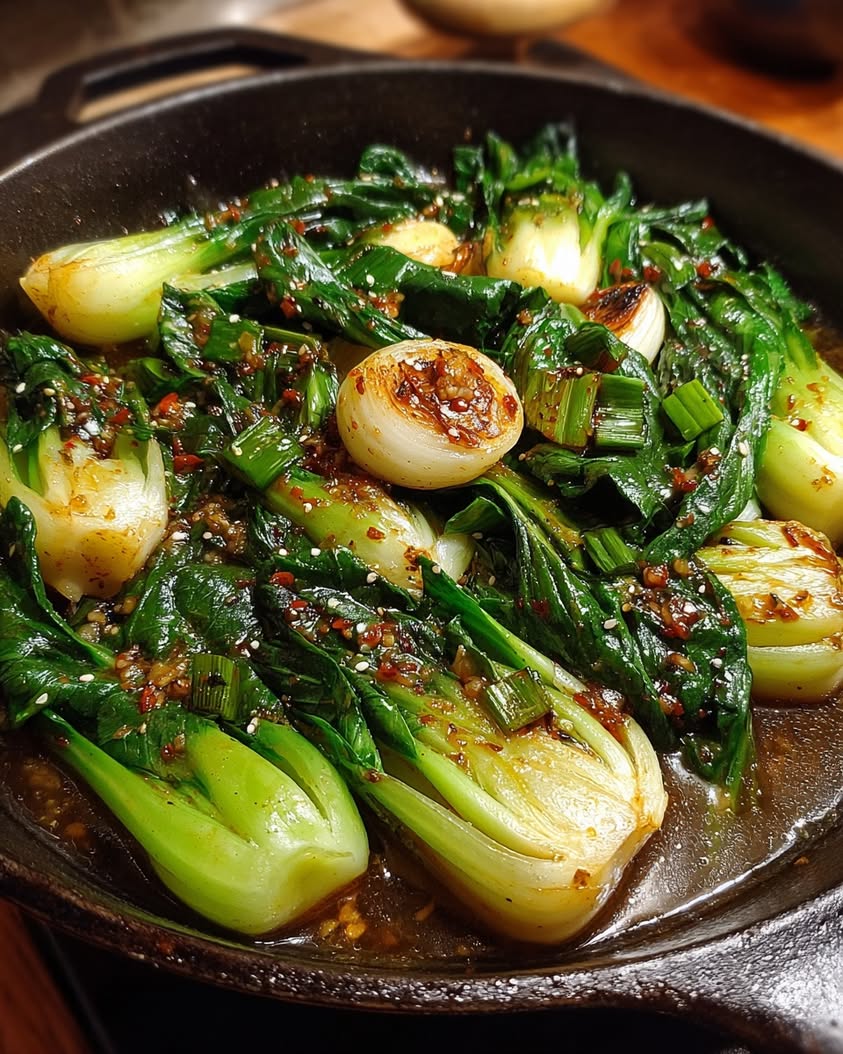
Bok Choy with Garlic Sauce: A Quick, Savory Side Dish
Imagine a vegetable side dish that comes together in mere minutes yet delivers a powerful punch of flavor. This bok choy with garlic sauce recipe is exactly that. It transforms humble bok choy into a vibrant, savory masterpiece with a glossy, aromatic sauce that clings to every tender leaf and crisp stalk. The process is incredibly straightforward, making it a perfect choice for busy weeknights when you need something healthy and delicious on the table fast.
Furthermore, the magic of this dish lies in its beautiful simplicity and bold contrasts. You get the fresh, clean crunch of the bok choy perfectly balanced against a rich, umami-packed garlic sauce. The sauce itself is a quick mix of pantry staples like soy sauce, sesame oil, and a touch of sweetness, all brought to life by the sizzle of fresh garlic and ginger. Ultimately, this recipe proves that eating your greens can be the most exciting part of the meal.
This bok choy with garlic sauce is more than just a side; it is a gateway to enjoying vegetables in a whole new way. The cooking method, a quick blanch or stir-fry, preserves the vegetable’s brilliant green color and satisfying texture. Meanwhile, the sauce infuses it with a deep, savory character that is utterly irresistible. Whether you are a seasoned cook or just starting out, this dish promises consistent, restaurant-quality results with minimal effort.
Quick Recipe Highlights
- Flavor Profile: This dish offers a masterful balance of savory, salty, and subtly sweet notes. The primary taste is a robust garlicky umami from the sauce, which perfectly complements the mild, slightly peppery flavor of the bok choy. A hint of toasted sesame oil adds a final nutty, aromatic finish.
- Texture: You will experience a delightful contrast between the tender, wilted green leaves and the juicy, crisp-crunchy white stalks. The velvety sauce coats each piece without making it soggy, ensuring every bite has a satisfying mouthfeel that is both light and substantial.
- Aroma: As soon as the garlic and ginger hit the hot pan, your kitchen will fill with an incredibly inviting, pungent fragrance. This aromatic base is then deepened by the salty-sweet scent of the simmering sauce, creating a smell that promises a deeply flavorful meal.
- Visual Appeal: The dish presents beautifully with vibrant, emerald-green leaves and creamy white stems glistening under a glossy, dark sauce. It adds a pop of fresh color to any dinner plate, making even a simple meal look thoughtfully composed and appetizing.
- Skill Level Needed: This recipe is ideal for beginners. It requires only basic knife skills for chopping and the fundamental technique of stir-frying or blanching. There are no complex steps or tricky timings, making it a very forgiving and successful first venture into cooking Asian vegetables.
- Special Equipment: You need only a large skillet or wok and a pot for blanching if you choose that method. A good chef’s knife for mincing garlic and ginger is helpful, but otherwise, no special tools are required, keeping this recipe accessible to every home cook.
Recipe Overview
- Difficulty Level: We rate this recipe as “Easy” because it involves minimal prep, common ingredients, and straightforward cooking techniques like chopping and sautéing. There is no intricate plating or advanced culinary skill required. Consequently, it is a fantastic confidence-builder for novice cooks and a reliable, quick fix for experienced ones.
- Category: This dish fits perfectly into multiple categories. Primarily, it serves as a stellar vegetable side dish for any Asian-inspired or protein-focused main course. Additionally, it can be a light vegetarian main when served over a bed of steamed rice or noodles, making it wonderfully versatile.
- Cuisine: This recipe is rooted in Chinese culinary traditions, where quick-cooking greens with savory sauces are a staple. The use of soy sauce, sesame oil, garlic, and ginger is classic in many East Asian cuisines. However, the simplified method makes it adaptable for a global home kitchen.
- Cost: This is an exceptionally budget-friendly recipe. Bok choy is typically an inexpensive vegetable, and the sauce ingredients are pantry staples used in small quantities. For just a few dollars, you can create a side dish that feeds four, offering tremendous value and flavor per penny.
- Season: Bok choy is technically available year-round, but its peak season is late summer through fall. This makes the dish perfect for late-year meals. However, its light yet warming qualities also make it suitable for spring and summer, as it pairs well with grilled meats and lighter fare.
- Occasion: This bok choy with garlic sauce is ideal for casual weeknight dinners, last-minute potlucks, or as a healthy component in a multi-course Asian feast. Its quick cooking time and elegant appearance also make it suitable for more formal dinners where you need a reliable, beautiful vegetable side.
Why You’ll Love This Recipe
First and foremost, the taste and texture of this bok choy are utterly compelling. The sauce delivers a powerful, savory punch that makes the vegetable incredibly moreish. You get the freshness of the greens paired with the deep, complex flavors of garlic, ginger, and soy. Each bite is a perfect harmony of crisp and tender, salty and sweet, ensuring you will want to make this recipe again and again. It turns a simple vegetable into the star of the plate, often outshining the main protein with its bold character.
From a practical standpoint, the convenience of this dish is a major win. With only 15 minutes from start to finish, it solves the eternal question of how to get a healthy vegetable on the table on a busy night. The prep is minimal, involving mostly washing and chopping. Moreover, the cooking process is fast and active, keeping you engaged without demanding hours in the kitchen. This efficiency makes it a perfect recipe for after-work cooking when time and energy are limited.
Nutritionally, this bok choy with garlic sauce is a powerhouse. Bok choy itself is packed with vitamins A, C, and K, along with important minerals like calcium and potassium. Cooking it quickly helps retain these nutrients better than prolonged boiling. The sauce, while flavorful, uses modest amounts of oil and sodium compared to restaurant versions. Therefore, you are enjoying a dish that supports your health without sacrificing an ounce of flavor, a true win-win for mindful eaters.
For entertaining, this recipe offers tremendous social value. It is easy to double or triple for a crowd, and its vibrant color and professional appearance will impress your guests. You can prepare it at the last minute while other dishes rest, ensuring it comes to the table hot and fresh. Serving a beautiful, homemade vegetable side demonstrates care and culinary skill, elevating the entire dining experience for your friends and family.
Finally, the cost-effectiveness and accessibility of this dish cannot be overstated. Bok choy is widely available in most grocery stores, and the sauce ingredients are common pantry items. You do not need to hunt for exotic or expensive components. This accessibility means anyone can recreate this restaurant-style side at home for a fraction of the cost, making gourmet, healthy eating an everyday possibility rather than a special occasion treat.
Historical Background and Cultural Significance
The story of bok choy is deeply woven into the fabric of Chinese agriculture and cuisine. Historians believe it was domesticated in China thousands of years ago, with written records dating back to the 5th century. Initially, it was likely a wild mustard green that farmers selectively bred for its tender stalks and mild flavor. Over centuries, it became a cornerstone of Chinese vegetable cookery, prized for its versatility, quick growth, and nutritional value. Its cultivation spread throughout East Asia, becoming as fundamental as cabbage is in European cooking.
Culturally, bok choy holds significant importance as a symbol of prosperity and good fortune. Its white stems and green leaves are said to represent purity and vitality, respectively. Consequently, it is a common feature in meals celebrating the Lunar New Year and other festive occasions. Serving a whole vegetable, with the stem intact, can symbolize unity and wholeness within the family. This deep cultural resonance elevates it from a simple ingredient to a food carrying meaning and tradition.
The technique of quickly cooking greens in a wok with a savory sauce is a classic Chinese method designed to preserve texture, color, and nutrients. This style of cooking, known as “chao” or stir-frying, is perfectly suited to vegetables like bok choy. The garlic sauce variation is a beloved standard in home kitchens and restaurants alike. Its evolution is one of simplicity and practicality, using fundamental, flavorful condiments to enhance the natural qualities of the vegetable without masking them.
Regional variations of this dish abound across Asia. In southern China, you might find a lighter sauce with oyster sauce or fermented bean curd. In Korean cuisine, bok choy might be briefly pickled or used in soups. Japanese preparations often feature a delicate dashi-based sauce. The version presented here, with soy sauce, garlic, and sesame, is a widely adopted, foundational approach that highlights the vegetable’s best attributes. It serves as a perfect introduction to cooking Asian greens at home.
Ingredient Deep Dive
Let us start with the star: bok choy. This cruciferous vegetable, also called pak choi, is a member of the cabbage family. It originated in China and has been cultivated for over 1,500 years. Nutritionally, it is a superstar, offering high levels of vitamins A, C, and K, along with folate, calcium, and fiber. When selecting bok choy, look for firm, crisp stalks with vibrant, un-wilted green leaves. Avoid any with brown spots or slimy stems. Store it unwashed in a plastic bag in your refrigerator’s crisper drawer, where it will keep for about 3-4 days. For a substitution, try baby bok choy for a more tender bite, or Swiss chard or Napa cabbage for a different but pleasant texture.
Fresh garlic is the non-negotiable heart of the sauce. Garlic has a storied history, used both as food and medicine in ancient Egypt, Greece, and China. Its potent compounds, like allicin, are linked to immune-boosting and anti-inflammatory benefits. For the best flavor, choose firm, plump heads of garlic with tight, papery skin. Store it in a cool, dark, dry place—not in the refrigerator. To substitute, you can use garlic powder in a pinch, but the flavor will be less vibrant. Use about 1/4 teaspoon of powder for each fresh clove the recipe requires.
Soy sauce provides the essential savory, umami depth. This fermented condiment, made from soybeans, wheat, salt, and a fermenting culture, originated in China over 2,500 years ago. It is a source of protein and contains antioxidants, though it is also high in sodium. For a gluten-free version, use tamari or a certified gluten-free soy sauce. Low-sodium soy sauce is an excellent option for reducing salt intake without losing flavor. Store soy sauce in a cool, dark pantry; it does not require refrigeration after opening. As an alternative, coconut aminos offer a sweeter, soy-free option.
Sesame oil is the finishing touch that defines the aroma. This oil, pressed from toasted sesame seeds, has been used in Asian and Middle Eastern cooking for millennia. It is rich in antioxidants and healthy fats but is used sparingly due to its intense flavor. Always choose “toasted” sesame oil for cooking, not the light, cold-pressed variety. Its low smoke point means it is best added at the end of cooking. Store it tightly sealed in a cool, dark cupboard. For a substitution, a neutral oil with a few drops of sesame oil essence can mimic the flavor, though not perfectly.
Common Mistakes to Avoid
- Overcrowding the Pan: Adding all the bok choy at once to a small pan will cause it to steam rather than sauté. This leads to soggy, limp vegetables instead of crisp-tender ones. Always work in batches if your pan is not large enough to hold the bok choy in a single layer.
- Burning the Garlic: Garlic burns incredibly quickly and turns bitter. Always add it to the pan after the aromatics like ginger have had a moment to cook, and keep the heat at a medium level. Stir it constantly and add the liquid components as soon as it becomes fragrant.
- Using Raw Cornstarch: If your sauce recipe includes cornstarch as a thickener, you must mix it with a cold liquid like water or broth first to create a “slurry.” Adding dry cornstarch directly to the hot pan will result in unpleasant, lumpy clumps in your sauce.
- Overcooking the Bok Choy: Bok choy cooks in just a few minutes. Leaving it in the pan too long will cause the leaves to become mushy and the stalks to lose their delightful crunch. Aim for wilted, bright green leaves and stalks that are just tender.
- Skipping the Drying Step: Failing to thoroughly dry your washed bok choy will introduce excess water into the pan. This water will dilute your flavorful sauce and, again, promote steaming instead of proper sautéing. Use a salad spinner or pat the leaves dry with clean towels.
- Neglecting to Season in Layers: Do not rely solely on the soy sauce for saltiness. Season the bok choy lightly with a pinch of salt when it first hits the pan. This builds flavor from the inside out, ensuring every component of the dish is properly seasoned.
- Using the Wrong Soy Sauce: Not all soy sauces are equal. Avoid using “dark soy sauce” for this recipe unless specified, as it is thicker, sweeter, and less salty. Standard or light soy sauce is what you need for the right balance of salt and color.
- Adding Sesame Oil Too Early: Toasted sesame oil has a delicate flavor that dissipates with high heat. If you use it as your cooking oil at the beginning, you will lose its signature aroma. Instead, always drizzle it in at the very end, off the heat, to preserve its nutty fragrance.
Essential Techniques
Proper washing and drying is the first critical technique. Bok choy often has grit trapped between its stalks. To clean it, separate the leaves and rinse them thoroughly under cold running water, swishing them around to dislodge any dirt. Afterwards, the drying step is equally important. Excess water will steam the vegetable and dilute your sauce. Use a salad spinner for the most effective removal of water, or pat the leaves meticulously dry with clean kitchen towels. This ensures you get a good sear and a sauce that properly coats the vegetable.
Controlling pan heat is the secret to perfect stir-frying. You need a very hot pan or wok to achieve the characteristic “wok hei” or breath of the wok—that slightly smoky, seared flavor. However, you must also manage the heat to avoid burning your aromatics. Start with high heat to sear the bok choy stalks, then reduce the heat slightly when adding the delicate garlic. The visual cue for success is vibrant green leaves and stalks with a slight char, without any blackened or bitter spots on the garlic.
Creating a cohesive sauce is a simple but vital technique. The goal is a glossy sauce that lightly coats the back of a spoon. If using a cornstarch slurry, always whisk it into the simmering liquid off direct heat to prevent lumps. Then, return the pan to the heat and stir until the sauce thickens and becomes clear. The sauce should be thick enough to cling to the vegetables but not so thick that it becomes gloppy. If it gets too thick, simply thin it with a tablespoon or two of water or broth.
Pro Tips for Perfect Bok Choy with Garlic Sauce
First, separate the stalks from the leaves before cooking. The dense white stalks take longer to become tender than the delicate green leaves. By adding the chopped stalks to the pan first and cooking them for a minute or two before adding the leaves, you ensure everything finishes cooking at the same time, yielding perfect texture throughout.
For an extra layer of flavor, lightly smash your garlic cloves with the flat side of your knife before mincing. This breaks down the cell walls and releases more of the flavorful allicin compounds. Consequently, you will get a more potent and aromatic garlic flavor in your final dish without having to use more garlic.
Do not discard the flavorful liquid that releases from the bok choy as it cooks. Instead, incorporate it into your sauce. After sautéing the vegetable, you might notice a small amount of liquid in the pan. Use this as part of the base for your sauce, as it contains the vegetable’s natural sweetness and minerals, enhancing the overall depth of flavor.
Finish the dish with a final brightening element. A small squeeze of fresh lime or lemon juice added just before serving can cut through the richness of the sauce and elevate the fresh taste of the greens. Alternatively, a sprinkle of finely chopped fresh cilantro or green onion adds color and a new layer of aroma.
If you prefer a thicker, more restaurant-style glaze on your bok choy, use a cornstarch slurry. Mix one teaspoon of cornstarch with one tablespoon of cold water or broth until smooth. After adding your soy sauce and other liquid ingredients to the pan, stir in the slurry and cook for just 30-60 seconds until the sauce thickens and turns glossy.
For the most authentic flavor, use a combination of oils. Start by sautéing your ginger in a neutral, high-heat oil like avocado or peanut oil. Then, after you have finished cooking and turned off the heat, stir in the toasted sesame oil. This two-oil method gives you the best cooking performance and the perfect aromatic finish.
Variations and Adaptations
For regional variations, explore different sauce bases. A Cantonese-inspired version might include a teaspoon of oyster sauce or fermented black bean paste for a deeper, funky umami. A Sichuan-style adaptation could feature a spoonful of chili bean paste (doubanjiang) and a handful of dried red chilies for a spicy, tingly ma la sensation. These simple swaps can transport the basic recipe across different Chinese culinary landscapes.
Seasonal adaptations are easy and rewarding. In the spring, add a handful of fresh snap peas or asparagus tips to the pan with the bok choy stalks. During summer, finish the dish with fresh, sweet corn kernels. For a heartier fall or winter version, incorporate sliced mushrooms like shiitake or oyster mushrooms, which will soak up the garlic sauce beautifully and add a meaty texture.
Dietary modifications are straightforward. For a gluten-free bok choy with garlic sauce, simply use tamari or certified gluten-free soy sauce. To make it vegan, ensure your sugar is not processed with bone char or use maple syrup, and double-check any optional additions like oyster sauce. For a lower-sodium version, use low-sodium soy sauce and increase the other aromatics like ginger and garlic to compensate for flavor.
Experiment with flavor variations by introducing new ingredients. Try adding a teaspoon of grated fresh ginger along with the garlic for a zesty kick. A splash of rice vinegar or Shaoxing wine can add acidity and complexity. For a touch of sweetness, a drizzle of honey or a spoonful of hoisin sauce works wonderfully. Each addition creates a unique profile while keeping the core technique intact.
Texture modifications can cater to personal preference. If you love extra crunch, add a handful of toasted slivered almonds or sesame seeds as a garnish. For a softer, more stew-like dish, add a quarter cup of vegetable broth after sautéing the bok choy, cover the pan, and let it simmer for 3-4 minutes until the stalks are very tender and the sauce is more abundant.
Serving and Presentation Guide
Plating techniques matter for visual appeal. For a family-style presentation, transfer the hot bok choy with garlic sauce to a shallow, wide bowl or a lipped platter. Arrange the pieces so the green leaves are visible and not buried. For individual plates, use tongs to create a neat, vertical stack or a fan-like arrangement against your main protein. The glossy sauce should be visible, so do not overcrowd the plate.
Garnishing is the final touch that elevates the dish. A simple sprinkle of toasted white or black sesame seeds adds visual contrast and a nutty crunch. Thinly sliced green onions or fresh cilantro leaves provide a pop of fresh color. For a special occasion, add a few very thin slices of fresh red chili pepper for a vibrant red accent that also hints at potential heat.
Traditional accompaniments for this side dish are steamed jasmine or brown rice and a simple protein like grilled chicken, pan-seared tofu, or salmon. It also fits perfectly into a larger Asian-inspired meal with dishes like fried rice, egg rolls, or a clear soup. The goal is to balance the bold, savory flavors of the bok choy with more neutral or complementary items.
Modern serving suggestions include using it as a topping. Pile this garlicky bok choy over a bowl of ramen or udon noodles for an instant vegetable upgrade. Alternatively, chop it finely after cooking and use it as a flavorful filling for lettuce wraps or summer rolls. It can even be served at room temperature as part of a vibrant grain bowl with quinoa and roasted vegetables.
Temperature considerations are key. Bok choy with garlic sauce is best served immediately, straight from the pan, while the leaves are still vibrant and the stalks retain a slight crunch. If you must hold it, keep it in a warm oven for no more than 10-15 minutes, though some wilting will occur. It is not ideal for prolonged buffet-style service, as it continues to cook from residual heat.
Wine and Beverage Pairing
For wine pairings, you need a bottle that can stand up to the garlic and umami without being overpowered. A crisp, dry Riesling from Germany or Alsace is an excellent choice. Its slight sweetness and high acidity cut through the savory sauce and cleanse the palate. Alternatively, a light-bodied, fruity Pinot Noir with low tannins can complement the dish without clashing. An unoaked Sauvignon Blanc with its herbal notes can also mirror the green, vegetal qualities of the bok choy beautifully.
Non-alcoholic alternatives offer just as much pleasure. Sparkling water with a squeeze of lime provides a refreshing, palate-cleansing effervescence. For something more substantial, try a chilled, unsweetened jasmine or green tea. The subtle floral notes of jasmine tea complement the Asian flavors, while the slight astringency of green tea balances the richness of the sauce. A ginger beer or a homemade lemon-ginger iced tea can also echo the ginger in the dish.
If you enjoy coffee or tea after your meal, consider pairings that follow the flavor profile. A light roast coffee with citrusy or floral notes would be more harmonious than a dark, bitter roast. For tea, a delicate white tea or a roasted barley tea (like Korean boricha) would be soothing and not compete with the lingering garlic and sesame flavors from the main course.
Temperature is crucial for all beverage pairings. White wines and non-alcoholic sparklers should be served well-chilled. Light reds like Pinot Noir are best served slightly below room temperature. Teas should be hot or iced according to the season and your preference, but never lukewarm. The right temperature ensures the beverage performs its role of refreshing and complementing the meal.
Storage and Shelf Life
Proper storage methods are essential for leftovers. Allow the cooked bok choy with garlic sauce to cool completely to room temperature before storing. Do not leave it out for more than two hours to prevent bacterial growth. Transfer the cooled vegetables to an airtight container. Glass containers are ideal as they do not absorb odors. Then, place the container in the refrigerator promptly.
The shelf life of this dish in the refrigerator is 3 to 4 days. The quality will gradually decline, with the leaves becoming softer and the stalks losing their crispness. The sauce may also separate slightly. For the best quality, aim to consume leftovers within 2 days. Always check for signs of spoilage before eating, such as an off smell, significant sliminess, or mold growth.
Reheating instructions require care to prevent mushiness. The best method is to reheat leftovers in a skillet or wok over medium heat. Add a tiny splash of water or broth to loosen the sauce and help steam-reheat the vegetables gently. Stir frequently until just heated through. Avoid using the microwave if possible, as it will aggressively steam the bok choy and make it very soggy. If you must microwave, do so in short bursts and stir between each.
Freezing is not recommended for this bok choy recipe. The high water content in the vegetable means it will become extremely watery and mushy upon thawing. The texture will be completely compromised, resulting in an unappealing dish. It is always best to enjoy this recipe fresh or to store the leftovers in the refrigerator for a short period.
Make Ahead Strategies
You can implement an efficient prep timeline to save time during cooking. The day before, wash and thoroughly dry your bok choy. Then, chop it, separating the stalks and leaves. Store them in separate airtight containers or zip-top bags with a paper towel to absorb moisture. You can also mince your garlic and ginger and store them together in a small container in the fridge. This advance prep cuts your active cooking time down to just about 5 minutes.
Storing prepped ingredients between steps is simple. Keep the chopped, dry bok choy in the refrigerator. The minced garlic and ginger can be refrigerated for up to 2 days, though their flavor will be most potent if minced fresh. Have your sauce ingredients measured and combined in a small bowl, ready to pour. Keeping everything organized and chilled until the moment of cooking ensures freshness and streamlines the process.
Assessing the quality impact of make-ahead prep is important. Pre-chopping the bok choy may cause the cut edges to brown slightly, but this does not affect flavor. The garlic’s flavor may mellow slightly in the fridge. Overall, the convenience far outweighs these minor compromises for a weeknight meal. For a special dinner where every detail counts, however, you may prefer to do all the chopping just before cooking.
Final assembly tips for make-ahead prep are straightforward. When ready to cook, simply pull your prepped containers from the fridge. Heat your pan, add oil, and start with the ginger (if using) and bok choy stalks from their container. Follow the recipe steps as written, adding the pre-mixed sauce when indicated. The process will feel seamless and incredibly fast, making dinner a breeze.
Scaling Instructions
Halving the recipe is simple for smaller households. Use one small head of bok choy and simply divide all sauce ingredient quantities by two. Use a medium skillet instead of a large one. The cooking time will remain roughly the same, as the smaller volume will cook just as quickly. This is a perfect way to enjoy a fresh vegetable side without excessive leftovers.
Doubling or tripling the recipe for a crowd requires slight adjustments. Use the largest skillet or wok you have, or cook in multiple batches to avoid overcrowding. If you crowd the pan, the vegetables will steam and become soggy. You may need to increase the sauce simmering time by a minute or two to allow it to reduce and thicken properly with the larger volume of liquid. Taste and adjust seasoning at the end, as scaling sauces can sometimes throw off the balance.
Equipment adjustments are necessary when scaling. For a double batch, a 14-inch wok or a very large Dutch oven may be needed. If you only have standard-sized pans, commit to cooking in two separate batches. Keep the first batch warm in a low oven while you cook the second. Do not try to cram it all in at once, as this is the primary cause of failed texture when scaling up this dish.
Nutritional Deep Dive
This bok choy with garlic sauce offers an excellent macro breakdown. It is very low in calories and carbohydrates, making it a fantastic choice for low-carb or calorie-conscious diets. The primary macronutrient comes from the small amount of healthy fats in the cooking oil and sesame oil. There is a modest amount of plant-based protein from the soy sauce and the bok choy itself. This profile makes it an ideal side dish that adds volume and nutrients without overwhelming your daily macro goals.
The micronutrient analysis is where this dish truly shines. Bok choy is an exceptional source of vitamin K, crucial for bone health and blood clotting. It also provides over 50% of your daily vitamin C needs per serving, supporting immune function. Additionally, it is rich in vitamin A (as beta-carotene), folate, calcium, and potassium. The garlic contributes beneficial compounds like allicin, which has been studied for its potential cardiovascular and anti-inflammatory benefits.
From a dietary consideration standpoint, this recipe is naturally dairy-free. With the simple substitution of tamari for soy sauce, it becomes gluten-free and suitable for celiac diets. It is also inherently vegetarian and can be made vegan by ensuring the sugar used is vegan. Its low calorie and carbohydrate count align well with keto and low-carb diets when served in appropriate portions. However, those on a low-FODMAP diet should note that garlic and possibly the bok choy stalks in large amounts may be triggers.
Dietary Adaptations
For a gluten-free version, the only change needed is to swap standard soy sauce for tamari or a certified gluten-free soy sauce. Ensure all other condiments, like oyster sauce if used, are also gluten-free. The rest of the recipe remains identical, resulting in a dish that is safe for those with celiac disease or gluten sensitivity without compromising on the classic savory flavor.
A vegan adaptation is simple. The core recipe is already plant-based if you use standard soy sauce and sugar. Just double-check that your sugar is not processed with bone char (organic sugar often is not). If you want to add depth with oyster sauce, use a vegetarian “stir-fry sauce” or mushroom-based oyster sauce substitute. The dish will be fully vegan, rich in umami, and satisfying.
For a keto or low-carb diet, this recipe is already an excellent fit. Bok choy is very low in net carbohydrates. The only potential concern is the small amount of sugar or sweetener in the sauce. You can easily omit the sugar or replace it with a keto-friendly sweetener like erythritol or allulose. Use coconut aminos instead of soy sauce for an even lower-carb option, though note the flavor will be slightly sweeter.
Creating a low-FODMAP version requires more significant modification. Garlic is high in FODMAPs. Replace the fresh garlic with garlic-infused oil, which captures the flavor without the problematic fructans. Use only the green tops of spring onions for garnish, avoiding the white bulb. Monitor your portion size of bok choy, as large servings of the stalk can be high in mannitol. With these changes, many people following a low-FODMAP diet can enjoy a version of this dish.
Troubleshooting Guide
If your bok choy turns out soggy, the issue was likely excess moisture or overcrowding. Next time, ensure the vegetable is bone-dry before cooking and use a pan large enough to cook it in a single layer without steaming. To salvage a soggy batch, try draining any excess liquid from the pan and then cooking it over high heat for another minute to evaporate the water and re-crisp slightly.
When the sauce tastes too salty, you can balance it. Immediately add a squeeze of fresh lemon or lime juice, which will counteract the saltiness with acidity. Alternatively, stir in a teaspoon of honey or a splash of water or unsalted broth to dilute the concentration. For future attempts, use low-sodium soy sauce and remember that you can always add more salt, but you cannot take it away.
If the garlic burns and turns bitter, it is best to start over if possible, as the bitter flavor will permeate the whole dish. If you catch it early, immediately remove the pan from heat, scoop out the burnt pieces, and add a fresh batch of oil and new garlic. To prevent this, always cook garlic over medium heat and add it after other aromatics have had a head start.
For a sauce that is too thin, create a quick slurry. Mix equal parts cornstarch and cold water (e.g., 1 tsp each) in a small bowl until smooth. Push the vegetables to the side of the pan, pour the slurry into the simmering liquid, and stir constantly for 30-60 seconds until the sauce thickens to your desired consistency. Then, toss everything together to coat.
Frequently Asked Questions
Can I use baby bok choy instead of regular bok choy? Absolutely. Baby bok choy is a wonderful substitute and often more tender. Because the stalks are smaller, you can cook the whole vegetable at once without separating stems and leaves. Just reduce the cooking time by about 1-2 minutes since it will cook through faster.
What can I use if I don’t have sesame oil? While sesame oil provides the signature aroma, you can omit it. Finish the dish with a different flavorful oil like a chili oil or a drizzle of toasted walnut oil. Alternatively, garnish with toasted sesame seeds to get a nutty flavor, even without the oil.
Is this recipe spicy? The base recipe as written is not spicy. It is savory and garlicky. However, you can easily add heat by including a teaspoon of chili garlic sauce or sriracha to the sauce mixture, or by garnishing with crushed red pepper flakes or fresh sliced chilies.
Can I make this sauce ahead of time? Yes, you can mix the sauce ingredients (soy sauce, sweetener, vinegar, etc.) in a jar and store it in the refrigerator for up to a week. Shake it well before using. This is a great time-saver for busy weeknights.
My bok choy tastes bitter. Why? Bok choy can develop a bitter flavor if it is old or if it flowered (bolted) before harvest. To counteract mild bitterness, add a small pinch of sugar to the sauce. For future purchases, look for young, bright green bok choy with no signs of flowering.
Can I add protein to A quick and healthy stir-fry featuring crisp bok choy in a savory, aromatic garlic sauce. You can customize the seasonings to taste.
PrintBok Choy with Garlic Sauce
Description
Ingredients
For the Crust:
Instructions
1. Prepare the Crust:
Notes

I’m Shaykee—born in Morocco, seasoned across continents. From airplane galleys to home kitchens, I share the flavors and stories that shaped my journey.