
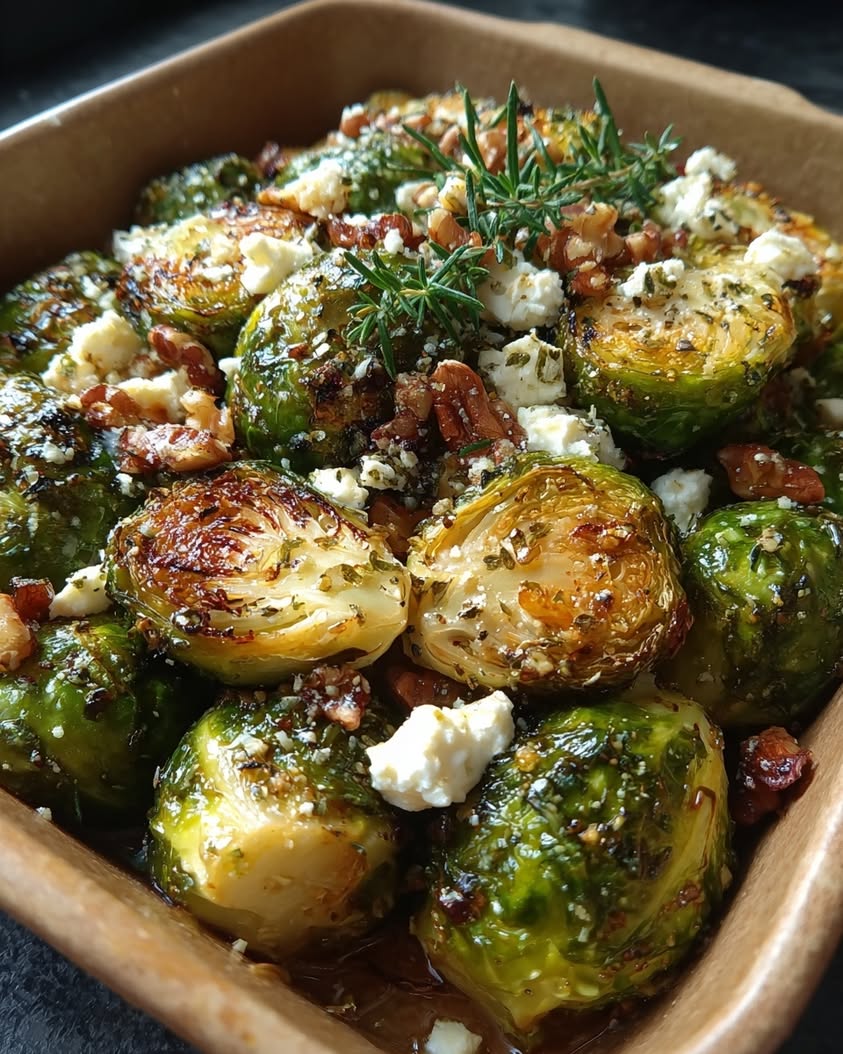
Caramelized Brussels Sprouts with Feta, Walnuts & Hot Honey Drizzle: The Perfect Easy, Gourmet Side Dish
Imagine a side dish that steals the spotlight at any dinner table. These caramelized Brussels sprouts with feta, walnuts, and hot honey drizzle deliver exactly that. They transform the humble sprout into a symphony of textures and flavors. Each bite offers a crispy, caramelized edge, a tender interior, and a delightful crunch from toasted walnuts. Meanwhile, the creamy, salty feta provides a perfect counterpoint to the sweet and spicy hot honey. Ultimately, this dish is a guaranteed crowd-pleaser that will make even the most ardent Brussels sprout skeptic ask for seconds.
This recipe is a masterclass in balancing contrasts. The natural bitterness of the Brussels sprouts mellows beautifully through the caramelization process. Consequently, it creates a deep, nutty, and almost sweet foundation. The hot honey drizzle is the star of the show, adding a layer of complexity that is both warming and irresistible. Furthermore, this dish comes together with minimal effort, using mostly pantry staples. It is perfect for a busy weeknight yet elegant enough for your holiday feast. In short, it is the versatile side dish you will find yourself making again and again.
The visual appeal is undeniable. Picture a vibrant green and golden-brown medley speckled with creamy white feta and toasted walnut pieces. Finally, a glossy, amber hot honey drizzle cascades over the top, tying everything together. The aroma that fills your kitchen is equally intoxicating. It is a blend of roasting vegetables, toasting nuts, and the warm scent of honey and chili. This caramelized Brussels sprouts recipe is more than just food. It is a sensory experience that promises and delivers immense satisfaction.
Quick Recipe Highlights
- Flavor Profile: This dish is a beautiful dance of sweet, savory, salty, and spicy. The deep caramelization of the sprouts brings out their natural sweetness, which pairs perfectly with the tangy feta. The hot honey drizzle adds a warm, spicy kick that elevates every component without overwhelming them.
- Texture: You get a fantastic textural contrast in every forkful. The Brussels sprouts have crispy, almost charred edges and tender, soft centers. The walnuts add a satisfying, earthy crunch, while the feta crumbles provide a creamy, cool contrast that melts in your mouth.
- Aroma: The cooking process fills your kitchen with an incredible scent. First, you smell the earthy, slightly pungent aroma of roasting Brussels sprouts. Then, the nutty fragrance of toasting walnuts joins in. Finally, the warm, sweet, and spicy notes of the hot honey create an irresistible final layer.
- Visual Appeal: This is a stunning dish to plate. The vibrant green and deep golden-brown of the sprouts create a beautiful base. The white feta crumbles and light-brown walnut pieces add visual interest and texture. The glossy, amber hot honey drizzle gives it a professional, finished look that is sure to impress.
- Skill Level Needed: This is an accessible recipe for cooks of all levels. The techniques involved—trimming, halving, roasting, and making a simple sauce—are fundamental. Therefore, even a beginner can achieve fantastic results by following the clear steps for these caramelized Brussels sprouts.
- Special Equipment: You need only basic kitchen tools. A large baking sheet, parchment paper for easy cleanup, a mixing bowl, and a small saucepan or microwave-safe bowl for the hot honey are essential. A good chef’s knife for prepping the sprouts is helpful but not specialized.
Recipe Overview
- Difficulty Level: We rate this recipe as “Easy” because it involves straightforward techniques. The most complex step is achieving proper caramelization, which largely depends on oven temperature and not overcrowding the pan. There is no intricate knife work or complicated sauce emulsions. With simple prep and hands-off roasting, anyone can create this gourmet-tasting side dish successfully.
- Category: This dish fits perfectly into several categories. Primarily, it is a standout vegetable side dish. However, it can also serve as a hearty salad topping when served at room temperature. Additionally, for a light meal, you can add a protein like grilled chicken or chickpeas directly to the mix, transforming it into a main course.
- Cuisine: While Brussels sprouts have European origins, this preparation is a modern, fusion-style dish. It borrows the caramelization technique common in American holiday cooking. Meanwhile, the use of feta nods to Mediterranean flavors, and the hot honey trend has roots in American Southern cuisine. The result is a globally inspired, contemporary recipe.
- Cost: This is a very cost-effective dish, especially considering its impressive presentation. Brussels sprouts and onions are affordable, particularly in season. Walnuts and feta are the priciest components, but a little goes a long way. The honey and chili flakes are pantry staples. Overall, you can feed four people a restaurant-quality side for a fraction of the cost of dining out.
- Season: This recipe shines brightest in the fall and winter. Brussels sprouts are at their peak sweetness after a frost, making them ideal for cold-weather cooking. The warm, comforting flavors of caramelization and hot honey are perfect for holiday tables. That said, with year-round availability, you can enjoy this delicious side dish any time you crave it.
- Occasion: Its versatility makes it suitable for countless occasions. It is elegant enough for Thanksgiving, Christmas, or a dinner party. Simultaneously, it is simple enough for a Tuesday night family meal. You can also bring it to potlucks, where it will stand out from typical sides. It is truly an all-purpose, crowd-pleasing recipe.
Why You’ll Love This Recipe
First and foremost, the taste and texture are utterly addictive. The combination of sweet, salty, creamy, and spicy hits all the right notes. Each component plays a crucial role, creating a harmonious and complex flavor profile. The crispy caramelized Brussels sprouts provide a savory base. Then, the salty feta cuts through the richness, and the crunchy walnuts add earthiness. Finally, the hot honey drizzle brings everything together with its sweet heat. Consequently, you get a side dish that is far more interesting than plain steamed vegetables. It will convert anyone who thinks they dislike Brussels sprouts.
Beyond flavor, the convenience factor is a major win. This recipe requires minimal hands-on time. After a quick prep of trimming and halving the sprouts, the oven does most of the work. The hot honey comes together in seconds. This makes it an ideal recipe for busy nights or when you are managing multiple dishes for a big meal. Furthermore, the ingredients are easy to find. You likely have olive oil, salt, pepper, and honey already. You just need to pick up fresh Brussels sprouts, a block of feta, and some walnuts. The simplicity of preparation, contrasted with the gourmet result, is this recipe’s greatest strength.
Nutritionally, this dish is a powerhouse. Brussels sprouts are loaded with vitamins C and K, fiber, and antioxidants. They support immune function and digestive health. Walnuts contribute healthy omega-3 fatty acids, which are great for heart and brain health. Feta offers a dose of calcium and protein. Using honey as a sweetener is a more natural option compared to refined sugars. While the feta and honey add some fat and sugar, they are used in moderation as accent flavors. Therefore, you are enjoying a vegetable-forward dish that is as good for your body as it is for your taste buds.
For entertaining, this recipe is a social superstar. It looks incredibly impressive on a buffet or dinner plate, giving the appearance of a chef-crafted dish. Guests will be delighted by the unique combination of flavors. It pairs wonderfully with a wide range of mains, from roast turkey and beef to vegetarian entrees like stuffed squash. You can easily double or triple the recipe to feed a crowd. Preparing it also frees you up to socialize, as it roasts mostly unattended. In essence, it reduces host stress while maximizing guest enjoyment.
Finally, it is remarkably cost-effective and accessible. Gourmet restaurant dishes featuring similar ingredients can be pricey. Recreating this at home allows you to enjoy a luxurious taste for everyday budgets. The recipe is also highly adaptable based on what you have. For instance, you can swap pecans for walnuts or use goat cheese instead of feta. If you do not have chili flakes, a dash of hot sauce in the honey works perfectly. This flexibility ensures you can make a delicious version without a special grocery trip. It is a recipe that empowers you to cook creatively and economically.
Historical Background and Cultural Significance
The story of the Brussels sprout begins in ancient Rome, but its namesake city is Brussels, Belgium, where it was cultivated and popularized from the 16th century onward. These miniature cabbages were a cool-weather crop prized in Northern Europe for their hardiness and nutritional value. For centuries, they were often simply boiled, a preparation that unfortunately earned them a reputation for being mushy and bitter, especially when overcooked. This historical cooking method is precisely why so many people grew up disliking them. The modern culinary revolution, however, has completely rewritten their narrative, embracing techniques like roasting and sautéing to unlock their true potential.
Culturally, Brussels sprouts hold a significant place, particularly in British and American holiday traditions. In the UK, they are a quintessential component of the Christmas dinner, often served boiled with chestnuts. In the United States, they became a common Thanksgiving and Christmas side dish throughout the 20th century. Their cultural importance lies in their seasonal timing. As a late fall and winter vegetable, they are naturally available during the major holiday seasons. This association with festive gatherings has cemented their status, even as preparation methods have evolved from simple boiling to more flavorful techniques like caramelization.
The evolution of the Brussels sprout recipe is a fascinating study in changing food trends. The shift began in the late 1990s and early 2000s with the rise of food television and chef culture. Chefs started advocating for high-heat cooking methods—roasting, pan-searing, and grilling—to create caramelization. This chemical process, the Maillard reaction, transforms the sprouts’ natural sugars, creating deep, nutty, sweet flavors and a desirable crispy texture. This was a monumental shift. Suddenly, the vegetable once avoided became a sought-after menu item in trendy restaurants. The evolution continues today with creative additions like balsamic glaze, pancetta, and, as in this recipe, hot honey and feta.
Regional variations on Brussels sprouts are now endless. In the American South, you might find them cooked with bacon and a touch of maple syrup. Mediterranean versions often include lemon, garlic, and olives. Asian-inspired takes might feature a soy-sesame glaze or a sprinkle of furikake. The addition of hot honey is a relatively recent and wildly popular innovation, borrowing from the Southern and food-truck trend of spicy honey on fried chicken and pizza. This global experimentation reflects how a once-humble vegetable has become a canvas for culinary creativity. Our version with feta and walnuts sits at a delicious intersection of Mediterranean and modern American fusion.
Ingredient Deep Dive
Brussels Sprouts: Selecting the best Brussels sprouts is key. Look for small to medium-sized sprouts that feel firm and heavy for their size. The leaves should be tightly packed and vibrant green, with no significant yellowing or black spots. Smaller sprouts tend to be sweeter and more tender. Store them unwashed in an open plastic bag in your refrigerator’s crisper drawer, where they will keep for about a week. Before cooking, trim the dry stem end and remove any loose or damaged outer leaves. For a quicker cook and more caramelized edges, always cut them in half. If you need a substitution, broccolini or cauliflower florets can be roasted in a similar way, though the flavor profile will differ.
Feta Cheese: Authentic feta is a brined curd cheese from Greece, made primarily from sheep’s milk or a sheep-goat milk blend. It has a tangy, salty flavor and a crumbly yet creamy texture. For this recipe, buy a block of feta packed in brine rather than pre-crumbled cheese. The block is superior in moisture, flavor, and texture. It crumbles more beautifully and tastes fresher. Feta is a good source of calcium and protein. Store leftover feta submerged in its brine in an airtight container in the refrigerator. If you do not have feta, other crumbly cheeses like goat cheese, queso fresco, or even a sharp ricotta salata would work well as substitutes.
Walnuts: Walnuts are one of the oldest tree foods, cultivated for thousands of years across the Mediterranean and Asia. They add a rich, earthy crunch and are packed with nutrients, including omega-3 fatty acids, antioxidants, and magnesium. For the best flavor, always toast your walnuts. Toasting deepens their nutty taste and improves their crunch. You can toast them in a dry skillet over medium heat for 3-5 minutes or on the baking sheet with the sprouts for the last 5 minutes of roasting. Store walnuts in an airtight container in the freezer to prevent their oils from turning rancid. For a variation, pecans, almonds, or pine nuts would be excellent alternatives.
Hot Honey: Hot honey is a simple, transformative condiment made by infusing honey with chili peppers. While commercially available, making your own is trivial and allows you to control the heat level. The honey’s sweetness perfectly balances the chili’s spice, creating a complex syrup. Use a good-quality, pure honey for the best flavor. The chili component can be red pepper flakes, as in this recipe, or you can gently warm the honey with whole dried chiles or a few slices of fresh jalapeño. The heat level is customizable. For a milder drizzle, use less chili flake; for more fire, add a pinch of cayenne. Store leftover hot honey in a sealed jar at room temperature.
Common Mistakes to Avoid
- Overcrowding the Pan: This is the number one mistake. If the sprouts are piled on top of each other, they will steam instead of roast. You need space for moisture to evaporate so the edges can properly caramelize and crisp. Always use a large enough baking sheet and spread the sprouts in a single layer.
- Not Drying the Sprouts: After washing your Brussels sprouts, you must dry them thoroughly. Excess water on the leaves will create steam in the oven, again preventing that crucial crispy, caramelized texture. Pat them completely dry with a clean kitchen towel or salad spinner before tossing with oil.
- Using Old or Large Sprouts: Old, large Brussels sprouts tend to be more bitter and woody. They also have a stronger, sometimes unpleasant odor when cooking. Always choose fresh, smaller sprouts for a sweeter, more tender result. The core of a large sprout can remain hard even when the leaves are cooked.
- Skipping the Toast on the Walnuts: Raw walnuts can taste somewhat bland and have a softer texture. Taking the extra five minutes to toast them unlocks a deeper, richer flavor and provides a more satisfying crunch that stands up to the other components of the dish.
- Adding the Feta Before Roasting: Feta should always be added after the sprouts come out of the oven. If baked, it will melt into a greasy pool and lose its distinct creamy-crumbly texture. The contrast of cool, tangy feta against the hot sprouts is part of the magic.
- Burnt Honey: When making the hot honey, be very careful not to overheat it, especially in the microwave. Honey can burn quickly and become bitter. Heat it just until it is warm and runny enough to drizzle, usually 15-20 seconds in the microwave or a minute on the stovetop on low.
- Underseasoning: Vegetables need ample seasoning. Do not be shy with the salt and pepper before roasting. The seasoning should penetrate the sprouts as they cook. Remember, the feta adds saltiness later, but the sprouts themselves need to be well-seasoned from within.
- Not Facing the Cut-Side Down: For maximum caramelization, place the halved sprouts cut-side down on the baking sheet. This creates a flat surface that makes direct contact with the hot pan, leading to a beautifully browned, crispy sear on that side.
Essential Techniques
Caramelization (The Maillard Reaction): This is the non-negotiable technique for perfect Brussels sprouts. It is a chemical reaction between amino acids and reducing sugars that gives browned food its complex flavor. For successful caramelization, you need high, dry heat (400°F is ideal), enough oil to coat, and space on the pan. The visual cues are clear: the cut sides and outer leaves will turn a deep, golden brown, and the edges may become slightly frizzled and crispy. The pitfall is low heat or steaming, which results in soggy, boiled-tasting sprouts. Mastering this simple technique transforms the entire vegetable.
Proper Vegetable Prep (Trimming & Halving): How you prepare the sprouts directly impacts cooking time and texture. First, trim off the dry, woody stem end. Then, remove any loose, yellow, or damaged outer leaves—these burn easily. Finally, cut each sprout in half from stem to top. Halving is crucial because it creates a large, flat surface area for caramelization and ensures the core cooks through evenly. For very large sprouts, you may even quarter them. Consistent sizing is also key; try to halve them so all pieces are roughly the same size for even roasting.
Infusing Honey with Heat: This technique is about gently marrying two flavors. The goal is to warm the honey just enough to thin its consistency and allow the capsaicin from the chili flakes to dissolve and disperse. You do not want to cook or boil the honey, as high heat can degrade its delicate flavors and cause burning. The method is simple: combine honey and chili flakes in a heatproof container and warm briefly. Let it sit for a few minutes off the heat to infuse. The success cue is a honey that pours easily and has a uniform, warm spice throughout, not just chunks of flake.
Pro Tips for Perfect Caramelized Brussels Sprouts
Preheat Your Baking Sheet: For an extra-crispy start, place your empty baking sheet in the oven as it preheats. Carefully add the oiled sprouts to the hot pan. This gives an immediate sear, mimicking the effect of a skillet and jumpstarting the caramelization process.
Use High-Heat Oil: Always use an oil with a high smoke point for roasting, such as avocado oil, grapeseed oil, or refined olive oil. Extra virgin olive oil can burn at 400°F, potentially creating off-flavors and smoke in your kitchen.
Toss with a Touch of Sweetness: For even deeper caramelization, toss the halved sprouts with a teaspoon of maple syrup or brown sugar along with the oil. This adds a tiny amount of extra sugar to the Maillard reaction, promoting more browning and a richer flavor.
Add Aromatics to the Pan: Scatter a few whole, peeled garlic cloves or sliced shallots onto the baking sheet with the sprouts. They will roast alongside, becoming sweet and tender, and can be mixed in for an additional layer of flavor.
Finish with Acid: A small squeeze of fresh lemon juice or a drizzle of balsamic glaze over the finished dish just before serving can brighten all the flavors and cut through the richness, adding another dimension of taste.
Reserve Some Toppings: When serving for a dinner party, reserve a small handful of the feta crumbles, walnuts, and a spoonful of hot honey. Sprinkle and drizzle these over the top of the plated dish for a beautiful, fresh presentation that highlights the ingredients.
Variations and Adaptations
Regional Variations: Travel your taste buds by adapting the toppings. For a Southern twist, use crumbled cooked bacon and a maple-sriracha drizzle instead of hot honey. For a Mediterranean vibe, add chopped Kalamata olives, sun-dried tomatoes, and a lemon-oregano vinaigrette. An Asian-inspired version could feature a miso-sesame glaze, toasted sesame seeds, and a sprinkle of scallions.
Seasonal Adaptations: In spring, incorporate roasted asparagus tips or fresh peas. Summer versions can include sweet corn kernels or cherry tomatoes added in the last 10 minutes of roasting. For a heartier winter dish, add cubed roasted butternut squash or sweet potato to the pan.
Dietary Modifications: For a vegan version, omit the feta or use a vegan feta alternative, and ensure your honey substitute is agave nectar or maple syrup. To make it nut-free, replace walnuts with roasted pumpkin seeds (pepitas) or sunflower seeds. For a Paleo version, omit the cheese and use a compatible sweetener like pure maple syrup in the hot honey.
Flavor Variations: Change up the cheese! Try crumbled goat cheese for tang, shaved Parmesan for umami, or blue cheese for a bold punch. Experiment with different nuts like pecans, hazelnuts, or pistachios. Infuse the oil with rosemary or thyme before tossing with the sprouts for an herbal note.
Texture Modifications: If you love extra crunch, add panko breadcrumbs tossed in a little oil to the pan for the last 5-7 minutes of roasting until golden. For a softer, more salad-like dish, let the roasted sprouts cool slightly and toss them with baby spinach or arugula before adding the toppings—the warm sprouts will gently wilt the greens.
Presentation Alternatives: Serve individual portions in small bowls or on appetizer plates as a starter. Skewer caramelized sprout halves with chunks of feta and walnut pieces on toothpicks for a passed hors d’oeuvre. Alternatively, pile the mixture onto a creamy base like polenta or mashed potatoes for a decadent vegetarian main.
Serving and Presentation Guide
Plating Techniques: For a family-style presentation, use a wide, shallow platter or a rustic wooden board. Pile the hot caramelized Brussels sprouts in the center. Then, artfully scatter the feta crumbles and toasted walnuts over the top. Finally, use a spoon to drizzle the hot honey in zig-zags or concentric circles. For individual plates, use a ring mold or simply create a neat mound in the center of each plate, following the same topping order.
Garnishing Ideas: Beyond the core ingredients, fresh herbs add color and freshness. A sprinkle of chopped fresh parsley, dill, or chives provides a green pop. For more color, add a few pomegranate arils in the winter or edible flowers in the spring. A final flake of sea salt, like Maldon, adds a textural crunch and highlights the flavors.
Traditional Accompaniments: This side dish is a classic partner for roasted meats. It pairs wonderfully with holiday turkey, roast chicken, prime rib, or baked ham. The sweet and savory elements complement the richness of the meat beautifully. It also stands up well to hearty vegetarian mains like mushroom Wellington or lentil loaf.
Modern Serving Suggestions: Think beyond the dinner plate. Serve it at room temperature as a standout salad or grain bowl topping. Spoon it over creamy ricotta or labneh on toasted bread for a next-level crostini. Add a soft-boiled or poached egg on top to transform it into a luxurious brunch item.
Temperature Considerations: This dish is best served warm. The feta should be cool from the fridge, providing a pleasant temperature contrast. The hot honey should be warm and fluid for easy drizzling. If you need to hold the dish, keep the roasted sprouts warm in a low oven (200°F) and add the cheese, nuts, and honey just before serving to maintain optimal textures.
Portion Control Tips: As a side dish, plan for about 1/2 pound of raw Brussels sprouts per person. This recipe yields four generous servings. If serving as part of a large holiday spread with many other sides, you can stretch it to 6 servings. When doubling for a crowd, use two baking sheets and rotate them in the oven halfway through for even cooking.
Wine and Beverage Pairing
Wine Pairings: The sweet, savory, and spicy notes in this dish call for versatile wines. A crisp, unoaked white wine like Sauvignon Blanc or Pinot Grigio cuts through the richness and complements the tangy feta. For red wine lovers, a light-bodied, low-tannin red such as Pinot Noir or Beaujolais works beautifully—its fruity notes harmonize with the caramelization without clashing with the spice. An off-dry Riesling is another fantastic choice, as its hint of sweetness mirrors the honey and balances the heat.
Non-Alcoholic Alternatives: Sparkling water with a squeeze of lemon or lime provides a clean, palate-cleansing effervescence. For something more crafted, try a ginger beer—its spicy-sweet profile echoes the hot honey. An iced herbal tea, like mint or chamomile, can be very soothing alongside the dish. A tart cherry or pomegranate juice spritzer also offers a fruity counterpoint that stands up to the bold flavors.
Coffee/Tea Pairings: While not a typical pairing for a side dish, if serving this as part of a brunch, a medium-roast coffee with low acidity would complement the earthy, nutty elements. A smoky Lapsang Souchong tea could create an interesting flavor bridge with the caramelized notes. For after-dinner, a cup of mint tea would be a refreshing finish.
Temperature Considerations: Serve white wines and non-alcoholic sparklers well-chilled. Light reds like Pinot Noir are best served slightly cooler than room temperature, around 55-60°F. This slight chill helps maintain their freshness against the warm, flavorful dish.
Serving Suggestions: Always offer water on the table. The salt from the feta and the spice from the honey make staying hydrated important. If serving wine, pour a taste before the dish arrives to cleanse the palate. Encourage guests to take a sip of their beverage between bites to reset their taste buds and fully appreciate the complex layers of the caramelized Brussels sprouts.
Storage and Shelf Life
Storage Methods: Store leftover caramelized Brussels sprouts in an airtight container in the refrigerator. It is best to store the components separately if possible. Keep the roasted sprouts in one container, and store the feta, walnuts, and hot honey in their own containers. This prevents the sprouts from becoming soggy and the walnuts from losing their crunch. If stored combined, expect the textures to soften.
Temperature Requirements: All components must be refrigerated at or below 40°F. The hot honey, however, can be stored at room temperature in a sealed jar if you prefer a thicker consistency. Refrigeration will cause the honey to solidify, so you will need to gently re-warm it before using.
Container Recommendations: Use glass containers with tight-fitting lids for the sprouts to prevent odor absorption. A small mason jar is perfect for the hot honey. Keep walnuts in a sealed bag or container to maintain freshness.
Signs of Spoilage: Discard the sprouts if they develop an off, sour smell, become slimy, or show visible mold. Feta that smells excessively sour or develops an unusual color should be thrown out. Walnuts that taste bitter or rancid are spoiled.
Reheating Instructions: To reheat the sprouts while preserving some crispness, use an oven or toaster oven. Spread them on a baking sheet and warm at 350°F for 5-10 minutes. Avoid the microwave, as it will make them very soggy. Add fresh feta, walnuts, and hot honey after reheating.
Freezing Guidelines: Freezing is not recommended for this assembled dish. The texture of the Brussels sprouts becomes mushy and watery upon thawing. The dairy and nuts also do not freeze well in this context. It is best enjoyed fresh or refrigerated for short-term leftovers.
Make Ahead Strategies
Prep Timeline: You can prep several components 1-2 days in advance. Wash, trim, and halve the Brussels sprouts. Store them in a sealed container or zip-top bag with a paper towel to absorb moisture. Toast the walnuts and store them at room temperature. Crumble the feta and keep it refrigerated. Make the hot honey and store it in a jar.
Storage Between Steps: Keep pre-prepped sprouts dry and cold. Keep nuts in an airtight container away from light and heat to prevent staleness. Keep feta covered in the fridge. The hot honey is stable at room temp or in the fridge.
Quality Impact Assessment: Pre-prepping the sprouts has minimal impact on quality, especially if kept dry. Toasted nuts may soften slightly but will still be flavorful. The hot honey’s flavor may even improve as the spice infuses further. The only element that must be done last-minute is the actual roasting to ensure maximum crispness.
Assembly Tips: On the day of serving, simply toss your prepped sprouts with oil and seasoning, then roast. While they roast, you can pull your other components from the fridge to come to temperature (the feta is best served cool, not ice-cold). This streamlined process makes dinner or entertaining stress-free.
Reheating Guidelines: If you must roast ahead, let the sprouts cool completely after roasting, then store. Reheat in a 400°F oven for 5-8 minutes to re-crisp before adding toppings. They will not be quite as perfect as fresh-from-the-oven, but this method is far superior to microwaving.
Fresh Element Additions: Always add the feta, walnuts, and hot honey drizzle just before serving. This ensures the feta stays distinct, the nuts stay crunchy, and the honey maintains its glossy appearance. You can also add a final sprinkle of fresh herbs or flaky salt at this time for peak freshness.
Scaling Instructions
Halving the Recipe: Halving is straightforward for smaller servings. Use 1/2 pound of Brussels sprouts and proportionally reduce all other ingredients by half. You can use a standard baking sheet; just keep the sprouts in a single layer. The cook time may decrease by 3-5 minutes, so start checking for doneness around the 18-minute mark.
Doubling or Tripling: To feed a crowd, simply multiply all ingredients. The critical adjustment is equipment: you must use multiple baking sheets. Do not pile the sprouts onto one sheet. Roast on separate racks and rotate the sheets top-to-bottom and front-to-back halfway through cooking to ensure even caramelization. You may need to add a few extra minutes to the total cook time.
Equipment Adjustments: When scaling up, ensure your oven can accommodate multiple sheets with adequate air circulation. If not, roast in batches. Keep the first batch warm in a 200°F oven while the second cooks. For very large batches, consider using the convection setting if your oven has it, which promotes better browning and may reduce cook time slightly.
Timing Modifications: Larger quantities do not linearly increase cook time because oven temperature remains constant. However, a more crowded oven (with multiple sheets) can affect airflow and heat distribution, potentially adding 5-7 minutes. Always rely on visual cues—deep golden-brown color and tender stems—rather than strictly on the clock.
Storage Considerations: If making a large batch for leftovers, store components separately as described in the storage section. Consider only dressing the portion you plan to serve immediately to keep the rest of the roasted sprouts versatile for other uses throughout the week.
Nutritional Deep Dive
Macro Breakdown: This dish is primarily a source of healthy fats and complex carbohydrates. The olive oil and walnuts provide monounsaturated and polyunsaturated fats, which support heart health. The Brussels sprouts are a low-calorie source of fiber and complex carbs. The feta contributes protein and a modest amount of saturated fat. The honey adds simple sugars, but used as a drizzle, the quantity per serving is small. Overall, it is a balanced side dish that provides sustained energy.
Micronutrient Analysis: Brussels sprouts are exceptionally rich in vitamin K (important for blood clotting and bone health) and vitamin C (a powerful antioxidant). They also provide folate, potassium, and manganese. Walnuts are a top source of plant-based omega-3 fatty acids (ALA) and contain magnesium and phosphorus. Feta cheese offers calcium, phosphorus, and vitamin B12. Together, they create a nutrient-dense profile that supports multiple bodily systems.
Health Benefits: The combination of fiber from sprouts, healthy fats from nuts and oil, and antioxidants from all components promotes digestive health, reduces inflammation, and supports cardiovascular function. The low glycemic impact of the sprouts, paired with fat and protein from feta and nuts, helps regulate blood sugar levels, preventing spikes and crashes.
Dietary Considerations: This recipe is naturally vegetarian and gluten-free. It can be adapted to be vegan (swap honey and feta) and nut-free (swap walnuts for seeds). Those on a low-sodium diet can reduce the amount of feta or use a lower-sodium variety. For low-carb or keto diets, reduce the amount of honey or use a sugar-free syrup alternative and monitor the portion of Brussels sprouts to fit within daily carb limits.
Portion Analysis: One serving (approximately one-quarter of the recipe) is a satisfying side dish portion. It is calorically dense due to the oil, nuts, and cheese, so it is filling. As part of a balanced meal with a lean protein and perhaps a
Print
Caramelized Brussels Sprouts with Feta, Walnuts & Hot Honey Drizzle
Description
A sweet, spicy, and savory side dish featuring crispy caramelized Brussels sprouts, creamy feta, crunchy walnuts, and a zesty hot honey drizzle.
Ingredients
For the Crust:
- 1 lb Brussels sprouts, trimmed and halved
- 2 tbsp olive oil
- 1/2 tsp salt
- 1/4 tsp black pepper
- 1/4 cup walnuts, roughly chopped
- 1/4 cup crumbled feta cheese
- 2 tbsp honey
- 1/2 tsp red pepper flakes
- 1 tbsp lemon juice
Instructions
1. Prepare the Crust:
- Preheat oven to 400°F (200°C). Toss Brussels sprouts with olive oil, salt, and pepper on a baking sheet.
- Roast for 20-25 minutes, stirring halfway, until caramelized and tender.
- While sprouts roast, toast walnuts in a dry skillet over medium heat for 3-5 minutes until fragrant. Set aside.
- In a small bowl, mix honey and red pepper flakes. Microwave for 15 seconds or warm slightly to combine.
- Transfer roasted Brussels sprouts to a serving dish. Top with toasted walnuts, feta, and a drizzle of hot honey. Finish with lemon juice.
Notes
You can customize the seasonings to taste.

I’m Shaykee—born in Morocco, seasoned across continents. From airplane galleys to home kitchens, I share the flavors and stories that shaped my journey.