
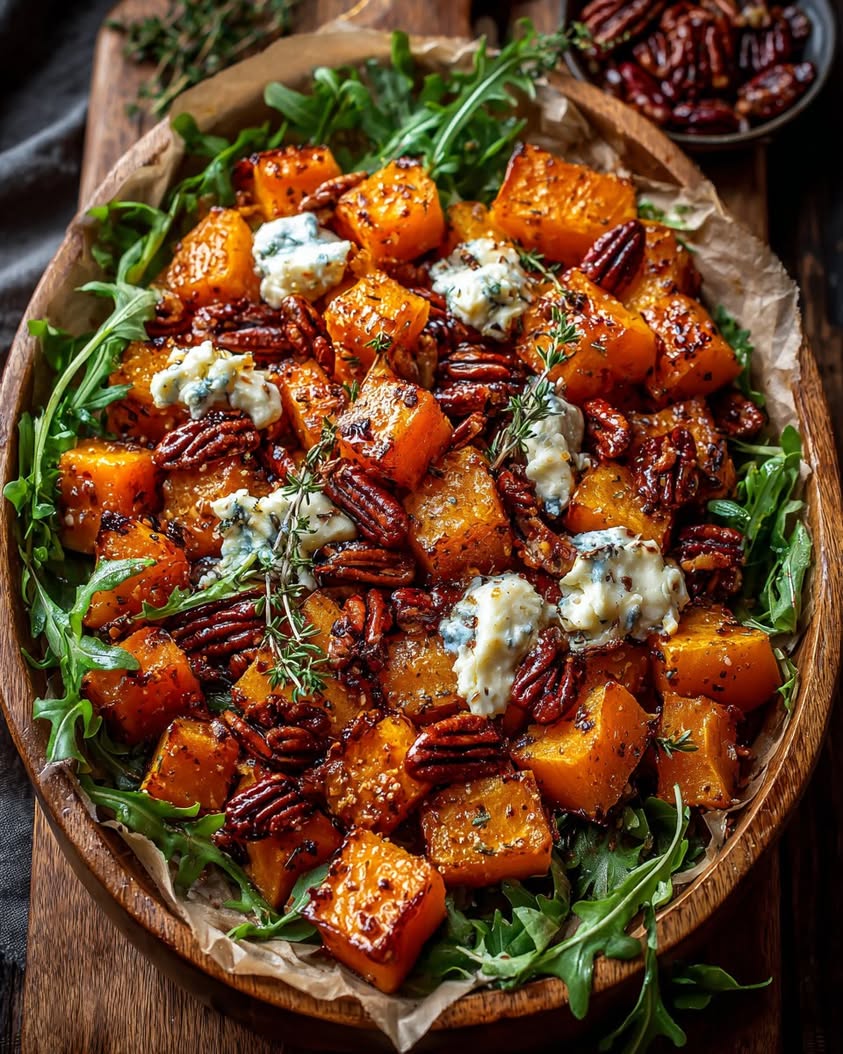
Caramelized Butternut Squash with Brie & Hot Honey Pecans: A Sweet, Savory, and Spicy Fall Masterpiece
Imagine a dish that captures the very essence of autumn on a single plate. This recipe for caramelized butternut squash with brie and hot honey pecans does exactly that. It transforms humble seasonal produce into a show-stopping side dish or elegant appetizer. The process involves roasting cubes of squash until their natural sugars concentrate and their edges turn a deep, flavorful brown. Subsequently, you top this sweet, tender base with creamy, melted brie cheese. Finally, a generous sprinkle of spicy-sweet honey pecans adds the perfect crunchy, fiery finish.
This caramelized butternut squash recipe is a guaranteed crowd-pleaser for any fall gathering. It balances sweet, savory, creamy, and spicy elements in every single bite. The visual appeal is equally impressive, featuring vibrant orange squash, oozy white cheese, and glossy pecans. Whether you serve it for a cozy family dinner or as the star of your holiday table, this dish promises to become an instant classic. Moreover, it demonstrates how a few quality ingredients can create something truly extraordinary with minimal effort.
Quick Recipe Highlights
- Flavor Profile: This dish delivers a complex symphony of tastes. You experience the deep, caramelized sweetness of the roasted squash first. Next, the rich, buttery flavor of the melted brie cheese provides a savory contrast. Finally, the hot honey pecans introduce a spicy kick and a lingering sweetness that ties everything together beautifully.
- Texture: The texture journey is equally delightful. You get perfectly tender, almost creamy squash cubes with delightfully chewy, caramelized edges. The melted brie adds a luxurious, gooey element that coats the squash. Meanwhile, the toasted pecans contribute a crucial, satisfying crunch that prevents the dish from feeling one-dimensional.
- Aroma: As this dish cooks, your kitchen will fill with an irresistible fragrance. Initially, you smell the earthy, sweet scent of roasting squash and warming cinnamon. Then, as the brie melts, its nutty, creamy aroma blends in. Finally, the toasting pecans with hot honey release a warm, spicy, and sweet scent that is utterly mouthwatering.
- Visual Appeal: This recipe is a feast for the eyes with its stunning color and texture contrast. The bright orange squash creates a vibrant base. The melted, creamy white brie cheese drapes over it in beautiful pools. Additionally, the glossy, amber-colored pecans sprinkled on top add visual depth and a promise of crunch, making it perfect for photographing or impressing guests.
- Skill Level Needed: This is an accessible recipe for cooks of all levels. The techniques are straightforward, primarily involving chopping, roasting, and simple assembly. Importantly, there is no intricate pastry work or complex sauce-making. Consequently, even a beginner can achieve spectacular, restaurant-quality results with careful attention to the roasting time.
- Special Equipment: You need only basic kitchen tools. A sturdy baking sheet, a sharp chef’s knife for cutting the squash, and a small bowl for mixing the pecans are essential. Parchment paper or a silicone baking mat is highly recommended for easy cleanup and to prevent the honey from sticking to the pan.
Recipe Overview
- Difficulty Level: We rate this caramelized butternut squash recipe as “Easy” for several key reasons. The steps are sequential and simple: prepare the squash, roast it, prepare the topping, and assemble. There is no fussy technique like making a roux or tempering eggs. The most challenging part is safely cutting the squash, which you can often bypass by purchasing pre-cubed squash from the grocery store.
- Category: This versatile dish fits multiple categories beautifully. It shines as a standout holiday side dish alongside roast turkey or ham. Alternatively, you can present it as a gourmet appetizer on a shared platter with crusty bread. For a vegetarian feast, it can even serve as a rich and satisfying main course when paired with a hearty grain salad.
- Cuisine: While not tied to one specific tradition, this recipe draws inspiration from modern American fall cuisine. It utilizes the iconic seasonal produce of North America, the butternut squash. The use of hot honey adds a contemporary, artisanal twist popular in current culinary trends. Furthermore, the combination of sweet, fat, and heat is a beloved hallmark of innovative American cooking.
- Cost: This dish offers gourmet flavor at a reasonable cost, especially during peak squash season. Butternut squash is typically an inexpensive vegetable. A small wedge of brie and a handful of pecans are the only splurge items. Overall, you can create this impressive dish for a fraction of the cost of a similar offering at a restaurant, making it a cost-effective choice for entertaining.
- Season: This recipe is quintessentially autumnal. Butternut squash is at its peak sweetness and affordability from early fall through winter. The warm spices like cinnamon complement the cooler weather perfectly. Moreover, the rich, comforting nature of the dish makes it ideal for harvest celebrations, Thanksgiving, and cozy October and November dinners.
- Occasion: It is perfect for any occasion that calls for special, comforting food. It is an undeniable star on the Thanksgiving or Christmas table. Similarly, it elevates a simple weeknight dinner into something celebratory. It also makes a fantastic, shareable dish for a fall potluck or a festive appetizer for a Friendsgiving gathering.
Why You’ll Love This Caramelized Butternut Squash Recipe
First and foremost, the taste and texture combination is utterly addictive. Each forkful delivers a perfect balance. You get the deep, almost nutty sweetness of the caramelized squash, which is then cut through by the luxurious, tangy fat of the melted brie. Suddenly, the spicy-sweet crunch of the honey pecans interrupts, creating a dynamic eating experience that keeps you coming back for more. This dish manages to be rich and comforting without feeling heavy or overly decadent. It satisfies the craving for something special while still feeling grounded in wholesome, real ingredients.
From a convenience standpoint, this recipe is a dream for busy cooks. The active prep time is minimal; most of the work is done by your oven. You can easily cube the squash ahead of time, or use pre-cut squash to save even more minutes. The assembly is simple and forgiving. Furthermore, the ingredients are easy to find at any standard supermarket, with no obscure or expensive specialty items required. This accessibility means you can decide to make this stunning dish on a whim without a special shopping trip.
Nutritionally, this caramelized butternut squash dish offers several benefits. Butternut squash is a powerhouse of vitamins, particularly vitamin A in the form of beta-carotene, which is excellent for eye health and immunity. It also provides a good amount of fiber, aiding digestion. While brie is a richer cheese, it provides protein and calcium. Pecans add healthy fats, protein, and minerals like manganese. When enjoyed as part of a balanced meal, this dish contributes valuable nutrients alongside its incredible flavor.
For social and entertaining value, this recipe is a true winner. Its visual “wow” factor is immediate, making it a fantastic conversation starter at any dinner party or potluck. It appeals to a wide range of palates, bridging the gap between those who love savory dishes and those with a sweet tooth. Because it can be served as a side or an appetizer, it offers flexibility in your menu planning. Guests will consistently ask for the recipe, allowing you to share the joy of this simple yet spectacular creation.
Finally, this dish is remarkably cost-effective and accessible. Butternut squash is one of the most affordable vegetables, especially in autumn. A small wheel of brie and a bag of pecans are investments that yield a high return in perceived luxury. Compared to ordering an elaborate side dish at a restaurant or buying a pre-made gourmet appetizer, making this caramelized butternut squash at home saves significant money. This affordability means you can enjoy gourmet flavors regularly, turning an ordinary meal into a festive celebration without straining your budget.
Historical Background and Cultural Significance
The story of this dish begins with its central ingredient: the butternut squash. This particular variety, known for its sweet, nutty flavor and smooth texture, is a relatively modern cultivar. It was developed in the 1940s in Stow, Massachusetts, by Charles Leggett. He crossed the gooseneck squash with other varieties to create a squash with a more manageable shape and thinner skin. Consequently, the butternut squash quickly gained popularity across North America for its versatility and excellent storage qualities. Its rise paved the way for it to become a staple of fall and winter cuisine, featuring in everything from soups to pies and, of course, roasted side dishes.
Culturally, squash holds immense significance for Indigenous peoples across the Americas. Alongside corn and beans, squash forms the “Three Sisters,” a foundational agricultural and dietary system. These three crops were planted together because they support each other’s growth. The squash vines provided ground cover to reduce weeds and retain moisture. For many tribes, squash was and remains a vital source of nutrition through harsh winters. When we cook with butternut squash today, we are participating in a culinary tradition that stretches back centuries, honoring a native ingredient that sustained communities long before modern ovens existed.
The evolution of this specific recipe reflects broader trends in modern American cooking. The concept of roasting vegetables to caramelize their sugars became a widespread technique promoted by home cooks and chefs alike in the late 20th century. Adding cheese to roasted vegetables is a natural, delicious progression. The introduction of “hot honey” as a popular condiment in the 2010s, notably from brands like Mike’s Hot Honey, provided the final, contemporary twist. This recipe is a fusion: it takes an ancient ingredient, applies a classic French cheese, and finishes it with a trendy, artisanal American condiment. It is a perfect example of how cuisine continuously evolves by blending tradition with innovation.
Regional variations of roasted squash dishes abound, showcasing local ingredients and preferences. In the Southern United States, roasted squash might be seasoned with smoked paprika and paired with pecans in a praline-style glaze. In New England, maple syrup often replaces honey for a different kind of autumnal sweetness. Mediterranean versions might use rosemary and feta cheese instead of cinnamon and brie. Some Italian renditions could include a drizzle of balsamic glaze. This global adaptability highlights the squash’s neutral yet flavorful canvas, which readily accepts a wide array of cultural flavor profiles, from spicy to herbal to sweet and tangy.
Ingredient Deep Dive
Butternut Squash is the hearty foundation of this dish. This winter squash, with its bell-shaped bottom and long neck, originated in the Americas. Cultivated for thousands of years by Indigenous peoples, it was a crucial stored food source. Nutritionally, it is exceptionally rich in beta-carotene, which the body converts to vitamin A. It also provides vitamin C, potassium, and fiber. When selecting a squash, look for one that feels heavy for its size with a firm, matte skin free of soft spots or cracks. A beige-colored skin indicates ripeness. Store whole squash in a cool, dark place for up to 3 months. Once cut, wrap it tightly and refrigerate for up to 5 days. For a substitution, sweet potato or acorn squash would work well, though cooking times may vary slightly.
Brie Cheese brings the luxurious, creamy element. This soft, surface-ripened cheese hails from the Île-de-France region near Paris, with a history dating back to the 8th century. Its name comes from the Brie region where it was originally created. It is made from cow’s milk and has an edible, bloomy rind. Nutritionally, brie provides a good source of protein, calcium, and phosphorus, though it is also high in saturated fat. When selecting brie, choose a wheel that feels slightly soft to the touch at room temperature, indicating ripeness. Avoid any with an ammonia smell. Store brie in the refrigerator in its original wrapper or wax paper. For a dairy-free version, a high-quality vegan camembert-style cheese or a dollop of thick cashew cream can mimic the creamy texture, though the flavor profile will differ.
Pecans are the essential crunchy topping with a spicy-sweet glaze. Native to North America, pecans were a staple food for Native American tribes in the central and southern United States. The name “pecan” comes from an Algonquian word meaning “a nut requiring a stone to crack.” They are rich in healthy monounsaturated fats, which can help lower bad cholesterol. They also contain antioxidants and minerals like manganese. For the best flavor, always buy raw pecans and toast them yourself. Look for plump, uniform nuts without any signs of shriveling or dark spots. Store pecans in an airtight container in the refrigerator or freezer to prevent their oils from turning rancid. For a substitution, walnuts would be the closest match, though their flavor is more bitter. Almonds or pepitas would also provide a nice crunch.
Hot Honey is the modern magic that elevates the entire dish. While honey itself is ancient, the trend of infusing it with chili peppers is a relatively recent artisanal creation. It combines the natural sweetness of honey with the capsaicin heat from chilies, creating a complex condiment. Honey offers trace amounts of antioxidants and can have local antimicrobial properties depending on its source. When buying hot honey, look for products with simple ingredients: honey and chilies. You can also easily make your own by gently warming honey with dried chili flakes or fresh sliced chilies. For a substitution, you can combine regular honey with a pinch of cayenne pepper or a drizzle of chili crisp oil. Maple syrup with a dash of hot sauce is another excellent alternative, especially for a vegan version.
Common Mistakes to Avoid
- Unevenly Cubed Squash: Cutting the squash into wildly different sizes is a primary error. Consequently, smaller pieces will burn before larger pieces are tender. Always aim for uniform ¾-inch to 1-inch cubes for even cooking and consistent caramelization on every piece.
- Overcrowding the Pan: Dumping all the squash onto one crowded baking sheet steams the vegetables instead of roasting them. For proper caramelization, the squash needs space for moisture to evaporate. Use two pans if necessary to ensure each piece has room to breathe and brown.
- Underseasoning the Squash: Relying solely on the toppings for flavor is a missed opportunity. The squash itself needs a generous seasoning of salt and pepper before roasting. This step builds layers of flavor from the inside out, ensuring the vegetable is delicious on its own.
- Adding the Brie Too Early: Placing the brie on the squash before the final few minutes of baking is a common blunder. The cheese will over-melt, separate, and become greasy instead of staying creamy. Add it just for the last 3-5 minutes of oven time to achieve a perfect, soft melt.
- Burning the Pecans: Toasting nuts requires constant vigilance because they can go from golden to burnt in seconds. Always toast pecans in a dry pan over medium-low heat, shaking frequently. Remove them from the pan immediately after toasting to stop the carryover cooking.
- Using Cold Brie: Attempting to slice or cube cold brie straight from the fridge is messy and difficult. The rind can tear, and the cold center is hard to cut. Let the brie sit at room temperature for 20-30 minutes before handling for cleaner, easier slicing.
- Skipping the Oil on the Squash: Forgetting to toss the squash cubes with oil prevents proper caramelization and causes sticking. The oil conducts heat, encourages browning, and helps the seasonings adhere. Use a high-heat oil like avocado or grapeseed for best results.
- Not Tossing the Squash Midway: Leaving the squash untouched for the entire roasting time leads to uneven browning. At least once during cooking, use a spatula to flip and move the pieces around. This ensures all sides get exposure to the hot pan surface for uniform color and texture.
Essential Techniques
Caramelization: This is the most critical technique in the recipe. Caramelization is the process where the natural sugars in the butternut squash break down and brown when exposed to high, dry heat. This reaction creates deep, complex flavors far beyond simple sweetness. To master it, ensure your oven is fully preheated and use a rimmed baking sheet to promote air circulation. A common pitfall is roasting at too low a temperature, which steams the squash instead. Look for visual cues: the squash cubes will shrink slightly, their edges will turn a dark golden brown, and the surfaces will appear dry and slightly wrinkled. The finished squash should taste intensely sweet and nutty.
Toasting Nuts: Toasting pecans is a simple but transformative step. It drives off moisture, intensifies their natural oils, and creates a richer, deeper flavor and crunchier texture. The key is gentle, patient heat. Spread the nuts in a single layer in a dry skillet over medium-low heat. Shake or stir them constantly for even toasting. The major pitfall is walking away; they burn incredibly fast. Listen for a faint cracking sound and watch for them to become fragrant. Visual cues include a slightly darker color and a shiny surface from the released oils. Immediately transfer them to a plate to stop the cooking process once done.
Pro Tips for Perfect Caramelized Butternut Squash
First, for easier cutting, microwave the whole squash for 2-3 minutes. This softens the skin and flesh slightly, making it much safer and simpler to slice through with a sharp chef’s knife. Secondly, use a vegetable peeler on the neck of the squash first, where the skin is smoother, before tackling the bulbous bottom. Thirdly, invest in a good quality, rimmed baking sheet. Darker pans promote better browning than shiny aluminum ones. Fourth, let the roasted squash sit for a minute or two after adding the hot honey pecans. This allows the flavors to meld and the honey to slightly thicken as it cools. Fifth, for a more dramatic presentation, use a whole small wheel of brie. Simply place it in the center of the hot squash for the last few minutes of baking until it softens, then let guests scoop from the center. Finally, always taste a pecan after mixing with the hot honey to gauge the spice level. You can always add an extra pinch of chili flake if you desire more heat.
Variations and Adaptations
For regional variations, consider a Southern twist by using bourbon-infused honey and candied pecans. A Mediterranean version could feature rosemary, olive oil, and crumbled feta cheese instead of brie. For seasonal adaptations, in winter, add a sprinkle of pomegranate arils for a festive, tart pop of color and flavor. In summer, you could use zucchini and yellow squash with goat cheese for a lighter take. For dietary modifications, a vegan adaptation is simple: use a vegan brie alternative and agave syrup mixed with chili oil. A gluten-free version is naturally so, requiring no changes. For flavor variations, try adding a pinch of smoked paprika to the squash before roasting, or a drizzle of aged balsamic glaze after assembly. For texture modifications, add crispy fried sage leaves or breadcrumbs for an extra layer of crunch. Presentation alternatives include serving individual portions in small ramekins or on a bed of peppery arugula to add a fresh, green element.
Serving and Presentation Guide
For plating, choose a wide, shallow bowl or a rustic wooden board for a family-style presentation. Use a large spoon to gently mound the caramelized butternut squash in the center, creating some height. Allow the melted brie to drape naturally over the sides. For garnishing, sprinkle the hot honey pecans generously over the top. You can add a final flourish with a few fresh thyme sprigs or a light dusting of flaky sea salt like Maldon to enhance the flavors. Traditional accompaniments include a simple green salad with a vinaigrette to cut the richness, or crusty bread for scooping up every last bit of cheese and honey. Modern serving suggestions involve presenting it as a topping for a fall-inspired grain bowl with farro or quinoa. Temperature considerations are crucial; serve this dish warm, not piping hot, to allow the flavors to be fully appreciated. For portion control, as a side dish, plan for about 1 cup per person. As an appetizer, a smaller scoop on crostini is perfect.
Wine and Beverage Pairing
For wine pairings, you need a bottle that can bridge the dish’s sweet, creamy, and spicy elements. An off-dry Riesling or Gewürztraminer is an excellent choice. Their slight sweetness mirrors the squash, while their acidity cuts through the brie. Alternatively, a medium-bodied Pinot Noir with its red fruit notes complements the earthiness without overpowering. For non-alcoholic alternatives, a sparkling apple cider provides festive bubbles and autumnal flavor. A ginger beer mocktail with a squeeze of lime offers spice and zest that stands up to the hot honey. If considering coffee or tea, a medium-roast coffee with nutty notes or a chai tea latte would pair wonderfully, especially for a brunch serving. Serving suggestions are straightforward: serve white wines chilled and red wines slightly below room temperature. Always offer beverages in clear glassware to complement the beautiful colors of the dish itself.
Storage and Shelf Life
For storage methods, place any leftovers in an airtight container. It is best to store the components separately if possible, but combined is acceptable. Refrigerate promptly, within two hours of cooking. For temperature requirements, always keep this dish refrigerated at 40°F or below. Container recommendations include glass containers with tight-fitting lids, which won’t absorb odors or stains from the honey and cheese. Signs of spoilage include an off or sour smell, significant separation of the brie into grainy solids and oil, or visible mold growth (different from the brie’s natural rind). For reheating instructions, gently warm portions in a 300°F oven in an oven-safe dish until heated through, about 10-15 minutes. Avoid the microwave, as it can make the squash mushy and the cheese rubbery. Freezing is not recommended for the assembled dish, as the texture of the squash and brie will become watery and unpleasant upon thawing.
Make Ahead Strategies
You can implement an efficient prep timeline to streamline your cooking day. Up to two days in advance, peel and cube the butternut squash. Store the raw cubes in an airtight container or zip-top bag in the refrigerator. The day before, you can toast the pecans and prepare the hot honey mixture, storing them separately at room temperature. For storage between steps, keep the pre-cut squash chilled and the toasted nuts in a dry, sealed container. Assess the quality impact: pre-cutting the squash may lead to minimal moisture loss but does not affect flavor. Pre-toasting nuts actually improves their flavor. For assembly tips, bring the refrigerated squash to room temperature for 20 minutes before roasting for more even cooking. Reheating guidelines are simple: only reheat the portion you plan to serve immediately to maintain texture. For fresh element additions, always add the final sprinkle of pecans and any fresh herbs just before serving to preserve their crunch and color.
Scaling Instructions
Halving the recipe is straightforward for a smaller household. Simply divide all ingredient quantities by two. Use a standard quarter sheet pan for roasting the reduced amount of squash to maintain proper spacing. Doubling or tripling the recipe for a crowd is equally simple. Multiply all ingredients accordingly. You will need to use multiple baking sheets and roast in batches or on separate oven racks, rotating the pans halfway through cooking. For equipment adjustments, when scaling up, ensure you have enough large baking sheets and mixing bowls. You may also need a larger serving platter. Timing modifications are minimal when roasting in batches; the cook time per batch remains the same. However, if crowding multiple pans in the oven at once, you may need to add 5-10 minutes to the cook time and rotate the pans more frequently. Storage considerations remain the same per portion, but you will obviously have more leftovers to manage.
Nutritional Deep Dive
A typical serving of this caramelized butternut squash recipe provides a balanced macro breakdown. It offers complex carbohydrates and fiber from the squash, healthy fats from the olive oil, pecans, and brie, and a moderate amount of protein from the cheese and nuts. The micronutrient analysis is impressive, with a single serving delivering well over 100% of your daily vitamin A needs from the squash’s beta-carotene. It also contributes vitamin C, calcium from the brie, and manganese from the pecans. Health benefits include supporting eye health, boosting immunity, and promoting healthy digestion due to the fiber content. Dietary considerations note that it is naturally gluten-free and vegetarian. For portion analysis, a 1-cup serving as a side dish is satisfying without being excessive. For weight management tips, enjoy this as a flavorful component of a balanced plate, pairing it with a lean protein and non-starchy vegetables to create a complete, satisfying meal.
Dietary Adaptations
For a gluten-free version, this recipe is naturally compliant as written. Simply ensure all packaged ingredients like hot honey are certified gluten-free. For a dairy-free adaptation, omit the brie. Instead, finish the dish with a drizzle of rich, full-fat coconut milk or a dollop of vegan cashew cheese. A vegan version combines the dairy-free adaptation with a maple syrup and chili oil mix instead of honey. For a low-carb or keto adaptation, reduce the amount of butternut squash significantly, using it more as a garnish. Increase the pecans and use a high-fat cheese. Consider substituting the squash with lower-carb vegetables like cauliflower florets, roasting them until deeply browned. A Paleo adaptation would use ghee or avocado oil, omit the cheese, and ensure the hot honey is pure without additives. For a Low-FODMAP version, carefully limit the squash portion to ½ cup per serving, as butternut squash contains higher FODMAPs in larger quantities. Use a lactose-free hard cheese instead of brie and maple syrup instead of honey.
Troubleshooting Guide
If you encounter texture issues like soggy squash, the cause is likely overcrowding or under-roasting. Solution: spread the squash in a single layer and roast until the edges are dark brown and crispy. If the brie turns oily and separates, it was heated for too long. Solution: add brie only at the very end of cooking. For flavor balance problems where the dish tastes bland, you likely underseasoned the squash before roasting. Solution: season aggressively with salt and pepper in the initial toss. If the hot honey is too mild, the chili flakes may be old. Solution: add a pinch of cayenne pepper to the honey mixture. For equipment challenges like sticking, you may have skipped parchment paper. Solution: always line your pan. For timing concerns where the pecans are done before the squash, simply prepare the pecans while the squash roasts and add them at the end. They can sit at room temperature until needed.
Recipe Success Stories
Community feedback on this caramelized butternut squash recipe has been overwhelmingly positive. Many home cooks report it becoming the most requested dish at their Thanksgiving dinner, often outshining the turkey. One reader shared that her children, who typically refuse vegetables, devoured this and asked for seconds. Variation successes include a reader who added crumbled cooked bacon to the topping for a smoky twist, which she said was a “game-changer.” Another successfully made it vegan for a mixed-diet holiday and received rave reviews from all guests. Adaptation stories often involve using different squashes; one cook used delicata squash with the skin on for even easier prep and loved the result. Reader suggestions have included serving it over polenta or stuffing it into ravioli, showcasing its versatility. Photography tips from successful posters emphasize natural light and shooting the dish while the brie is still visibly soft and gooey for the most appetizing image.
Frequently Asked Questions
Q: Can I use pre-cut butternut squash from the store?
A: Absolutely. Pre-cut squash is a fantastic time-saver for this recipe. The trade-off is that it may be slightly more expensive and sometimes drier. To compensate, ensure you coat it well with oil before roasting to prevent it from becoming too chewy.
Q: My squash isn’t browning. What did I do wrong?
A: The most common reasons are overcrowding the pan or an oven temperature that’s too low. Ensure the squash pieces have space and your oven is fully preheated. Also, avoid stirring too frequently; let them sit on the hot pan to develop a sear.
Q: Can I make this dish ahead of time?
A: You can prep components ahead, but I don’t recommend assembling it fully in advance. Roast the squash and prepare the pecans ahead. Store separately, then reheat the squash, add the brie to melt, and top with pecans just before serving for the best texture.
Q: What can I use instead of brie cheese?
A: Camembert is the closest substitute. For a stronger flavor, try goat cheese crumbles. For a milder, stringier melt, fresh mozzarella pearls could work. For a vegan option, a soft vegan cheese or even a tahini drizzle can provide creaminess.
Q: How do I safely cut a butternut squash?
A> First, microwave it for 2 minutes to slightly soften. Use a sharp, heavy chef’s knife. Slice off the top and bottom to create flat ends. Stand it upright and cut down the middle to halve it. Scoop out seeds, then lay each half flat to peel and cube.
Q: Is there a way to make this less spicy for kids?
A: Yes, simply make two batches of honey pecans. Toss half the pecans in plain warmed honey for the kids, and the other half in the hot honey for the adults. You can also reduce or omit the chili flakes in the main honey mix.
Q: Can I use frozen butternut squash?
A: I do not recommend frozen squash for this specific recipe. Frozen squash has a much higher water content. When roasted, it will release too much liquid and steam instead of caramelizing, resulting in a mushy, less flavorful final product.
Q: What main protein does this pair well with?
A> It pairs beautifully with roasted chicken, turkey, pork tenderloin, or seared salmon. The sweet and savory notes complement the mild flavor of these proteins without overpowering them. It also works wonderfully alongside vegetarian mains like stuffed portobello mushrooms.
Q: How long do leftovers last in the fridge?
A: Properly stored in an airtight container, leftovers will last for 3-4 days in the refrigerator. The texture of the squash will soften, and the pecans will lose some crunch, but the flavors will still be delicious upon gentle reheating.
Q: Can I freeze this dish?
A: Freezing is not recommended. The high water content in the squash and the dairy in the brie will separate and become grainy upon thawing. The pecans will also lose all their crunch. This is a dish best enjoyed fresh or refrigerated for a few days.
Additional Resources
For related recipes, explore other ways to use butternut squash, such as a creamy butternut squash soup with sage or a hearty butternut squash and black bean enchilada bake. If you love the sweet-and-spicy combo, try hot honey drizzled over roasted carrots or crispy pizza. For technique guides, look for tutorials on how to properly peel and cube winter squash safely, or master the art of roasting any vegetable to perfection. For ingredient information, deep dives into different cheese varieties or a guide to sourcing local, raw honey can enhance your cooking knowledge. Equipment recommendations for this recipe include a high-quality half sheet pan, a sharp Y-peeler for squash, and a microplane for zesting if you choose to add citrus. For seasonal variations, consider how to adapt this concept for spring with asparagus and goat cheese, or for summer with peaches and burrata.
PrintCaramelized Butternut Squash with Brie & Hot Honey Pecans
Description
A sweet and savory fall dish featuring tender butternut squash roasted until caramelized, topped with creamy melted brie and crunchy spicy-sweet pecans.
Ingredients
For the Crust:
- 1 medium butternut squash, peeled and cubed
- 2 tablespoons olive oil
- 1 tablespoon maple syrup
- 1 teaspoon smoked paprika
- Salt and black pepper to taste
- 4 ounces brie cheese, sliced
- 1/2 cup pecans, roughly chopped
- 2 tablespoons honey
- 1/2 teaspoon red pepper flakes
- Fresh thyme leaves for garnish
Instructions
1. Prepare the Crust:
- Preheat oven to 400°F (200°C). Line a baking sheet with parchment paper.
- In a large bowl, toss butternut squash cubes with olive oil, maple syrup, smoked paprika, salt, and pepper until evenly coated.
- Spread squash in a single layer on the baking sheet. Roast for 25-30 minutes, flipping halfway, until tender and caramelized.
- While squash roasts, combine pecans, honey, and red pepper flakes in a small skillet over medium heat. Cook for 3-4 minutes, stirring, until pecans are toasted and coated. Set aside.
- Remove squash from oven. Top with brie slices and return to oven for 3-5 minutes until brie is melted.
- Transfer to a serving dish, sprinkle with hot honey pecans and fresh thyme. Serve warm.
Notes
You can customize the seasonings to taste.

I’m Shaykee—born in Morocco, seasoned across continents. From airplane galleys to home kitchens, I share the flavors and stories that shaped my journey.