
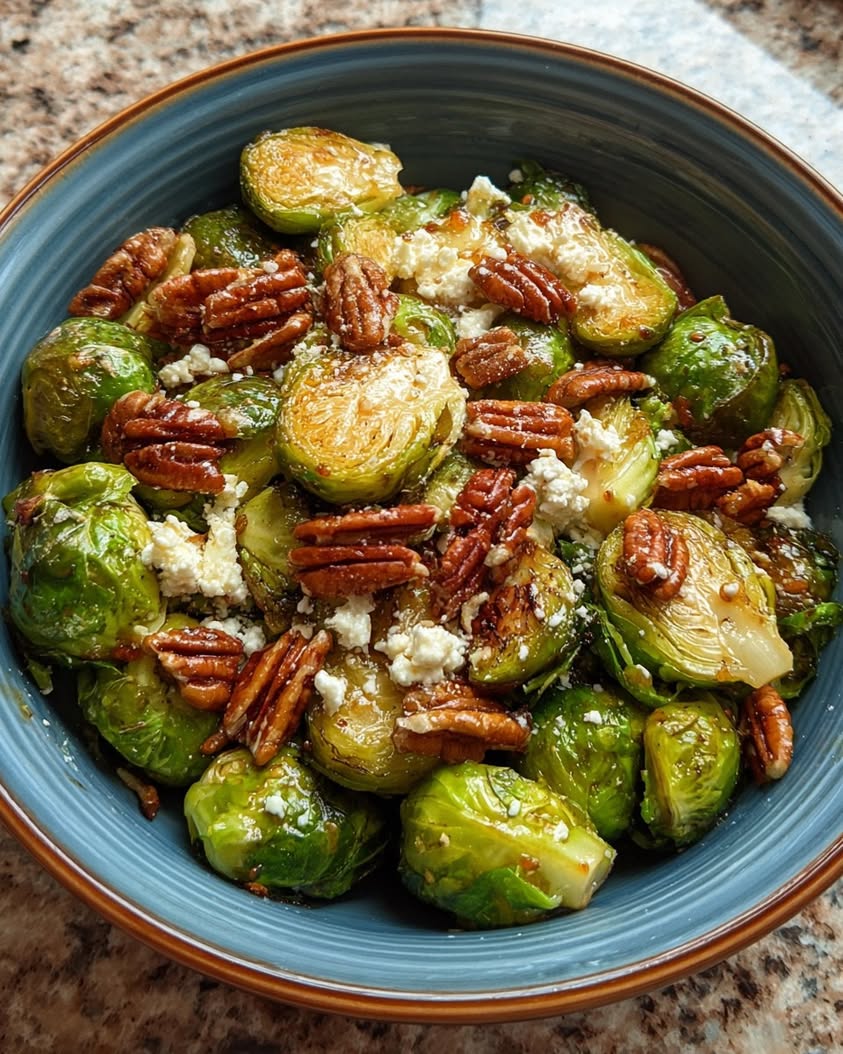
Cider-Roasted Brussels Sprouts with Candied Pecans & Feta: Your New Favorite Fall Side Dish
Imagine a side dish so perfectly balanced it becomes the star of your holiday table. These cider-roasted Brussels sprouts with candied pecans and feta deliver an unforgettable flavor experience that will have your guests asking for the recipe. The humble Brussels sprout transforms into something magical when roasted with apple cider, creating caramelized edges and a tender interior that pairs beautifully with sweet, crunchy pecans and tangy feta cheese.
This dish represents the essence of fall cooking, combining seasonal produce with warm, comforting flavors. Furthermore, it bridges the gap between everyday meals and special occasion fare, making it versatile enough for a Tuesday night dinner yet impressive enough for Thanksgiving. The combination of textures and tastes creates a symphony in your mouth, with each component playing its part perfectly. Ultimately, this recipe proves that vegetables can be the most exciting part of any meal.
Creating this dish fills your kitchen with the most incredible autumnal aromas. The scent of roasting Brussels sprouts mingling with reduced apple cider and toasting pecans is pure comfort. Meanwhile, the visual appeal of the deep green sprouts dotted with white feta and brown pecans makes for a stunning presentation. This cider-roasted Brussels sprouts recipe truly captures the spirit of the season in one magnificent dish.
Quick Recipe Highlights
- Flavor Profile: These cider-roasted Brussels sprouts offer a sophisticated balance of sweet and savory notes. The apple cider reduction provides a subtle fruitiness that complements the natural bitterness of the sprouts. Additionally, the salty feta cheese creates a perfect counterpoint to the sweet candied pecans.
- Texture: You will experience a wonderful textural contrast in every bite. The Brussels sprouts become tender inside with delightfully crispy, caramelized edges. Meanwhile, the candied pecans add a satisfying crunch, and the crumbled feta provides a creamy element that brings everything together.
- Aroma: As this dish cooks, your kitchen will fill with warm, inviting scents. The roasting Brussels sprouts release their earthy fragrance, which combines with the sweet aroma of reducing apple cider. Furthermore, the toasting pecans add a nutty warmth that makes the entire house smell like fall.
- Visual Appeal: This dish presents beautifully on any table with its vibrant color contrast. The deep green of the roasted Brussels sprouts creates a stunning backdrop for the white feta crumbles and golden-brown pecans. Consequently, it adds both visual interest and gourmet appeal to your meal presentation.
- Skill Level Needed: This cider-roasted Brussels sprouts recipe is accessible for cooks of all experience levels. Basic knife skills for trimming sprouts and simple stovetop techniques for reducing cider are the primary requirements. Therefore, even beginner cooks can achieve impressive results with this straightforward method.
- Special Equipment: You need only standard kitchen tools to prepare this delicious side dish. A sturdy baking sheet, parchment paper, a sharp knife, and a small saucepan are the essential items. Fortunately, most home kitchens already contain everything necessary to make this recipe successfully.
Recipe Overview
- Difficulty Level: We classify this cider-roasted Brussels sprouts recipe as easy because it involves fundamental cooking techniques. The most complex step involves reducing apple cider, which simply requires patience and occasional stirring. Otherwise, the preparation involves basic vegetable trimming and simple oven roasting that anyone can master.
- Category: This dish falls squarely into the side dish category but possesses main dish appeal. It complements proteins like roast chicken, turkey, or pork exceptionally well. Meanwhile, its substantial nature makes it suitable as a vegetarian main course when served in larger portions.
- Cuisine: These cider-roasted Brussels sprouts draw inspiration from modern American farm-to-table cooking. The recipe celebrates seasonal autumn produce with contemporary flavor combinations. However, the technique of roasting vegetables has roots in European culinary traditions, updated with American ingredients and sensibilities.
- Cost: This recipe offers excellent value, using affordable seasonal vegetables as its foundation. Brussels sprouts become plentiful and inexpensive during fall and winter months. Meanwhile, the pecans and feta, while premium ingredients, are used judiciously to maximize flavor without breaking your grocery budget.
- Season: Autumn is the perfect season for these cider-roasted Brussels sprouts. Brussels sprouts reach their peak sweetness after the first frost, and apple cider is freshly pressed during this time. Consequently, the dish captures the very essence of fall in both flavor and ingredient availability.
- Occasion: This versatile side dish suits everything from casual family dinners to formal holiday feasts. It brings elegance to weeknight meals while being substantial enough for Thanksgiving or Christmas dinner. Furthermore, it travels well for potlucks and makes an impressive contribution to any gathering.
Why You’ll Love This Cider-Roasted Brussels Sprouts Recipe
These cider-roasted Brussels sprouts will convert even the most ardent vegetable skeptics at your table. The roasting process transforms the sprouts, caramelizing their natural sugars and eliminating any bitter notes. Meanwhile, the apple cider reduction glaze adds a subtle sweetness that enhances without overwhelming. The candied pecans provide delightful crunch and sweetness, while the feta cheese contributes salty, tangy notes that balance the entire dish. Every bite offers a complex interplay of flavors and textures that will make you forget you are eating something so healthy.
Convenience is another significant advantage of this cider-roasted Brussels sprouts recipe. The preparation is straightforward, with most of the cooking time being hands-off while the sprouts roast in the oven. Furthermore, you can prepare components in advance, making it ideal for entertaining during busy holiday seasons. The candied pecans can be made days ahead, and the Brussels sprouts can be trimmed and halved in advance. Consequently, when mealtime approaches, you simply need to roast the sprouts and assemble the dish.
Nutritionally, these cider-roasted Brussels sprouts pack an impressive punch. Brussels sprouts belong to the cruciferous vegetable family, renowned for their high levels of vitamins C and K, fiber, and antioxidants. The roasting method requires minimal added oil, keeping the dish relatively light. Meanwhile, the pecans contribute healthy fats and protein, and the feta adds calcium. This side dish delivers substantial nutritional benefits while tasting indulgent and luxurious.
The social and entertaining value of this dish cannot be overstated. These cider-roasted Brussels sprouts create conversation at any gathering, with guests marveling at the sophisticated flavor combination. They photograph beautifully for social media, with the vibrant colors and varied textures creating visual interest. Furthermore, the recipe is easily adaptable for various dietary needs, which we will explore in detail later. This versatility makes it an excellent choice when cooking for groups with different preferences or restrictions.
Cost-effectiveness makes this cider-roasted Brussels sprouts recipe a smart choice for budget-conscious cooks. Brussels sprouts are typically affordable, especially during their peak season from fall through early spring. The other ingredients—apple cider, pecans, and feta—are used in moderate quantities that stretch their impact. Compared to many elaborate side dishes, this recipe delivers restaurant-quality results without the premium price tag. Ultimately, you get maximum flavor and visual appeal from relatively inexpensive ingredients.
Historical Background and Cultural Significance
Brussels sprouts have a fascinating history dating back to ancient Rome, though the modern vegetable we know developed in Belgium during the 16th century. The vegetable takes its name from Brussels, Belgium, where it was widely cultivated and gained popularity. Initially, these miniature cabbages were a regional specialty before spreading across Europe and eventually to North America. The traditional preparation methods involved boiling or steaming, which often resulted in the mushy, sulfurous dishes that gave Brussels sprouts their unfortunate reputation among earlier generations.
The cultural significance of Brussels sprouts has evolved dramatically over recent decades. In the United States, they transitioned from a dreaded childhood vegetable to a culinary darling thanks to changing preparation methods. The roasting technique, which became popular in the late 1990s and early 2000s, revolutionized how people perceived and enjoyed this vegetable. Meanwhile, the combination with sweet elements like the apple cider in this recipe reflects a broader culinary trend of balancing bitter greens with fruit components. This evolution demonstrates how cooking techniques can transform cultural perceptions of ingredients.
The practice of candying nuts has ancient origins, with Middle Eastern and Mediterranean cultures preserving nuts in honey centuries ago. In America, sugared pecans became associated with Southern cooking and holiday traditions. The combination of pecans with Brussels sprouts represents a modern fusion of these culinary traditions. Similarly, the use of feta cheese introduces Mediterranean influences to this essentially European vegetable. This global flavor profile reflects contemporary cooking’s borderless nature, where chefs and home cooks freely combine elements from different culinary traditions.
Regional variations of roasted Brussels sprouts have emerged across the United States, often reflecting local ingredients and preferences. In the Midwest, bacon and maple syrup are common additions, while coastal areas might incorporate citrus or exotic cheeses. This particular cider-roasted Brussels sprouts recipe draws from Northeastern apple-growing traditions, using local cider to enhance the seasonal connection. The evolution continues as cooks experiment with different glazes, toppings, and cooking methods. Consequently, what began as a simple European vegetable has become a canvas for culinary creativity worldwide.
Ingredient Deep Dive
Brussels sprouts form the foundation of this dish, and selecting the right ones is crucial for success. Look for firm, bright green sprouts that feel heavy for their size, with tightly closed leaves. Avoid any with yellowing leaves, visible holes, or that feel lightweight, as these indicate age or insect damage. Smaller sprouts typically have a sweeter, more delicate flavor and tender texture compared to larger ones. Store unwashed Brussels sprouts in a plastic bag in your refrigerator’s crisper drawer, where they will keep for about a week.
Fresh apple cider provides the sweet, tangy glaze that makes these roasted Brussels sprouts exceptional. Unlike apple juice, cider is unfiltered and often unpasteurized, containing more apple solids and complex flavors. For the best results, seek out local fresh-pressed cider during autumn months when apples are at their peak. If cider is unavailable, you can substitute with apple juice reduced with a tablespoon of apple cider vinegar to mimic cider’s tanginess. Store opened cider in the refrigerator and use within one week, or freeze it for longer storage.
Pecans bring essential crunch and richness to this dish, with their candied preparation adding sweetness and texture. Pecans are native to North America and have been cultivated for centuries by Indigenous communities. They contain heart-healthy monounsaturated fats and various minerals. When selecting pecans, look for plump, uniform pieces without dark spots or signs of oiliness, which indicates aging. Store pecans in an airtight container in the refrigerator or freezer to prevent their natural oils from turning rancid. For those with nut allergies, roasted pumpkin seeds make an excellent substitution.
Feta cheese provides the salty, tangy counterpoint that balances the sweetness in this recipe. Traditional Greek feta, made from sheep’s milk or a sheep-goat milk blend, offers the most authentic flavor and crumbly texture. However, domestic cow’s milk feta works well too and is often more readily available. For the best results, purchase feta in blocks and crumble it yourself rather than using pre-crumbled varieties, which often contain anti-caking agents. If you need a dairy-free alternative, salted tofu crumbles or vegan feta provide similar textural qualities.
Common Mistakes to Avoid
- Overcrowding the baking sheet prevents proper browning and creates steamed rather than roasted Brussels sprouts. Always ensure the sprouts have space between them on the pan. Otherwise, they will release too much moisture and fail to develop those desirable caramelized edges.
- Neglecting to trim the stems properly can result in tough, chewy bites that detract from the eating experience. Always slice off the dry stem end, but be careful not to remove too many outer leaves. Additionally, scoring an X in the base helps the heat penetrate more evenly.
- Using old or improperly stored Brussels sprouts leads to bitter flavors and uneven cooking. Always select fresh, firm sprouts and store them correctly in your refrigerator. Furthermore, smaller sprouts generally offer sweeter flavor and more tender texture than oversized ones.
- Skipping the cider reduction step and simply drizzling cider over the sprouts results in soggy vegetables. The reduction process concentrates flavors and creates a proper glaze. Consequently, taking this extra few minutes makes a significant difference in the final dish.
- Burning the candied pecans by cooking them over too high heat creates bitter notes that overwhelm the dish. Always use medium-low heat and stir constantly during the candying process. The pecans should smell toasty and fragrant, not acrid or smoky.
- Adding the feta cheese before roasting causes it to melt into nothingness rather than maintaining its distinct presence. Always wait until after roasting to incorporate the cheese. This preserves its texture and ensures you get those delightful salty pockets throughout the dish.
- Underseasoning the Brussels sprouts before roasting misses a crucial flavor-building opportunity. Season generously with salt and pepper before they go into the oven. Remember, some seasoning will be lost during cooking, so be bold with your measurements.
- Using a baking sheet without parchment paper or proper greasing often leads to sticking and difficult cleanup. Always line your pan or grease it adequately. This simple step prevents frustration and ensures your beautiful roasted sprouts release easily.
Essential Techniques
Properly trimming Brussels sprouts is fundamental to achieving the best texture in this cider-roasted Brussels sprouts recipe. Start by slicing off the dry stem end, but be careful to preserve as many outer leaves as possible since these become deliciously crispy when roasted. If your sprouts are particularly large, consider scoring a shallow X into the base to help heat penetrate more evenly. Some cooks advocate for parboiling sprouts before roasting, but with proper trimming and roasting time, this extra step is unnecessary. The goal is to create maximum surface area for caramelization while ensuring even cooking throughout.
Mastering the cider reduction transforms this from a simple roasted vegetable dish to something extraordinary. The reduction process concentrates the apple cider’s flavors while evaporating excess water content. Use a wide, heavy-bottomed saucepan to increase surface area and speed up evaporation. Cook over medium heat, watching for the moment when the bubbles become smaller and the liquid visibly thickens and coats the back of a spoon. Be careful not to over-reduce, as the syrup can become too thick and burn in the oven. The perfect reduction should have the consistency of maple syrup.
Roasting vegetables properly requires understanding your oven’s characteristics and the importance of high heat. Preheat your oven thoroughly to ensure immediate caramelization when the sprouts hit the hot pan. Arrange the sprouts in a single layer with space between them to allow steam to escape rather than accumulating. Rotate the pan halfway through cooking to compensate for any hot spots in your oven. The sprouts are done when they are tender when pierced with a knife and have deep brown caramelized spots on the cut sides. This technique applies to many roasted vegetables beyond just Brussels sprouts.
Pro Tips for Perfect Cider-Roasted Brussels Sprouts
For extra crispy sprouts, pat them completely dry after washing and ensure your oven is fully preheated before roasting. Additionally, placing the baking sheet in the oven during preheating gives the sprouts an immediate sear when they hit the hot surface. This technique maximizes caramelization and creates those desirable crispy edges that make roasted vegetables so irresistible.
Customize the flavor profile by adding different herbs and spices to the basic recipe. Fresh thyme or rosemary sprigs tossed with the sprouts before roasting complement the autumnal flavors beautifully. Alternatively, a pinch of red pepper flakes adds subtle heat that contrasts nicely with the sweet elements. Experiment with different spice combinations to make the recipe your own.
Toast the pecans before candying them to enhance their nutty flavor and ensure maximum crunch. Spread raw pecans on a separate baking sheet and toast in the oven for 5-7 minutes at 350°F until fragrant. Watch them carefully, as nuts can burn quickly. This extra step deepens the pecan flavor and creates a more complex final dish.
Consider the size uniformity of your Brussels sprouts for even cooking. If your sprouts vary significantly in size, cut larger ones into quarters and smaller ones merely in half. This ensures everything cooks at the same rate and prevents some pieces from burning while others remain undercooked. Taking this extra minute during prep pays dividends in the final texture.
Reserve a small amount of the reduced cider to drizzle over the finished dish just before serving. This reinforces the apple flavor and adds a beautiful glossy sheen to the presentation. The fresh reduction will have a brighter, more pronounced flavor than what was used for roasting, creating layers of apple essence throughout the dish.
Allow the roasted Brussels sprouts to rest for 5 minutes after removing them from the oven before adding the final toppings. This brief resting period allows the sprouts to reabsorb some of their natural juices and firm up slightly. Consequently, they will better support the additional ingredients without becoming mushy when tossed together.
Variations and Adaptations
Regional variations of this cider-roasted Brussels sprouts recipe allow you to explore different flavor profiles while maintaining the basic technique. Southern-inspired versions might include chopped bacon and a touch of maple syrup in place of some cider. Mediterranean adaptations could feature olives, lemon zest, and oregano instead of the pecans and feta. Asian-fusion interpretations might incorporate soy sauce, ginger, and sesame seeds for an entirely different direction. These regional twists demonstrate the recipe’s versatility while keeping the fundamental roasting technique intact.
Seasonal adaptations ensure you can enjoy this dish year-round with ingredients at their peak. During summer, substitute peaches or nectarines for the apple component, grilling the sprouts instead of roasting for smoky flavor. Spring versions might feature fresh peas and mint alongside the sprouts for a brighter profile. Winter adaptations could include roasted chestnuts or pomegranate seeds for holiday appeal. The basic recipe serves as a template that welcomes seasonal creativity and ingredient substitutions.
Dietary modifications make these cider-roasted Brussels sprouts accessible to various eating preferences and restrictions. For vegan versions, omit the feta or use a plant-based alternative, and ensure the sugar used for candying pecans is vegan. Paleo adaptations might use honey instead of sugar for the pecans and eliminate the dairy component entirely. Low-carb versions can reduce the amount of cider used in the glaze or substitute with a sugar-free sweetener for the pecans. These modifications ensure everyone can enjoy this delicious side dish regardless of dietary needs.
Serving and Presentation Guide
Plating techniques significantly impact how your cider-roasted Brussels sprouts are perceived by guests. For family-style service, use a shallow serving bowl or platter that shows off the colorful components. Spread the sprouts in an even layer, then artfully scatter the candied pecans and crumbled feta over the top. Garnish with fresh herbs like parsley or thyme sprigs for a professional touch. Individual portions can be arranged in small bowls or on plates as part of a composed meal.
Garnishing ideas extend beyond the basic recipe to add visual interest and complementary flavors. Fresh pomegranate arils provide jewel-like color and bursts of tartness that contrast beautifully with the rich components. Microgreens or edible flowers add restaurant-quality elegance for special occasions. For textural contrast, consider adding crispy fried shallots or garlic chips as a final garnish. These finishing touches elevate the dish from homemade to gourmet with minimal additional effort.
Traditional accompaniments for these cider-roasted Brussels sprouts include holiday main courses like roast turkey, baked ham, or prime rib. The dish’s robust flavors stand up well to rich meats without overwhelming them. For vegetarian menus, pair with wild rice pilaf, stuffed acorn squash, or mushroom Wellington. Consider the overall flavor profile of your meal when determining portion sizes and placement within the menu sequence.
Wine and Beverage Pairing
Wine pairings for these cider-roasted Brussels sprouts should consider the dish’s sweet, savory, and tangy elements. A crisp, acidic white wine like Sauvignon Blanc cuts through the richness and complements the vegetal notes of the sprouts. For red wine lovers, a light Pinot Noir with its cherry notes harmonizes with the apple components without overwhelming the vegetables. If serving with holiday meals, consider a versatile Riesling that can bridge multiple dishes on the table.
Non-alcoholic alternatives provide sophisticated options for those avoiding alcohol. Sparkling apple cider mirrors the recipe’s ingredients while adding celebratory effervescence. Herbal teas like chamomile or mint served iced complement the dish’s earthy and sweet notes. For something more unique, try a ginger beer with its spicy kick that contrasts the sweetness beautifully. These options ensure all guests have appealing beverage choices alongside this flavorful side dish.
Storage and Shelf Life
Storage methods for leftover cider-roasted Brussels sprouts maintain quality and food safety. Cool completely before transferring to an airtight container, then refrigerate for up to four days. For best results, store the components separately if possible, keeping the pecans in their own container to maintain crispness. The feta is best added fresh when serving leftovers rather than storing it mixed with the sprouts.
Reheating instructions focus on restoring texture rather than simply warming the dish. Spread the sprouts in a single layer on a baking sheet and reheat at 375°F for 10-15 minutes until warmed through and recrisped. Avoid microwaving, which makes the sprouts soggy and diminishes their appealing texture. Add the pecans and feta after reheating to preserve their distinct qualities.
Make Ahead Strategies
Prep timeline for these cider-roasted Brussels sprouts can be spread over several days to reduce last-minute work. The candied pecans can be prepared up to one week in advance and stored at room temperature in an airtight container. Brussels sprouts can be washed, trimmed, and halved 2-3 days ahead, stored in a resealable bag in the refrigerator. The cider reduction can be made 2-3 days in advance and refrigerated, though it may thicken and need gentle reheating before use.
Assembly tips for make-ahead preparation ensure optimal results when serving. If preparing completely in advance, store the roasted sprouts, pecans, and feta separately. Combine just before serving to maintain textural integrity. For partial make-ahead, roast the sprouts and prepare the other components, then briefly reheat the sprouts before assembling. This approach provides fresh-from-the-oven quality with minimal last-minute effort.
Scaling Instructions
Halving the recipe works beautifully for smaller households or when testing the dish. Use a smaller baking sheet to maintain proper spacing between the sprouts, which is crucial for proper roasting. Reduce the cider proportionally, but watch the reduction carefully as smaller quantities cook faster. The candied pecans can still be made in the original quantity since they store well, or simply toast plain pecans for the smaller batch.
Doubling or tripling the recipe requires practical considerations for successful execution. Use multiple baking sheets and rotate them between oven racks halfway through cooking to ensure even browning. You may need to work in batches depending on your oven size. Increase the cider reduction accordingly, but consider making it in separate batches for more consistent results. For very large quantities, serve the components separately and let guests assemble their own portions to maintain optimal texture.
Nutritional Deep Dive
Macro breakdown of these cider-roasted Brussels sprouts reveals a nutritionally balanced side dish. The Brussels sprouts provide complex carbohydrates and fiber with minimal calories. Pecans contribute healthy monounsaturated fats and plant-based protein. Feta cheese adds additional protein and fat while providing significant calcium. The apple cider contributes natural sugars, but the reduction process concentrates flavor without adding substantial sweeteners. This combination creates a satisfying dish that nourishes without excessive calories.
Micronutrient analysis highlights the impressive vitamin and mineral content of this dish. Brussels sprouts deliver exceptional amounts of vitamins C and K, along with folate, potassium, and various antioxidants. Pecans provide manganese, copper, and thiamine, while feta contributes calcium, phosphorus, and vitamin B12. Together, these ingredients create a micronutrient profile that supports immune function, bone health, and overall wellness. The cooking method preserves more nutrients than boiling, making roasted vegetables nutritionally superior to their boiled counterparts.
Dietary Adaptations
Gluten-free adaptation requires no changes to this cider-roasted Brussels sprouts recipe as none of the ingredients naturally contain gluten. However, always check labels on processed ingredients like cider to ensure no gluten-containing additives have been included. For maximum safety, select certified gluten-free products if serving individuals with celiac disease or severe sensitivity.
Dairy-free modification simply involves omitting the feta cheese or replacing it with a plant-based alternative. Many excellent vegan feta options made from tofu, nuts, or coconut oil provide similar salty, tangy characteristics. Alternatively, nutritional yeast sprinkled over the finished dish can mimic some of the cheesy flavor without dairy products.
Vegan adaptation combines the dairy-free modification with attention to the sweetening agent for the pecans. Ensure the sugar used is vegan, as some refined sugars use bone char in processing. Maple syrup or agave nectar can substitute for sugar in the candied pecans, though the texture will be slightly different. With these simple changes, the dish becomes entirely plant-based while maintaining its essential character.
Troubleshooting Guide
Texture issues often stem from improper roasting techniques or ingredient quality. If your sprouts emerge soggy rather than crispy, the oven temperature may be too low or the pan overcrowded. For next time, ensure proper preheating and spacing. If the pecans become soft, they may have been added too early or stored improperly. Always add them just before serving and store any leftovers separately from the sprouts.
Flavor balance problems can usually be corrected with simple adjustments. If the dish tastes too sweet, increase the amount of feta or add a squeeze of lemon juice to brighten the flavors. If it seems bland, check your seasoning—proper salting before roasting is crucial. For bitterness, ensure your Brussels sprouts were fresh and consider adding a touch of honey to the cider reduction to counter any harsh notes.
Recipe Success Stories
Community feedback on this cider-roasted Brussels sprouts recipe consistently highlights its ability to convert vegetable skeptics. Numerous home cooks report that family members who previously refused to eat Brussels sprouts now request this dish regularly. The combination of textures and balanced flavors seems to appeal to even picky eaters. Many attribute this success to the roasting method that brings out the vegetable’s natural sweetness while the toppings provide familiar comfort food elements.
Variation successes demonstrate the recipe’s adaptability to different tastes and ingredient availability. Cooks have reported excellent results using pears instead of apples, walnuts or almonds instead of pecans, and goat cheese instead of feta. These substitutions maintain the essential sweet-savory-crunchy-creamy balance while creating new flavor profiles. The basic technique proves robust enough to withstand significant ingredient changes while still delivering impressive results.
Frequently Asked Questions
Can I use frozen Brussels sprouts for this recipe? While fresh sprouts are ideal, frozen can work in a pinch. Thaw completely and pat very dry before roasting. Expect slightly different texture as frozen sprouts contain more water. The result will still be tasty though perhaps less crispy than with fresh sprouts.
What can I substitute for apple cider? Apple juice reduced with a tablespoon of apple cider vinegar makes an acceptable substitute. Alternatively, pear cider or even a dry hard cider would work beautifully. In a pinch, maple syrup thinned with a little water can provide the sweet glaze though the flavor profile will differ.
Can I make this recipe without nuts? Absolutely. Toasted pumpkin or sunflower seeds provide similar crunch without tree nuts. For nut-free versions, consider adding crispy bacon or breadcrumbs for textural contrast. The recipe remains delicious even without the candied element, focusing on the cider-roasted sprouts and feta.
How do I prevent the feta from melting into the dish? Always add the feta after the sprouts have finished roasting and cooled slightly. The residual heat will warm the cheese without causing it to melt completely. For best results, serve immediately after adding the feta to maintain its distinct texture and appearance.
Can I prepare this dish entirely in advance? You can prepare components ahead but assemble just before serving for optimal texture. The roasted sprouts can be reheated, the pecans stored separately, and the feta crumbled ahead. Combine at the last moment to preserve the contrasting textures that make this dish special.
What main dishes pair well with these sprouts? They complement roast chicken, turkey, pork tenderloin, and beef roasts beautifully. For vegetarian menus, pair with hearty grains like farro or quinoa and protein-rich legumes. The robust flavors stand up well to rich meats without overwhelming lighter proteins.
How can I make this recipe more kid-friendly? Chop the sprouts smaller and increase the sweet elements slightly. A drizzle of honey over the finished dish often appeals to younger palates. You can also involve children in the assembly process, letting them sprinkle the toppings to increase their investment in trying the final product.
Why are my Brussels sprouts bitter? Bitterness usually indicates older sprouts or insufficient roasting time. Smaller, fresher sprouts are naturally sweeter. Ensure proper caramelization by roasting at high heat until deeply browned. The sweet glaze and toppings should counter any remaining bitterness in properly prepared sprouts.
Can I use balsamic vinegar instead of apple cider? Balsamic vinegar creates a different but equally delicious flavor profile. Reduce it similarly to create a glaze, but note that it will be tangier than the cider version. Balance the increased acidity with a touch more sweetness if desired.
How do I achieve maximum crispiness? Ensure sprouts are completely dry before roasting, don’t overcrowd the pan, and use adequate oil. Placing the baking sheet in the oven during preheating gives an immediate sear. For extra crispness, roast at 425°F and avoid stirring during the first 15 minutes of cooking.
Additional Resources
Related recipes that complement these cider-roasted Brussels sprouts include other autumn vegetable dishes using similar techniques. Maple-roasted carrots with thyme, honey-glazed parsnips, or roasted sweet potatoes with pecans would create a beautiful roasted vegetable medley. These dishes can be prepared simultaneously using different racks in the oven, making holiday meal preparation more efficient. The roasting technique translates well across root vegetables and hardy greens.
Technique guides for perfect vegetable roasting provide foundational knowledge that improves many dishes. Understanding how different oils, temperatures, and cutting methods affect the final product empowers cooks to adapt recipes confidently. Mastering the reduction process for glazes and sauces opens possibilities for customizing dishes based on available ingredients and personal preferences. These fundamental skills serve home cooks well beyond this single recipe.
PrintCider-Roasted Brussels Sprouts with Candied Pecans & Feta
Description
A delightful side dish featuring tender Brussels sprouts roasted in apple cider, topped with sweet candied pecans and tangy feta cheese.
Ingredients
For the Crust:
- 1 lb Brussels sprouts, trimmed and halved
- 2 tbsp olive oil
- 1/2 cup apple cider
- 1/2 cup pecans
- 2 tbsp maple syrup
- 1/4 tsp cayenne pepper (optional)
- 1/2 cup crumbled feta cheese
- Salt and black pepper to taste
Instructions
1. Prepare the Crust:
- Preheat oven to 400°F (200°C). Toss Brussels sprouts with olive oil, salt, and pepper, then spread on a baking sheet.
- Roast for 20 minutes, then pour apple cider over sprouts and roast for another 10 minutes until tender and caramelized.
- Meanwhile, in a skillet over medium heat, toast pecans with maple syrup and cayenne (if using) until sticky and fragrant, about 3-5 minutes.
- Transfer roasted Brussels sprouts to a serving dish, top with candied pecans and crumbled feta. Serve warm.
Notes
You can customize the seasonings to taste.

I’m Shaykee—born in Morocco, seasoned across continents. From airplane galleys to home kitchens, I share the flavors and stories that shaped my journey.