
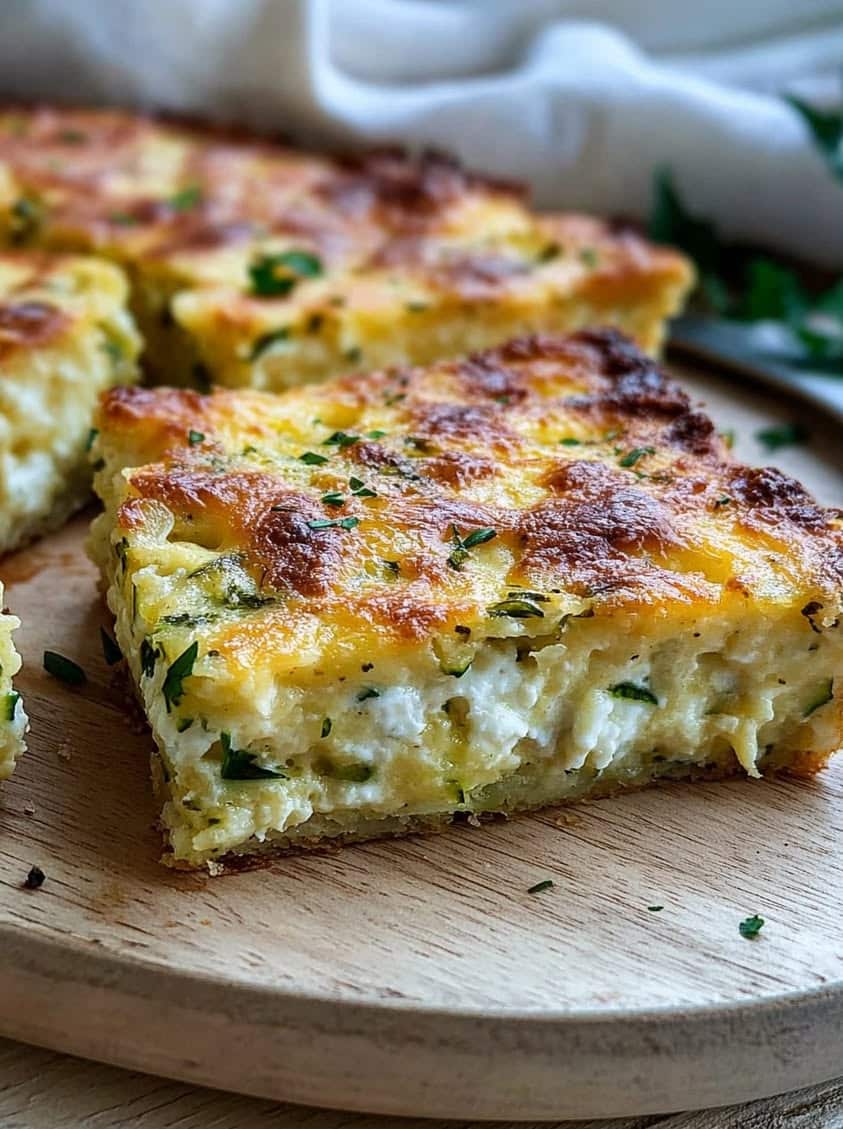
Cottage Cheese Zucchini Slice: A Savory, Protein-Packed Picnic and Brunch Star
Warm or cold, this cottage cheese zucchini slice is a protein-packed, savory treat perfect for picnics and brunch. This recipe is easy, delicious, and versatile. Imagine a golden-brown, sliceable bake that is satisfyingly savory and incredibly moist. It is a brilliant way to use up a summer garden bounty. Moreover, it travels beautifully without wilting or leaking. Consequently, it has become a staple for savvy home cooks who value flavor and convenience.
This dish masterfully combines humble ingredients into something truly special. The zucchini provides a delicate sweetness and moisture. Meanwhile, the cottage cheese offers a creamy tang and a substantial protein boost. Baked eggs bind everything together into a firm yet tender slice. Ultimately, you get a dish that feels both indulgent and nourishing. It is the kind of recipe you will make again and again. For instance, it works for a quick family dinner, a leisurely weekend brunch, or a portable lunch.
The beauty of this cottage cheese zucchini slice lies in its adaptability. You can serve it straight from the oven, warm and comforting. Alternatively, you can chill it and enjoy it cold, where the flavors meld even more. This makes it an unparalleled option for meal prep. Furthermore, it is a crowd-pleaser that appeals to various dietary preferences. Whether you are hosting a gathering or simply feeding your family, this savory bake delivers on every front. It is a testament to how simple ingredients can create extraordinary results.
Quick Recipe Highlights
- Flavor Profile: This slice delivers a beautifully savory and well-balanced taste. The zucchini contributes a mild, sweet earthiness. Simultaneously, the cottage cheese and sharp cheddar create a rich, tangy depth. Herbs like dill or chives add a fresh, aromatic finish that brightens every bite.
- Texture: Expect a delightfully tender and moist crumb with a satisfyingly firm structure. The grated zucchini melts into the bake, ensuring it stays incredibly juicy. Additionally, the cottage cheese provides little pockets of creamy richness. The top bakes to a perfect golden crust that offers a slight textural contrast.
- Aroma: While baking, your kitchen will fill with an irresistible, comforting scent. The savory notes of baking eggs and cheese are unmistakable. Fresh herbs release their essential oils, adding a garden-fresh fragrance. Ultimately, it is an aroma that promises a delicious, home-cooked meal.
- Visual Appeal: This slice boasts a beautiful, rustic appearance. It bakes to a consistent golden-brown color on top. Speckles of green zucchini and fresh herbs are visible throughout. When sliced, it reveals a moist, inviting interior that looks both hearty and wholesome.
- Skill Level Needed: This recipe is firmly in the beginner-friendly category. It requires no special pastry or baking skills. Basically, you just need to grate, mix, and pour. Therefore, it is an excellent recipe for novice cooks or for teaching kids basic kitchen techniques.
- Special Equipment: You need only very basic kitchen tools. A standard box grater or food processor handles the zucchini. A large mixing bowl and a whisk are essential for the batter. Finally, a lined or well-greased rectangular baking dish is necessary for achieving the perfect sliceable shape.
Recipe Overview
- Difficulty Level: We rate this recipe as “Easy” for several compelling reasons. The steps are straightforward and involve basic techniques like grating and mixing. There is no finicky dough or precise tempering required. The baking process is forgiving, and the slice is hard to overcook significantly. As a result, it is a nearly foolproof dish for any home cook.
- Category: This versatile dish crosses multiple meal categories with ease. It shines as a centerpiece for a vegetarian brunch or lunch. Furthermore, it functions perfectly as a hearty side dish for grilled meats at dinner. It also stands alone as a high-protein snack or a portable lunchbox option. Its flexibility is one of its greatest strengths.
- Cuisine: While not tied to one specific tradition, this bake draws inspiration from global frittatas and crustless quiches. The use of cottage cheese and zucchini is common in Central and Eastern European home cooking. The method is reminiscent of Australian “slices” or savory baked bars. Ultimately, it is a modern, fusion-style dish focused on wholesome, accessible ingredients.
- Cost: This is an exceptionally budget-friendly recipe. Zucchini is often inexpensive, especially in peak summer. Cottage cheese and eggs are affordable protein sources. Basic pantry staples like flour and baking powder round out the list. Therefore, you can feed a crowd without straining your grocery budget.
- Season: This recipe is ideal for late spring through early fall. This is when zucchini is at its peak flavor, abundance, and lowest price. However, it works year-round with grocery-store zucchini. The bright, fresh flavors also make it feel particularly suitable for warmer weather gatherings and outdoor dining.
- Occasion: This slice is the ultimate utility player for social events. It is perfect for casual brunches, baby showers, or potluck picnics. It travels well for hikes, beach days, or office lunches. It also makes a fantastic make-ahead breakfast for busy weeks. Simply put, it suits any occasion that calls for delicious, portable, satisfying food.
Why You’ll Love This Recipe
First and foremost, the taste and texture of this cottage cheese zucchini slice are utterly irresistible. The combination is savory, creamy, and satisfyingly substantial. Each bite offers the gentle sweetness of zucchini paired with the rich tang of cheese. The eggs provide a savory backbone that ties all the flavors together harmoniously. Additionally, the fresh herbs cut through the richness with a burst of freshness. Consequently, you get a complex flavor profile that feels both comforting and sophisticated. The texture is moist and tender yet firm enough to hold its shape when sliced. This perfect balance makes it enjoyable to eat warm or cold.
From a convenience standpoint, this recipe is a true winner. The preparation is remarkably simple and requires no advanced culinary skills. You can easily mix the batter in one bowl, minimizing cleanup. The hands-on time is short, leaving you free while it bakes. Moreover, it is an excellent vehicle for using up a glut of summer zucchini. This makes it a practical and delicious solution for gardeners. The bake itself is very forgiving; slight variations in ingredient amounts rarely lead to failure. Therefore, it builds confidence in the kitchen while delivering fantastic results.
Nutritionally, this savory bake packs a powerful punch. Cottage cheese is a fantastic source of slow-digesting casein protein, which promotes satiety. Zucchini adds fiber, vitamins A and C, and potassium with very few calories. Eggs contribute high-quality protein, choline, and essential vitamins. Together, they create a meal that is high in protein and nutrients but not overly heavy. This makes it an ideal choice for a post-workout meal or a sustaining lunch. It is also naturally lower in carbohydrates compared to traditional flour-based savory bakes. Thus, it fits well into various balanced eating plans.
The social and entertaining value of this dish cannot be overstated. It is a guaranteed crowd-pleaser that appeals to both adults and children. Because it is served in neat slices, it is incredibly easy to portion and share at a buffet. It holds up for hours at room temperature, making it stress-free for hosts. Furthermore, its vegetarian nature makes it inclusive for many guests, though it is substantial enough for everyone. Bringing this to a potluck instantly makes you a hero. People will always ask for the recipe, impressed by its flavor and elegant simplicity.
Finally, this recipe is wonderfully cost-effective and accessible. The ingredients are humble, pantry-friendly, and available at any standard grocery store. You do not need expensive cheeses or exotic produce to make it shine. It stretches a few affordable ingredients into a dish that generously serves eight people. This makes it a smart choice for families or anyone cooking on a budget. Despite its low cost, the final product feels special and thoughtfully prepared. In essence, it delivers maximum flavor and satisfaction with minimal financial investment.
Historical Background and Cultural Significance
The concept of combining eggs, vegetables, and dairy into a baked slice has deep roots in frugal home cooking across many cultures. While not a single, documented historic recipe, this cottage cheese zucchini slice is a modern evolution of these traditions. Essentially, it belongs to the family of crustless quiches, frittatas, and savory bread puddings. These dishes originated as ingenious ways to use leftover ingredients, reduce food waste, and create filling meals from modest pantries. The addition of baking powder for lift is a more contemporary twist, bridging the gap between a frittata and a quick bread.
Culturally, dishes featuring cottage cheese and zucchini have strong ties to Central and Eastern European cuisines. In countries like Poland, Ukraine, and Russia, cottage cheese is a staple used in both sweet and savory preparations. Similarly, zucchini and its close relative, the marrow, are summer garden staples. Combining them with eggs and flour into a baked pancake or casserole is a common home cooking practice. This recipe reflects that heritage, updated for modern tastes and convenience. It represents a global thread of practical, nourishing, family-oriented cooking.
The evolution of this specific recipe is a story of adaptation and health-conscious innovation. Traditional versions might have used more flour or soaked bread. The modern focus on high-protein, vegetable-forward eating led to the prominence of cottage cheese as a primary ingredient. The internet and food blogging community played a key role in popularizing this formula. Cooks shared their versions, emphasizing its ease, make-ahead potential, and nutritional profile. Consequently, it has become a contemporary classic in the realm of healthy meal prep and portable lunches.
Regional variations of this concept abound, showcasing its incredible versatility. In the Mediterranean, you might find similar bakes with feta cheese, spinach, and oregano. An Australian “zucchini slice” often includes bacon and grated carrot. A Jewish kugel might incorporate noodles or potatoes instead of the flour base. Some versions use almond flour for a gluten-free, low-carb outcome. This adaptability is the recipe’s true cultural significance. It serves as a template that home cooks around the world can customize with their local ingredients and flavor preferences, keeping the spirit of resourceful, delicious home cooking alive.
Ingredient Deep Dive
Zucchini (Courgette): This summer squash originated in the Americas but was cultivated into its modern form in Italy. Its name comes from the Italian “zucchina,” meaning a small squash. Nutritionally, it is low in calories but high in water, fiber, vitamin C, vitamin B6, and antioxidants like lutein. When selecting, choose firm, glossy zucchini that feel heavy for their size, ideally small to medium (6-8 inches), as larger ones can be seedy and watery. Store unwashed in a plastic bag in the refrigerator crisper for up to a week. For this recipe, you can substitute yellow summer squash or even grated, well-squeezed eggplant.
Cottage Cheese: A fresh cheese curd product with a mild, slightly tangy flavor. Its history dates back to ancient times as a simple way to preserve milk. It is celebrated for its high casein protein content, which digests slowly, promoting muscle repair and fullness. It also provides calcium, B vitamins, and selenium. Choose a small-curd, full-fat or low-fat variety based on your preference; avoid non-fat as it can be rubbery. For storage, always keep it refrigerated and use by the date on the container. If you need a substitute, ricotta cheese will work but is denser; strained Greek yogurt or farmer’s cheese are other good options.
Eggs: A culinary staple for millennia, eggs are nature’s perfect binding agent. They provide structure, richness, and leavening when baked. They are a complete protein source containing all nine essential amino acids, plus choline for brain health and lutein for eye health. Use large eggs for consistent results. Fresh eggs are best; to test freshness, place one in a bowl of water—fresh eggs sink. Store them in their carton on a refrigerator shelf, not the door. For a binding substitute, a commercial egg replacer or a flax “egg” can work, though the texture will be slightly different.
All-Purpose Flour: Flour provides the necessary structure to help the slice hold together when cut. It absorbs excess moisture from the zucchini. For a gluten-free version, a 1:1 gluten-free baking blend works perfectly. Whole wheat flour can be used for added fiber, though it will yield a denser, heartier crumb. For storage, keep flour in an airtight container in a cool, dry place. If you desire a lower-carb option, almond flour or oat flour are suitable substitutions, but you may need to adjust the quantity as they absorb liquid differently.
Cheddar Cheese: Adding sharp cheddar introduces a layer of deep, savory flavor and helps with browning. Originating in the English village of Cheddar, this cheese is now produced worldwide. It provides additional protein, calcium, and fat-soluble vitamins. Freshly grating your cheese from a block is vastly superior to pre-shredded, which contains anti-caking agents that can hinder melting. Store block cheese tightly wrapped in the refrigerator. For substitutions, Gruyère, Monterey Jack, or a smoked gouda would all be delicious alternatives that change the flavor profile interestingly.
Common Mistakes to Avoid
- Not Draining the Zucchini Enough: This is the most critical error. Zucchini is over 90% water. If you skip the draining step, you will add too much liquid to the batter. Consequently, the slice may become soggy, fail to set properly, or be overly dense. Always grate, salt, and squeeze thoroughly.
- Using Pre-Shredded Cheese: Pre-shredded bagged cheese is coated with cellulose or starch to prevent clumping. These coatings can prevent the cheese from melting smoothly into the batter. For the creamiest texture and best flavor, take the extra minute to grate a block of cheese yourself.
- Overmixing the Batter: Once you add the flour, mix only until just combined. Overmixing develops the gluten in the flour, which can lead to a tough, rubbery texture instead of a tender, cake-like crumb. A few lumps in the batter are perfectly fine.
- Using the Wrong Size Pan: Using a pan that is too large will result in a thin slice that can dry out. Using a pan that is too small may cause the center to remain undercooked while the edges over-brown. Stick to the recommended 9×13 inch or similar rectangular dish for ideal results.
- Not Letting it Cool Before Slicing: Slicing into the bake while it is piping hot will cause it to fall apart. It needs time for the proteins and starches to set fully. Allow it to cool in the pan for at least 15-20 minutes. This patience ensures you get clean, neat slices.
- Underseasoning the Batter: Eggs and flour can be bland. Do not rely solely on the salt used to drain the zucchini. Taste the batter before baking (it is safe since eggs are raw) and adjust seasoning. Remember, cold food often tastes less salty, so season well if serving chilled.
- Overbaking: The goal is a set center and golden top, not a dry brick. Start checking at the 40-minute mark. The slice is done when a toothpick inserted in the center comes out clean or with a few moist crumbs. Overbaking leads to dryness.
- Skipping the Lining or Greasing Step: This sticky, cheesy batter will adhere fiercely to an ungreased pan. Always line your pan with parchment paper (for easy lifting) or grease it very thoroughly with butter or oil. This guarantees easy removal and intact slices.
Essential Techniques
Draining Grated Zucchini: This technique is non-negotiable for success. After grating, toss the zucchini with a teaspoon of salt and let it sit in a colander for 10-15 minutes. The salt draws out excess water via osmosis. Then, use your hands or a clean tea towel to squeeze the zucchini forcefully until no more liquid runs out. Proper draining prevents a watery batter, ensures the slice sets firmly, and concentrates the zucchini’s flavor. The visual cue for success is a significantly reduced volume of damp, clumpy zucchini shreds.
The “Muffin Method” of Mixing: This recipe uses the standard quick-bread mixing technique. First, you combine all the wet ingredients thoroughly. Next, you add the dry ingredients on top. Finally, you fold everything together until just combined. The key is to avoid vigorous stirring after adding the flour. This minimizes gluten development, guaranteeing a tender texture. The batter should be thick and lumpy, not smooth. Mastering this gentle folding motion is crucial for all kinds of baked goods, from pancakes to muffins.
Testing for Doneness: Unlike a cake, visual cues alone are not fully reliable for this dense, moist bake. The top should be uniformly golden brown. More importantly, use the toothpick test. Insert a toothpick or thin knife into the very center of the slice. It should come out clean or with a few dry crumbs attached. If it comes out wet or with batter, it needs more time. Because of the cottage cheese and zucchini, the center should feel firm to a light touch, with no jiggle.
Pro Tips for Perfect Cottage Cheese Zucchini Slice
For maximum flavor, sauté a finely chopped onion in a little olive oil until soft and golden before adding it to the batter. This adds a sweet, savory depth that raw onion cannot provide.
Let all your refrigerated ingredients, like eggs and cottage cheese, come to room temperature for 30 minutes before mixing. This helps them incorporate more smoothly and can lead to a more even rise during baking.
Add a teaspoon of Dijon mustard or a dash of smoked paprika to the wet ingredients. These small additions will not overpower the dish but will add a subtle layer of complexity that makes the flavors pop.
For a beautiful, extra-golden top, brush the surface lightly with an egg wash or a bit of milk during the last 5 minutes of baking.
If you are adding mix-ins like cooked bacon, ham, or sun-dried tomatoes, fold them in at the very end after the flour is incorporated. This prevents them from sinking to the bottom.
Always preheat your oven fully. Putting the batter into a cold oven can affect the rise and texture, resulting in a denser slice.
Use a kitchen scale to measure your flour. If measuring by volume, use the spoon-and-level method: spoon flour into the measuring cup and level it off with a knife. Scooping directly packs the flour, leading to a dry bake.
For the cleanest slices, use a sharp, thin-bladed knife. Wipe the blade clean between each cut to prevent dragging crumbs and cheese across the surface.
Variations and Adaptations
Regional Variations: Give this slice an Italian twist by using ricotta instead of cottage cheese, adding chopped sun-dried tomatoes and basil. For a Greek version, substitute feta cheese and add spinach and oregano. An Australian-inspired take includes adding grated carrot and diced bacon. A Mexican flair can come from using pepper jack cheese, corn kernels, and a pinch of cumin.
Seasonal Adaptations: In fall, replace half the zucchini with grated sweet potato or butternut squash and add sage. For winter, use thawed and thoroughly squeezed frozen spinach and nutmeg. Spring welcomes the addition of asparagus tips and fresh peas. Summer is perfect for adding fresh corn off the cob and cherry tomatoes.
Dietary Modifications: For gluten-free, use a certified gluten-free 1:1 baking flour blend. For dairy-free, substitute the cottage cheese with firm silken tofu (blended smooth) and use a vegan cheese. To make it keto or low-carb, replace the flour with almond flour or coconut flour, though you will need to adjust the quantity and possibly add an extra egg.
Flavor Variations: Incorporate different herbs like tarragon, thyme, or parsley. Add umami with a tablespoon of soy sauce or Worcestershire sauce in the wet mix. For a spicy kick, mix in diced jalapeños or a sprinkle of red pepper flakes. A tablespoon of pesto swirled into the batter adds incredible herbaceous flavor.
Texture Modifications: For a chunkier texture, dice half the zucchini instead of grating it all. Add crunch with toasted pine nuts or sunflower seeds folded in at the end. For a smoother, more quiche-like texture, blend the cottage cheese and eggs together until smooth before combining with the other ingredients.
Presentation Alternatives: Bake the batter in a greased muffin tin for perfect individual portions, reducing the baking time to 20-25 minutes. For a fancier presentation, bake in a round springform pan and serve in wedges. You can also layer thinly sliced tomatoes or zucchini on top before baking for a decorative finish.
Serving and Presentation Guide
Plating Techniques: For a casual family meal, serve the slice directly from the baking dish. For a brunch or party, transfer the whole slice to a large wooden board or platter using the parchment paper as a sling. Arrange the slices in a slightly overlapping fan pattern. Alternatively, stack slices vertically on a narrow platter for a modern look. Use a cake server or wide spatula for easy transfer to individual plates.
Garnishing Ideas: A simple sprinkle of fresh, finely chopped herbs like chives, dill, or parsley adds color and freshness. A dollop of herbed sour cream, Greek yogurt, or a drizzle of high-quality olive oil on the plate elevates the dish. For a brunch, add a few lightly dressed microgreens or arugula on the side. A light dusting of paprika or sumac adds visual interest and flavor.
Traditional Accompaniments: This slice pairs classically with a simple mixed green salad with a lemony vinaigrette. For a heartier meal, serve alongside roasted potatoes or a fresh fruit salad. At a picnic, it complements cold cuts, crusty bread, and pickles perfectly. It is also excellent with a side of tomato chutney or a tangy relish.
Modern Serving Suggestions: Slice it into smaller squares and spear with toothpicks for an elegant finger food at a cocktail party. Crumble a slice over a bed of greens for a hearty salad bowl. For breakfast, serve a wedge with avocado slices and hot sauce. Use it as a high-protein “bread” for a breakfast sandwich with a fried egg.
Temperature Considerations: This recipe’s magic is its dual-temperature versatility. Warm from the oven, it is comforting and the cheese is wonderfully melty. Chilled, it firms up, the flavors meld, and it becomes supremely portable. For the best experience, if serving warm, let it rest just until cool enough to handle. If serving cold, chill for at least 2-3 hours, or overnight, to allow it to set fully.
Portion Control Tips: A standard 9×13 inch pan yields 8 generous lunch-sized portions or 12 smaller appetizer-sized squares. For meal prep, slice the entire bake and store portions individually. This visual pre-portioning helps manage serving sizes effortlessly. Remember, the slice is nutrient-dense, so a smaller portion can be very satisfying when paired with a large salad.
Wine and Beverage Pairing
Wine Pairings: The savory, creamy, and slightly tangy profile of this slice pairs beautifully with crisp, acidic white wines. A Sauvignon Blanc, with its herbaceous notes, complements the dill or chives wonderfully. A dry Riesling or Pinot Gris also works well. For a red option, choose a light-bodied, low-tannin red like a Pinot Noir or Beaujolais, served slightly chilled. The key is to avoid heavily oaked or high-alcohol wines that would overwhelm the dish’s subtlety.
Non-Alcoholic Alternatives: A sparkling water with a squeeze of lemon or lime is a classic, refreshing choice. For something more special, try a tart cherry or pomegranate spritzer. Iced herbal teas, like lemon verbena or mint, are excellent complements. A virgin Bloody Mary or a cucumber-mint cooler would also pair beautifully, mirroring the fresh, garden-inspired flavors of the slice.
Coffee/Tea Pairings: For a brunch setting, a medium-roast coffee is a perfect partner. The coffee’s slight bitterness cuts through the richness of the cheese. A black tea like English Breakfast or Earl Grey is also a classic brunch accompaniment. For a more unique pairing, try a green tea with citrus notes, which will highlight the freshness of the zucchini and herbs.
Temperature Considerations: Match your beverage temperature to how you are serving the slice. If the slice is warm, a chilled white wine or iced tea provides a pleasing contrast. If the slice is cold, a beverage at a similar cool temperature, like a cold brew coffee or chilled wine, creates harmony. Room-temperature water is always appropriate to cleanse the palate between bites.
Serving Suggestions: Always serve wine in appropriate glassware to enhance its aroma. For non-alcoholic spritzers, use a tall glass with plenty of ice and a garnish. Present coffee and tea in a carafe or pot for guests to serve themselves. Having a variety of beverage options available ensures all your guests can find a pairing they enjoy with this versatile dish.
Storage and Shelf Life
Storage Methods: Once completely cooled, the slice can be stored whole, in large portions, or individually. The best method is to place it in an airtight container. You can also wrap it tightly in plastic wrap or aluminum foil. If stacking slices, place parchment paper between layers to prevent them from sticking together. Always refrigerate promptly if not consuming within 2 hours.
Temperature Requirements: This is a perishable dish due to the eggs and dairy. It must be stored in the refrigerator at 40°F (4°C) or below. Do not leave it at room temperature for more than 2 hours total, including serving time. For picnics, transport it in a cooler with ice packs to keep it safely chilled.
Container Recommendations: A glass or BPA-free plastic storage container with a tight-fitting lid is ideal. For individual portions, small reusable containers are perfect for grab-and-go lunches. If storing the whole slice, a container large enough to hold it without squishing is best. Avoid storing in metal containers as they can impart a flavor.
Signs of Spoilage: Discard the slice if you notice an off or sour smell, significant mold growth (even small spots), or a slimy texture on the surface. If it has been left out too long, err on the side of caution and do not consume. Properly stored, it should maintain its fresh smell and appearance.
Reheating Instructions: To reheat individual slices, use a microwave for 30-45 seconds until warmed through. For a crisper top, use a toaster oven or conventional oven at 350°F (175°C) for 5-10 minutes. You can reheat the entire bake covered with foil in a 300°F (150°C) oven for 15-20 minutes. Note that reheating may release a bit more moisture.
Freezing Guidelines: This slice freezes exceptionally well. Cool completely, then wrap individual slices tightly in plastic wrap and place them in a freezer-safe bag or container. Freeze for up to 3 months. Thaw overnight in the refrigerator. You can reheat from frozen in the microwave (using a defrost setting) or in a low oven until heated through. The texture may be slightly more moist after freezing but remains delicious.
Make Ahead Strategies
Prep Timeline: You can prepare the entire batter up to 24 hours in advance. After mixing, cover the bowl tightly with plastic wrap and refrigerate. The dry ingredients will continue to absorb moisture, which can actually improve the texture. When ready to bake, give the batter a quick stir, pour it into the prepared pan, and bake. You may need to add 3-5 extra minutes to the baking time since the batter will be cold.
Storage Between Steps: If prepping components separately, store the squeezed, dried zucchini in a container in the fridge. Grate the cheese and store it separately. Combine the wet ingredients and store them covered. Keep dry ingredients mixed in another bowl. This allows for ultra-quick assembly just before baking.
Quality Impact Assessment: Making the batter ahead has minimal negative impact and can be beneficial. The flavors begin to meld, and the flour hydrates fully. The one potential issue is that the baking powder may lose some potency if the batter sits too long, but within 24 hours, this is negligible. The final baked product will be virtually identical to one made immediately.
Assembly Tips: If baking from a pre-mixed, refrigerated batter, let it sit on the counter for 15-20 minutes to take the chill off before pouring into the pan. This promotes more even baking. Stir the batter well to reincorporate any settled ingredients. Ensure your baking pan is lined and ready to go for a seamless transition.
Reheating Guidelines: For a make-ahead brunch, bake the slice the day before, cool, cover, and refrigerate whole. Reheat, covered with foil, in a 325°F (160°C) oven for 20-25 minutes until warmed through. This method often improves the flavor as it allows more time for the ingredients to marry.
Fresh Element Additions: If making ahead, consider adding delicate fresh herbs as a garnish after reheating, rather than mixing them all into the batter ahead of time. This preserves their bright color and fresh flavor. A final sprinkle of flaky sea salt or a drizzle of oil after reheating also adds a fresh, finished touch.
Scaling Instructions
Halving the Recipe: To make a smaller batch, simply divide all ingredient quantities by two. Use an 8×8 inch or 9×9 inch square baking pan. The baking time will be slightly reduced; start checking for doneness at around 30-35 minutes. All other techniques, like draining zucchini, remain exactly the same. This is perfect for a smaller household or a trial run.
Doubling or Tripling: Doubling is straightforward for a crowd. Double all ingredients. You will need a very large mixing bowl. Bake in two separate 9×13 inch pans, or if you have a large commercial half-sheet pan (18×13 inches), you can use that. Baking time may increase slightly; monitor closely after 45 minutes. Rotate pans in the oven halfway through for even browning.
Equipment Adjustments: When scaling up, ensure your mixing bowl is large enough to comfortably hold the batter without spilling. A stand mixer with a paddle attachment can be helpful for large batches. For a halved recipe, a medium bowl and a whisk are sufficient. Always ensure your chosen baking pan gives the batter a depth of about 1 to 1.5 inches for proper cooking.
Timing Modifications: As a general rule, smaller volumes bake faster, larger volumes bake slower. However, the relationship is not linear. A halved recipe may take about 75% of the original time. A doubled recipe in two pans will take roughly the same time as a single batch. Always rely on the visual and toothpick tests rather than the clock alone.
Storage Considerations: A larger batch means more leftovers. Plan your storage containers in advance. Consider freezing a portion of a large batch immediately after cooling for future quick meals. For a halved batch, you may consume it quickly, but it still stores well for 3-4 days in the fridge.
Nutritional Deep Dive
Macro Breakdown: A typical serving is high in protein, moderate in healthy fats, and contains a moderate amount of complex carbohydrates. The cottage cheese and eggs provide a complete protein profile, essential for muscle maintenance and satiety. The fats come primarily from the cheese and eggs, offering fat-soluble vitamins. The carbohydrates are derived from the zucchini and flour, providing energy and fiber. This balanced macro ratio makes it a sustaining meal that avoids blood sugar spikes.
Micronutrient Analysis: This slice is a micronutrient powerhouse. Zucchini contributes vitamin C, potassium, and manganese. Eggs provide choline, selenium, and B vitamins like B12 and riboflavin. Cottage cheese is an excellent source of calcium and phosphorus for bone health. The cheddar cheese adds more calcium and vitamin A. Together, they cover a broad spectrum of essential vitamins and minerals supporting overall health.
Health Benefits: The high protein content supports muscle repair, metabolic health, and prolonged fullness, aiding in weight management. The fiber from zucchini promotes digestive health. The combination of protein, fat, and fiber leads to stable energy levels. The nutrients support immune function (vitamin C), nerve health (choline), and strong bones (calcium). It is a nutrient-dense food that fits into an overall healthy eating pattern.
Dietary Considerations: This recipe is naturally vegetarian. It can be adapted to be gluten-free with a simple flour swap. For those monitoring sodium, you can reduce the added salt and use a low-sodium cheese. It is not suitable for a strict vegan or dairy-free diet without significant substitutions. For low-carb diets, the flour can be replaced with almond flour.
Portion Analysis: One serving (1/8th of the recipe) is a substantial and satisfying portion. For those with lower calorie needs, the slice can be cut into 12 smaller portions and paired with a large salad. The portion size is flexible, making it
Print
Cottage Cheese Zucchini Slice
Description
Perfect warm or cold, this cottage cheese zucchini slice is ideal for picnics and brunch spreads. It’s a savory, protein-packed dish that’s easy to make and versatile for any occasion.
Ingredients
For the Crust:
- 2 medium zucchinis, grated and excess moisture squeezed out
- 1 cup cottage cheese
- 4 large eggs
- 1 cup self-raising flour
- 1 cup grated cheddar cheese
- 1 small onion, finely chopped
- 2 tablespoons chopped fresh parsley
- 1/2 teaspoon salt
- 1/4 teaspoon black pepper
- 1 tablespoon olive oil for greasing
Instructions
1. Prepare the Crust:
- Preheat the oven to 350°F (180°C). Grease a 9×9 inch baking dish with olive oil.
- In a large bowl, combine the grated zucchini, cottage cheese, eggs, self-raising flour, cheddar cheese, onion, parsley, salt, and pepper. Mix until well combined.
- Pour the mixture into the prepared baking dish and spread evenly.
- Bake for 25-30 minutes, or until the top is golden brown and a toothpick inserted into the center comes out clean.
- Allow to cool slightly before slicing. Serve warm or refrigerate for a cold option.
Notes
You can customize the seasonings to taste.

I’m Shaykee—born in Morocco, seasoned across continents. From airplane galleys to home kitchens, I share the flavors and stories that shaped my journey.