
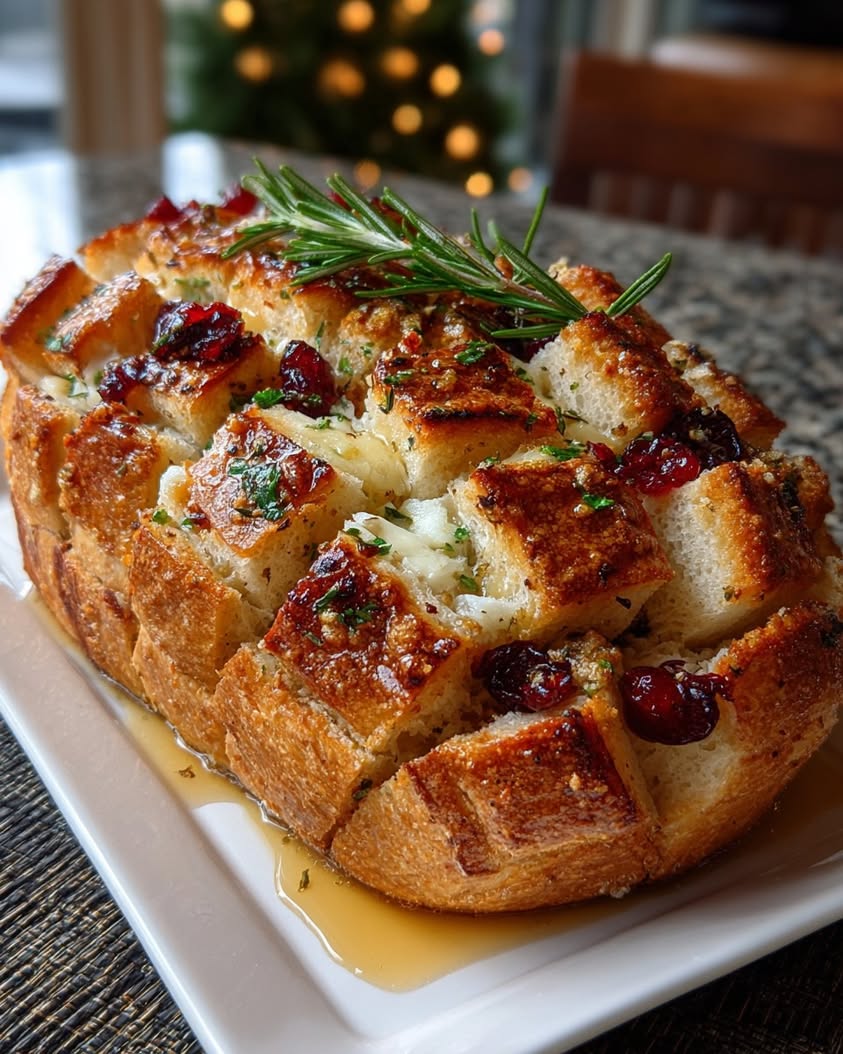
Cranberry Brie Sourdough Pull-Apart Bread: The Ultimate Holiday Appetizer
Imagine pulling apart warm, crusty sourdough bread to reveal rivers of melted brie and sweet-tart cranberry sauce. This cranberry brie sourdough pull-apart bread creates an unforgettable centerpiece for any gathering. Furthermore, it combines familiar comfort food with elegant presentation. The aroma alone will draw everyone to your kitchen. Consequently, this dish becomes the star of any appetizer spread.
The beauty of this cranberry brie sourdough pull-apart bread lies in its simplicity. You need only a few quality ingredients to create something truly spectacular. Moreover, the process feels almost magical as you transform a simple loaf into a shareable masterpiece. The contrast between the savory cheese and bright fruit creates a perfect balance. Ultimately, this recipe delivers restaurant-quality results with minimal effort.
During holiday seasons, this cranberry brie sourdough pull-apart bread becomes particularly special. It brings warmth and joy to any table. Additionally, it serves as a fantastic conversation starter. The interactive nature of pulling apart pieces makes it fun for everyone. Therefore, it perfectly bridges the gap between casual snacking and sophisticated entertaining.
Quick Recipe Highlights
- Flavor Profile: This cranberry brie sourdough pull-apart bread features creamy, mild brie cheese contrasted by sharp, sweet cranberries. The sourdough base provides a tangy backbone that complements both fillings beautifully. Additionally, herb-infused butter adds a savory note that ties everything together.
- Texture: Expect a crisp sourdough crust giving way to a soft, pillowy interior. The melted brie creates luxurious pockets of creaminess, while the cranberries provide occasional bursts of juicy texture. Consequently, each bite offers multiple satisfying mouthfeels.
- Aroma: As this cranberry brie sourdough pull-apart bread bakes, it fills your kitchen with the scent of toasting bread and melting cheese. The cranberries release their fruity fragrance, while herbs like rosemary or thyme add earthy notes. Ultimately, the aroma promises the delicious experience to come.
- Visual Appeal: The scored bread pattern creates an attractive presentation before baking. During serving, pulling apart the bread reveals stunning cheesy stretches and vibrant red cranberry pockets. Therefore, it makes for impressive food photography and table presentation.
- Skill Level Needed: This cranberry brie sourdough pull-apart bread requires basic kitchen skills like cutting and stuffing. No advanced baking techniques are necessary. However, careful knife work ensures even distribution of ingredients without cutting through the bottom crust.
- Special Equipment: You need only a sharp serrated knife, a baking sheet, and parchment paper. A pastry brush helps with butter application. Otherwise, no specialized tools are required for this accessible recipe.
Recipe Overview
- Difficulty Level: This cranberry brie sourdough pull-apart bread ranks as easy because it uses a pre-baked loaf. There is no yeast activation or dough rising involved. The technique primarily involves strategic cutting and stuffing. Consequently, even novice cooks can achieve excellent results on their first attempt.
- Category: This dish falls into appetizers, snacks, and party foods. It works beautifully as a starter before meals. Additionally, it serves as substantial finger food for gatherings. Therefore, it fits multiple dining occasions seamlessly.
- Cuisine: This cranberry brie sourdough pull-apart bread draws from American comfort food traditions with French influences through the brie cheese. The sourdough bread has European roots. Meanwhile, the cranberry pairing feels distinctly North American. Ultimately, it represents a fusion of culinary traditions.
- Cost: Using a store-bought sourdough round keeps costs reasonable. Brie cheese represents the most significant expense, while cranberry sauce remains affordable. Overall, this cranberry brie sourdough pull-apart bread delivers impressive results without breaking the bank.
- Season: This recipe shines during fall and winter holidays. Cranberries peak in late autumn, making them particularly festive. However, using year-round ingredients means you can enjoy this cranberry brie sourdough pull-apart bread anytime.
- Occasion: Perfect for holiday parties, game days, potlucks, and family gatherings. It makes an excellent addition to brunch spreads. Furthermore, it serves as a cozy weekend treat. Consequently, it adapts to both casual and formal events.
Why You’ll Love This Recipe
First, the taste experience of this cranberry brie sourdough pull-apart bread is truly exceptional. The combination of flavors creates a perfect balance that pleases diverse palates. The creamy brie mellows the tart cranberries, while the sourdough provides substance. Additionally, the herb butter adds complexity. Every component complements the others harmoniously. Therefore, each bite delivers a complete flavor profile that feels both comforting and sophisticated.
Convenience represents another major advantage. This cranberry brie sourdough pull-apart bread comes together quickly using accessible ingredients. You can prepare it ahead of time and bake it when needed. Moreover, it requires minimal cleanup. The entire process from start to finish takes less than forty minutes. Consequently, it solves the problem of impressive-looking appetizers that demand hours of kitchen time.
Nutritionally, this dish offers more balance than many appetizers. Sourdough bread provides probiotics and easier digestion compared to regular bread. Cranberries deliver antioxidants and vitamin C. Meanwhile, brie cheese offers protein and calcium. Although indulgent, this cranberry brie sourdough pull-apart bread contains valuable nutrients. Therefore, you can feel good about serving it to guests and family.
The social aspect cannot be overstated. Sharing food from a central platter creates connection and conversation. This cranberry brie sourdough pull-apart bread naturally encourages interaction as people pull apart pieces together. Furthermore, it serves as a beautiful centerpiece that enhances table aesthetics. The communal experience adds to the overall enjoyment of the meal.
Finally, this recipe proves cost-effective for entertaining. A single loaf generously serves six people as an appetizer. Compared to purchasing multiple expensive cheeses and charcuterie items, this cranberry brie sourdough pull-apart bread delivers big flavor for reasonable cost. Additionally, it uses ingredients that are easy to find year-round. Therefore, it becomes a go-to recipe for budget-conscious entertainers.
Historical Background and Cultural Significance
The concept of stuffed bread dates back centuries across numerous cultures. However, the specific combination of cranberry and brie in bread is a relatively modern innovation. This cranberry brie sourdough pull-apart bread represents the evolution of traditional stuffed breads meeting contemporary flavor preferences. The popularity of baked brie with cranberry sauce during the 1980s and 1990s likely inspired this creation. Consequently, it reflects how classic combinations find new expressions over time.
Culturally, this dish embodies the American tradition of transforming European ingredients into new forms. Sourdough bread has San Francisco roots, while brie hails from France. Cranberries are native to North America. This cranberry brie sourdough pull-apart bread represents a fusion of these diverse culinary traditions. Furthermore, it exemplifies the modern entertaining trend toward interactive, shareable foods that break from formal dining conventions.
The evolution of pull-apart breads tracks with the rising popularity of communal dining experiences. As entertaining became more casual in the late 20th century, foods that encouraged interaction gained traction. This cranberry brie sourdough pull-apart bread perfectly fits this social dining shift. Additionally, the growth of food blogging and social media created demand for visually impressive yet approachable recipes. This dish satisfies both requirements beautifully.
Regional variations continue to emerge as cooks adapt the concept to local ingredients. Some versions use different cheeses or fruits, while others incorporate spices and herbs. However, the cranberry and brie combination remains particularly beloved for its balance of flavors. This cranberry brie sourdough pull-apart bread has become a modern classic that continues to evolve while maintaining its core appeal.
Ingredient Deep Dive
Sourdough bread forms the foundation of this recipe. True sourdough uses wild yeast fermentation, creating its characteristic tangy flavor and chewy texture. The crust provides structural integrity for holding the fillings. When selecting sourdough, choose a round loaf with a crisp crust and irregular holes in the crumb. Store sourdough at room temperature for immediate use, or freeze for longer storage. For substitutions, French bread or ciabatta work well, though the flavor profile will differ.
Brie cheese brings creamy luxury to this dish. This soft-ripened cheese originated in the Brie region of France and features an edible white rind. The rind helps contain the melted cheese during baking. Look for brie that feels springy to the touch and shows no discoloration. Store brie in the refrigerator’s cheese drawer. For substitutions, Camembert offers a similar texture and flavor, while triple-cream cheeses provide extra richness.
Cranberry sauce provides the sweet-tart counterpoint to rich brie. While homemade cranberry sauce offers superior flavor, quality jarred versions work well for convenience. The gelatinous quality of canned sauce actually helps it stay contained within the bread during baking. Look for sauces with high fruit content and minimal added sugars. Store opened cranberry sauce in the refrigerator. For substitutions, fig jam, cherry preserves, or orange marmalade create delicious variations.
Butter serves as both a flavor carrier and texture enhancer. The butter helps crisp the bread exterior while infusing it with herbal notes. Unsalted butter allows you to control seasoning. European-style butter with higher fat content creates particularly luxurious results. Melted butter should cool slightly before brushing to prevent sogginess. For dairy-free versions, high-quality olive oil or vegan butter substitutes work well.
Fresh herbs elevate the simple butter glaze. Rosemary and thyme complement both the cheese and cranberries beautifully. The woody herbs withstand baking temperatures without losing their aromatic qualities. Always use fresh herbs rather than dried for the best flavor impact. Store herbs in the refrigerator with stems in water. For substitutions, sage, marjoram, or herbes de Provence blend create interesting variations.
Common Mistakes to Avoid
- Cutting completely through the bread bottom destroys the structural integrity. Instead, use a serrated knife and cut carefully until you reach approximately half-inch from the bottom. This technique creates perfect pockets without separation.
- Overstuffing the bread causes filling leakage during baking. Furthermore, it creates uneven heating. Use moderate amounts of both cheese and cranberry sauce. Remember that the cheese will melt and expand during cooking.
- Using cheese that’s too cold makes cutting and stuffing difficult. Remove brie from refrigeration at least thirty minutes before preparation. Consequently, it becomes more pliable and easier to work with.
- Skipping the butter brush reduces flavor and crispness. The herbed butter enhances both taste and texture. Additionally, it helps the exterior achieve beautiful golden-brown coloring during baking.
- Baking at incorrect temperatures causes issues. Too high burns the exterior before the interior heats through. Too low fails to properly melt the cheese and crisp the bread. Always preheat your oven completely.
- Not using parchment paper leads to sticking and messy cleanup. The melted cheese often drips during baking. Parchment paper protects your baking sheet and makes transfer easier.
- Rushing the cooling period results in burned mouths and messy serving. The fillings become extremely hot during baking. Allow the bread to rest for at least five minutes before serving.
- Using bread that’s too fresh can actually work against you. Day-old sourdough holds its structure better during cutting and stuffing. Fresh bread tends to tear more easily.
Essential Techniques
The cross-hatch cutting technique requires precision and patience. Using a sharp serrated knife, make parallel cuts about one inch apart across the entire loaf. Then, rotate the loaf ninety degrees and make perpendicular cuts to create a grid pattern. The key is maintaining consistent depth without cutting through the bottom crust. This method creates perfect pockets for the fillings while keeping the loaf structurally sound during baking.
Stuffing the bread demands a gentle touch. Work systematically across the grid, alternating between cheese and cranberry additions. Use your fingers to gently open each square while placing the fillings. Avoid packing them too tightly, as the cheese will expand during melting. This careful approach ensures even distribution throughout the loaf. Consequently, every pulled piece contains both fillings.
The butter application serves multiple purposes. Brushing melted herb butter into all the crevices adds flavor while promoting even browning. Pay special attention to ensuring the butter reaches between the cuts. This step enhances both taste and texture. The fat in the butter helps crisp the bread exterior while keeping the interior moist.
Baking requires attention to visual cues rather than strict timing. Oven temperatures vary, so watch for golden-brown coloration on the bread exterior and bubbling cheese visible between the segments. These indicators signal that the interior has heated thoroughly. Using both time and visual checks ensures perfect results every time.
Pro Tips for Perfect Cranberry Brie Sourdough Pull-Apart Bread
First, slightly stale sourdough works better than fresh bread. The drier structure absorbs less butter while maintaining better texture during baking. If using fresh bread, consider toasting it lightly before cutting and stuffing.
Secondly, chill the brie briefly before cubing it. About fifteen minutes in the freezer firms the cheese enough for clean cutting without fully freezing it. This technique prevents messy, sticky cheese during preparation.
Third, mix finely chopped herbs directly into the melted butter. This method distributes flavor more evenly than sprinkling herbs separately. Let the butter and herbs steep for a few minutes before brushing for maximum flavor infusion.
Fourth, place the stuffed bread on the prepared baking sheet before butter application. This sequence prevents messy transfers after the butter makes the bread slippery. Furthermore, it ensures any drips land on the parchment paper.
Fifth, tent the bread with foil if the top browns too quickly during baking. This simple technique prevents burning while allowing the interior to heat thoroughly. Remove the foil for the final few minutes to recrisp the top.
Sixth, let the baked bread rest for five to seven minutes before serving. This crucial resting period allows the molten cheese to set slightly, creating those beautiful cheese pulls without burning mouths.
Variations and Adaptations
Regional variations allow for creative interpretation. Mediterranean versions might use feta cheese, kalamata olives, and oregano. Southern adaptations could feature pimento cheese and pepper jelly. Southwest interpretations might incorporate pepper jack cheese and green chiles. These regional twists maintain the pull-apart concept while reflecting local flavor preferences. Consequently, the basic technique becomes a template for endless creativity.
Seasonal adaptations keep the recipe relevant year-round. Spring versions could use goat cheese and lemon marmalade with fresh herbs. Summer adaptations might feature fresh mozzarella, basil, and sun-dried tomatoes. Autumn variations could incorporate sharp cheddar and apple butter. These seasonal twists celebrate ingredients at their peak while maintaining the dish’s essential appeal.
Dietary modifications accommodate various needs. Gluten-free versions require a sturdy gluten-free bread loaf. Vegan adaptations use dairy-free cheese and plant-based butter. Lower-carb options might use a cauliflower bread base. These modifications ensure everyone can enjoy the pull-apart bread experience regardless of dietary restrictions.
Flavor variations explore different combinations. Savory options might include garlic herb cheese and caramelized onions. Sweet versions could feature cream cheese and fruit preserves. Spicy interpretations might incorporate jalapeños and pepper jack cheese. These flavor explorations demonstrate the recipe’s incredible versatility.
Serving and Presentation Guide
Plating techniques enhance visual appeal. Transfer the baked bread to a wooden cutting board or decorative platter. Place small bowls of extra cranberry sauce and herb butter for dipping alongside. Garnish with fresh herb sprigs and whole cranberries for color contrast. This presentation creates an inviting centerpiece that highlights the bread’s rustic elegance.
Garnishing ideas add finishing touches. Fresh rosemary sprigs provide height and fragrance. Scattered pomegranate arils add jewel-like brightness. Toasted walnut pieces contribute crunch and visual interest. Microgreens offer a delicate, contemporary touch. These garnishes elevate the presentation without complicating the preparation.
Traditional accompaniments complement the flavors. Mixed green salads with vinaigrette dressing cut the richness. Charcuterie boards extend the appetizer spread. Roasted vegetables provide substantial sides. These pairings create balanced menus that highlight the bread as the star element.
Modern serving suggestions reflect contemporary entertaining styles. Individual portions created in sourdough rolls work for seated dinners. Bite-sized versions using dinner rolls suit cocktail parties. Deconstructed arrangements with separate bread pieces and dipping stations accommodate buffet service. These adaptations maintain the essential flavor combination while varying the presentation format.
Wine and Beverage Pairing
Wine pairings should complement both the creamy brie and tart cranberries. Sparkling wines like Champagne or Prosecco cut through the richness beautifully. Off-dry Rieslings balance the cranberry acidity. Light-bodied Pinot Noirs won’t overwhelm the delicate flavors. These selections enhance the dining experience without dominating the food.
Non-alcoholic alternatives provide sophisticated options. Sparkling apple cider mirrors the effervescence of Champagne. Cranberry spritzers made with club soda and a splash of cranberry juice echo the bread’s flavors. Herbal iced teas with citrus notes refresh the palate. These beverages ensure everyone enjoys thoughtful pairings.
Coffee and tea pairings work particularly well for brunch servings. Medium-roast coffee with low acidity complements without overwhelming. Earl Grey tea’s bergamot notes harmonize with the cranberries. Chai tea’s spices stand up to the rich cheese. These warm beverages create cozy accompaniments for cooler weather.
Temperature considerations impact enjoyment. Serve white wines and sparkling options well-chilled but not ice-cold. Red wines should be slightly cooler than room temperature. Non-alcoholic beverages benefit from ice service alongside. These temperature guidelines ensure optimal flavor expression from both food and drinks.
Storage and Shelf Life
Storage methods maintain quality and safety. Cool leftover bread completely before storing. Place in an airtight container or wrap tightly in foil. Refrigerate for up to three days. For longer storage, freeze wrapped portions for up to one month. These methods preserve texture and flavor while preventing contamination.
Temperature requirements ensure food safety. Never leave the bread at room temperature for more than two hours. Refrigerate promptly after cooling. When reheating, ensure the internal temperature reaches 165°F. These precautions prevent bacterial growth while maintaining quality.
Container recommendations affect preservation. Airtight containers prevent drying and odor absorption. Glass containers won’t retain smells like plastic might. For freezing, heavy-duty foil followed by plastic wrap provides the best protection. These choices extend the shelf life while maintaining texture.
Reheating instructions restore freshness. Oven reheating at 350°F for 10-15 minutes works best. The toaster oven provides good results for smaller portions. Microwave reheating creates sogginess but works in a pinch. These methods balance convenience with quality restoration.
Make Ahead Strategies
Prep timeline flexibility makes entertaining easier. You can assemble the entire bread up to 24 hours ahead. Cover tightly with plastic wrap and refrigerate until baking time. Alternatively, prepare the components separately and assemble just before baking. This advance preparation reduces last-minute stress.
Storage between steps maintains quality. Keep the cut but unstuffed bread wrapped at room temperature. Store cubed cheese in an airtight container in the refrigerator. Have the cranberry sauce ready in a separate container. This component preparation streamlines final assembly.
Quality impact assessment helps planning. The bread may absorb some moisture from refrigeration, resulting in a slightly denser texture. The flavors might meld more thoroughly. These minor changes don’t significantly diminish the final product. Therefore, advance preparation remains worthwhile.
Assembly tips for make-ahead versions. If refrigerating assembled bread, add five minutes to the baking time. Bring the bread to room temperature for twenty minutes before baking. These adjustments account for the temperature difference and ensure proper heating.
Scaling Instructions
Halving the recipe works beautifully for smaller gatherings. Use a smaller sourdough boule or cut a regular loaf in half. Reduce all ingredients proportionally. Baking time may decrease by five to seven minutes. Watch for the same visual cues of golden crust and bubbling cheese.
Doubling or tripling requires practical adjustments. Use multiple baking sheets with proper air circulation between them. Rotate the sheets halfway through baking for even cooking. Consider staggering baking times if oven space is limited. These techniques ensure consistent results across multiple loaves.
Equipment adjustments accommodate different quantities. Larger baking sheets or multiple sheets become necessary. You might need to work in batches for very large quantities. Ensure your oven can maintain temperature with multiple items baking simultaneously.
Timing modifications account for quantity changes. Multiple loaves may require slightly longer baking times. However, avoid dramatically increasing times as this could dry out the bread. Instead, rely on visual indicators and check each loaf individually.
Nutritional Deep Dive
Macro breakdown provides understanding of energy content. The carbohydrates come primarily from the sourdough bread and cranberry sauce. Protein derives mainly from the brie cheese and bread. Fats originate from the cheese and butter. This balance makes the bread reasonably satisfying despite being an appetizer.
Micronutrient analysis reveals valuable nutrients. Cranberries provide vitamin C, vitamin E, and manganese. Sourdough offers B vitamins and iron. Brie contributes calcium and vitamin B12. These micronutrients add nutritional value beyond basic energy provision.
Health benefits extend beyond basic nutrition. Sourdough’s fermentation may improve gut health. Cranberries contain antioxidants that support urinary tract health. The moderate protein content promotes satiety. Therefore, this dish offers more than just empty calories.
Dietary considerations help with meal planning. The recipe contains gluten and dairy, requiring modifications for specific diets. The carbohydrate content may concern those monitoring blood sugar. However, portion control makes it manageable for most eating patterns.
Dietary Adaptations
Gluten-free adaptation requires a sturdy gluten-free bread loaf. Look for artisanal-style gluten-free sourdough if available. The stuffing and baking process remains identical. Ensure all other ingredients are certified gluten-free. This adaptation allows those with celiac disease or gluten sensitivity to enjoy the dish.
Dairy-free version uses vegan cheese alternatives. Look for melty vegan cheeses that mimic brie’s texture. Use plant-based butter for the herb glaze. Check that the bread contains no dairy. This modification accommodates lactose intolerance and vegan diets.
Vegan adaptation combines dairy-free modifications with other considerations. Use vegan sourdough bread without honey or dairy. Select plant-based cheese and butter. Ensure the cranberry sauce contains no honey. This comprehensive approach creates a fully plant-based version.
Lower-carb options might use a cauliflower bread base. Create a sturdy cauliflower crust formed into a round loaf. Adjust baking times accordingly. Use sugar-free cranberry sauce to reduce carbohydrates further. This adaptation suits low-carb and keto diets.
Troubleshooting Guide
Texture issues often relate to moisture balance. Soggy bread results from overstuffing or underbaking. Dry bread comes from overbaking or insufficient butter. Dense texture may indicate using bread that’s too fresh. These problems have straightforward solutions through ingredient adjustment and technique refinement.
Flavor balance problems require tasting and adjustment. If the bread tastes bland, increase salt in the butter or use more flavorful cheese. Overly sweet results need more cheese or herb balance. Adjust these elements gradually while noting changes for future reference.
Temperature problems affect melting and crisping. Cheese not melting properly indicates insufficient baking time or low oven temperature. Burnt exterior with cold interior suggests oven temperature is too high. Use an oven thermometer to verify accuracy and adjust accordingly.
Equipment challenges often involve knife selection. A dull knife tears the bread rather than cutting cleanly. Serrated knives work best for clean cuts. If your knife struggles, consider having it sharpened professionally. This simple solution improves results dramatically.
Recipe Success Stories
Community feedback highlights consistent satisfaction. Many home cooks report this recipe becoming their most-requested party dish. Furthermore, they appreciate how it impresses guests despite its simplicity. Several readers have shared photos of beautiful cheese pulls that rival professional food photography. These success stories demonstrate the recipe’s reliability and crowd-pleasing nature.
Variation successes show creative adaptation. One reader used pepper jelly instead of cranberry sauce for a spicy version. Another incorporated cooked sausage for a heartier appetizer. A third created a dessert version with cinnamon sugar and cream cheese. These innovations prove the recipe’s versatility while maintaining its essential appeal.
Adaptation stories reveal problem-solving creativity. A gluten-free reader perfected the method using homemade gluten-free bread. A vegan cook found the perfect dairy-free cheese combination. Someone with nut allergies created a delicious version using seeds instead of nuts for garnish. These adaptations make the recipe accessible to diverse needs.
Frequently Asked Questions
Can I use a different type of bread? Yes, though sourdough works particularly well for its structure and flavor. French bread, ciabatta, or even a sturdy whole grain loaf can substitute. The key is choosing a bread with a firm crust that can hold the fillings without becoming too soggy during baking.
What can I use instead of brie? Camembert makes an excellent substitute with similar melting qualities. For stronger flavor, try Gruyère or fontina. For a non-traditional approach, fresh mozzarella creates beautiful cheese pulls. The important characteristics are good melting ability and complementary flavor.
Can I make this vegetarian? The recipe is naturally vegetarian as written. However, always check that your bread contains no animal products if serving strict vegetarians. Some sourdough breads use animal-based enzymes, though most commercial versions are vegetarian-friendly.
How do I know when it’s done baking? Look for a golden-brown crust and bubbling cheese visible between the segments. The bread should sound hollow when tapped on the bottom. If cheese is vigorously bubbling and the crust is nicely colored, it’s ready. The internal temperature should reach at least 165°F.
Can I prepare this in advance? Absolutely. Assemble the bread completely, cover tightly with plastic wrap, and refrigerate for up to 24 hours before baking. You may need to add 5-10 minutes to the baking time if baking directly from refrigerator temperature.
What’s the best way to reheat leftovers? Oven reheating at 350°F for 10-15 minutes works best. The toaster oven provides good results for smaller portions. Microwave reheating tends to make the bread soggy, though it works in a pinch if you’re short on time.
Can I freeze the baked bread? Yes, though the texture may change slightly upon thawing. Cool completely, wrap tightly in foil, then place in a freezer bag. Reheat from frozen in a 350°F oven for 20-25 minutes until heated through. The cheese may separate slightly but will still taste delicious.
What other fruits work well?
Can I add meat to this recipe? Certainly. Cooked crumbled bacon, diced ham, or sliced prosciutto work beautifully. Add the meat when stuffing the bread, distributing it evenly among the cheese and cranberry additions. Reduce salt in the butter if using salty meats.
How do I prevent the bottom from getting soggy? Ensure you’re not overstuffing with wet ingredients. Using day-old bread helps absorb less moisture. Baking on parchment paper directly on the oven rack (with a baking sheet beneath to catch drips) can create crisper bottom crust.
Can I make individual portions? Absolutely. Use small sourdough rolls or even large dinner rolls. Adjust the baking time downward to 15-20 minutes. The individual portions make serving easier at parties and allow for personalization.
What herbs work best besides rosemary and thyme? Sage offers an earthy flavor that complements the cranberries. Marjoram provides a sweeter herbal note. Herbes de Provence blend creates a complex French-inspired flavor profile. Experiment to find your favorite combination.
Additional Resources
Related recipes that complement this bread include simple green salads, roasted vegetable platters, and charcuterie boards. These pairings create complete menus that highlight the bread as the centerpiece. Additionally, they balance the richness of the cheese with fresh, lighter elements.
Technique guides for bread cutting and cheese preparation enhance your skills. Mastering the cross-hatch cutting method improves presentation. Learning proper cheese cubing techniques streamlines preparation. These fundamental skills transfer to other recipes beyond this specific dish.
Ingredient information helps with selection and substitution. Understanding sourdough varieties ensures you choose the best loaf. Knowledge of cheese melting properties guides substitutions. Information about cranberry products helps select the right sauce for your taste preferences.
Equipment recommendations ensure proper tools. A quality serrated bread knife makes clean cuts. Sturdy baking sheets prevent warping. Reliable parchment paper prevents sticking. These basic tools contribute significantly to successful results.
PrintCranberry Brie Sourdough Pull-Apart Bread
Description
A festive and savory pull-apart bread filled with creamy brie, sweet cranberry sauce, and fresh herbs, perfect for sharing.
Ingredients
For the Crust:
- 1 large round sourdough bread loaf
- 8 oz brie cheese, rind removed and cubed
- 1/2 cup cranberry sauce
- 1/4 cup unsalted butter, melted
- 2 cloves garlic, minced
- 2 tbsp fresh parsley, chopped
- 1 tsp fresh thyme leaves
- Salt and black pepper to taste
Instructions
1. Prepare the Crust:
- Preheat oven to 375°F (190°C). Line a baking sheet with parchment paper.
- Using a sharp knife, cut the sourdough loaf into 1-inch squares, being careful not to cut through the bottom crust.
- In a small bowl, mix melted butter, minced garlic, parsley, thyme, salt, and pepper. Brush this mixture between the cuts of the bread.
- Tuck cubes of brie and dollops of cranberry sauce into the cuts throughout the loaf.
- Wrap the loaf loosely in foil and bake for 20 minutes. Remove foil and bake for another 5-10 minutes until cheese is melted and bread is golden.
- Serve warm, allowing guests to pull apart pieces.
Notes
You can customize the seasonings to taste.

I’m Shaykee—born in Morocco, seasoned across continents. From airplane galleys to home kitchens, I share the flavors and stories that shaped my journey.