
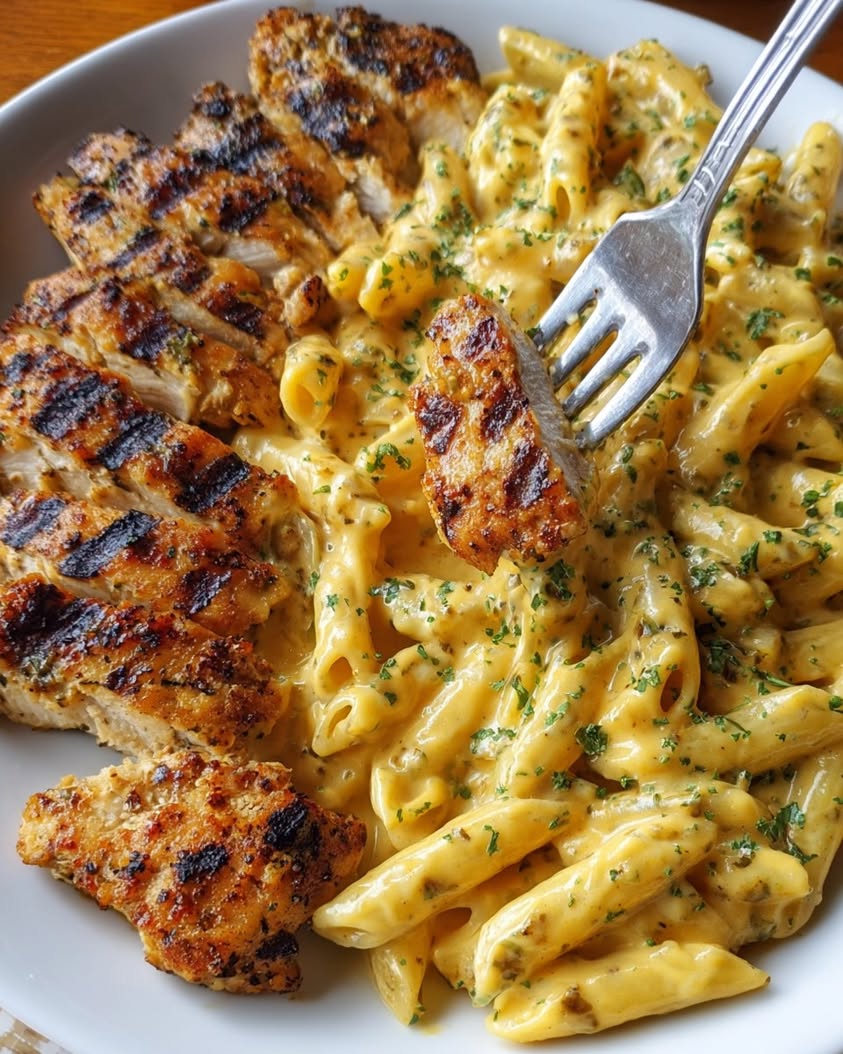
Creamy Cajun Chicken Pasta with Grilled Chicken Strips: A Spicy, Comforting Dinner Ready in 30 Minutes
Imagine a dinner that delivers a perfect storm of flavor and comfort without demanding hours in the kitchen. This Creamy Cajun Chicken Pasta with Grilled Chicken Strips is precisely that kind of magic. It combines tender, spice-rubbed chicken with al dente pasta, all swirled in a luxuriously creamy sauce that carries just the right amount of heat. Furthermore, it transforms simple pantry staples into a restaurant-worthy meal that will have everyone asking for seconds. Ultimately, this recipe is your secret weapon for a busy weeknight or a casual weekend feast.
The beauty of this Creamy Cajun Chicken Pasta lies in its harmonious balance. The bold, smoky spices from the Cajun seasoning create a fantastic foundation. Meanwhile, the rich cream sauce tempers that heat with its smooth, velvety texture. Each forkful offers a delightful contrast: the juicy, grilled chicken strips against the tender pasta, all coated in that irresistible sauce. Additionally, the vibrant colors from bell peppers and fresh parsley make the dish as beautiful on the plate as it is delicious. This is comfort food with a confident, spicy kick that wakes up your taste buds.
Perhaps best of all, this entire culinary experience comes together in about thirty minutes. From stovetop to table, the process is streamlined and straightforward. You will appreciate how efficiently the components come together. The chicken cooks quickly in a hot pan, the sauce simmers in just minutes, and the pasta cooks in a parallel timeline. Consequently, you can achieve a complex-tasting, satisfying meal with minimal fuss. This Creamy Cajun Chicken Pasta with Grilled Chicken Strips proves that impressive dinners don’t require complicated techniques or endless ingredients.
Quick Recipe Highlights
- Flavor Profile: This dish masterfully balances bold, smoky, and spicy Cajun flavors with a rich, cooling cream base. The garlic and onion provide aromatic depth, while the Parmesan cheese adds a salty, umami finish that rounds out the sauce perfectly.
- Texture: Enjoy a wonderful interplay of textures. You get juicy, slightly charred grilled chicken strips, tender-yet-firm pasta, and crisp-tender bell peppers, all enveloped in a luxuriously smooth and creamy sauce that clings to every element.
- Aroma: As it cooks, your kitchen will fill with the irresistible scent of sizzling garlic, smoky paprika, and toasted herbs from the Cajun seasoning. The aroma is warm, inviting, and promises a deeply flavorful meal.
- Visual Appeal: The dish is a feast for the eyes with its creamy white sauce studded with colorful red bell peppers and green parsley. The golden-brown grilled chicken strips arranged on top add contrast and visual texture, making it perfect for photos.
- Skill Level Needed: This is an accessible recipe for cooks of most levels. It requires basic skills like boiling pasta, sautéing vegetables, and cooking chicken to a safe temperature. The process is forgiving and the steps are clearly sequential.
- Special Equipment: You only need standard kitchen tools: a large pot for pasta, a large skillet or sauté pan for the chicken and sauce, and basic utensils like tongs, a wooden spoon, and a knife. No special appliances are required.
Recipe Overview
- Difficulty Level: We classify this Creamy Cajun Chicken Pasta as easy. The steps are linear and simple: cook the pasta, cook the chicken, make the sauce, and combine. There are no advanced techniques like making a roux from scratch, as the sauce comes together quickly with cream. Even a novice cook can achieve great results by following the instructions carefully.
- Category: This recipe fits perfectly into several categories. Primarily, it is a hearty main course pasta dish. It also qualifies as a quick and easy dinner recipe, a one-pan meal (if you use the same skillet for chicken and sauce), and a comforting, family-friendly weeknight meal. It’s substantial enough to stand alone.
- Cuisine: The dish is inspired by the flavors of Cajun and Creole cuisine from Louisiana, known for its bold use of spices like paprika, cayenne, garlic, and onion. However, it incorporates Italian elements through the pasta and Parmesan, and the creamy sauce is a modern, comforting adaptation. It’s a delicious fusion that respects its roots while being broadly accessible.
- Cost: This is a very cost-effective meal. Chicken breast, pasta, bell pepper, and basic dairy like cream and Parmesan are affordable staples. The Cajun seasoning, often a blend of common spices, is inexpensive to buy or make at home. Overall, you can feed a family of four a restaurant-quality meal for a fraction of the cost of dining out.
- Season: While truly delicious year-round, this Creamy Cajun Chicken Pasta feels particularly fitting in the cooler fall and winter months. The warm, spicy flavors and rich, creamy sauce provide deep comfort. Conversely, it’s also excellent in summer when you can use fresh, sweet bell peppers and serve it with a crisp salad for contrast.
- Occasion: This versatile dish suits many occasions. It’s ideal for a busy Tuesday family dinner, a casual Friday night date night at home, or meal-prepping for lunches. It’s also a crowd-pleaser for potlucks or casual gatherings, as it travels well and appeals to a wide range of palates (adjusting the spice level as needed).
Why You’ll Love This Recipe
First and foremost, the taste and texture experience is utterly compelling. This Creamy Cajun Chicken Pasta delivers a symphony of flavors in every single bite. You get the immediate warmth of Cajun spices, followed by the savory depth of garlic and onion, all mellowed by the luxurious cream and salty Parmesan. The textures are equally satisfying: the pasta provides a hearty base, the chicken adds juicy protein, and the bell peppers offer a refreshing crunch. Consequently, each component plays a vital role, creating a dish that is far greater than the sum of its parts.
From a practical standpoint, the convenience factor is a major win. This recipe is designed for real life, where time is precious. With a total time of just thirty minutes, it fits seamlessly into a hectic evening schedule. The preparation is straightforward, involving simple chopping and measuring. Moreover, the cooking process is efficient, with the pasta boiling while you prepare the chicken and sauce. You can have a homemade, flavorful dinner on the table faster than you could get takeout delivered, making it a reliable go-to recipe you’ll return to again and again.
Nutritionally, this dish offers a balanced meal in one bowl. It provides a solid source of protein from the chicken breast, complex carbohydrates from the pasta for energy, and vegetables in the form of bell peppers and aromatics. You control the ingredients, meaning you can opt for whole-grain pasta, adjust the amount of cream, or increase the vegetable content. Therefore, it’s a more wholesome alternative to similar restaurant dishes, which often contain excessive amounts of butter, salt, and oil. It’s a satisfying meal that fuels your body while delighting your senses.
For social and entertaining purposes, this Creamy Cajun Chicken Pasta is a fantastic choice. It is inherently shareable and universally appealing. When you have guests, you can easily double the recipe in one large pot or skillet. The vibrant, colorful presentation makes it look impressive with minimal effort. Additionally, you can customize the spice level to suit your guests’ preferences. Serve it with a simple green salad and some crusty bread, and you have a complete, crowd-pleasing menu that allows you to enjoy your company instead of being stuck in the kitchen all night.
Finally, the cost-effectiveness and accessibility of this recipe cannot be overstated. It utilizes common, affordable ingredients that are easy to find at any grocery store. Chicken breast and pasta are budget-friendly proteins and carbs. The cream, Parmesan, and bell pepper are standard dairy and produce items. Even the Cajun seasoning is a low-cost pantry staple. This accessibility means you can whip up this delicious, comforting meal without a special trip to the store or breaking the bank. It’s gourmet taste on a practical budget, which is a combination everyone can appreciate.
Historical Background and Cultural Significance
The story of this dish begins in the rich culinary melting pot of Louisiana, specifically within Cajun cuisine. Cajun cooking originated from the French-speaking Acadian immigrants who were deported from Canada to Louisiana in the 18th century. Forced to adapt, they blended their French techniques with local ingredients from the bayous, such as rice, seafood, and wild game, and influences from Spanish, Native American, and African cultures. The hallmark “Holy Trinity” of onion, bell pepper, and celery became a base, and spices like cayenne and paprika provided heat and color. This fusion created a rustic, hearty, and deeply flavorful food tradition centered on community and resourcefulness.
Culturally, food is the heart of Cajun life, often associated with large gatherings, festivals, and “fais do-dos” (dance parties). Dishes like gumbo, jambalaya, and étouffée are more than meals; they are expressions of history and hospitality. The introduction of pasta into this tradition is a more modern adaptation, reflecting the integration of Italian influences in American South cooking. A Creamy Cajun Chicken Pasta, therefore, represents a contemporary evolution. It takes the essential flavor profile—the smoky, spicy seasoning blend—and applies it to a creamy pasta format, making those iconic tastes accessible in a different, widely loved medium.
The evolution of this specific recipe follows the broader trend of “fusion” cuisine in late 20th and early 21st-century American home cooking. As Cajun seasoning became commercially available nationwide, home cooks began experimenting with it beyond traditional stews. Combining it with cream and pasta was a natural progression, creating a dish that offers the comfort of Italian-American pasta Alfredo with the exciting kick of Cajun spices. This evolution speaks to the adaptability of culinary traditions. They are not static but living practices that change as ingredients become available and tastes evolve, always aiming to create satisfying, delicious food.
Regional variations of this concept abound, showcasing its flexibility. In Louisiana, you might find a version with andouille sausage instead of chicken, or the “trinity” of vegetables more prominently featured. Some cooks add a splash of white wine to the sauce for acidity, while others incorporate tomatoes for a touch of sweetness and color. The type of pasta can vary from fettuccine to penne based on what holds the sauce best. Ultimately, the core idea remains: the bold, communal spirit of Cajun flavor delivered in a creamy, comforting pasta dish that brings people together around the table, no matter where they are.
Ingredient Deep Dive
Let’s start with the star of the show: Cajun seasoning. This blend is the soul of the dish, typically containing paprika, garlic powder, onion powder, cayenne pepper, oregano, thyme, and black pepper. Paprika provides smoky depth and color, while cayenne delivers the characteristic heat. You can buy pre-mixed seasoning or easily make your own to control the salt and spice levels. Making your own allows you to toast the spices lightly first, unlocking even more aromatic complexity. Store it in a cool, dark place to preserve its potency. If you don’t have a blend, you can mix smoked paprika, garlic powder, onion powder, and a pinch of cayenne as a quick substitute.
Boneless, skinless chicken breasts are the chosen protein for their lean profile and quick cooking time. For the best results, look for breasts of even thickness so they cook uniformly. You can also pound them slightly to an even thickness before slicing. This ensures your grilled chicken strips are juicy throughout, not dry on the edges and raw in the middle. To maximize flavor, pat the chicken dry before applying the seasoning; this helps achieve a better sear. If you prefer, chicken thighs offer a richer, more forgiving alternative due to their higher fat content. Always store raw chicken in the coldest part of your refrigerator and use it within 1-2 days of purchase.
Heavy cream forms the luxurious base of the sauce. Its high fat content prevents curdling when heated and creates that velvety, rich texture that coats the pasta beautifully. For a lighter version, you can use half-and-half, but be careful not to let it boil vigorously, as it can separate. There is no direct dairy-free substitute that replicates the exact richness, but full-fat coconut cream can provide a similar body with a slight coconut flavor. When shopping, check the label for pure cream without added thickeners. Always add cream to the pan off direct, high heat and stir constantly to integrate it smoothly with the other sauce ingredients.
Parmesan cheese is the flavor amplifier. Its salty, nutty, umami quality deepens the entire sauce. For the best flavor, buy a block of Parmigiano-Reggiano or Grana Padano and grate it yourself. Pre-grated cheese often contains anti-caking agents like cellulose, which can make your sauce grainy and less smooth. The fresh grating ensures it melts seamlessly into the warm cream. If you need a substitute, a sharp Pecorino Romano will work but is saltier, so adjust seasoning accordingly. For a dairy-free option, nutritional yeast can provide some cheesy flavor, though the texture will differ. Store your cheese block wrapped in parchment paper inside an airtight container in the refrigerator.
Common Mistakes to Avoid
- Overcooking the Chicken: This is the most common pitfall. Slicing the chicken into strips allows it to cook quickly. However, overcooking leads to dry, tough meat. Cook it just until no longer pink in the center, usually 3-4 minutes per side over medium-high heat. Remember, it will continue to cook slightly from residual heat after being removed from the pan.
- Using Watery Vegetables: If your bell peppers or onions release too much water while cooking, they can dilute your creamy sauce. To avoid this, ensure your skillet is hot before adding them, and sauté them just until they start to soften and gain a little color, not until they are mushy. This technique, called sweating, concentrates their flavor without excess liquid.
- Not Seasoning in Layers: Don’t rely solely on the Cajun seasoning on the chicken. Season the pasta water generously with salt—it should taste like the sea. This is your first and best chance to flavor the pasta itself. Then, taste your sauce before combining everything and adjust with salt, pepper, or a pinch more Cajun spice as needed. Layered seasoning creates depth.
- Adding Cold Cream to a Hot Pan: Pouring cold heavy cream directly into a very hot skillet can cause it to shock and potentially separate or curdle. To prevent this, remove the pan from direct high heat when you add the cream. Let the temperature come down slightly, or you can even let the cream sit out for 10-15 minutes before starting to cook to take the chill off.
- Using Pre-Grated Parmesan: As mentioned, pre-grated cheese contains additives that prevent clumping. These additives can also prevent the cheese from melting smoothly into your sauce, resulting in a grainy or slightly gritty texture. The extra minute it takes to grate a block of fresh Parmesan makes a monumental difference in achieving a silky, restaurant-quality sauce.
- Crowding the Pan When Cooking Chicken: If you add all the chicken strips to the pan at once, they will steam instead of sear. You want that nice, flavorful browning. Cook the chicken in two batches if necessary, ensuring each piece has contact with the hot surface. This guarantees better color, texture, and flavor on your grilled chicken strips.
- Rinsing the Cooked Pasta: After draining your pasta, do not rinse it with water. The starchy surface that clings to the noodles is essential. It helps the creamy sauce adhere to the pasta, allowing it to coat every strand or piece thoroughly. Rinsing washes this starch away and can leave you with a slick, separated sauce that slides off the noodles.
- Letting the Sauce Sit Too Long Before Serving: Cream-based sauces can thicken and become gloppy as they cool. For the best texture, have your pasta ready to go as soon as the sauce is finished. Combine them immediately and serve promptly. If the sauce does thicken too much upon standing, you can always stir in a small splash of the reserved pasta water to loosen it back up.
Essential Techniques
Mastering the sear on your chicken strips is crucial. This technique, often called the Maillard reaction, creates complex, savory flavors and an appealing color. To do it right, ensure your pan is properly preheated over medium-high heat before adding oil. Pat the seasoned chicken strips completely dry; moisture is the enemy of a good sear. Then, avoid moving the chicken for the first minute or two, allowing a golden-brown crust to form. This patience pays off in deep flavor. Finally, don’t overcrowd the pan, as dropping the temperature leads to steaming. Perfectly seared chicken should release easily from the pan when it’s ready to flip.
Creating an emulsified, creamy sauce is the next key technique. After sautéing your aromatics, you’ll deglaze the pan with a bit of chicken broth, scraping up the flavorful browned bits (fond) from the chicken. This builds a flavor base. When adding the cream, do so off high heat to prevent separation. The goal is to gently simmer the sauce to reduce it slightly, which concentrates the flavors and thickens it naturally. As you stir, the fat from the cream and the liquids will combine into a smooth, homogeneous sauce. Adding the freshly grated Parmesan at the end, off the heat, ensures it melts smoothly without becoming oily or clumpy.
The final, vital technique is properly marrying the pasta and sauce. Always reserve about a cup of the starchy pasta cooking water before you drain the noodles. This water is liquid gold. After combining the drained pasta with your creamy Cajun sauce in the skillet, toss everything together thoroughly. If the sauce seems too thick or isn’t coating the pasta well, add the reserved pasta water a tablespoon at a time. The starch in the water helps bind the sauce to the pasta, creating a glossy, cohesive dish where every bite is perfectly sauced. This method is far superior to simply pouring sauce over plain pasta on a plate.
Pro Tips for Perfect Creamy Cajun Chicken Pasta
First, make your own Cajun seasoning blend. Simply combine two tablespoons paprika, one tablespoon each of garlic powder and onion powder, one teaspoon each of dried oregano, dried thyme, and black pepper, and half a teaspoon of cayenne (adjust to taste). This homemade version will be fresher, more aromatic, and free of excess salt or anti-caking agents compared to many store-bought blends.
Second, bring your heavy cream to room temperature before starting. Taking the chill off the cream prevents it from cooling down your pan too rapidly when added, which helps maintain a consistent simmer and reduces the risk of the sauce breaking or curdling during the cooking process.
Third, use tongs to toss the pasta with the sauce in the skillet. This tool allows you to lift, fold, and coat the pasta evenly, ensuring every strand or piece is enveloped in the creamy Cajun sauce. It’s much more effective than stirring with a spoon.
Fourth, let the cooked chicken strips rest for a few minutes before slicing or adding back to the pasta. This allows the juices to redistribute throughout the meat, ensuring each bite of chicken in your final dish is moist and tender, not dry.
Fifth, add a splash of acidity at the end. A small squeeze of fresh lemon juice or a teaspoon of white wine vinegar stirred into the finished sauce just before serving can brighten all the rich, spicy flavors and cut through the creaminess, making the dish taste more balanced and complex.
Sixth, toast your spices. If making your own seasoning, gently toast the paprika and other dried spices in a dry skillet for 30-60 seconds before mixing. This simple step wakes up the essential oils, deepening the smoky, aromatic qualities of your Cajun Chicken Pasta exponentially.
Variations and Adaptations
For regional variations, consider a Louisiana-inspired twist by adding sliced andouille sausage along with the chicken for a deeper, smokier flavor. Alternatively, a Gulf Coast version could incorporate peeled shrimp added in the last few minutes of cooking. For a vegetarian take, replace the chicken with hearty vegetables like sliced mushrooms, zucchini, and eggplant, sautéed until tender. You could also use chickpeas or white beans for plant-based protein. The creamy Cajun sauce is versatile enough to carry any of these alternatives beautifully, allowing you to explore different flavor profiles while keeping the core technique the same.
Seasonal adaptations are simple and rewarding. In summer, use fresh, sweet corn kernels cut from the cob and add them with the bell peppers. In fall, incorporate diced sweet potato or butternut squash, roasting it first for caramelized sweetness that pairs wonderfully with the spice. During spring, asparagus tips or fresh peas make a bright, colorful addition. These modifications not only add nutritional variety but also keep the dish feeling fresh and connected to the time of year, making your Creamy Cajun Chicken Pasta a staple in every season.
Dietary modifications are straightforward. For a gluten-free version, use your favorite gluten-free pasta; corn- or rice-based varieties work well. To make it dairy-free, substitute the heavy cream with full-fat coconut milk and use a vegan Parmesan alternative or nutritional yeast. For a lower-carb or keto adaptation, replace the pasta with zucchini noodles (zoodles) or spaghetti squash, adding them at the very end to just warm through. You can also increase the amount of chicken and vegetables proportionally. Each adaptation maintains the spirit of the dish while accommodating specific nutritional needs.
Serving and Presentation Guide
Plating this dish beautifully enhances the dining experience. For a family-style presentation, pour the entire contents of the skillet into a large, shallow serving bowl or platter. Arrange the grilled chicken strips artfully on top, slightly overlapping. Alternatively, for individual plates, use tongs to create a nest of pasta in the center of each warm plate, then lean several chicken strips against the pasta. Drizzle any extra sauce from the skillet over the top. The goal is to create height and visual interest, showing off the different components rather than having them all mixed into a homogenous pile.
Garnishing is the final touch that adds freshness and color. A generous sprinkle of chopped fresh parsley or sliced green onions (scallions) provides a vibrant green contrast against the creamy sauce. For a pop of red, add a few thin slices of fresh red bell pepper. A final dusting of extra grated Parmesan cheese or a crack of black pepper adds texture and sophistication. If you enjoy a bit of heat, a light sprinkle of red pepper flakes on top signals the spicy goodness within. These small details make the dish look professionally prepared and incredibly appetizing.
Consider traditional and modern accompaniments. A simple side salad with a tangy vinaigrette, like a classic Caesar or mixed greens with lemon dressing, provides a refreshing counterpoint to the rich pasta. Warm, crusty garlic bread or a baguette is perfect for soaking up every last bit of the creamy Cajun sauce. For a lighter option, steamed green beans or broccoli work well. If serving for a crowd, consider a pitcher of iced tea, lemonade, or a light beer. These pairings complete the meal, offering a balance of flavors and textures that will satisfy your guests completely.
Wine and Beverage Pairing
Choosing the right wine can elevate your Creamy Cajun Chicken Pasta experience. The dish’s richness and spice call for wines with good acidity to cut through the cream and either complement or contrast the heat. An off-dry Riesling or Gewürztraminer is an excellent choice; their slight sweetness and floral notes beautifully balance the spicy Cajun seasoning. Alternatively, a crisp, citrusy Sauvignon Blanc or a lightly oaked Chardonnay can stand up to the sauce’s weight. For red wine lovers, a fruity, low-tannin option like a Beaujolais or a Zinfandel works well, as high-tannin reds can clash with the spice. Ultimately, the best pairing is one you enjoy, but these guidelines will steer you toward harmonious combinations.
For non-alcoholic alternatives, consider beverages that offer cooling or contrasting flavors. A sparkling lemonade or limeade provides effervescence and citrusy brightness that cleanses the palate between bites. Iced herbal teas, such as mint or hibiscus, are refreshing and won’t compete with the dish’s complex flavors. Buttermilk or a classic lime rickey (lime juice, simple syrup, and club soda) are also fantastic pairings. The key is to avoid overly sweet drinks, which can amplify the heat unpleasantly. Instead, opt for drinks with crisp, tart, or herbal notes that provide a refreshing counterpoint to the warm, creamy, and spicy notes of the pasta.
Storage and Shelf Life
Proper storage is key to enjoying leftovers. Allow the Creamy Cajun Chicken Pasta to cool completely before transferring it to an airtight container. Store it in the refrigerator for up to 3-4 days. The pasta will continue to absorb the sauce as it sits, so it will become thicker. When reheating, add a splash of milk, cream, or broth to a skillet over low heat, stirring gently until warmed through. Avoid microwaving on high power, as this can cause the sauce to separate and the chicken to become rubbery. Reheat only the portion you plan to eat to maintain the best texture.
Freezing is possible but with caveats. Cream-based sauces can sometimes separate or become grainy when frozen and thawed. If you choose to freeze, do so in a single layer in a freezer-safe bag or container for up to 2 months. Thaw overnight in the refrigerator. Upon reheating, the sauce may appear broken. To fix it, reheat very gently in a saucepan, whisking vigorously, or add a small amount of fresh cream while reheating to help re-emulsify the sauce. The pasta texture may be softer upon thawing. For best results, consider freezing just the cooked Cajun chicken strips and making a fresh batch of sauce and pasta when ready to serve.
Make Ahead Strategies
You can efficiently break this recipe into stages for easy assembly later. Up to a day ahead, slice and season the chicken breasts, storing them covered in the refrigerator. Chop the bell pepper and onion, storing them together in a separate container. Measure out your cream, broth, and spices. You can even grate the Parmesan cheese ahead of time. This “mise en place” approach turns the active cooking time into a simple assembly process. When ready to cook, everything is at your fingertips, allowing you to focus on the cooking techniques rather than prep work, making a 30-minute meal feel even faster and less stressful.
For partial cooking, you can grill the chicken strips 1-2 days in advance. Let them cool, store them in an airtight container in the fridge, and gently reheat them in the skillet just before adding them back to the finished pasta. You can also cook the pasta a few hours ahead; after draining, toss it with a tiny bit of olive oil to prevent sticking, spread it on a baking sheet to cool, then cover. When ready to serve, you can briefly dunk the pasta in boiling water to reheat, or add it directly to the warm sauce with a little extra liquid. These strategies are perfect for dinner parties, allowing you to be present with your guests.
Scaling Instructions
Scaling this recipe up or down is straightforward due to its simple ratios. To halve the recipe for two servings, simply divide all ingredients by two. Use a medium skillet instead of a large one. The cook times for the chicken and sauce will be slightly shorter, so rely on visual cues rather than strict timers. To double or triple for a crowd, use a very large pot or Dutch oven for the sauce, and cook the chicken in multiple batches to avoid steaming. You may need to simmer the sauce a few minutes longer to reach the desired thickness when making a larger volume. Always taste and adjust seasoning at the end, as spice perception can change with batch size.
Consider equipment and timing when scaling. Doubling the pasta means you’ll need a very large pot of well-salted water. If your skillet isn’t big enough for the doubled sauce, prepare it in a soup pot. When cooking large batches of chicken, keep the cooked strips warm on a baking sheet in a low oven (around 200°F) while you finish the rest. For timing, prepping all ingredients before you start cooking is even more critical with large batches. These adjustments ensure that whether you’re cooking for two or ten, your Creamy Cajun Chicken Pasta will be just as delicious and perfectly executed.
Nutritional Deep Dive
This dish provides a balanced macronutrient profile. A typical serving offers a substantial amount of protein from the chicken breast, essential for muscle repair and satiety. The pasta contributes complex carbohydrates, which are the body’s primary energy source. The heavy cream and Parmesan cheese provide fats, including some saturated fat, which contribute to the rich mouthfeel and help absorb fat-soluble vitamins. To modify the macros, you can use whole-wheat pasta for more fiber, increase the portion of chicken for more protein, or use a lighter cream alternative to reduce fat. It’s a fulfilling meal that provides sustained energy.
Micronutrient content is also noteworthy. Bell peppers are an excellent source of Vitamin C and antioxidants. Onions and garlic provide beneficial compounds like allicin. The spices in the Cajun blend, particularly paprika, contain antioxidants and anti-inflammatory properties. Chicken breast is a good source of B vitamins, especially niacin and B6, which are crucial for metabolism. Using whole ingredients from different food groups ensures you’re getting a variety of vitamins and minerals. While it is a rich dish, it also delivers meaningful nutritional value beyond just calories, making it a satisfying part of a varied diet.
Dietary Adaptations
For a gluten-free version, simply substitute regular pasta with a high-quality gluten-free pasta made from brown rice, quinoa, or corn. Be sure to check that your Cajun seasoning blend is certified gluten-free, as some may contain wheat-based fillers. Cook the gluten-free pasta according to package directions, as it often has a different texture and cooking time. Reserve the starchy pasta water as usual to help bind the sauce. The rest of the recipe remains unchanged, resulting in a dish that is just as creamy and flavorful for those with gluten sensitivities or celiac disease.
Creating a dairy-free Creamy Cajun Chicken Pasta is entirely possible. Replace the heavy cream with full-fat canned coconut milk for a similar richness and body; the coconut flavor pairs surprisingly well with the spices. Use a plant-based butter or olive oil for sautéing. Instead of Parmesan, stir in nutritional yeast at the end for a cheesy, umami flavor, or use a store-bought vegan Parmesan alternative. Be sure to choose an unflavored, unsweetened non-dairy milk for the best results. With these swaps, you can enjoy all the bold, comforting flavors of the original while adhering to a dairy-free lifestyle.
Troubleshooting Guide
If your sauce is too thin, continue to simmer it over low heat, stirring frequently, to allow excess liquid to evaporate and thicken naturally. Alternatively, create a quick slurry by mixing a teaspoon of cornstarch with a tablespoon of cold water, then whisk it into the simmering sauce. Let it cook for another minute until thickened. If the sauce is too thick, it’s likely over-reduced. Simply stir in a splash of reserved pasta water, chicken broth, or milk until it reaches your desired consistency. The starch in the pasta water is particularly effective at loosening the sauce while helping it cling to the noodles.
If the dish tastes bland, the issue is likely underseasoning. Remember to season in layers: salt the pasta water, season the chicken, and season the sauce. Taste the sauce before combining everything and adjust. You may need more salt to make all the flavors “pop.” A pinch more Cajun seasoning can boost the spice profile. A squeeze of lemon juice can brighten dull flavors. If it’s too spicy, add more cream or a dollop of sour cream to mellow the heat. Balancing flavors is a process of tasting and adjusting, so don’t be afraid to tweak it until it’s perfect for your palate.
Recipe Success Stories
Community feedback on this Creamy Cajun Chicken Pasta has been overwhelmingly positive. Many home cooks report that it has become a weekly rotation staple in their households. One reader shared that her teenage son, typically a picky eater, requested it three nights in a row. Another mentioned successfully doubling the recipe for a potluck, where it was the first dish to disappear. Several have experimented with adding different proteins like shrimp or sausage with great success. These stories highlight the recipe’s reliability and adaptability, proving that a well-written, flavorful recipe can earn a permanent place in family cookbooks and create delicious memories.
Photography tips from successful makers emphasize natural light and styling. The best photos often feature the pasta in a white or neutral-colored bowl to make the vibrant sauce and peppers stand out. A fork twisting a few strands of pasta, with a grilled chicken strip leaning against the side, creates an inviting, dynamic shot. Sprinkling fresh parsley and a little extra Parmesan on top just before snapping the picture adds texture and freshness. Many have found that capturing the steam rising from the dish conveys warmth and immediacy. These simple styling tricks can help you showcase your culinary creation beautifully, whether for your own memories or to share with friends online.
Frequently Asked Questions
Can I use chicken thighs instead of breasts? Absolutely. Chicken thighs are more forgiving and flavorful due to their higher fat content. Slice them into strips and cook as directed, noting they may take a minute or two longer to cook through. Their richer taste pairs wonderfully with the bold Cajun spices.
My sauce broke/separated. Can I fix it? Yes. Remove the sauce from heat and let it cool slightly. In a separate bowl, whisk a tablespoon of cold cream with a teaspoon of cornstarch until smooth. Very slowly whisk this slurry back into the warm sauce over low heat until it re-emulsifies and becomes smooth again.
How can I make this less spicy for kids? Use a mild Cajun seasoning blend or make your own with less or no cayenne pepper. You can also set aside a portion of the plain cooked chicken and pasta for kids before adding the spicy sauce, then toss theirs with a little
Print
Creamy Cajun Chicken Pasta with Grilled Chicken Strips
Description
A spicy and creamy pasta dish featuring tender grilled chicken strips tossed in a rich Cajun-seasoned sauce with bell peppers and onions.
Ingredients
For the Crust:
- 1 lb boneless, skinless chicken breasts, cut into strips
- 2 tbsp Cajun seasoning, divided
- 2 tbsp olive oil
- 1 red bell pepper, sliced
- 1 green bell pepper, sliced
- 1 small onion, sliced
- 3 cloves garlic, minced
- 1 cup heavy cream
- 1/2 cup chicken broth
- 1/2 cup grated Parmesan cheese
- 8 oz fettuccine pasta, cooked al dente
- Salt and black pepper to taste
- Fresh parsley, chopped for garnish
Instructions
1. Prepare the Crust:
- Season chicken strips with 1 tbsp Cajun seasoning. Heat olive oil in a large skillet over medium-high heat and cook chicken until browned and cooked through, about 6-8 minutes. Remove and set aside.
- In the same skillet, add bell peppers and onion. Sauté until softened, about 5 minutes. Add garlic and remaining Cajun seasoning, cook for 1 minute until fragrant.
- Pour in heavy cream and chicken broth, bring to a simmer. Stir in Parmesan cheese until melted and sauce thickens slightly, about 3-4 minutes.
- Return cooked chicken to the skillet. Add cooked pasta and toss to coat in the sauce. Season with salt and pepper to taste.
- Serve hot, garnished with fresh parsley.
Notes
You can customize the seasonings to taste.

I’m Shaykee—born in Morocco, seasoned across continents. From airplane galleys to home kitchens, I share the flavors and stories that shaped my journey.