
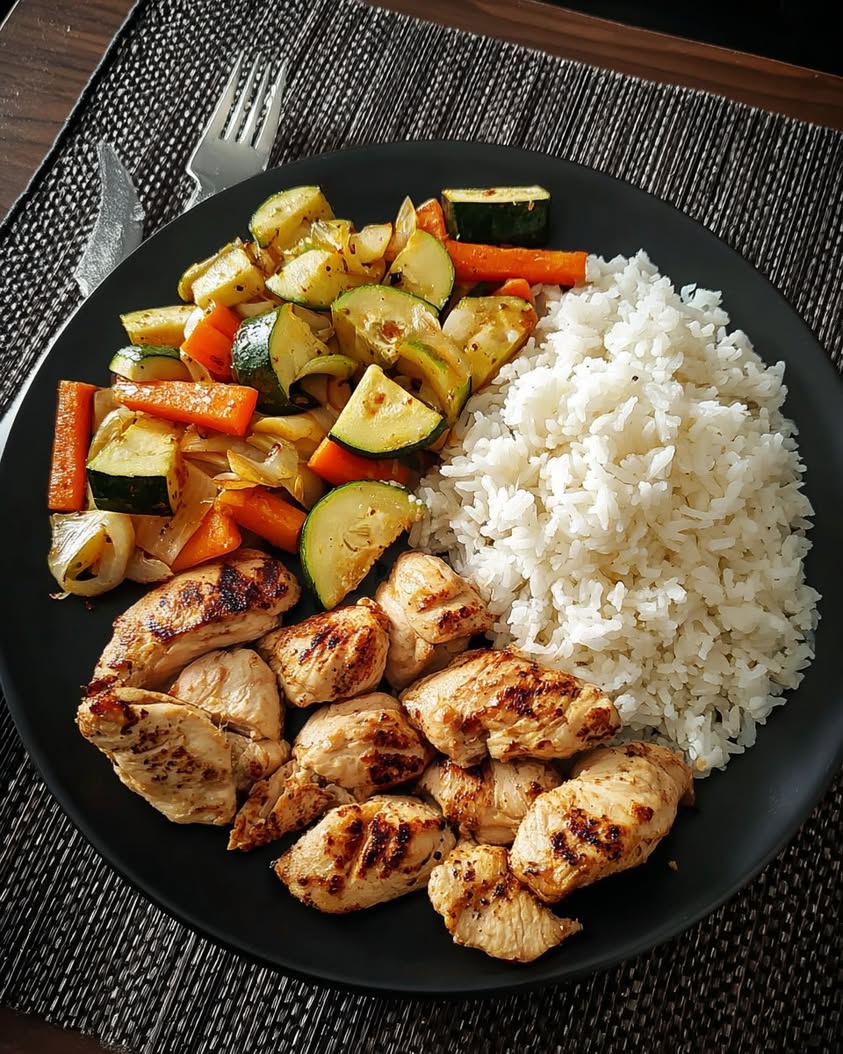
Epic Garlic Butter Chicken with Veggie Medley: A One-Pan Wonder for Busy Nights
Imagine a dinner that fills your kitchen with the irresistible aroma of sizzling garlic and herbs, all while coming together in a single pan with minimal cleanup. This Epic Garlic Butter Chicken with Veggie Medley is exactly that kind of magical weeknight solution. Consequently, it transforms simple ingredients into a restaurant-quality meal that feels indulgent yet remains incredibly approachable for home cooks of any level.
Furthermore, the star of this show is undoubtedly the luxurious garlic butter sauce. This sauce lovingly coats every piece of juicy chicken and tender-crisp vegetable, creating a harmonious blend of flavors in every bite. Ultimately, this recipe proves that a truly satisfying and healthy dinner doesn’t require complicated techniques or a mountain of dishes. Instead, it relies on quality ingredients and a smart, one-pan cooking method.
Quick Recipe Highlights
- Flavor Profile: This dish delivers a powerful punch of savory, buttery goodness perfectly balanced with the sweet caramelization of roasted vegetables and the bright, herbal notes of fresh parsley. The garlic mellows as it cooks, becoming fragrant and rich rather than sharp.
- Texture: You get the perfect contrast of textures: succulent, pan-seared chicken with a lightly golden exterior alongside vegetables that are tender yet retain a pleasant bite. The sauce adds a luscious, velvety mouthfeel that ties everything together.
- Aroma: As it cooks, the scent of minced garlic sizzling in melted butter with Italian seasoning will make your entire home smell incredible. It’s an aromatic promise of the delicious meal to come.
- Visual Appeal: The presentation is vibrant and colorful, featuring the golden-brown chicken nestled among bright green broccoli florets and orange carrot coins. A final sprinkle of fresh parsley adds a pop of green that makes the dish look professionally plated.
- Skill Level Needed: This is a beginner-friendly recipe designed for success. The steps are straightforward: season, sear, sauté, and simmer. If you can handle a skillet, you can absolutely master this easy dinner.
- Special Equipment: You only need one large, oven-safe skillet or braiser. A sturdy pair of tongs is helpful for turning the chicken, and a sharp knife and cutting board for prepping the veggies are essential. No fancy gadgets required.
Recipe Overview
- Difficulty Level: We rate this recipe as “Easy” because it uses fundamental cooking techniques accessible to everyone. The process is linear and forgiving. For instance, the vegetable cook time can be adjusted slightly based on your preference for crunch. Moreover, the sauce is simple to prepare and doesn’t require delicate emulsification or reduction.
- Category: This dish is a complete main course, providing a balanced meal of protein and vegetables in one go. It fits perfectly into categories like “Healthy Dinners,” “One-Pan Meals,” “Family-Friendly Recipes,” and “Quick Weeknight Suppers.”
- Cuisine: While garlic butter sauces have roots in French (beurre blanc) and Italian (aglio e olio) traditions, this recipe is a modern, fusion-style home cook’s classic. It borrows technique and simplicity from these cuisines but presents them in an accessible, all-in-one format popular in contemporary American home cooking.
- Cost: This is a cost-effective meal. Chicken thighs are often more affordable than breasts, and the vegetables used are common and inexpensive, especially when in season. The sauce ingredients are pantry staples for most home cooks, making the overall cost per serving very reasonable.
- Season: This recipe is fantastic year-round. However, it shines in the fall and winter when hearty, comforting meals are desired. Conversely, it’s also light enough for spring and summer, especially if you serve it with a crisp salad on the side.
- Occasion: It’s ideal for busy weeknights, casual weekend family dinners, or even for meal prep. Additionally, it’s impressive enough to serve to guests with minimal last-minute effort, allowing you to enjoy the company rather than being stuck in the kitchen.
Why You’ll Love This Recipe
First and foremost, the taste and texture combination is utterly irresistible. The chicken becomes incredibly juicy and flavorful as it sears and then simmers in the garlic butter sauce. Meanwhile, the vegetables soak up all those savory pan drippings, becoming little flavor bombs themselves. Every forkful delivers a perfect balance of protein and veg, all coated in that rich, aromatic sauce. This harmony of elements makes it a meal that satisfies on every level, from the first savory smell to the last delicious bite.
From a convenience standpoint, this recipe is a true lifesaver. The one-pan method is its greatest asset. You sear the chicken, cook the veggies, and make the sauce all in the same skillet. Consequently, you are left with only one major dish to wash. This streamlined process makes getting dinner on the table fast and reduces kitchen stress significantly. It’s the definition of a practical yet spectacular easy dinner.
Nutritionally, this Garlic Butter Chicken packs a powerful punch. Chicken thighs provide high-quality protein and essential nutrients like iron and zinc. Broccoli and carrots are vitamin powerhouses, loaded with fiber, vitamin C, vitamin A, and antioxidants. Cooking everything together in a controlled amount of butter and broth means you avoid excessive, hidden calories often found in restaurant versions. You control the sodium and quality of ingredients, resulting in a genuinely healthy recipe that doesn’t sacrifice flavor.
For social and entertaining value, this dish is a quiet superstar. It looks beautiful when plated directly from the skillet, giving off a rustic, generous feel that impresses guests. Because the active cook time is relatively short, you can spend more time with your company. You can easily double the recipe for a larger group by using an extra-large skillet or cooking in batches. It’s a universally appealing meal that suits both adults and children, making it perfect for family gatherings or casual dinner parties.
Finally, its cost-effectiveness and accessibility are major wins. The ingredients are not exotic or expensive. You can find everything at a standard grocery store. Furthermore, the recipe is adaptable; you can swap in different vegetables based on what’s on sale or in your fridge. This flexibility prevents food waste and keeps your grocery bill in check. Ultimately, it delivers restaurant-quality taste for a fraction of the price, proving that eating well at home is both achievable and affordable.
Historical Background and Cultural Significance
The concept of cooking meat and vegetables together in a single vessel is ancient and universal, found in culinary traditions worldwide from stews to stir-fries. Our modern interpretation of a “one-pan meal” gained massive popularity in recent decades, driven by the desire for convenience without compromising on homemade quality. This Epic Garlic Butter Chicken is a direct descendant of that trend, combining efficient technique with crowd-pleasing flavors. It represents the evolution of home cooking toward smarter, faster methods that fit busy contemporary lifestyles.
Culturally, the garlic butter sauce is a cornerstone of comfort food in many Western kitchens. Garlic, revered for millennia for both its flavor and purported health benefits, forms the backbone. Butter adds richness and carries the flavors of herbs. This combination has roots in French cuisine (think escargots or steak au poivre) and Italian cooking (like pasta aglio e olio with a pat of butter stirred in). Our recipe simplifies these classic foundations into an accessible, all-in-one format.
The evolution of this specific recipe style is also tied to the popularity of skillet cooking and the widespread availability of high-quality, oven-safe cookware for home use. As home cooks sought to replicate the searing and deglazing techniques used by chefs, recipes that utilized a single pan from stovetop to oven (or just on the stovetop) became coveted. This method maximizes flavor development through fond—the browned bits left in the pan after searing—which then becomes the base for the sauce.
Regional variations of this concept are endless. In the American South, you might find a similar dish with Cajun seasoning and bell peppers. In the Mediterranean region, olive oil might share the stage with butter, and herbs like oregano and thyme would be prominent. Our version uses a blend of Italian seasoning, which is a common pantry staple in North American homes, making it a fusion recipe that reflects the globalized, practical nature of modern home cooking. It’s less about strict tradition and more about creating reliable, delicious results with what you have on hand.
Ingredient Deep Dive
Chicken Thighs (Boneless, Skinless): Chicken thighs are the ideal choice for this one-pan wonder due to their higher fat content compared to breasts. This fat renders during cooking, basting the meat from within and ensuring it stays incredibly moist and flavorful, even if slightly overcooked. Thighs are also more affordable and forgiving for beginner cooks. When selecting, look for thighs that are relatively uniform in size for even cooking. You can substitute chicken breasts, but reduce the initial sear time by 1-2 minutes per side to prevent dryness.
Fresh Garlic: Garlic is non-negotiable here, providing the foundational aroma and flavor. Historically used for both culinary and medicinal purposes for over 5,000 years, it adds a pungent, savory depth that mellows beautifully when cooked in butter. Nutritionally, it contains allicin, a compound with noted health benefits. For the best flavor, use fresh garlic cloves and mince them yourself rather than using pre-minced jarred garlic. Store fresh garlic in a cool, dry, dark place with good air circulation to prevent sprouting.
Unsalted Butter: Butter creates the luxurious, velvety sauce that defines this dish. Using unsalted butter allows you to control the final salt level of the sauce precisely. As it browns slightly with the garlic, it develops a nutty, rich flavor that water or oil alone cannot achieve. For storage, keep butter tightly wrapped in the refrigerator; for long-term storage, it freezes exceptionally well. For a dairy-free version, a high-quality plant-based butter substitute that browns well can be used.
Broccoli Florets: Broccoli adds vibrant color, a pleasant crunch, and a powerhouse of nutrients like vitamin C, vitamin K, and fiber. It’s a cruciferous vegetable with a long history of cultivation. Choose heads with tight, deep green florets and firm stalks. Avoid any with yellowing or soft spots. To prepare, cut larger florets in half so they cook at the same rate as the carrots. You can also use the peeled and sliced stalk for zero waste.
Carrots: Carrots contribute natural sweetness and beautiful orange color, which balances the savory elements of the dish. They are rich in beta-carotene, which the body converts to vitamin A. For this recipe, slicing them into coins ensures they cook quickly and evenly. Look for firm, smooth carrots without cracks. Baby carrots can be used as a time-saver—just slice them in half lengthwise. They store well in the crisper drawer of your refrigerator.
Chicken Broth: Chicken broth serves as the liquid base for the sauce, adding a layer of savory depth (umami) and moisture. It also deglazes the pan, lifting all the flavorful browned bits (fond) from the chicken and vegetables to incorporate into the sauce. Use a low-sodium broth to maintain control over seasoning. For the best flavor, a homemade broth is excellent, but a quality store-bought version works perfectly. Vegetable broth can be used as a direct substitute.
Common Mistakes to Avoid
- Crowding the Pan: Adding all the chicken thighs at once to a skillet that’s too small will cause them to steam instead of sear. You need space for evaporation. Therefore, cook in batches if necessary to achieve a proper golden-brown crust, which is crucial for flavor.
- Underseasoning the Chicken: Seasoning is not just a surface treatment. Adequate salt and pepper on the chicken before searing penetrate the meat and form a delicious crust. Do not be shy with seasoning at this stage, as it seasons the entire dish.
- Burning the Garlic: Garlic burns in seconds and turns bitter. Always add minced garlic to the pan off the direct heat or when the butter is foamy but not browned. Stir it constantly for just 30-60 seconds until fragrant, then immediately add the liquid.
- Overcooking the Vegetables: Broccoli and carrots should be tender-crisp, not mushy. Remember, they will continue to cook slightly in the hot sauce after you turn off the heat. Aim for a bright color and a bit of resistance when pierced with a fork.
- Using Cold Butter Straight from the Fridge: While you don’t need to fully soften it, very cold butter added at the end can cause the sauce to break or not incorporate smoothly. Let it sit out for 10-15 minutes before you start cooking.
- Skipping the Deglazing Step: After removing the chicken and vegetables, pouring the broth into the hot pan and scraping up the browned bits is essential. Those bits are packed with flavor and form the foundation of your sauce. Do not leave them stuck to the pan.
- Not Letting the Sauce Simmer: A quick simmer after adding the broth helps it reduce slightly and concentrate in flavor. Rushing this step means a thinner, less flavorful sauce. Let it bubble gently for the full few minutes.
- Cutting Vegetables Inconsistently: If your carrot coins are much thicker than your broccoli florets, they won’t cook evenly. Aim for uniform sizes to ensure everything is perfectly done at the same time.
Essential Techniques
Pan Searing: Pan searing is the high-heat cooking of the chicken to create a flavorful, caramelized crust via the Maillard reaction. This technique is vital because it locks in juices and develops complex flavors that form the base of your sauce. To master it, ensure your skillet is properly preheated before adding the oil and chicken. The chicken should sizzle loudly upon contact. Avoid moving it for the first few minutes to allow a crust to form. A common pitfall is flipping too early, which causes the meat to tear and stick. Visual cues for success include a golden-brown, easily releasable crust on each side.
Deglazing: Deglazing is the process of adding a liquid (like broth) to a hot pan to dissolve the flavorful browned bits (fond) left after searing. This technique is crucial for building a deeply flavored sauce and ensuring no deliciousness is left behind. After removing the chicken and veggies, with the pan still over medium heat, pour in your broth. Immediately use a wooden spoon or spatula to vigorously scrape the bottom of the pan. You’ll see the fond dissolve into the liquid, turning it a rich, golden color. The key is to do this while the pan is hot enough to create a sizzle and steam.
Sautéing Vegetables to Tender-Crisp: This technique involves cooking vegetables quickly in fat over relatively high heat. The goal is to cook them through while retaining color, texture, and nutrients. For this recipe, you add the veggies to the flavorful fat left from the chicken. Stir them frequently to promote even cooking and prevent burning. The technique is complete when the carrots are just pierceable with a fork and the broccoli is bright green. The common mistake is walking away, which can lead to uneven cooking or burning. They should still have a slight crunch, as they will soften further in the sauce later.
Pro Tips for Perfect Epic Garlic Butter Chicken
- Pat your chicken thighs completely dry with paper towels before seasoning. Moisture on the surface creates steam, which prevents that desirable golden-brown sear.
- Let your chicken rest at room temperature for 10-15 minutes before cooking. This helps it cook more evenly, preventing a cold center and an overcooked exterior.
- Use a mix of butter and a high-smoke-point oil (like avocado or grapeseed) for searing the chicken. The butter adds flavor, while the oil prevents the butter from burning at high heat.
- After adding the minced garlic to the butter, take the pan off the burner for a moment. The residual heat is often enough to cook the garlic to fragrant perfection without risking a bitter burn.
- For an extra flavor boost, add a splash of white wine or lemon juice to the pan when you deglaze with the chicken broth. It adds a wonderful layer of acidity and complexity.
- Finish the sauce with a final tablespoon of cold butter off the heat. Swirl it in until just melted; this last-minute addition (called “monter au beurre”) gives the sauce a beautiful sheen and extra silkiness.
- If your sauce seems too thin after simmering, you can thicken it slightly. Mix a teaspoon of cornstarch with a tablespoon of cold water, then whisk it into the simmering sauce for a minute until it thickens.
- For the freshest flavor, use freshly chopped flat-leaf parsley instead of dried. Add it right at the end as a garnish to preserve its bright color and herbal punch.
Variations and Adaptations
Regional Variations: Give this dish a Cajun twist by replacing the Italian seasoning with a homemade or store-bought Cajun blend. Add sliced bell peppers and onions to the veggie medley. For a Mediterranean flair, use olive oil as the primary fat, add kalamata olives and artichoke hearts with the veggies, and finish with fresh oregano and a squeeze of lemon.
Seasonal Adaptations: In spring, use asparagus tips and fresh peas. During summer, incorporate zucchini, yellow squash, and cherry tomatoes (add tomatoes at the very end). For fall, swap in cubed butternut squash and Brussels sprouts halves, extending the sauté time slightly as needed. Winter calls for heartier roots like parsnips and turnips.
Dietary Modifications: For a keto or low-carb version, simply increase the volume of non-starchy vegetables like broccoli, add mushrooms, and ensure your broth has no added sugar. To make it Whole30 or Paleo, use ghee instead of butter and ensure your broth is compliant. For a dairy-free adaptation, use a high-quality vegan butter substitute or all olive oil.
Flavor Variations: Introduce umami with a tablespoon of tomato paste added after the garlic, cooking for a minute before adding broth. For an herby profile, use fresh thyme and rosemary sprigs. For a spicy kick, add red pepper flakes to the garlic butter or finish with a drizzle of chili oil.
Texture Modifications: For a creamier sauce, stir in 1/4 cup of heavy cream or full-fat coconut milk after the broth simmers. For extra texture, sprinkle the finished dish with toasted slivered almonds or pine nuts. To make it more stew-like, cut the chicken into bite-sized pieces and add extra broth, simmering until the sauce thickens slightly.
Presentation Alternatives: Serve the chicken and veggies over a bed of creamy mashed cauliflower, polenta, or quinoa to soak up the sauce. For individual servings, plate the components separately in a modern, deconstructed style. Alternatively, present it family-style right in the beautiful skillet you cooked it in.
Serving and Presentation Guide
Plating this dish is part of its appeal. For a casual family dinner, bring the skillet directly to the table—it’s rustic and inviting. For a more plated presentation, use a large shallow bowl or plate. Place a scoop of your chosen base (like mashed potatoes or rice) slightly off-center. Arrange the chicken thighs and vegetable medley artfully around and over the base. Spoon the generous amount of garlic butter sauce over everything, ensuring it pools enticingly at the bottom of the plate.
Garnishing adds the final touch of freshness and color. A generous sprinkle of freshly chopped parsley is classic. For added color and a lemony zing, add a few thin slices of lemon or a sprinkle of lemon zest. A final crack of black pepper or a light dusting of paprika also adds visual contrast. If you used fresh herbs in the sauce, a small whole sprig makes a beautiful garnish.
Traditional accompaniments are simple, as the dish is a complete meal. However, a crusty baguette or slice of artisan bread is non-negotiable for sopping up every last drop of the incredible sauce. A simple side salad with a bright vinaigrette (like a lemon-dijon dressing) provides a refreshing contrast to the rich, savory main. For a heartier meal, serve with buttered egg noodles, rice, or roasted baby potatoes.
Modern serving suggestions include turning leftovers into a fantastic filling for wraps or quesadillas the next day. You can also flake the leftover chicken and mix it with the veggies and sauce to create a delicious pasta topping. For a lunch bowl, layer the chopped chicken and veggies over a grain with the sauce drizzled on top and add some fresh greens.
Temperature is key. Serve this dish immediately after finishing the sauce. The chicken and vegetables are at their peak texture when hot, and the sauce should be warm and fluid. If you need to hold it for a few minutes, tent the skillet loosely with foil to retain heat without steaming the vegetables into mush.
Portion control is easy with this balanced meal. One chicken thigh and a generous scoop of vegetables (about 1.5 cups) makes a perfect serving for most adults. The sauce is rich, so a little goes a long way in terms of flavor, though you’ll likely want to use all of it. For lighter appetites or children, half a thigh with veggies is sufficient.
Wine and Beverage Pairing
Wine pairings for this rich, garlicky dish should complement its savory depth without overpowering it. A crisp, unoaked Chardonnay is an excellent choice—its bright acidity cuts through the butter, and its citrus notes harmonize with the herbs. Alternatively, a Pinot Gris or a dry Riesling offers a similar balancing act. For red wine lovers, a light to medium-bodied red like Pinot Noir or Grenache works beautifully; their fruit-forward profiles and soft tannins won’t clash with the garlic and herbs.
Non-alcoholic alternatives are just as important. Sparkling water with a twist of lemon or lime cleanses the palate between bites. For a more crafted option, a virgin mojito (mint, lime, soda water) provides a refreshing herbal contrast. A lightly sweetened iced tea, especially green or herbal tea like mint, also pairs wonderfully, as the slight bitterness and aroma complement the dish’s flavors.
While not a traditional coffee dish, a post-meal espresso or Americano can be a lovely finish. The bitterness of the coffee provides a palate-cleansing contrast to the rich, savory meal. A cup of herbal tea, such as chamomile or peppermint, is also a soothing way to end the evening, aiding digestion after a satisfying dinner.
Temperature considerations are straightforward: white wines and non-alcoholic sparklers should be served well-chilled. Red wines should be served slightly below room temperature, around 60-65°F. Iced beverages should be cold but not diluted; use large ice cubes to prevent watering down. Always pour wine just before serving to preserve its character.
Serving suggestions include offering both white and red wine options if you have guests with different preferences. Place a carafe of chilled water on the table with lemon slices. For a special touch, create a signature mocktail for the evening that echoes the dish’s herbal notes, such as a rosemary-lemon spritzer.
Storage and Shelf Life
Proper storage is key to enjoying leftovers. Allow the dish to cool completely to room temperature before storing, but do not leave it out for more than two hours. Transfer the chicken, vegetables, and all the sauce into an airtight container. Stored this way in the refrigerator, it will maintain best quality for 3-4 days. The flavors often meld and improve on the second day.
For freezing, this dish freezes reasonably well. Place cooled portions in freezer-safe bags or containers, removing as much air as possible. The texture of the vegetables may become slightly softer upon thawing and reheating. It will keep for up to 2-3 months in the freezer. For best results, freeze the sauce separately if possible, as it can sometimes separate when frozen with dairy.
Signs of spoilage are typical for cooked food. Discard if you notice an off or sour smell, visible mold, or if the sauce has developed an unusual texture or separation that doesn’t recombine with gentle heating. If the vegetables have become unpleasantly slimy, it’s time to throw it out.
Reheating instructions are simple. For the best texture, reheat gently on the stovetop over medium-low heat in a saucepan or skillet, adding a splash of broth or water to loosen the sauce if it has thickened. Stir occasionally until heated through. You can also use the microwave: place a portion in a microwave-safe dish, cover loosely, and heat in 60-second intervals, stirring in between, until hot. Avoid high power settings to prevent the chicken from becoming rubbery.
Make Ahead Strategies
You can significantly speed up your weeknight dinner with smart make-ahead prep. The day before, chop all your vegetables (broccoli and carrots) and store them in separate airtight containers or bags in the refrigerator. Mince your garlic and store it in a small container. Measure out your dry seasonings. This “mise en place” approach means when it’s time to cook, you can move quickly and efficiently without any chopping delays.
You can also fully cook the dish 1-2 days in advance. After cooking, cool it completely and store it in the refrigerator in an airtight container. The flavors will deepen. When ready to serve, reheat gently on the stovetop as described above. This is perfect for dinner parties, as it allows you to be present with your guests instead of cooking.
Consider the quality impact. Pre-chopped vegetables may lose a slight amount of crispness but will still be delicious. Fully cooked and reheated chicken will remain moist due to the protective sauce. The garlic butter sauce may thicken when chilled but will return to a perfect consistency when reheated with a little added liquid. The fresh parsley garnish should always be added just before serving to maintain its vibrant color and flavor.
For assembly-line meal prep, cook a double or triple batch. Divide the finished dish into individual portion-sized containers. This provides ready-to-go lunches or dinners for the week. Reheat a single portion in the microwave for a quick, healthy meal. This strategy is a game-changer for busy schedules.
Scaling Instructions
Halving the recipe is straightforward for smaller households. Use two chicken thighs and roughly halve all other ingredients. Use a medium skillet instead of a large one to ensure the pan isn’t too empty, which can lead to burning. The cook times will remain roughly the same, but keep a close eye as smaller quantities can cook a bit faster.
Doubling or tripling the recipe for a crowd requires some adjustments. You will likely need to sear the chicken in batches to avoid overcrowding—this is non-negotiable for a proper sear. Use the largest skillet or braiser you have, or consider using a large Dutch oven. You may need to increase the simmering time for the sauce by a few minutes to allow it to reduce and thicken appropriately with the larger volume of liquid.
Equipment adjustments are crucial when scaling. A larger pan provides more surface area for proper evaporation and browning. If doubling, ensure your stirring utensils are large enough to handle the greater volume of vegetables. Have a large platter or baking sheet ready to hold the batches of seared chicken.
Timing modifications are minimal for scaling up. The active prep time will increase slightly due to cooking in batches. However, the actual cook time per batch remains consistent. Factor in an extra 5-10 minutes total if cooking in two batches. Plan accordingly if serving for an event.
Storage considerations change with volume. A large batch will take longer to cool to room temperature before refrigerating. To cool it quickly and safely for storage, divide the hot food into several smaller, shallow containers before placing them in the refrigerator. This prevents the center of a large mass of food from staying in the “danger zone” temperature range for too long.
Nutritional Deep Dive
This dish offers a well-rounded macro profile. A typical serving provides a substantial amount of high-quality protein from the chicken thighs, essential for muscle repair and satiety. The vegetables contribute complex carbohydrates and a significant amount of dietary fiber, which aids digestion and promotes a feeling of fullness. The fats come primarily from the butter and the chicken itself, providing energy and helping absorb fat-soluble vitamins from the vegetables. It’s a balanced plate that supports sustained energy.
The micronutrient analysis is impressive. Broccoli is a superstar, offering a full day’s worth of vitamin C and vitamin K in a single serving, along with folate and potassium. Carrots provide over 100% of your daily vitamin A needs in the form of beta-carotene, crucial for eye health and immunity. Chicken adds B vitamins, particularly B6 and B12, which are vital for energy metabolism and neurological function. Garlic contributes manganese and vitamin B6 as well.
Health benefits extend beyond basic nutrition. The combination of protein, fiber, and healthy fats makes this meal incredibly satiating, which can help with weight management by preventing overeating. The antioxidants in broccoli and carrots (like vitamin C and beta-carotene) combat oxidative stress. Compounds in garlic have been studied for their potential cardiovascular benefits. It’s a meal that truly nourishes the body.
For dietary considerations, this recipe is naturally gluten-free and low in sugar. It can be adapted for many other diets as previously discussed. For those watching sodium, using low-sodium broth and controlling added salt is easy. For calorie-conscious individuals, you can reduce the butter by a tablespoon or use a cooking spray for the initial sear, though the sauce will be less rich.
Dietary Adaptations
Gluten-Free: This recipe is naturally gluten-free as written. Simply ensure that your chicken broth is certified gluten-free, as some brands may contain additives with gluten. All other core ingredients—chicken, vegetables, butter, garlic, herbs—are inherently gluten-free.
Dairy-Free: Replace the butter with an equal amount of high-quality vegan butter or a blend of olive oil and a teaspoon of nutritional yeast for a cheesy, rich note. Alternatively, use all olive oil, though the classic “garlic butter” flavor profile will shift to a more Mediterranean “garlic and olive oil” profile, which is also delicious.
Vegan: Replace the chicken with a plant-based protein like extra-firm tofu (pressed and cubed), tempeh, or store-bought vegan chicken pieces. Use vegan butter and vegetable broth. The cooking method remains similar: sear the protein, remove, sauté veggies, and make the sauce. Increase the seasoning on the plant protein for maximum flavor.
Low-Carb & Keto: This recipe is already excellent for low-carb diets. To make it strictly keto, ensure you’re using full-fat butter and broth without added sugar. You can increase the fat content by adding a splash of heavy cream to the sauce or serving with a side of avocado.
Paleo: Substitute the butter with ghee (clarified butter), which removes the milk solids. Ensure your chicken broth is compliant (no soy, sugar, or artificial ingredients). All other ingredients are Paleo-friendly. This adaptation is simple and maintains the rich flavor.
Low-FODMAP: Garlic is high in FODMAPs. Replace the fresh garlic with garlic-infused olive oil (where the fructans are not soluble in the oil). Use only the green parts of green onions (scallions) for a mild onion flavor. Ensure the broth has no onion or garlic powder. The butter is typically fine in moderation on a low-FODMAP diet.
Troubleshooting Guide
Chicken is Dry or Tough: This usually means it was overcooked. Chicken thighs are forgiving, but they still have a limit. Next time, reduce the initial sear time by 1 minute per side and ensure your simmer is gentle, not a rolling boil. Using a meat thermometer, aim for an internal temperature of 165°F. For now, serve it with extra sauce to add moisture back.
Sauce is Too Thin: If your sauce hasn’t reduced enough, simply continue to simmer it for a few more minutes with the chicken and veggies removed. Alternatively, create a quick slurry: mix 1 teaspoon of cornstarch with 1 tablespoon of cold water. Whisk this into the simmering sauce and cook for 1-2 minutes until thickened to your liking.
Sauce is Too Thick or Greasy: If the sauce has over-reduced or the butter has separated, thin it out by whisking in a splash of additional warm chicken broth or water until it reaches the desired consistency. If it’s greasy, you can try to skim off excess fat with a spoon, or simply stir vigorously to re-emulsify.
Vegetables are Undercooked: If your carrots are still too hard, add them to the pan first and sauté for 2-3 minutes alone before adding the broccoli. You can also add a tablespoon of water to the pan and cover it for a minute to steam them slightly, then uncover to let the water evaporate.
Vegetables are Mushy: You likely cooked them too long. Remember, they continue to cook in the residual heat of the sauce. Next time, remove them from the pan when they are just shy of your desired tenderness—bright green and pierceable with slight resistance. For the current batch, they will still taste good, just with a softer texture.
Garlic Burned and Sauce is Bitter: Unfortunately, burned garlic imparts a permanent bitter flavor. It’s best to start over if this happens, as the bitterness will permeate the entire dish. To prevent it next time, add garlic off the direct heat and stir constantly for no more than 60 seconds.
Recipe Success Stories
Community feedback on this Epic Garlic Butter Chicken
Print
Epic Garlic Butter Chicken with Veggie Medley
Description
A savory and comforting dish featuring tender chicken breasts cooked in a rich garlic butter sauce, served alongside a colorful medley of roasted broccoli and carrots.
Ingredients
For the Crust:
- 4 boneless, skinless chicken breasts
- 1/2 cup unsalted butter, divided
- 6 cloves garlic, minced
- 1 teaspoon dried thyme
- 1 teaspoon paprika
- Salt and black pepper to taste
- 2 cups broccoli florets
- 2 large carrots, sliced into rounds
- 2 tablespoons olive oil
- 1/4 cup chicken broth
- 2 tablespoons fresh parsley, chopped
Instructions
1. Prepare the Crust:
- Preheat oven to 400°F (200°C). Season chicken breasts with salt, pepper, thyme, and paprika.
- In a large oven-safe skillet, melt 2 tablespoons butter over medium-high heat. Add chicken and sear for 3-4 minutes per side until golden brown. Remove chicken and set aside.
- In the same skillet, add olive oil, broccoli, and carrots. Sauté for 5 minutes until slightly tender. Remove veggies and set aside.
- Reduce heat to medium. Add remaining butter and minced garlic to the skillet. Cook for 1-2 minutes until fragrant, then stir in chicken broth.
- Return chicken and veggies to the skillet, spooning garlic butter sauce over top. Transfer skillet to the oven and bake for 15-20 minutes, until chicken is cooked through.
- Garnish with fresh parsley and serve hot, drizzled with extra sauce from the skillet.
Notes
You can customize the seasonings to taste.

I’m Shaykee—born in Morocco, seasoned across continents. From airplane galleys to home kitchens, I share the flavors and stories that shaped my journey.