
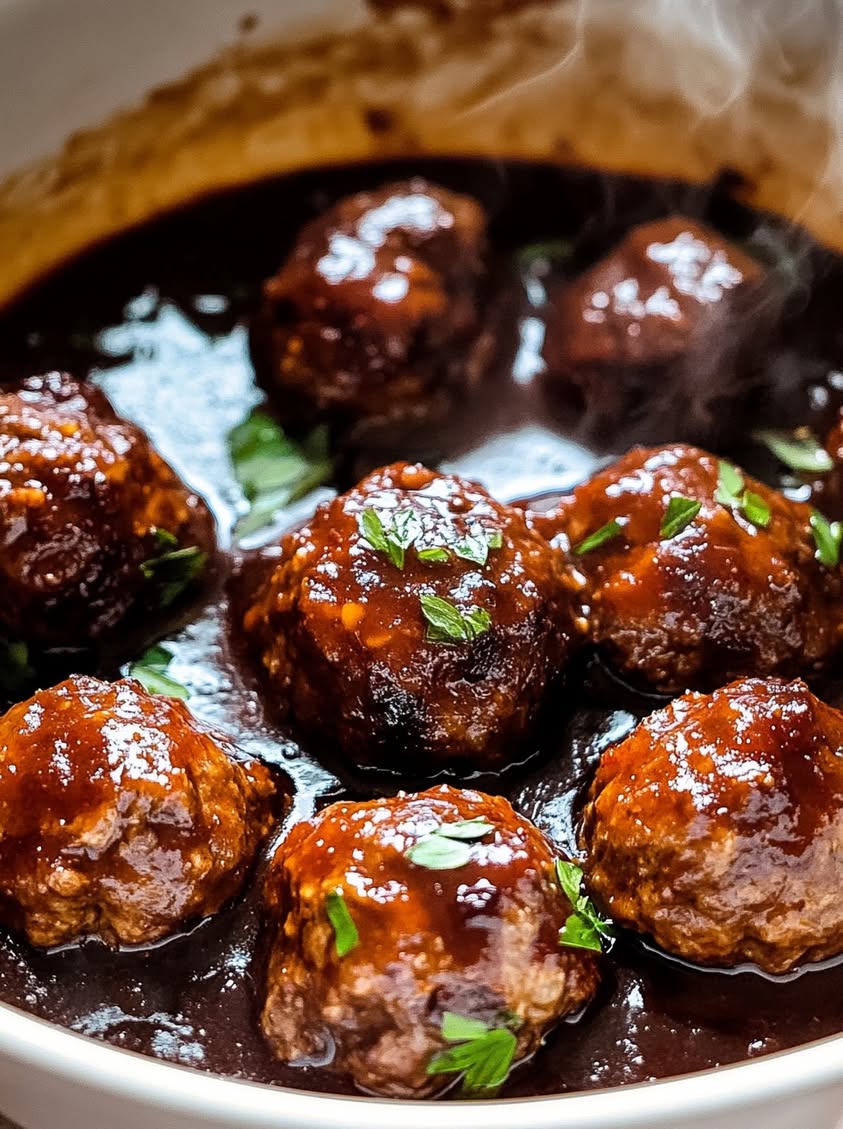
European Bistro-Style Beef Meatballs: The Ultimate Cozy, Elegant Comfort Food
Imagine walking into a cozy European bistro on a chilly evening. The air is rich with the scent of herbs, simmering beef, and deep red wine. Now, you can recreate that exact soul-warming experience in your own kitchen. These European bistro-style beef meatballs are the ultimate cozy, elegant comfort food. They transform simple ground beef into a luxurious, memorable meal. The process is a labor of love, but the reward is immense. Each bite delivers tender, juicy meatballs enveloped in a velvety, complex red wine pan gravy.
This recipe is more than just dinner; it is an event. The slow braise is the secret, allowing flavors to marry and deepen into something extraordinary. Consequently, the meatballs become impossibly tender, while the gravy reduces to a glossy, luxurious sauce. This dish is perfect for a special Sunday supper or for impressing guests without frantic last-minute work. Ultimately, it proves that the best comfort food can also be incredibly sophisticated. You will savor every step, from forming the meatballs to that first perfect bite.
Furthermore, this meal fills your home with an irresistible, welcoming aroma. It speaks of tradition, care, and culinary joy. Whether served over creamy mashed potatoes, buttery egg noodles, or rustic polenta, it promises satisfaction. This is the kind of recipe that becomes a family legend. Let us dive into the world of these tender bistro-style beef meatballs, slow-braised in a luxurious red wine pan gravy.
Quick Recipe Highlights
- Flavor Profile: These meatballs boast a deep, savory umami foundation from the beef and mushrooms, beautifully balanced by the bright acidity and fruity notes of the red wine. Herbs like thyme and parsley add a fresh, aromatic layer that cuts through the richness perfectly.
- Texture: The meatballs achieve a melt-in-your-mouth tenderness from the slow braise, while the pan gravy is velvety smooth and luxuriously thick. It clings to every nook and cranny of the meatballs and your chosen starch.
- Aroma: As it cooks, your kitchen will fill with the heavenly scent of sautéed garlic and onions, the earthy fragrance of mushrooms, the herbal notes of thyme, and the deep, intoxicating aroma of reducing red wine.
- Visual Appeal: The finished dish is a study in rustic elegance. The deep brown, glossy gravy coats the golden-brown meatballs, often garnished with a vibrant sprinkle of fresh parsley for a beautiful color contrast.
- Skill Level Needed: This is an intermediate recipe ideal for a confident home cook. It requires patience and attention to technique, like proper browning and deglazing, but the steps are straightforward and deeply rewarding.
- Special Equipment: A large, heavy-bottomed Dutch oven or braiser is essential for even heat distribution and successful braising. You will also need a standard skillet for initial browning if your Dutch oven cannot accommodate all meatballs in a single layer.
Recipe Overview
- Difficulty Level: We rate this recipe as intermediate. While the ingredient list is simple, success hinges on key techniques like achieving a proper sear on the meatballs to build flavor, and mastering the deglazing process to create the gravy base. The long, slow braise is forgiving, but the initial steps require focus.
- Category: This dish firmly belongs in the comfort food and main course categories. It is a hearty, protein-centric meal designed to be the star of the dinner table. It is also excellent for meal prep and special occasion dining.
- Cuisine: The recipe draws inspiration from classic French and Italian bistro cooking. The use of a mirepoix (onion, carrot, celery), red wine reduction, and slow braising technique is quintessentially French. The concept of meatballs in sauce has strong Italian roots, creating a delicious European fusion.
- Cost: This is a moderately priced meal. Ground beef is typically affordable, and the vegetables are inexpensive staples. The main cost variable is the red wine used for cooking; however, a decent, drinkable mid-range bottle is perfect and does not need to be extravagantly expensive.
- Season: This is the ultimate fall and winter dish. Its rich, warming qualities are ideal for cold weather. That said, its elegant nature makes it suitable for a cozy dinner party any time of year, especially on a rainy evening.
- Occasion: Perfect for weekend family dinners, holiday gatherings, date nights at home, or any occasion where you want to serve something impressively hearty and flavorful without being overly fussy.
Why You’ll Love This Recipe
First and foremost, the taste and texture are utterly divine. These are not your average, dense weeknight meatballs. The slow braising process in the luxurious red wine pan gravy transforms them. They become extraordinarily tender, almost delicate, while soaking up the complex sauce. Each forkful delivers a symphony of savory beef, aromatic herbs, and the deep, fruity essence of wine. The gravy itself is a masterpiece—silky, rich, and deeply flavorful. It elevates everything it touches, from the meatballs to your side dish. This combination creates a dining experience that feels both indulgent and deeply comforting.
Next, consider the convenience and preparation benefits. Although the total time is two hours, most of it is hands-off braising time. You can prepare the meatballs and start the gravy base, then let the oven do the work. This makes it an excellent choice for entertaining. You are free to socialize with guests or prepare sides while the main course cooks itself to perfection. Additionally, the recipe scales beautifully for a crowd. You can easily double it in a large Dutch oven. The flavors also improve overnight, making it a stellar make-ahead meal.
From a nutritional standpoint, this dish offers solid benefits. Lean ground beef provides high-quality protein, iron, and B vitamins. The gravy is packed with vegetables like onions, carrots, celery, and mushrooms, which add fiber, vitamins, and antioxidants. Using a whole bottle of red wine may sound decadent, but the alcohol cooks off, leaving behind the flavor compounds and potential antioxidants like resveratrol. When served with a nutritious side like whole-grain egg noodles or a large green salad, it becomes a well-rounded meal.
The social and entertaining value of this recipe is incredibly high. This is a “wow” dish. Presenting a Dutch oven filled with these tender bistro-style beef meatballs in their glossy gravy creates an instant centerpiece. It encourages sharing and passing plates family-style, fostering a warm, communal dining atmosphere. The impressive appearance and restaurant-quality flavor will have your guests asking for the recipe. It tells them you cared enough to invest time in creating something special, which is the heart of good hospitality.
Finally, it is remarkably cost-effective and accessible. You can create a meal that rivals a high-end bistro entrée for a fraction of the price. The ingredients are common and easy to find at any grocery store. You do not need rare or expensive components. A modestly priced bottle of dry red wine works perfectly. This recipe demonstrates how simple, quality ingredients, when treated with care and proper technique, can yield extraordinary results. It brings gourmet comfort into the everyday kitchen.
Historical Background and Cultural Significance
The concept of meatballs is ancient and nearly universal, appearing in culinary traditions from Sweden to Thailand. However, the specific technique of braising meatballs in a rich, wine-based sauce has deep roots in European peasant and bistro cooking. In France, dishes like “Boulettes de Viande” often involve simmering meatballs in a sauce. The French technique of “braising” or “étuvée” – cooking food slowly in a covered pot with a small amount of liquid – is perfectly applied here to transform tougher cuts or simple ground meat into something succulent.
Culturally, this dish represents the ingenuity of home cooks making the most of available ingredients. Ground meat was a way to use trimmings and less tender cuts. Braising in a flavorful liquid made them palatable and delicious. The addition of red wine, a staple in many European regions, added depth and complexity that elevated a humble meal. In bistros—small, informal French restaurants—such dishes were staples. They were hearty, could be prepared in advance, and offered incredible value and flavor, which is exactly the appeal of this recipe today.
The evolution of this recipe into its current form is a story of refinement. The basic idea of meat-in-sauce is primal. Over centuries, as trade introduced new spices and culinary techniques spread, the dish evolved. The Italian influence brought a focus on herb blends within the meatball itself. French cuisine contributed the finesse of building a layered sauce through deglazing and reduction. The modern “bistro-style” interpretation we present here is a fusion of these traditions, prioritizing deep flavor and tender texture through slow, careful cooking.
Regional variations are fascinating. In Italy, “polpette al sugo” are often smaller, simmered in a tomato-based sauce. In Sweden, köttbullar are served with cream sauce and lingonberry jam. The French version might use a beef stock-based “sauce au vin rouge.” Our recipe sits comfortably between the French and Italian traditions, using a mirepoix base and red wine like a French “Bourguignon” but focusing on the meatball form itself. This adaptability is a testament to the recipe’s core strength: it is a perfect vehicle for flavor, adaptable to the ingredients and tastes of any region.
Ingredient Deep Dive
Ground Beef (85/15 blend): The choice of beef is critical for these tender bistro-style beef meatballs. An 85% lean, 15% fat blend offers the ideal balance. The fat renders during cooking, basting the meatballs from within and contributing to their juicy, luxurious texture. Leaner blends risk dry, tough meatballs. Historically, butchers used trimmings for forcemeats, making meatballs an economical dish. Nutritionally, beef is an excellent source of complete protein, iron, zinc, and B vitamins. For the best flavor, look for freshly ground chuck. Store it in the coldest part of your fridge and use within 1-2 days of purchase.
Dry Red Wine: This is the soul of the luxurious red wine pan gravy. Choose a dry, medium-bodied wine you would enjoy drinking, like a Cabernet Sauvignon, Merlot, or Pinot Noir. Avoid “cooking wine” as it contains added salt. The alcohol cooks off, leaving behind concentrated fruit flavors, acidity, and tannins that add structure to the sauce. Wine has been used in European cooking for millennia as a preservative and flavor enhancer. From a health perspective, cooking with wine may retain some antioxidants. You can substitute with a full-bodied non-alcoholic red wine or, in a pinch, a mix of beef broth and a tablespoon of red wine vinegar.
Cremini Mushrooms: These mature white mushrooms add a deep, earthy umami flavor that reinforces the savory notes of the beef and wine. They are a cornerstone of French cuisine. When sautéed, they release moisture and then caramelize, contributing immense depth to the gravy’s foundation. Nutritionally, they are low in calories and a good source of B vitamins and selenium. Select mushrooms that are firm with closed caps. Wipe them clean with a damp cloth; do not soak them. They can be substituted with white button mushrooms or, for an even deeper flavor, porcini mushrooms (rehydrated if dried).
Fresh Thyme: This woody herb is essential for authentic bistro aroma. Its slightly minty, lemony flavor withstands long cooking without turning bitter, unlike more delicate herbs. Thyme has been used since ancient times for both culinary and medicinal purposes. It contains compounds like thymol with antioxidant properties. For the best flavor, use fresh sprigs. You can tie them together with kitchen twine for easy removal after braising. If you must substitute, use 1/3 the amount of dried thyme, but the fresh herb makes a significant difference in the final fragrance of the dish.
Common Mistakes to Avoid
- Overmixing the Meatball Mixture: Combining the meat, breadcrumbs, egg, and seasonings too vigorously is a common error. Overmixing develops the proteins in the meat, leading to dense, tough, rubbery meatballs. Instead, use a light hand and mix just until the ingredients are evenly incorporated.
- Not Browning the Meatballs Properly: Skipping the browning step or crowding the pan prevents proper Maillard reaction. This reaction creates hundreds of new flavor compounds and a beautiful fond on the pan bottom, which is the foundation of your gravy. Always brown in batches without crowding to get a good sear.
- Using the Wrong Pan: A thin, lightweight skillet will not distribute heat evenly, causing hot spots that burn the fond or cook the meatballs unevenly. Conversely, it cannot hold heat for a consistent braise. A heavy-bottomed Dutch oven is non-negotiable for this recipe’s success.
- Choosing the Wrong Wine: Using a sweet or fruity wine like a White Zinfandel or a heavily oaked wine will result in a cloying or unbalanced sauce. Always select a dry red wine with good acidity. If you would not drink a glass of it, do not cook with it.
- Not Deglazing Thoroughly: After sautéing the vegetables, you must add the wine and scrape up every bit of browned fond from the pan bottom. This “fond” is pure flavor. Rushing this step or not using enough liquid to dissolve it leaves immense taste behind.
- Rushing the Braise: The magic happens during the slow, low-temperature braise. Trying to speed it up by increasing the oven temperature will cause the meatballs to toughen and the gravy to reduce too quickly without the flavors fully melding. Patience is key.
- Adding Dairy Too Early: If your recipe variation includes a splash of cream at the end, adding it before the braise is a mistake. The prolonged heat can cause the dairy to curdle or separate. Always stir in cream, butter, or crème fraîche off the heat at the very end.
- Neglecting to Season in Layers: Seasoning only the meatballs is insufficient. You must season the vegetable base and the gravy at each logical step. Taste and adjust the seasoning after the gravy has reduced and again before serving. This builds a complete, well-rounded flavor profile.
Essential Techniques
The Maillard Reaction and Proper Searing: This is the most important technique for building flavor. The Maillard reaction is a chemical process that occurs when proteins and sugars in food are exposed to high heat. It creates the complex, savory, browned flavors we love. For perfect meatballs, ensure your pan is hot before adding them, and do not move them for a few minutes to allow a proper crust to form. The visual cue for success is a deep, caramel-brown sear that releases easily from the pan when ready. The common pitfall is a crowded, steaming pan that yields gray, boiled meat.
Deglazing: This is the act of adding liquid (wine, in this case) to a hot pan to dissolve the browned bits of food (fond) stuck to the bottom. This technique is fundamental to sauce-making. After removing the meatballs and sautéing the vegetables, your pan will have a layer of flavorful fond. Pour in the wine and use a wooden spoon to vigorously scrape the pan bottom. You will see the fond dissolve into the liquid, instantly turning it a rich brown and creating the base of your luxurious red wine pan gravy. The key is to do this while the pan is still hot.
Braising: Braising is a two-step cooking method: first browning the food at a high temperature, then cooking it slowly in a covered pot with a small amount of liquid. This method is ideal for tougher cuts or, in this case, for infusing ground meat with incredible tenderness and flavor. The moist, gentle heat breaks down connective tissues without drying out the meat. For success, ensure the liquid comes about halfway up the sides of the meatballs, maintain a bare simmer (bubbles should just break the surface), and keep the pot tightly covered to retain moisture.
Reduction and Sauce Finishing: After braising, you will likely have a flavorful but thin liquid. Reduction, or simmering uncovered, evaporates excess water, concentrating the flavors and thickening the sauce to a velvety consistency. A proper reduction should coat the back of a spoon. The final technique is “mounting” the sauce with butter. Swirling in a few tablespoons of cold butter off the heat adds shine, richness, and a silky mouthfeel that elevates the gravy from good to extraordinary.
Pro Tips for Perfect European Bistro-Style Beef Meatballs
Chill your meatball mixture for 15-20 minutes before forming. This helps the fat firm up and makes the mixture easier to handle, resulting in more uniformly shaped meatballs that hold together better during browning.
Use a cookie scoop or ice cream scoop to portion the meat mixture. This ensures all your meatballs are the same size, which is crucial for even cooking. A 1.5-inch scoop is typically perfect for this application.
Do not skimp on browning time. Give each batch of meatballs a full 4-5 minutes per side without disturbing them. A proper sear is your primary flavor builder and cannot be rushed.
After adding the wine to deglaze, let it simmer vigorously for a full 3-5 minutes before adding the broth. This cooks off the raw alcohol taste and allows the wine flavor to concentrate properly.
When braising, use parchment paper. Place a round of parchment paper (a “cartouche”) directly on the surface of the gravy before putting the lid on. This helps prevent evaporation and keeps the meatballs exceptionally moist.
For a super-smooth gravy, after braising, you can remove the meatballs and use an immersion blender to puree the vegetables directly into the sauce. This thickens it naturally and creates an incredibly velvety texture.
Let the dish rest for 10 minutes after removing it from the oven. This allows the meatballs to reabsorb some juices and the sauce to thicken slightly, making for a better serving consistency.
Always garnish with a fresh element. A final sprinkle of chopped flat-leaf parsley or chives just before serving adds a necessary pop of color and a bright, fresh flavor that cuts through the richness.
Variations and Adaptations
Regional Variations: For a more Italian twist, add a pinch of crushed red pepper flakes to the meat mixture and substitute half the red wine for crushed San Marzano tomatoes. Garnish with fresh basil instead of parsley. For a Provençal feel, add a strip of orange zest and a pinch of herbes de Provence to the braising liquid, and finish the gravy with a tablespoon of black olive tapenade.
Seasonal Adaptations: In spring, add fresh peas and asparagus tips to the pot during the last 10 minutes of braising. In summer, serve the meatballs and gravy over a bed of creamy polenta instead of mashed potatoes. In autumn, incorporate roasted chestnuts or diced roasted squash into the gravy base for a sweet, nutty depth.
Dietary Modifications: For a gluten-free version, use gluten-free panko breadcrumbs or crushed gluten-free crackers in the meatballs, and ensure your broth is certified gluten-free. The rest of the recipe is naturally gluten-free. For a dairy-free version, simply omit the final butter mount or use a plant-based butter alternative to finish the sauce.
Flavor Variations: Experiment with the meat blend. Substitute half the beef for ground pork or veal for a more complex flavor profile. For a deeper umami punch, add a tablespoon of tomato paste to the vegetables while sautéing, or stir a teaspoon of miso paste into the broth before adding it to the pot.
Texture Modifications: For a lighter, more delicate meatball, use ground chicken or turkey. You may need to add an extra tablespoon of breadcrumbs to bind the mixture, and be extra gentle when browning. For a chunkier, more rustic gravy, roughly chop the sautéed vegetables instead of mincing them, or leave the mushrooms in slices.
Presentation Alternatives: For an elegant individual presentation, serve one large meatball per person in a shallow bowl over a smear of celery root puree. Alternatively, shred the braised meatballs with two forks and mix them back into the gravy, serving it as a luxurious “Sloppy Joe” style filling in a crusty baguette.
Serving and Presentation Guide
Plating Techniques: For a family-style presentation, nestle all the tender bistro-style beef meatballs back into the Dutch oven or a shallow serving bowl and pour the luxurious red wine pan gravy over top. For individual plates, place a generous scoop of your chosen starch (mashed potatoes, polenta, noodles) slightly off-center. Lean 2-3 meatballs against the starch and spoon the gravy over everything, allowing some to pool on the plate.
Garnishing Ideas: Fresh chopped parsley is classic and provides essential color contrast. For extra flair, add a few tiny leaves of upland cress or microgreens. A very light grating of lemon zest over the finished dish can brighten the rich flavors. A final drizzle of high-quality extra virgin olive oil adds shine and fruitiness.
Traditional Accompaniments: Creamy mashed potatoes are the ultimate partner, soaking up the gravy perfectly. Buttered egg noodles or pappardelle pasta are also excellent choices. For a lower-carb option, creamy cauliflower mash or parsnip puree works beautifully. A simple green salad with a sharp vinaigrette is mandatory to balance the meal’s richness.
Modern Serving Suggestions: Serve over a bed of creamy goat cheese polenta for a tangy twist. Alternatively, deconstruct the dish by making a “gravy bowl” – pour the rich sauce into a shallow bowl and place a single, perfectly shaped meatball in the center with a few carefully placed vegetable batons for dipping.
Temperature Considerations: Serve this dish piping hot. Warm your serving plates or bowls to prevent the food from cooling too quickly. The gravy will thicken as it sits, so if you are plating over time, you may need to add a tiny splash of hot broth or water to maintain the perfect saucing consistency.
Portion Control Tips: This recipe yields about 18 meatballs, serving 6 people (3 meatballs each). For larger appetites or if serving as a single main course with minimal sides, plan for 4 meatballs per person. If serving as part of a multi-course meal, 2 meatballs with a small starch portion is sufficient.
Wine and Beverage Pairing
Wine Pairings: The ideal wine to drink with this dish is the same dry red wine you used in the recipe. A medium-bodied Cabernet Sauvignon or Merlot will mirror the flavors in the gravy and stand up to the rich beef. A French Burgundy (Pinot Noir) offers an elegant, earthy pairing. For a bolder choice, a Syrah/Shiraz with its peppery notes complements the herbs beautifully. Ensure the wine is served at a cool room temperature, around 60-65°F.
Non-Alcoholic Alternatives: A high-quality, dealcoholized Cabernet Sauvignon can surprisingly mimic the pairing experience. For a different direction, a tart cherry juice spritzer (mixed with sparkling water) echoes the fruit notes of the wine. A rich, savory mushroom broth or a roasted vegetable tea can also complement the umami depth of the dish.
Coffee/Tea Pairings: After the meal, a cup of strong, black French press coffee can be a wonderful digestif, cutting through the richness. For tea, opt for a smoky Lapsang Souchong, whose intense flavor profile can hold its own against the robust meat and gravy, or a simple peppermint tea to cleanse the palate.
Temperature Considerations: All beverages should be served at their ideal temperature. Red wine should not be warm. Non-alcoholic sparkling drinks should be well-chilled. Coffee and tea must be freshly brewed and hot. This attention to detail ensures each sip enhances the dining experience rather than distracting from it.
Serving Suggestions: Always offer water on the table. The saltiness and richness of the dish will make guests thirsty. If serving wine, consider decanting it an hour before the meal to allow it to breathe, which softens tannins and opens up the aromas, making it an even more harmonious partner for the food.
Storage and Shelf Life
Storage Methods: Allow the dish to cool completely to room temperature before storing. Do not leave it out for more than two hours. Transfer the meatballs and gravy together into an airtight container. Storing them separately is not necessary and can dry out the meatballs.
Temperature Requirements: Refrigerate promptly. The dish will keep safely in the refrigerator for 3-4 days. For longer storage, freezing is highly effective due to the high-fat content and robust sauce, which hold up well to temperature changes.
Container Recommendations: Use glass or BPA-free plastic containers with tight-fitting lids. If using a Dutch oven with a lid for storage, ensure it is oven-safe for reheating. For freezing, use heavy-duty freezer bags laid flat to save space, or rigid freezer-safe containers.
Signs of Spoilage: Discard if you notice an off or sour smell, significant changes in texture (excessive mushiness), or visible mold. The gravy may separate upon refrigeration; this is normal and will re-emulsify when reheated. Trust your senses.
Reheating Instructions: Reheat gently on the stovetop over low-medium heat, stirring occasionally, until bubbling and heated through. Add a splash of broth or water if the gravy has thickened too much. You can also reheat, covered, in a 300°F oven for 20-30 minutes. Microwave reheating in short bursts, stirring between, is acceptable but can make meatballs rubbery.
Freezing Guidelines: Freeze for up to 3 months for best quality. Thaw overnight in the refrigerator before reheating. You can reheat from frozen in a covered dish in a 325°F oven, adding extra broth or water, but it will take about 45-60 minutes. Freezing may slightly alter the texture of the mushrooms, but the overall flavor remains excellent.
Make Ahead Strategies
Prep Timeline: You can prepare the entire dish 1-2 days in advance. In fact, the flavors improve overnight. Simply prepare as directed, cool, cover, and refrigerate. Reheat gently before serving. This makes it a superstar for stress-free entertaining.
Storage Between Steps: You can also break the work into stages. Form the meatballs and store them, covered on a plate, in the refrigerator for up to 24 hours before browning. You can chop all vegetables (onion, carrot, celery, mushrooms, garlic) a day ahead and store them together in a container in the fridge.
Quality Impact Assessment: Making ahead has a positive impact on flavor as it allows time for the ingredients to meld. The texture of the meatballs may become even more tender. The only potential downside is that the fresh herb garnish will wilt if added before storage, so always add fresh parsley just before serving.
Assembly Tips: If making for a party, complete the recipe through the braising step. Let it cool. About 45 minutes before serving, place the covered Dutch oven in a 300°F oven to reheat gently. Then, finish the sauce on the stovetop (reduce if needed, mount with butter) while the meatballs stay warm in the oven.
Reheating Guidelines: Always reheat slowly and gently to prevent the meatballs from toughening and the sauce from breaking. Stir occasionally to ensure even heating. If the sauce seems too thick after refrigeration, thin it with a little broth, wine, or water during reheating.
Fresh Element Additions: Any fresh, delicate components should be added post-reheat. This includes the final butter mount for gloss, a splash of fresh wine or vinegar for brightness if needed, and all garnishes like chopped parsley or chives.
Scaling Instructions
Halving the Recipe: Halving is straightforward. Use a medium ovenproof skillet or a 3-quart Dutch oven. Brown the meatballs in a single batch. All cooking times will remain roughly the same, though the sauce may reduce a bit faster due to the smaller volume, so keep an eye on it during the final simmer.
Doubling or Tripling: For a crowd, doubling works well in a very large Dutch oven or a heavy roasting pan. You must brown the meatballs in more batches to avoid crowding. The braising time may need to be extended by 15-20 minutes to ensure the center of the pot reaches the proper temperature. Stir the gravy gently once during braising to ensure even flavor distribution.
Equipment Adjustments: Scaling up requires matching your pot size to the volume. The liquid should still come about halfway up the meatballs. If using a roasting pan, ensure it is heavy-gauge and that you have tight-fitting foil to seal it well for the braise. A thin pan will not work.
Timing Modifications: Prep time scales linearly with the amount of meatballs you need to form and vegetables to chop. The browning time will increase with more batches. The active cook time for the gravy base remains similar. The oven braising time may increase slightly for larger volumes; use a meat thermometer to ensure the internal temperature of a center meatball reaches 165°F.
Storage Considerations: When scaling up, remember you will have more leftovers. Ensure you have adequate refrigerator or freezer space and enough appropriately sized containers for storage. Large batches are perfect for meal prepping or dividing into multiple freezer meals.
Nutritional Deep Dive
Macro Breakdown: A serving of these tender bistro-style beef meatballs with gravy is a balanced source of macronutrients. It provides high-quality protein from the beef and egg, essential for muscle repair and satiety. The carbohydrates come primarily from the vegetables and any added breadcrumbs, offering fiber and energy. The fat content, from the beef, olive oil, and finishing butter, contributes to the luxurious mouthfeel and helps absorb fat-soluble vitamins from the vegetables.
Micronutrient Analysis: This dish is rich in micronutrients. Beef is an excellent source of heme iron, which is highly absorbable, and zinc, crucial for immune function. The mirepoix (onions, carrots, celery) and mushrooms provide vitamins A, C, K, and various B vitamins, along with potassium and antioxidants like quercetin and selenium. The red wine contributes polyphenols like resveratrol.
Health Benefits: When consumed as part of a balanced diet, this meal supports energy production, immune health, and provides antioxidants that combat oxidative stress. The combination of protein, fat, and fiber promotes stable blood sugar levels and prolonged fullness, which can aid in weight management by preventing over-snacking.
Dietary Considerations: The recipe is naturally low in sugar. For those on a low-carb or keto diet, the primary concern is the breadcrumbs in the meatballs and the carrots in the mirepoix. These can be modified (see Dietary Adaptations section). The dish is inherently gluten-free and dairy-free until the final butter addition.
Portion Analysis: A standard serving of 3 meatballs with gravy is satisfying without being overly heavy. The portion provides a substantial amount of protein (approx. 25-30g) which is key for satiety. Pairing it with a non-starchy vegetable side (like green beans or a salad) and a moderate portion of starch creates a complete, balanced plate.
Weight Management Tips: To lighten the dish slightly, use 90% lean beef and reduce or omit the final butter mount. You can also increase the proportion of mushrooms in the gravy for more volume and fiber with minimal calories. Serving over a bed of spiralized zucchini noodles (“zoodles”) instead of mashed potatoes significantly reduces the carbohydrate and calorie load of the meal.
Dietary Adaptations
Gluten-Free: This adaptation is simple. Replace the regular breadcrumbs with an equal amount of gluten-free panko breadcrumbs or crushed gluten-free crackers. Double-check that your beef broth is certified gluten-free, as some brands use wheat as a thickener. All other ingredients are naturally gluten-free.
Dairy-Free: The recipe is almost entirely dairy-free. Simply omit the final step of swirling in cold butter to finish the sauce. The gravy will still be delicious from the reduction and the fat rendered from the meatballs. For a similar richness, you can finish with a tablespoon of high-quality extra virgin olive oil instead.
Vegan: A vegan version requires significant modification but is possible. For the meatballs, use a base of cooked lentils, finely chopped mushrooms, walnuts, and gluten-free breadcrumbs bound with flax egg. For the gravy, use a rich mushroom and vegetable stock, a full-bodied non-alcoholic red wine, and thicken with a cornstarch slurry or blended cashews instead of reduction. Sautéed king oyster mushrooms can mimic some of the meaty texture.
Low-Carb/Keto: Omit the breadcrumbs from the meatball mixture. Use ¼ cup of finely grated Parmesan cheese and an extra egg yolk as a binder. Replace the carrot in the mirepoix with extra celery or a small amount of diced radish to reduce sugars. Thicken the final gravy with a teaspoon of xanthan gum slurry instead of relying solely on reduction.
Paleo: Follow the low-carb/keto adaptations for the meatballs (Parmesan is not Paleo, so omit; use an extra egg and perhaps a tablespoon of almond flour). Use coconut aminos instead of Worcestershire sauce if your recipe includes it. Ensure the broth is sugar-free. Thicken the sauce by pureeing the softened vegetables into it after braising.
Low-FODMAP: This requires careful substitution. Use garlic-infused oil instead of fresh garlic. Omit the onion and use the green tops of green onions (scallions) only. Ensure the mushrooms are well-cooked, as some individuals tolerate them better this way, or omit them. Use a garlic-free beef broth. The red wine is typically low-FODMAP in the small amount consumed per serving.
Troubleshooting Guide
PrintEuropean Bistro–Style Beef Meatballs Slowly Braised in Velvety Red Wine Pan Gravy
Description
Tender, herb-infused beef meatballs simmered in a rich, velvety red wine gravy, evoking the cozy warmth of a classic European bistro.
Ingredients
For the Crust:
- 1 lb ground beef (80/20 blend)
- 1/2 cup breadcrumbs
- 1 large egg, beaten
- 1/4 cup finely chopped onion
- 2 cloves garlic, minced
- 2 tbsp chopped fresh parsley
- 1 tsp dried thyme
- Salt and black pepper to taste
- 2 tbsp olive oil
- 1 cup dry red wine (such as Cabernet Sauvignon)
- 2 cups beef broth
- 2 tbsp all-purpose flour
- 2 tbsp unsalted butter
- 1 tbsp tomato paste
- 1 bay leaf
Instructions
1. Prepare the Crust:
- In a bowl, combine ground beef, breadcrumbs, egg, onion, garlic, parsley, thyme, salt, and pepper. Mix gently until just combined, then shape into 12 meatballs.
- Heat olive oil in a large skillet over medium-high heat. Brown meatballs on all sides, about 5-7 minutes total. Remove and set aside.
- In the same skillet, melt butter over medium heat. Stir in flour and cook for 1 minute to form a roux. Whisk in tomato paste.
- Gradually pour in red wine, scraping up browned bits from the pan. Simmer for 2-3 minutes until slightly reduced.
- Add beef broth and bay leaf, stirring until smooth. Return meatballs to the skillet, cover, and reduce heat to low. Simmer for 25-30 minutes until meatballs are cooked through and gravy has thickened.
- Season gravy with additional salt and pepper if needed. Remove bay leaf before serving.
Notes
You can customize the seasonings to taste.

I’m Shaykee—born in Morocco, seasoned across continents. From airplane galleys to home kitchens, I share the flavors and stories that shaped my journey.