
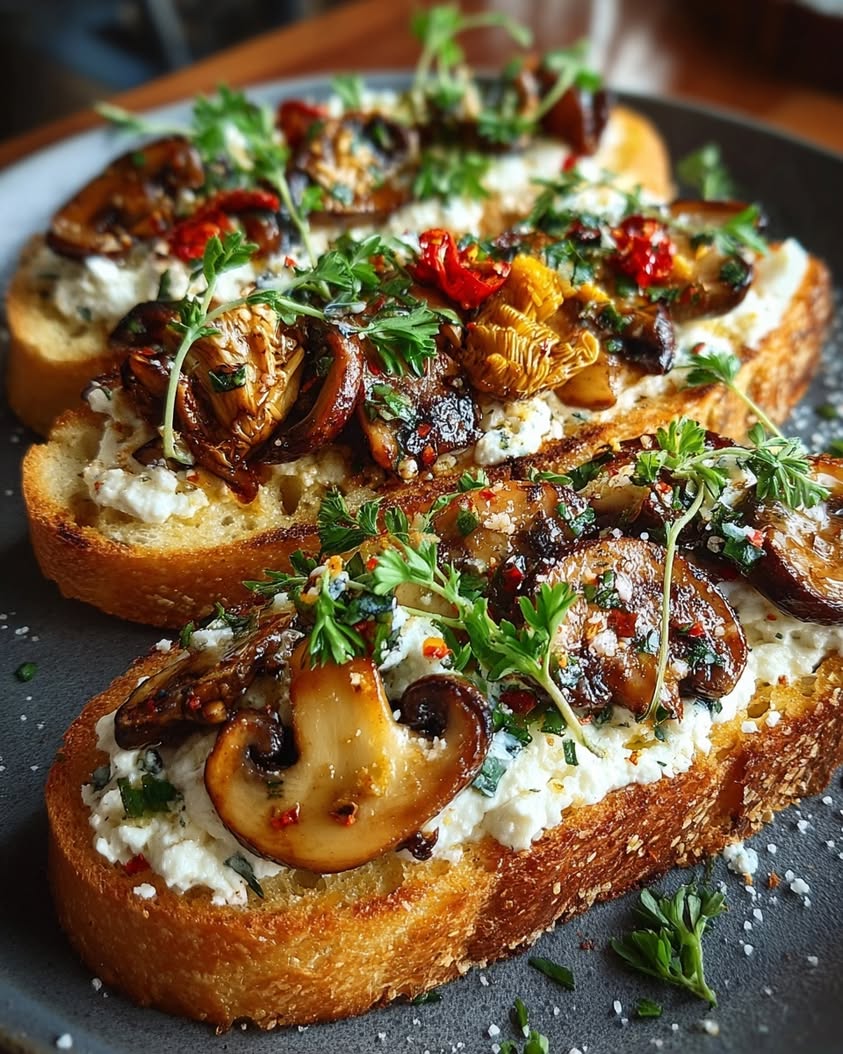
Exotic Mushroom & Ricotta Toast: A Gourmet, Savory Breakfast or Brunch That’s Ready in Minutes!
Imagine starting your day with a restaurant-quality dish that feels indulgent yet comes together in your own kitchen with minimal effort. This recipe for creamy ricotta and exotic mushrooms on crispy toast delivers exactly that experience. It transforms simple, wholesome ingredients into an elegant meal that is perfect for a leisurely weekend brunch or a surprisingly quick weekday breakfast. The combination of textures and deep, savory flavors will make you feel like you are dining at a chic cafe, all from the comfort of your home.
Furthermore, this dish is incredibly versatile. You can easily customize it based on what mushrooms you find at the market or what herbs you have growing on your windowsill. The process is straightforward, involving toasting good bread, sautéing mushrooms until golden, and assembling with creamy ricotta. Consequently, even novice cooks can achieve impressive results. Ultimately, this recipe proves that gourmet eating does not require complicated techniques or hours in the kitchen.
Finally, the visual appeal of this toast is undeniable. The creamy white ricotta provides a beautiful canvas for the richly colored sautéed mushrooms, while a sprinkle of fresh herbs adds a vibrant green finish. It is a dish that is as pleasing to the eye as it is to the palate. Whether you are cooking for yourself or impressing guests, this savory toast is a guaranteed crowd-pleaser that brings a touch of sophistication to any table.
Quick Recipe Highlights
- Flavor Profile: This toast features a deep, umami-rich savoriness from the expertly browned exotic mushrooms, perfectly balanced by the mild, creamy tang of fresh ricotta. A hint of garlic and fresh thyme adds aromatic complexity, while a final drizzle of good olive oil or balsamic glaze ties all the flavors together harmoniously.
- Texture: You will enjoy a fantastic contrast of textures. The bread provides a sturdy, crispy crunch that holds up to the toppings. Meanwhile, the sautéed mushrooms are tender with a slight meaty chew, and the ricotta adds a luxurious, cloud-like creaminess that melts in your mouth.
- Aroma: As the mushrooms sauté, your kitchen will fill with an irresistible earthy, savory fragrance. The scent of garlic and fresh thyme mingling with the toasting bread creates an aromatic promise of the delicious meal to come, stimulating the appetite before the first bite.
- Visual Appeal: This dish is a feast for the eyes with its appealing color contrast. The golden-brown toast is topped with snowy white ricotta, which is then adorned with a heap of warm, glistening mushrooms in shades of brown and taupe. A final garnish of green herbs or microgreens makes the plate pop.
- Skill Level Needed: This is a beginner-friendly recipe. The required skills are basic: slicing vegetables, sautéing, and toasting bread. There is no advanced knife work or tricky cooking methods involved, making it an excellent recipe for building confidence in the kitchen while producing a stunning result.
- Special Equipment: You need only standard kitchen tools. A good skillet for sautéing the mushrooms is essential to get a proper sear. Additionally, a sturdy bread knife for slicing your loaf and a simple mixing bowl for seasoning the ricotta are all you require. No special gadgets are necessary.
Recipe Overview
- Difficulty Level: We rate this recipe as easy because it involves fundamental cooking techniques accessible to everyone. The steps are sequential and simple: prep ingredients, cook mushrooms, toast bread, and assemble. There is no precise baking or complex sauce-making, so the margin for error is very small, ensuring success for cooks of all levels.
- Category: This dish fits beautifully into multiple meal categories. Primarily, it is an ideal savory breakfast or brunch centerpiece. It also works wonderfully as a light lunch, a substantial snack, or even a elegant appetizer when prepared on smaller crostini. Its flexibility is one of its greatest strengths.
- Cuisine: While not tied to one specific tradition, this toast draws inspiration from modern Californian and Mediterranean cuisines. It emphasizes high-quality, fresh ingredients, simple preparation, and vibrant flavors. The use of ricotta and olive oil nods to Italian influences, while the focus on exotic mushrooms reflects contemporary, chef-driven trends.
- Cost: The cost is moderate and depends largely on your choice of mushrooms and bread. A standard sourdough loaf and common mushrooms like cremini keep it budget-friendly. Conversely, opting for wild foraged mushrooms like chanterelles or morels and an artisanal bread will elevate the cost, making it a special-occasion treat.
- Season: This recipe shines in the fall and spring when many exotic mushrooms are at their peak freshness. However, it is truly a year-round dish. In winter, it provides comforting warmth, and in summer, it can feel light and fresh, especially when paired with a side salad.
- Occasion: It is perfect for a leisurely weekend brunch with friends or a romantic breakfast in bed. Moreover, it makes for a quick yet satisfying weeknight dinner when you want something special without the fuss. It is also an excellent choice for holiday mornings like Mother’s Day or Christmas.
Why You’ll Love This Recipe
First and foremost, the taste and texture combination is utterly irresistible. The savory, meaty flavor of seared mushrooms paired with cool, creamy ricotta creates a symphony in your mouth. Each bite offers a satisfying crunch from the toast, followed by the tender give of the mushrooms and the smooth richness of the cheese. This interplay makes the eating experience dynamic and deeply satisfying, far beyond ordinary toast. You will find yourself savoring every single mouthful.
From a practical standpoint, the convenience factor is a major win. This gourmet breakfast or brunch comes together in about twenty-five minutes from start to finish. The ingredient list is short, and the steps are simple, meaning you can achieve a spectacular result with minimal planning and effort. It is the perfect solution for those mornings when you want to feel pampered but do not have hours to spend cooking. Consequently, it easily becomes a go-to recipe in your regular rotation.
Nutritionally, this dish is a powerhouse. Exotic mushrooms are low in calories but rich in B vitamins, selenium, and antioxidants. Ricotta provides a good source of protein and calcium, especially if you choose a whole-milk variety for its superior flavor and satiety. Using a whole-grain or seeded sourdough bread adds fiber and complex carbohydrates. Together, these ingredients create a balanced meal that will keep you energized and full for hours, unlike sugary breakfast alternatives.
For entertaining, this toast offers incredible social value. It feels special and indulgent, impressing guests with its restaurant-quality presentation. Additionally, you can easily scale the recipe up to feed a crowd. You can even set up a “toast bar” with bowls of seasoned ricotta, sautéed mushrooms, and various garnishes, allowing everyone to build their own masterpiece. This interactive element makes it a fun and engaging centerpiece for any brunch gathering.
Finally, it is remarkably cost-effective and accessible. While it tastes luxurious, the core ingredients are not expensive. You can adapt it based on what is available and in season. For instance, using a mix of standard button mushrooms and one special variety like shiitake keeps costs down while still delivering exotic flavor. This adaptability makes gourmet eating accessible any day of the week, proving you do not need a chef’s budget to eat like one.
Historical Background and Cultural Significance
The concept of topping bread with savory ingredients is ancient and universal, found in nearly every culinary culture. However, the modern iteration of gourmet toast, often called “artisanal toast,” gained significant traction in the 2010s, particularly in food-centric cities like San Francisco and New York. This dish is a direct descendant of that trend, which elevated simple toast from a breakfast staple to a canvas for high-quality, chef-driven toppings. It represents a shift towards appreciating simplicity, quality ingredients, and mindful eating, even at the start of the day.
Culturally, this recipe sits at the intersection of several important food movements. It aligns with the “farm-to-table” ethos by highlighting seasonal, often foraged ingredients like wild mushrooms. Simultaneously, it embraces the aesthetics and care of slow food, even when prepared quickly. In an era of fast-paced living, taking the time to prepare and savor a beautiful, homemade meal like this is a small act of culinary mindfulness and self-care, making it culturally resonant for today’s home cooks.
The evolution of this specific recipe is rooted in the growing Western appreciation for fungal varieties beyond the common button mushroom. As global trade and farmer’s markets have made varieties like shiitake, oyster, and maitake more accessible, home cooks have begun experimenting with them. Pairing these umami-rich fungi with creamy cheese on bread is a natural progression. It is a modern take on classic combinations like mushrooms on toast or crostini, updated with contemporary ingredients and a focus on visual presentation.
Regional variations of this concept abound. In Italy, you might find a similar dish called “crostini con funghi,” often featuring wild porcini mushrooms. In the United Kingdom, “mushrooms on toast” is a beloved classic, typically made with creamy, stewed button mushrooms. This recipe for creamy ricotta and exotic mushrooms on crispy toast borrows from these traditions but introduces the specific element of fresh, unadulterated ricotta as a cooling base, creating a distinct and modern flavor profile that is both comforting and sophisticated.
Ingredient Deep Dive
Let us begin with the star: exotic mushrooms. Varieties like shiitake, oyster, cremini, or maitake are not just culinary delights but have been revered in Eastern medicine and cuisine for millennia. Shiitake, for example, originated in East Asia and have been cultivated for over 1,000 years. Nutritionally, they are powerhouses, offering compounds like lentinan, which may support immune function, and are a great source of copper and selenium. When selecting them, look for firm, dry caps with no slimy spots. Store them in a paper bag in the refrigerator for up to a week. If you cannot find exotic mixes, a blend of cremini and a few reconstituted dried porcini makes an excellent, flavorful substitute.
Next, consider the ricotta cheese. This fresh Italian cheese, whose name means “recooked,” is made from the whey leftover from producing other cheeses. Its history is one of resourcefulness, transforming a byproduct into a creamy, versatile food. Whole-milk ricotta is richer and more flavorful than part-skim versions, providing a luxurious mouthfeel and better satiety from its healthy fats and protein. Look for fresh ricotta in the dairy section, preferably from a local producer if available. It should smell mildly sweet and milky. Store it tightly sealed and use within a few days of opening. For a dairy-free version, a thick, plain almond or cashew-based “ricotta” can work, though the flavor profile will change.
The bread choice is critical. A sturdy, country-style sourdough is ideal because its robust crust and chewy, airy crumb can support the juicy toppings without becoming soggy. Sourdough’s tang also provides a lovely flavor contrast to the rich mushrooms and cheese. The history of sourdough is as old as bread itself, relying on wild yeast and bacteria for its rise, which also may aid in digestion. Select a loaf with a dark, crisp crust. For a gluten-free adaptation, use a dense, seedy gluten-free bread that can be well-toasted. Always slice it thickly, about one inch, to ensure a substantial base.
Finally, the supporting cast of garlic, fresh thyme, and good olive oil elevates the dish. Garlic, with its ancient origins in Central Asia, adds pungent depth and health-promoting allicin. Fresh thyme, a Mediterranean herb, contributes earthy, slightly floral notes that pair perfectly with mushrooms. A high-quality extra virgin olive oil, used for both cooking and finishing, brings fruity, peppery notes and healthy monounsaturated fats. These ingredients may seem small, but they are essential for building layers of flavor. Do not substitute dried thyme for fresh here, as the fresh herb’s brightness is key. Similarly, using fresh garlic rather than powder makes a world of difference.
Common Mistakes to Avoid
- Crowding the Pan: The most common error is adding too many mushrooms to the skillet at once. This causes them to steam and release all their liquid simultaneously, resulting in boiled, rubbery mushrooms instead of beautifully browned, caramelized ones. Cook in batches if necessary to ensure each piece has contact with the hot surface.
- Using Wet Mushrooms: If you wash mushrooms under running water and do not dry them thoroughly, they will steam in their own moisture. Instead, clean them gently with a damp paper towel or a soft brush to remove dirt. Dry mushrooms are essential for achieving a proper sear and concentrated flavor.
- Choosing the Wrong Bread: Soft, thin-sliced sandwich bread will instantly turn soggy and fall apart under the weight of the toppings. Always opt for a thick slice of a sturdy, crusty bread like sourdough or a hearty country loaf. This ensures your toast maintains its structural integrity from the first bite to the last.
- Underseasoning the Ricotta: Plain ricotta straight from the container can taste bland. Forgetting to season it with salt, pepper, and a touch of lemon zest or olive oil is a missed opportunity for flavor. Take a moment to taste and adjust the seasoning of the ricotta; it makes the entire dish more balanced and delicious.
- Overcooking the Garlic: Adding minced garlic to the pan at the same time as the mushrooms will cause it to burn and turn bitter by the time the mushrooms are cooked. Instead, add the garlic during the last minute of cooking, when the mushrooms are nearly done, so it just becomes fragrant without browning too much.
- Skipping the Resting Time: Spreading ricotta on hot toast right out of the toaster can cause it to melt and become greasy. Let the toast cool for a minute so it is warm but not scalding hot. This keeps the ricotta cool and creamy, providing a wonderful temperature contrast with the warm mushrooms.
- Neglecting the Finish: Serving the toast without a final flourish makes it look and taste incomplete. A simple drizzle of good olive oil, a sprinkle of flaky sea salt, fresh herbs, or a dash of cracked black pepper adds layers of flavor, aroma, and visual appeal that elevate the dish from good to exceptional.
- Not Preheating the Pan: Adding mushrooms to a cold or inadequately heated skillet prevents proper browning. Ensure your pan is hot over medium-high heat before adding the oil and mushrooms. You should hear a satisfying sizzle upon contact, which is the first step to developing deep, caramelized flavor.
Essential Techniques
Mastering the mushroom sauté is the most crucial technique for this recipe. Properly sautéed mushrooms develop a deep, meaty umami flavor through the Maillard reaction, a chemical process that browns proteins and sugars. To achieve this, start with a hot pan and enough oil to coat the bottom. Add the mushrooms in a single layer without overcrowding. Resist the urge to stir constantly; let them sit undisturbed for a few minutes to develop a golden-brown crust. Then, toss and continue cooking until they are tender and have released and re-absorbed most of their moisture. The visual cue for success is a uniform, appetizing brown color and a slightly shrunken, firm texture.
Toasting the bread correctly is another key technique. The goal is a deeply crispy, golden-brown exterior that can resist sogginess, while the interior remains slightly chewy. Using a toaster is fine, but for the best flavor and texture, toast the bread in a preheated oven or a dry skillet. This method allows the bread’s surface to dry out and caramelize evenly. In an oven, bake thick slices at 400°F for about 8-10 minutes, flipping once. The perfect toast will sound hollow when tapped and will have visible, dry browning on the surface. Avoid under-toasting, which leads to a soft, weak base, or over-toasting, which can make the bread too hard and difficult to bite through.
Seasoning in layers is a professional technique that builds depth of flavor. Do not add all your salt at the end. Instead, season the mushrooms lightly when they first go into the pan to help draw out moisture. Then, adjust the seasoning again once they are nearly cooked. Season the ricotta separately with salt, pepper, and perhaps lemon zest. Finally, finish the assembled toast with a pinch of flaky sea salt. This method ensures every component is properly seasoned, creating a harmonious final dish where no single element tastes bland. It is a simple habit that dramatically improves the outcome of nearly any recipe.
Pro Tips for Perfect Exotic Mushroom & Ricotta Toast
For an incredible flavor boost, sauté your mushrooms with a sprig of fresh rosemary or thyme in the oil for a minute before adding the mushrooms. Remove the woody stem before serving, but the infused oil will carry the herb’s essence throughout the dish.
Add a splash of dry sherry, white wine, or even balsamic vinegar to the pan after the mushrooms have browned. Let it sizzle and reduce almost completely; this deglazes the pan, lifting the flavorful browned bits and adding a layer of acidity that cuts through the richness.
Take your ricotta to the next level by mixing in a small amount of finely grated lemon zest and a teaspoon of high-quality extra virgin olive oil. This brightens the cheese and adds a subtle, fragrant complexity that pairs wonderfully with the earthy mushrooms.
If your bread is particularly dense or fresh, consider giving it a very light brush of olive oil on both sides before toasting. This promotes even browning and adds a subtle richness, creating an almost crouton-like exterior that is exceptionally delicious and sturdy.
For a beautiful presentation and textural contrast, reserve a few raw, thinly sliced mushrooms (like king oyster or shiitake) to garnish the top after assembling. Their fresh, crisp texture against the cooked mushrooms is a delightful surprise.
Let the cooked mushrooms rest for a minute off the heat before piling them onto the toast. This allows their juices to thicken slightly, preventing them from immediately soaking into the bread and making it soggy.
Experiment with different mushroom combinations each time you make this. A mix of one meaty variety (like shiitake), one delicate variety (like oyster), and one standard variety (like cremini) creates the most interesting and complex flavor profile.
For a hint of luxury, finish the assembled toast with a few shavings of a hard, aged cheese like Pecorino Romano or Parmigiano-Reggiano. The salty, crystalline crunch adds another dimension of flavor and texture that is truly restaurant-worthy.
Variations and Adaptations
For regional variations, look to classic flavor pairings from around the world. A French-inspired version could use a mix of wild mushrooms, a touch of cream and brandy in the sauté, and a garnish of fresh tarragon. An Asian-inspired twist might feature shiitake and enoki mushrooms sautéed with ginger and soy sauce, topped with a drizzle of sesame oil and scallions. An Italian staple would use porcini mushrooms and finish with a drizzle of truffle oil and fresh parsley. These adaptations show how the basic framework can travel across culinary borders with stunning results.
Seasonal adaptations are easy and rewarding. In spring, pair the mushrooms with fresh peas and mint. During summer, top the ricotta with a quick tomato-basil salad alongside the mushrooms. In autumn, incorporate roasted squash or pumpkin into the mushroom mix and add a sprinkle of toasted nuts. For winter, make it heartier by adding wilted spinach or kale to the mushrooms and using a roasted garlic ricotta. Letting the seasons guide your additions keeps this recipe exciting all year long.
Dietary modifications are straightforward. For a gluten-free version, use your favorite certified gluten-free bread and ensure all other ingredients are gluten-free. To make it vegan, substitute the ricotta with a cashew-based cream or a thick, seasoned tofu scramble, and use a plant-based butter or oil for sautéing. For a dairy-free option that is not vegan, you could use a high-quality olive oil instead of butter in the mushrooms. A low-carb or keto adaptation might involve serving the mushroom and ricotta mixture over a thick slice of roasted eggplant or portobello mushroom cap instead of bread.
Flavor variations can transform the dish entirely. Add heat with red pepper flakes or a drizzle of chili crisp. Introduce smokiness with a pinch of smoked paprika or by using smoked salt. For a brighter, fresher profile, mix chopped sun-dried tomatoes or olives into the ricotta. You can also create a “forest floor” theme by adding a small amount of finely chopped rehydrated dried wild mushrooms to the fresh ones, intensifying the earthy flavor exponentially.
Serving and Presentation Guide
Plating is key for visual impact. Use a neutral-colored plate to let the colors of the food pop. Place the toast slightly off-center rather than dead in the middle. Pile the mushrooms artfully, allowing some to cascade over the edges rather than forming a perfect, flat mound. This creates height and a sense of abundance. If serving multiple toasts, angle them against each other on a shared board or platter for a casual, inviting look.
Garnishing is the final touch that makes the dish look professional. Fresh, soft herbs like thyme leaves, chives, parsley, or microgreens add a vital splash of green. A final drizzle of high-quality extra virgin olive oil, balsamic glaze, or truffle oil in a zigzag pattern looks beautiful. Do not forget a pinch of flaky sea salt (like Maldon) and a generous crack of black pepper. For color and texture, a few edible flowers or a sprinkle of pomegranate seeds in the fall can be stunning.
Traditional accompaniments keep the meal simple and focused. A simple side salad of arugula with a lemon vinaigrette cuts the richness perfectly. For a heartier brunch, add a soft-poached or fried egg on top of the mushrooms; the runny yolk creates a luxurious sauce. A bowl of fresh fruit or a glass of fresh-squeezed orange juice completes the breakfast or brunch spread beautifully without competing with the toast’s savory flavors.
Consider temperature for the best eating experience. The toast should be warm, the ricotta cool, and the mushrooms hot. This contrast is part of the magic. Assemble just before serving to maintain these distinct temperatures and prevent sogginess. If you must prepare components ahead, keep them separate and perform the final assembly at the last moment. Serve immediately after garnishing for the peak combination of textures and warmth.
Wine and Beverage Pairing
For wine pairings, you want something that complements the earthy, umami-rich mushrooms and cuts through the creamy ricotta. A dry, medium-bodied white wine like an Oregon Pinot Gris or a French Chardonnay (unoaked or lightly oaked) works wonderfully. Their crisp acidity balances the richness. If you prefer red, opt for a light, low-tannin red like a Pinot Noir or a Gamay (Beaujolais). These reds have enough earthiness to match the mushrooms without overpowering the dish. Serve whites chilled and reds slightly below room temperature.
Non-alcoholic alternatives can be just as sophisticated. A tart cherry or pomegranate juice spritzer with a splash of soda water provides a fruity counterpoint to the savory flavors. For something warmer, a mushroom-friendly herbal tea like chaga or a roasted dandelion root tea can echo the earthy notes. A high-quality, chilled dry ginger ale or ginger beer also works well, as the spice cleanses the palate between bites.
Coffee and tea are classic brunch companions. A medium-roast coffee with low acidity pairs nicely, as a bitter or highly acidic brew might clash. For tea, consider an earthy Pu-erh or a robust breakfast black tea. If you enjoy tea lattes, a matcha latte or a London Fog (Earl Grey with steamed milk) offers a creamy element that harmonizes with the ricotta. Serve coffee hot and fresh, and offer tea in a pot so guests can enjoy multiple cups.
Storage and Shelf Life
This dish is best enjoyed immediately after assembly. However, you can store the individual components separately for quick future assembly. Cooked mushrooms will keep in an airtight container in the refrigerator for 3-4 days. Seasoned ricotta can be stored similarly for up to 5 days. The bread is best toasted fresh, but you can pre-slice it and keep it at room temperature in a bread bag.
Signs of spoilage are straightforward. Discard the mushrooms if they develop a slimy texture or an off, sour smell. Ricotta that has separated, developed an acidic smell, or shows any mold should be thrown away. Do not attempt to freeze assembled toast, as the textures will be ruined upon thawing. You can freeze the cooked mushrooms in a freezer-safe container for up to 2 months, though they may lose some texture upon reheating.
Reheating instructions are simple but important. Reheat the mushrooms gently in a skillet over medium heat or in the microwave until just warmed through. Avoid overheating, as this can make them rubbery. Do not reheat the ricotta. Toast fresh bread for each serving. Assemble with cool ricotta and warm mushrooms as usual. This method preserves the desirable temperature and texture contrasts that make the dish special.
Make Ahead Strategies
You can significantly streamline your morning prep by doing most of the work the night before. Clean and slice your mushrooms, storing them in a paper towel-lined container in the fridge. Measure out your herbs and mince the garlic. You can even mix the seasoning (salt, pepper, lemon zest) into the ricotta and store it covered. This “mise en place” approach means that in the morning, you simply need to cook, toast, and assemble, cutting your active time down to just about 10 minutes.
For storage between steps, keep all prepped ingredients in separate, airtight containers. Do not mix the garlic with the mushrooms until cooking time, as the garlic’s moisture can cause the mushrooms to soften. Keep the seasoned ricotta well-covered to prevent it from absorbing other flavors from the fridge. Have your bread sliced and ready to go. This organized setup makes the cooking process smooth and stress-free, especially when preparing multiple servings.
Assess the quality impact of make-ahead steps. Pre-sliced mushrooms are fine, but avoid washing them until you are ready to cook to prevent premature spoilage. Pre-minced garlic can lose its pungency overnight, so for the best flavor, mince it fresh. Pre-seasoned ricotta actually benefits from a few hours in the fridge, as the flavors meld and deepen. The only element that cannot be made ahead is the toasting of the bread, which must be done fresh to guarantee the essential crispy texture.
Scaling Instructions
Halving the recipe for a single serving is simple. Use one large slice of bread, reduce the mushrooms to about 4 ounces, and use a heaping 1/4 cup of ricotta. Keep all other ingredient proportions (like garlic, herbs, oil) roughly the same, as you still need enough to coat the pan and flavor the smaller quantity. Cooking time for the mushrooms will be slightly shorter due to the smaller batch, so watch them closely to prevent burning.
Doubling or tripling the recipe for a crowd requires some adjustments. Use the largest skillet you have, or cook the mushrooms in multiple batches to avoid crowding. You may need to wipe the pan and add fresh oil between batches if the fond (browned bits) starts to burn. Consider toasting the bread in the oven on sheet pans rather than a toaster for efficiency. Keep the cooked mushrooms warm in a low oven (200°F) in an oven-safe dish while you finish other batches and toast the bread.
Consider equipment and timing when scaling up. If you are making more than 4-6 servings, plan for the toasting and assembly to take longer. You might want to enlist a helper to manage the toasting while you focus on the mushrooms. For very large groups, setting up an assembly line station works best: a tray of toasted bread, a bowl of ricotta with a spreading knife, a warm pot of mushrooms, and bowls of garnishes. This allows guests to serve themselves, ensuring everyone gets a fresh, hot toast.
Nutritional Deep Dive
This dish offers a favorable macronutrient breakdown. The mushrooms contribute minimal carbohydrates and fat but provide a small amount of plant-based protein and fiber. The ricotta is the primary source of protein and fat, with whole-milk ricotta providing about 7 grams of protein and 5 grams of healthy saturated fat per 1/4 cup. The bread contributes complex carbohydrates and fiber, especially if you choose a whole-grain variety. Together, they create a balanced plate with a good mix of protein, fat, and carbs to sustain energy levels.
Micronutrient analysis reveals a wealth of vitamins and minerals. Mushrooms are an excellent source of B vitamins like riboflavin, niacin, and pantothenic acid, which are crucial for energy metabolism. They also provide selenium, a powerful antioxidant, and copper. Ricotta is rich in calcium for bone health and phosphorus. Using whole-grain bread adds magnesium and iron. This combination supports immune function, bone density, and overall cellular health, making this tasty meal a genuinely nutritious choice.
For dietary considerations, this recipe is naturally vegetarian. To make it suitable for specific diets, refer to the adaptations section for gluten-free, dairy-free, and vegan options. For those watching sodium, you can control the amount of added salt. For a higher-protein version, choose a protein-rich bread or add an egg on top. The inherent flexibility of the recipe allows it to be tailored to meet various nutritional goals without sacrificing flavor or satisfaction.
Dietary Adaptations
For a gluten-free version, the only critical change is the bread. Select a high-quality, sturdy gluten-free loaf, preferably one with seeds or whole grains for better texture and flavor. Ensure all other ingredients, like pre-packaged ricotta, are certified gluten-free, as cross-contamination can occur. Toast the gluten-free bread well, as it can sometimes be denser and benefit from extra crisping to hold the toppings.
A dairy-free adaptation involves replacing the ricotta. The best substitutes are thick, plain, unsweetened plant-based “ricottas” made from almonds, cashews, or tofu. You can make your own by blending soaked cashews with lemon juice, nutritional yeast, and salt until crumbly. For sautéing the mushrooms, use a high-heat oil like avocado oil or a vegan butter substitute. The final flavor will be different but can be equally delicious with the right seasoning.
To create a vegan version, follow the dairy-free adaptations for the ricotta and cooking fat. Additionally, ensure your bread does not contain dairy or honey. For a flavor boost, consider adding a sprinkle of nutritional yeast to the mushroom sauté or the vegan ricotta to mimic a cheesy, umami depth. A garnish of toasted pine nuts or walnuts can add richness and texture that complements the plant-based components beautifully.
For a low-carb or keto adaptation, replace the bread entirely. A great base is a large, grilled portobello mushroom cap. Alternatively, use a thick slice of roasted eggplant or a “cloud bread” made from eggs and cream cheese. The mushrooms and ricotta are already low in carbs, so the bread substitution is the key change. Be mindful of the carb count in any added ingredients like onions or balsamic glaze, and adjust accordingly.
Troubleshooting Guide
If your mushrooms are watery and not browning, the heat is likely too low, or the pan is overcrowded. Solution: Remove the mushrooms from the pan, increase the heat to medium-high, and let the pan get hot again. Cook the mushrooms in smaller batches, allowing space between them. Pat them very dry before cooking. The excess moisture will then evaporate quickly, allowing them to sear properly.
If the toast becomes soggy immediately, the bread may be too thin or not toasted enough, or the mushrooms may be too wet. Solution: Always use thick-cut, sturdy bread and toast it until it is deeply golden and crisp throughout. Let the cooked mushrooms sit off the heat for a minute to allow their juices to thicken slightly before piling them on. Assemble and serve immediately.
If the dish tastes bland, it is likely under-seasoned. Solution: Remember to season in layers. Salt the mushrooms during cooking and again at the end. Season the ricotta generously with salt, pepper, and an acid like lemon zest. Finish the assembled toast with a final pinch of flaky salt and a crack of pepper. Taste each component as you go to ensure it is flavorful on its own.
If the garlic burns and turns bitter, it was added too early. Solution: Garlic cooks very quickly. Add minced garlic to the pan only during the last 30-60 seconds of cooking the mushrooms, just until it becomes fragrant. You can also use a garlic press to add it raw to the hot mushrooms after they are off the heat; the residual heat will cook it gently without risk of burning.
Recipe Success Stories
Community feedback on this recipe consistently highlights its versatility and “wow” factor. Many home cooks report that it has become their secret weapon for impressing overnight guests or treating themselves on a slow morning. One reader shared how she used it for a bridal shower brunch, setting up a DIY toast bar that was the talk of the party. Another mentioned that his kids, who usually avoid mushrooms, devoured this version because of the appealing presentation and creamy ricotta. These stories underscore how a simple recipe can create memorable dining experiences.
Variation successes are abundant. A forager shared his version using locally found morels and chanterelles, calling it a celebration of spring. A home cook following a Mediterranean diet added chopped Kalamata olives and sun-dried tomatoes to the ricotta, creating a Greek-inspired twist her family loved. Another success story came from someone who made it vegan for a mixed-diet brunch, and the vegan version was so popular it disappeared first. These adaptations prove the recipe’s framework is robust and encourages culinary creativity.
Reader suggestions have also enriched the recipe. One tip was to add a thin layer of mashed avocado under the ricotta for extra creaminess and nutrients. Another suggested
Print
Exotic Mushroom & Ricotta Toast
Description
A gourmet open-faced toast featuring sautéed exotic mushrooms, creamy ricotta, and fresh herbs on crusty artisan bread.
Ingredients
For the Crust:
- 4 slices of thick-cut artisan bread (such as sourdough or ciabatta)
- 2 tablespoons olive oil
- 1 pound mixed exotic mushrooms (such as shiitake, oyster, and maitake), cleaned and sliced
- 2 cloves garlic, minced
- 1 teaspoon fresh thyme leaves
- 1 cup whole-milk ricotta cheese
- Salt and black pepper to taste
- 2 tablespoons chopped fresh parsley
- 1 tablespoon lemon juice
- Optional: red pepper flakes for garnish
Instructions
1. Prepare the Crust:
- Toast the bread slices in a toaster or under a broiler until golden and crisp. Set aside.
- Heat olive oil in a large skillet over medium-high heat. Add the mushrooms and sauté for 8-10 minutes until browned and tender.
- Add minced garlic and thyme to the skillet, cooking for another minute until fragrant. Season with salt and pepper.
- In a small bowl, mix ricotta with lemon juice, salt, and pepper until smooth and creamy.
- Spread a generous layer of ricotta mixture onto each toast slice.
- Top the ricotta with the sautéed mushroom mixture.
- Garnish with chopped parsley and red pepper flakes if desired. Serve immediately.
Notes
You can customize the seasonings to taste.

I’m Shaykee—born in Morocco, seasoned across continents. From airplane galleys to home kitchens, I share the flavors and stories that shaped my journey.