
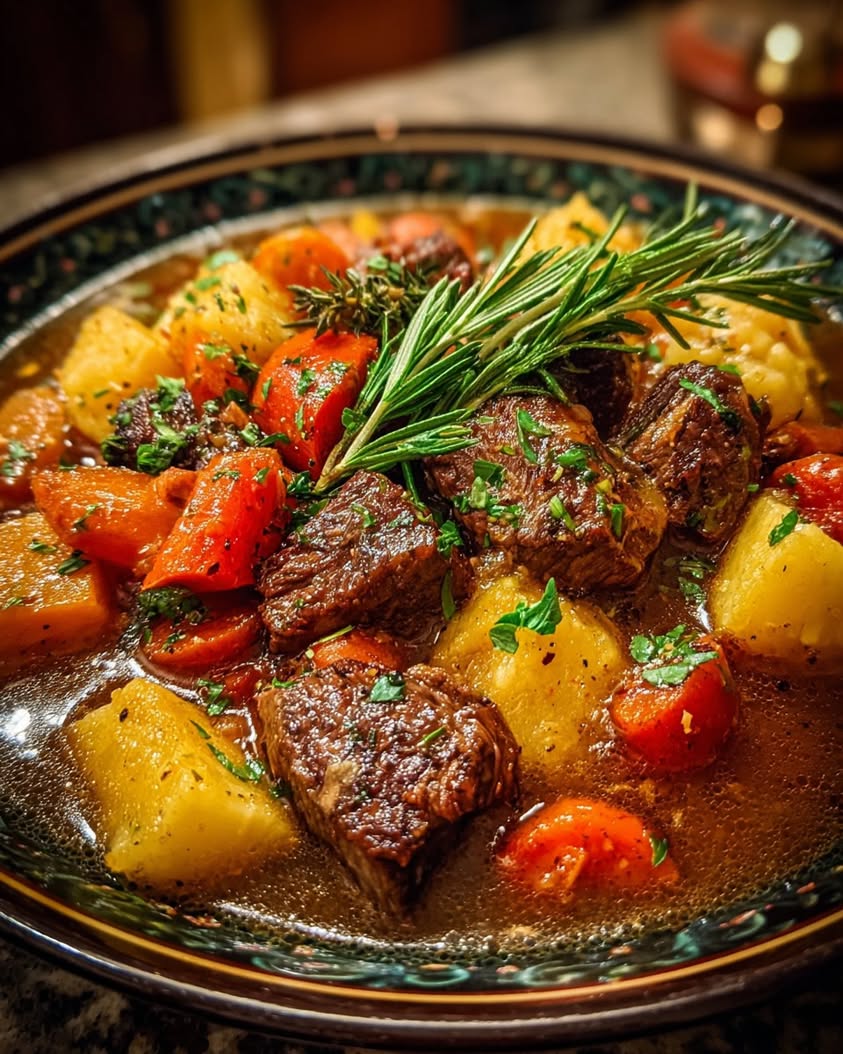
Fall Apple Cider Stew Mash: The Ultimate Autumn Comfort Food
When autumn leaves begin their fiery dance and crisp air nips at your cheeks, nothing satisfies the soul quite like a steaming bowl of Fall Apple Cider Stew Mash. This incredible one-pot meal masterfully blends the savory depth of a classic stew with the sweet, spiced warmth of apple cider. Consequently, you get a symphony of fall flavors that will have your family gathering around the table long before you call them for dinner.
Imagine tender chunks of beef simmered to perfection alongside hearty root vegetables, all swimming in a rich broth infused with cinnamon, cloves, and star anise from fresh apple cider. The result is a Fall Apple Cider Stew Mash that feels both nostalgic and excitingly new. Furthermore, the entire dish comes together in a single pot, meaning you spend less time cleaning and more time enjoying the cozy atmosphere you have created.
This Fall Apple Cider Stew Mash recipe is the culinary equivalent of your favorite wool sweater. It wraps you in warmth and comfort from the inside out. Each spoonful delivers a complex flavor profile that celebrates the very best of the harvest season. Ultimately, it is a meal that nourishes not just the body but also the spirit, making it a perfect centerpiece for any autumn gathering.
Quick Recipe Highlights
- Flavor Profile: This Fall Apple Cider Stew Mash delivers a beautiful balance of savory and sweet. The rich, umami notes from the slow-braised meat harmonize with the subtle sweetness and warm spices of the apple cider. Additionally, a hint of fresh thyme adds an earthy complexity that ties everything together.
- Texture: You will experience a wonderful variety of textures in every bite. The beef becomes incredibly tender and falls apart easily, while the root vegetables soften but retain a pleasant bite. Meanwhile, the potatoes break down slightly to thicken the broth, creating a luxuriously smooth and hearty mash-like consistency.
- Aroma: As this Fall Apple Cider Stew Mash simmers, it will fill your home with an unmistakable autumnal perfume. The scent of sautéed onions and garlic mingles with the warm spices of the cider and the savory richness of the beef. It is an aroma that promises comfort and satisfaction.
- Visual Appeal: This dish is a feast for the eyes with its deep, caramel-hued broth and vibrant mix of orange carrots, white potatoes, and deep red apples. The stew has a rustic, hearty appearance that looks incredibly inviting in a simple bowl, perhaps garnished with a fresh sprig of parsley.
- Skill Level Needed: This is a wonderfully accessible recipe for cooks of all levels. The process involves straightforward techniques like chopping, browning, and simmering. Therefore, even a beginner can achieve spectacular results with a little patience and attention.
- Special Equipment: You need only a large, heavy-bottomed pot or Dutch oven with a tight-fitting lid. This single piece of equipment ensures even heat distribution for perfect browning and gentle, consistent simmering, which is key to developing the deep flavors in this Fall Apple Cider Stew Mash.
Recipe Overview
- Difficulty Level: We classify this Fall Apple Cider Stew Mash as easy because it relies on fundamental cooking techniques rather than complex skills. The most challenging aspect is patiently browning the meat in batches to develop flavor. Otherwise, the recipe is largely hands-off simmering, making it very forgiving for novice cooks.
- Category: This dish firmly sits in the comfort food category, perfect for a hearty main course dinner. It is a one-pot wonder that combines elements of a stew and a mash, resulting in a satisfyingly thick and spoonable meal. It is the ultimate cozy food for chilly evenings.
- Cuisine: This recipe draws inspiration from rustic American and European farmhouse traditions, where one-pot meals were essential. It specifically celebrates the flavors of a New England autumn, utilizing apple cider, a quintessential regional product, in a savory application that feels both classic and innovative.
- Cost: Making this Fall Apple Cider Stew Mash is remarkably cost-effective, especially when you consider it yields six generous servings. The most significant expense is the beef stew meat, but using tougher, less expensive cuts works perfectly here. The remaining ingredients are humble root vegetables and apple cider, making it a budget-friendly feast.
- Season: This recipe is unequivocally an autumn specialty. It is designed to be made when apples are at their peak and the weather turns cool. The warm spices and hearty ingredients provide a sense of warmth and coziness that perfectly counteracts the chill in the air.
- Occasion: This stew mash is incredibly versatile for entertaining. It is ideal for a casual family weeknight dinner, a festive Halloween night meal, or a comforting centerpiece for a Friendsgiving celebration. It is a crowd-pleaser that effortlessly serves a group.
Why You’ll Love This Fall Apple Cider Stew Mash
First and foremost, the taste and texture of this Fall Apple Cider Stew Mash are utterly captivating. The slow simmering process allows the beef to become exceptionally tender, practically melting in your mouth. Meanwhile, the vegetables soften and release their starches, naturally thickening the broth into a velvety, mash-like consistency. The flavor is a masterful dance between the deep, savory notes of the meat and the sweet, spiced complexity of the apple cider. Each spoonful is a warm hug, offering a comforting and deeply satisfying eating experience that is both familiar and excitingly new.
From a practical standpoint, the convenience of this Fall Apple Cider Stew Mash is a major win. As a one-pot meal, it drastically reduces your cleanup time, allowing you to relax and enjoy the evening instead of facing a mountain of dishes. Furthermore, the active prep time is relatively short; after the initial browning and sautéing, the pot does most of the work for you. This makes it an excellent choice for a busy weeknight or a relaxed weekend when you would rather not be tied to the stove. You can simply let it simmer away, filling your home with its incredible aroma.
Nutritionally, this dish is a powerhouse. It is packed with high-quality protein from the beef, which is essential for muscle repair and satiety. The variety of root vegetables provides a broad spectrum of vitamins, minerals, and dietary fiber, promoting good digestive health and a strong immune system. Using apple cider not only adds flavor but also contributes antioxidants. By preparing a wholesome meal from scratch, you control the sodium and avoid the preservatives often found in pre-made foods. This Fall Apple Cider Stew Mash is a delicious way to nourish your body with real, whole foods.
The social and entertaining value of this recipe cannot be overstated. A pot of this Fall Apple Cider Stew Mash sitting on the stove is an open invitation for connection. It is the perfect meal for casual gatherings, as it can be made ahead of time and actually tastes better the next day. Serving a one-pot meal like this creates a relaxed, communal atmosphere where guests can help themselves to seconds. It is a guaranteed conversation starter and a dish that will have everyone asking for the recipe, making you the star of any autumn potluck or family dinner.
Finally, this Fall Apple Cider Stew Mash is incredibly cost-effective and accessible. It utilizes affordable cuts of beef that become tender and luxurious through slow cooking. The other ingredients—potatoes, carrots, onions, and apple cider—are seasonal staples that are easy to find and won’t break the bank. This recipe demonstrates how to create a restaurant-quality, deeply flavorful meal without a restaurant-quality price tag. It is a fantastic way to feed a family or a group of friends delicious, hearty food while staying within a reasonable grocery budget.
Historical Background and Cultural Significance
The origin of dishes like this Fall Apple Cider Stew Mash lies in the practical, resourceful cooking of rural communities across Europe and North America. For centuries, cooks have been slow-cooking tougher cuts of meat with local vegetables and whatever liquid was on hand to create nourishing, one-pot meals. In regions with apple orchards, such as Normandy, France, and New England, USA, cider was a common and inexpensive cooking liquid. Consequently, the practice of using hard or fresh cider in savory braises and stews has a long and storied history, born from a need to prevent waste and create flavor with simple ingredients.
The cultural importance of such a dish is deeply tied to the harvest season. Autumn has always been a time of plenty and preparation, and meals were designed to be hearty, preserving, and community-oriented. A large pot of stew could feed many hands during the busy harvest. The inclusion of apple cider connects the dish directly to the annual apple harvest, a significant event in many cultures. Therefore, this Fall Apple Cider Stew Mash is more than just a recipe; it is a culinary tradition that celebrates abundance, seasonality, and the coming together of people.
The evolution of this recipe from a rustic necessity to a modern comfort food favorite is fascinating. Originally, these stews would have been cooked over an open fire or in a hearth for many hours. The modern version, made in a heavy Dutch oven on a stovetop or in an oven, is a refinement of that process. While the core principles remain the same, we now have more control over temperature and can access a wider variety of ingredients year-round. However, the soul of the dish—the transformation of humble ingredients into something extraordinary through slow, patient cooking—remains unchanged.
Regional variations of apple cider stew are plentiful and reflect local tastes and ingredients. In Normandy, you might find a similar dish using hard cider and cream, often with chicken. In Germany, a similar stew might include sausages and sauerkraut. The American version, which this Fall Apple Cider Stew Mash exemplifies, often leans sweeter, using fresh, non-alcoholic cider and incorporating classic Thanksgiving spices like cinnamon and cloves. Some variations include adding apples directly to the stew for extra texture and sweetness, while others might use sweet potatoes instead of white potatoes. This adaptability is a testament to the recipe’s enduring appeal.
Ingredient Deep Dive
Beef Chuck Stew Meat is the ideal choice for this Fall Apple Cider Stew Mash. This cut comes from the well-exercised shoulder of the animal, which means it has a good amount of connective tissue and marbling. During the long, slow cooking process, this collagen breaks down into gelatin, resulting in meat that is incredibly tender and flavorful. Nutritionally, it is a great source of protein, iron, and B vitamins. When selecting beef chuck, look for pieces with a bright red color and visible marbling of white fat. For the best results, pat the meat completely dry with paper towels before browning to ensure a perfect sear.
Fresh Apple Cider is the star ingredient that gives this stew its unique autumnal character. Unlike clear, filtered apple juice, cider is typically unpasteurized and unfiltered, containing apple pulp and sediment that contribute to a deeper, more complex flavor. Historically, cider was a crucial way to preserve the apple harvest in liquid form. It brings natural sweetness and a host of warm spices to the broth. For the best flavor, seek out local, fresh-pressed cider from a farm stand or grocery store. If you cannot find fresh cider, a high-quality, cloudy apple juice can work, but the flavor will be less nuanced.
Root vegetables like carrots, potatoes, and onions form the hearty backbone of this mash. Carrots add a touch of sweetness and a vibrant color, and they are packed with beta-carotene, which converts to Vitamin A in the body. Potatoes, particularly Yukon Golds, are perfect here because they break down slightly and help thicken the stew while still holding their shape. They provide potassium and vitamin C. Onions and garlic form the essential flavor base, or sofrito, building a savory foundation that balances the cider’s sweetness. Always use fresh, firm vegetables for the best texture and flavor in your Fall Apple Cider Stew Mash.
The herb and spice blend is what makes this dish truly sing. Fresh thyme is classic in stews, offering an earthy, slightly floral note that complements the beef and cider beautifully. Bay leaves add a subtle, underlying depth that is unmistakable in long-simmered dishes. The warm spices—cinnamon, cloves, and allspice—are what tie the stew directly to the flavor of apple cider itself. They should be used with a light hand to enhance rather than overpower the other ingredients. Using a cheesecloth sachet for whole spices makes them easy to remove before serving, ensuring no one bites into a whole clove.
Common Mistakes to Avoid
- Not Browning the Meat Properly: This is the most critical step for building flavor. If you crowd the pot, the meat will steam instead of sear, resulting in a pale, less flavorful Fall Apple Cider Stew Mash. Always work in batches to ensure each piece gets a deep, brown crust.
- Using the Wrong Cut of Beef: Lean cuts like sirloin will become tough and dry during the long cooking process. You must use a well-marbled, tough cut like chuck or round that has connective tissue, which will break down and become tender.
- Adding the Vegetables Too Early: If you put all the vegetables in at the beginning, they will turn to mush after 90 minutes of simmering. Add the heartier root vegetables partway through the cooking time so they become perfectly tender without disintegrating.
- Skimping on the Simmering Time: Stews cannot be rushed. A gentle, low simmer is essential for breaking down the tough fibers in the meat. Boiling the stew will make the meat tough and cause the vegetables to fall apart.
- Using Clear Apple Juice: While it can work in a pinch, clear, filtered apple juice lacks the robust, spiced flavor of fresh, cloudy apple cider. Using a weak juice will result in a less complex and flavorful broth for your Fall Apple Cider Stew Mash.
- Forgetting to Deglaze the Pot: After browning the meat and sautéing the aromatics, those browned bits stuck to the bottom of the pot are pure flavor. Always pour in a bit of the cider and scrape vigorously to dissolve them into your sauce.
- Oversalting at the Beginning: The liquid will reduce significantly as the stew simmers, which can concentrate salt. It is best to season moderately at the start and then do your final seasoning at the very end before serving.
- Lifting the Lid Too Often: Every time you lift the lid, you release valuable heat and steam, which can lower the temperature and extend the cooking time. Trust the process and only peek when necessary.
Essential Techniques
Browning the meat, known as the Maillard reaction, is the single most important technique for a flavorful Fall Apple Cider Stew Mash. This chemical reaction between amino acids and reducing sugars creates hundreds of new flavor compounds, giving the stew a deep, savory, and complex base. To master it, ensure your pot is hot before adding the oil and that the meat is thoroughly patted dry. Work in small batches to avoid crowding, which causes steaming. A common pitfall is moving the meat too soon; let it develop a crust that releases naturally from the pot. The visual cue for success is a rich, dark brown sear on all sides of the meat.
Building a flavor base with aromatics is your next critical step. After browning the meat, you will sauté onions, carrots, and garlic in the same pot. This technique, called sweating, softens the vegetables and releases their natural sugars and flavors into the fat. The importance lies in creating a layered flavor foundation. To do it well, cook the vegetables over medium heat until they are softened and fragrant but not browned. A common mistake is rushing this step, which prevents the vegetables from fully releasing their flavor. Success is visible when the onions become translucent and the entire kitchen smells wonderfully savory.
Deglazing the pot is a simple but transformative technique. After sautéing the aromatics, you will find delicious, browned bits stuck to the bottom of the pot. These are packed with concentrated flavor. Deglazing involves adding a liquid—in this case, apple cider—and using a wooden spoon to scrape these bits loose. This step is vital because it dissolves those flavors back into the sauce, preventing them from burning and ensuring no flavor is left behind. The key is to add the liquid while the pot is still hot and to scrape vigorously. You will know it is working when the liquid becomes dark and all the browned bits have dissolved.
The final essential technique is the low-and-slow simmer. This gentle cooking method is what transforms tough meat into a tender masterpiece and allows the flavors to meld perfectly. A vigorous boil will make the meat tough and cause the vegetables to disintegrate. To master it, bring the stew to a initial boil, then immediately reduce the heat to the lowest setting that maintains a bare simmer, with just a few small bubbles breaking the surface. A common pitfall is having the heat too high. The stew is done when the beef is fork-tender and can be easily pulled apart with a fork.
Pro Tips for Perfect Fall Apple Cider Stew Mash
Cut your beef and vegetables into uniform sizes. This ensures everything cooks at the same rate, so you do not end up with some pieces overcooked and others undercooked. Aim for 1.5 to 2-inch chunks for the beef and similar-sized pieces for the carrots and potatoes.
Take the time to pat your beef cubes completely dry with paper towels before browning. Moisture is the enemy of a good sear; it creates steam and prevents the meat from achieving that crucial, flavorful brown crust. Dry meat will sear beautifully and create a better fond in the pot.
Do not discard the fat after browning the beef. That flavorful fat is perfect for sautéing your aromatics. It will carry the meaty flavor into the onions and carrots, building a more complex and deeply savory base for your entire Fall Apple Cider Stew Mash.
Consider searing a few tomato paste tablespoons along with the aromatics. Cook it for a minute or two until it darkens slightly. This simple step, called “toasting” the tomato paste, deepens its flavor and removes any raw, tinny taste, adding another layer of richness to the stew.
If you have the time, make your Fall Apple Cider Stew Mash a day ahead. Stews almost always taste better the next day after the flavors have had more time to meld and develop in the refrigerator. Simply cool it completely, store it overnight, and gently reheat it before serving.
For an extra layer of depth, use a combination of liquids. Substitute one cup of the apple cider with a cup of beef broth or a dark beer like a stout. This creates a more complex savory background that makes the sweet cider notes even more interesting.
Let the stew rest for 10-15 minutes after cooking and before serving. This allows the meat to reabsorb some of the juices, making it even more succulent. It also gives the broth a moment to thicken slightly and the flavors to settle.
Variations and Adaptations
For regional variations, you can take this Fall Apple Cider Stew Mash in many exciting directions. A French-inspired version from Normandy would use hard apple cider and finish the stew with a generous swirl of crème fraîche. A German adaptation might include adding sliced bratwurst or kielbasa along with a tablespoon of whole grain mustard and a cup of sauerkraut. For a Southern twist, you could use sweet potatoes instead of Yukon Golds and add a pinch of smoked paprika to complement the sweetness of the cider.
Seasonal adaptations are simple and effective. In the heart of winter, you can incorporate parsnips, turnips, or rutabagas for a deeper, earthier flavor profile. As spring approaches, a lighter version can be made using chicken thighs and adding fresh peas and asparagus tips at the very end of cooking. You can even make a summer-friendly version by using a slow cooker to avoid heating up the kitchen, though the flavor will be less concentrated without the initial browning step.
Dietary modifications are straightforward for this versatile recipe. For a gluten-free Fall Apple Cider Stew Mash, simply ensure your tomato paste and broth are certified gluten-free; the rest of the ingredients are naturally safe. To make it dairy-free, omit the final butter swirl or use a plant-based alternative. For a paleo or Whole30 version, use ghee or avocado oil for browning and omit the white potatoes, substituting with additional carrots, celery root, or parsnips.
Flavor variations can cater to different palates. If you prefer a more savory stew, reduce the apple cider by one cup and replace it with additional beef broth. For a richer, deeper flavor, add a tablespoon of soy sauce or Worcestershire sauce along with the liquids. If you enjoy a bit of heat, add a pinch of red pepper flakes when you sauté the aromatics, or stir in a diced jalapeño pepper for a fresh kick.
Texture modifications can change the character of the dish. For a smoother, more porridge-like consistency, use a potato masher to partially mash the stew before serving. Conversely, for a brothier stew, increase the amount of apple cider and beef broth by one cup each. If you prefer distinct components, you can cook the potatoes separately and mash them, then serve the stew over the mashed potatoes instead of cooking them together.
Presentation alternatives can elevate this humble dish for a special occasion. Instead of serving it family-style from the pot, you can plate individual portions in shallow bowls. For a elegant touch, garnish each bowl with a thin, crispy slice of fried apple or a sprinkle of fresh, chopped chives. Serving the stew in a hollowed-out bread bowl is another fun and interactive way to present this Fall Apple Cider Stew Mash, making the meal itself part of the experience.
Serving and Presentation Guide
Plating this Fall Apple Cider Stew Mash beautifully enhances the dining experience. For a rustic, family-style presentation, serve it directly from the Dutch oven at the table, allowing the incredible aroma to be part of the meal. For individual plating, use wide, shallow bowls that provide a generous surface area. Ladle the stew carefully, ensuring each portion gets a good mix of meat, vegetables, and broth. Avoid overfilling the bowls; leaving a small border around the edge creates a more polished look and prevents spills.
Garnishing is the final touch that adds visual appeal and a burst of fresh flavor. A simple sprinkle of freshly chopped parsley adds a vibrant green color that contrasts beautifully with the deep browns and oranges of the stew. For a more elegant garnish, try a few fresh thyme leaves or a drizzle of high-quality olive oil. A spoonful of tangy crème fraîche or sour cream swirled on top just before serving adds a lovely creaminess and visual contrast. For a textural element, crispy fried shallots or garlic chips make an impressive topping.
Traditional accompaniments for a hearty stew like this are simple and comforting. A thick slice of crusty, buttered bread is essential for sopping up every last bit of the delicious broth. Alternatively, serve with flaky buttermilk biscuits or soft dinner rolls. For a more substantial meal, a simple side salad with a sharp vinaigrette can provide a refreshing contrast to the rich, warm flavors of the Fall Apple Cider Stew Mash. A classic coleslaw also works wonderfully, its crunch and acidity cutting through the stew’s richness.
Modern serving suggestions can make this classic dish feel new again. Consider serving it over a bed of creamy polenta or cheesy grits instead of with bread. For a low-carb option, cauliflower mash makes an excellent base. You can also deconstruct the stew for a more refined presentation: place a mound of mashed potatoes in the center of the bowl and artfully arrange the beef and vegetables around it, then spoon the broth over the top.
Temperature considerations are key to enjoyment. This Fall Apple Cider Stew Mash must be served piping hot. Ensure your serving bowls are warmed before ladling in the stew; this can be done by rinsing them with hot water or placing them in a warm oven for a few minutes. Similarly, any bread or biscuits should be served warm. If you are serving a large group from a single pot, keep the pot on a trivet on the table with the lid slightly ajar to maintain heat without continuing to cook the stew.
Portion control is simple with a dish this hearty. A standard serving is about one and a half to two cups per person. Because the stew is so rich and satisfying, people often eat less than they might of other meals. When serving a crowd, it is always better to have a little leftover than to run out. Fortunately, this stew tastes even better the next day, so leftovers are a bonus, not a burden.
Wine and Beverage Pairing
Selecting the right wine can elevate your Fall Apple Cider Stew Mash from a simple meal to a gourmet experience. The ideal wine will complement the stew’s sweet and savory notes. A medium-bodied red wine with good acidity and low tannins is a perfect match. A French Pinot Noir, particularly from Burgundy, is a classic choice as its red fruit flavors and earthy undertones harmonize beautifully with the beef and root vegetables. Alternatively, a Spanish Garnacha offers ripe berry notes and a soft texture that won’t overpower the cider’s subtle sweetness. For white wine lovers, a full-bodied Chardonnay with notes of baked apple and a touch of oak can be a surprising and delightful pairing.
Non-alcoholic alternatives should be just as thoughtfully chosen. Since apple cider is a key ingredient, serving a sparkling non-alcoholic cider is a natural and refreshing choice. The effervescence cleanses the palate between bites of the rich stew. Another excellent option is a ginger beer, as its spicy kick contrasts nicely with the sweetness and adds another layer of autumnal flavor. For a warmer beverage, a simple mug of hot apple cider with a cinnamon stick garnish mirrors the stew’s flavors and enhances the cozy atmosphere. Iced herbal tea, such as peppermint or rooibos, can also provide a pleasant, palate-cleansing effect.
While not a traditional pairing, coffee and tea can work wonderfully with this dish if selected carefully. A medium-roast coffee with low acidity and notes of chocolate or nuts can complement the savory elements of the stew without clashing. For tea, an Earl Grey with its bergamot citrus notes can cut through the richness, or a smoky Lapsang Souchong can echo the deep, savory notes from the seared beef. Ultimately, these are best enjoyed after the meal rather than during, allowing you to fully appreciate the complex flavors of the Fall Apple Cider Stew Mash on their own.
Temperature considerations are crucial for beverage pairings. Red wine should be served slightly below room temperature, around 60-65°F, to allow its flavors to shine without the alcohol becoming too prominent. White wines and sparkling ciders should be well-chilled. Non-alcoholic ciders are best served cold, while hot beverages like tea or hot cider should be steaming. Always provide plenty of fresh, cold water on the table as well, as this is the ultimate palate cleanser and helps guests stay hydrated during this hearty meal.
Serving suggestions for your beverage pairings can enhance the overall experience. Pour wine into appropriate glassware to allow the aromas to develop. Serve sparkling ciders in flute or tulip glasses to preserve their bubbles. Present hot drinks in sturdy, heatproof mugs. If you are offering multiple beverage options, consider a small tasting note card or a verbal suggestion from the host about why each drink pairs well with the Fall Apple Cider Stew Mash. This thoughtful touch can make the meal feel more special and curated.
Storage and Shelf Life
Proper storage is essential for maintaining the quality and safety of your Fall Apple Cider Stew Mash. After cooking, allow the stew to cool to room temperature before storing, but do not leave it out for more than two hours to prevent bacterial growth. To speed up the cooling process, you can transfer the stew to a shallow, wide container, which increases the surface area and allows heat to dissipate more quickly. Once cooled, transfer the stew to airtight containers. Glass containers are ideal as they do not absorb odors or stains, but BPA-free plastic or stainless steel containers also work well.
Refrigerator storage is your best option for short-term keeping. Your Fall Apple Cider Stew Mash will keep safely in the refrigerator for 3 to 4 days. The flavor will actually improve over the first 24-48 hours as the ingredients continue to meld. Always place the container in the coldest part of your refrigerator, typically the back of the bottom shelf. When reheating, only take out the portion you plan to eat and reheat it thoroughly to 165°F. You may need to add a splash of water or broth when reheating, as the stew will thicken upon standing.
Freezing is an excellent option for longer storage and is highly recommended for this dish. Your Fall Apple Cider Stew Mash freezes beautifully for up to 3 months. For best results, use freezer-safe containers or heavy-duty freezer bags, leaving about an inch of headspace to allow for expansion. Label the containers with the date and contents. To thaw, transfer the stew to the refrigerator for 24 hours before you plan to serve it. For a quicker method, you can place the sealed container in a bowl of cold water, changing the water every 30 minutes until thawed.
Recognizing signs of spoilage is crucial for food safety. Before consuming leftovers, always inspect and smell the stew. Discard it immediately if you notice any off odors, such as a sour or unpleasant smell. Visible mold, however slight, is an absolute indicator that the stew should be thrown away. If the texture seems unusually slimy or the color has changed significantly, it is best to err on the side of caution. When in doubt, remember the old adage: when in doubt, throw it out.
Reheating instructions are simple but important for restoring the stew’s fresh-cooked quality. The best method is to reheat it gently on the stovetop over medium-low heat, stirring occasionally until it bubbles. You can also reheat it in the microwave, using a microwave-safe container and stirring every 60 seconds to ensure even heating. If the stew seems too thick after storage, add a small amount of beef broth, water, or apple cider to thin it to your desired consistency. Always bring the stew to a full simmer before serving to ensure it is heated through.
Make Ahead Strategies
A comprehensive prep timeline can make serving this Fall Apple Cider Stew Mash for a dinner party completely stress-free. You can prepare the entire stew up to 2 days in advance. Simply follow the recipe through to the end, let it cool completely, and store it in the refrigerator. The flavors will deepen and improve. On the day of serving, gently reheat it on the stovetop over low heat, stirring occasionally. If you prefer to do most of the work ahead but serve it fresh, you can chop all the vegetables and measure all the ingredients the day before, storing them separately in the refrigerator. This cuts your active prep time on the day of cooking to just 20 minutes.
Storage between steps is straightforward if you are prepping components in advance. Chopped vegetables can be stored in airtight containers or zip-top bags in the refrigerator for 1-2 days. You can trim and cube the beef a day ahead; store it in a sealed container on a plate in the coldest part of your refrigerator. If you brown the meat ahead of time, let it cool completely before refrigerating it in a separate container. Having everything pre-measured and pre-chopped turns the actual cooking process into a simple assembly job, which is perfect for busy days or when you have guests.
Assessing the quality impact of make-ahead steps is important. You will find that making the entire stew 1-2 days ahead has a positive impact on flavor, as the ingredients have more time to meld. However, the texture of the potatoes may become slightly softer. If this concerns you, you can undercook the stew slightly on the first day, knowing it will continue to cook during reheating. For the freshest vegetable texture, you could prepare the stew base with the beef and broth a day ahead, then add the raw root vegetables when you reheat it, cooking them until just tender.
Assembly tips for a make-ahead Fall Apple Cider Stew Mash are simple. When reheating a fully prepared stew, do so gently over low to medium-low heat to prevent the meat from becoming tough or the vegetables from turning to mush. Stir occasionally to ensure even heating. If you have stored the stew in a large, deep container, consider transferring it back to your Dutch oven or a large pot for reheating, as the larger surface area will help it heat more evenly and quickly.
Reheating guidelines are crucial for food safety and quality. Whether reheating on the stovetop or in the microwave, ensure the stew reaches an internal temperature of 165°F. Use a food thermometer to check, especially when reheating a large quantity. If using a microwave, cover the container with a microwave-safe lid or vented plastic wrap to retain moisture and heat the stew evenly. Stir thoroughly halfway through the reheating process to eliminate any cold spots.
Adding fresh elements just before serving can brighten up a make-ahead stew. Even if the stew was made days in advance, a final garnish of fresh chopped parsley, a drizzle of good olive oil, or a dollop of crème fraîche added right before serving will make it taste freshly made. If you held back on adding the vegetables during the initial make-ahead cook, their fresh texture will provide a lovely contrast. Serving the stew with a warm, crusty loaf of bread baked on the day of serving also adds a feeling of freshness to the meal.
Scaling Instructions
Halving this Fall Apple Cider Stew Mash recipe is straightforward and perfect for smaller households or fewer guests. Simply divide all ingredient quantities by two. Use a medium-sized pot instead of a large Dutch oven to ensure the liquid reduces properly and the flavors concentrate. The cooking times will remain largely the same, as the simmering process is about tenderizing the meat and softening the vegetables, not about reducing a specific volume of liquid. However, keep a closer eye on it toward the end, as a smaller volume may cook slightly faster. The yield will be approximately three generous servings.
Doubling or tripling the recipe is excellent for feeding a crowd or for meal prepping. Multiply all ingredients by your desired factor. The most important consideration here is your cooking vessel; you will need a very large stockpot or two separate Dutch ovens. Do not overfill a single pot, as this will lead
Print
Fall Apple Cider Stew Mash
Description
A hearty and comforting stew mash that combines tender root vegetables and savory sausage with the sweet tang of apple cider, perfect for crisp autumn evenings.
Ingredients
For the Crust:
- 1 lb sweet Italian sausage, casings removed
- 2 large sweet potatoes, peeled and cubed
- 3 carrots, peeled and sliced
- 1 large onion, diced
- 2 cups apple cider
- 4 cups chicken broth
- 1 tsp dried thyme
- 1 tsp smoked paprika
- Salt and black pepper to taste
- 2 tbsp olive oil
- 2 tbsp chopped fresh parsley for garnish
Instructions
1. Prepare the Crust:
- Heat olive oil in a large pot over medium heat. Add sausage and cook until browned, breaking it up with a spoon.
- Add onion and carrots to the pot and sauté until softened, about 5 minutes.
- Stir in sweet potatoes, apple cider, chicken broth, thyme, paprika, salt, and pepper. Bring to a boil.
- Reduce heat to low, cover, and simmer for 25-30 minutes, or until vegetables are tender.
- Use a potato masher to partially mash the stew, leaving some chunks for texture. Adjust seasoning if needed.
- Serve hot, garnished with fresh parsley.
Notes
You can customize the seasonings to taste.

I’m Shaykee—born in Morocco, seasoned across continents. From airplane galleys to home kitchens, I share the flavors and stories that shaped my journey.