
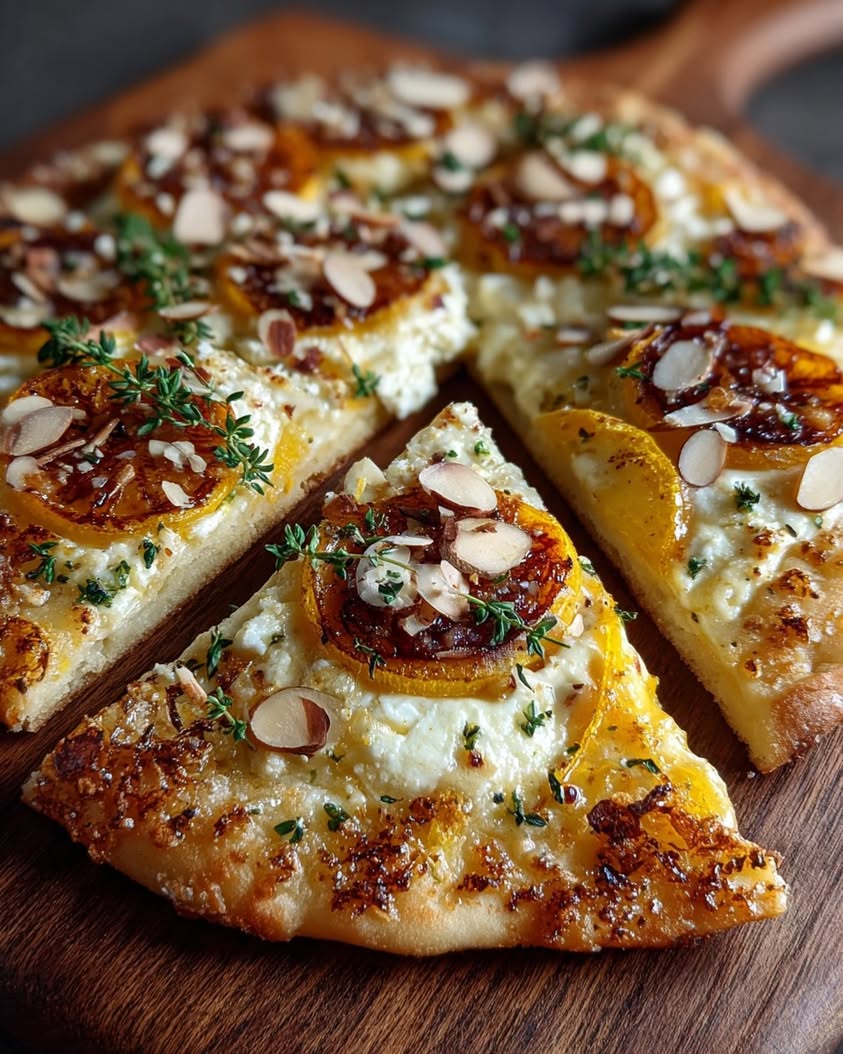
Golden Beet & Brie Flatbread: An Elegant Appetizer with Sweet and Savory Flavors
This stunning golden beet and brie flatbread recipe transforms simple ingredients into an extraordinary culinary experience. Imagine a crispy, golden flatbread base generously topped with creamy, melted brie cheese and tender roasted golden beets. The final masterpiece gets drizzled with a vibrant orange-honey glaze and a sprinkle of crunchy toasted almonds. Consequently, every single bite delivers an incredible harmony of sweet, savory, and tangy flavors that will impress even the most discerning palates.
Furthermore, this elegant appetizer looks like it came straight from a high-end restaurant kitchen. Surprisingly, it requires minimal effort and uses straightforward techniques. The golden beets offer a milder, sweeter flavor than their red counterparts, pairing perfectly with the rich brie. Additionally, the orange-honey drizzle cuts through the richness with its bright, citrusy notes. Ultimately, this dish serves as the perfect centerpiece for any gathering, from casual dinners to sophisticated parties.
Moreover, this golden beet and brie flatbread showcases how beautiful, restaurant-quality food can be effortlessly created at home. The combination of textures, from the crisp crust to the soft cheese and the crunchy almonds, creates a delightful eating experience. Importantly, the vibrant colors of the golden beets against the white brie and green arugula make for a visually stunning presentation. Therefore, this recipe not only satisfies your taste buds but also serves as a feast for the eyes.
Quick Recipe Highlights
- Flavor Profile: This golden beet and brie flatbread features a sophisticated balance of sweet roasted beets, rich and creamy brie, and a bright, zesty orange-honey drizzle. The toasted almonds add a nutty depth that complements the other flavors perfectly. Ultimately, each component works in harmony to create a memorable taste experience.
- Texture: You will enjoy a delightful contrast of textures in every bite. The flatbread provides a crisp and chewy base, while the melted brie offers creaminess. Meanwhile, the roasted beets contribute a tender bite, and the toasted almonds deliver a satisfying crunch.
- Aroma: As this golden beet and brie flatbread bakes, your kitchen will fill with the warm, earthy scent of roasting beets and the nutty fragrance of toasting almonds. The orange-honey drizzle adds a final burst of citrusy freshness that elevates the entire aromatic profile.
- Visual Appeal: This dish presents a beautiful color palette with vibrant golden beets, snowy white brie, and deep green arugula. The glossy orange-honey drizzle and the sprinkled almonds create an artisanal, professional look that is sure to impress your guests.
- Skill Level Needed: This golden beet and brie flatbread recipe is perfect for cooks of all levels, from beginners to experienced chefs. Basically, it involves simple techniques like roasting and assembling, requiring no special culinary skills. Therefore, anyone can achieve spectacular results with minimal effort.
- Special Equipment: You will need a baking sheet, parchment paper, a small saucepan, and a baking stone or pizza steel for the crispiest crust. However, a regular baking sheet works perfectly fine if you do not have specialized equipment.
Recipe Overview
- Difficulty Level: This golden beet and brie flatbread earns its easy rating because it involves straightforward preparation steps. For instance, the beets require simple roasting, and the flatbread assembly is intuitive. Additionally, most components can be prepared ahead of time, making final assembly quick and stress-free.
- Category: This versatile dish fits multiple categories beautifully, serving as an impressive appetizer, a light lunch, or even a main course when paired with a salad. Furthermore, it works wonderfully for brunch gatherings or as an elegant starter for dinner parties. Its flexibility makes it a valuable addition to any cook’s repertoire.
- Cuisine: While flatbread has roots in various culinary traditions, this golden beet and brie version draws inspiration from modern American and Mediterranean influences. The use of honey with cheese echoes Middle Eastern flavors, and the flatbread format has Italian connections. Ultimately, it represents a fusion approach that celebrates global ingredients.
- Cost: This golden beet and brie flatbread offers excellent value, using affordable ingredients like beets and honey alongside the slightly more luxurious brie. Importantly, you can often find golden beets at farmers’ markets for reasonable prices. Overall, it delivers a high-end dining experience without the restaurant price tag.
- Season: This recipe shines particularly well during fall and winter when root vegetables like golden beets are at their peak sweetness. However, with modern availability, you can enjoy this golden beet and brie flatbread year-round. The bright citrus notes also make it refreshing for spring and summer entertaining.
- Occasion: This elegant appetizer suits everything from casual family dinners to holiday celebrations and sophisticated cocktail parties. Its stunning presentation makes it perfect for special events, while its easy preparation works for weeknight meals. Consequently, it becomes a go-to recipe for numerous occasions.
Why You’ll Love This Golden Beet and Brie Flatbread
First and foremost, the taste and texture combination in this golden beet and brie flatbread is truly extraordinary. The sweet, earthy flavor of roasted golden beets pairs magically with the rich, creamy brie cheese. Meanwhile, the orange-honey drizzle adds a bright, tangy sweetness that cuts through the richness beautifully. Additionally, the toasted almonds provide a satisfying crunch that contrasts with the soft textures. Every single bite delivers a complex symphony of flavors that will keep you coming back for more.
From a convenience perspective, this golden beet and brie flatbread recipe offers tremendous benefits. Surprisingly, despite its elegant appearance, it comes together in just thirty-five minutes from start to finish. Furthermore, you can prepare several components in advance, such as roasting the beets and making the orange-honey drizzle. This make-ahead flexibility makes it ideal for entertaining when you want to minimize last-minute kitchen stress. Therefore, you can enjoy the cooking process and still have time with your guests.
Nutritionally, this golden beet and brie flatbread provides several health advantages. Golden beets are packed with essential nutrients like folate, potassium, and vitamin C. They also contain beneficial antioxidants and anti-inflammatory compounds. Meanwhile, almonds contribute healthy fats, protein, and vitamin E. Although brie is richer, it offers protein and calcium. By using quality ingredients in balance, this recipe delivers both indulgence and nutritional value.
For social gatherings, this golden beet and brie flatbread serves as an incredible conversation starter. Its beautiful presentation immediately signals to guests that you’ve created something special. The recipe easily scales up to feed a crowd, and you can create multiple flatbreads with different toppings. Moreover, it accommodates various dietary preferences when you offer modifications. Consequently, it becomes the centerpiece of any party or family meal.
Finally, this golden beet and brie flatbread represents outstanding cost-effectiveness compared to similar restaurant dishes. The ingredients are accessible and affordable, especially when you purchase seasonal produce. A single flatbread generously serves four people as an appetizer, making it budget-friendly for entertaining. Compared to ordering similar dishes at restaurants, you save significantly while achieving comparable, if not superior, quality. This economic advantage makes it practical for regular enjoyment.
Historical Background and Cultural Significance
The concept of flatbread dates back thousands of years, representing one of the oldest forms of prepared food across numerous cultures. Ancient civilizations from the Middle East to the Mediterranean developed their own versions using locally available grains. These early flatbreads served as edible plates, utensils, and sustenance all in one. The modern interpretation seen in this golden beet and brie flatbread builds upon this rich history while incorporating contemporary ingredients and techniques.
Cultural significance surrounds each component of this golden beet and brie flatbread. Beets have been cultivated since ancient times, with both Greeks and Romans valuing them for their medicinal properties. Brie cheese, famously known as the “King of Cheeses,” has its origins in French culinary tradition dating back to the 8th century. Meanwhile, honey has been cherished across cultures as both a sweetener and symbolic substance. The combination of these elements represents a beautiful fusion of culinary heritages.
The evolution of flatbread recipes reflects changing food trends and ingredient availability. Originally simple creations with basic toppings, flatbreads have transformed into sophisticated dishes showcasing gourmet ingredients. The rise of food television and culinary exploration has encouraged home cooks to experiment with unconventional pairings. This golden beet and brie flatbread exemplifies this modern approach, combining unexpected ingredients that create harmonious flavor profiles. It represents how traditional food formats can be reinvented for contemporary tastes.
Regional variations of flatbread appear worldwide, from Italian pizza to Middle Eastern manakeesh to Indian naan with toppings. This golden beet and brie flatbread draws inspiration from these diverse traditions while establishing its own unique identity. The use of root vegetables as a primary topping has particularly strong connections to European and North American culinary practices. Meanwhile, the sweet and savory combination echoes Middle Eastern flavor principles. This cultural blending creates a dish that feels both familiar and excitingly new.
Ingredient Deep Dive
Golden beets serve as the star ingredient in this golden beet and brie flatbread, offering a sweeter, milder flavor than their red counterparts. Historically, beets originated in the Mediterranean region and were initially cultivated for their greens rather than their roots. Nutritionally, they provide excellent sources of folate, manganese, potassium, and vitamin C. Their vibrant yellow color comes from betaxanthin pigments, which possess antioxidant properties. When selecting golden beets, look for firm, smooth-skinned specimens with vibrant greens still attached if possible.
Proper storage extends the life of your golden beets significantly. First, separate the greens from the roots immediately, as the greens draw moisture from the beets. Store the unwashed roots in a perforated plastic bag in your refrigerator’s crisper drawer, where they will keep for several weeks. The greens should be used within a few days. For this golden beet and brie flatbread, roasting enhances their natural sweetness and creates a tender texture that complements the other ingredients perfectly.
Brie cheese brings luxurious creaminess to this golden beet and brie flatbread, creating a beautiful contrast with the crisp flatbread base. This soft-ripened cheese has protected designation of origin status in Europe, with the most famous versions coming from the Brie region of France. Nutritionally, brie provides protein, calcium, and vitamin B12, though it is higher in fat than many other cheeses. When selecting brie for your flatbread, choose a wheel that feels slightly soft to the touch and has a white, edible rind free from dark spots.
For optimal results in your golden beet and brie flatbread, bring brie to room temperature before baking. This ensures even melting and prevents burning. If you need a substitution, Camembert offers a similar texture and flavor profile. For a stronger flavor, try using a triple-cream cheese. Vegetarians should note that traditional brie uses animal rennet, though vegetarian versions are increasingly available. The creamy richness of brie balances the sweetness of the beets and honey beautifully in this recipe.
The orange-honey drizzle provides the finishing touch that elevates this golden beet and brie flatbread from great to extraordinary. Honey has been valued by humans for over 8,000 years, with ancient cultures using it for both culinary and medicinal purposes. Orange zest contains essential oils packed with flavor and antioxidants, while the juice adds bright acidity. Together, they create a complex sauce that enhances every other component. For the best results, use local raw honey when possible, as it offers superior flavor and potential health benefits.
When preparing the orange-honey drizzle for your golden beet and brie flatbread, gently warming the ingredients helps them combine smoothly. Avoid boiling the mixture, as high heat can destroy delicate honey enzymes and make the sauce too thick. The balance between sweet honey and tart orange should be adjusted to your preference. For variations, try using other citrus fruits like blood oranges or Meyer lemons. Different honey varieties, such as wildflower or orange blossom, will also subtly alter the flavor profile of your final dish.
Common Mistakes to Avoid
- Overloading the flatbread with toppings seems tempting but leads to a soggy crust. Instead, use a light hand with ingredients to ensure proper crisping. The golden beet and brie flatbread should showcase each component without becoming weighed down.
- Using cold brie straight from the refrigerator prevents even melting and can result in burnt spots. Always bring your cheese to room temperature before assembling your golden beet and brie flatbread. This simple step ensures beautifully melted, creamy results.
- Neglecting to properly toast the almonds diminishes their flavor and texture impact. Toast them until fragrant and lightly golden before sprinkling over your golden beet and brie flatbread. This enhances their nutty flavor and provides better crunch.
- Skipping the beet roasting step and using raw beets creates an unpleasant texture and less developed flavor. Roasting concentrates the natural sugars in golden beets, making them sweeter and more tender for your flatbread.
- Spreading the brie too thickly can make the flatbread greasy and overwhelming. Distribute thin slices or small pieces evenly across your golden beet and brie flatbread for optimal coverage without excess.
- Baking at too low a temperature results in a pale, soft crust rather than a crisp base. Ensure your oven is fully preheated before baking your golden beet and brie flatbread for the best texture.
- Applying the orange-honey drizzle before baking causes it to caramelize excessively and lose its bright flavor. Always add this finishing touch after the flatbread comes out of the oven for the freshest taste.
- Cutting the flatbread immediately after removing it from the oven can cause toppings to slide off. Let your golden beet and brie flatbread rest for a few minutes before slicing for cleaner portions.
- Using thick, store-bought flatbread that doesn’t crisp properly creates a disappointing base. Either roll your dough thinly or choose a quality pre-made flatbread specifically designed for crisping.
- Forgetting to season each layer results in a bland final product. Remember to season your roasted beets, and consider adding a flaky salt finish to your completed golden beet and brie flatbread.
Essential Techniques
Properly roasting golden beets represents a fundamental technique for this golden beet and brie flatbread. Roasting concentrates the natural sugars through caramelization, developing deeper flavor than boiling or steaming. First, scrub the beets thoroughly and trim the stems, then toss with olive oil, salt, and pepper. Roast in a 400°F oven until easily pierced with a knife, typically thirty to forty minutes depending on size. The skins will slip off easily after cooling slightly. Perfectly roasted beets should be tender but not mushy, with intensified sweetness and earthy notes.
Creating a crisp flatbread base requires attention to several details for your golden beet and brie flatbread. If using homemade dough, roll it thinly and evenly to ensure uniform cooking. Preheating your baking surface—whether a pizza stone, baking steel, or inverted baking sheet—is crucial for immediate oven spring and bottom crisping. Pricking the dough with a fork prevents large air bubbles from forming. Baking at high heat, typically 450-500°F, creates the desired crisp texture with slight chewiness. The finished crust should be golden brown with some darker spotting on the bottom.
Toasting almonds properly enhances their flavor and texture contribution to your golden beet and brie flatbread. Spread raw almonds in a single layer on a dry baking sheet. Toast at 350°F for five to eight minutes, shaking the pan occasionally for even coloring. Watch carefully during the final minutes, as nuts can burn quickly. Properly toasted almonds should be fragrant and lightly golden inside when split. Immediately transfer them to a cool surface to prevent carryover cooking. Toasted almonds add crucial crunch and nutty depth that complements the other soft components.
Creating the orange-honey drizzle requires balancing sweetness and acidity for your golden beet and brie flatbread. Gently warm the honey to make it more fluid, then whisk in freshly squeezed orange juice and finely grated zest. The warmth helps the flavors meld without cooking out the bright citrus notes. For a thicker drizzle that clings to the flatbread, reduce the mixture slightly over low heat. The perfect consistency should coat the back of a spoon but still be pourable. Adjust the orange-to-honey ratio based on your preference for sweetness versus tartness in the final sauce.
Pro Tips for Perfect Golden Beet and Brie Flatbread
For the crispiest crust, preheat your baking surface for at least thirty minutes before baking your golden beet and brie flatbread. This ensures immediate heat transfer that creates those desirable crisp bubbles. Additionally, using semolina flour or cornmeal on your peel or baking sheet prevents sticking and adds pleasant texture.
Slice your brie thinly rather than cubing it for more even melting across your golden beet and brie flatbread. Remove the rind if you prefer, though it is edible and adds flavor. Room temperature cheese spreads more evenly and melts consistently without burning in spots.
Double-roast your golden beets for intensified flavor in your golden beet and brie flatbread. After initial roasting and peeling, slice them and roast again with a drizzle of olive oil until slightly caramelized at the edges. This extra step deepens their sweetness and improves texture.
Add fresh herbs after baking to preserve their bright flavor and color in your golden beet and brie flatbread. Sprinkle with fresh thyme, chopped chives, or microgreens just before serving. The heat from the flatbread will gently wilt them without destroying their delicate essence.
Create flavor layers by seasoning each component individually in your golden beet and brie flatbread. Season the roasted beets with salt and pepper, brush the flatbread base with garlic-infused oil, and finish the completed dish with flaky sea salt. This approach ensures balanced seasoning throughout.
For professional presentation, drizzle the orange-honey sauce in a zigzag pattern over your golden beet and brie flatbread. Use a squeeze bottle or spoon held high above the flatbread for even distribution. This technique creates visual appeal and ensures each slice gets some of the flavorful sauce.
Let your flatbread rest for two to three minutes after removing it from the oven before slicing. This allows the cheese to set slightly, preventing toppings from sliding off when cut. Use a pizza wheel or sharp chef’s knife for clean cuts through your golden beet and brie flatbread.
Experiment with different nut varieties for alternative crunch factors in your golden beet and brie flatbread. Toasted pine nuts, walnuts, or pecans each bring unique flavors that complement the other ingredients. Always toast nuts before using to maximize their flavor potential.
Variations and Adaptations
Regional variations of this golden beet and brie flatbread can incorporate local ingredients and flavor profiles. For a Mediterranean twist, add kalamata olives and fresh oregano alongside the standard ingredients. Southwest inspiration might include adding pickled jalapeños and substituting pepitas for almonds. Asian fusion could feature a miso-honey glaze and sesame seed garnish. These adaptations demonstrate the recipe’s flexibility while maintaining its core appeal of sweet and savory contrasts on a crisp base.
Seasonal adaptations keep this golden beet and brie flatbread exciting throughout the year. During spring, incorporate fresh peas and mint for a lighter version. Summer variations might include adding grilled corn and basil. Autumn adaptations could feature roasted squash or apples alongside the beets. Winter versions might include roasted garlic or rosemary for deeper flavor notes. Each seasonal twist celebrates produce at its peak while maintaining the recipe’s fundamental structure and appeal.
Dietary modifications make this golden beet and brie flatbread accessible to various eating preferences. For gluten-free needs, use a quality gluten-free flatbread or crust. Vegan adaptations can substitute dairy-free cashew cheese or vegan brie alternatives. Lower-carb versions might use a cauliflower crust or serve the toppings over a bed of greens. Dairy-free options could feature hummus or avocado as the creamy element. These modifications ensure everyone can enjoy this delicious combination of flavors regardless of dietary restrictions.
Flavor variations allow for personalization of your golden beet and brie flatbread based on preference. Add heat with red pepper flakes or sliced fresh chili. Incorporate umami with caramelized onions or mushrooms. Include freshness with arugula or watercress added after baking. Experiment with different cheese combinations, such as adding goat cheese or gorgonzola crumbles. Alternative drizzles could feature balsamic reduction, pomegranate molasses, or herb-infused oils. These simple adjustments create entirely new experiences while maintaining the recipe’s essential character.
Texture modifications can tailor your golden beet and brie flatbread to specific preferences. For extra crunch, add toasted seeds like pumpkin or sunflower along with the almonds. Softer textures can be emphasized by adding roasted garlic or caramelized onions. Contrasting textures might include adding crisp apple slices or pear right before serving. Different flatbread bases, from ultrathin cracker-like crusts to thicker, chewier ones, significantly alter the eating experience. Understanding these textural possibilities helps you customize the recipe to your exact preferences.
Presentation alternatives can transform how your golden beet and brie flatbread is perceived and enjoyed. Individual-sized flatbreads create elegant personal portions for dinner parties. Rectangular baking sheet versions work well for buffet service. Free-form rustic shapes offer artisanal appeal. Cutting into small squares creates perfect bite-sized appetizers for cocktail parties. Serving on a wooden board with the drizzle in a small pitcher allows guests to customize their portions. These presentation variations adapt the recipe to different serving contexts while maintaining its delicious essence.
Serving and Presentation Guide
Plating techniques significantly impact how your golden beet and brie flatbread is perceived. For individual servings, cut into wedges and arrange slightly overlapping on rectangular plates. Family-style presentation works beautifully on a large wooden cutting board or marble slab. Elevate slices by leaning them against each other rather than laying flat. Use negative space on the plate to highlight the beautiful colors of your golden beet and brie flatbread. Always wipe the plate edges clean before serving for a professional finish.
Garnishing ideas enhance both visual appeal and flavor complexity for your golden beet and brie flatbread. Fresh herb sprigs like thyme or rosemary add fragrance and color. Microgreens or pea shoots contribute delicate texture and fresh flavor. Edible flowers create stunning visual impact for special occasions. Additional toasted almond slices sprinkled around the plate reinforce the main flavors. Flaky sea salt or finishing salt sprinkled just before serving enhances both appearance and taste.
Traditional accompaniments for flatbread often include simple salads that complement without overwhelming. A lightly dressed arugula salad with lemon vinaigrette cuts through the richness of the brie. Marinated vegetable salads like artichokes or roasted peppers offer contrasting textures. For heartier meals, pair your golden beet and brie flatbread with soup, particularly creamy varieties like potato leek or tomato basil. These classic pairings create balanced meals that highlight the flatbread as the star.
Modern serving suggestions might include deconstructed presentations or interactive elements. Serve the components separately for guests to assemble themselves. Offer additional drizzle sauces in squeeze bottles for customization. Create a flatbread bar with multiple topping options alongside the golden beet and brie version. Pair with craft cocktails or wine flights that complement the flavors. These contemporary approaches make the dining experience more engaging and personalized for your guests.
Temperature considerations are crucial for serving your golden beet and brie flatbread at its best. Serve immediately after baking while the crust is still crisp and the cheese is molten. If necessary, hold in a warm oven for no more than ten minutes before serving. The orange-honey drizzle should be at room temperature for easy pouring. If adding fresh greens or herbs, ensure they are cool for textural contrast. These temperature management practices preserve the ideal eating experience.
Portion control tips help manage serving sizes for different occasions. As an appetizer, cut your golden beet and brie flatbread into eight small slices. For light lunch portions, quarter it into substantial wedges. For cocktail parties, cut into bite-sized squares for easy one-bite consumption. Consider your guests’ appetites and what other food will be served when determining portion sizes. Proper portioning ensures everyone enjoys the perfect amount of this delicious creation.
Wine and Beverage Pairing
Wine pairings for this golden beet and brie flatbread should complement both the richness of the brie and the sweetness of the beets. A crisp, acidic white wine like Sauvignon Blanc cuts through the cheese fat while matching the citrus notes in the drizzle. Light-bodied Pinot Noir offers red wine option with enough acidity to balance the dish without overwhelming it. Sparkling wines like Prosecco or Cava provide effervescence that cleanses the palate between bites. Ultimately, the best wine pairing depends on which element you want to highlight in your golden beet and brie flatbread.
Non-alcoholic alternatives can be just as sophisticated as wine pairings for your golden beet and brie flatbread. Sparkling water with a twist of orange or lemon echoes the citrus elements. Craft sodas with herbal notes like rosemary or thyme complement the savory aspects. Iced hibiscus tea offers tartness that contrasts the richness beautifully. For warmer occasions, citrus-infused lemonade provides refreshing counterpoint to the baked flavors. These non-alcoholic options ensure all guests can enjoy thoughtful beverage pairings.
Coffee and tea pairings work surprisingly well with this golden beet and brie flatbread, particularly for brunch servings. Lightly roasted coffee with bright acidity complements without overwhelming the delicate flavors. Earl Grey tea’s bergamot notes harmonize with the citrus elements in the drizzle. Herbal teas like peppermint or chamomile provide soothing contrast to the rich ingredients. Chai tea’s warming spices create an interesting flavor dialogue with the earthy beets. These hot beverage options expand pairing possibilities beyond traditional wine matches.
Temperature considerations for beverages ensure they complement rather than compete with your golden beet and brie flatbread. White wines and sparkling options should be properly chilled but not ice-cold, which dulls flavor. Red wines should be slightly cooler than room temperature. Non-alcoholic sparkling drinks benefit from thorough chilling. Coffee and tea should be served hot but not scalding. Proper beverage temperatures maximize their ability to enhance rather than overwhelm the dining experience.
Serving suggestions for beverages include offering multiple options to suit different preferences. Create a small pairing flight with two to three different wines or non-alcoholic options. Provide clear descriptions of why each beverage complements the golden beet and brie flatbread. Consider the timing of your event—lighter options may work better for lunch, while more substantial pairings suit dinner. Always include non-alcoholic options that receive the same thoughtful consideration as alcoholic pairings.
Storage and Shelf Life
Storage methods for leftover golden beet and brie flatbread require careful attention to preserve texture. First, allow the flatbread to cool completely to room temperature. Then, wrap tightly in plastic wrap or place in an airtight container. Refrigerate for up to three days, though the crust will soften considerably. For best results, consume leftovers within twenty-four hours. Note that the quality diminishes upon refrigeration, so only make what you plan to serve immediately for optimal experience.
Temperature requirements for storing your golden beet and brie flatbread depend on how soon you plan to consume it. For immediate consumption within two hours, you can keep at room temperature covered loosely with foil. For longer storage, refrigeration is necessary due to the dairy content. Never leave the flatbread at room temperature for more than two hours to prevent bacterial growth. If transporting, use an insulated container to maintain safe temperatures until serving.
Container recommendations impact how well your golden beet and brie flatbread maintains quality during storage. Airtight containers prevent refrigerator odors from affecting the flavors. For individual slices, separate with parchment paper to prevent sticking. If storing whole, place on a baking sheet or flat plate to maintain structure. Glass containers with snap-on lids work better than plastic wrap alone. Proper container selection minimizes quality loss during storage.
Signs of spoilage to watch for include off odors, visible mold, or slimy texture on the toppings. The flatbread should smell of its ingredients, not sour or unpleasant. Discard if any discoloration appears, particularly on the cheese components. If the crust becomes exceptionally hard or develops unusual spots, err on the side of caution. When in doubt, remember the adage: when in doubt, throw it out. Food safety should always take priority over minimizing waste.
Reheating instructions can partially restore your golden beet and brie flatbread’s original texture. Use an oven or toaster oven at 375°F for five to eight minutes until warmed through and crust re-crisped. Avoid microwaving, which makes the crust rubbery. If the flatbread seems dry, brush lightly with olive oil before reheating. Consider adding fresh toppings after reheating to restore brightness. Note that reheated flatbread will never match fresh-from-the-oven quality but can still be enjoyable.
Freezing guidelines for golden beet and brie flatbread are generally not recommended due to texture changes. The high moisture content of the toppings creates ice crystals that damage texture upon thawing. The crust becomes soggy, and the cheese separates. If you must freeze, do so before baking by assembling then freezing solid before wrapping. Bake directly from frozen, adding extra cooking time. However, for best results, enjoy your golden beet and brie flatbread fresh rather than frozen.
Make Ahead Strategies
Prep timeline for your golden beet and brie flatbread can be spread over several days to minimize last-minute work. Up to three days ahead, roast and slice your golden beets, storing them refrigerated in an airtight container. The orange-honey drizzle can be prepared two days in advance and stored at room temperature. Toast your almonds up to five days ahead, storing at room temperature in an airtight container. The flatbread dough can be prepared one day ahead and refrigerated, or use quality store-bought dough for convenience.
Storage between steps requires proper technique to maintain ingredient quality. Roasted beets should be cooled completely before refrigerating in a sealed container with a paper towel to absorb excess moisture. The orange-honey drizzle may thicken when refrigerated; bring to room temperature and whisk before using. Toasted nuts should be completely cooled before storage to prevent steam from making them soft. Flatbread dough should be oiled and tightly wrapped if refrigerating overnight. These proper storage practices ensure components remain at their best for final assembly.
Quality impact assessment helps determine which steps benefit from advance preparation versus last-minute execution. Roasted beets actually improve in flavor when made ahead, allowing flavors to develop. The orange-honey drizzle maintains quality well when prepared in advance. Toasted nuts gradually lose crispness but can be refreshed in a warm oven. Flatbread dough benefits from slow, cold fermentation when made ahead. Assembly and baking should always be done just before serving for optimal texture. Understanding these impacts guides your make-ahead strategy.
Assembly tips for last-minute preparation streamline the process when components are prepped in advance. Have all ingredients measured and within reach before beginning. Use a pizza peel or inverted baking sheet for easy transfer to the oven. Arrange your workstation logically with dough, toppings, and tools in sequence. Work quickly once the flatbread is topped to prevent the dough from becoming soggy. These assembly efficiencies ensure your golden beet and brie flatbread comes together smoothly even when entertaining.
Reheating guidelines differ for partially prepared components versus fully baked flatbread. Pre-roasted beets can be briefly warmed in the oven or microwave before assembling. The orange-honey drizzle should be used at room temperature. Fully baked flatbread should be reheated in a hot oven to restore crispness. Never reassemble components that have been previously baked together, as this creates texture issues. These specific reheating approaches maintain quality for different preparation stages.
Fresh element additions after baking restore brightness to make-ahead components. Always add the orange-honey drizzle after the flatbread comes out of the oven. Fresh herbs should be sprinkled on just before serving. If using greens like arugula, add them after baking so they wilt slightly but maintain texture. A final sprinkle of flaky salt just before serving enhances all the flavors. These fresh finishing touches elevate your golden beet and brie flatbread even when many components were prepared in advance.
Scaling Instructions
Halving the recipe for your golden beet and brie flatbread works beautifully for smaller servings. Use half a pound of dough rolled to a smaller diameter, typically eight to ten inches. Reduce all topping quantities proportionally, though you may want to use slightly more than half the brie for adequate coverage. Baking time may decrease by two to three minutes due to the smaller size. This scaling option is perfect for couples or small families who want to enjoy the recipe without leftovers.
Doubling or tripling the recipe requires some adjustments for successful results. Use multiple baking sheets or bake in batches to avoid overcrowding the oven. Rotate baking sheets halfway through for even cooking. Consider making one large rectangular flatbread on a half-sheet pan instead of multiple rounds. Increase toppings proportionally, though you might slightly reduce the brie quantity per flatbread to prevent excessive greasiness. These scaling approaches work well for parties where you need to serve multiple guests.
Equipment adjustments become necessary when scaling your golden beet and brie flatbread recipe. For multiple flatbreads, invest in pizza stones or steels for multiple oven racks. A pizza peel makes transferring easier than trying to slide loaded baking sheets. For very large batches, consider using a commercial-style pizza oven if available. If using home equipment, allow proper preheating time between batches. Proper equipment selection ensures consistent results regardless of batch size.
Timing modifications help manage workflow when preparing multiple golden beet and brie flatbreads. Stagger assembly so each flatbread goes into the oven immediately after topping. Have all components prepped and within reach before beginning assembly. While one flatbread bakes, assemble the next. Keep finished flatbreads in a warm oven (200°F) on racks without stacking. These timing strategies ensure all servings reach the table at optimal quality.
Storage considerations change when scaling your golden beet and brie flatbread recipe. Leftovers from large batches may require multiple containers for proper refrigeration. Consider whether guests might want to take portions home, and have appropriate containers ready. For events where the flatbread will sit out, plan to bake in smaller batches throughout the event rather than all at once. These storage plans maintain quality and safety when preparing larger quantities.
Nutritional Deep Dive
Macro breakdown of this golden beet and brie flatbread reveals a balanced profile when consumed in appropriate portions. Each serving provides approximately 15 grams of protein from the cheese and flatbread, 45 grams of carbohydrates primarily from the beets and crust, and 20 grams of fat mainly from the brie and almonds. The
Print
Golden Beet & Brie Flatbread with Orange-Honey & Toasted Almonds
Description
A vibrant and elegant flatbread featuring roasted golden beets, creamy brie, and a drizzle of orange-honey, topped with crunchy toasted almonds.
Ingredients
For the Crust:
- 1 large golden beet, peeled and thinly sliced
- 1 pre-made flatbread crust
- 4 oz brie cheese, sliced
- 2 tbsp honey
- 1 tbsp fresh orange juice
- 1/4 cup sliced almonds, toasted
- 2 tbsp olive oil
- 1 tsp fresh thyme leaves
- Salt and black pepper to taste
Instructions
1. Prepare the Crust:
- Preheat oven to 400°F (200°C). Toss sliced beets with 1 tbsp olive oil, salt, and pepper. Roast for 20 minutes until tender.
- Brush flatbread crust with remaining olive oil. Arrange roasted beets and brie slices evenly over the crust.
- Bake flatbread for 8-10 minutes until crust is golden and cheese is melted.
- Whisk together honey and orange juice. Drizzle over baked flatbread, then sprinkle with toasted almonds and fresh thyme.
- Slice and serve warm.
Notes
You can customize the seasonings to taste.

I’m Shaykee—born in Morocco, seasoned across continents. From airplane galleys to home kitchens, I share the flavors and stories that shaped my journey.