
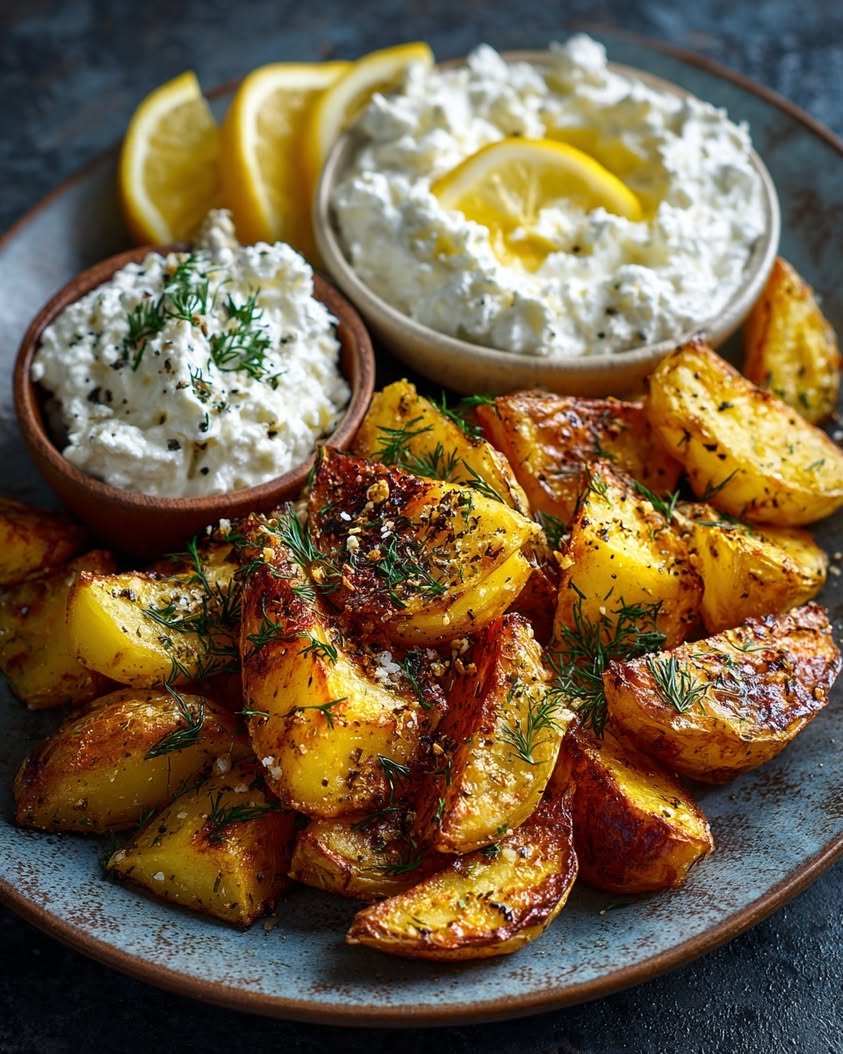
Crispy Greek Roasted Potatoes with Whipped Feta: Your New Favorite Mediterranean Side Dish
Imagine pulling a tray from your oven, revealing golden potatoes with shatteringly crisp edges and fluffy, lemon-infused interiors. Now picture a cloud of creamy, tangy whipped feta waiting to catch every delicious morsel. This is the magic of authentic Greek roasted potatoes, a dish that transforms simple ingredients into pure Mediterranean comfort food. Furthermore, these crispy Greek roasted potatoes offer a textural symphony you will crave long after your plate is clean.
The beauty of this recipe lies in its brilliant simplicity. Consequently, you achieve restaurant-quality results with minimal effort. The whipped feta dip, meanwhile, provides a cool, salty counterpoint to the potatoes’ vibrant acidity and herbaceous notes. Ultimately, this combination creates an unforgettable side dish that effortlessly elevates any meal from ordinary to extraordinary.
These crispy Greek roasted potatoes pair perfectly with grilled meats, fit beautifully into a vegetarian spread, or stand gloriously on their own. The aroma of garlic, lemon, and oregano filling your kitchen is merely a preview of the flavor explosion to come. This dish truly embodies the heart of the Mediterranean diet—fresh, flavorful, and fundamentally satisfying.
Quick Recipe Highlights
- Flavor Profile: These potatoes deliver a powerful punch of bright, sun-drenched lemon and earthy oregano. The whipped feta, consequently, introduces a creamy, briny salinity that perfectly balances the potatoes’ acidity. Together, they create a harmonious taste of the Greek coastline.
- Texture: The exterior of these Greek roasted potatoes becomes incredibly crispy and golden, almost like a thin shell. Meanwhile, the interior steams to a feather-light, fluffy perfection. The whipped feta, on the other hand, is luxuriously smooth and airy.
- Aroma: As they roast, the potatoes release an intoxicating scent of roasting garlic and sharp, citrusy lemon. The herbal fragrance of dried oregano weaves through the air, creating an unmistakably Mediterranean atmosphere in your kitchen.
- Visual Appeal: The finished dish boasts a beautiful contrast of colors. The potatoes shine with a deep, golden-brown hue, while the whipped feta provides a stark, creamy white canvas. A final sprinkle of fresh herbs adds a vibrant green accent.
- Skill Level Needed: This is an exceptionally beginner-friendly recipe. The techniques involve simple chopping, whisking, and roasting. Therefore, even a novice cook can achieve spectacular, foolproof results with confidence.
- Special Equipment: You need only a sturdy baking sheet, a good chef’s knife, and a food processor or blender for the whipped feta. A microplane for zesting the lemon is helpful but not strictly essential.
Recipe Overview
- Difficulty Level: We classify this recipe as easy because it requires no advanced culinary skills. The steps are straightforward: chopping potatoes, whisking a marinade, and roasting. The oven does most of the work, making it a very forgiving dish for cooks of all levels.
- Category: This dish falls squarely into the side dish category, but it is robust enough to be a light main course. It fits beautifully into family dinners, holiday feasts, and casual weeknight meals alike.
- Cuisine: This is a quintessential Greek recipe, hailing directly from the tavernas of Athens and the islands. It showcases the core principles of Greek cuisine: bold, simple flavors from high-quality ingredients like olive oil, lemon, and oregano.
- Cost: This is an incredibly budget-friendly recipe. Potatoes, lemon, and garlic are inexpensive staples. The main cost comes from the feta cheese and olive oil, but a little of each goes a long way, making this a cost-effective culinary triumph.
- Season: While fantastic year-round, these potatoes truly shine in the spring and summer. Their bright, zesty flavor profile complements grilled foods perfectly. They also bring a taste of sunny warmth to colder autumn and winter months.
- Occasion: This versatile dish is suitable for any event. Serve it at a casual backyard barbecue, a formal dinner party, or as part of a festive holiday spread. It is always a welcomed and celebrated addition to the table.
Why You’ll Love This Recipe
First and foremost, the taste and texture are utterly irresistible. The contrast between the shatteringly crisp exterior and the soft, lemon-soaked interior of the potatoes is a culinary marvel. Furthermore, when you drag a potato through the cool, creamy, and tangy whipped feta, you experience a flavor combination that is both sophisticated and deeply comforting. This dish successfully delivers a restaurant-quality experience from the comfort of your own kitchen, making every bite a small celebration.
From a practical standpoint, the convenience of this recipe is a major win. The preparation is simple and quick, requiring only about 15 minutes of hands-on work. After that, the oven takes over, allowing you to focus on other parts of your meal or simply relax. This makes crispy Greek roasted potatoes an ideal choice for busy weeknights or stressful entertaining scenarios where you need a reliable, hands-off side dish.
Nutritionally, this dish is a powerhouse aligned with the celebrated Mediterranean diet. Potatoes provide a great source of potassium and vitamin C, while the olive oil offers healthy monounsaturated fats. The feta cheese contributes protein and calcium. Importantly, you are creating a deeply satisfying dish from whole, recognizable ingredients, free from processed additives. You can feel good about serving this to your family and friends.
The social and entertaining value of this dish cannot be overstated. It is visually stunning and universally appealing, guaranteed to draw compliments from your guests. The act of sharing a platter of these gorgeous potatoes with a bowl of creamy dip fosters a communal, interactive dining experience. It is a conversation starter that effortlessly elevates the mood of any gathering.
Finally, the cost-effectiveness and accessibility make this a go-to recipe. The ingredient list is short and composed of items you can find at any standard grocery store. You do not need to hunt for exotic or expensive components. This accessibility, combined with the spectacular results, means you can enjoy a taste of high-end Mediterranean comfort food without straining your budget, making it a recipe you will return to again and again.
Historical Background and Cultural Significance
The origin of Greek roasted potatoes is deeply woven into the fabric of the country’s rural and island life. Potatoes were introduced to Greece in the late 19th century and quickly became a staple due to their ability to thrive in the Greek climate. The classic method of roasting them with lemon and oregano emerged from traditional home kitchens and rustic tavernas, where cooks utilized simple, abundant ingredients to create maximum flavor. This dish was born from necessity and ingenuity, a testament to the Greek culinary philosophy of creating extraordinary food from ordinary components.
In terms of cultural importance, these potatoes are a cornerstone of Greek family meals and public celebrations. You will find them on the table for Sunday family lunches, festive occasions like Easter and Christmas, and in virtually every taverna across the country. They are the quintessential companion to grilled lamb, souvlaki, and roasted chicken. This dish represents Greek philoxenia, or hospitality, a generous and welcoming offering that says “feel at home” to every guest who partakes.
The recipe has evolved subtly over time, with the whipped feta dip being a more modern, restaurant-inspired accompaniment. Traditionally, the potatoes might be served alone or with a simple dollop of tzatziki. The innovation of whipping feta with yogurt or cream cheese to create a smooth, spreadable dip has gained immense popularity in recent decades. This evolution showcases the dynamic nature of Greek cuisine, which honors its traditions while also embracing new techniques and presentations that enhance the eating experience.
Regional variations of this dish do exist throughout Greece. On the islands, you might find a heavier hand with fresh herbs like rigani, a wild oregano. In the north, a pinch of paprika or a bay leaf might be added to the roasting liquid for a different aromatic profile. Some cooks prefer to use chicken stock instead of water for a richer, more savory depth. However, the core trinity of lemon, oregano, and olive oil remains the constant, unifying thread that defines this beloved national dish.
Ingredient Deep Dive
Yukon Gold Potatoes are the ideal choice for these Greek roasted potatoes. This variety has a naturally buttery flavor and a medium starch content, which gives them the perfect balance for roasting. They achieve a crispy exterior without falling apart, while their interior becomes exceptionally fluffy and absorbent, soaking up the lemony marinade beautifully. When selecting Yukon Golds, look for firm potatoes with smooth, tight skins, avoiding any with green spots or sprouts. Store them in a cool, dark, and well-ventilated place, but not in the refrigerator.
Fresh Lemon Juice and zest are non-negotiable for an authentic flavor profile. The citric acid not only provides the characteristic tang but also helps break down the potato’s surface, allowing the olive oil to penetrate and crisp the exterior. Furthermore, the zest contains potent essential oils that deliver an intense, fragrant citrus aroma. Always use fresh lemons; bottled juice lacks brightness and can impart a bitter, off flavor. For the best yield and flavor, roll your lemons firmly on the counter before juicing them.
High-Quality Extra Virgin Olive Oil is the lifeblood of this recipe and Greek cuisine as a whole. It contributes fruity, peppery notes and is responsible for creating the crispy, golden-brown crust on the potatoes. A robust, cold-pressed olive oil will stand up to the high heat of the oven without losing its character. In the whipped feta, it adds a silky texture and a luxurious mouthfeel. Store your olive oil in a dark, cool cupboard to protect it from light and heat, which can cause it to rancidify.
Greek Oregano is a specific variety that is more aromatic and slightly more pungent than its Italian or Mexican counterparts. Its earthy, slightly bitter flavor is essential to the dish’s identity. Drying concentrates the herb’s oils, which is why dried oregano is actually preferred over fresh in this specific application. To ensure potency, buy your dried oregano in small quantities from a source with high turnover and store it in a sealed container away from light. Crush it between your fingers as you add it to release its full aroma.
Authentic Greek Feta Cheese is a PDO (Protected Designation of Origin) product, meaning true feta must be made in Greece from at least 70% sheep’s milk, often blended with goat’s milk. This gives it a tangy, salty, and slightly grassy flavor that is irreplaceable. The briny saltiness of the feta is what makes the whipped dip so compelling against the acidic potatoes. For the creamiest results, use a block of feta packed in brine, not pre-crumbled cheese, which contains anti-caking agents.
Common Mistakes to Avoid
- Using the Wrong Potato: Avoid waxy potatoes like red potatoes or fingerlings. They will not achieve the desired fluffy interior and crispy exterior. Starchy potatoes like Russets, on the other hand, will become too soft and fall apart. Yukon Golds provide the perfect middle ground for these Greek roasted potatoes.
- Neglecting the Marinade Liquid: Do not skip the water or stock in the roasting pan. This creates a steamy environment that initially cooks the potatoes through, ensuring a tender inside. The liquid eventually evaporates, allowing the exterior to crisp up beautifully in the remaining oil.
- Crowding the Pan: Spreading the potatoes in a single, uncrowded layer is absolutely critical. If the pan is too crowded, the potatoes will steam instead of roast. Consequently, you will end up with soggy, pale potatoes instead of crispy, golden-brown ones.
- Not Preheating the Baking Sheet: Placing the potatoes on a hot baking sheet gives them an immediate sear. This technique jumpstarts the crisping process on the bottom and helps prevent them from sticking to the pan, resulting in a superior texture.
- Under-whipping the Feta: Do not under-process the whipped feta. You need to blend it for a full two to three minutes to achieve a perfectly smooth, light, and airy consistency. A quick pulse will only give you a crumbly, grainy texture that is less appealing.
- Skipping the Resting Time: Allowing the whipped feta to chill for at least 15 minutes before serving is a crucial step. This resting time allows the flavors to meld and the texture to firm up slightly, making it the perfect dip-like consistency.
- Using Old, Stale Spices: Dried oregano loses its potency over time. Using old, bland oregano will result in a flat-tasting dish. Always check the smell of your dried herbs; they should be fragrant. If they smell like dust, it is time for a new jar.
- Forgetting to Season the Whipped Feta: While feta is salty, it often needs a tiny boost. Always taste your whipped feta before serving. You might find it benefits from a crack of black pepper, a drizzle of olive oil, or even a pinch of fresh lemon zest.
Essential Techniques
Uniform Cutting: Cutting your potatoes into evenly sized wedges is the most important technique for consistent cooking. If the pieces are different sizes, the smaller ones will burn before the larger ones are cooked through. Aim for 1 to 1.5-inch thick wedges. This ensures that every piece roasts at the same rate, giving you a tray full of perfectly crispy potatoes with no undercooked or burnt exceptions.
The Steam-Roast Method: Adding liquid to the roasting pan is the secret to achieving the iconic texture of Greek roasted potatoes. The water or stock creates steam that envelops the potatoes, cooking them through and making the interiors incredibly fluffy. As the liquid evaporates, the potatoes then transition to roasting in the hot oil, which crisps and browns the exterior. This two-stage cooking process is what separates good roasted potatoes from truly great, authentic ones.
Whipping to Smoothness: For the whipped feta, patience with your food processor is key. Simply pulsing the ingredients will leave you with a grainy, crumbly spread. You must process the feta, yogurt, and olive oil for a solid two to three minutes, scraping down the sides once or twice. This extended blending time incorporates air, breaks down the cheese completely, and transforms the mixture into a silky, cloud-like dip that is a pleasure to eat.
Pro Tips for Perfect Greek Roasted Potatoes
First, for maximum crispiness, pat your potato wedges completely dry with a clean kitchen towel after washing them. Any excess surface moisture will create steam and inhibit browning. This simple, often-overlooked step is a game-changer for achieving that shatteringly crisp crust.
Second, preheat your baking sheet in the oven while it comes to temperature. Adding the potatoes to a hot surface gives them an immediate sear, which prevents sticking and jumpstarts the crisping process on the bottom. This professional technique ensures a beautifully golden and release-ready finish.
Third, do not be shy with the seasoning. Potatoes need a generous amount of salt. Season the marinade well, and do not forget to taste and season the whipped feta separately. Remember, you are building layers of flavor from the inside out, and proper seasoning is the foundation.
Fourth, halfway through the roasting time, use a thin spatula to gently flip and toss the potatoes. This ensures that all sides get equal exposure to the hot pan and air, promoting even browning and crisping. It also allows the lemony sauce to recoat each piece.
Fifth, let the potatoes rest for a few minutes after pulling them from the oven. This allows their starches to set slightly, making them less likely to break apart when you serve them. They will also become even crispier as the steam fully evaporates from their surfaces.
Finally, for an extra flavor boost, finish the roasted potatoes with a fresh drizzle of high-quality extra virgin olive oil and a sprinkle of fresh herbs like chopped dill or parsley right before serving. This adds a layer of fresh, vibrant flavor that complements the deep, roasted notes perfectly.
Variations and Adaptations
For regional variations, you can explore different flavor profiles while keeping the technique intact. A Cypriot version might include a sprinkle of ground cumin and coriander in the marinade. A Cretan adaptation could feature a generous addition of chopped fresh thyme and myzithra cheese instead of feta. For a taste of the Peloponnese, some cooks add a splash of red wine vinegar to the roasting liquid for a different kind of tang.
Seasonal adaptations are simple and effective. In the spring, toss in whole, peeled garlic cloves and fresh artichoke hearts with the potatoes. During summer, add cherry tomatoes to the pan for the last 15 minutes of roasting. For a cozy autumn twist, incorporate wedges of sweet potato or squash and a pinch of smoked paprika. In winter, hearty root vegetables like parsnips or carrots make excellent additions.
Dietary modifications are straightforward. For a vegan version, substitute the feta in the dip with soaked and blended raw cashews, nutritional yeast, and lemon juice. To make it gluten-free, simply ensure all your packaged ingredients like stock are certified GF—the recipe is naturally compliant. For a lower-fat option, you can reduce the olive oil by a tablespoon or two and use a low-fat Greek yogurt for the whipped feta.
Flavor variations can take this dish in exciting new directions. Add a tablespoon of tomato paste to the marinade for a richer, umami-packed base. Incorporate Middle Eastern flavors by using za’atar instead of oregano and a drizzle of pomegranate molasses after roasting. For an herby explosion, stir a handful of chopped fresh mint, dill, and parsley into the finished potatoes along with the zest of an entire lemon.
Serving and Presentation Guide
Plating techniques can elevate this homely dish to a restaurant-level presentation. Instead of piling everything in a bowl, arrange the crispy Greek roasted potatoes artfully on a long, rustic wooden board or a large, white platter. Place the bowl of whipped feta in the center, creating a focal point. This encourages a communal, sharing-style meal and makes the food look abundant and inviting.
Garnishing is the final touch that adds freshness and color. A generous sprinkle of finely chopped fresh dill or flat-leaf parsley over the potatoes provides a vibrant green contrast against the golden brown. Furthermore, a final drizzle of high-quality extra virgin olive oil over both the potatoes and the dip adds a beautiful sheen. For the feta, a dusting of paprika or a sprinkle of toasted sesame seeds looks stunning.
Traditional accompaniments are key to building a complete Greek meal. These potatoes are the perfect partner for grilled meats like souvlaki (skewers), lamb chops, or lemon-oregano chicken. They also pair wonderfully with other classic meze such as tzatziki, dolmades (stuffed grape leaves), and a sharp, village-style Greek salad with tomatoes, cucumbers, onions, and olives.
Modern serving suggestions include using the potatoes as a base for a grain bowl. Place them over a bed of lemony quinoa or orzo, add some roasted vegetables, a dollop of whipped feta, and a protein like chickpeas or grilled shrimp. You can also serve them as a hearty appetizer with the whipped feta dip, alongside pita bread and crudités for a stunning party platter.
Wine and Beverage Pairing
For wine pairings, you want something that can complement the dish’s bright acidity and rich textures. A crisp, dry Assyrtiko from Santorini is the classic Greek choice; its citrus and mineral notes mirror the lemon in the potatoes and cut through the richness of the feta. Alternatively, a Sauvignon Blanc with its grassy, grapefruit character works wonderfully. If you prefer red, a light-bodied, low-tannin red like a Greek Xinomavro or a Beaujolais will not overpower the dish.
Non-alcoholic alternatives should also balance acidity and richness. A sparkling lemonade or a lime and mint cooler provides a refreshing, zesty counterpoint. For a more sophisticated option, try a chilled herbal tea like hibiscus or rosehip, which has a natural tartness. A simple glass of chilled club soda with a squeeze of lemon and a sprig of rosemary is always a clean, palate-cleansing choice.
If considering coffee or tea pairings, these are best enjoyed after the meal. However, a strong, Greek-style coffee would be a traditional way to finish a feast featuring this dish. For tea, a cup of mint tea or a light, floral chamomile tea would complement the Mediterranean flavors beautifully and aid in digestion after a satisfying meal.
Storage and Shelf Life
Proper storage methods are essential for maintaining quality. Store leftover Greek roasted potatoes and whipped feta separately in airtight containers. The potatoes will keep in the refrigerator for up to 4 days. The whipped feta will last for about 5-7 days. Never leave either component at room temperature for more than two hours to prevent bacterial growth.
Reheating instructions are crucial for restoring the potatoes’ crispiness. Avoid the microwave, as it will make them soft and soggy. Instead, reheat the potatoes in a 400°F (200°C) oven on a baking sheet for 10-15 minutes, or in an air fryer for 5-8 minutes, until hot and crisp. The whipped feta is best served cold; simply stir it well after taking it from the refrigerator.
Freezing guidelines come with a caveat. You can freeze the roasted potatoes, but their texture will become softer upon thawing and reheating. They are best enjoyed fresh. The whipped feta does not freeze well, as the emulsion can break and become grainy when thawed. Therefore, for the best quality, we recommend consuming this dish within a few days of preparation and avoiding freezing altogether.
Make Ahead Strategies
You can implement an efficient prep timeline to ease mealtime stress. The day before, you can peel and cut the potatoes. Submerge them completely in a bowl of cold water, cover, and refrigerate. This prevents oxidation and keeps them fresh. You can also mix the marinade ingredients—olive oil, lemon juice, garlic, oregano, salt, and pepper—in a jar and store it in the fridge. The whipped feta can be made up to two days in advance.
Storage between steps is simple. When ready to cook, drain the potatoes and pat them very dry—this step is even more critical when pre-cutting. Give the marinade jar a good shake, then toss it with the dried potatoes. Proceed with the recipe as directed. The flavors will have had time to meld, potentially resulting in an even more flavorful dish.
For assembly and reheating, if you have fully cooked the potatoes ahead of time, let them cool completely before storing. Reheat using the oven or air fryer method to restore crispiness. When serving, always add fresh elements just before presenting the dish. A final drizzle of olive oil, a squeeze of fresh lemon juice, or a sprinkle of fresh herbs will make the pre-made dish taste vibrant and freshly made.
Scaling Instructions
Halving the recipe is straightforward for smaller households. Simply divide all ingredient quantities by two. Use a standard 9×13 inch baking sheet instead of a large one. The cook time may be slightly reduced by 5-10 minutes, so start checking for doneness around the 45-minute mark. The whipped feta can also be halved, but note that smaller quantities can be trickier to blend perfectly smooth in a large food processor.
Doubling or tripling the recipe is perfect for a crowd. Double or triple all ingredients accordingly. The key here is to use multiple baking sheets. Do not overcrowd a single sheet, as this will cause steaming. Roast the potatoes in batches or on multiple oven racks, rotating the sheets halfway through cooking to ensure even browning. You may need to extend the cooking time by 10-15 minutes.
Equipment adjustments are necessary when scaling. For a doubled recipe, you will need two large baking sheets. If your oven cannot fit two sheets with proper air circulation, roast one batch after the other and keep the first batch warm in a 200°F (95°C) oven. For the whipped feta, ensure your food processor is large enough to handle the increased volume without overfilling, which could prevent proper aeration.
Nutritional Deep Dive
This dish offers a favorable macro breakdown. The potatoes are primarily a source of complex carbohydrates, providing sustained energy. The olive oil and feta cheese contribute healthy fats, including monounsaturated fats from the oil. The feta also provides a moderate amount of protein. This combination makes the dish surprisingly balanced, offering energy, satiety, and flavor in one package. It is a testament to how the Mediterranean diet creates satisfying meals from whole foods.
The micronutrient analysis is impressive. Potatoes are an excellent source of potassium, which is crucial for blood pressure regulation, and vitamin C, an antioxidant that supports immune function. Olive oil is rich in vitamin E and polyphenols, powerful antioxidants. Feta cheese provides a significant amount of calcium and phosphorus for bone health. Together, these ingredients create a nutrient-dense side dish that contributes positively to your overall dietary intake.
For dietary considerations, this recipe is naturally gluten-free. It is vegetarian but not vegan due to the feta cheese. For those monitoring sodium intake, you can reduce the salt in the marinade and use a lighter hand when seasoning the feta, as the cheese itself is quite salty. The dish is not low-carb, but the carbohydrates it provides are the complex, slow-digesting kind, which have a less dramatic impact on blood sugar than refined carbs.
Dietary Adaptations
For a Vegan adaptation, replace the feta in the whipped dip. Soak 1.5 cups of raw cashews in hot water for 30 minutes, then drain. Blend them with 3 tablespoons of lemon juice, 2 tablespoons of nutritional yeast for a cheesy flavor, 1/4 cup of water, and salt to taste until perfectly smooth and creamy. The roasted potatoes themselves are already vegan, making this a simple and delicious swap.
For a Dairy-Free version, follow the same vegan adaptation for the whipped “feta” dip using cashews. Ensure that the vegetable stock you use in the roasting pan is certified dairy-free. All other ingredients in the potato component—olive oil, lemon, garlic, oregano—are naturally free from dairy, making this an easy modification for those with lactose intolerance or a dairy allergy.
For a Lower-Carb or Keto adaptation, you will need to change the main component. Instead of potatoes, use large chunks of cauliflower. Toss the cauliflower florets in the same lemony marinade. Roast at 425°F (220°C) for 25-35 minutes, until tender and browned at the edges. The whipped feta dip is already keto-friendly, making this a fantastic low-carb alternative that captures the essential flavors of the original dish.
Troubleshooting Guide
If your potatoes are Soggy and Not Crispy, the issue is likely overcrowding or insufficient heat. Next time, ensure the potatoes are in a single layer with space between them. Also, verify your oven temperature with an independent oven thermometer. To rescue them, spread the cooked, soggy potatoes on a fresh baking sheet and blast them in a 450°F (230°C) oven for 5-10 minutes to crisp up the exteriors.
If the Whipped Feta is Grainy, it means it was not blended long enough. The solution is simple: just keep blending! Process it for a full two to three minutes. If your food processor is not powerful enough, try adding an extra tablespoon of olive oil or yogurt to help the blades catch and emulsify the mixture. A high-speed blender can also achieve a smoother texture than some food processors.
If the Potatoes are Browning Too Quickly, your oven temperature may be running hot. Tent the pan loosely with aluminum foil for the remainder of the cooking time. This will slow down the browning while allowing the potatoes to continue cooking through. Next time, reduce the oven temperature by 25°F (about 15°C) and extend the cooking time slightly, checking for doneness later.
Recipe Success Stories
We consistently receive glowing community feedback about this recipe. One home cook, Sarah from Ohio, shared that these crispy Greek roasted potatoes have become her “most requested potluck dish,” with friends and family begging for the recipe every time. She loves how the impressive result belies the simple process, making her feel like a gourmet chef with minimal effort. Her tip is to always make a double batch of the whipped feta, as her kids love dipping everything from carrot sticks to pita chips in it.
Variation successes from our readers are always inspiring. Mark, a college student from Texas, shared his successful adaptation using sweet potatoes for a “sweet and salty” twist. Another reader, Maria, created a stunning platter for her book club by arranging the potatoes around the dip and garnishing with pomegranate seeds and fresh mint, earning rave reviews. These stories show the recipe’s fantastic versatility and how it inspires creativity in the kitchen.
Reader suggestions have also helped us refine the recipe. Several cooks recommended adding a pinch of sugar to the marinade to help with caramelization, a tip we now often include. Others suggested using a mix of Yukon Gold and red potatoes for a textural contrast, which works beautifully. We love seeing how a simple recipe can become a communal project, improved and personalized by a community of home cooks who share a love for delicious, authentic food.
Frequently Asked Questions
Can I use a different type of potato?
Yukon Gold potatoes are highly recommended for their ideal starch-to-moisture balance, which yields a fluffy interior and crispy exterior. You can use Russet potatoes, but they may fall apart more easily. Avoid waxy potatoes like red potatoes or fingerlings, as they will not achieve the same level of crispiness or fluffy texture.
Why do I add water to the roasting pan?
Adding water or stock creates a steamy environment that initially cooks the potatoes through, ensuring the interiors become tender and fluffy. As the liquid evaporates, the potatoes then roast in the remaining oil, which crisps and browns the exterior. This two-stage cooking process is the secret to the perfect texture.
My whipped feta is too thick. How can I thin it?
If your whipped feta is too thick, simply add a teaspoon of milk, water, or extra olive oil at a time while the food processor is running. Blend until it reaches your desired, dip-able consistency. The thickness can vary based on the brand and moisture content of your feta cheese.
Can I make this recipe without a food processor?
Yes, you can make the whipped feta without a processor. Use a sturdy fork or a potato masher to mash the feta in a bowl until it is as smooth as possible. Then, vigorously whisk in the yogurt and olive oil. The texture will be slightly less airy but still perfectly delicious.
How can I tell when the potatoes are done?
The potatoes are done when they are a deep golden brown color, the edges are crisp, and they are easily pierced with a fork or knife. The roasting liquid should be fully evaporated, and the oil should be sizzling around the potatoes in the pan. They will also have shrunk slightly in size.
Can I use fresh oregano instead of dried?
Dried oregano is traditionally used and preferred in this recipe because its flavor is more concentrated and stands up better to the long roasting time. If you only have fresh, use triple the amount (so 1 tablespoon fresh for every 1 teaspoon dried), but note the flavor will be milder and more herbaceous.
Is it necessary to peel the potatoes?
No, it is not strictly necessary. The skins on Yukon Gold potatoes are thin and delicate, and they become perfectly edible after roasting. Peeling them gives a more uniform, traditional texture, but leaving the skins on adds extra fiber, nutrients, and a rustic appearance. The choice is yours.
Can I prepare the entire dish ahead of time?
You can prepare the components ahead, but for the best texture, assemble and serve immediately. The whipped feta can be made 2 days ahead. The potatoes can be roasted a few hours ahead and then re-crisped in a hot oven for 10 minutes before serving. Avoid storing them combined, as the potatoes will lose their crispness.
Additional Resources
If you loved these crispy Greek roasted potatoes, you will likely enjoy exploring other recipes from the Mediterranean region. We have a fantastic recipe for a classic Greek Lemon Chicken, which pairs perfectly with these potatoes. Our guide to building an authentic Meze Platter can help you create a stunning spread for entertaining. For another delicious vegetable side, try our recipe for Spanakorizo, a lemony Greek spinach and rice dish that is both simple and deeply flavorful.
For technique guides that will improve your overall cooking, check out our detailed article on “How to Roast Any Vegetable Perfectly,” which covers temperatures, oiling methods, and seasoning strategies. Our “Guide to Greek Cheeses” can help you navigate the world of feta, kefalotyri, and graviera. If you are new to working with phyllo dough, our step-by-step tutorial for Spanakopita is an invaluable resource that demystifies the process.
For equipment recommendations, a heavy-duty, rimmed baking sheet is the true workhorse for this recipe and countless others. We also highly recommend a good-quality food processor for achieving the silkiest
Print
Greek Roasted Potatoes with Whipped Feta
Description
Crispy, lemon-oregano roasted potatoes served with a creamy, tangy whipped feta dip.
Ingredients
For the Crust:
- 2 lbs Yukon Gold potatoes, cut into wedges
- 3 tbsp olive oil
- 2 cloves garlic, minced
- 1 lemon, juiced and zested
- 1 tsp dried oregano
- 1/2 tsp salt
- 1/4 tsp black pepper
- 8 oz feta cheese
- 1/4 cup Greek yogurt
- 1 tbsp fresh dill, chopped
- 1 tbsp extra virgin olive oil for drizzling
Instructions
1. Prepare the Crust:
- Preheat oven to 425°F (220°C). Toss potato wedges with olive oil, minced garlic, lemon juice, oregano, salt, and pepper.
- Spread potatoes in a single layer on a baking sheet and roast for 25-30 minutes, flipping halfway, until golden and crispy.
- While potatoes roast, combine feta, Greek yogurt, and lemon zest in a food processor. Blend until smooth and creamy.
- Transfer whipped feta to a serving bowl, drizzle with extra virgin olive oil, and sprinkle with fresh dill.
- Serve hot roasted potatoes alongside the whipped feta dip.
Notes
You can customize the seasonings to taste.

I’m Shaykee—born in Morocco, seasoned across continents. From airplane galleys to home kitchens, I share the flavors and stories that shaped my journey.