
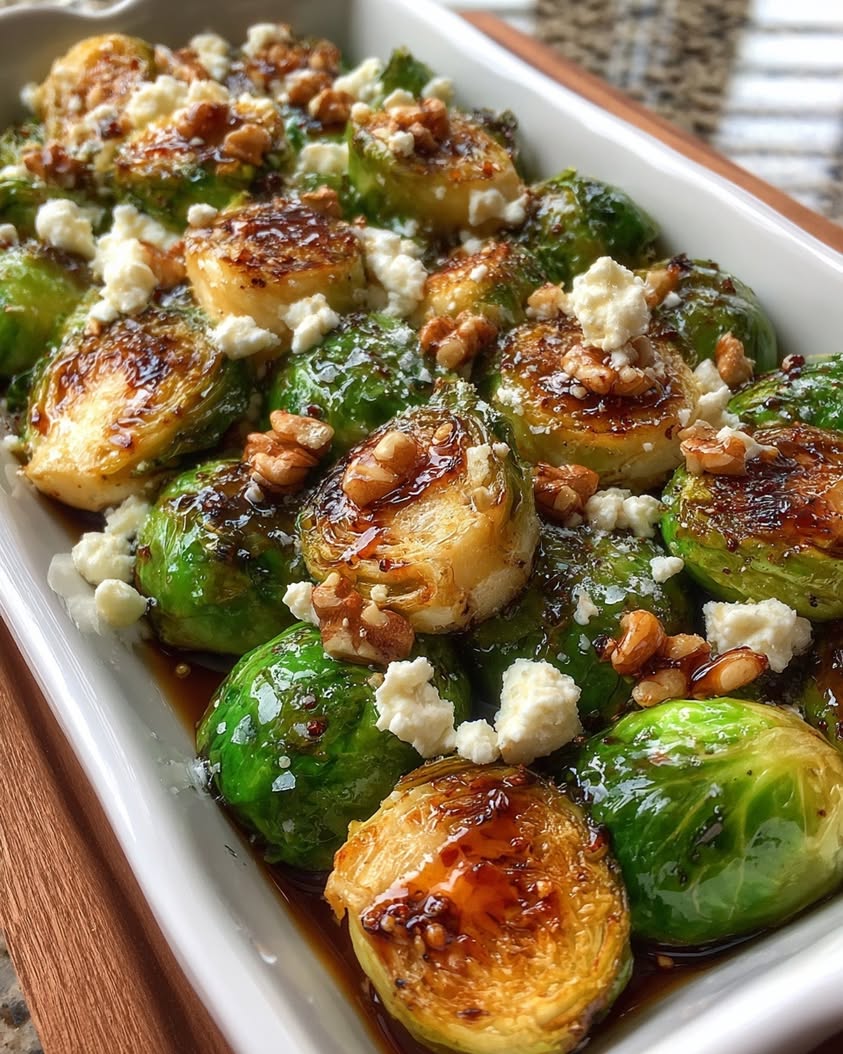
Honey Balsamic Glazed Brussels Sprouts with Goat Cheese: The Ultimate Sweet and Savory Side Dish
Forget everything you thought you knew about Brussels sprouts. This recipe for honey balsamic glazed Brussels sprouts with goat cheese transforms the humble vegetable into a show-stopping side dish. The secret lies in a perfect balance of flavors and textures. Consequently, you get crispy, caramelized Brussels sprouts with a sweet-tangy honey balsamic glaze, topped with creamy goat cheese. The result is a symphony of sweet, savory, tangy, and creamy in every single bite.
This dish is a true crowd-pleaser, capable of converting even the most skeptical vegetable eaters. Moreover, it brings an elegant touch to any dinner table without requiring hours of complicated work. The process is straightforward, focusing on high-heat roasting to achieve maximum crispiness. Ultimately, the final drizzle of glaze and crumble of cheese elevates these sprouts from simple to spectacular.
Imagine the aroma of roasting sprouts mingling with the sweet sharpness of reducing balsamic vinegar. Picture the vibrant green and deep caramel colors on your sheet pan. Finally, visualize the soft, white goat cheese melting slightly over the warm vegetables. This honey balsamic glazed Brussels sprouts recipe delivers a multi-sensory experience that makes eating your vegetables an absolute delight.
Quick Recipe Highlights
- Flavor Profile: This dish masterfully combines sweet honey, tangy balsamic vinegar, and savory roasted sprouts. The creamy, slightly tart goat cheese adds a luxurious finishing note that ties all the elements together perfectly.
- Texture: Expect a wonderful contrast between the crispy, almost charred outer leaves and the tender-crisp interior of the sprouts. The sticky glaze adds a glossy coating, while the crumbled goat cheese provides soft, creamy pockets.
- Aroma: As the sprouts roast, they release a nutty, almost cabbage-like scent that deepens into caramelization. The honey balsamic glaze reduction fills your kitchen with a sweet, tangy, and complex vinegar aroma that is incredibly inviting.
- Visual Appeal: The dish is a feast for the eyes with deep caramel and dark green sprouts glistening under a shiny glaze. The bright white goat cheese crumbles create beautiful visual contrast, making it perfect for holiday tables or dinner parties.
- Skill Level Needed: This is a beginner-friendly recipe requiring basic knife skills for trimming sprouts and simple stovetop simmering for the glaze. No advanced techniques are needed, making it accessible for any home cook.
- Special Equipment: A large, rimmed baking sheet is essential for proper roasting and caramelization. Parchment paper is highly recommended for easy cleanup. You will also need a small saucepan for reducing the glaze.
Recipe Overview
- Difficulty Level: We rate this recipe as easy because it involves fundamental cooking techniques like chopping, roasting, and reducing a sauce. The steps are sequential and forgiving; for instance, even if you overcook the sprouts slightly, the glaze and cheese will mask minor imperfections. The entire process is designed for success on the first try.
- Category: This dish falls squarely into the side dish category, perfect for complementing proteins like roast chicken, grilled steak, or baked salmon. It can also serve as a hearty component of a vegetarian feast when paired with grains and other vegetables.
- Cuisine: While Brussels sprouts have European roots, this preparation is a modern American fusion. It combines Italian balsamic tradition with a contemporary American love for bold, contrasting flavors and textures, resulting in a versatile dish suited for global palates.
- Cost: This is a cost-effective side dish, especially when Brussels sprouts are in season during fall and winter. The most expensive components are often the balsamic vinegar and goat cheese, but a little of each goes a long way, making the overall cost per serving quite reasonable.
- Season: This recipe shines brightest in the cooler months of fall and winter when Brussels sprouts are at their peak sweetness and most affordable. However, thanks to year-round availability, it makes a fantastic side dish for any season, particularly for special occasions.
- Occasion: These glazed Brussels sprouts are incredibly versatile. They are elegant enough for Thanksgiving, Christmas, or a fancy dinner party, yet simple enough for a cozy weeknight family meal. They reliably impress guests and satisfy diverse tastes.
Why You’ll Love This Recipe
First and foremost, the taste and texture appeal is undeniable. The magic happens when high-heat roasting caramelizes the natural sugars in the Brussels sprouts, creating a deep, nutty flavor. Then, the honey balsamic glaze adds a layer of sticky-sweet tanginess that clings to every nook and cranny. Finally, the cool, creamy goat cheese cuts through the richness, creating a perfectly balanced bite. This combination of crispy, tender, sweet, tangy, and creamy is simply irresistible and far more exciting than plain steamed vegetables.
Furthermore, the convenience and preparation benefits are a major win. This entire dish comes together with about 15 minutes of hands-on prep time. You simply trim and halve the sprouts, whisk the glaze, and let the oven do the heavy lifting. The process is mostly hands-off, allowing you to prepare the rest of your meal. Additionally, cleanup is a breeze, especially if you use parchment paper on your baking sheet. This recipe proves that an impressive side dish doesn’t require complicated steps or a sink full of dirty pans.
From a health perspective, the nutritional advantages are significant. Brussels sprouts are a nutritional powerhouse, packed with fiber, vitamins C and K, and antioxidants. Roasting them preserves more nutrients than boiling, and using a modest amount of honey and oil keeps the dish wholesome. Goat cheese offers protein and calcium with often easier digestibility than cow’s milk cheese. Therefore, you are serving a side dish that is as good for your body as it is for your taste buds.
Moreover, the social and entertaining value of this dish is high. A bowl of these beautiful, glazed sprouts becomes a conversation starter at any potluck or dinner party. They have a sophisticated appearance that suggests culinary effort, yet they are deceptively simple to make. This recipe allows you to present a restaurant-quality vegetable dish that will have guests asking for the recipe. It’s a reliable way to elevate a casual gathering into something more special.
Finally, the cost-effectiveness and accessibility make this a staple recipe. The ingredient list is short and consists of items you can find at any standard grocery store. You don’t need expensive, obscure components. Even if you splurge on a high-quality aged balsamic, you only use a small quantity, making it a worthwhile investment. This dish delivers maximum flavor and visual impact without straining your grocery budget, proving that eating well doesn’t have to be expensive.
Historical Background and Cultural Significance
The story of the Brussels sprout begins in ancient Rome, but its modern form was cultivated in the 16th century in what is now Belgium, specifically near its capital, Brussels—hence the name. These miniature cabbages were a cool-weather crop prized for their hardiness and nutritional density. For centuries, they were a staple in Northern European cuisine, often simply boiled or steamed. Their journey to global popularity, however, was slow, hampered by a reputation for sulfurous odors when overcooked, a culinary misstep that turned many potential fans away for generations.
Culturally, Brussels sprouts held a place as a humble, hearty vegetable for common folk and were a winter lifeline in Europe. Their significance grew as agricultural practices improved, leading to sweeter, more palatable varieties. The real cultural shift happened in the late 20th and early 21st centuries in America, where chefs began championing them. By applying techniques like roasting, shredding for salads, and pairing them with bold flavors like bacon and balsamic, they transformed the sprout’s image from a dreaded side to a coveted, trendy vegetable.
The evolution of this specific recipe is a testament to modern fusion cooking. Combining the Italian tradition of *aceto balsamico tradizionale*—a prized, syrupy vinegar—with the universal sweetness of honey and the French-inspired use of chèvre (goat cheese) creates a transcontinental dish. This preparation reflects a contemporary culinary ethos: taking a foundational ingredient and elevating it with global flavors and contrasting textures. It moves far beyond the boiled sprouts of yesteryear, showcasing how cooking trends revitalize classic ingredients.
Regional variations of glazed Brussels sprouts abound today. In the American South, you might find them with a bourbon-infused glaze. In the Midwest, maple syrup often stands in for honey. Mediterranean versions might use pomegranate molasses and feta cheese. Some chefs add nuts for crunch, like toasted pecans or walnuts, while others incorporate dried fruits like cranberries or cherries. This adaptability is key to the sprout’s current popularity, allowing it to be reinvented to suit local tastes and seasonal ingredients while maintaining its essential character.
Ingredient Deep Dive
Brussels Sprouts: Selecting the best Brussels sprouts is crucial for this recipe. Look for small to medium-sized, firm, bright green sprouts with tightly packed leaves. Avoid any that are yellowing, have loose leaves, or show signs of holes. Smaller sprouts are typically sweeter and more tender. For storage, keep them unwashed in a perforated plastic bag in your refrigerator’s crisper drawer, where they can last for up to a week. To prepare, trim the dry stem end and remove any loose or damaged outer leaves. Halving them ensures a flat surface for optimal caramelization in the oven.
Balsamic Vinegar: Not all balsamic vinegar is created equal. For a glaze that reduces into a sweet, syrupy consistency, you need a quality balsamic with a good balance of sweetness and acidity. A “condimento” grade or an aged balsamic works well. The cheap, overly acidic supermarket versions often labeled “balsamic vinegar of Modena” can result in a harsh glaze. True traditional balsamic (*Aceto Balsamico Tradizionale*) is aged for years and is incredibly thick and complex, but it is also expensive and used sparingly as a finishing touch. For cooking and reducing, a mid-range, well-balanced bottle is perfect.
Honey: Honey acts as the primary sweetener and helps create the glossy, sticky glaze that coats the sprouts. Its flavor profile can subtly influence the final dish. A mild, clover honey lets the balsamic shine, while a stronger wildflower or buckwheat honey adds more distinct floral or earthy notes. For a vegan adaptation, pure maple syrup or agave nectar are excellent substitutes, though they will impart their own unique flavors. When measuring honey, lightly coating your measuring spoon with oil prevents it from sticking and ensures you get the full amount into your saucepan.
Goat Cheese (Chèvre): Goat cheese provides the essential creamy, tangy counterpoint to the sweet and savory sprouts. Look for a fresh, soft log of chèvre. The crumbly texture is ideal for scattering over the hot dish, where it will soften slightly but not melt entirely. If you’re not a fan of goat cheese’s distinct tang, a mild feta can work, or for a richer, creamier note, try blue cheese crumbles like Gorgonzola. For a dairy-free version, a dollop of thick, unsweetened coconut yogurt or a sprinkle of nutritional yeast can provide a different but pleasing savory element.
Olive Oil & Seasonings: A good quality extra virgin olive oil helps the sprouts crisp up and carries the flavors. Its fruitiness complements the other ingredients. Meanwhile, kosher salt and freshly cracked black pepper are non-negotiable for building foundational flavor. Kosher salt adheres better to the vegetable surfaces than fine table salt. Freshly cracked pepper has more aromatic oils than pre-ground. Garlic powder is used here for convenience and to avoid burning minced garlic in the hot oven, but a clove of minced garlic added to the glaze during reduction is a fantastic upgrade.
Common Mistakes to Avoid
- Crowding the Pan: This is the number one mistake. If the sprouts are piled on top of each other, they will steam instead of roast. You need space between them for hot air to circulate and create that essential crispy, caramelized exterior. Always use a large enough baking sheet and spread the sprouts in a single layer.
- Using Old or Large Sprouts: Old, large sprouts tend to be more bitter and have a tougher, woodier core. They also release more of the sulfurous compounds that people dislike. Always choose smaller, firmer, brighter green sprouts for the sweetest, most tender result and to avoid unpleasant bitterness.
- Skipping the Halving Step: Leaving the sprouts whole means less surface area for browning and a longer, less even cook time. The flat, cut side creates perfect contact with the hot pan, leading to deep caramelization. Halving is essential for texture and flavor development in this recipe.
- Neglecting to Dry the Sprouts: After washing, it’s critical to dry the sprouts thoroughly with a kitchen towel. Excess water will create steam on the baking sheet, which prevents crisping and can lead to soggy results. Take the extra minute to pat them dry for a guaranteed better texture.
- Over-Reducing or Under-Reducing the Glaze: The glaze should simmer until it’s thick enough to coat the back of a spoon. If it’s too thin, it will make the roasted sprouts soggy. If you reduce it too much, it can become sticky and hard, making it difficult to drizzle. Aim for a syrup-like consistency.
- Adding the Glaze Too Early: Pouring the honey balsamic glaze over the sprouts before or during roasting will cause it to burn in the high oven heat due to its sugar content. You must wait until the sprouts are fully roasted and out of the oven before tossing them with the warm, reduced glaze.
- Using Pre-Shredded or Pre-Crumbled Cheese: Pre-crumbled goat cheese often contains anti-caking agents that can give it a chalky texture and prevent it from softening nicely. For the best creamy melt and flavor, always buy a log of fresh goat cheese and crumble it yourself with your fingers just before serving.
- Forgetting to Season at Multiple Stages: Seasoning is layered. You must season the sprouts with salt and pepper before they go into the oven. Then, taste the reduced glaze and adjust seasoning if needed. Finally, a light finishing salt on the plated dish can make all the difference in waking up the final flavors.
Essential Techniques
High-Heat Roasting: This technique is the cornerstone of the recipe. Roasting at a high temperature (400°F to 425°F) is crucial because it rapidly caramelizes the natural sugars on the surface of the Brussels sprouts through the Maillard reaction. This process creates complex, nutty, deeply savory flavors and a desirable crispy texture. To master it, ensure your oven is fully preheated and use a heavy, rimmed baking sheet that distributes heat evenly. The visual cue for success is sprouts with deeply browned, almost charred edges and leaves, while the interior remains tender.
Reducing a Glaze: Reducing a glaze means simmering a liquid to evaporate water, thereby concentrating its flavors and thickening its consistency. For the honey balsamic glaze, you combine vinegar, honey, and oil in a saucepan and simmer until it thickens enough to coat a spoon. This technique intensifies the sweet and tangy flavors and creates a sticky sauce that will cling to the sprouts. The common pitfall is walking away and letting it reduce too much, which can lead to burning or a too-thick, candy-like consistency. Stir occasionally and watch it closely during the last few minutes.
Proper Vegetable Prep (Trimming & Halving): Correctly preparing the Brussels sprouts ensures even cooking and maximum flavor. First, trim off the dry, woody stem end. Then, peel away any loose, yellowed, or damaged outer leaves—these won’t crisp up nicely. Finally, cut each sprout in half from stem to top, creating a flat plane. This flat surface is what makes contact with the hot pan, allowing for that essential browning. Cutting them uniformly also means they will all finish cooking at the same time, preventing some pieces from being overcooked while others are still hard.
Pro Tips for Perfect Honey Balsamic Glazed Brussels Sprouts
1. Maximize Crispy Leaves: When trimming your sprouts, deliberately loosen some of the outer leaves. These separated leaves will become incredibly crispy and almost chip-like in the oven, adding a fantastic textural contrast to the tender halved sprouts.
2. Preheat Your Baking Sheet: For extra caramelization, place your empty baking sheet in the oven as it preheats. Carefully add the oiled sprouts to the hot pan—this gives them an immediate sear, jumpstarting the browning process.
3. Finish with Freshness: After adding the goat cheese, garnish with a final flourish. A sprinkle of fresh chopped herbs like thyme, parsley, or chives, or even a few pomegranate arils, adds a pop of color and a fresh flavor note that brightens the whole dish.
4. Balance Your Glaze: Always taste your reduced glaze before tossing it with the sprouts. If it’s too tangy, add a tiny drizzle more honey. If it’s too sweet, a splash of fresh balsamic or even a pinch of salt can help balance it perfectly.
5. Serve Immediately: This dish is at its absolute peak when served right after assembling. The sprouts are hot and crispy, the glaze is glossy, and the goat cheese is just beginning to soften. If it sits too long, the residual heat can wilt the crispy edges.
6. Use the Right Oil: While olive oil is classic, try using avocado oil for roasting. It has a higher smoke point, which can lead to even better browning at high temperatures without any risk of the oil burning and creating off-flavors.
Variations and Adaptations
Regional Variations: Across different regions, this dish takes on local flavors. In the Pacific Northwest, chefs might use a maple-balsamic glaze and top it with hazelnuts. A Southern twist could involve a glaze with a splash of bourbon and a topping of candied pecans. Mediterranean versions often swap goat cheese for feta and add olives and oregano. Exploring these variations is a wonderful way to experience how a single vegetable can reflect a local culinary identity.
Seasonal Adaptations: Adapt the recipe to what’s fresh. In spring, add fresh peas or asparagus tips in the last few minutes of roasting. Summer versions can include halved cherry tomatoes or fresh corn kernels. For a fall celebration, toss in cubed butternut squash or sweet potato. In winter, hearty additions like diced pancetta or chopped kale make it even more robust. The honey balsamic glaze pairs beautifully with almost any roasted vegetable.
Dietary Modifications: This recipe is naturally vegetarian and easily adaptable. For a vegan version, use maple syrup instead of honey and a vegan cheese alternative or a tahini drizzle instead of goat cheese. To make it gluten-free, simply ensure your balsamic vinegar is certified gluten-free (most are). For a nut-free version, omit any nut garnishes and use seeds like pepitas for crunch instead.
Flavor Variations: Don’t be afraid to play with the flavor profile. Add a teaspoon of Dijon mustard or a pinch of red pepper flakes to the glaze for a kick. Infuse the oil with rosemary or thyme before roasting the sprouts. Swap the balsamic for pomegranate molasses or a fig glaze for a different kind of fruitiness. A dash of soy sauce or fish sauce in the glaze can add an umami depth that is surprisingly delicious.
Serving and Presentation Guide
Plating Techniques: For a family-style presentation, pile the glazed sprouts high on a warm, shallow platter or in a wide bowl. Drizzle any extra glaze from the bowl over the top and let the goat cheese crumbles fall naturally. For individual plating, use a ring mold to create a neat cylinder of sprouts in the center of each plate, then carefully remove the mold and top with cheese and a herb sprig. Always consider color contrast; a dark platter makes the vibrant greens and white cheese pop.
Garnishing Ideas: Garnishes add the final touch of professionalism. Beyond goat cheese, consider a sprinkle of toasted nuts (walnuts, pecans, almonds), seeds (pumpkin, sesame), or dried fruit (cranberries, cherries). Fresh microgreens, chopped flat-leaf parsley, or delicate thyme leaves add a green freshness. For a festive touch, pomegranate arils provide brilliant red color and a juicy burst. A final drizzle of high-quality extra virgin olive oil or a very sparing drip of thick, aged balsamic can look stunning.
Traditional Accompaniments: As a classic side dish, these honey balsamic glazed Brussels sprouts pair traditionally with holiday roasts. Think roast turkey, honey-glazed ham, prime rib, or roast chicken. They also complement hearty mains like pork chops, meatloaf, or roasted salmon beautifully. The sweet and savory profile bridges the gap between rich meats and other sides like mashed potatoes or stuffing.
Wine and Beverage Pairing
Wine Pairings: The sweet-tangy glaze and earthy sprouts call for wines with good acidity to cut through the richness. A crisp, dry Riesling or a Grüner Veltliner handles the sweetness perfectly. For red wine lovers, a light-bodied Pinot Noir with its red fruit notes and earthy undertones is an excellent match. If you’re serving the sprouts with a rich meat like roast beef, a medium-bodied Syrah/Shiraz can stand up to the combined flavors. Ultimately, the goal is to choose a wine that refreshes the palate between bites.
Non-Alcoholic Alternatives: Sparkling water with a twist of lemon or lime is always a refreshing palate cleanser. For something more special, try a ginger beer—its spicy bite complements the sweet glaze wonderfully. An apple cider spritzer (half sparkling water, half non-alcoholic cider) mirrors the fall flavors. Iced herbal tea, like hibiscus or mint, can also provide a nice counterpoint to the savory, rich dish without competing with its complex flavors.
Storage and Shelf Life
Storage Methods: Store any leftovers in an airtight container in the refrigerator for up to 3 days. It’s best to store the components separately if possible: keep the plain roasted sprouts in one container and the glaze in another, combining them and adding fresh goat cheese upon reheating. This preserves the crispy texture of the sprouts. If already combined, expect the sprouts to soften in the fridge—they will still taste delicious but lose their initial crispness.
Reheating Instructions: To restore some crispness, avoid the microwave. Instead, reheat leftovers in a 375°F oven or toaster oven spread on a baking sheet for 10-15 minutes until heated through. You can also reheat them in a dry skillet over medium heat, stirring occasionally. This method helps re-crisp the edges. Add a fresh crumble of goat cheese after reheating, as previously melted cheese can become oily when reheated.
Freezing Guidelines: Freezing is not recommended for this completed dish. The high water content of Brussels sprouts causes them to become mushy and watery upon thawing. The glaze may also separate. However, you can successfully freeze plain, blanched Brussels sprouts for future use in cooked dishes. For this recipe, it’s always best enjoyed fresh or from short-term refrigeration.
Make Ahead Strategies
Prep Timeline: You can significantly cut down on day-of cooking time. Up to a day in advance, wash, trim, halve, and dry your Brussels sprouts. Store them in a sealed container or zip-top bag with a paper towel to absorb moisture in the fridge. You can also make the honey balsamic glaze ahead of time; simply reduce it, let it cool, and store it in a jar in the refrigerator. Gently reheat the glaze on the stovetop or in the microwave before using.
Quality Impact Assessment: Pre-prepping the sprouts has minimal impact on quality, especially if they are kept very dry. The pre-made glaze may thicken considerably in the fridge; you can thin it with a teaspoon of warm water when reheating if needed. The key is to wait until the last possible moment to combine the hot roasted sprouts with the warm glaze and the fresh goat cheese. This ensures the textures remain distinct and appealing.
Scaling Instructions
Halving the Recipe: Halving the recipe is straightforward. Simply use half the amount of each ingredient. Use a standard baking sheet—the smaller quantity of sprouts will have even more room to crisp up beautifully, which is a bonus. The glaze will reduce much faster in the saucepan, so watch it carefully to prevent over-reduction. Cooking time may be slightly reduced by a few minutes since the pan is less crowded.
Doubling or Tripling: For a crowd, you can easily double or triple this recipe. The critical rule is to use multiple baking sheets and roast in batches, or use two oven racks and rotate the sheets halfway through cooking. Do not pile all the sprouts onto one sheet, as they will steam. You may need to increase the glaze reduction time slightly due to the larger volume in the saucepan. Consider keeping the roasted sprouts warm in a low oven (200°F) on a platter covered loosely with foil while you finish subsequent batches.
Nutritional Deep Dive
Macro Breakdown: This dish is a well-balanced side. The Brussels sprouts provide complex carbohydrates and fiber, which aid digestion and promote satiety. The olive oil contributes healthy monounsaturated fats necessary for nutrient absorption and flavor. The goat cheese adds a modest amount of protein and fat, making the dish more satisfying. The honey and balsamic contribute simple sugars, but in a controlled amount that is balanced by the fiber and other components, preventing a blood sugar spike.
Micronutrient Analysis: Brussels sprouts are a micronutrient powerhouse. They are exceptionally high in Vitamin K, crucial for blood clotting and bone health, and Vitamin C, a potent antioxidant that supports immune function. They also provide folate, manganese, and Vitamin A. Goat cheese contributes calcium, phosphorus, and Vitamin B2 (riboflavin). Together, this side dish delivers a significant boost of essential vitamins and minerals that support overall wellness.
Health Benefits: Regularly consuming Brussels sprouts is linked to numerous health benefits due to their antioxidant and anti-inflammatory compounds, like kaempferol. These may help reduce the risk of chronic diseases. The fiber supports gut health and cholesterol management. The healthy fats from olive oil are heart-protective. Choosing roasting over boiling preserves more of these heat-sensitive nutrients, making this preparation method not just tastier but also more nutritious.
Dietary Adaptations
Vegan Adaptation: To make this dish vegan, replace the honey with an equal amount of pure maple syrup or agave nectar. Substitute the goat cheese with a vegan feta or a creamy, tangy cashew cheese. You can also simply omit the cheese and finish with a sprinkle of nutritional yeast for a cheesy flavor, or a drizzle of tahini mixed with lemon juice for creaminess.
Dairy-Free Adaptation: Follow the vegan adaptation for the cheese component. All other ingredients in the standard recipe are naturally dairy-free. Ensure your chosen vegan cheese alternative melts or crumbles to your liking. Another excellent dairy-free topping is a handful of toasted breadcrumbs mixed with nutritional yeast and a pinch of salt for a crunchy, savory finish.
Low-Carb/Keto Adaptation: This recipe is already relatively low in carbs, with most coming from the fiber-rich sprouts. For a strict keto version, replace the honey with a keto-friendly sweetener like monk fruit or erythritol that measures like sugar. Use a sugar-free balsamic vinegar or reduce the amount slightly. The goat cheese is perfectly keto-friendly. Double-check that your glaze thickens properly with the alternative sweetener.
Troubleshooting Guide
Soggy Sprouts: Soggy sprouts are almost always caused by overcrowding the pan or not drying them thoroughly before roasting. The solution is to always use a large enough baking sheet for a single layer and pat the sprouts completely dry with a kitchen towel. If they are soggy after roasting, you can try broiling them for 1-2 minutes to crisp up the edges, but watch closely to prevent burning.
Bitter Flavor: A pronounced bitter taste usually comes from old, large, or overcooked sprouts. To fix future batches, choose smaller, fresher sprouts. If you detect bitterness in a cooked batch, balance it by adding an extra drizzle of honey to the glaze or a splash of fresh lemon juice before serving. The acidity and sweetness can help mask the bitter notes effectively.
Glaze is Too Thin or Too Thick: If your glaze didn’t reduce enough and is too runny, simply return it to the saucepan and simmer a bit longer. If it reduced too much and is like hard candy, carefully stir in a teaspoon of warm water at a time until it returns to a syrupy consistency. Remember, it will thicken further as it cools, so aim for a slightly thinner consistency than you want on the final dish.
Recipe Success Stories
Community feedback on this honey balsamic glazed Brussels sprouts recipe has been overwhelmingly positive. Many readers report that it has become their mandatory Thanksgiving side dish, often requested by family members year after year. Several have shared stories of converting self-proclaimed Brussels sprout haters, who now ask for seconds. The common theme is surprise at how simple steps—roasting hot and finishing with the sweet-tangy glaze and cheese—create such a dramatic transformation in flavor and perception.
Readers have also shared brilliant adaptation successes. One home cook added crispy pancetta and toasted pine nuts for a “fancy restaurant” version. Another used it as a pizza topping with caramelized onions and gorgonzola. A parent successfully “hid” the sprouts for picky eaters by shredding them before roasting, creating a crispy hash that their kids devoured. These stories highlight the recipe’s versatility and its role as a template for culinary creativity, encouraging cooks to make it their own.
Frequently Asked Questions
Q: Can I use frozen Brussels sprouts?
A: You can, but the texture will be different. Frozen sprouts have a higher water content and will not get as crispy. Thaw them completely and pat them extremely dry before roasting. For the best results, fresh sprouts are highly recommended for achieving that ideal caramelized crispness.
Q: My glaze burned in the saucepan. What happened?
A: Glazes with sugar can burn quickly if the heat is too high. Always use a medium-low simmer and stir frequently, especially as it thickens. If it starts to smell acrid or stick heavily to the pan, it’s likely burning. Start over with lower heat.
Q: Can I make this without goat cheese?
A: Absolutely. The dish will still be delicious with just the glaze. For alternatives, try crumbled feta, blue cheese, shaved Parmesan, or even a dollop of ricotta. For a dairy-free option, a tahini-lemon drizzle or vegan cheese works well.
Q: How do I get more crispy leaves?
A: When trimming, intentionally peel off the outer layers of leaves. Toss these loose leaves in oil and salt separately and spread them on the baking sheet. They will cook faster and become delightfully crispy, like vegetable chips.
Q: Is balsamic vinegar gluten-free?
A: Traditional balsamic vinegar made from grape must is naturally gluten-free. However, some cheaper brands may add thickeners or flavorings. If you have celiac disease or are highly sensitive, always check the label for a gluten-free certification to be safe.
Q: Can I prep this entire dish ahead of time?
A: You can prep the components (washed/cut sprouts, made glaze) ahead, but for best texture, roast the sprouts and combine with the warm glaze and fresh cheese just before serving. Reheating a fully assembled dish will result in softer sprouts.
Q: What’s the best way to reheat leftovers?
A: Reheat in an oven or toaster oven at 375°F on a baking sheet for 10-15 minutes to restore crispiness. The microwave will make them soggy. Add fresh goat cheese after reheating.
Q: Can I add protein to make it a main dish?
A> Yes. Toss in chickpeas before roasting, or top the finished dish with grilled chicken, salmon, or seared tofu. Adding a grain like farro or quinoa underneath can also turn it into a hearty vegetarian bowl.
Additional Resources
If you loved these honey balsamic glazed Brussels sprouts, explore other vegetable-forward side dishes on the blog. For similar flavor profiles, try our Maple Roasted Carrots with Thyme or our Balsamic Roasted Mushrooms. To master the roasting technique further, check out our comprehensive guide “How to Roast Any Vegetable Perfectly,” which covers temperatures, oils, and seasoning for a variety of produce. Understanding these fundamentals will make you confident in adapting this recipe with seasonal ingredients all year round.
For ingredient sourcing, seek out
Print
Honey Balsamic Glazed Brussels Sprouts with Goat Cheese
Description
Caramelized Brussels sprouts tossed in a sweet and tangy honey balsamic glaze, topped with creamy goat cheese for a delicious side dish.
Ingredients
For the Crust:
- 1 lb Brussels sprouts, trimmed and halved
- 2 tbsp olive oil
- Salt and black pepper to taste
- 3 tbsp balsamic vinegar
- 2 tbsp honey
- 2 oz goat cheese, crumbled
- 2 tbsp chopped walnuts (optional)
Instructions
1. Prepare the Crust:
- Preheat oven to 400°F (200°C). Toss Brussels sprouts with olive oil, salt, and pepper on a baking sheet.
- Roast for 20-25 minutes until tender and caramelized, stirring halfway.
- In a small saucepan, combine balsamic vinegar and honey. Simmer over medium heat for 3-5 minutes until slightly thickened.
- Drizzle the glaze over the roasted Brussels sprouts and toss to coat.
- Transfer to a serving dish and top with crumbled goat cheese and walnuts if using.
Notes
You can customize the seasonings to taste.

I’m Shaykee—born in Morocco, seasoned across continents. From airplane galleys to home kitchens, I share the flavors and stories that shaped my journey.