
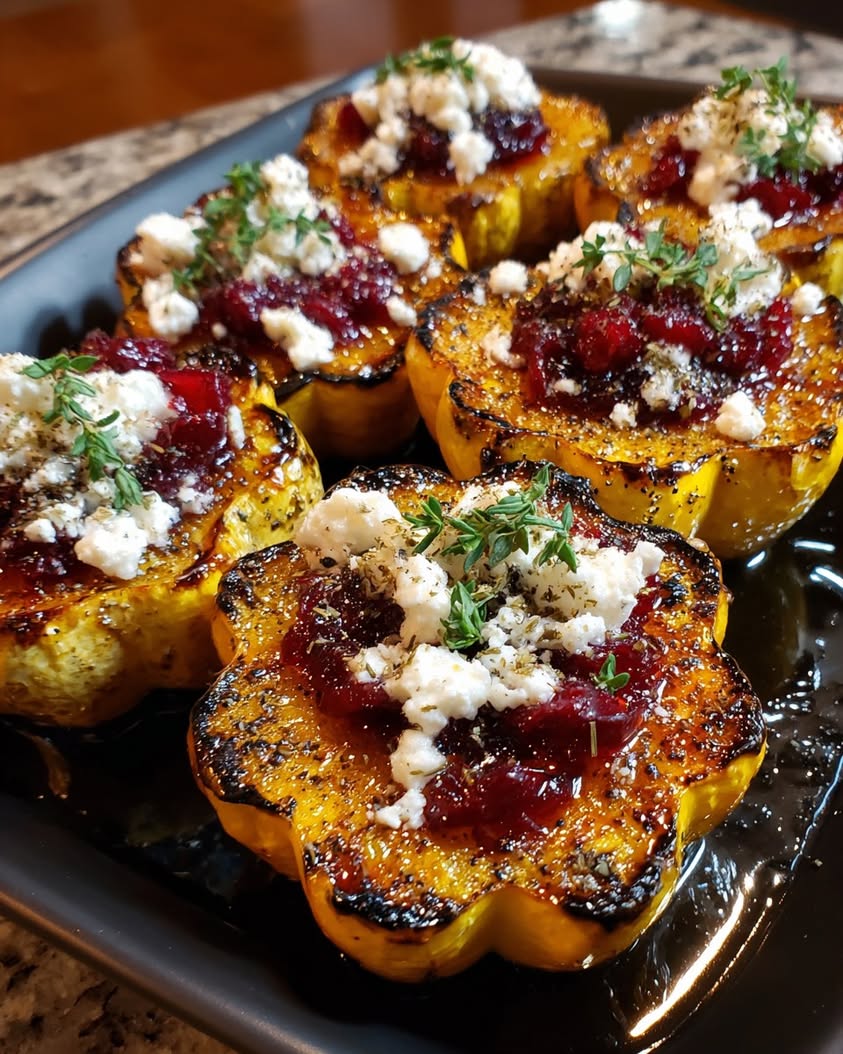
Honey-Glazed Acorn Squash with Feta Cheese and Cranberry Drizzle: Your New Favorite Fall Side Dish
This honey-glazed acorn squash recipe perfectly captures the essence of autumn in a single, stunning dish. Imagine tender, caramelized squash wedges, their natural sweetness enhanced by a glossy honey glaze, then topped with creamy, salty feta cheese and a vibrant cranberry drizzle. This recipe transforms simple, seasonal ingredients into an unforgettable side dish that will become the star of your holiday table.
Furthermore, the combination of flavors and textures creates a truly magical eating experience. Each bite offers the soft, almost buttery flesh of the roasted squash, the sharp tang of feta, and the sweet-tart pop of the cranberry drizzle. This dish is not just food; it is a celebration of fall, a beautiful and delicious way to enjoy the best produce the season has to offer.
Consequently, whether you are preparing for a festive Thanksgiving feast or simply looking for a cozy weeknight side, this honey-glazed acorn squash delivers. It is surprisingly simple to prepare, yet its impressive presentation and complex flavor profile will have your guests thinking you spent hours in the kitchen. Ultimately, this recipe is a testament to how a few quality ingredients can create something truly extraordinary.
Quick Recipe Highlights
- Flavor Profile: This dish masterfully balances sweet, savory, and tangy notes. The natural sweetness of the roasted acorn squash and honey glaze is beautifully cut by the salty feta cheese. Finally, the cranberry drizzle adds a bright, tart finish that ties everything together.
- Texture: You will experience a wonderful contrast of textures. The roasted acorn squash becomes incredibly tender and creamy, while the feta cheese provides a delightful crumbly quality. Additionally, the cranberry drizzle adds a slight jammy consistency that coats everything perfectly.
- Aroma: As it roasts, your kitchen will fill with the warm, comforting scent of caramelizing squash and honey. The aroma is deeply autumnal, with hints of earthy sage and the sweet, tangy promise of the cranberry topping.
- Visual Appeal: This dish is a feast for the eyes with its stunning color palette. The golden-brown squash, white feta, and deep red cranberry drizzle create a beautiful presentation that looks as good as it tastes.
- Skill Level Needed: This is an accessible recipe for cooks of all levels. The techniques involved are straightforward, primarily requiring slicing, roasting, and simple sauce-making. Therefore, even a beginner can achieve fantastic results.
- Special Equipment: You need only a sharp knife, a sturdy cutting board, and a standard baking sheet. A small saucepan is also helpful for reducing the cranberry drizzle to the perfect consistency.
Recipe Overview
- Difficulty Level: We classify this honey-glazed acorn squash recipe as easy because it involves fundamental cooking techniques. The most challenging step is safely cutting the squash, which is manageable with a sharp knife and a little care. Otherwise, the process is largely hands-off roasting.
- Category: This versatile dish fits into several categories. It shines as a standout holiday side dish, a beautiful addition to a vegetarian feast, or an elegant component of a weeknight dinner. Its flexibility makes it a valuable recipe for any home cook.
- Cuisine: While not tied to one specific tradition, this recipe draws inspiration from modern American farm-to-table cooking. It emphasizes seasonal, whole ingredients and combines them in a way that highlights their natural flavors, a hallmark of contemporary culinary trends.
- Cost: This is a very cost-effective dish to prepare. Acorn squash is an affordable winter vegetable, and the other components like honey, feta, and cranberries are typically pantry-friendly or inexpensive to purchase in small quantities.
- Season: This recipe is perfect for fall and winter. Acorn squash is at its peak during these cooler months, and the warm, hearty flavors are ideally suited for chilly weather. It is a quintessential autumn side dish.
- Occasion: It is perfect for holiday gatherings like Thanksgiving and Christmas. Moreover, it is excellent for festive dinners, potlucks, or any time you want to elevate a simple meal with a beautiful and flavorful side.
Why You’ll Love This Honey-Glazed Acorn Squash
You will adore the incredible taste and texture appeal of this honey-glazed acorn squash. The roasting process caramelizes the natural sugars in the squash, creating a deep, rich sweetness that is perfectly complemented by the savory saltiness of the feta cheese. Meanwhile, the cranberry drizzle introduces a necessary tartness that cuts through the richness, ensuring each bite is perfectly balanced and utterly addictive. The contrast between the soft squash, creamy feta, and glossy drizzle is a textural masterpiece that will keep you coming back for more.
The convenience and preparation benefits are another major reason to love this recipe. Despite its impressive appearance, this dish is remarkably simple to put together. The active prep time is minimal; you just need to slice the squash and whisk together the glazes. Subsequently, the oven does most of the work, leaving you free to attend to other dishes or simply relax. This makes it an ideal choice for busy hosts who want to serve a stunning side without being chained to the stove.
From a nutritional standpoint, this honey-glazed acorn squash offers significant advantages. Acorn squash is a powerhouse of vitamins A and C, along with a good amount of dietary fiber. Using honey as a natural sweetener is a better alternative to refined sugars. Furthermore, the feta cheese provides a boost of protein and calcium. You are serving a side dish that is not only delicious but also genuinely good for you, contributing to a well-rounded and health-conscious meal.
The social and entertaining value of this dish cannot be overstated. Its vibrant colors and elegant presentation make it a centerpiece-worthy addition to any table. Guests are always impressed by the beautiful combination of golden squash, white cheese, and red drizzle. It is a fantastic conversation starter and demonstrates a thoughtful approach to seasonal cooking. This recipe is guaranteed to receive compliments and requests from friends and family alike.
Finally, the cost-effectiveness and accessibility of the ingredients make this a go-to recipe. Acorn squash is an affordable vegetable, especially in the fall. Similarly, honey, cranberry sauce, and feta cheese are all budget-friendly items available at any standard grocery store. You do not need to hunt for exotic or expensive components to create a restaurant-quality dish at home. This accessibility ensures that you can enjoy this beautiful and flavorful side dish anytime the craving strikes.
Historical Background and Cultural Significance
The story of this honey-glazed acorn squash recipe is deeply rooted in the agricultural traditions of North America. Acorn squash, like other winter squashes, is native to the Americas and was a staple food for Indigenous peoples for thousands of years. These hardy vegetables were valued for their long storage life and nutritional density, providing vital sustenance through the winter months. The practice of roasting squash and sweetening it with natural syrups, like maple sap, has ancient origins, forming the foundational idea for our modern glazed preparations.
Culturally, the dish represents a fusion of Old World and New World ingredients and techniques. The introduction of honey bees by European settlers provided a new source of sweetness, which gradually integrated into local culinary practices. Feta cheese, with its origins in the Mediterranean, represents a more recent culinary adoption, showcasing how global foodways have blended in contemporary American cooking. This recipe is a testament to the evolving nature of food culture, where traditional ingredients meet modern flavor profiles.
The evolution of this specific recipe mirrors broader trends in home cooking over the last century. Initially, winter squash was often boiled or mashed. However, the mid-20th century saw a rise in roasting techniques to enhance natural sweetness. The late 20th and early 21st centuries brought a focus on bold flavor combinations and elegant plating, leading to the incorporation of tangy cheeses and fruit-based drizzles. This honey-glazed acorn squash is a product of this gastronomic evolution, prioritizing flavor complexity and visual appeal.
Regional variations of glazed squash exist across the United States. In the Northeast, maple syrup is often the sweetener of choice, reflecting the region’s sugar maple industry. In the South, a touch of bourbon might be added to the glaze for complexity. Meanwhile, on the West Coast, chefs might incorporate fresh herbs like rosemary or thyme. Our version with honey and cranberry is a versatile, crowd-pleasing combination that draws from these diverse influences, creating a dish that feels both familiar and excitingly new.
Ingredient Deep Dive
Let us start with the star of the show: the acorn squash. This winter squash is named for its distinctive acorn-like shape and features dark green skin with subtle ridges. Historically, it was a vital food source for Native American tribes. Nutritionally, it is rich in vitamin C, potassium, and dietary fiber, which supports digestive health. When selecting acorn squash, look for one that is heavy for its size with firm, dull-looking skin free of soft spots. Store it in a cool, dark place; it can last for several weeks. For a substitution, delicata squash works beautifully as its skin is edible, or you can use butternut squash cut into chunks.
The honey glaze is more than just a sweetener; it is a flavor catalyst. Honey has been used in cooking for millennia, prized by ancient civilizations from Egypt to Greece. Its natural antioxidants and antimicrobial properties offer mild health benefits. For this recipe, a mild, liquid honey like clover or wildflower works best, allowing the squash’s flavor to shine. Avoid strongly flavored honeys like buckwheat, as they can overpower the dish. For a vegan version, maple syrup or agave nectar are excellent substitutes. They will provide a similar sweetness and glazing effect, though the flavor profile will shift slightly.
Feta cheese provides the essential salty, tangy counterpoint to the sweet squash. This brined cheese originated in Greece and is traditionally made from sheep’s milk or a sheep-and-goat milk blend. It is a good source of calcium and protein. When buying feta, look for a block stored in brine, as it tends to be creamier and more flavorful than pre-crumbled varieties. If you cannot have feta, other crumbly, salty cheeses like goat cheese or queso fresco will work well. For a dairy-free option, seasoned and toasted chickpeas or a vegan feta alternative can provide a similar textural and flavor contrast.
The cranberry drizzle is the final flourish that ties the dish together. Cranberries are one of North America’s few native fruits, used extensively by Indigenous peoples for food and medicine. They are packed with vitamin C and unique antioxidants called proanthocyanidins. For this recipe, you can use whole berry cranberry sauce from a can or make your own by simmering fresh or frozen cranberries with a little water and sugar or honey. The key is to achieve a spoonable, drizzle-able consistency. If cranberries are not available, a reduction of pomegranate molasses or a balsamic glaze can offer a similar sweet-and-tart complexity.
Common Mistakes to Avoid
- Neglecting to use a sharp knife for slicing the squash. A dull knife can slip dangerously on the hard squash skin. Always use a sharp, heavy chef’s knife and apply steady, firm pressure to split the squash safely and cleanly.
- Skipping the step of scooping out the seeds and stringy pulp. These interior parts do not roast well and can become bitter. Taking an extra minute to clean them out ensures a uniformly pleasant texture and flavor in your finished dish.
- Failing to coat the squash evenly with oil and seasoning. Every surface of the squash flesh needs a thin layer of oil to promote proper caramelization and prevent drying. Use your hands or a pastry brush to ensure even coverage for the best results.
- Overcrowding the baking sheet. If the squash wedges are too close together, they will steam instead of roast. This prevents the beautiful browning and caramelization that is key to the recipe’s flavor. Use two sheets if necessary to give them space.
- Adding the feta cheese too early. Feta can dry out and become overly salty if baked for too long. For the best texture and flavor, always add the crumbled feta after the squash has finished roasting and is out of the oven.
- Using a cranberry drizzle that is too thick or too thin. A thick drizzle will not flow nicely, and a thin one will make the dish soggy. The ideal consistency is similar to warm honey; it should coat the back of a spoon.
- Underseasoning the dish. While the honey and feta provide salt and sweetness, the squash itself needs a good foundation of salt and pepper. Do not be shy with seasoning the squash before it goes into the oven.
- Forgetting to let the squash cool slightly before serving. Allowing the squash to rest for five minutes after roasting helps the flesh firm up slightly, making it easier to serve and eat without falling apart.
Essential Techniques
Mastering the squash roast is the most critical technique for this recipe. Roasting at a high temperature, around 400°F (200°C), is essential because it catalyzes the Maillard reaction and caramelization. This process transforms the squash’s starches into simple sugars, creating a deep, nutty sweetness and tender texture. The key visual cue for success is the edges of the squash turning a dark golden-brown and the flesh becoming easily pierceable with a fork. A common pitfall is roasting at too low a temperature, which results in steamed, mushy squash without the desired caramelized flavor. Ensure your oven is fully preheated for the best outcome.
Creating the perfect honey glaze requires a delicate balance. The goal is to enhance the squash’s natural sweetness without making the dish cloying. The technique is simple: just whisk honey with a touch of oil to help it brush on evenly. The importance lies in the timing; you apply the glaze during the last 10-15 minutes of roasting. Applying it too early can cause the sugars in the honey to burn, resulting in a bitter taste. The visual cue for success is a glossy, bubbling, and lightly browned coating on the squash. This technique ensures a beautiful sheen and a concentrated honey flavor.
Preparing the cranberry drizzle is a simple reduction technique that intensifies flavor. By gently heating the cranberry sauce, you evaporate excess water, thickening the consistency and deepening the tart-sweet flavor profile. The key is to use low heat and stir occasionally to prevent scorching on the bottom of the pan. The importance of this step is to create a condiment that is robust enough to stand up to the other strong flavors without being watery. The visual cue for the perfect drizzle is when it coats the back of a spoon and leaves a clear trail when you run your finger through it.
Pro Tips for Perfect Honey-Glazed Acorn Squash
For easier slicing, microwave the whole acorn squash for one to two minutes first. This brief heating softens the skin and flesh slightly, making it much safer and easier to cut through with a knife. It is a simple trick that prevents a lot of struggle.
Use a spoon or even an ice cream scoop to clean out the seeds and strings. The curved shape of these tools conforms perfectly to the inside of the squash, making the cleaning process quick and thorough. This ensures no bitter bits remain.
Toss the squash wedges with oil and seasoning in a large bowl. This method is far more efficient and effective than trying to brush oil onto each wedge individually on the baking sheet. You will achieve a much more even coating for perfect roasting.
Line your baking sheet with parchment paper for effortless cleanup. The honey glaze can caramelize and stick to the pan, creating a difficult scrubbing job later. Parchment paper prevents this entirely and also helps prevent sticking.
Let the roasted squash rest for five minutes before adding the feta and drizzle. This short rest allows the squash to reabsorb some of its juices and firm up slightly, making it less likely to fall apart when you serve it.
If your cranberry drizzle is too thick, whisk in a teaspoon of warm water at a time until it reaches the desired consistency. Conversely, if it is too thin, simply simmer it for a few more minutes to reduce it further.
For an extra flavor dimension, add a pinch of cinnamon, nutmeg, or smoked paprika to the oil before tossing with the squash. These warm spices complement the autumnal flavors beautifully without overpowering the dish.
Garnish with fresh herbs like chopped parsley or thyme right before serving. The green color provides a beautiful visual contrast to the orange, white, and red of the dish, making it look even more professional and appetizing.
Variations and Adaptations
Consider exploring regional variations to put a different spin on this classic dish. A Southern-inspired version might include a glaze made with bourbon and brown sugar, adding a deep, smoky complexity. For a Northeastern twist, replace the honey with pure maple syrup, which offers a distinctive, woodsy sweetness that pairs wonderfully with squash. A Mediterranean adaptation could involve swapping the feta for goat cheese and adding a sprinkle of fresh oregano and kalamata olives after roasting. These regional tweaks allow you to travel with your taste buds while maintaining the core structure of the recipe.
Seasonal adaptations are another fantastic way to keep this recipe exciting all year round. In the spring, you could use a lighter cheese like ricotta salata and a drizzle of lemon-thyme infused honey. For a summer version, grill the acorn squash halves instead of roasting them and top with fresh mint and a citrus vinaigrette. These adaptations ensure the dish remains relevant and delicious, no matter the season, by highlighting the best produce available at that time of year.
Dietary modifications make this dish accessible to almost everyone. For a vegan honey-glazed acorn squash, simply use maple syrup or agave nectar instead of honey and a plant-based feta alternative. A paleo version would omit the cheese entirely and focus on the squash and a drizzle of high-quality honey. For a lower-carb option, you can reduce the amount of honey in the glaze and increase the proportion of savory herbs and spices. These modifications ensure that dietary restrictions do not prevent anyone from enjoying this wonderful dish.
Serving and Presentation Guide
Plating techniques can elevate this dish from a simple side to a stunning centerpiece. For a family-style presentation, arrange the roasted squash wedges in a circular pattern on a large platter, slightly overlapping them. Drizzle the cranberry sauce artistically over the top and let it cascade down the sides. Then, generously sprinkle the crumbled feta cheese over everything, allowing some to fall into the nooks and crannies. This method creates height and visual interest, making the platter look abundant and inviting. For individual plates, place two wedges side-by-side and mirror the topping process on a smaller scale for an elegant, restaurant-quality presentation.
Garnishing ideas extend beyond the core ingredients. A final flourish of fresh, finely chopped parsley or thyme adds a pop of green color and a fresh herbal aroma that complements the rich flavors. For a bit of crunch, consider a sprinkle of toasted pepitas (pumpkin seeds) or chopped walnuts. A light drizzle of high-quality extra virgin olive oil just before serving can add a fruity, peppery note and a beautiful glossy sheen. These small additions contribute layers of flavor and texture, making the final dish even more complex and visually appealing.
Traditional accompaniments for this honey-glazed acorn squash include other classic holiday dishes. It pairs wonderfully with a roasted turkey or a glazed ham, as the sweet and savory notes complement the main protein beautifully. For a vegetarian feast, serve it alongside a wild rice pilaf, garlicky sautéed greens, and lentil loaf. Modern serving suggestions might include placing it on a brunch table next to a frittata or using it as a topping for a fall-inspired grain bowl with farro and kale. The versatility of this side dish is one of its greatest strengths, allowing it to fit seamlessly into a wide variety of menus.
Wine and Beverage Pairing
Selecting the right wine can enhance the sweet and savory notes of this honey-glazed acorn squash. A lightly oaked Chardonnay is an excellent choice because its creamy texture and notes of baked apple complement the squash, while its acidity cuts through the richness of the glaze and cheese. Alternatively, a dry Riesling works wonderfully; its stone fruit flavors and bright acidity balance the sweetness and cleanse the palate. For red wine lovers, a Pinot Noir with its low tannins and red fruit profile will not overpower the dish. The key is to choose wines with good acidity to counterbalance the dish’s inherent sweetness.
Non-alcoholic alternatives offer just as much complexity and pairing potential. A sparkling apple cider provides effervescence and tartness that mirrors the effect of a sparkling wine. For a warmer option, a ginger-turmeric tea can be fantastic; the spice from the ginger harmonizes with the autumnal flavors, while the earthy turmeric adds depth. Another great choice is a cranberry and rosemary spritzer, which directly echoes the flavors in the dish itself. These beverages ensure that everyone at the table can enjoy a perfectly paired drink, regardless of their preference for alcohol.
Coffee and tea pairings are often overlooked but can be delightful after a meal featuring this squash. A medium-roast coffee with notes of caramel or nut would be a natural fit, enhancing the roasted, sweet elements of the dish. For tea, an Earl Grey with its bergamot citrus notes can provide a refreshing contrast to the rich, savory components. If serving the squash as part of a brunch, these pairings become especially relevant. The goal is to choose a warm beverage that either complements the primary flavors or offers a contrasting note to create a balanced and satisfying finish to the meal.
Storage and Shelf Life
Proper storage methods are crucial for maintaining the quality of your leftover honey-glazed acorn squash. First, allow the dish to cool completely to room temperature, which should take no more than two hours to ensure food safety. Then, transfer the squash, feta, and cranberry components into separate airtight containers. Storing them separately prevents the squash from becoming soggy and the feta from dissolving. Glass containers are ideal as they do not absorb odors. You can store these containers in the main body of your refrigerator, not in the door, where the temperature is most consistent.
Understanding the signs of spoilage will help you enjoy your leftovers safely. Freshly made, the dish should last for up to 4 days in the refrigerator. Discard the squash if you notice any significant sliminess, a sour or off odor, or if it develops mold. The feta cheese may continue to release water, which is normal, but if it develops an ammonia-like smell, it should be thrown out. The cranberry drizzle may darken in color over time, which is typical oxidation, but if it smells fermented, it is time to make a new batch. When in doubt, it is always safer to err on the side of caution and discard any questionable food.
Reheating instructions are simple but important for restoring the dish’s texture and flavor. The best method is to reheat the squash wedges in a 350°F (175°C) oven for about 10-15 minutes, or until warmed through. You can also use an air fryer for a quicker result that will re-crisp the edges. Avoid using the microwave if possible, as it will make the squash soft and steamy. Once the squash is hot, reassemble the dish with the cold feta and cranberry drizzle. The contrast between the warm squash and cool toppings is actually quite pleasant. Freezing is not recommended for this assembled dish, as the texture of the roasted squash and the dairy component will suffer significantly upon thawing.
Make Ahead Strategies
Implementing a smart prep timeline can save you significant time on the day you plan to serve this honey-glazed acorn squash. You can prepare the components up to two days in advance. Start by washing and cutting the squash, scooping out the seeds, and slicing it into wedges. Store these raw wedges in a zip-top bag or airtight container in the refrigerator. Next, prepare the cranberry drizzle and store it separately in a jar or container. You can also measure out your honey and crumble the feta cheese. Having all components prepped and ready transforms the final assembly into a simple 45-minute roasting process.
Understanding the storage between steps and its impact on quality is key. The raw, cut squash will hold perfectly for two days without any noticeable decline in quality. The cranberry drizzle may thicken in the fridge; simply let it come to room temperature or warm it gently before using. The pre-crumbled feta should be kept in a separate airtight container. When you are ready to cook, take the squash wedges out of the fridge, toss them with oil and seasoning, and roast as directed. This make-ahead strategy does not compromise the final dish’s flavor or texture at all; in fact, it often leads to a more relaxed and enjoyable cooking experience.
The final assembly and reheating guidelines are straightforward. Since the squash is best served fresh from the oven, schedule your roasting time so it finishes just before you plan to eat. If you must reheat a fully assembled dish, do so gently in a 300°F (150°C) oven for 10-12 minutes, just until warmed. However, for the best textural experience, it is ideal to add the fresh, cold feta and the room-temperature cranberry drizzle right before serving. This ensures the feta remains crumbly and distinct and the cranberry drizzle maintains its vibrant color and flavor. This approach guarantees that your make-ahead efforts result in a dish that tastes freshly made.
Scaling Instructions
Halving the recipe is simple and practical for smaller households. Use one medium acorn squash instead of two, and simply reduce all other ingredients by half. The roasting time may decrease slightly, so start checking for doneness around the 35-minute mark. Use a smaller baking sheet to ensure the squash wedges are not too spread out, which could cause them to dry out. The same visual cues apply: look for tender flesh and caramelized edges. This scaled-down version is perfect for a cozy dinner for two, with perhaps just a single wedge left over for lunch the next day.
Doubling or tripling the recipe for a large crowd requires some adjustments. You will need multiple baking sheets, and it is crucial to rotate them halfway through the cooking time to ensure even browning, as oven heat is rarely uniform. You may also need to extend the cooking time by 5-10 minutes due to the increased volume of food in the oven. Prepare the honey glaze and cranberry drizzle in larger batches, but consider keeping the feta separate until the very last moment before serving. For a buffet, you can roast the squash in batches to keep it warm, or hold finished batches in a warm oven until all are ready.
Equipment adjustments are necessary when scaling. For a double batch, you will likely need two standard-sized baking sheets. If tripling, you might need to roast in consecutive batches to maintain quality. Do not overcrowd the sheets, as this is the primary cause of steaming instead of roasting. If you are making a very large quantity, a commercial-sized sheet pan can be a worthwhile investment. Timing modifications are also key; when cooking multiple sheets at once, the total time may increase. Always rely on the visual and textural doneness cues—a fork-tender squash and golden-brown edges—rather than strictly adhering to the clock. This ensures perfect results regardless of the quantity you are preparing.
Nutritional Deep Dive
A macro breakdown of this honey-glazed acorn squash reveals a well-balanced side dish. A single serving provides a good source of complex carbohydrates from the squash, offering sustained energy release. The honey glaze contributes simple sugars for quick energy, while the feta cheese adds a modest amount of protein and fat, which helps promote satiety. The overall fat content is relatively low, primarily coming from the olive oil and the cheese. This macro profile makes the dish an excellent companion to a protein-rich main course, as it provides energy and fiber without being overly heavy.
The micronutrient analysis is particularly impressive. Acorn squash is a powerhouse of beta-carotene, which the body converts to Vitamin A, essential for vision and immune function. It also provides a significant amount of Vitamin C and potassium. The cranberries contribute more Vitamin C and unique antioxidants. Meanwhile, the feta cheese is a valuable source of calcium and phosphorus, which are crucial for bone health. Together, these ingredients create a side dish that is not only delicious but also densely packed with vitamins and minerals that support overall wellness.
Several key health benefits are associated with the primary ingredients. The high fiber content in the squash supports digestive health and helps regulate blood sugar levels. The antioxidants in both the squash and cranberries have anti-inflammatory properties and may support heart health. The calcium from the feta is vital for maintaining strong bones and teeth. Furthermore, the combination of fiber, healthy fats, and protein helps create a feeling of fullness, which can aid in portion control and weight management. Enjoying this dish as part of a balanced diet contributes positively to your nutritional intake.
Dietary Adaptations
Creating a vegan version of this dish is straightforward and delicious. Simply replace the honey with an equal amount of maple syrup or agave nectar; both are plant-based sweeteners that caramelize beautifully. For the feta cheese, there are several excellent store-bought vegan feta alternatives made from tofu, almonds, or coconut oil. Alternatively, you can make a simple vegan “feta” by marinating crumbled firm tofu in lemon juice, salt, and nutritional yeast. These substitutions result in a dish that is entirely plant-based but still maintains the essential sweet, savory, and tangy balance that makes the original so appealing.
For a dairy-free adaptation, you follow a similar path to the vegan version by omitting the feta cheese. However, you can still use honey as the sweetener if desired. To replicate the salty, tangy element that the feta provides, consider using chopped, marinated artichoke hearts or kalamata olives. Another option is a sprinkle of nutritional yeast mixed with a pinch of salt, which can provide a cheesy flavor without any dairy. These adaptations ensure that those with lactose intolerance or a dairy allergy can still enjoy a flavorful and satisfying version of this autumn classic.
A gluten-free adaptation is naturally simple, as the core ingredients in this honey-glazed acorn squash recipe are inherently free from gluten. Acorn squash, honey, olive oil, cranberry sauce, and feta cheese do not contain gluten. However, it is always important to check labels, particularly on prepared ingredients like cranberry sauce, to ensure no gluten-containing additives or thickeners have been used. As long as you verify the purity of your ingredients, this dish can be confidently served to anyone following a gluten-free diet, making it an wonderfully inclusive option for gatherings with diverse dietary needs.
Troubleshooting Guide
If you encounter texture issues, such as squash that is too hard, it simply needs more roasting time. Return it to the oven in 5-minute increments until a fork pierces the flesh easily. Conversely, if the squash is mushy and falling apart, it has been overcooked. Unfortunately, this cannot be reversed, but it can be repurposed into a delicious squash soup or mash. If the feta has become unpleasantly dry or rubbery, it was likely added before roasting or baked for too long. Next time, remember that feta is a finishing ingredient added after cooking.
Flavor balance problems are common but easily fixed. If the dish tastes too sweet, the balance of honey to savory elements is off. Counteract this by adding a pinch more salt to the squash before serving or an extra sprinkle of feta. If it is too bland, it was likely underseasoned from the start. A drizzle of good quality olive oil and a crack of black pepper at the end can help. If the cranberry drizzle is too tart, a tiny pinch of sugar or a bit more honey can mellow it out. Taste and adjust as you go for perfect results.
Temperature problems usually relate to serving the dish cold or the components being at different temperatures. The squash should be served warm, straight from the oven, while the feta and cranberry drizzle are best at room temperature. If the squash has cooled too much, a quick blast in a hot oven for 3-4 minutes will revive it. If you are concerned about timing, you can gently warm the cranberry drizzle and take the feta out of the fridge an hour before serving. This ensures all components are at their ideal serving temperature, creating a more harmonious eating experience.
Recipe Success Stories
Community feedback for this honey-glazed acorn squash recipe has been overwhelmingly positive. One home cook, Sarah from Minnesota, shared that it has become her mandatory Thanksgiving side dish for the last three years. She loves how it impresses her guests without requiring her to spend the entire day in the kitchen. Another reader, Mark, reported that his children, who typically avoid vegetables, actually ask for seconds of this dish because they love the sweet glaze and the fun of the “squash boats.” These stories highlight the recipe’s broad appeal and its ability to win over even the pickiest of eaters.
Variation successes from creative readers demonstrate the recipe’s flexibility. One couple on a vegan diet used our adaptation suggestions with maple syrup and almond-based feta and reported it was the highlight of their holiday meal. A busy parent shared that she preps the entire dish on Sunday and has her teenager pop it in the oven on weeknights for an easy, healthy side. Another reader added crispy fried sage leaves as a garnish, a suggestion that has since been adopted by many others in the community. It is wonderful to see how a single recipe can inspire so much creativity and become a personalized staple in so many different kitchens.
Frequently Asked Questions
Can I use a different type of squash? Absolutely. While acorn squash is ideal for its size and shape, you can use delicata squash (no need to peel it) or butternut squash. Butternut squash will need to be peeled and cut into similar-sized wedges. The cooking time may vary slightly, so always rely on the fork-tender test for doneness.
Is there a way to make this recipe less sweet? Certainly. You can reduce the amount of honey in the glaze by half or even omit it entirely, allowing the natural sweetness of the roasted squash to shine. Alternatively, you can
Print
Honey-Glazed Acorn Squash with Feta Cheese and Cranberry Drizzle
Description
A sweet and savory side dish featuring roasted acorn squash glazed with honey, topped with crumbled feta and a tangy cranberry drizzle.
Ingredients
For the Crust:
- 2 medium acorn squash, halved and seeded
- 3 tablespoons olive oil
- 1/4 cup honey
- 1/2 teaspoon salt
- 1/4 teaspoon black pepper
- 1/2 cup crumbled feta cheese
- 1/4 cup dried cranberries
- 2 tablespoons balsamic vinegar
- 1 tablespoon water
- 1 teaspoon fresh thyme leaves
Instructions
1. Prepare the Crust:
- Preheat oven to 400°F (200°C). Brush squash halves with olive oil and season with salt and pepper.
- Place squash cut-side down on a baking sheet. Roast for 25-30 minutes until tender.
- Flip squash, drizzle with honey, and return to oven for 5 minutes.
- Meanwhile, simmer cranberries, balsamic vinegar, and water in a small pan until cranberries soften and sauce thickens slightly.
- Fill squash cavities with feta cheese, drizzle with cranberry sauce, and garnish with thyme before serving.
Notes
You can customize the seasonings to taste.

I’m Shaykee—born in Morocco, seasoned across continents. From airplane galleys to home kitchens, I share the flavors and stories that shaped my journey.