
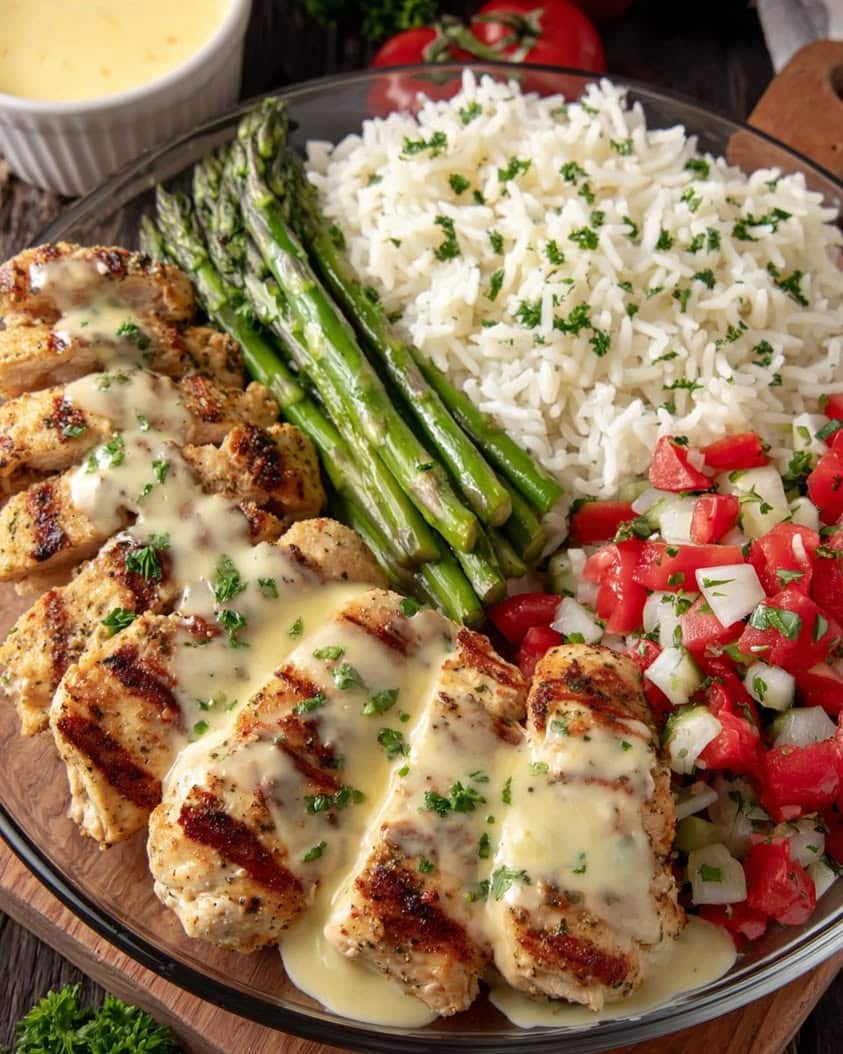
Lemon Garlic Chicken Bowl with Rice & Veggies: A Flavorful 30-Minute Weeknight Wonder
Picture this: a vibrant, satisfying dinner that comes together in a flash, filling your kitchen with the most incredible aroma of sizzling garlic and bright lemon. This Lemon Garlic Chicken Bowl with Rice & Veggies is exactly that kind of magic. It is a complete, balanced meal that delivers restaurant-quality flavor without the fuss or the hefty price tag. Moreover, it’s the perfect solution for busy evenings when you crave something wholesome and delicious.
The beauty of this recipe lies in its brilliant simplicity and its powerhouse flavor profile. Tender, juicy chicken gets a quick sear in a hot pan, then gets bathed in a glossy, tangy sauce made from fresh lemon juice, minced garlic, and savory chicken broth. This sauce becomes the star, coating every grain of fluffy rice and every crisp-tender vegetable. Consequently, every single bite is a harmonious blend of zesty, savory, and fresh notes. Ultimately, this dish proves that healthy eating can be incredibly exciting and deeply satisfying.
This Lemon Garlic Chicken Bowl is more than just a quick dinner; it’s a versatile template for endless culinary creativity. You can easily swap the vegetables based on what’s in season, use quinoa instead of rice, or adjust the sauce to your personal taste. It’s a fantastic meal prep champion, as the components hold up beautifully in the fridge for days. Whether you’re cooking for your family on a Wednesday night or preparing lunches for the week ahead, this recipe is a reliable, flavor-packed hero that everyone will love.
Quick Recipe Highlights
- Flavor Profile: This bowl is a masterclass in balance. The primary taste is a vibrant, tangy lemon that cuts through the richness of the chicken, perfectly complemented by the deep, aromatic punch of fresh garlic. Furthermore, a touch of savory broth and a hint of black pepper create a well-rounded, sophisticated sauce that is neither too sharp nor too bland.
- Texture: You get a wonderful contrast in every forkful. The chicken is seared to golden perfection on the outside while remaining succulent and tender inside. The rice provides a soft, fluffy base that soaks up the delicious sauce. Meanwhile, the vegetables—like broccoli and bell peppers—add a crucial element of crisp-tender bite, ensuring the meal never feels mushy or one-note.
- Aroma: As this dish cooks, it will perfume your entire home with an irresistible scent. First, the garlic sizzles, releasing its pungent, comforting fragrance. Then, the lemon juice hits the hot pan, creating a bright, citrusy steam that mingles with the savory notes of cooking chicken. This aromatic promise is a huge part of the meal’s appeal, building anticipation before the first bite.
- Visual Appeal: This bowl is a feast for the eyes, boasting a beautiful spectrum of colors. You have the golden-brown sear on the chicken, the snowy white or light brown of the rice, and the vibrant greens and reds from the fresh vegetables. Finally, a garnish of fresh parsley or lemon zest adds a final pop of color, making the dish look as fresh and inviting as it tastes.
- Skill Level Needed: This is a fantastic recipe for cooks of all levels, especially beginners. The techniques involved—sautéing chicken, steaming vegetables, and reducing a simple pan sauce—are fundamental. Additionally, the process is straightforward and forgiving. With basic knife skills and the ability to manage a stovetop, you can absolutely achieve a stunning, restaurant-worthy result right in your own kitchen.
- Special Equipment: You need only standard kitchen tools. A large skillet or sauté pan with a lid is essential for cooking the chicken and creating the sauce. A good chef’s knife and cutting board will make prep work quick and easy. Otherwise, you just need basic measuring spoons, a citrus juicer, and a pot for cooking rice. No fancy gadgets are required.
Recipe Overview
- Difficulty Level: We classify this Lemon Garlic Chicken Bowl as an easy recipe. The steps are sequential and logical, with minimal multitasking required. You primarily need to focus on cooking the chicken properly and then building the sauce in the same pan. The vegetable cooking is simple, and the rice can be prepared ahead of time. Therefore, even a novice cook can follow along confidently and produce an impressive meal.
- Category: This dish comfortably fits into several popular meal categories. Primarily, it is a quick and healthy dinner recipe, designed for busy weeknights. It also excels as a meal prep lunch, as the components store and reheat wonderfully. Furthermore, it’s a fantastic high-protein bowl recipe and a stellar example of a balanced one-pan meal that covers all your nutritional bases in a single, delicious package.
- Cuisine: While not tied to one specific tradition, this recipe draws inspiration from Mediterranean and American comfort food cuisines. The use of lemon, garlic, and olive oil is classically Mediterranean, promoting fresh, bright flavors. The concept of a protein-grain-vegetable bowl is very much in line with modern, health-conscious American eating. Ultimately, it’s a fusion dish that prioritizes flavor, nutrition, and convenience above strict regional adherence.
- Cost: This is an exceptionally budget-friendly meal. Chicken thighs or breasts, rice, and in-season vegetables like broccoli and bell peppers are all affordable staples. The sauce ingredients—lemon, garlic, broth—are pantry essentials with a low cost per serving. Compared to ordering takeout or dining out, this homemade bowl saves a significant amount of money while delivering superior quality and freshness.
- Season: This recipe is truly a year-round winner. In spring and summer, you can highlight fresh, seasonal veggies like asparagus, zucchini, or cherry tomatoes. During fall and winter, heartier vegetables like Brussels sprouts or sweet potatoes work beautifully. The bright lemon and garlic provide a refreshing lift in warmer months and a comforting, aromatic warmth when the weather turns cold, making it endlessly adaptable.
- Occasion: Its versatility makes it perfect for countless occasions. It’s an ideal simple family dinner on a hectic weeknight. You can easily double the recipe for a casual gathering with friends. Additionally, it’s a superb meal prep option for busy professionals or students needing ready-to-go lunches. It’s even elegant enough for a relaxed date night at home when you want something special but stress-free.
Why You’ll Love This Recipe
First and foremost, the taste and texture of this Lemon Garlic Chicken Bowl are utterly irresistible. The chicken, seared until golden, soaks up the bright, tangy lemon garlic sauce, becoming incredibly juicy and flavorful. Each component plays a specific role: the fluffy rice acts as a comforting base, the crisp vegetables add freshness and crunch, and the glossy sauce ties everything together with its zesty, savory punch. Every single bite delivers a satisfying harmony that will have you looking forward to the leftovers. Furthermore, the aroma that fills your kitchen as it cooks is half the pleasure, building excitement and making your home feel warm and inviting.
From a convenience standpoint, this recipe is a true weeknight hero. It comes together in about thirty minutes from start to finish, which is often faster than waiting for delivery. The process is streamlined and efficient—you cook the components in a logical sequence, often using the same pan to build layers of flavor. Moreover, cleanup is minimal, especially if you use a single large skillet for the chicken and sauce. This efficiency means you can enjoy a fantastic homemade dinner without spending your entire evening in the kitchen, freeing up time for relaxation or family.
Nutritionally, this bowl is a powerhouse. It provides a complete balance of lean protein from the chicken, complex carbohydrates from the rice, and a wealth of vitamins, minerals, and fiber from the colorful vegetables. The sauce is made from wholesome ingredients like fresh lemon juice and garlic, which have their own health benefits, without relying on heavy creams or excessive butter. You control the sodium and oil, making it a healthier alternative to most restaurant meals. Consequently, you can feel good about serving this to your family, knowing it’s fueling their bodies with quality, nourishing food.
This dish also holds tremendous social and entertaining value. While perfect for a quiet family meal, it scales up beautifully for feeding a crowd. You can prepare the elements in large quantities and set up a “bowl bar” where guests can customize their own creations with different veggies, grains, or extra toppings like avocado or feta cheese. It’s a interactive, stress-free way to host that accommodates various dietary preferences. The vibrant, colorful presentation always impresses, making it look like you fussed much more than you actually did.
Finally, the cost-effectiveness and accessibility of this Lemon Garlic Chicken Bowl cannot be overstated. It utilizes affordable, easy-to-find ingredients that are likely already in your pantry or local grocery store. You can adapt it based on what’s on sale or in season, keeping costs even lower. Compared to the price of a single similar meal at a fast-casual restaurant, you can feed an entire family for the same amount. This recipe democratizes delicious, healthy eating, proving that you don’t need a big budget or exotic ingredients to create something truly spectacular and satisfying on a regular basis.
Historical Background and Cultural Significance
The concept of combining protein, grain, and vegetables in a single bowl is ancient and cross-cultural, but the specific flavor profile of this dish has interesting roots. While not a traditional recipe from one country, the marriage of lemon and garlic as a primary seasoning is a cornerstone of Mediterranean cuisine, particularly evident in Greek and Italian cooking. Dishes like Greek lemonates kotopoulo (lemon chicken) showcase this timeless pairing. The technique of creating a simple pan sauce (deglazing) after searing meat is classic French culinary methodology. Therefore, this recipe is a modern fusion, taking the bright, healthful ethos of Mediterranean eating and applying efficient, contemporary cooking techniques to create a quick, complete meal.
Culturally, the rise of the “grain bowl” or “power bowl” in the last decade has cemented this recipe’s place in modern home cooking. This trend emphasizes balanced nutrition, visual appeal, and customization—all hallmarks of this Lemon Garlic Chicken Bowl. It reflects a growing desire for meals that are both Instagram-worthy and genuinely wholesome. The bowl format itself is practical and comforting, hearkening back to informal, communal ways of eating seen across Asia and other parts of the world. In many ways, this recipe is a product of our globalized food culture, blending traditions to meet the modern demand for fast, healthy, and flavorful food.
The evolution of this specific recipe is tied to the home cook’s need for speed and simplicity without sacrificing taste. Traditional lemon garlic chicken recipes might involve marinating for hours or roasting whole birds. The modern bowl adaptation streamlines the process dramatically. By using quick-cooking chicken cutlets or thighs and sautéing vegetables separately, the entire meal is ready in minutes. The sauce is simplified to a quick reduction in the same pan, capturing all the flavorful browned bits. This evolution speaks to the changing rhythms of daily life, where time is precious but the desire for a homemade, satisfying dinner remains strong.
Regional variations of this concept are endless, which is part of its universal appeal. In the American South, you might find a version with a creamier sauce and served over grits. A California adaptation could feature quinoa, kale, and avocado. In Asia, the lemon-garlic sauce might be joined by ginger and soy, served over jasmine rice. The basic formula is incredibly adaptable, allowing it to absorb local ingredients and flavors. This flexibility is why the Lemon Garlic Chicken Bowl has become such a staple; it provides a reliable framework that welcomes creativity and personalization based on what’s fresh, local, or simply preferred.
Ingredient Deep Dive
Starting with the chicken, this protein is a global staple prized for its versatility and mild flavor. For this recipe, boneless, skinless chicken breasts or thighs work best. Thighs are often more forgiving and juicy due to their slightly higher fat content. Nutritionally, chicken is an excellent source of lean protein, essential for muscle repair and satiety. It also provides important B vitamins and minerals like selenium. When selecting chicken, look for plump, pink flesh without any gray tinge or off-odors. For storage, keep it in the coldest part of your fridge and use within 1-2 days of purchase, or freeze for longer storage. If you need a substitute, turkey cutlets, firm tofu, or even large shrimp would work beautifully with the lemon garlic sauce.
Fresh lemons are the non-negotiable star that provides the recipe’s signature zing. Historically, lemons originated in Asia and were highly valued for their ability to prevent scurvy on long sea voyages. Their juice not only adds bright acidity but also helps tenderize the chicken slightly. Nutritionally, lemons are packed with vitamin C and antioxidants. Always choose lemons that feel heavy for their size and have a bright, smooth skin, as these are juiciest. Roll them on the counter before cutting to maximize juice yield. You cannot substitute bottled lemon juice here; the fresh flavor is crucial. However, in a pinch, a combination of white wine vinegar and a little zest might approximate the acidity, though it will lack the fresh citrus fragrance.
Garlic is the aromatic soul of the dish, providing a deep, pungent base note that balances the lemon’s sharpness. Cultivated for thousands of years, garlic has been used both medicinally and culinarily across countless cultures. It contains allicin, a compound with noted health benefits. For the best flavor, always use fresh garlic cloves, not pre-minced jarred garlic. Look for firm, plump heads without green sprouts. To store, keep garlic in a cool, dark, dry place—not in the refrigerator. When mincing, a fine mince will distribute flavor more evenly throughout the sauce. If you must substitute, a small amount of garlic powder can work in the sauce, but the fresh, aromatic quality will be diminished.
The choice of rice provides the comforting, starchy foundation. White jasmine or basmati rice is recommended for its fragrant, fluffy texture that perfectly soaks up the sauce. Rice is a staple food for over half the world’s population, central to food security and culture. It is a good source of energy-providing carbohydrates. For best results, rinse your rice before cooking to remove excess starch, which prevents gumminess. Follow package instructions for perfect water ratios. To store cooked rice, cool it quickly and refrigerate in an airtight container for up to 4 days. For variations, brown rice, quinoa, cauliflower rice, or even orzo pasta make excellent, nutritious alternatives that change the texture and nutritional profile of the final bowl.
The vegetables, typically broccoli and bell peppers, add crucial color, texture, and nutrients. Broccoli, part of the brassica family, is a nutritional powerhouse rich in vitamins C, K, and fiber. Bell peppers, especially red and yellow ones, are high in vitamin C and antioxidants. Selecting fresh, crisp vegetables is key—look for bright green, tight broccoli florets and firm, glossy peppers. To prepare, cut them into uniform sizes for even cooking. You can steam, sauté, or even roast them for deeper flavor. For storage, keep them in the crisper drawer of your fridge. The beauty of this recipe is its adaptability; you can substitute with almost any quick-cooking vegetable like snap peas, zucchini, asparagus, or mushrooms based on seasonality and preference.
Common Mistakes to Avoid
- Crowding the Pan with Chicken: Adding too much chicken to the skillet at once is a critical error. The pieces will steam instead of sear, resulting in pale, rubbery meat without the flavorful golden crust. Always cook in batches if necessary to ensure each piece has enough space. This guarantees proper browning, which is essential for building flavor in the subsequent sauce.
- Burning the Garlic: Garlic burns incredibly quickly and turns bitter, which can ruin the entire sauce. Always add minced garlic to the pan after you’ve removed the chicken and lowered the heat. Cook it just for 30-60 seconds until fragrant, stirring constantly. If it starts to brown too quickly, immediately add your liquid (broth/lemon juice) to stop the cooking process.
- Using Bottled Lemon Juice: This is perhaps the most common flavor-killer. Bottled lemon juice lacks the bright, fresh acidity and aromatic oils of a real lemon. It often has a flat, sometimes metallic taste. Always, without exception, use freshly squeezed lemon juice for the sauce. The difference in the final flavor of your Lemon Garlic Chicken Bowl is dramatic and non-negotiable.
- Overcooking the Vegetables: Soggy, mushy vegetables ruin the texture contrast in the bowl. Vegetables like broccoli and bell peppers should be cooked until just crisp-tender—they should still have a slight bite and vibrant color. Cook them separately from the sauce and add them back at the end just to warm through. This preserves their nutrients and appealing texture.
- Not Deglazing the Pan Properly: After searing the chicken, those browned bits stuck to the pan (the fond) are pure flavor gold. A common mistake is not using enough liquid or not scraping vigorously enough to dissolve them all into the sauce. Use a wooden spoon or spatula to thoroughly scrape the pan bottom as you add the broth and lemon juice. This creates a richer, more complex sauce.
- Neglecting to Season in Layers: Seasoning only at the end results in a bland dish. You should season the chicken with salt and pepper before searing. Then, taste and adjust the seasoning of the sauce after it reduces. Finally, taste the complete bowl before serving. Building seasoning in layers ensures every component is properly seasoned and the final dish is perfectly balanced.
- Skipping the Resting Time for Chicken: Cutting into the chicken immediately after cooking causes all the precious juices to run out onto the cutting board, leaving the meat dry. Always let the cooked chicken rest for 5-10 minutes before slicing. This allows the muscle fibers to relax and reabsorb the juices, guaranteeing a moist and tender result in your bowl.
- Using the Wrong Pan: A thin, flimsy pan will not distribute heat evenly, leading to hot spots that burn the garlic or chicken. It also won’t create an effective fond for deglazing. For best results, use a heavy-bottomed skillet, such as stainless steel or cast iron. These pans provide consistent heat and are perfect for developing a beautiful sear and building a pan sauce.
Essential Techniques
Pan Searing Chicken: This technique is fundamental for developing deep, savory flavor and an appealing texture. The goal is to create a golden-brown crust through the Maillard reaction, a chemical process that enhances taste. To master it, ensure your chicken pieces are dry, your pan is preheated over medium-high heat, and you use enough oil to coat the bottom. Do not move the chicken for the first few minutes; let it develop a crust before flipping. A common pitfall is flipping too early, which causes the meat to stick and tear. You’ll know it’s ready to flip when it releases easily from the pan. The visual cue for success is a uniform, deep golden-brown color on each side.
Building a Pan Sauce (Deglazing): This technique transforms simple pan drippings into a luxurious, flavorful sauce. After removing the seared chicken, you’ll notice browned bits stuck to the pan. These are packed with concentrated flavor. Deglazing involves adding a liquid—in this case, chicken broth and lemon juice—to the hot pan and using a utensil to scrape those bits loose. The liquid dissolves the fond, creating the base of your sauce. The key is to scrape thoroughly and then allow the liquid to simmer and reduce by about half. This reduction concentrates the flavors and thickens the sauce slightly. The visual cue for a good pan sauce is a glossy, lightly thickened consistency that coats the back of a spoon.
Sautéing Vegetables to Crisp-Tender: This method preserves the vegetables’ color, nutrients, and appealing texture. The goal is to cook them quickly over relatively high heat until they are just done but still slightly crisp. Cut vegetables into uniform sizes for even cooking. Preheat your pan with a little oil, add the veggies, and stir frequently. Add a tablespoon or two of water and cover briefly to create steam if needed for thicker pieces like broccoli. The common pitfall is walking away, which leads to overcooking. The visual and textural cue for success is a bright, vibrant color and a texture that yields to a bite but still offers slight resistance.
Pro Tips for Perfect Lemon Garlic Chicken Bowl
First, for the juiciest chicken, consider brining your chicken breasts in a simple saltwater solution for 30 minutes before cooking. This step helps the meat retain moisture during the high-heat searing process. Pat the chicken completely dry with paper towels after brining to ensure a proper sear.
Second, zest your lemon before juicing it. Add a teaspoon of the fresh lemon zest to the sauce at the very end of its reduction. The zest contains potent aromatic oils that will amplify the lemon flavor exponentially without adding more acidity.
Third, to achieve restaurant-quality vegetables, blanch your broccoli florets in boiling salted water for 60-90 seconds, then immediately plunge them into an ice bath. This “shocks” them, locking in a brilliant green color and perfect crisp-tender texture before you briefly sauté them.
Fourth, let your cooked rice rest off the heat with the lid on for 10 minutes after the water is absorbed. Then, fluff it with a fork. This allows the steam to evenly distribute, resulting in light, separate grains rather than a gummy mass.
Fifth, if your sauce seems too thin after reducing, create a quick slurry. Mix a teaspoon of cornstarch with a tablespoon of cold water and whisk it into the simmering sauce. It will thicken almost immediately, giving you a glossy, clingy consistency.
Sixth, for an extra layer of flavor, use homemade chicken broth or a high-quality, low-sodium store-bought broth. The sauce reduction will concentrate the broth’s flavor, so starting with a good base makes a significant difference in the final taste.
Seventh, garnish with intention. A final sprinkle of chopped fresh parsley or basil adds a pop of color and a fresh herbal note. A few thin slices of fresh lemon on the side of the bowl look beautiful and allow diners to add an extra squeeze if desired.
Eighth, always warm your serving bowls. Place your empty bowls in the oven on the lowest setting while you cook. A warm bowl keeps the food hot longer, making the entire eating experience more enjoyable from the first bite to the last.
Variations and Adaptations
Regional Variations: Travel the world from your kitchen by tweaking the flavor profile. For a Greek-inspired bowl, add a pinch of dried oregano to the sauce and garnish with crumbled feta cheese and Kalamata olives. For an Asian twist, replace half the lemon juice with soy sauce, add a teaspoon of grated ginger with the garlic, and garnish with sesame seeds and sliced green onion. A French-style version could use white wine for deglazing and finish the sauce with a pat of cold butter and fresh tarragon.
Seasonal Adaptations: Embrace the produce of each season. In spring, use asparagus tips and fresh peas. Summer bowls can feature zucchini, yellow squash, and cherry tomatoes. Fall calls for roasted Brussels sprouts or cubed butternut squash. Winter variations might include hearty kale or roasted root vegetables. The lemon-garlic sauce acts as a bright, unifying element that complements any seasonal vegetable beautifully.
Dietary Modifications: This recipe is a fantastic template for various diets. For a gluten-free version, ensure your chicken broth is certified gluten-free. To make it dairy-free, it already is—just avoid adding any butter at the end. For a vegan adaptation, replace the chicken with chickpeas or crispy baked tofu and use vegetable broth. A low-carb or keto version would substitute cauliflower rice for the grain and increase the quantity of non-starchy vegetables.
Flavor Variations: Don’t be afraid to play with the sauce. Add a teaspoon of Dijon mustard or a dash of honey for a sweet-and-tangy note. Incorporate capers for a briny punch. A sprinkle of red pepper flakes will add a gentle heat. For a creamier, richer sauce, swirl in a couple of tablespoons of plain Greek yogurt or a splash of heavy cream after you’ve removed the sauce from the heat.
Texture Modifications: Change up the mouthfeel to keep the dish interesting. Instead of sautéing, try roasting the vegetables for deeper, caramelized flavors. Use quinoa or farro instead of rice for a chewier, nuttier grain base. For extra crunch, top the finished bowl with toasted pine nuts, slivered almonds, or crispy fried shallots.
Presentation Alternatives: Move beyond the bowl. Serve the lemon garlic chicken and veggies over a bed of mixed greens for a hearty salad. Stuff the mixture into a warm pita or wrap for a handheld meal. Alternatively, layer the components in a mason jar for a stunning portable lunch—rice on the bottom, then chicken, then veggies, with the sauce in a separate small container to add just before eating.
Serving and Presentation Guide
Plating Techniques: For visual appeal, think in layers and sections. Start with a base of fluffy rice, slightly mounded in the center of a wide, shallow bowl. Arrange your sliced lemon garlic chicken artfully over one portion of the rice. Group the vibrant vegetables in another section, allowing each color to stand out. Finally, spoon the glossy pan sauce generously over the chicken and rice, letting some pool at the bottom. This method creates a clean, organized, and restaurant-style presentation that highlights each component.
Garnishing Ideas: Garnishes are the final touch that elevates the dish. Fresh, finely chopped flat-leaf parsley or basil adds a burst of green and freshness. A light grating of lemon zest over the top intensifies the citrus aroma. For a touch of luxury, a few shavings of Parmesan cheese work wonderfully. A drizzle of high-quality extra virgin olive oil just before serving adds richness and shine. A final crack of black pepper provides both flavor and a visual accent.
Traditional Accompaniments: While the bowl is a complete meal, a simple side can complement it perfectly. A light, crisp green salad with a lemony vinaigrette echoes the main flavors without heaviness. A piece of crusty bread is ideal for sopping up any remaining sauce on the plate. In a more casual setting, a bowl of soup, like a simple tomato basil, can start the meal.
Modern Serving Suggestions: For a fun, interactive meal, set up a DIY bowl bar. Place the rice, sliced chicken, various vegetables, sauces, and garnishes in separate bowls and let everyone build their own masterpiece. This is especially great for families with picky eaters or for entertaining. For a deconstructed presentation, serve all components on a large platter for family-style sharing.
Temperature Considerations: This dish is best served hot or very warm. Ensure your bowls are pre-warmed to maintain the temperature. If you’ve meal-prepped components, reheat the chicken and sauce together gently, and reheat the rice and vegetables separately to prevent the veggies from becoming soggy. Avoid letting the sauced components sit for too long before serving, as the rice can continue to absorb liquid and become soft.
Portion Control Tips: This recipe is naturally balanced, but for specific dietary goals, you can adjust portions easily. A standard serving is roughly 4-5 ounces of chicken, ¾ cup of cooked rice, and 1-1.5 cups of vegetables. Use a measuring cup for the rice and a kitchen scale for the chicken if precision is needed. Remember, loading up on the colorful vegetables is always encouraged to increase volume, fiber, and nutrients without significantly adding calories.
Wine and Beverage Pairing
Wine Pairings: The bright acidity and garlic notes in this dish call for wines with good acidity and minimal oak. A crisp, dry Sauvignon Blanc is a classic and perfect match; its citrus and herbal notes harmonize with the lemon and parsley. A Pinot Grigio or an unoaked Chardonnay would also work well, offering clean, refreshing sips that cut through the savory elements. If you prefer red wine, choose a light-bodied, low-tannin option like a Beaujolais or a Pinot Noir, served slightly chilled, to avoid overpowering the chicken.
Non-Alcoholic Alternatives: Sparkling water with a twist of lemon or lime is a refreshing, palate-cleansing choice that complements without competing. For something more distinctive, try a chilled herbal iced tea, such as lemon verbena or mint. A ginger beer or a high-quality lemonade (not too sweet) can also be delightful, playing up the citrus notes in the food. Kombucha, particularly a ginger or citrus flavor, offers a complex, fizzy alternative.
Coffee/Tea Pairings: While not a typical dinner pairing, if serving this for lunch, a cup of green tea would be lovely. Its slight bitterness and grassy notes can balance the dish’s richness. A light roast coffee with citrusy notes could also be an interesting post-meal choice, but it’s best enjoyed after the meal rather than during, as its strong flavor can overshadow the delicate lemon and garlic.
Temperature Considerations: White wines and non-alcoholic sparklers should be served well-chilled, between 45-50°F (7-10°C). Light reds should be served at a cool cellar temperature, around 55°F (13°C). Iced teas and lemonades should be cold but not overly icy, which can dull the taste buds. The goal is for the beverage to refresh the palate between bites of the flavorful, savory chicken and rice.
Serving Suggestions: Always offer water as a primary beverage to cleanse the palate. If serving wine, pour modest glasses to allow guests to enjoy the pairing without filling up on liquid. For non-alcoholic options, consider serving them in elegant glasses to make the meal feel special. Presenting beverages in a pitcher with ice and citrus slices adds a thoughtful, attractive touch to the table setting.
Storage and Shelf Life
Storage Methods: Store all components separately for the best results. Place cooled, sliced chicken and any extra sauce in an airtight container. Store cooked rice in its own container. Keep the sautéed vegetables in another. This prevents the vegetables from becoming soggy and the rice from absorbing all the moisture and becoming mushy. You can also store a fully assembled bowl, but expect the textures to soften more quickly.
Temperature Requirements: All leftovers must be refrigerated promptly. Do not leave the cooked food at room temperature for more than two hours. Store in the refrigerator at 40°F (4°C) or below. For longer storage, freezing is an excellent option for the chicken and sauce, though the vegetables and rice may suffer textural changes upon thawing.
Container Recommendations: Use glass or BPA-free plastic containers with tight-fitting lids. For meal prep, divided containers with separate compartments are ideal for keeping components apart until you’re ready to eat. If storing a fully assembled bowl, a single large container is fine, but place a paper towel over the top before sealing the lid to absorb excess condensation.
Signs of Spoilage: Discard any leftovers that have an off or sour smell, visible mold, or a slimy texture on the chicken or vegetables. Cooked rice can harbor bacteria if not cooled and stored quickly; if it develops an unusual smell or becomes excessively sticky or discolored, it’s best to throw it out. When in doubt, follow the golden rule: when unsure, throw it out.
Reheating Instructions: The best method is to reheat components separately. Gently reheat the chicken and sauce in a skillet over medium-low heat or in the microwave at 50% power, adding a splash of water or broth to loosen the sauce. Reheat rice in the microwave with a damp paper towel over it to add steam. Briefly reheat vegetables just until warm to preserve their texture. Avoid overheating, which can dry out the chicken and make vegetables mushy.
Freezing Guidelines: The cooked lemon garlic chicken and sauce freeze very well for up to 3 months. Cool completely, then store in a freezer-safe bag or container, pressing out excess air. Thaw overnight in the refrigerator before reheating. Note that previously frozen and thawed vegetables will be quite soft, so it’s often better to cook fresh veggies when you reheat the frozen protein and sauce.
Make Ahead Strategies
Prep Timeline: You can prep nearly this entire meal 1-2 days in advance. The day before, cook the rice and let it cool completely before refrigerating. Chop all your vegetables and store them in a sealed bag or container. You can even slice the chicken and keep it in a separate container in the fridge. This leaves only the cooking of the chicken, veggies, and sauce assembly for the day of serving, cutting your active cooking time to under 15 minutes.
Storage Between Steps: Store prepped ingredients in clearly labeled containers. Keep raw chicken on the bottom shelf of the fridge to prevent cross-contamination. Place chopped veggies in the crisper drawer. Cooked rice should be cooled on a sheet tray before transferring to a container to prevent condensation and bacterial growth. Having everything organized and ready is the key to efficient assembly.
Quality Impact Assessment: Make-ahead prep has minimal negative impact on this dish. The chicken may be slightly less juicy if cooked ahead and reheated, but the sauce helps mitigate this. Vegetables will lose some crispness if cooked ahead, so for best texture, cook them fresh. Rice actually benefits from being made ahead, as it firms up slightly, making it easier to portion and reheat without becoming gummy.
Assembly Tips: When ready to serve, reheat the rice first. While the rice warms, quickly sauté the pre-chopped vegetables. In another pan, reheat the pre-cooked chicken with the sauce, or if using raw pre-cut chicken,
Print
Lemon Garlic Chicken Bowl with Rice & Veggies
Description
A vibrant, one-bowl meal featuring tender lemon-garlic chicken served over fluffy rice with roasted vegetables, perfect for a quick and healthy dinner.
Ingredients
For the Crust:
- 2 boneless, skinless chicken breasts, cut into bite-sized pieces
- 1 cup white rice, uncooked
- 2 cups broccoli florets
- 1 red bell pepper, sliced
- 1 yellow bell pepper, sliced
- 3 cloves garlic, minced
- 2 lemons (juice and zest)
- 2 tablespoons olive oil
- 1 teaspoon dried oregano
- Salt and black pepper to taste
- Fresh parsley for garnish
Instructions
1. Prepare the Crust:
- Preheat oven to 400°F (200°C). Toss broccoli and bell peppers with 1 tablespoon olive oil, salt, and pepper, then spread on a baking sheet. Roast for 20-25 minutes until tender.
- Cook rice according to package instructions. Fluff with a fork and set aside.
- In a skillet over medium heat, add remaining olive oil. Sauté chicken pieces until golden and cooked through, about 8-10 minutes. Add garlic, lemon juice, zest, oregano, salt, and pepper, cooking for 2 more minutes.
- Assemble bowls: divide rice among bowls, top with roasted vegetables and lemon garlic chicken. Garnish with fresh parsley and serve warm.
Notes
You can customize the seasonings to taste.

I’m Shaykee—born in Morocco, seasoned across continents. From airplane galleys to home kitchens, I share the flavors and stories that shaped my journey.