
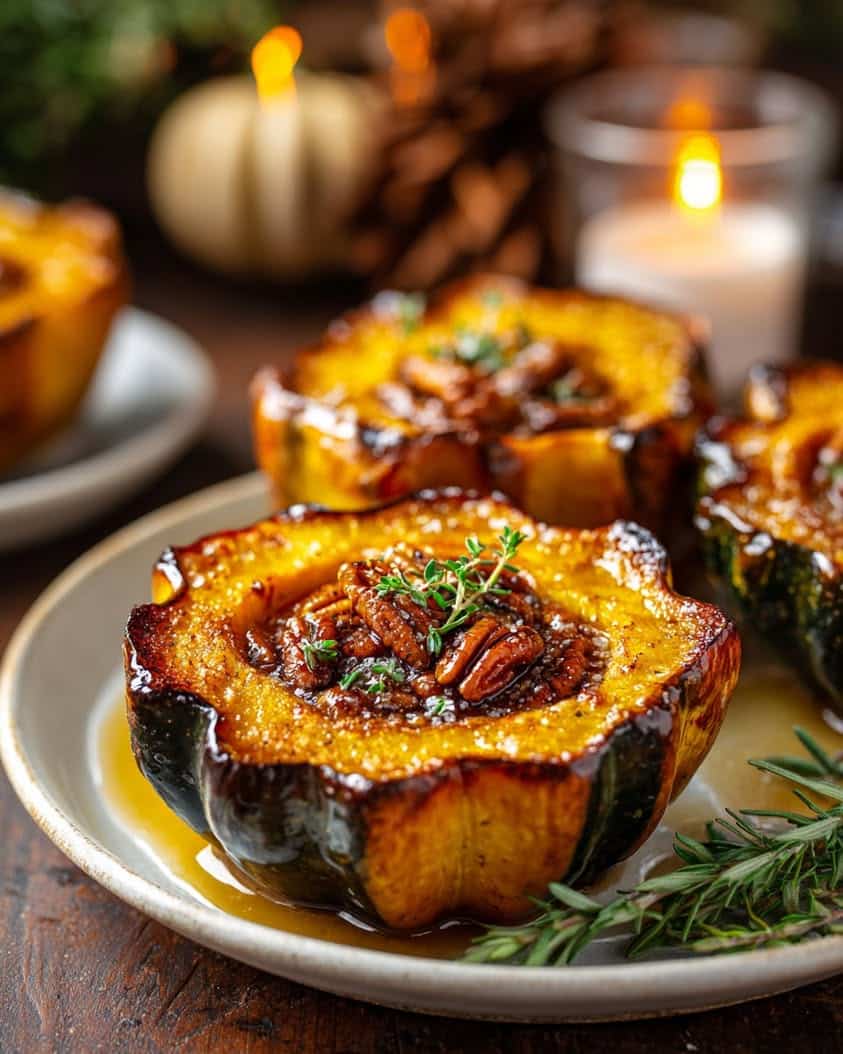
Maple Pecan Roasted Acorn Squash: A Simple, Elegant, and Delicious Fall Side Dish
When autumn arrives, our cravings shift towards warm, comforting flavors that celebrate the harvest. This maple pecan roasted acorn squash recipe perfectly captures the essence of the season. Imagine tender, caramelized squash with a sweet maple glaze and the satisfying crunch of toasted pecans. This dish transforms a simple vegetable into an elegant centerpiece worthy of any holiday table or weeknight dinner.
The beauty of this maple pecan roasted acorn squash lies in its perfect balance of flavors and textures. Each component works in harmony to create a memorable eating experience. The natural sweetness of the squash intensifies during roasting, while the maple syrup creates a glossy, caramelized coating. Meanwhile, the pecans add a nutty richness that complements the squash beautifully. This recipe requires minimal effort yet delivers maximum impact on both flavor and presentation.
Furthermore, this dish embodies the heart of fall cooking with its warm spices and comforting aromas. As it bakes, your kitchen will fill with the inviting scents of cinnamon, maple, and roasting squash. This maple pecan roasted acorn squash not only satisfies the palate but also creates a cozy atmosphere that makes any meal feel special. It is the perfect side dish for busy cooks who want to create something impressive without spending hours in the kitchen.
Quick Recipe Highlights
- Flavor Profile: This maple pecan roasted acorn squash features a beautiful balance of sweet and savory notes. The natural earthiness of the squash pairs perfectly with the rich maple syrup, while warm cinnamon and nutmeg add depth. Additionally, the toasted pecans contribute a buttery, nutty flavor that completes the dish.
- Texture: You will experience multiple satisfying textures in every bite. The roasted squash becomes incredibly tender and almost creamy inside while developing caramelized edges. Conversely, the pecans provide a delightful crunch that contrasts beautifully with the soft squash. This combination creates a truly dynamic mouthfeel.
- Aroma: As this dish roasts, it fills your kitchen with the most inviting autumn fragrance. The sweet scent of maple syrup blends with warm cinnamon and the nutty aroma of toasting pecans. Meanwhile, the squash itself releases an earthy, sweet fragrance that signals comfort food at its finest.
- Visual Appeal: This presentation is absolutely stunning with its vibrant orange flesh and glossy maple glaze. The roasted squash halves form natural serving vessels that look beautiful on any plate. Furthermore, the toasted pecans sprinkled over the top add visual texture and a professional touch.
- Skill Level Needed: This recipe is perfect for cooks of all experience levels, from beginners to experts. You only need basic knife skills and the ability to follow simple instructions. Consequently, even someone cooking for the first time can achieve impressive results with this approachable method.
- Special Equipment: You need only standard kitchen tools to create this beautiful dish. A sharp knife and sturdy cutting board are essential for safely halving the squash. Additionally, a baking sheet and mixing bowl are all the equipment required to bring this recipe together successfully.
Recipe Overview
- Difficulty Level: We classify this maple pecan roasted acorn squash as easy because it involves straightforward techniques. The preparation mainly requires slicing the squash and mixing a simple glaze. Moreover, the roasting process is largely hands-off, allowing the oven to do most of the work while you attend to other tasks.
- Category: This versatile dish fits multiple meal categories beautifully. It works perfectly as a side dish for holiday meals or weeknight dinners. Additionally, it can serve as a light vegetarian main course when paired with a protein-rich side like quinoa or lentils.
- Cuisine: This recipe draws inspiration from North American culinary traditions, particularly Canadian and New England cooking. The combination of maple syrup and pecans reflects indigenous foodways and colonial adaptations. Furthermore, the use of winter squash celebrates native ingredients that have become staples in American fall cuisine.
- Cost: This dish is remarkably budget-friendly, especially during autumn when squash is in season. Acorn squash typically costs very little per serving, and the other ingredients are pantry staples. Therefore, you can create an impressive, restaurant-quality side dish without straining your grocery budget.
- Season: Autumn is the perfect time for this recipe when acorn squash reaches its peak flavor and affordability. The cooler weather also makes roasted vegetables particularly appealing. Moreover, the warm spices and comforting nature of this dish align perfectly with fall holidays and gatherings.
- Occasion: This versatile recipe suits everything from casual family dinners to formal holiday feasts. It makes a wonderful addition to your Thanksgiving menu alongside traditional turkey and stuffing. Similarly, it elevates weeknight meals and makes excellent leftovers for lunch the next day.
Why You’ll Love This Recipe
First, the taste and texture combination of this maple pecan roasted acorn squash is truly exceptional. The roasting process caramelizes the natural sugars in the squash, creating deep, complex flavors. Each bite offers creamy squash, crunchy pecans, and the rich sweetness of maple syrup. This harmonious blend of textures and flavors keeps your palate interested from the first bite to the last. The warm spices add another dimension that makes this dish feel both familiar and special simultaneously.
Second, the convenience factor makes this recipe a weeknight hero despite its impressive presentation. With only ten minutes of active preparation, you can have this dish in the oven and moving on to other components of your meal. The hands-off roasting time means you can prepare other dishes, help children with homework, or simply relax. This efficient use of time makes elegant eating accessible even on busy evenings. Consequently, you can serve a beautiful, homemade side dish without spending your entire evening in the kitchen.
Third, the nutritional profile of this dish will make you feel good about serving it to your family. Acorn squash is packed with vitamins A and C, fiber, and antioxidants that support immune health and digestion. Meanwhile, pecans provide healthy fats, protein, and additional fiber that promote heart health and sustained energy. Using maple syrup as a natural sweetener offers minerals like manganese and zinc instead of empty calories. Therefore, this delicious side dish contributes meaningfully to a balanced, nutrient-rich diet.
Fourth, the social and entertaining value of this recipe cannot be overstated. When you serve this beautiful maple pecan roasted acorn squash, guests always feel impressed and cared for. The individual squash halves create a lovely presentation that shows thoughtfulness in plating. Additionally, the dish accommodates various dietary preferences since it’s naturally vegetarian and can easily be made vegan. This versatility makes menu planning simpler when hosting guests with different eating styles.
Fifth, the cost-effectiveness and accessibility of ingredients make this recipe practical for any budget. Acorn squash is typically one of the most affordable vegetables, especially during its peak season from early fall through winter. The other components are pantry staples that many cooks already have on hand. Even if you need to purchase everything specifically for this recipe, the total cost remains reasonable compared to pre-made side dishes of similar quality. This accessibility means you can enjoy restaurant-worthy flavors without the restaurant price tag.
Historical Background and Cultural Significance
The story of acorn squash in North American cuisine begins with indigenous cultivation long before European colonization. Native American tribes throughout what is now the United States and Canada grew various squash varieties as part of the “Three Sisters” agricultural system alongside corn and beans. These hardy winter squashes provided essential nutrition through harsh winters when other fresh foods were scarce. The practice of roasting squash with sweeteners like maple syrup likely originated from these indigenous food traditions. European settlers subsequently adopted these ingredients and techniques, incorporating them into their own culinary practices.
Maple syrup production has deep cultural roots in northeastern North America, particularly among First Nations and Native American communities. These groups developed the process of tapping maple trees and boiling down the sap centuries before European contact. The sweetener held both practical and ceremonial significance in many indigenous cultures. When European settlers arrived, they learned maple sugaring techniques from indigenous peoples and eventually industrialized the process. The combination of maple syrup with native squash represents a blending of indigenous knowledge with immigrant culinary traditions.
The evolution of this specific recipe reflects broader trends in American home cooking throughout the 20th century. As home economics emerged and cookbooks became more common, recipes combining winter squash with sweet glazes gained popularity. The mid-century saw the addition of nuts like pecans for texture and richness. Food writers like James Beard and Julia Child helped elevate such vegetable preparations from simple sustenance to celebrated side dishes. The current version of maple pecan roasted acorn squash represents generations of refinement and adaptation.
Regional variations of roasted squash exist throughout North America, reflecting local ingredients and cultural influences. In the South, similar preparations might use pecans or walnuts with sorghum or molasses instead of maple syrup. Southwestern versions often incorporate chili powders or other spices that complement the squash’s sweetness. In Quebec, where maple production is prominent, the syrup might be reduced to a thicker glaze before brushing on the squash. These regional differences demonstrate how a simple concept adapts to local tastes and available ingredients while maintaining its essential character.
Ingredient Deep Dive
Acorn squash serves as the foundation of this recipe, providing both structure and substance. This winter squash variety features dark green skin with distinctive ridges and sweet, orange flesh. Historically, squash was domesticated in Mesoamerica over 8,000 years ago before spreading throughout the Americas. Nutritionally, it is rich in vitamins A and C, potassium, and dietary fiber while being low in calories. When selecting acorn squash, choose specimens that feel heavy for their size with firm, unblemished skin and no soft spots. Store whole squash in a cool, dark place for up to a month, but once cut, wrap tightly and refrigerate for up to five days. If unavailable, substitutes include delicata squash, sweet dumpling squash, or even halved and seeded small pumpkins.
Pure maple syrup provides the distinctive sweetness and glaze that makes this dish special. Unlike commercial pancake syrups, real maple syrup comes directly from maple trees and contains beneficial minerals like manganese, zinc, and calcium. The production process involves tapping trees in late winter and boiling the collected sap until it thickens. Grade A maple syrup works perfectly for this recipe, with darker varieties offering more robust flavor. Store maple syrup in the refrigerator after opening to prevent fermentation. For substitutions, honey works well though it will impart a different flavor profile, while agave nectar provides a vegan alternative with similar consistency.
Pecans contribute the essential crunch and nutty flavor that completes this dish. Native to North America, pecans have been foraged and cultivated for centuries, particularly in the southern United States. They provide healthy monounsaturated fats, protein, fiber, and various vitamins and minerals. When selecting pecans, look for plump, uniform pieces without signs of oiliness or shriveling. Store them in an airtight container in the refrigerator or freezer to prevent rancidity. If you need substitutions, walnuts offer a similar texture and flavor profile, while toasted pumpkin seeds provide a nut-free alternative with comparable crunch.
The combination of cinnamon, nutmeg, and salt might seem simple but creates the sophisticated spice profile that elevates this dish. Cinnamon comes from the bark of trees native to Sri Lanka and has been traded for thousands of years. It contains antioxidants and has anti-inflammatory properties. Nutmeg originates from Indonesia and offers warm, slightly sweet notes that complement the squash beautifully. These spices should be stored in airtight containers away from light and heat to preserve their potency. If you lack specific spices, pumpkin pie spice makes an excellent substitute that combines cinnamon, nutmeg, and other warming spices in convenient proportions.
Common Mistakes to Avoid
- Underseasoning the squash before roasting represents a common oversight. Many cooks add only the sweet elements without proper salting. Remember that salt enhances all flavors and helps balance the sweetness. Therefore, be generous with seasoning both the squash flesh and the cavity.
- Overcrowding the baking sheet prevents proper caramelization and steaming instead of roasting. The squash needs space for air to circulate and for moisture to evaporate. Consequently, use a large enough baking sheet or roast in batches if necessary for optimal browning.
- Using imitation maple syrup instead of the real thing significantly impacts flavor quality. Artificial syrups contain corn syrup and flavorings that can taste cloying and artificial. Always opt for pure maple syrup to achieve the nuanced sweetness this recipe deserves.
- Adding pecans too early causes them to burn during the extended roasting time. Nuts contain oils that become bitter when overheated. Thus, incorporate the pecans during the final minutes of cooking to preserve their texture and flavor.
- Neglecting to score the squash flesh prevents the glaze from penetrating deeply. The shallow cuts create more surface area for the maple mixture to adhere to and absorb. Accordingly, don’t skip this step for maximum flavor infusion.
- Roasting at too low a temperature results in steamed rather than caramelized squash. The high heat is necessary to create the desirable browned edges and concentrated sweetness. Ensure your oven is fully preheated before adding the squash.
- Skipping the olive oil brushing reduces browning and can cause sticking. The oil helps conduct heat and promotes even cooking and caramelization. Even with the maple glaze, the initial oil application remains crucial for texture development.
- Not testing for doneness with a fork leads to undercooked or overcooked squash. Oven temperatures vary, and squash sizes differ. Always check for tender flesh that easily pierces with a fork rather than relying solely on timer.
Essential Techniques
Safely halving acorn squash requires proper technique to prevent accidents. First, stabilize the squash on your cutting board by trimming a thin slice from the blossom end to create a flat surface. Using a sharp chef’s knife, carefully cut from stem to blossom end, applying even pressure and rocking the knife gently. Never force the knife through; instead, let the sharp blade do the work. For additional safety, you can microwave the whole squash for one minute to slightly soften the skin. The goal is two even halves that will roast uniformly and present beautifully on the plate.
Scoring the squash flesh creates more surface area for the glaze to penetrate and promotes even cooking. Using a sharp paring knife, make shallow diagonal cuts about half an inch apart in one direction, then repeat in the opposite direction to create a diamond pattern. Be careful not to cut through the skin, as this can cause the squash to lose its shape during roasting. This technique allows the maple glaze to seep into the flesh while creating attractive presentation. The scored patterns also catch the toasted pecans beautifully for a professional finish.
Proper roasting technique transforms the squash from raw vegetable to caramelized perfection. Preheating your oven is essential for immediate browning when the squash hits the hot surface. Arranging the squash cut-side up on the baking sheet allows the cavities to hold the glaze while the exposed surface browns. The initial high-temperature roast without the glaze develops flavor through the Maillard reaction. Adding the maple mixture partway through prevents burning while still allowing caramelization. Understanding these timing nuances separates mediocre results from exceptional ones.
Toasting pecans properly enhances their flavor and texture dramatically. Spread the pecans in a single layer on a baking sheet and toast at 350°F for 5-8 minutes until fragrant. Watch carefully during the final minutes as nuts can burn quickly. Alternatively, toast in a dry skillet over medium heat, shaking frequently for even coloring. The toasting process releases the nuts’ natural oils and develops their nutty flavor. Properly toasted pecans should be fragrant and slightly darker in color but not blackened. This simple step elevates the entire dish with minimal effort.
Pro Tips for Perfect Maple Pecan Roasted Acorn Squash
Select squash of similar size to ensure even cooking. When your squash halves are roughly the same dimensions, they will finish roasting simultaneously. This consistency prevents some pieces from being underdone while others become mushy. If you have varying sizes, consider removing smaller pieces earlier or cutting larger halves into smaller segments for uniform roasting.
Brush the cut surfaces with olive oil before the initial roasting period. This step promotes browning and prevents the squash from drying out. The oil creates a barrier that helps the squash maintain moisture while conducting heat efficiently. Additionally, the oil helps the maple glaze adhere better to the surface when you apply it later in the cooking process.
Season generously with salt and pepper at multiple stages. Don’t rely solely on the sweetness of the maple syrup for flavor complexity. Salt enhances all the other flavors and balances the natural sweetness. Season after brushing with oil, then again when adding the maple mixture for layered seasoning that penetrates deeply.
Add a pat of butter to each squash half during the final minutes of roasting. This technique creates an especially rich, glossy finish to the glaze. As the butter melts, it combines with the maple syrup and squash juices to form a luxurious sauce in each cavity. The butter also helps the toasted pecans adhere to the surface for beautiful presentation.
Let the roasted squash rest for five minutes before serving. This brief resting period allows the flavors to meld and the temperature to equalize. The squash will also firm up slightly, making it easier to serve neatly. During this time, the maple glaze will thicken slightly as it cools, creating better adherence to the squash.
Garnish with fresh herbs for color and freshness contrast. While not traditional, a sprinkle of chopped fresh thyme or rosemary adds an aromatic element that cuts through the richness. The green herbs provide visual appeal against the orange squash and brown pecans. This simple addition elevates the presentation from homey to restaurant-quality.
Variations and Adaptations
Regional variations allow you to customize this recipe based on local ingredients and culinary traditions. Southern adaptations might incorporate bourbon into the maple glaze or use toasted pecans with a touch of cayenne for heat. Southwestern versions could include chili powder, cumin, and a sprinkle of cotija cheese instead of pecans. For a New England twist, add dried cranberries to the pecan topping for tart contrast. Mediterranean-inspired variations might use olive oil, garlic, and herbs like rosemary instead of the sweet glaze. These regional twists demonstrate the recipe’s versatility while honoring different culinary heritages.
Seasonal adaptations keep this dish interesting throughout the year. During summer, you might prepare the squash on the grill instead of roasting for a smoky flavor. Spring variations could incorporate fresh peas or asparagus into the stuffing mixture. Winter holiday versions might include pomegranate seeds for festive color and burst of tartness. Early autumn adaptations could feature freshly harvested apples diced and roasted alongside the squash. These seasonal adjustments ensure the recipe remains relevant and exciting no matter what month appears on the calendar.
Dietary modifications make this dish accessible to various eating preferences and restrictions. For vegan versions, substitute the butter with vegan butter or coconut oil and ensure your maple syrup is vegan. Low-carb adaptations might use sugar-free maple-flavored syrup and increase the pecan quantity while reducing the glaze amount. Nut-free versions could use toasted pumpkin seeds or sunflower seeds instead of pecans. For reduced-sugar options, decrease the maple syrup and enhance flavor with spices like cinnamon and nutmeg. These modifications ensure everyone can enjoy this delicious side dish regardless of dietary needs.
Flavor variations provide endless opportunities for creativity in the kitchen. Savory versions might include garlic, herbs, and Parmesan cheese instead of the sweet elements. Asian-inspired variations could feature miso, ginger, and sesame oil in the glaze with toasted sesame seed garnish. Italian-style preparations might stuff the squash with sausage, breadcrumbs, and herbs. Sweet breakfast versions could include additional spices and serve with yogurt for a morning meal. These flavor explorations demonstrate how a basic technique can yield dramatically different results with simple ingredient swaps.
Serving and Presentation Guide
Plating techniques significantly impact how this dish is perceived and enjoyed. For individual servings, place one squash half per person on warmed plates, ensuring the cut side faces up to display the beautiful scoring pattern. Alternatively, for family-style presentation, arrange the squash halves on a large platter with the cavities facing upward. If you’ve cut the squash into rings or wedges instead of halves, fan them out slightly for visual interest. Always spoon any remaining glaze from the baking sheet over the squash just before serving to enhance shine and flavor.
Garnishing ideas range from simple to elaborate depending on the occasion. The classic toasted pecan topping provides both flavor and texture, but consider adding fresh herb sprigs like thyme, sage, or rosemary for color contrast. Microgreens or edible flowers create an elegant touch for special occasions. A light dusting of smoked paprika or cinnamon adds visual appeal and flavor nuance. For holiday meals, pomegranate arils provide vibrant color and tart contrast to the sweet squash. These garnishes should complement rather than overwhelm the beautiful natural presentation of the dish.
Traditional accompaniments for this squash include other autumn flavors and Thanksgiving classics. Roasted turkey or chicken makes a perfect protein partner, with the squash acting as a sweet counterpoint to the savory meat. Stuffing or dressing complements the squash’s texture while sharing similar seasonal flavor profiles. Green vegetables like Brussels sprouts or green beans provide color contrast and balance the meal. Mashed potatoes offer creamy texture alongside the squash’s firmer bite. These traditional pairings create a cohesive meal that celebrates autumn harvest ingredients.
Modern serving suggestions might include this squash in less conventional meal contexts. For brunch, serve smaller portions alongside eggs and breakfast meats for a sweet-savory combination. As part of a grain bowl, cube the roasted squash and arrange over quinoa with other vegetables and protein. In salad applications, cool the roasted squash and toss with bitter greens, cheese, and vinaigrette. As a pizza topping, slice the roasted squash and arrange over cheese with caramelized onions and sage. These contemporary applications demonstrate the recipe’s versatility beyond traditional side dish roles.
Wine and Beverage Pairing
Wine pairings should complement the squash’s sweetness without overwhelming its delicate flavors. Off-dry white wines like Riesling or Gewürztraminer work beautifully as their slight sweetness mirrors the maple glaze while their acidity provides balance. For red wine lovers, a light Pinot Noir with its red fruit notes and earthy undertones complements the squash without dominating. Rosé wines, particularly those with some body and fruitiness, bridge the gap between white and red options. When selecting wines, consider the other components of your meal to ensure harmonious pairing across all dishes served together.
Non-alcoholic alternatives offer sophisticated options for those avoiding alcohol. Sparkling apple cider provides effervescence and autumnal flavor that complements the squash beautifully. Maple water or birch water echoes the sweet notes in the glaze while providing hydration. Herbal teas like chamomile or rooibos served iced or hot offer complexity without caffeine. For special occasions, non-alcoholic sparkling wines create celebratory feeling without alcohol content. These thoughtful non-alcoholic options ensure all guests feel equally considered in beverage planning.
Coffee and tea pairings work surprisingly well with this dish, particularly for brunch or lunch servings. Medium-roast coffee with its balanced acidity and nutty notes complements the toasted pecans and sweet squash. Chai tea’s warming spices echo the cinnamon and nutmeg in the recipe while providing aromatic complexity. For afternoon tea service, Earl Grey’s bergamot notes provide a sophisticated contrast to the squash’s sweetness. When considering hot beverages, think about the timing of your meal and the overall flavor profile you wish to create.
Storage and Shelf Life
Proper storage methods preserve both the quality and safety of your leftovers. Allow the squash to cool completely before transferring to airtight containers. Refrigerate within two hours of cooking to prevent bacterial growth. For best texture, store the squash separately from any remaining glaze or toppings. The pecans particularly benefit from separate storage to maintain their crunch. When properly stored, the squash will keep for 3-5 days in the refrigerator while maintaining good quality.
Freezing guidelines allow you to preserve this dish for longer-term storage. Unfortunately, the texture of previously frozen roasted squash becomes somewhat watery upon thawing. If you must freeze, expect to use the thawed squash in soups, purees, or baked goods rather than serving as is. To freeze, place cooled squash pieces on a parchment-lined baking sheet until solid, then transfer to freezer bags. This method prevents the pieces from sticking together. Properly frozen squash will maintain best quality for 2-3 months, though it remains safe indefinitely when kept at 0°F.
Reheating instructions help restore the dish’s original texture and flavor. For best results, reheat in a 350°F oven until warmed through, which typically takes 15-20 minutes. The oven method helps re-crisp the edges and restore some of the caramelization. Microwave reheating is faster but results in softer texture without the desirable crispy edges. If using the microwave, cover with a damp paper towel to prevent drying out. Always add fresh toasted pecans after reheating rather than before to maintain their crunch.
Make Ahead Strategies
Prep timeline options allow you to work this recipe into any schedule. For same-day preparation, simply follow the recipe as written from start to finish. For one-day advance preparation, you can halve, seed, and score the squash, then store wrapped in the refrigerator. The maple glaze mixture can be prepared up to three days ahead and stored in the refrigerator. The pecans can be toasted up to one week in advance and stored at room temperature in an airtight container. These make-ahead steps significantly reduce active preparation time on serving day.
Storage between steps maintains ingredient quality when preparing components in advance. Store prepared squash halves in an airtight container or tightly wrapped in plastic wrap in the refrigerator. The maple glaze should be stored in a sealed jar or container in the refrigerator. Bring both to room temperature before proceeding with the recipe for most even cooking. Toasted pecans should be stored at room temperature in an airtight container away from light and heat. Proper storage between preparation stages ensures each component remains at its best.
Assembly tips for make-ahead preparation ensure the final dish tastes freshly made. When roasting pre-prepared squash, you may need to add 5-10 minutes to the cooking time if starting from refrigerator temperature. Apply the maple glaze at the same point in the process regardless of advance preparation. Always add the pecans during the final minutes of roasting, even when using pre-toasted nuts, to refresh their flavor and help them adhere. These assembly considerations preserve the dish’s quality despite components being prepared in advance.
Scaling Instructions
Halving the recipe works perfectly when cooking for smaller households. Use one medium acorn squash instead of two, cutting it in half to create two servings. Reduce all other ingredients by half, being particularly careful with measurements like spices. Use a smaller baking sheet or quarter sheet pan to maintain proper air circulation around the squash. The cooking time may decrease slightly since there’s less mass in the oven, so begin checking for doneness about 5 minutes earlier than the original recipe suggests. This scaling allows you to enjoy the dish without excessive leftovers.
Doubling or tripling the recipe accommodates larger gatherings effectively. When multiplying, use multiple baking sheets rather than overcrowding one pan, and rotate the sheets halfway through cooking for even browning. You may need to extend the cooking time by 5-10 minutes due to the increased oven load. Consider preparing the maple glaze in batches to ensure proper consistency and even distribution. For very large quantities, roasting in consecutive batches ensures optimal results, though this requires more active time. These adjustments maintain quality when preparing the dish for crowds.
Equipment adjustments become necessary when significantly scaling the recipe. For doubled recipes, ensure you have adequate baking sheet space and oven racks positioned to allow air circulation. When tripling or more, consider using sheet pans instead of rimmed baking sheets for maximum capacity. You may need a larger bowl for mixing the glaze components when multiplying the recipe. For massive quantities, roasting in multiple ovens simultaneously provides the most consistent results. These equipment considerations prevent compromises in quality when preparing larger amounts.
Nutritional Deep Dive
Macro breakdown reveals why this dish satisfies while providing substantial nutrition. Each serving contains complex carbohydrates from the squash that provide sustained energy release. The healthy fats from both the olive oil and pecans promote satiety and aid in absorption of fat-soluble vitamins. While not a significant protein source, the dish contributes some plant-based protein from both squash and nuts. The maple syrup provides simple carbohydrates for immediate energy, balanced by the fiber from the squash and pecans. This macronutrient profile supports balanced energy levels without blood sugar spikes.
Micronutrient analysis demonstrates the impressive vitamin and mineral content of this seemingly simple dish. Acorn squash provides substantial vitamin A in the form of beta-carotene, which supports vision, immune function, and skin health. The vitamin C content aids collagen production and enhances iron absorption. Potassium from the squash helps regulate blood pressure and fluid balance. Pecans contribute important minerals like manganese, which supports bone health and metabolism. Together, these micronutrients make this side dish a valuable addition to a nutrient-dense diet.
Health benefits extend beyond basic nutrition to include various protective effects. The antioxidants in both squash and pecans combat oxidative stress and inflammation in the body. The fiber content supports digestive health and promotes beneficial gut bacteria. Compounds in cinnamon may help regulate blood sugar levels, complementing the natural sugars in the dish. The monounsaturated fats in pecans support heart health by improving cholesterol profiles. These combined benefits make this delicious side dish genuinely good for you rather than merely indulgent.
Dietary Adaptations
Gluten-free adaptation requires no changes since the recipe naturally contains no gluten-containing ingredients. However, always verify that your maple syrup is processed in a gluten-free facility if celiac disease or severe sensitivity is a concern. Similarly, check that any optional additions like spices come from certified gluten-free sources. This natural compatibility makes the recipe excellent for gluten-free entertaining without special modifications or ingredient searches.
Dairy-free and vegan adaptations are simple to achieve with minimal adjustments. Replace the butter with vegan butter, coconut oil, or additional olive oil in equal measure. Ensure your maple syrup is vegan, as some commercial brands may use animal-derived filters. These simple swaps create a plant-based version that retains all the flavor and texture of the original. The dish naturally contains no other animal products, making it inherently vegetarian and easily adaptable to vegan diets.
Low-carb and keto adaptations require more significant modifications but remain possible. Replace the acorn squash with lower-carb vegetables like zucchini or bell peppers, though the presentation will differ. Use sugar-free maple-flavored syrup instead of real maple syrup to reduce carbohydrates. Increase the pecan quantity for additional fat and fiber while decreasing the glaze amount. These changes transform the dish into a keto-friendly option while preserving the general flavor profile, though the character will understandably differ from the original.
Troubleshooting Guide
Texture issues commonly include squash that’s either too firm or too mushy. If your squash remains firm after the suggested cooking time, continue roasting in 5-minute increments until tender. If the squash becomes watery, you may have overcrowded the pan or roasted at too low a temperature. For future attempts, ensure proper oven temperature and adequate spacing between squash halves. If the pecans become soft or burnt, remember to add them only during the final minutes of cooking for perfect texture.
Flavor balance problems might include excessive sweetness or insufficient seasoning. If the dish tastes too sweet, balance with a sprinkle of flaky sea salt before serving and consider reducing the maple syrup slightly next time. If flavors seem flat, you likely underseasoned; add more salt and pepper to taste before serving. For bitter notes, your pecans may have burned; carefully pick off affected pieces and add fresh toasted pecans. These adjustments can salvage most flavor issues at the last minute.
Equipment challenges might include inadequate baking sheets or oven hot spots. If your baking sheet is too small, roast the squash in batches rather than overcrowding. For oven hot spots, rotate the baking sheet halfway through cooking to ensure even browning. If you lack a brush for the glaze, simply spoon it over the squash and spread with the back of the spoon. These practical solutions address common equipment limitations without compromising results.
Recipe Success Stories
Community feedback consistently highlights how this recipe impresses guests despite its simplicity. Many home cooks report that this dish receives more compliments than more complicated offerings on their holiday tables. Several readers have shared that it became their designated contribution to family gatherings after the first successful trial. The accessibility of ingredients combined with the impressive results makes it a favorite among cooks of all experience levels. These success stories demonstrate how approachable techniques can yield restaurant-quality presentations.
Variation successes from readers showcase the recipe’s adaptability to different tastes and occasions. One family incorporated this squash into their Thanksgiving tradition but adds orange zest to the glaze for extra brightness. Another reader prepares it weekly during squash season but varies the nuts based on what’s available. Several cooks have successfully adapted it for specific dietary needs in their families while maintaining the essential character. These adaptation stories highlight the recipe’s versatility and enduring appeal across different cooking styles.
Frequently Asked Questions
Can I use other types of squash for this recipe? Absolutely, while acorn squash works perfectly, other winter squashes like delicata, butternut, or carnival squash make excellent substitutes. The cooking time may need adjustment based on the density and thickness of the squash you choose. Always test for doneness with a fork rather than relying solely on timer regardless of the variety used.
Is it necessary to peel acorn squash before roasting? Not at all, the skin of acorn squash becomes tender enough to eat when roasted, and it helps the halves maintain their shape. The edible skin also provides additional nutrients and fiber. Many people enjoy the textural contrast between the soft flesh and slightly firmer skin, though you can scoop the flesh out if preferred.
Can I make this recipe with pre-cut squash cubes? Certainly, though the presentation will differ from the beautiful halved version. Toss the cubes with the oil and seasonings, then roast until nearly tender before adding the maple glaze and finishing with pecans. The cooking time will be shorter for cubes, typically 20-25 minutes total, so adjust accordingly.
What can I use if I don’t have maple syrup? Several alternatives work well, including honey, agave nectar, or brown rice syrup. Each will impart a slightly different flavor profile, with honey being the closest match. For a sugar-free option, sugar-free maple-flavored syrup can work, though the texture and browning may differ slightly from the original.
How do I know when the squash is properly cooked? The squash is done when you can easily pierce the thickest part with a fork with little resistance. The edges should be caramelized and slightly browned, and the flesh should be tender throughout. The squash halves should hold their
Print
Maple Pecan Roasted Acorn Squash
Description
A sweet and savory side dish featuring tender roasted acorn squash halves topped with a buttery maple pecan glaze.
Ingredients
For the Crust:
- 1 medium acorn squash, halved and seeded
- 2 tablespoons unsalted butter, melted
- 3 tablespoons pure maple syrup
- 1/4 cup chopped pecans
- 1/2 teaspoon ground cinnamon
- 1/4 teaspoon ground nutmeg
- Salt and black pepper to taste
Instructions
1. Prepare the Crust:
- Preheat oven to 400°F (200°C). Line a baking sheet with parchment paper.
- Place acorn squash halves cut-side up on the baking sheet. Brush with melted butter and drizzle with maple syrup. Sprinkle with cinnamon, nutmeg, salt, and pepper.
- Roast for 25-30 minutes, until squash is tender. Sprinkle pecans over the top during the last 5 minutes of roasting.
Notes
You can customize the seasonings to taste.

I’m Shaykee—born in Morocco, seasoned across continents. From airplane galleys to home kitchens, I share the flavors and stories that shaped my journey.