
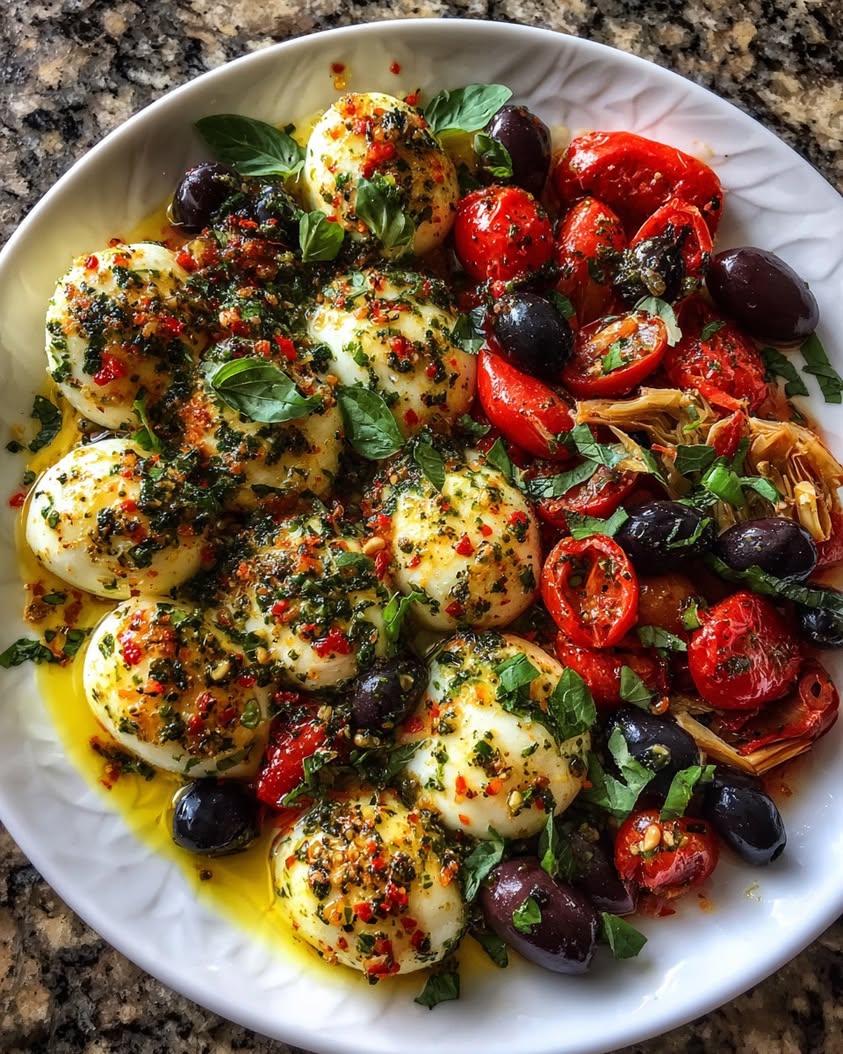
Mediterranean Antipasto with Lemon-Herb Mozzarella and Olives: A Vibrant, Shareable Feast
Imagine a platter that captures the essence of the Mediterranean coast. This Mediterranean antipasto is exactly that. It is a stunning, no-cook appetizer built for sharing and celebration. Moreover, it brings together the bright, sun-drenched flavors of the region in every bite. This recipe features creamy mozzarella balls marinated in a vibrant lemon-herb dressing, paired with an array of briny olives and crisp, colorful vegetables. Consequently, it is a feast for the eyes as much as the palate.
Creating this Mediterranean antipasto platter is wonderfully simple. In fact, it requires absolutely zero cooking. The magic happens through assembly and a quick marinade. You simply combine fresh ingredients on a large board or platter. The result is an impressive centerpiece that feels both rustic and elegant. This dish is perfect for casual gatherings, holiday parties, or even a luxurious snack. Ultimately, it transports you to a seaside Italian villa with minimal effort.
The beauty of this Mediterranean antipasto lies in its flexibility. You can tailor it to your preferences and what is seasonally available. The lemon-herb mozzarella provides a tangy, creamy anchor. Meanwhile, the assortment of olives adds a satisfying salty depth. Fresh vegetables contribute crunch and sweetness. Every component works in harmony. Therefore, this platter is not just food; it is an experience of texture and flavor.
Quick Recipe Highlights
- Flavor Profile: This Mediterranean antipasto delivers a symphony of tastes. Expect bright, citrusy notes from the lemon-herb marinade cutting through the rich, creamy mozzarella. Additionally, the briny, salty punch of the olives balances the sweet, fresh vegetables. Ultimately, each element creates a complex and satisfying bite.
- Texture: The experience is a delightful play on textures. You get the soft, yielding creaminess of the marinated mozzarella balls. Conversely, the olives offer a firm, meaty bite. Crisp vegetables like bell peppers and artichokes provide a refreshing crunch. This variety makes every forkful interesting.
- Aroma: The aroma is instantly inviting and fresh. First, you will notice the bright scent of lemon zest and extra virgin olive oil. Then, the earthy fragrance of fresh herbs like oregano and basil comes through. Finally, the subtle brine of the olives completes the sensory picture.
- Visual Appeal: This platter is a masterpiece of color. Vibrant red cherry tomatoes, green and black olives, yellow bell peppers, and white mozzarella create a stunning mosaic. Artfully arranged on a wooden board, it looks abundant and celebratory. It is food designed to be photographed and admired.
- Skill Level Needed: This recipe is perfect for beginners. It requires no advanced techniques, just simple chopping and mixing. The most important skill is an eye for attractive arrangement. Anyone can create a beautiful and delicious Mediterranean antipasto with minimal guidance.
- Special Equipment: You need only very basic kitchen tools. A good chef’s knife and cutting board are essential for prepping vegetables. Additionally, a mixing bowl and whisk are needed for the lemon-herb marinade. Finally, a large serving platter or wooden board is crucial for presentation.
Recipe Overview
- Difficulty Level: This Mediterranean antipasto is classified as easy for several reasons. First, it involves no heat application or precise cooking times. Second, the techniques are fundamental: washing, cutting, and mixing. Third, ingredient measurements are forgiving and adaptable. Consequently, it is a stress-free recipe ideal for entertaining.
- Category: This dish falls squarely into the appetizer and snack categories. It is designed to be shared as a starter before a larger meal. Alternatively, it can serve as the main focus of a light lunch or grazing dinner. It also fits perfectly into the charcuterie and party food genres.
- Cuisine: The recipe is firmly rooted in Italian culinary tradition, specifically from the antipasto course. Antipasto means “before the meal.” This platter draws inspiration from coastal regions of Italy and broader Mediterranean cuisine. It emphasizes fresh, high-quality ingredients with simple preparation.
- Cost: Creating this Mediterranean antipasto is moderately affordable. The cost hinges on the quality of olives, cheese, and olive oil you select. Shopping at grocery store olive bars and buying mozzarella in bulk can reduce expense. Overall, it provides impressive visual impact and flavor for a reasonable investment.
- Season: This platter is truly a year-round recipe. However, it shines brightest in spring and summer. During these seasons, the fresh vegetables and herbs are at their peak flavor and affordability. The bright, refreshing qualities also make it ideal for warm-weather entertaining.
- Occasion: It is incredibly versatile for different events. It is perfect for casual weekend gatherings, holiday parties, and potlucks. Furthermore, it makes an elegant addition to bridal or baby showers. It is also ideal for a romantic at-home date night or a solo treat.
Why You’ll Love This Recipe
You will adore the incredible taste and texture of this Mediterranean antipasto. Every bite offers a new combination of creamy, briny, and crisp elements. The lemon-herb mozzarella is irresistibly tangy and rich. Meanwhile, the variety of olives provides a deep, savory umami flavor. The fresh vegetables cleanse the palate and add sweetness. This balance ensures you never grow tired of eating it. The experience is both refreshing and deeply satisfying.
The convenience factor of this platter is a major win. Since there is no cooking involved, you avoid heating up the kitchen. Preparation is straightforward and can be done in under twenty minutes. This makes it a lifesaver for last-minute guests or when you are short on time. You can even prepare components ahead of time. Simply assemble everything on the platter just before serving. It is the ultimate in easy yet impressive entertaining.
From a nutritional standpoint, this Mediterranean antipasto is a powerhouse. It is packed with healthy fats from olive oil and olives, which are heart-healthy. The fresh vegetables deliver essential vitamins, minerals, and fiber. Mozzarella provides a good source of protein and calcium. This combination makes for a snack that is both delicious and nourishing. It aligns perfectly with the celebrated Mediterranean diet principles.
The social and entertaining value of this dish cannot be overstated. A beautifully arranged antipasto platter naturally becomes the center of any gathering. It encourages sharing, conversation, and a relaxed dining atmosphere. Guests can graze at their own pace and customize their bites. It takes the pressure off the host, as the food is ready and waiting. This creates a warm, inviting environment for any party.
Finally, this recipe is cost-effective and accessible. You do not need expensive or rare ingredients. Most components are readily available at any well-stocked supermarket. You can easily scale the recipe up or down based on your guest count. Additionally, it reduces food waste, as leftover vegetables and cheese can be used in salads or pasta. It delivers maximum flavor and visual impact for a minimal investment of time and money.
Historical Background and Cultural Significance
The tradition of antipasto has deep roots in Italian culinary history. The term literally translates to “before the meal.” Historically, it was a course designed to stimulate the appetite for the richer dishes to follow. In rural Italy, this often meant simple, preserved foods like olives, cured meats, and pickled vegetables. These were items that could be stored without refrigeration. Over time, the antipasto evolved into a more elaborate display of regional specialties.
Culturally, antipasto represents the Italian philosophy of “la dolce vita” – the sweet life. It is about savoring good food, good company, and taking time to enjoy a meal. The practice of sharing a communal platter fosters connection and conversation. In many Italian households, the antipasto course is a non-negotiable start to a festive meal. It sets the tone for the dining experience to come. This Mediterranean antipasto platter is a modern interpretation of that cherished tradition.
The evolution of the antipasto recipe mirrors changes in global trade and agriculture. Originally reliant on preserved goods, the course now celebrates fresh, seasonal produce. The inclusion of items like fresh mozzarella and bell peppers reflects greater availability. The concept of a “platter” or “board” has also gained international popularity through the charcuterie trend. However, the core principles remain: variety, balance, and the celebration of simple, high-quality ingredients.
Regional variations of antipasto are fascinating. In coastal regions, you will find more seafood like anchovies and marinated squid. Inland areas might feature more cured meats and aged cheeses. Southern Italian versions often include roasted peppers and eggplants. Our recipe, with its focus on marinated cheese, olives, and fresh veggies, is a versatile blend. It draws inspiration from several Mediterranean traditions to create a universally appealing spread.
Ingredient Deep Dive
Mozzarella balls, or bocconcini, are the star of this Mediterranean antipasto. This fresh cheese has origins in southern Italy, traditionally made from water buffalo milk. Today, cow’s milk mozzarella is widely available and perfect for marinating. Nutritionally, it provides protein, calcium, and phosphorus. When selecting mozzarella for this platter, choose fresh balls packed in water for the best texture and mild flavor. Store them in their liquid in the refrigerator and use within a few days of opening. For a dairy-free version, marinated tofu cubes or vegan mozzarella can be excellent substitutes.
Extra virgin olive oil is the liquid gold of the Mediterranean. It is not just a cooking fat but a foundational flavor. The best oils come from the first cold pressing of olives, retaining fruity and peppery notes. It is rich in monounsaturated fats and antioxidants, which are beneficial for heart health. For this recipe, use a good-quality oil you enjoy tasting raw. Store it in a cool, dark place to prevent rancidity. While other oils can be used, none will replicate the authentic flavor essential to this Mediterranean antipasto.
Olives are ancient fruits with immense cultural significance across the Mediterranean basin. They symbolize peace and wisdom. For this platter, using a mix like Kalamata (briny and dark), Castelvetrano (buttery and green), and maybe a few oil-cured olives creates complexity. They are a great source of healthy fats and vitamin E. Purchase from an olive bar for freshness and variety. Store leftover olives in their brine in the refrigerator. If you are not an olive fan, marinated artichoke hearts or roasted peppers can provide a similar savory, tangy element.
Fresh herbs like basil and oregano are the aromatic soul of the dish. Basil, with its sweet, peppery flavor, is iconic in Italian cooking. Oregano offers a more earthy, robust note. Both are packed with phytochemicals and have anti-inflammatory properties. Always choose vibrant, unwilted bunches. The best way to store them is like flowers: stems in a glass of water in the fridge. If fresh herbs are unavailable, use about one-third the amount of dried herbs. However, fresh herbs make a significant difference in the bright flavor of this Mediterranean antipasto.
Common Mistakes to Avoid
- Using low-quality olive oil. Since the oil is not cooked, its flavor is front and center. A bland or rancid oil will ruin the marinade. Always use a fresh, flavorful extra virgin olive oil for the best results in your Mediterranean antipasto.
- Marinating the mozzarella for too long. Fresh mozzarella can become mushy and overly acidic if left in the lemon juice marinade for more than a few hours. Aim for 30 minutes to 2 hours for optimal texture and flavor absorption.
- Not draining ingredients properly. Wet vegetables or olives will water down the marinade and make the platter soggy. Always pat dry cherry tomatoes, artichoke hearts, and any other ingredients packed in liquid before adding them to the board.
- Overcrowding the platter. An antipasto board should look abundant but not chaotic. Leave a little space between items so guests can easily pick them up. Group similar items together for a more organized and appealing presentation.
- Skipping the acid balance. The lemon juice is crucial for cutting the richness of the cheese and oil. Do not omit it or substitute with vinegar without adjusting quantities, as vinegar can be harsher. Fresh lemon juice provides the perfect bright note.
- Using only one type of olive. A single variety can be monotonous. The beauty of a Mediterranean antipasto is in the variety of flavors and textures. Include at least two or three different kinds of olives for a more interesting experience.
- Forgetting to bring components to room temperature. Serving cheese and olives straight from the fridge mutes their flavors. Take the platter out about 20-30 minutes before serving to allow the full aromas and tastes to blossom.
- Neglecting the garnish. A final sprinkle of fresh herbs or lemon zest adds a pop of color and a burst of fresh aroma. It is the difference between a platter that looks thrown together and one that looks professionally crafted.
Essential Techniques
Creating the lemon-herb marinade is a foundational technique. Whisking the olive oil and lemon juice vigorously is key to creating a temporary emulsion. This helps the flavors coat the mozzarella evenly. Add the minced herbs, salt, and pepper last to preserve their fresh taste. The goal is a well-balanced, zesty dressing that will infuse the cheese without overpowering it. A common pitfall is not tasting the marinade as you go. Adjust seasoning before adding the cheese to ensure it is perfectly balanced for your Mediterranean antipasto.
Properly draining and drying ingredients is crucial for texture and flavor. After removing mozzarella from its water, pat the balls gently but thoroughly with a paper towel. This allows the marinade to adhere instead of sliding off a wet surface. Similarly, rinse olives if they are overly salty from their brine, then dry them. For jarred artichokes or roasted peppers, press them between paper towels to remove excess moisture. This step prevents a watery platter and ensures every component shines in your Mediterranean antipasto.
Artful arrangement is the technique that elevates this from a bowl of ingredients to a stunning centerpiece. Start by placing larger items like bowls of olives or clusters of mozzarella on the board first to anchor the composition. Then, fill in spaces with groups of vegetables, creating little bursts of color. Use the natural shapes of the ingredients to guide you—create lines with asparagus or circles with tomato clusters. The visual appeal is a major part of the enjoyment, making the platter inviting and Instagram-worthy.
Pro Tips for Perfect Mediterranean Antipasto
For the most vibrant flavor, use the zest of the lemon in addition to the juice. The zest contains aromatic oils that add an intense citrus perfume without extra acidity. Simply grate the yellow part of the peel finely into your marinade.
Warm your serving platter slightly before assembling. A room-temperature or slightly warm board will help release the aromas of the olive oil and herbs as soon as you place the food on it, enhancing the sensory experience.
Add a surprise element for texture contrast. Toasted pine nuts, walnuts, or even crispy breadcrumb-like pangrattato sprinkled over the platter add a wonderful crunch that contrasts with the creamy cheese and soft vegetables.
If using cherry tomatoes, consider giving them a quick pickle. Toss them in a splash of the marinade for 10-15 minutes before assembling. This slightly softens their skin and infuses them with herby flavor.
Roll your herb leaves instead of chopping them for a more elegant look. Stack basil leaves, roll them tightly into a cigar shape, and then slice thinly to create beautiful ribbons (chiffonade) for garnish.
Include something sweet to balance the salty and tangy elements. A small dish of fig jam, a handful of fresh grapes, or even some dried apricots tucked into a corner of the platter can be a delightful discovery for your guests.
Use different heights to create visual interest. Place a small bowl or inverted cup under a section of your cheesecloth or lettuce leaf to elevate a group of ingredients, adding dimension to your Mediterranean antipasto platter.
Finish with a final flourish of flaky sea salt and a fresh drizzle of olive oil just before serving. This last-minute addition makes everything glisten and boosts the flavors right at the moment of eating.
Variations and Adaptations
For regional variations, consider the flavors of different Mediterranean coasts. A Greek-inspired version could include feta cheese, kalamata olives, cucumber slices, and dolmades (stuffed grape leaves). A Spanish twist might feature manchego cheese, marcona almonds, and padrón peppers. A Provençal take could include tapenade, herbes de Provence in the marinade, and fresh radishes. These adaptations keep the spirit of the Mediterranean antipasto while exploring specific culinary traditions.
Seasonal adaptations are easy and recommended. In spring, add blanched asparagus tips and fresh peas. Summer calls for ripe cherry tomatoes and fresh basil. Autumn welcomes roasted squash cubes and pomegranate seeds. Winter versions can include roasted root vegetables and preserved lemons. Adjusting the vegetable components with the seasons ensures peak flavor and keeps your platter exciting year-round.
Dietary modifications are straightforward for this flexible dish. For a vegan Mediterranean antipasto, replace the mozzarella with marinated tofu cubes, vegan cheese, or a white bean salad. Ensure all packaged items like olives are vegan-friendly. For a keto or low-carb version, focus on the cheese, olives, and non-starchy vegetables like peppers and artichokes, avoiding carrots or beans. Gluten-free needs are naturally met, but always check labels on any marinated or jarred products for hidden gluten.
Serving and Presentation Guide
Plating techniques for a Mediterranean antipasto should feel organic and abundant. Use a large wooden board, a slate slab, or even a large ceramic platter as your canvas. Start by placing any small bowls or ramekins first to hold loose items like olives or dips. Then, arrange the marinated mozzarella in a central cluster. Fan out vegetable groups around the board, creating little pockets of color. The goal is a composition that looks full but not messy, where every item is accessible.
Garnishing is the final touch that adds professionalism. Scatter the reserved herb leaves or chiffonade over the entire platter. A final grind of black pepper and a sprinkle of flaky sea salt add texture. Edible flowers like nasturtiums or borage are a stunning, restaurant-worthy addition. Even a few whole sprigs of fresh herbs tucked between items can look beautiful. Remember, we eat with our eyes first, especially with a shareable dish like this.
Traditional accompaniments include crusty bread, grissini (breadsticks), or plain crackers for scooping and balancing bites. For a modern touch, offer seeded crackers, lavash, or even endive leaves as low-carb vessels. Small dishes of high-quality balsamic glaze for drizzling or a spicy ‘nduja spread can be offered on the side. Providing small plates, napkins, and plenty of toothpicks or small forks makes grazing easy and elegant for your guests.
Wine and Beverage Pairing
Wine pairings for this Mediterranean antipasto should complement its bright, salty, and herbal notes. A crisp, dry white wine like Pinot Grigio, Vermentino, or a Greek Assyrtiko works beautifully. Their acidity cuts through the richness of the cheese and oil. For red wine lovers, a light-bodied, low-tannin red like a Chianti Classico or a Frappato is excellent—avoid heavy, oaky reds that will clash. Rosé is a perfect middle ground, especially a dry Provençal style, mirroring the sunny flavors of the platter.
Non-alcoholic alternatives can be just as sophisticated. Sparkling water with a twist of lemon or lime is a classic, cleansing choice. For something more crafted, try an herbal iced tea infused with mint and lemon verbena. A virgin spritz made with blood orange juice, non-alcoholic bitters, and soda water feels festive. Even a simple, high-quality lemonade allows the flavors of the Mediterranean antipasto to remain the star of the show.
Storage and Shelf Life
Storage methods for leftovers require separating components. Any remaining marinated mozzarella should be stored in an airtight container in its marinade in the refrigerator for up to 2 days. The texture will soften further. Olives and pickled items can be returned to their original containers or stored in brine. Fresh vegetables like bell peppers and tomatoes are best stored separately in the fridge and consumed within a day or two for optimal crispness.
Signs of spoilage to watch for include an off or sour smell, especially from the dairy component. Mozzarella that has become slimy or developed an unusual color should be discarded. Vegetables that have become excessively soft or moldy must be thrown out. The olive oil in the marinade may solidify in the fridge; this is normal and will liquefy again at room temperature. If the entire platter has been left at room temperature for more than 2 hours, it is safest to discard any perishable items.
Make Ahead Strategies
You can efficiently prep this Mediterranean antipasto ahead of time. The lemon-herb marinade can be whisked together up to a day in advance and stored in the fridge. Chop all your vegetables and store them in separate airtight containers or bags. Drain and pat dry the mozzarella balls. Then, 30 minutes to an hour before your event, combine the mozzarella with the marinade. Finally, assemble the entire platter just before guests arrive. This keeps vegetables crisp and the presentation fresh.
For quality, marinating the cheese for the recommended 30-minute to 2-hour window is key for the best texture. Pre-chopping herbs can cause them to wilt and discolor; it is best to chop them just before using. If you must chop herbs early, store them wrapped in a slightly damp paper towel in a sealed bag. Assemble the platter no more than an hour before serving to prevent sogginess, especially from ingredients like tomatoes that release water.
Scaling Instructions
Halving the recipe for a smaller gathering is simple. Use half the amount of each ingredient. You may not need to reduce the marinade recipe by exactly half, as you need enough to coat the cheese. A good rule is to use 3 tablespoons of oil and 1 tablespoon of lemon juice for 8 ounces of mozzarella. The assembly platter can simply be a smaller board or a decorative plate. Timing remains the same, as no cooking is involved.
Doubling or tripling for a crowd is where this Mediterranean antipasto truly shines. Multiply all ingredients accordingly. Use multiple mixing bowls for marinating the cheese to ensure even coating. For presentation, consider creating two separate platters for different ends of a table, or use one very large board as a stunning centerpiece. The prep time will increase linearly with the amount of chopping. Enlist help to make the process faster and more enjoyable.
Nutritional Deep Dive
This Mediterranean antipasto offers a favorable macro breakdown. The healthy fats from olive oil and olives provide sustained energy and satiety. The mozzarella contributes a good amount of protein, which helps with muscle repair and feeling full. The vegetables are low in calories but high in volume and fiber, aiding digestion. While exact numbers vary with portions, this platter is generally lower in carbohydrates, especially if you go easy on the bread served alongside. It is a balanced snack or starter.
The micronutrient profile is impressive. Olives and olive oil are rich in vitamin E, a powerful antioxidant. Bell peppers, especially red and yellow ones, are loaded with vitamin C. Leafy herbs like basil provide vitamin K. Artichokes are a source of folate and magnesium. This combination supports immune function, bone health, and overall cellular protection. Eating a varied platter like this is an enjoyable way to consume a wide spectrum of nutrients essential to the Mediterranean diet.
Dietary Adaptations
For a vegan adaptation, omit the mozzarella. In its place, use marinated cubes of extra-firm tofu or a store-bought vegan mozzarella. Chickpeas or white beans marinated in the same lemon-herb dressing also work wonderfully. Ensure all other components, like olives from a bar, are vegan (some may be processed with animal products). Add more vegetables like roasted cauliflower or marinated mushrooms to fill out the platter.
For a dairy-free version, follow the vegan guidance but feel free to include other non-dairy items like cured meats if desired. The key is finding a satisfying substitute for the creamy element. Avocado slices, though not marinated, can provide a similar rich texture on the side. There are many high-quality almond or cashew-based “cheese” products available that can be cubed and marinated.
For a Whole30 or Paleo adaptation, ensure the mozzarella is omitted, as dairy is excluded. Focus on high-quality olives, a variety of vegetables, and maybe some compliant cured meats like prosciutto (check for sugar). Use the lemon-herb olive oil dressing liberally. Add nuts like almonds or walnuts and fresh fruit like berries or apple slices to round out the platter with healthy fats and natural sugars.
Troubleshooting Guide
If your platter looks dry or dull, you likely need more dressing. Whip up a quick extra batch of the lemon-herb marinade. Drizzle it over the assembled platter, focusing on the vegetables that might not have been marinated. A final glossy coat of olive oil also makes everything look more appetizing and adds a burst of flavor.
If the flavors taste flat, you probably need more acid or salt. Squeeze a little fresh lemon juice directly over the platter. Sprinkle with flaky sea salt. Sometimes, the flavors just need to wake up; let the platter sit for 5-10 minutes after this adjustment before tasting again. The salt will help draw out the natural flavors of the vegetables and cheese.
If vegetables are wilting or releasing too much water, you may have chopped them too far in advance or not dried them well. For a quick fix, remove any visibly soggy pieces and replace them with freshly chopped, well-dried ones. In the future, chop vegetables closer to serving time and be diligent about the drying step.
Recipe Success Stories
Community feedback on this Mediterranean antipasto recipe consistently highlights its reliability for entertaining. Many home cooks share that it has become their “go-to” appetizer because it always receives compliments. Readers love how it frees them from the kitchen to enjoy their own party. Several have noted that even picky eaters find something they enjoy on the varied platter. The adaptability for different diets is also frequently praised, making it a safe choice for mixed groups.
Variation successes from readers are inspiring. One reader created a “Mediterranean Mezze” version by adding hummus, baba ganoush, and pita bread. Another made it a main course by adding grilled shrimp skewers laid across the top. A parent shared that they use cookie cutters to cut the cheeses and vegetables into fun shapes for a kid-friendly platter. These adaptations show the recipe’s fantastic versatility as a template for creativity.
Frequently Asked Questions
Can I make this Mediterranean antipasto platter the night before? You can prep all components, but assemble the platter no more than 1-2 hours before serving for the best texture. Marinate the cheese for only 30 minutes to 2 hours max to prevent mushiness. Store chopped veggies separately in the fridge.
What are the best olives to use? A mix is ideal for variety. Include a buttery green olive like Castelvetrano, a briny black Kalamata, and maybe a few oil-cured or stuffed olives for interest. This provides a range of flavors and textures on your platter.
Can I use regular block mozzarella instead of balls? Yes, absolutely. Cut a block of fresh mozzarella into one-inch cubes. The marinating process and final result will be very similar. Just ensure the pieces are roughly uniform for even flavoring.
How long do leftovers last? Store components separately in airtight containers in the fridge. The marinated cheese is best within 2 days. Vegetables like peppers and tomatoes are best eaten within 1-2 days for crispness. Olives will last for several days.
What can I serve with this besides bread? Grissini (breadsticks), seeded crackers, endive leaves, or even plain pita chips are great. For a low-carb option, the platter is delicious on its own or with slices of cucumber for scooping.
Is this considered a healthy appetizer? Yes, it aligns with Mediterranean diet principles. It features healthy fats from olive oil and olives, protein from cheese, and vitamins from fresh vegetables. Portion control is easy since it is a graze-style dish.
Can I add meat to this platter? Of course. Traditional antipasto often includes cured meats. Add prosciutto, salami, or soppressata slices, rolling or folding them for an attractive presentation. This makes the platter even more substantial.
My mozzarella became rubbery. What happened? This can happen if you used low-moisture, pre-shredded mozzarella meant for pizza. For this recipe, always use fresh mozzarella balls (bocconcini) or a fresh mozzarella log packed in water for the soft, creamy texture.
Can I use dried herbs instead of fresh? You can, but the flavor will be different—more earthy and less bright. Use about one-third the amount of dried herbs compared to fresh. For example, 1 teaspoon dried oregano instead of 1 tablespoon fresh.
What’s a good vegan substitute for the mozzarella? Marinated tofu cubes are excellent. Use extra-firm tofu, press out excess water, cube it, and marinate as you would the cheese. Vegan mozzarella brands or even marinated chickpeas also work well.
Additional Resources
If you loved this Mediterranean antipasto, explore other recipes that celebrate similar flavors. A classic Caprese salad is a simpler cousin. For a warm option, try roasted Mediterranean vegetables with feta. A Greek salad or an Italian panzanella (bread salad) also uses overlapping ingredients in different formats. These dishes all embrace the philosophy of fresh, vibrant, and simple preparation.
To deepen your technique, learning about selecting and storing fresh herbs will benefit all your cooking. Understanding the different grades of olive oil (extra virgin vs. regular) is also valuable. For presentation skills, studying basic principles of food styling and platter composition can make all your entertaining dishes look more professional. The Mediterranean antipasto is a perfect practice canvas for these skills.
PrintMediterranean Antipasto with Lemon-Herb Mozzarella and Olives
Description
A vibrant, shareable platter featuring fresh mozzarella marinated in zesty lemon and herbs, paired with briny olives, roasted vegetables, and cured meats for a classic Mediterranean appetizer.
Ingredients
For the Crust:
- 1 lb fresh mozzarella balls (ciliegine or bocconcini)
- 1/4 cup extra virgin olive oil
- 2 tbsp fresh lemon juice
- 2 cloves garlic, minced
- 2 tbsp chopped fresh basil
- 1 tbsp chopped fresh oregano
- 1 tsp lemon zest
- 1/2 tsp red pepper flakes
- 1 cup mixed olives (such as Kalamata and Castelvetrano)
- 1 cup cherry tomatoes, halved
- 1/2 cup roasted red peppers, sliced
- 1/2 cup marinated artichoke hearts
- 4 oz sliced prosciutto or salami
- Crusty bread or crackers for serving
Instructions
1. Prepare the Crust:
- In a medium bowl, whisk together olive oil, lemon juice, garlic, basil, oregano, lemon zest, red pepper flakes, salt, and pepper.
- Add mozzarella balls to the bowl and toss gently to coat. Let marinate at room temperature for 15-20 minutes.
- Arrange marinated mozzarella, olives, cherry tomatoes, roasted red peppers, artichoke hearts, and cured meats on a large platter.
- Drizzle any remaining marinade over the platter.
- Serve immediately with crusty bread or crackers.
Notes
You can customize the seasonings to taste.

I’m Shaykee—born in Morocco, seasoned across continents. From airplane galleys to home kitchens, I share the flavors and stories that shaped my journey.