
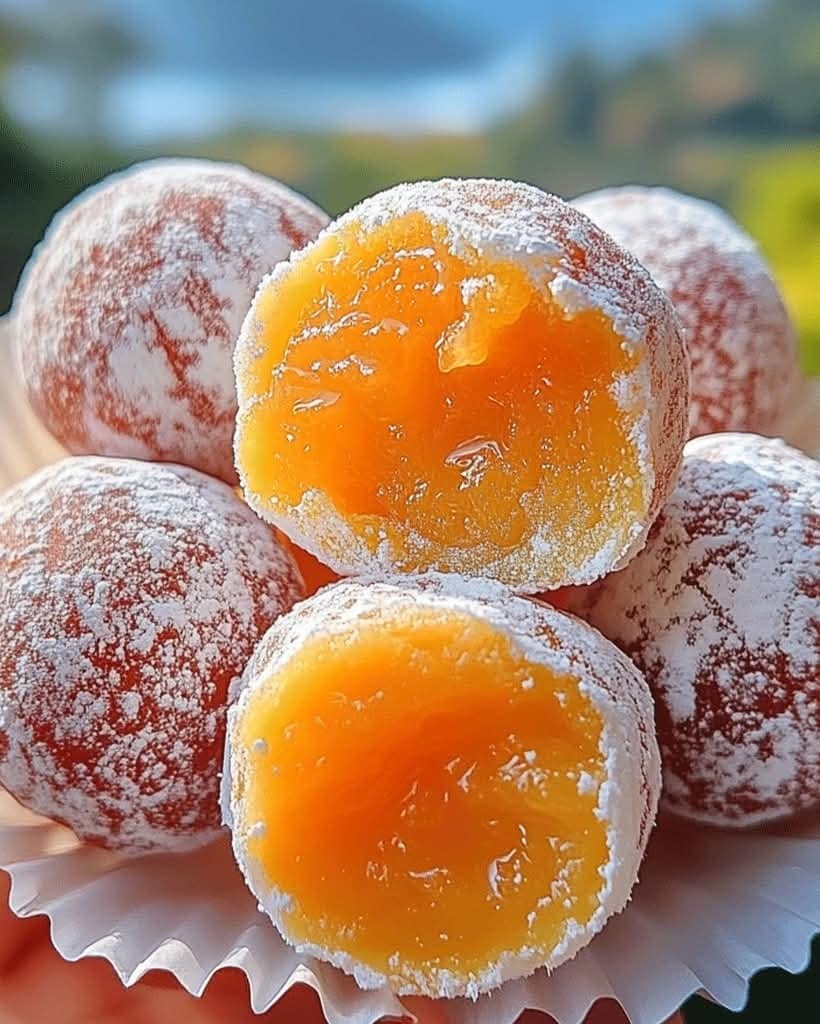
Creamy, dreamy Orange Creamsicle Truffles! An easy, no-bake citrus treat that tastes like summer.
Imagine capturing the pure joy of a sunny summer day in a single, decadent bite. These Orange Creamsicle Truffles do exactly that, transforming the nostalgic flavor of a classic frozen treat into an elegant, no-bake dessert. Furthermore, they combine a velvety, citrus-infused white chocolate center with a rich, dark chocolate shell, creating a perfect harmony of sweet and tangy. Consequently, this recipe offers a foolproof path to an impressive homemade candy that will delight both children and adults.
Remarkably, you do not need any special equipment or advanced baking skills to create these stunning dessert truffles. In fact, the process is wonderfully straightforward, involving simple mixing, chilling, and dipping. The result is a professional-looking confection that is perfect for gifting, parties, or satisfying a sudden sweet craving. Ultimately, these Orange Creamsicle Truffles prove that the most spectacular desserts often come from the simplest recipes.
Quick Recipe Highlights
- Flavor Profile: These truffles deliver a vibrant burst of sweet and tangy orange, perfectly balanced by the deep, rich notes of dark chocolate. The primary taste is a direct homage to the classic creamsicle, with a sophisticated chocolate twist that elevates the entire experience.
- Texture: The interior is luxuriously creamy and smooth, almost melting on the tongue, while the outer shell provides a satisfying, delicate snap. This delightful contrast between the soft center and the firm coating is a key part of their addictive appeal.
- Aroma: As you prepare them, the zesty, uplifting scent of fresh orange zest will fill your kitchen. This bright citrus aroma beautifully complements the sweet, comforting fragrance of melting chocolate, creating an irresistible olfactory preview.
- Visual Appeal: Each truffle is a small work of art, with a glossy, dark chocolate exterior that hints at the bright orange center within. A delicate drizzle of white chocolate and a sprinkle of zest adds a final touch of elegance.
- Skill Level Needed: This recipe is intentionally designed for beginners, requiring no cooking or complex techniques. Essentially, if you can stir ingredients together and roll a ball, you can successfully create these impressive easy dessert truffles.
- Special Equipment: You only need a microwave or double boiler for melting chocolate, a couple of mixing bowls, and a baking sheet. A small cookie scoop is helpful for uniform sizing but is not mandatory.
Recipe Overview
- Difficulty Level: We classify these Orange Creamsicle Truffles as easy because the process involves no baking and uses simple, mix-and-chill methods. There are no temperamental elements like caramel or tempered chocolate required, making it a very forgiving recipe for first-time truffle makers. The most complex step is dipping the centers in chocolate, which becomes effortless with a few pro tips.
- Category: This recipe falls squarely into the dessert category, specifically as a confectionery or candy. It is an ideal choice for a no-bake dessert, a sweet treat for a party platter, or a homemade edible gift for friends and family.
- Cuisine: While not tied to a specific traditional cuisine, these truffles are inspired by the American classic creamsicle flavor combination. The technique of making chocolate truffles has French origins, but this particular flavor profile is a modern, playful twist on that foundation.
- Cost: This is a very cost-effective dessert to prepare at home. The primary expenses are high-quality white and dark chocolate. Importantly, making these dessert truffles yourself is significantly cheaper than purchasing similar artisan chocolates from a specialty store.
- Season: These truffles are fantastic year-round but truly shine during the spring and summer months. Their bright, citrusy flavor provides a refreshing counterpoint to warm weather, making them a perfect poolside or picnic treat.
- Occasion: They are incredibly versatile for any event, from casual family gatherings and birthday parties to more formal holiday feasts and bridal showers. Packaged in a nice box, they also make a thoughtful and personalized gift for any occasion.
Why You’ll Love This Recipe
First and foremost, the taste and texture of these Orange Creamsicle Truffles are utterly irresistible. The moment you bite through the crisp dark chocolate shell, your teeth sink into a fantastically smooth and creamy center that bursts with the nostalgic flavor of orange and vanilla. This combination of rich chocolate and bright citrus is a classic for a very good reason; it is simply a perfect pairing that delights the palate. Moreover, the contrast between the firm outer layer and the soft, almost mousse-like interior creates a dynamic eating experience that keeps you coming back for just one more.
From a practical standpoint, the convenience of this recipe is a major win. Since these are no-bake dessert truffles, you can make them without ever turning on your oven, which is a huge bonus during hot summer months. The active preparation time is surprisingly short, requiring only about twenty minutes of hands-on work. The majority of the time is dedicated to chilling, which is hands-off and allows you to attend to other tasks. Consequently, this makes the recipe an excellent choice for busy individuals who want to create a beautiful dessert without spending hours in the kitchen.
Additionally, you have complete control over the quality of ingredients that go into your easy dessert. You can choose organic oranges, high-cacao dark chocolate, and a high-quality vanilla extract, ensuring a superior final product. This is a significant advantage over store-bought versions, which often contain preservatives, artificial flavors, and high-fructose corn syrup. By making them at home, you create a treat that is not only more delicious but also can be tailored to your specific dietary preferences and ingredient standards.
The social and entertaining value of these truffles cannot be overstated. Arranged on a decorative platter, they look incredibly professional and elegant, guaranteed to draw compliments from your guests. They are the perfect bite-sized sweet to end a dinner party, as they are not overly heavy. Furthermore, their make-ahead nature means you can prepare them days in advance, relieving stress on the day of your event. Gifting a box of these homemade Orange Creamsicle Truffles is a genuine gesture of care that is always warmly received.
Finally, the cost-effectiveness and accessibility of this recipe make it a standout. The ingredient list is short and consists of items readily available at any standard grocery store. Creating two dozen beautiful truffles at home costs a fraction of what you would pay for a similar quantity from a chocolatier. This accessibility ensures that anyone, regardless of their cooking background or budget, can successfully create and enjoy this delightful citrus treat. It is a dessert that feels luxurious and special without requiring a luxurious investment of time or money.
Historical Background and Cultural Significance
The origin of the creamsicle flavor is a fascinating piece of American food history. The Popsicle company officially introduced the Creamsicle brand in the early 20th century, with the classic orange and vanilla bar becoming an instant icon. This innovation combined the refreshing quality of fruit ice with the rich, creamy texture of ice cream, creating a unique hybrid that captured the nation’s heart. The name itself is a portmanteau of “cream” and “popsicle,” perfectly describing its dual nature. This treat quickly became synonymous with summer, childhood, and carefree days, embedding itself deeply into American cultural memory.
The cultural importance of the creamsicle is profound, representing a specific form of nostalgic Americana. For decades, it has been a staple of ice cream trucks, neighborhood convenience stores, and backyard barbecues. The distinct flavor profile is so powerful that it instantly evokes memories of sunny afternoons and simple pleasures. Consequently, this deep-seated cultural connection is what makes desserts like our Orange Creamsicle Truffles so immediately appealing; they tap directly into a well of positive, shared experiences. The flavor is not just a taste, but a feeling of warmth and nostalgia.
The evolution of the creamsicle from a frozen novelty to a versatile dessert flavor is a testament to its enduring popularity. Over the years, chefs and home cooks have sought to reinterpret this beloved combination in new and exciting forms. We have seen it appear in cakes, cocktails, milkshakes, and now, elegantly enrobed in chocolate as truffles. This translation from a frozen treat to a creamy confection showcases the versatility of the core flavor pairing. Our recipe for Orange Creamsicle Truffles is a part of this ongoing evolution, offering a more adult, sophisticated take on a childhood favorite.
While the creamsicle is distinctly American, the concept of combining citrus and cream has echoes in various global cuisines. For instance, the French have long paired orange with chocolate in desserts like the classic Orange Soufflé. Italian cuisine features creamy gelatos often flavored with citrus zest. Our dessert truffles represent a beautiful fusion of this American flavor icon with the French technique of ganache-based truffle making. This cross-cultural culinary dialogue results in a treat that feels both familiar and novel, honoring tradition while embracing modern dessert trends.
Ingredient Deep Dive
White Chocolate Chips form the creamy base of the truffle center. Culturally, white chocolate, made from cocoa butter, sugar, and milk solids, was a 20th-century Swiss invention, offering a milder alternative to dark chocolate. Nutritionally, it provides calcium from the milk content but is also high in sugar and fat, so moderation is key. For selection, always choose a brand that lists cocoa butter as the first ingredient, avoiding those that use vegetable oils. Store white chocolate in a cool, dark place to prevent it from developing a stale flavor or discoloration. For substitutions, you can use a high-quality white chocolate bar chopped finely, but avoid white candy melts for the best flavor and texture.
Cream Cheese is the secret ingredient that provides the truffle’s signature tangy creaminess and helps firm up the filling. Historically, cream cheese originated in the United States in the late 19th century, with Philadelphia brand becoming a household name. It is a fresh cheese known for its smooth, spreadable texture. From a nutritional standpoint, it offers protein and vitamin A, though it is also high in saturated fat. For this recipe, you must use full-fat, brick-style cream cheese, not the spreadable or low-fat varieties, to ensure the truffle mixture sets properly. Keep it refrigerated until the moment you need it, and bring it to room temperature for easier mixing.
Orange Zest is the powerhouse of flavor, providing the intense, aromatic citrus essence that defines these truffles. The use of citrus zest in cooking dates back centuries across Asia and the Mediterranean, valued for the potent oils found in the fruit’s skin. Nutritionally, orange zest is rich in fiber, vitamin C, and powerful antioxidants like flavonoids. When selecting oranges, choose ones that are firm, heavy for their size, and have a brightly colored, unblemished skin, ideally organic since you are using the outer layer. To store oranges, keep them at room temperature for short-term use or in the refrigerator for longer freshness. There is no true substitute for fresh orange zest, as extracts lack the vibrant, fresh quality.
Dark Chocolate Melting Wafers are ideal for creating the perfect shell for your Orange Creamsicle Truffles. Melting wafers are specifically engineered with added oils to melt smoothly and set with a snap, making them superior to baking chocolate for coating. They contain antioxidants from the cocoa, but also sugar and fat. When selecting wafers, look for a brand you trust; the quality of the chocolate will directly impact the final product. Store them in a cool, dry place. If you cannot find wafers, you can substitute high-quality dark chocolate bars chopped finely, but you may need to add a teaspoon of coconut oil per cup of chocolate to achieve a fluid dipping consistency.
Common Mistakes to Avoid
- Using Cold Cream Cheese: Incorporating cold, firm cream cheese directly from the refrigerator will result in a lumpy, difficult-to-mix truffle filling. Always ensure your cream cheese has softened at room temperature for at least 30 minutes before you begin. This simple step guarantees a perfectly smooth and homogenous mixture.
- Overheating the White Chocolate: White chocolate is very delicate and can easily seize or become grainy if overheated. When melting, use short bursts in the microwave, stirring frequently, or use a double boiler for gentle, indirect heat. The chocolate should be just melted and smooth, not hot.
- Neglecting to Chill the Centers: Attempting to dip the truffle centers before they are thoroughly chilled is a recipe for disaster. The soft centers will lose their shape and melt into the chocolate coating. Always chill the rolled balls until they are firm to the touch, which usually takes at least one hour.
- Skipping the Parchment Paper: Placing your truffle centers directly on a baking sheet will cause them to stick and become impossible to remove without damage. Always line your tray with parchment paper or a silicone baking mat to ensure easy removal after chilling.
- Rushing the Dipping Process: Dipping the truffles is a step that requires a bit of patience. Use a fork or a specialized dipping tool to lower the center into the chocolate, then tap off the excess gently. Rushing this can lead to messy, thick, or uneven coatings.
- Adding Liquid Flavorings: Be cautious with liquid orange extract. While a small amount can enhance flavor, adding too much can alter the chemistry of your truffle filling, preventing it from setting properly. The primary flavor should always come from the fresh orange zest.
- Storing at Room Temperature: Due to the cream cheese content, these truffles are perishable and must be stored in the refrigerator. Leaving them out for extended periods can cause them to soften too much and potentially spoil. They are best served slightly chilled.
- Using Low-Quality Chocolate: The flavor of your truffles is only as good as the chocolate you use. Opt for name-brand chocolate chips or melting wafers that you enjoy the taste of on their own. A waxy or low-quality chocolate will compromise the entire dessert.
Essential Techniques
Zesting an Orange is a fundamental technique for unlocking maximum citrus flavor. The goal is to remove only the brightly colored outer zest, which is packed with aromatic oils, while avoiding the bitter white pith beneath. Use a fine-holed microplane zester for the best results, gently scraping the orange in short, swift strokes. Rotate the fruit frequently to ensure you only get the colorful part. The common pitfall is grating too deeply, which introduces bitterness. A visual cue for success is a pile of fluffy, brightly colored zest with no white specks. This fresh zest will provide a far superior flavor compared to any bottled alternative.
Melting Chocolate Properly is critical for both the truffle center and the coating. Chocolate is temperamental and can easily burn or seize. The two best methods are using a double boiler or the microwave. For a double boiler, place a heatproof bowl over a pot of gently simmering water, ensuring the bottom of the bowl does not touch the water. Stir constantly until melted. For the microwave, heat in 20-second intervals at 50% power, stirring thoroughly between each interval. The chocolate is ready when it is just smooth and fluid. A common mistake is overheating, which causes the fat to separate. If this happens, it is very difficult to salvage.
Rolling Consistent Truffle Centers is key for a professional appearance. Once your mixture is chilled and firm, use a small cookie scoop or a teaspoon to portion out the filling. Roll each portion quickly between the palms of your hands to form a smooth ball. Work swiftly, as the heat from your hands can soften the mixture. If it becomes too sticky, dust your hands lightly with powdered sugar or cocoa powder. The goal is uniformly sized balls so they all look identical and require the same dipping time. Inconsistent sizes will lead to some truffles having a thick shell and others a thin one.
Dipping and Coating is the final, transformative technique. Place your melted coating chocolate in a deep, narrow bowl. Drop one chilled truffle center into the chocolate. Use a fork or dipping tool to fully submerge it, then lift it out, gently tapping the fork on the edge of the bowl to remove excess chocolate. Slide the dipped truffle onto a parchment-lined tray. For a clean finish, you can use a toothpick to help slide the truffle off the fork. If the chocolate coating becomes too thick, gently re-warm it. The key is to work efficiently while the centers are still cold.
Pro Tips for Perfect Orange Creamsicle Truffles
For the most vibrant orange flavor, use organic oranges whenever possible. Since you are using the zest, you want to avoid any pesticides or wax that can be present on conventional citrus skin. Furthermore, the essential oils in organic orange zest are often more potent and fragrant.
Chill your truffle centers until they are very firm, even bordering on hard. This extra step makes the dipping process infinitely easier. A firm center will not lose its shape in the warm chocolate and will result in a perfectly round truffle with an even coating.
If your hands warm the truffle mixture too much while rolling, periodically rinse your hands in cold water and dry them thoroughly. This cools your skin and prevents the creamy centers from becoming a sticky mess. Alternatively, wearing disposable food-safe gloves can also help.
For a truly professional drizzle, place your melted white chocolate in a small zip-top bag, snip a tiny corner off, and use it as a piping bag. This gives you much more control than using a spoon, allowing for fine, elegant lines across the finished truffles.
After dipping, if you notice any small imperfections or holes in the chocolate shell, you can use a toothpick to dab a little extra melted chocolate to cover them. It is much easier to fix these issues before the chocolate sets completely.
Let your dipped truffles set at cool room temperature rather than immediately putting them in the fridge. This prevents condensation from forming on the chocolate, which can dull the glossy finish. Once set, then you can transfer them to the refrigerator for storage.
Variations and Adaptations
For delightful regional variations, consider infusing the truffle center with different cultural flavors. A Mexican-inspired version could include a pinch of chili powder and a touch of cinnamon in the dark chocolate coating. A Mediterranean twist might involve adding a half teaspoon of orange flower water to the filling for a floral note. For a tropical feel, you could mix in some finely shredded coconut into the truffle center before rolling. These adaptations allow you to travel the world through the familiar and comforting format of a creamsicle truffle.
Seasonal adaptations are a wonderful way to keep this recipe exciting all year long. In the winter, substitute the orange zest for clementine or mandarin zest for a sweeter, seasonal citrus. During the fall, a dash of pumpkin pie spice in the filling can create a harvest-themed treat. For a spring celebration, you could add a teaspoon of finely chopped dried edible lavender to the white chocolate base for a floral- citrus combination that is perfectly in season.
Dietary modifications are straightforward with this versatile recipe. For a gluten-free version, simply ensure your chocolate and other ingredients are certified gluten-free, which they typically are. To make them dairy-free, use a high-quality dairy-free white chocolate and a plant-based cream cheese alternative. For a vegan adaptation, combine the dairy-free chocolate and cream cheese with a vegan butter substitute if needed for firmness. Always check the labels on your melting wafers to confirm they align with your dietary requirements.
Flavor variations are endless. Instead of orange, try using the same quantity of lemon or lime zest for a different citrus profile. You could also add a tablespoon of Grand Marnier or Cointreau for an adult version, reducing the vanilla extract slightly. For a nutty twist, roll the finished truffles in finely crushed pistachios or toasted almonds instead of, or in addition to, the chocolate drizzle. Another idea is to add a quarter cup of finely chopped dried cranberries to the filling for a pop of color and tartness.
Serving and Presentation Guide
Plating techniques can elevate your Orange Creamsicle Truffles from a simple candy to a gourmet dessert. Arrange them on a pristine white platter to make the dark chocolate and orange zest garnish pop visually. Alternatively, use a tiered dessert stand for a dramatic effect at a party. For individual servings, place a single truffle on a small espresso saucer alongside a cup of coffee. The key is to give each truffle a little space, allowing their individual beauty to be appreciated rather than crowding them together.
Garnishing ideas extend beyond the simple orange zest drizzle. Immediately after dipping, while the chocolate is still wet, you can press a small piece of candied orange peel onto the top of each truffle. A tiny, edible gold leaf flake adds a touch of luxury for special occasions. For a textural contrast, a light sprinkle of coarse sea salt on the wet chocolate creates a sophisticated sweet-and-salty flavor profile. You can also dust the finished platter with a light sifting of cocoa powder or powdered sugar for a professional finish.
For traditional accompaniments, coffee is always a perfect partner. The bitterness of a strong espresso or French roast coffee contrasts beautifully with the sweet, creamy truffles. A glass of cold milk is a nostalgic pairing that echoes the childhood creamsicle experience. For a dessert wine pairing, a late-harvest Riesling or a Moscato d’Asti complements the citrus notes without overpowering the delicate chocolate.
Modern serving suggestions include deconstructing the truffle for a restaurant-style dessert. Crumble one truffle over a scoop of vanilla bean ice cream. Alternatively, you can slightly warm a truffle and use it as a decadent topping for pancakes or waffles. For a festive cocktail party, consider serving a single truffle on a small spoon as a passed amuse-bouche, offering a burst of flavor in one perfect bite.
Wine and Beverage Pairing
Selecting the right wine can enhance the experience of your Orange Creamsicle Truffles. A Brachetto d’Acqui, a lightly sparkling red Italian wine, is a fantastic choice because its sweet strawberry and rose notes harmonize with the citrus and chocolate. Similarly, a California Orange Muscat mirrors the orange flavor in the truffle while providing a lush, sweet finish. For those who prefer a drier wine, a Prosecco or other dry sparkling wine offers crisp bubbles that effectively cut through the richness of the chocolate and cream cheese, cleansing the palate between bites.
Non-alcoholic alternatives provide just as sophisticated a pairing. A sparkling blood orange Italian soda directly echoes the primary flavor of the truffle while the carbonation provides a refreshing contrast. Brew a pot of strong Earl Grey tea, which contains bergamot oil, a type of citrus; its floral-citrus notes are a natural companion to the orange zest. For a creamy option, a cold glass of horchata, with its cinnamon and vanilla notes, creates a delicious and unexpected flavor combination with the citrus and chocolate.
Coffee and tea pairings are a classic and reliable choice. A medium-roast coffee with citrusy notes, such as a Ethiopian Yirgacheffe, will highlight the orange in the truffles. A dark roast coffee provides a bitter counterpoint that makes the sweet truffle center taste even creamier. In terms of tea, aside from Earl Grey, a Moroccan Mint Green tea offers a refreshing, cool finish that complements the bright citrus. Chai tea, with its warm spices, also creates a wonderfully complex pairing against the sweet and tangy truffle filling.
Storage and Shelf Life
Proper storage is essential for maintaining the texture and flavor of your dessert truffles. Always store them in a single layer in an airtight container in the refrigerator. If you need to stack them, separate the layers with parchment paper to prevent them from sticking together and damaging the delicate chocolate shells. The cool, consistent temperature of the fridge keeps the cream cheese base safe and firm, and prevents the chocolate coating from melting or developing a white, streaky appearance called bloom.
Under ideal refrigeration, your Orange Creamsicle Truffles will maintain their best quality for up to one week. The high sugar and fat content in the chocolate and cream cheese acts as a natural preservative. For longer storage, you can freeze them for up to three months. To freeze, arrange the truffles in a single layer on a parchment-lined baking sheet until solid, then transfer them to a freezer-safe airtight container or bag. This prevents them from freezing into a solid block.
When you are ready to enjoy refrigerated or frozen truffles, let them sit at room temperature for about 10-15 minutes before serving. This allows the flavors to blossom and the center to soften slightly to its intended creamy texture. Eating them straight from the fridge can mute the flavors and make the center too firm. Never thaw frozen truffles in the microwave, as this will compromise their structure and appearance. Look for signs of spoilage such as an off smell, mold, or an excessively soft or oily texture, though this is rare within the recommended storage time.
Make Ahead Strategies
The make-ahead nature of these truffles is one of their greatest assets for entertaining. You can prepare the truffle centers, roll them into balls, and store them in the refrigerator on a parchment-lined tray covered tightly with plastic wrap for up to two days before you plan to dip them. This breaks the recipe into manageable stages, making it less daunting. Alternatively, you can complete the entire recipe, including dipping and decorating, and store the finished truffles in the fridge for up to a week.
For the best quality, if you are making them more than three days in advance, consider freezing the undipped centers or the fully finished truffles. The quality impact is minimal, especially if well-wrapped. The chocolate coating may lose a little of its initial gloss after thawing, but the flavor and texture will remain excellent. When planning your timeline, remember that the centers require at least one hour to chill, and the dipped truffles need about 30 minutes to set at room temperature before being refrigerated.
If you are assembling a large batch for a gift or event, dip and decorate all the truffles, then package them only after the chocolate has fully set. For the freshest presentation, add any final garnishes like the orange zest or drizzle right before serving or gifting. This prevents the zest from drying out or the drizzle from absorbing into the shell over time. Following these simple make-ahead strategies ensures that you can deliver a stunning dessert with minimal last-minute effort.
Scaling Instructions
This recipe scales beautifully, whether you need a smaller batch for a couple or a large quantity for a crowd. To halve the recipe, simply divide all the ingredients by two. You will yield approximately 12 truffles, which is perfect for a small family. The prep and chill times remain the same. When doubling or tripling the recipe, use a larger mixing bowl to comfortably accommodate the increased volume of the truffle filling. Be mindful that melting a large quantity of chocolate for coating may take slightly longer, but the process remains identical.
Equipment adjustments may be necessary when scaling up. If you are tripling the recipe, you will likely need multiple baking sheets to chill all the truffle centers without crowding. For dipping, it is easier to work in batches, melting only one or two cups of coating chocolate at a time. This prevents the chocolate from cooling and thickening before you finish dipping. Timing modifications are minimal; the hands-on prep time will increase proportionally, but the chilling time required for the centers remains a constant one hour, regardless of batch size.
Storage considerations are important for large batches. Ensure you have enough airtight container space in your refrigerator for the finished truffles. If space is limited, you can store the undipped, rolled centers in the freezer for several weeks and dip them in smaller batches as needed. This on-demand method ensures you always have a fresh, perfectly coated truffle available. Remember to label and date your containers, especially when freezing, to keep track of your inventory.
Nutritional Deep Dive
Understanding the nutritional profile of these Orange Creamsicle Truffles helps with mindful enjoyment. A single truffle is a rich, concentrated source of energy, primarily from fats and carbohydrates. The macronutrient breakdown is dominated by sugars from the white chocolate and carbohydrates from the orange, along with a significant amount of fat from the chocolate and cream cheese. While they are not a low-calorie food, they are a dessert meant to be savored in moderation as part of a balanced diet.
From a micronutrient perspective, these truffles do offer some benefits. The dark chocolate coating contains flavonoids, which are antioxidants linked to heart health. The orange zest provides a small amount of dietary fiber, vitamin C, and compounds like limonene. The cream cheese contributes some protein and calcium. However, it is important to view these benefits in the context of the treat’s high sugar and saturated fat content. Consequently, the key is portion control, enjoying one or two truffles to satisfy a sweet craving without overindulgence.
For those monitoring their intake, being aware of the dietary considerations is crucial. This standard recipe contains dairy (cream cheese) and is high in sugar. It is naturally gluten-free, but always check your specific ingredient labels to confirm. Because they are rich and satisfying, a single truffle can often be enough to curb a dessert craving, which can actually aid in weight management by preventing the consumption of larger portions of less satisfying sweets. The practice of mindful eating, savoring each bite slowly, enhances the experience and promotes satisfaction with a smaller quantity.
Dietary Adaptations
Creating a gluten-free version of these truffles is typically very simple. The primary ingredients—chocolate, cream cheese, orange zest, and vanilla—are naturally gluten-free. The critical step is to diligently check the labels on your chocolate chips and melting wafers, as some brands may be processed in facilities that also handle wheat products. Look for a “Certified Gluten-Free” label to be absolutely certain. With this one precaution, you can easily create a safe and delicious gluten-free dessert that everyone can enjoy.
For a dairy-free adaptation, you will need to make a few strategic substitutions. Replace the white chocolate chips with a high-quality dairy-free white chocolate alternative, available at most health food stores or online. Substitute the brick-style cream cheese with a plant-based cream cheese, such as those made from almonds or cashews. Ensure your dark chocolate melting wafers are also dairy-free. The resulting truffles will have a slightly different flavor profile based on the alternatives you choose, but they will still capture the essential creamy, citrusy character of the original recipe.
A vegan version builds upon the dairy-free adaptations. Use dairy-free white chocolate, plant-based cream cheese, and dairy-free dark chocolate. Additionally, confirm that your sugar is vegan, as some refined white sugars are processed with bone char. A reliable brand of organic sugar is usually a safe bet. The process remains exactly the same. While the texture might be subtly different, you will achieve a delightful vegan confection that embodies the nostalgic creamsicle flavor without any animal products.
Troubleshooting Guide
If your truffle filling is too soft and won’t hold its shape, the most common cause is insufficient chilling. Immediately return the mixture to the refrigerator for another 30-60 minutes. If it is still too soft, you may have added too much liquid flavoring or your cream cheese had a higher water content. As a fix, you can try kneading in a small amount of sifted powdered sugar or cocoa powder to help absorb excess moisture and firm it up.
When your melted chocolate coating is too thick for dipping, it has likely cooled down too much or been overheated. Gently re-warm it in short bursts in the microwave or over a double boiler. If it remains thick, stir in a very small amount of neutral oil, like coconut or vegetable oil, one teaspoon at a time, until it reaches a fluid, pourable consistency. This will thin the chocolate without seizing it, making the dipping process smooth and easy.
If the chocolate coating develops a streaky, white film after setting, this is called bloom. It is caused by temperature fluctuations, such as moving the truffles from a cold fridge to a warm room too quickly. While bloom is perfectly safe to eat and does not affect flavor, it compromises the appearance. To prevent it, always let your truffles set at cool room temperature first before refrigerating, and avoid frequent temperature changes. Unfortunately, once bloom occurs, it cannot be reversed.
Should your orange flavor not be pronounced enough, the issue likely lies with the zest. Bottled, dried zest lacks the potent oils of fresh zest. Always use freshly grated zest from a ripe, fragrant orange. For a more intense flavor next time, you can increase the amount of zest by half, or add a drop or two of pure orange oil (not extract) to the filling. Remember, the flavor will taste stronger once the truffles are fully chilled and set.
Frequently Asked Questions
Can I use milk chocolate instead of dark chocolate for the coating?
Absolutely, you can use milk chocolate if you prefer a sweeter, less bitter shell. The choice of coating chocolate is very flexible. Milk chocolate will pair wonderfully with the sweet orange center, creating a very decadent treat. Just ensure you use proper melting techniques to get a smooth, glossy finish on your milk chocolate as well.
How far in advance can I make these truffles?
You can prepare these truffles up to one week in advance when stored properly in an airtight container in the refrigerator. For longer storage, they freeze excellently for up to three months. This make-ahead quality makes them
Print
Orange Creamsicle Truffles
Description
Creamy, citrus-infused truffles that capture the nostalgic flavor of a classic creamsicle in a bite-sized treat.
Ingredients
For the Crust:
- 1 cup white chocolate chips
- 1/4 cup heavy cream
- 1 teaspoon orange extract
- 1 tablespoon orange zest
- 1/2 cup powdered sugar
- 1/4 cup crushed vanilla wafers
- Orange food coloring (optional)
- 1/2 cup white chocolate, melted (for coating)
Instructions
1. Prepare the Crust:
- In a microwave-safe bowl, melt white chocolate chips with heavy cream in 30-second intervals, stirring until smooth.
- Stir in orange extract, orange zest, and a drop of orange food coloring if using. Mix well.
- Gradually add powdered sugar and crushed vanilla wafers, stirring until a thick, moldable dough forms.
- Chill the mixture in the refrigerator for 30 minutes to firm up.
- Roll the chilled mixture into 1-inch balls, then dip each ball into melted white chocolate to coat.
- Place truffles on a parchment-lined tray and refrigerate until set, about 15 minutes.
Notes
You can customize the seasonings to taste.

I’m Shaykee—born in Morocco, seasoned across continents. From airplane galleys to home kitchens, I share the flavors and stories that shaped my journey.