
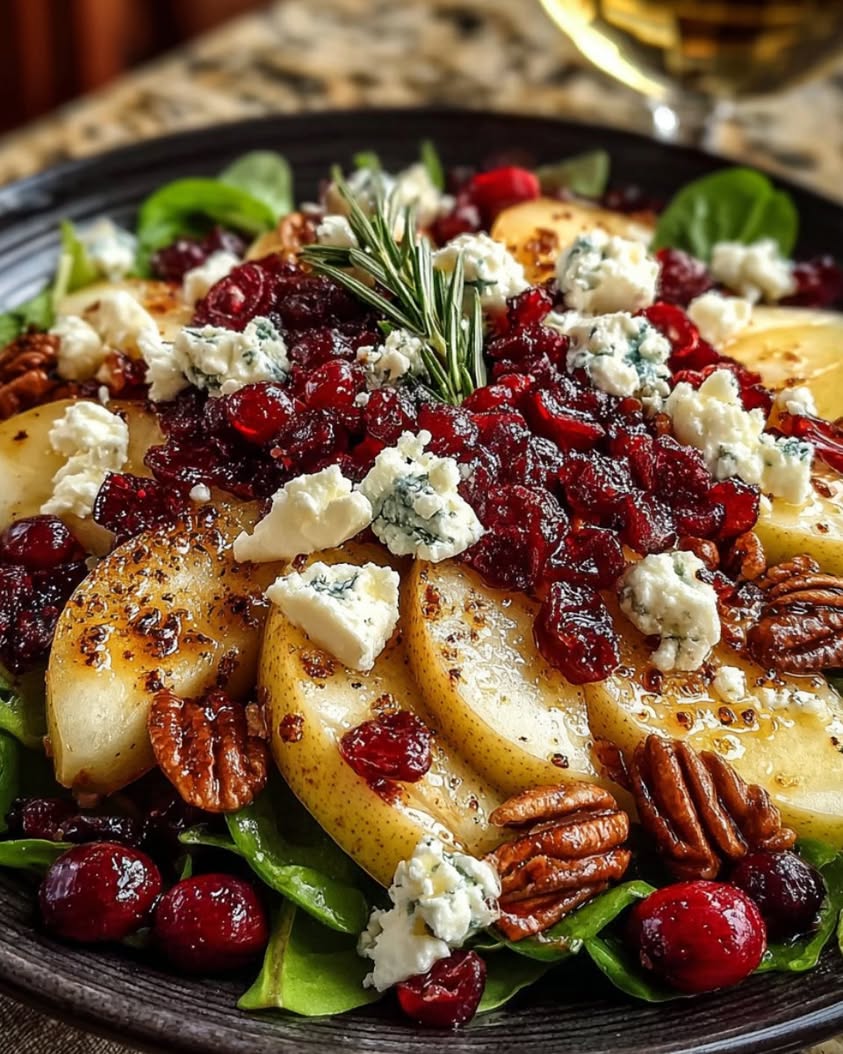
Pear, Apple & Cranberry Christmas Salad with Feta Snowflakes: A Festive Winter Feast
Welcome to the ultimate guide for creating a stunning and delicious holiday centerpiece. This Pear, Apple & Cranberry Christmas Salad with Feta Snowflakes is more than just a side dish; it is a vibrant celebration of winter’s best flavors on a single plate. Imagine the sweet crunch of ripe pears, the tart pop of fresh cranberries, and the creamy saltiness of feta cheese, all brought together with a simple, bright vinaigrette. Consequently, this salad delivers a symphony of textures and tastes that will delight your guests and elevate your festive table.
Moreover, this recipe is designed for ease and elegance. You can assemble this beautiful Christmas salad in about twenty minutes, making it a perfect last-minute addition to any holiday meal. The visual appeal is undeniable, with deep reds, bright greens, and snowy white feta creating a picture-perfect dish that looks as good as it tastes. Ultimately, this salad offers a refreshing counterpoint to richer holiday fare, providing a light and healthy option that everyone will love.
Furthermore, the magic of this dish lies in its balance. Each ingredient plays a crucial role, from the juicy fruit to the crunchy nuts and the tangy dressing. This Pear, Apple & Cranberry Christmas Salad is not just food; it is an experience. It captures the essence of the season in every bite, making it a memorable part of your holiday traditions. Therefore, whether you are hosting a large family dinner or an intimate gathering, this salad is guaranteed to impress.
Quick Recipe Highlights
- Flavor Profile: This festive holiday salad masterfully balances sweet, tart, and savory notes. The natural sweetness of pears and apples contrasts beautifully with the sharp tang of cranberries and the creamy saltiness of feta cheese. Additionally, a honey-lime vinaigrette ties all the flavors together with a bright, refreshing finish.
- Texture: Expect a delightful crunch from fresh apples and toasted pecans, juxtaposed with the soft, juicy bite of ripe pear. The dried cranberries add a pleasant chew, while the crumbled feta provides a creamy, crumbly element. This combination creates a satisfying and dynamic mouthfeel in every forkful.
- Aroma: The salad emits a fresh, fruity fragrance highlighted by the citrus notes from the lime dressing. Toasting the pecans beforehand releases a warm, nutty aroma that adds depth. Meanwhile, the scent of crisp apples and sweet pears makes this dish smell as festive as it looks.
- Visual Appeal: This Christmas salad is a feast for the eyes with its stunning color palette. Vibrant red cranberries, green apple skin, and golden pear slices create a festive base. The feta cheese, crumbled to resemble delicate snowflakes, adds a beautiful white contrast that makes the dish truly holiday-ready.
- Skill Level Needed: This is an exceptionally beginner-friendly recipe requiring no cooking, only assembly. Basic skills like slicing fruit, toasting nuts, and whisking a simple dressing are all that’s required. Consequently, even novice cooks can achieve spectacular, restaurant-quality results with minimal effort.
- Special Equipment: You need only standard kitchen tools: a good chef’s knife, a cutting board, a mixing bowl, and a small jar for shaking the dressing. A baking sheet is helpful for toasting the pecans. Otherwise, no special equipment is necessary to create this impressive holiday dish.
Recipe Overview
- Difficulty Level: We classify this Pear, Apple & Cranberry Christmas Salad as “Easy” because it involves straightforward techniques like washing, chopping, and tossing. There is no complex cooking or baking required. The most technical step is toasting nuts, which is simple and forgiving. Therefore, this recipe is accessible to cooks of all experience levels and is perfect for stressful holiday cooking schedules.
- Category: This dish fits perfectly into several categories: it is a standout holiday side dish, a refreshing winter salad, and a vibrant potluck contribution. It can also serve as a light main course for lunch when topped with grilled chicken or shrimp. Its versatility makes it a valuable addition to your seasonal recipe collection.
- Cuisine: While not tied to a specific traditional cuisine, this salad draws inspiration from modern American holiday cooking and winter harvest celebrations. It utilizes classic cold-weather fruits and nuts commonly found in North American and European festive cuisine. The result is a contemporary, fusion-style dish perfect for today’s holiday table.
- Cost: This festive holiday salad is very cost-effective, especially when seasonal fruits are at their peak. Pears, apples, and cranberries are affordable in the winter months. Ingredients like feta, pecans, and greens are pantry staples that offer good value. Overall, you can create an impressive, restaurant-worthy dish for a fraction of the price.
- Season: This recipe is ideal for late fall through winter, coinciding with the peak harvest of pears, apples, and fresh cranberries. These ingredients are at their most flavorful and affordable during this time. Consequently, the salad tastes of the season and makes the most of fresh, available produce.
- Occasion: Obviously designed for Christmas dinners, this salad also shines at Thanksgiving, New Year’s Eve parties, and winter potlucks. It is elegant enough for a formal sit-down meal yet easy enough for a casual buffet. Furthermore, it makes a beautiful and healthy option for office holiday parties.
Why You’ll Love This Recipe
First and foremost, the taste and texture appeal of this Christmas salad is extraordinary. Each bite delivers a complex harmony of flavors: the initial sweetness of pear, followed by the crisp tartness of apple, the sharp pop of cranberry, and the rich, salty creaminess of feta. The toasted pecans add a buttery crunch that ties everything together. This symphony in a bowl is far more exciting than a standard green salad, making it a guaranteed crowd-pleaser that will have guests asking for the recipe.
Secondly, the convenience and preparation benefits are significant. You can whip up this entire dish in about twenty minutes with zero cooking required. The make-ahead potential is excellent; you can prep the dressing, toast the nuts, and chop the fruits hours in advance. Simply assemble everything just before serving to maintain perfect texture. This streamlined process is a lifesaver during the busy holiday season when oven and stovetop space is at a premium.
From a nutritional standpoint, this festive holiday salad is packed with advantages. It is loaded with fiber from the fruits, greens, and nuts, which aids digestion—a welcome benefit during indulgent holiday meals. The ingredients provide essential vitamins like Vitamin C from the cranberries and lime, and healthy fats from the pecans. Choosing a base of robust greens like kale or spinach adds iron and antioxidants. This dish allows you to enjoy a decadent-tasting side while nourishing your body.
Furthermore, the social and entertaining value of this dish is immense. Its stunning visual presentation—a mosaic of red, green, and white—immediately elevates your table setting. It serves as a fantastic conversation starter and shows your guests you’ve put thought and care into the meal. Because it is both beautiful and universally appealing, it makes any gathering feel more special and festive. It is a recipe that people remember and request year after year.
Finally, the cost-effectiveness and accessibility are major wins. The ingredient list is simple and uses mostly whole, unprocessed foods that are easy to find at any grocery store. Seasonal produce keeps costs down. Additionally, the recipe is highly adaptable; you can swap in different nuts, cheeses, or greens based on what you have available or what is on sale. This flexibility ensures you can create an impressive dish without straining your holiday budget.
Historical Background and Cultural Significance
The tradition of incorporating fruit into savory salads has deep roots in European and American culinary history. Specifically, the combination of apples and nuts in salads can be traced back to medieval European cuisine, where sweet and savory elements frequently mingled. Meanwhile, cranberries are a uniquely North American fruit, long used by Indigenous peoples for food and medicine. The modern concept of a “holiday salad” featuring these winter fruits emerged in the 20th century, as home cooks and magazines sought lighter, brighter accompaniments to heavy festive meals.
Culturally, this Pear, Apple & Cranberry Christmas Salad taps into the symbolism of the holiday season. The red cranberries and green apples reflect the classic Christmas colors, while the white feta “snowflakes” evoke a winter wonderland. Serving a dish that is both beautiful and refreshing has become a cherished part of holiday feasting in many households. It represents a shift towards more balanced holiday menus that celebrate fresh, seasonal produce alongside traditional roasts and casseroles.
The recipe has evolved significantly from its simpler predecessors. Originally, such salads might have been a basic mixture of Waldorf-style ingredients—apples, celery, and walnuts in mayonnaise. The contemporary version, however, embraces fresher, more vibrant flavors. The substitution of a light vinaigrette for heavier dressings and the addition of bold ingredients like tangy feta and tart cranberries reflect modern palates that favor balance and brightness. This evolution shows how holiday cooking adapts to changing tastes while maintaining a festive spirit.
Regional variations of this festive holiday salad abound, showcasing local ingredients and traditions. In the American South, you might find pecans or candied pecans added for sweetness. In coastal regions, toasted walnuts or almonds might replace pecans. Some versions use goat cheese or blue cheese instead of feta for a stronger flavor profile. A maple-based dressing is popular in New England, while a pomegranate vinaigrette might appear in the Southwest. These adaptations make the salad a versatile canvas for expressing regional culinary identity during the holidays.
Ingredient Deep Dive
Let us begin with the pears. Choosing ripe but firm pears, such as Anjou or Bosc, is crucial for this Christmas salad. These varieties hold their shape well when sliced and offer a sweet, juicy flavor that complements the tart cranberries. Pears are a great source of dietary fiber and vitamin C. To select the best ones, look for fruit that yields slightly to gentle pressure near the stem. If your pears are too hard, you can ripen them in a paper bag at room temperature for a day or two. For storage, keep ripe pears in the refrigerator to slow further ripening.
Next, consider the apples. A crisp, tart variety like Granny Smith or Honeycrisp provides the necessary texture and flavor contrast. The apple’s acidity cuts through the richness of the cheese and nuts. Apples are packed with fiber and antioxidants. Always wash and dry them thoroughly before slicing. To prevent browning, you can toss the apple slices in a little bit of the lime juice from the dressing recipe. This simple step keeps them looking fresh and vibrant for hours after assembly, which is vital for a make-ahead holiday dish.
Fresh cranberries are the tart superstar of this festive holiday salad. Unlike their dried counterparts, fresh cranberries provide a juicy, bright burst of flavor and a stunning red color. They are famously high in vitamin C and antioxidants. When shopping, look for berries that are plump, shiny, and deep red in color; avoid any that are shriveled or soft. Since they are highly perishable, store fresh cranberries in the refrigerator and rinse them just before using. If fresh are unavailable, you can use dried cranberries, but note the flavor and texture will be sweeter and chewier.
The feta cheese, crumbled into “snowflakes,” adds creamy saltiness. Traditional Greek feta made from sheep’s milk has a tangier, richer flavor than domestic cow’s milk versions. Feta provides protein and calcium. For the best texture and flavor, buy feta in a block and crumble it yourself rather than using pre-crumbled cheese, which is often drier. If you need a dairy-free alternative, a firm almond-based feta or crumbled tofu marinated in lemon juice and salt can work surprisingly well. The visual of white cheese against the red and green fruit is key to the salad’s holiday appeal.
Finally, the toasted pecans are essential for texture and depth. Toasting nuts unlocks their oils, intensifying their flavor and adding a warm, buttery crunch. Pecans are a good source of healthy fats and minerals like manganese. To toast them perfectly, spread raw pecan pieces on a dry baking sheet and bake at 350°F for 5-8 minutes, watching carefully to prevent burning. You can substitute with walnuts, almonds, or even pumpkin seeds for a different twist. Store any leftover toasted nuts in an airtight container to maintain their crispness.
Common Mistakes to Avoid
- Using Overripe or Mushy Pears: This is a critical error. Overripe pears will turn to mush when mixed and make the salad soggy. Always select pears that are firm yet yield slightly to pressure. Consequently, they will hold their shape and provide a pleasant, juicy bite rather than a watery mess.
- Skipping the Nut-Toasting Step: Raw pecans lack the deep, rich flavor of toasted ones. Toasting is a simple step that transforms the nuts, making them fragrant and crisp. If you skip it, the salad will lose a layer of warm, complex flavor and textural contrast. It is worth the extra five minutes.
- Dressing the Salad Too Early: Adding the vinaigrette more than 15-20 minutes before serving will cause the delicate greens to wilt and the fruits to become soggy. The salad will lose its fresh, crisp appeal. Always dress this Christmas salad at the very last moment to preserve its vibrant texture and appearance.
- Not Preventing Apple Browning: Sliced apples oxidize and turn brown quickly, which can make the salad look unappetizing. The easy fix is to toss the apple slices in a small amount of citrus juice (from the lime in your dressing) immediately after cutting. This acid barrier keeps them looking fresh and bright for hours.
- Using Pre-Crumbled Feta Cheese: Pre-crumbled feta is often coated in anti-caking agents that make it dry and less flavorful. For the best creamy texture and tangy taste, always buy a block of feta and crumble it yourself just before adding it to the salad. The difference in quality is noticeable.
- Chopping Ingredients Inconsistently: Haphazard chopping leads to an uneven eating experience. Aim for uniform, bite-sized pieces of pear and apple. Similarly, chop the cranberries in half if they are large, and tear the greens into manageable pieces. Consistent sizing ensures every forkful has a perfect balance of all ingredients.
- Neglecting to Taste the Dressing: The balance of sweet (honey), sour (lime), and oil is personal. Always taste your vinaigrette and adjust it before dressing the salad. You might prefer a touch more honey or an extra pinch of salt. Seasoning to your taste is the final step to a perfect dish.
- Overcrowding the Mixing Bowl: Trying to toss a large salad in a small bowl will result in uneven dressing distribution and bruised ingredients. Use a very large, wide bowl that gives you plenty of room to gently lift and fold the ingredients. This ensures a light, even coating without crushing the delicate components.
Essential Techniques
Mastering the vinaigrette emulsion is your first essential technique. A proper vinaigrette is a temporary emulsion of oil and acid. To achieve this, always start by combining your acidic elements (lime juice, honey, mustard) in a bowl or jar. Then, add the oil in a slow, steady stream while whisking vigorously. This method encourages the oil to break into tiny droplets suspended in the acid, creating a smooth, cohesive dressing that clings to the salad ingredients instead of pooling at the bottom of the bowl. The common pitfall is adding all the oil at once, which will not emulsify properly.
Next, perfect your knife skills for consistent slicing. Using a sharp chef’s knife, slice the pears and apples into uniform, quarter-inch thick pieces. Consistent sizing is not just about aesthetics; it ensures even distribution of flavors and textures in every bite. For the pears, slice them just before assembling to minimize oxidation. For the apples, you can use the “toss in citrus juice” method mentioned earlier. The visual cue for success is a pile of evenly sized, clean-cut fruit that looks fresh and appetizing.
Toasting nuts correctly is a simple but transformative technique. Spread raw pecan pieces in a single layer on a dry baking sheet. Toast in a preheated 350°F oven for 5-8 minutes. The key is to watch them closely, as they can burn quickly. Shake the pan once halfway through. They are done when they become fragrant and take on a slightly darker color. The common mistake is walking away, leading to burnt, bitter nuts. Properly toasted nuts should smell warm and nutty, not acrid.
Finally, learn the art of gentle tossing. Add your dressing to the bowl of greens first and use your hands or salad tongs to lightly coat the leaves. Then, gently fold in the heavier ingredients like fruit, nuts, and cheese. The goal is to combine everything without crushing the delicate fruits or greens. The proper technique involves a lifting and folding motion rather than a stirring or mashing action. The salad should look lightly dressed and beautifully integrated, not battered or soggy.
Pro Tips for Perfect Pear, Apple & Cranberry Christmas Salad
First, chill your serving bowl and plates beforehand. A cold bowl helps keep the salad crisp and refreshing from the moment it is served. This is a simple, professional trick that makes a big difference, especially if the salad will sit on the table during a lengthy meal.
Second, massage your kale if using it as the green base. If you choose hearty kale, tear it into pieces and rub it with a tiny bit of the dressing and a pinch of salt for a minute before adding other ingredients. This breaks down the tough fibers, making it more tender and palatable.
Third, create a flavor bridge by adding a teaspoon of the cranberry juice or a bit of orange zest to your vinaigrette. This subtly ties the dressing flavor to the fruit components in the salad, creating a more harmonious and complex overall taste profile.
Fourth, layer your salad for a buffet. For a stunning presentation, build the salad in a clear glass bowl: start with greens, then a layer of pears and apples, a sprinkle of cranberries and nuts, and finally the feta snowflakes on top. This showcases all the beautiful ingredients and prevents sogginess.
Fifth, reserve a small handful of each colorful ingredient—cranberries, pecans, and feta—for a final garnish on top after tossing. This ensures the salad looks abundant and artfully composed, not just mixed together. The visual impact is significantly enhanced.
Sixth, consider a quick pickle for depth. For an extra flavor dimension, you can quick-pickle thin slices of red onion in the lime juice for 10 minutes before making the dressing. Use the pickled onions in the salad and the flavored lime juice in your vinaigrette.
Variations and Adaptations
For regional variations, consider the ingredients local to your area. In the Pacific Northwest, you might add toasted hazelnuts and a blackberry vinaigrette. A Southern adaptation could include candied pecans and a bourbon-honey dressing. In Mediterranean regions, swapping in toasted pine nuts and a lemon-oregano vinaigrette would be delightful. These changes root the festive holiday salad in your local culinary landscape while maintaining its celebratory spirit.
Seasonal adaptations are straightforward. In autumn, use sliced figs or persimmons alongside the apples. For a spring version, substitute strawberries for cranberries and use goat cheese instead of feta. The core formula—sweet fruit, tart element, crunchy nut, creamy cheese—remains versatile. You can adapt it throughout the year by simply rotating in the best produce each season has to offer.
Dietary modifications are easy to implement. For a vegan Christmas salad, use maple syrup instead of honey in the dressing and substitute the feta with a dairy-free alternative or creamy avocado slices. For a nut-free version, use toasted pumpkin or sunflower seeds. To make it gluten-free, simply ensure your mustard and other condiments are certified gluten-free, which they typically are. This recipe is naturally adaptable to many dietary needs.
Flavor variations can personalize the dish. Add fresh herbs like chopped mint or tarragon to the greens for an aromatic lift. Incorporate a teaspoon of poppy seeds into the dressing for visual and textural interest. For a sweeter profile, use a Bartlett pear and add a handful of pomegranate arils. For a savory twist, include crispy prosciutto or pancetta bits. The basic framework welcomes creativity.
Texture modifications can cater to different preferences. For extra crunch, add homemade croutons or crispy chickpeas. For a softer, more luxurious feel, include segments of fresh orange or roasted squash. If you prefer less crunch, you can lightly toast the pecans for flavor without making them too hard, or use walnuts instead. Adjusting textures allows you to customize the eating experience.
Presentation alternatives offer fun ways to serve. Instead of one large bowl, consider assembling individual portions on salad plates for a formal dinner. You can also serve the components in separate bowls for a “build-your-own-salad” station at a buffet. For a festive cocktail party, create endive spears or small cucumber cups topped with the salad mixture as a passed appetizer.
Serving and Presentation Guide
Plating techniques start with your choice of vessel. A wide, shallow bowl or a large white platter provides the best canvas, allowing the colors of this Christmas salad to shine. Avoid deep bowls that bury the ingredients. When plating, use tongs or your hands to gently lift and place the salad, creating height and volume rather than a flat, compressed layer. This technique makes the dish look abundant and inviting.
Garnishing ideas should enhance, not overwhelm. A final drizzle of the vinaigrette around the edge of the platter looks professional. Fresh herb sprigs like rosemary or thyme add a festive, aromatic touch. A light dusting of freshly cracked black pepper or flaky sea salt over the top just before serving heightens the flavors. Edible flowers, if available, can provide a stunning, elegant finish for a special occasion.
Traditional accompaniments for this festive holiday salad include roasted turkey, glazed ham, or prime rib. Its bright, acidic profile cuts through the richness of these meats perfectly. It also pairs wonderfully with other holiday sides like sweet potato casserole, stuffing, and dinner rolls. Consider it a palate-cleansing course that refreshes the taste buds between richer bites.
Modern serving suggestions might feature this salad as a main course. Top it with grilled chicken, shrimp, or seared salmon for a complete, healthy meal. You can also serve it alongside a hearty soup for a lighter holiday lunch. For a brunch gathering, pair it with quiche or a frittata. Its versatility makes it suitable for any meal format during the holiday season.
Temperature considerations are crucial. All components should be cold when assembled. Chill your chopped fruit, washed greens, and even the serving bowl. However, the toasted nuts should be added at room temperature. Serving the salad immediately after assembly ensures the contrast between the cold, crisp ingredients and the warm, fragrant nuts is at its most delightful.
Portion control tips are helpful for planning. As a side dish, this recipe serves about six people generously. If it is one of many sides, it could stretch to eight. For a main course salad, it will serve three to four. When doubling for a crowd, remember to use an exceptionally large bowl for tossing, or mix in two separate batches to ensure even dressing distribution without bruising the ingredients.
Wine and Beverage Pairing
Wine pairings should complement the salad’s sweet and tart profile. A dry Riesling or Gewürztraminer is an excellent choice, as their slight sweetness and acidity mirror the fruit in the dish. For a red option, a light, fruity Pinot Noir with low tannins won’t overpower the salad. A sparkling wine like Prosecco or Cava adds celebration and its bubbles cleanse the palate beautifully. Avoid heavily oaked Chardonnays or bold Cabernets, as they can clash with the salad’s delicate flavors.
Non-alcoholic alternatives can be just as sophisticated. A sparkling apple cider or cranberry spritzer (sparkling water with a splash of cranberry juice) echoes the salad’s ingredients. For a warmer option, a ginger-lemon tea or a mulled cranberry punch would be festive and complementary. The key is to choose beverages with some acidity or effervescence to match the salad’s bright, clean finish.
Coffee and tea pairings work well if serving this salad for a holiday brunch or lunch. A medium-roast coffee with low acidity won’t compete with the vinaigrette. For tea, consider a white tea or a green tea with citrus notes. Herbal teas like peppermint or a ginger-turmeric blend can be delightful, warming accompaniments that align with the winter season.
Temperature considerations for beverages are straightforward. White wines, sparkling wines, and non-alcoholic spritzers should be served well-chilled. Red wines should be served slightly cooler than room temperature. Warm teas and punches should be served hot. Offering a range of temperatures allows guests to choose what feels best to them alongside the cool, crisp salad.
Serving suggestions involve presentation. For a formal dinner, you can pre-pour wine glasses with the chosen pairing. For a buffet, set up a beverage station with labeled options. Always provide water as well. When describing pairings to guests, you might simply say, “The crisp Riesling pairs wonderfully with the tart cranberries in the salad,” which enhances their dining experience and shows thoughtful hosting.
Storage and Shelf Life
Storage methods for leftovers are important but limited, as this salad is best fresh. If you must store it, place any leftovers in an airtight container in the refrigerator immediately. Keep in mind the greens will wilt and the fruits may weep moisture, so the texture will suffer. It is preferable to store undressed components separately if you anticipate leftovers.
Temperature requirements are simple: always refrigerate. This salad contains perishable dairy and fresh produce. Do not leave it sitting out at room temperature for more than two hours, or one hour if the ambient temperature is above 90°F. Prompt refrigeration is key to food safety, especially when serving guests.
Container recommendations include glass or BPA-free plastic containers with tight-fitting lids. If storing the dressed salad, line the container with a paper towel to absorb excess moisture and help keep the greens slightly crisper. For component storage, keep the chopped fruit, nuts, cheese, and dressing in separate small containers or bags until ready to assemble.
Signs of spoilage are usually visual and olfactory. Discard the salad if the greens become slimy, the fruit appears excessively bruised or moldy, or if it develops an off smell. Because of the fresh ingredients and dairy, this salad does not have a long shelf life. Consume within 24 hours for the best quality and safety.
Reheating instructions are not applicable, as this is a cold salad. You should never attempt to reheat it. If the salad has been refrigerated and is too cold, you can let it sit at room temperature for 5-10 minutes before serving to take the extreme chill off, which can mute the flavors.
Freezing guidelines are clear: do not freeze this salad. Freezing will utterly destroy the texture of the greens, fruits, and nuts, turning them into a mushy, watery mess upon thawing. The vinaigrette may also separate irreparably. This is a strictly fresh-prep, same-day recipe.
Make Ahead Strategies
Your prep timeline can span up to 24 hours. The day before, you can toast the pecans and let them cool completely before storing at room temperature in an airtight container. You can also wash and thoroughly dry the greens, then store them wrapped in paper towels in a salad spinner or resealable bag in the fridge. Make the vinaigrette and store it in a jar in the refrigerator.
Storage between steps is key to maintaining quality. Keep all components separate until assembly. The chopped pears and apples can be pre-sliced if you toss them in a bit of the citrus juice from the dressing recipe to prevent browning, then store them in a sealed container in the fridge. Keep the feta block whole and crumble it just before serving.
Assessing quality impact is important. Pre-toasted nuts will stay crisp if sealed properly. The vinaigrette may solidify slightly when cold; simply let it come to room temperature and shake vigorously before using. Pre-washed greens will be perfectly fine. The only component that suffers noticeably from pre-chopping is the apple, which is why the citrus juice bath is a non-negotiable step for make-ahead prep.
Assembly tips for last-minute ease: have all your prepped ingredients lined up in containers. Use your largest mixing bowl. Start by adding the greens and a portion of the dressing, tossing to coat. Then gently fold in the fruits, followed by most of the nuts and cranberries. Transfer to a serving platter, and finish with the final sprinkles of feta, reserved nuts, and cranberries for a perfect presentation.
Reheating guidelines are not needed, but you may need to bring components to temperature. If the dressing is too thick from the fridge, let it sit out for 15 minutes. If the fruit is very cold, a brief 5-minute rest on the counter can help its flavors express themselves more fully. The goal is a cool, refreshing salad, not an ice-cold one.
Fresh element additions are your final flourish. Always add the final crumble of feta and a last handful of toasted nuts on top after transferring to the serving dish. This ensures those elements retain their distinct texture and visual appeal. A final grind of black pepper or a tiny sprinkle of flaky salt over the top just before serving elevates the finished dish immensely.
Scaling Instructions
Halving the recipe is simple for smaller gatherings. Use one pear, one apple, half the amounts of cranberries, nuts, cheese, and greens. Prepare a half-batch of dressing by halving all ingredients. The assembly method remains identical. The primary adjustment is using a smaller mixing bowl to ensure you can still toss the ingredients effectively without bruising them.
Doubling or tripling the recipe for a crowd requires forethought. Do not simply double the dressing in one jar; make multiple separate batches to ensure proper emulsification. Use the largest bowl you own, or mix in batches, combining them at the end. When toasting nuts for a large batch, use multiple baking sheets and rotate them in the oven for even cooking. Consider presenting the salad on two separate platters for better accessibility.
Equipment adjustments are necessary when scaling. For a doubled recipe, you will need a very large serving platter or bowl. You may need a second baking sheet for toasting nuts. A large whisk or even an immersion blender can help emulsify a bigger batch of dressing. Ensure you have enough refrigerator space to store all prepped components separately before assembly.
Timing modifications are minimal, as there is no active cooking. The only task that takes longer with scale is the prep work—chopping more fruit, toasting more nuts. Allow an extra 10-15 minutes of prep time when doubling the recipe. The assembly time itself increases only slightly, as tossing a larger volume takes a bit more care to ensure even distribution.
Storage considerations become more important with larger batches. If making a huge quantity, you may need multiple containers for component storage. Leftovers, if any, will also take up more fridge space. It is often better to slightly under-dress a large batch, serving extra dressing on the side, to keep any potential leftovers from becoming soggy immediately.
Nutritional Deep Dive
The macro breakdown of this Christmas salad is favorable. It provides a good balance of complex carbohydrates from the fruits and greens, healthy fats from the pecans and olive oil, and a moderate amount of protein from the feta cheese. The dressing, made with olive oil and honey, contributes monounsaturated fats and natural sugars. This macro profile supports sustained energy release, which is helpful during long, indulgent holiday days.
A micronutrient analysis reveals a wealth of vitamins and minerals. The cranberries and lime juice are excellent sources of Vitamin C, an antioxidant that supports immune function—key during the winter season. The dark leafy greens provide Vitamin K, iron, and folate. Pears and apples contribute dietary fiber and potassium. The pecans offer manganese and zinc. Together, these micronutrients contribute to overall health and well-being.
The health benefits are multifaceted. The high fiber content promotes digestive health and can help manage blood sugar spikes. The antioxidants from the colorful fruits combat oxidative stress. The healthy fats support heart health and help with the absorption of fat-soluble vitamins from the greens. This salad is a nutrient-dense choice that can help balance out heavier, richer holiday foods.
Dietary considerations are mostly positive. The salad is naturally gluten-free and can be made vegetarian. For those monitoring sodium, you can reduce the amount of feta or choose a lower-sodium variety. For diabetics, the natural sugars from the fruit are balanced by the fiber and fat, but portion size should be mindful. Always check with guests about severe nut allergies, as pecans are a tree nut.
Portion analysis shows that one serving (approximately one-sixth of the recipe) is a satisfying amount without being excessive. It provides volume and satiety from fiber and water-rich fruits, which can help prevent overeating on more calorie-dense holiday dishes. Serving it as a first course is a smart strategy to take the edge off hunger before the main meal arrives.
Weight management tips include using this salad as a foundational element of your holiday plate. Fill half your plate with this and other vegetable-based sides, leaving the other half for proteins and starches. The high water and fiber content promotes fullness. You can also slightly increase the proportion of greens to fruit to lower the overall sugar density while maintaining flavor and satisfaction.
Dietary Adaptations
For a gluten-free version, this festive holiday salad is naturally compliant. Simply ensure that any prepared mustard used in the dressing is certified gluten-free, as some brands may include additives with gluten. All other ingredients—fresh produce, nuts, cheese, oil, and honey—are inherently gluten-free. This makes it a safe and delicious
Print
Pear, Apple & Cranberry Christmas Salad with Feta Snowflakes
Description
A festive holiday salad featuring crisp pears, apples, and dried cranberries, topped with delicate feta snowflakes for a cheerful and refreshing side dish.
Ingredients
For the Crust:
- 2 ripe pears, thinly sliced
- 1 apple, thinly sliced
- 1/2 cup dried cranberries
- 6 cups mixed greens (such as spinach and arugula)
- 1/2 cup candied pecans
- 1/4 cup red onion, thinly sliced
- 4 oz feta cheese, cut into snowflake shapes (using a small cookie cutter)
- For the dressing: 1/4 cup olive oil, 2 tbsp apple cider vinegar, 1 tbsp honey, 1 tsp Dijon mustard, salt and pepper to taste
Instructions
1. Prepare the Crust:
- In a large bowl, combine the mixed greens, sliced pears, apple, dried cranberries, candied pecans, and red onion.
- In a small jar or bowl, whisk together the olive oil, apple cider vinegar, honey, Dijon mustard, salt, and pepper until well combined.
- Drizzle the dressing over the salad and toss gently to coat all ingredients evenly.
- Arrange the salad on a serving platter and top with the feta snowflakes, placing them decoratively across the top.
- Serve immediately as a refreshing holiday side dish.
Notes
You can customize the seasonings to taste.

I’m Shaykee—born in Morocco, seasoned across continents. From airplane galleys to home kitchens, I share the flavors and stories that shaped my journey.