
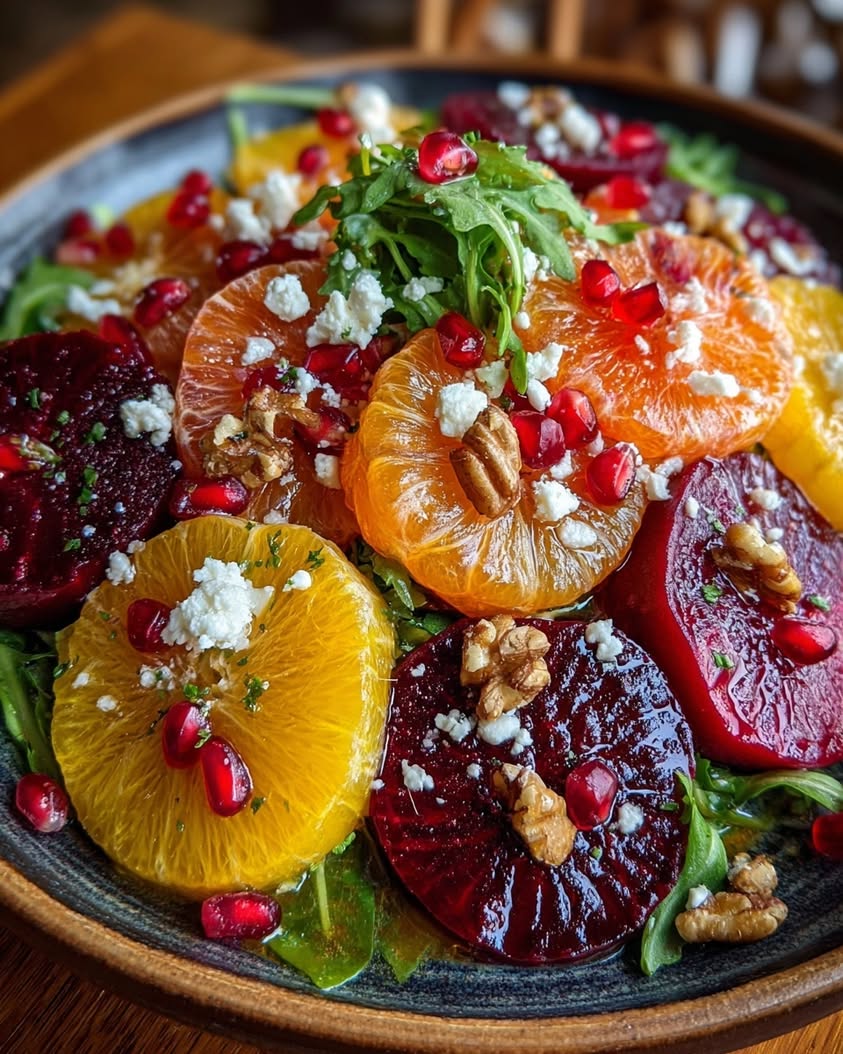
Roasted Beet, Orange & Pomegranate Salad with Feta and Toasted Walnuts: A Festive and Flavorful Masterpiece
This vibrant roasted beet salad recipe is a true celebration on a plate. It masterfully combines earthy roasted beets with sweet, juicy oranges and the jewel-like burst of pomegranate seeds. Furthermore, creamy, salty feta cheese and crunchy toasted walnuts create a symphony of textures and flavors that will impress any guest. This stunning, healthy side dish or light meal is perfect for holiday gatherings, weeknight dinners, or any occasion that calls for a beautiful, nutritious option.
Creating this roasted beet salad is a straightforward process that yields gourmet results. Roasting the beets caramelizes their natural sugars, deepening their flavor and creating a wonderfully tender texture. Meanwhile, the simple citrus vinaigrette highlights the freshness of the oranges and ties all the components together harmoniously. Consequently, this recipe proves that you do not need complicated techniques to create a show-stopping dish that is as delicious as it is beautiful.
Moreover, this salad is a powerhouse of nutrition, packed with vitamins, antioxidants, and healthy fats. Each ingredient brings its own unique health benefits to the table, making this a meal you can feel genuinely good about eating. Whether you serve it as a standout side for a festive dinner or as a main course for a light lunch, this roasted beet salad is guaranteed to become a new favorite in your recipe collection.
Quick Recipe Highlights
- Flavor Profile: This roasted beet salad offers a perfect balance of earthy sweetness from the beets, bright acidity from the oranges, and a tangy saltiness from the feta. Additionally, the toasted walnuts contribute a rich, nutty depth that completes the flavor experience.
- Texture: You will enjoy a delightful contrast of soft, tender roasted beets against the juicy segments of orange and the satisfying crunch of pomegranate seeds and walnuts. Consequently, every bite is a complex and exciting textural adventure.
- Aroma: The salad fills the air with the warm, earthy scent of roasted beets combined with the zesty, fresh fragrance of citrus. Toasting the walnuts adds a warm, nutty aroma that makes the dish incredibly inviting.
- Visual Appeal: With its deep ruby red beets, bright orange citrus, and vibrant red pomegranate seeds, this salad is a feast for the eyes. The white feta and brown walnuts provide beautiful contrast, making it a visually stunning centerpiece.
- Skill Level Needed: This is an easy recipe suitable for cooks of all levels, from beginners to experts. Basic knife skills for peeling and segmenting, along with simple roasting and mixing techniques, are all that is required for success.
- Special Equipment: You will need a baking sheet for roasting the beets, a small skillet for toasting the walnuts, and a mixing bowl for assembling the salad. Otherwise, no special or fancy equipment is necessary.
Recipe Overview
- Difficulty Level: This roasted beet salad is classified as easy because it involves fundamental cooking techniques like roasting and simple assembly. The most time-consuming part is waiting for the beets to roast, which is mostly hands-off time, making it very manageable for a weeknight.
- Category: This dish fits perfectly into several categories, including healthy side dishes, vibrant salads, and light main courses. It is versatile enough for a casual family meal yet elegant enough for a holiday feast or dinner party.
- Cuisine: While not tied to one specific tradition, this salad draws inspiration from Mediterranean and Middle Eastern cuisines, which often celebrate the combination of fresh produce, nuts, and cheese. The use of pomegranate and walnuts is a classic nod to these regions.
- Cost: The cost is moderate, largely dependent on the price of fresh pomegranate and feta cheese. Using seasonal beets and oranges can make it more budget-friendly. Overall, it provides excellent value for a dish that tastes and looks luxurious.
- Season: This is an ideal winter salad when beets, oranges, and pomegranates are at their peak of flavor and availability. However, its bright, fresh profile also makes it a wonderful way to add color to fall and spring tables.
- Occasion: It is perfect for holiday meals like Thanksgiving and Christmas as a stunning side dish. Furthermore, it works beautifully for potlucks, bridal showers, or as a refreshingly light main course after indulgent periods.
Why You’ll Love This Roasted Beet Salad
First and foremost, the taste and texture appeal of this roasted beet salad is undeniable. The deep, earthy sweetness of the beets creates a fantastic foundation. Meanwhile, the juicy, bright oranges cut through the richness, and the pomegranate seeds offer a delightful, tart pop. Consequently, the creamy, salty feta and the crunchy, toasty walnuts tie everything together, ensuring that no single bite is ever boring. This complex layering of flavors and textures is what makes this salad so memorable and crave-worthy.
From a convenience standpoint, this recipe is a dream. You can roast the beets and toast the walnuts a day in advance, drastically cutting down on your active prep time when you are ready to serve. Assembling the final dish takes mere minutes, making it an excellent choice for entertaining when you want to spend less time in the kitchen and more time with your guests. Therefore, it delivers maximum impact with minimal last-minute effort.
Nutritionally, this roasted beet salad is an absolute powerhouse. Beets are loaded with fiber, folate, and immune-boosting vitamins. Oranges provide a huge dose of vitamin C, and pomegranate seeds are famous for their antioxidant content. Furthermore, walnuts contribute healthy omega-3 fatty acids, and feta offers a protein and calcium boost. Eating this salad is a delicious way to nourish your body with a wide spectrum of essential nutrients.
For social and entertaining value, this salad is a guaranteed conversation starter. Its stunning visual appeal, with vibrant reds, oranges, and whites, makes it a beautiful centerpiece on any dining table. Guests are always impressed by the thoughtful combination of ingredients and the clear effort that went into creating such a gorgeous dish. It elevates any meal from ordinary to extraordinary with very little stress.
Finally, this dish is surprisingly cost-effective and accessible. The core ingredients are simple and can often be found year-round. While pomegranates might be a seasonal splurge, you can sometimes find containers of just the seeds to save time and money. Overall, this roasted beet salad delivers a restaurant-quality eating experience using humble, wholesome ingredients that won’t break the bank.
Historical Background and Cultural Significance
The history of combining beets with other ingredients in salads is a long and varied one. Beets themselves have been cultivated since ancient times, with origins tracing back to the Mediterranean region. Initially, people consumed the leafy greens, and the roots were used for medicinal purposes. Over centuries, as cultivation improved the sweetness and texture of the root, it became a staple in Eastern European and Russian cuisines, often paired with sour cream and herbs in classic dishes like borscht.
Furthermore, the cultural significance of this particular combination is deeply rooted in Mediterranean and Middle Eastern food traditions. Pomegranates, native to Iran and the Himalayas, are symbols of prosperity and abundance in many cultures and have been used in cooking for thousands of years. Similarly, walnuts have a ancient history in the same regions. Combining nuts with fruit and cheese is a hallmark of these culinary traditions, creating balanced dishes that are both nourishing and celebratory.
The evolution of this specific roasted beet salad recipe is a modern interpretation of these ancient pairings. Contemporary chefs and home cooks began emphasizing vibrant, plant-forward plates that are as beautiful as they are healthy. Roasting the beets, a technique that enhances their natural sugar, became more popular in home kitchens with the widespread use of reliable ovens. This method transformed the humble beet into a sweet and sophisticated salad component.
Regional variations of this concept abound. For example, in the Middle East, you might find a similar salad with a sprinkle of za’atar and a drizzle of pomegranate molasses. A French version might use goat cheese instead of feta and add some bitter greens like endive. In America, the addition of candied walnuts or a maple-based vinaigrette is a common twist. This versatility demonstrates how a core set of ingredients can travel across borders and adapt to local tastes while maintaining its essential character.
Ingredient Deep Dive
Let’s start with the star of the show: beets. These vibrant root vegetables have a history dating back to ancient times. Nutritionally, they are a fantastic source of folate, manganese, potassium, and vitamin C. They are also rich in dietary nitrates, which can help support healthy blood pressure. When selecting beets, look for firm, smooth-skinned roots with vibrant green, fresh-looking tops if still attached. Store them unwashed in a plastic bag in your refrigerator’s crisper drawer, where they will keep for several weeks.
Next, the oranges provide a crucial burst of sunshine and acidity. Citrus fruits originated in Southeast Asia and have been traded along spice routes for millennia. They are famously packed with immune-boosting vitamin C and are a good source of fiber. For the best flavor, choose oranges that feel heavy for their size and have firm, brightly colored skin. They can be stored at room temperature for a few days or in the refrigerator for up to two weeks to extend their life.
Pomegranate seeds, or arils, are the jewel-like gems of the fruit world. Historically, pomegranates are deeply symbolic, representing life and eternity in many ancient cultures. They are a superb source of antioxidants, particularly punicalagins, which have powerful anti-inflammatory effects. Selecting a ripe pomegranate involves choosing one that feels heavy and has a deep red color with a leathery, taut skin. You can store whole pomegranates in the refrigerator for up to two months, a remarkably long time for a fresh fruit.
Feta cheese brings a creamy, salty, and tangy element that balances the salad’s sweetness. This brined cheese has its origins in Greece and is traditionally made from sheep’s milk or a mixture of sheep and goat’s milk. It provides protein, calcium, and phosphorus. When buying feta, look for blocks stored in brine for the best flavor and texture. Keep it submerged in its brine in the refrigerator. For a dairy-free version, you can substitute with a firm tofu feta or simply omit it.
Finally, the toasted walnuts contribute an essential crunch and rich, nutty flavor. Walnuts are one of the oldest tree foods, cultivated for thousands of years. They are an excellent plant-based source of Omega-3 fatty acids, which are important for brain and heart health. Always choose walnuts that smell fresh and nutty, not bitter or rancid. Store them in an airtight container in the refrigerator or freezer to prevent their natural oils from spoiling. Toasting them is a non-negotiable step that unlocks their full aromatic potential.
Common Mistakes to Avoid
- Underseasoning the Beets: A common error is forgetting to season the beets before roasting. Beets are a dense vegetable and need a generous sprinkle of salt and pepper before they go into the oven to build a flavorful foundation for the entire salad.
- Skipping the Walnut Toasting: Using raw walnuts is a missed opportunity. Toasting them in a dry skillet for a few minutes until fragrant deeply enhances their nutty flavor and adds a crucial layer of texture. Raw walnuts can taste bland and sometimes bitter in comparison.
- Overcrowding the Baking Sheet: When roasting the beets, ensure they are in a single layer with a little space between them. Overcrowding will steam them instead of roast them, resulting in a softer, less caramelized, and slightly waterlogged texture.
- Adding the Dressing Too Early: If you dress the entire salad hours before serving, the beets will bleed their color onto the other ingredients, and the greens (if using) will become wilted. For the best presentation, dress the salad just before you plan to serve it.
- Not Zesting the Orange First: Always zest your orange before you juice it. It is incredibly difficult, if not impossible, to zest a juiced orange half. The zest contains potent citrus oils that will add a fantastic aroma to your vinaigrette.
- Using a Dull Knife for Pomegranate: A sharp knife is essential for easily scoring and opening a pomegranate. A dull knife can crush the fruit, making a mess and bursting many of the precious seeds, which causes you to lose their vibrant juice.
- Neglecting to Taste the Vinaigrette: Your palate is your best tool. Always taste your vinaigrette and adjust the seasoning before adding it to the salad. You may find it needs a pinch more salt, another squeeze of honey, or a dash more vinegar to achieve perfect balance.
- Forgetting to Let Beets Cool: Attempting to handle the roasted beets while they are still piping hot is a recipe for stained fingers and a messy work surface. Allow them to cool until they are comfortable to handle before peeling and cutting.
Essential Techniques
Roasting the beets is the most critical technique in this recipe. Roasting caramelizes the natural sugars within the beets, transforming their earthy flavor into a deep, concentrated sweetness. To master this, wrap the beets individually in foil to create a small, steamy environment that cooks them evenly and makes the skins easy to peel off later. A common pitfall is under-roasting, which leaves the beets tough and difficult to peel. You will know they are done when a sharp knife or skewer slides into the center with very little resistance.
Segmenting an orange, or supreming, is a technique that removes the bitter pith and membrane, leaving you with perfect, juicy segments. First, slice off the top and bottom of the orange. Then, using a sharp knife, cut away the peel and pith by following the curve of the fruit from top to bottom. Finally, hold the orange over a bowl to catch juice and carefully slice between the membranes to release each segment. This method ensures a beautiful presentation and a pure, unadulterated citrus flavor in every bite.
Toasting walnuts is a simple but transformative step. Place the walnuts in a single layer in a dry skillet over medium heat. Stir them frequently or shake the pan for even toasting. The goal is to warm them through until they become fragrant and take on a slightly darker color. This process releases their natural oils and enhances their nutty taste. The most common mistake is walking away, as they can burn in a matter of seconds. Your nose is the best indicator; when you can smell a warm, nutty aroma, they are done.
Creating an emulsified vinaigrette is key to a cohesive salad. Slowly whisking the oil into the acid (orange juice and vinegar) encourages the two immiscible liquids to combine into a temporarily stable mixture. This ensures the dressing coats the ingredients evenly rather than pooling at the bottom of the bowl. Start with your acids, mustard, and seasonings in a bowl, then add the oil in a very slow, thin stream while whisking constantly. If you add the oil too quickly, the dressing will “break” and separate.
Pro Tips for Perfect Roasted Beet Salad
- Wear disposable gloves when handling the roasted beets to prevent your hands from being stained pink for a day or two. This is a simple trick that makes the process much cleaner and more enjoyable.
- Use the juice that collects while segmenting your oranges as part of the liquid for your vinaigrette. This captures every bit of the fresh citrus flavor and ensures no part of the orange goes to waste.
- For an extra layer of flavor, toss the warm, toasted walnuts with a tiny pinch of sea salt or a drizzle of the vinaigrette immediately after they come out of the skillet. The walnuts will absorb this seasoning beautifully.
- If you have time, let the roasted, peeled, and cubed beets marinate in a tablespoon or two of the vinaigrette for 15-30 minutes before assembling the full salad. This allows them to soak up the flavors from the inside out.
- For a more substantial meal, serve this salad on a bed of peppery arugula or baby spinach. The greens add a pleasant bitterness and turn the side dish into a fulfilling main course.
- When cubing the beets, try to make the pieces a similar size to the orange segments and walnut halves. Consistent sizing ensures you get a perfect balance of all components in every single forkful.
- If your pomegranate feels stubborn, roll it firmly on the counter with the palm of your hand before cutting it. This helps to loosen the seeds from the internal membranes, making them easier to release.
Variations and Adaptations
Consider regional variations to take this salad on a culinary journey. For a Middle Eastern twist, add a sprinkle of za’atar to the dressing and use sumac instead of red wine vinegar. A French-inspired version could feature creamy goat cheese (chèvre) instead of feta and include some thinly sliced fennel bulb for a lovely anise note. For an American fall variation, swap the walnuts for pecans and add a handful of dried cranberries for a sweet and tart flavor profile.
Seasonal adaptations are simple and effective. In the spring, incorporate tender pea shoots or shaved radishes for a fresh, peppery crunch. During the summer, fresh mint or basil leaves can be torn and scattered over the top for a herbal brightness. In the heart of winter, adding roasted cubes of sweet potato or squash alongside the beets can make the salad even more hearty and comforting, perfect for colder weather.
For dietary modifications, this salad is very adaptable. To make it vegan, omit the feta or use a plant-based feta alternative. A nut-free version can be achieved by replacing the walnuts with roasted sunflower or pumpkin seeds for a similar crunch. If you are watching your sugar intake, you can reduce or omit the honey in the vinaigrette, as the oranges and beets provide plenty of natural sweetness.
Experiment with flavor variations by changing the cheese or nuts. Blue cheese or sharp shaved Parmesan can stand in for the feta for a more intense flavor. Similarly, toasted hazelnuts, almonds, or pecans can replace the walnuts. You can also play with the acidity in the dressing by using different vinegars like sherry vinegar, balsamic glaze, or even a pomegranate molasses for a deeper, fruitier tang.
Serving and Presentation Guide
Plating techniques can elevate this salad from homemade to haute cuisine. Instead of tossing everything together in a large bowl, consider composing individual plates. Start with a base of the roasted beet cubes, then artfully arrange the orange segments and pomegranate seeds around them. This method prevents the beets from staining all the other ingredients and allows each element to shine visually. Alternatively, for a family-style presentation, layer the ingredients in a wide, shallow bowl or on a platter.
Garnishing is the final touch that adds professionalism. A final drizzle of the vinaigrette over the assembled salad just before serving makes it look glossy and appetizing. Sprinkle the toasted walnuts and crumbled feta over the top rather than mixing them in, so they remain prominent and crunchy. A few fresh herb leaves, such as flat-leaf parsley, mint, or microgreens, add a touch of green that contrasts beautifully with the deep reds and oranges.
For traditional accompaniments, this roasted beet salad pairs wonderfully with simply grilled or roasted meats like chicken, pork chops, or lamb. It also stands up beautifully to rich, hearty dishes, providing a fresh and acidic counterpoint. During the holidays, it is a stunning partner for roast turkey or baked ham. As part of a larger spread, it complements other grain-based salads, like quinoa or farro, exceptionally well.
Consider modern serving suggestions for a different experience. Serve the salad in endive or butter lettuce cups as a passed appetizer for a party. Alternatively, pack it into a mason jar for a gorgeous and portable lunch by layering the dressing at the bottom, then the sturdier beets, followed by the oranges, nuts, and feta on top. Shake it up to dress it when you are ready to eat. Temperature-wise, this salad is best served at room temperature, which allows all the flavors to be at their most expressive.
Wine and Beverage Pairing
Selecting the right wine can enhance the dining experience tremendously. The earthy sweetness of the beets and the bright acidity of the oranges call for a wine with good acidity and minimal oak influence. A crisp, dry Rosé from Provence is a fantastic choice, as its red fruit notes and refreshing quality complement the salad without overpowering it. Alternatively, a Sauvignon Blanc, particularly from New Zealand, with its zesty citrus and herbal notes, can mirror the flavors in the salad beautifully.
For those who prefer red wine, opt for a light-bodied, low-tannin option. A Pinot Noir with its red fruit character and earthy undertones can be a lovely match. The key is to avoid big, bold, tannic reds like Cabernet Sauvignon, as the tannins can clash with the earthy beets and make the wine taste bitter. A slightly chilled Gamay, like a Beaujolais, is another excellent red option that harmonizes with the dish’s vibrant profile.
Non-alcoholic alternatives are just as important. A sparkling water with a twist of orange or a few pomegranate seeds muddled in the glass is a refreshing and elegant option. For something more complex, a tart cherry juice spritzer, made by mixing equal parts tart cherry juice and sparkling water over ice, echoes the deep fruit notes in the salad. Iced herbal tea, such as hibiscus or peppermint, also provides a wonderful, palate-cleansing counterpart.
If you are considering coffee or tea pairings for a brunch setting, a light roast coffee with bright, citrusy notes can be a surprising and delightful match. For tea, an Earl Grey, with its bergamot orange essence, naturally complements the citrus elements in the salad. Serve these beverages at their ideal temperatures—hot coffee and tea, chilled non-alcoholic drinks—to provide a pleasing contrast to the room-temperature salad.
Storage and Shelf Life
Proper storage is key to maintaining the quality of your leftover salad. The best method is to store the components separately. Place the dressed roasted beets in one airtight container and the remaining undressed ingredients (oranges, pomegranate seeds, feta, walnuts) in another container in the refrigerator. This prevents the walnuts from getting soggy and the other ingredients from becoming stained and overly softened by the beet juice and dressing.
The shelf life of the individual components varies. The roasted beets, stored in their container, will last for up to 4-5 days. The orange segments and pomegranate seeds are best used within 2-3 days. The toasted walnuts can be stored at room temperature in an airtight container for about a week, but for longer freshness, keep them in the fridge. The crumbled feta should be used within 5-7 days. Assembled and dressed, the salad is best eaten immediately, but it will hold for a few hours if necessary.
Signs of spoilage are usually easy to detect. Look for any signs of mold, especially on the cheese or fruits. A slimy texture on the beets or oranges indicates they are past their prime. The walnuts will develop a rancid, bitter smell if they have gone bad. This salad is not ideal for freezing, as the high water content in the beets and oranges will cause them to become mushy and watery upon thawing, completely destroying the desired texture.
Make Ahead Strategies
A strategic prep timeline makes serving this salad effortless. Up to three days in advance, you can roast, peel, and cube the beets. Store them in an airtight container in the refrigerator. You can also toast the walnuts and store them at room temperature. The day before you plan to serve, segment the oranges and collect their juice, storing both separately in the fridge. You can also extract the pomegranate seeds and crumble the feta cheese.
Storing components between steps is straightforward. Keep the roasted beets in their own container to prevent them from bleeding color onto everything else. The orange segments and juice should also be kept separate. The walnuts and feta should be stored in their own containers to maintain their distinct textures. This modular approach gives you the flexibility to assemble parts of the salad or the whole thing at a moment’s notice without any loss of quality.
The quality impact of make-ahead prep is minimal if done correctly. The beets actually benefit from a little time marinating in their own juices. The oranges may soften slightly but will still be delicious. The only element that must be added at the last minute for optimal quality is the dressing and the final assembly with the walnuts. This ensures the walnuts stay crunchy and the salad looks fresh and vibrant when it hits the table.
Scaling Instructions
Halving this roasted beet salad recipe is simple for a smaller meal. Use one medium beet, one orange, and proportionally reduce all other ingredients by half. The roasting time for a single beet may be slightly less, so start checking for doneness around the 40-minute mark. The assembly process remains exactly the same. This is perfect for a romantic dinner for two or a solo lunch with leftovers.
Doubling or tripling the recipe for a crowd is equally manageable. Use a larger baking sheet or multiple sheets to roast the beets, ensuring they are still in a single layer and not overcrowded. You may need to rotate the baking sheets in the oven for even cooking. For the dressing, it is easier to mix it in a jar with a tight-fitting lid—simply add all ingredients and shake vigorously to emulsify. Assemble the salad in a very large, wide bowl or on a big platter for a stunning presentation.
Consider equipment adjustments when scaling up. A standard home oven can typically handle two baking sheets at a time. If you need to roast more beets than that, roast them in batches. For mixing a large quantity of salad, a very large stainless steel bowl is your best friend. Timing modifications are minimal; the roasting time for the beets remains largely the same as long as they are properly spaced. The active prep time will naturally increase with the volume of ingredients.
Nutritional Deep Dive
This roasted beet salad offers a well-rounded macro breakdown. It is primarily a carbohydrate-based dish from the beets and oranges, providing sustained energy. The walnuts and feta cheese contribute healthy fats and a moderate amount of protein, which helps promote satiety. The dressing, made with olive oil, adds more monounsaturated fats, known for their heart-healthy benefits. Overall, it is a balanced dish that can serve as a light meal or a substantial side.
The micronutrient analysis is particularly impressive. Beets are an excellent source of folate and manganese. Oranges provide a massive dose of vitamin C, crucial for immune function and collagen production. Pomegranate seeds are rich in vitamin K and powerful antioxidants. Walnuts are one of the best plant-based sources of Omega-3 fatty acids (ALA). Feta cheese contributes calcium and phosphorus for bone health. Together, they create a nutrient-dense meal that supports overall wellness.
Specific health benefits are abundant. The nitrates in beets can help improve blood flow and lower blood pressure. The fiber from all the vegetables and fruits supports a healthy digestive system. The antioxidants from the pomegranates and walnuts combat oxidative stress and inflammation in the body. The combination of fiber, healthy fats, and protein helps regulate blood sugar levels, preventing sharp spikes and crashes. Including this salad in your diet is a delicious strategy for supporting long-term health.
Dietary Adaptations
For a gluten-free diet, this roasted beet salad is naturally compliant as written. None of the core ingredients contain gluten. Simply ensure that any pre-packaged items, like the vinegar or mustard, are certified gluten-free if you have a severe sensitivity or celiac disease. This makes it a safe and worry-free option for anyone avoiding gluten.
To create a dairy-free or vegan version, the feta cheese is the only ingredient that needs modification. Omit it entirely, or use a store-bought vegan feta alternative, which is often made from tofu or almonds. Also, check that the honey in the vinaigrette is replaced with maple syrup or agave nectar to keep the recipe fully plant-based. All other components are naturally vegan, making this an easy adaptation.
For a low-carb or keto adaptation, the primary sources of carbohydrates are the beets and oranges. You can reduce the amount of beets used and increase the volume with low-carb vegetables like sliced radishes, cucumbers, or bell peppers. Substitute the orange segments with a small amount of fresh lemon or lime juice in the dressing for acidity. The walnuts and feta are perfectly suitable for a keto diet in moderation.
For a Paleo version, omit the feta cheese, as dairy is not typically included in a Paleo diet. Replace the honey in the dressing with a Paleo-approved sweetener like pure maple syrup, though you may find you need less of it due to the natural sweetness of the beets. Ensure all other ingredients are whole, unprocessed foods, which this recipe already emphasizes.
Troubleshooting Guide
If you encounter texture issues, such as soggy walnuts, it means they were added too early or the salad was stored assembled. Always add crunchy elements like nuts right before serving. If your beets are too firm, they likely needed more roasting time. Return them to the oven until a knife pierces them easily. If they are mushy, they were overcooked; next time, check for doneness a little earlier.
Flavor balance problems are usually easy to fix. If the salad tastes too earthy or flat, it often needs more acidity. Add an extra squeeze of orange juice or a dash of vinegar to brighten it up. If it is too sharp or acidic, a drizzle of olive oil or another tiny bit of honey can mellow it out. Always season with salt and pepper incrementally, tasting as you go, as they are crucial for making all the other flavors pop.
For temperature problems, remember this is a room-temperature salad. If your beets are straight from the fridge, the salad will taste cold and the flavors will be muted. Take the time to let the roasted beets and other refrigerated components come to room temperature for about 30 minutes before assembling and serving. This simple step makes a world of difference in the depth and harmony of the flavors.
Recipe Success Stories
The community feedback for this roasted beet salad has been overwhelmingly positive. Many readers report that it has become their go-to dish for potlucks and holiday dinners, consistently earning compliments and requests for the recipe. One home cook shared that she was initially hesitant about roasting her own beets but found the process so simple and rewarding that she now makes them weekly. The stunning visual appeal is a common point of praise, with many noting it looks like it came from a professional restaurant.
Variation successes have been creative and inspiring. A reader from California shared her version where she added avocado for extra creaminess, which paired beautifully with the other textures. Another successfully substituted blood oranges for navel oranges, creating an even deeper, more dramatic color palette. Several parents have commented that their children, who typically avoid beets, enjoyed this salad because of the sweet oranges and crunchy walnuts, making it a win for family nutrition.
Reader suggestions have also improved the recipe. One savvy cook suggested adding a teaspoon of orange zest to the vinaigrette for an extra burst of citrus aroma, a tip that has been widely adopted. Another recommended serving the salad on a bed of peppery arugula to add a spicy note, which provides a wonderful contrast to the sweet beets. These community-driven ideas showcase the recipe’s versatility and how it can be a canvas for personal culinary expression.
Frequently Asked Questions
Can I use pre-cooked beets from the store? Yes, you can use pre-cooked, vacuum-sealed beets to save time. However, their flavor is often less sweet and complex compared to beets you roast yourself. If using pre-cooked, be sure to pat them dry and bring them to room temperature before using for the best texture and flavor integration.
How do I prevent my hands from staining when peeling beets? The best method is to wear disposable kitchen gloves. If you don’t have gloves, rub your hands with a little lemon juice or vinegar before washing with soap and water. Peeling the beets under a thin stream of running water can also help minimize staining.
Can I make this salad ahead of time? You can prep all the components ahead of time, but for the best texture and presentation, assemble the salad just before serving. Store the dressed beets, oranges, pomegranate seeds, feta, and walnuts in separate containers in the fridge, then combine them when you are ready to eat.
What can I use instead of pomegranate seeds? If pomegranates are out of season, you can substitute with dried cranberries, cherries, or fresh raspberries. While the texture and exact flavor will be different, they will still provide a sweet-tart burst and vibrant color that complements the other ingredients well.
Is there a substitute for walnuts? Absolutely. Toasted pecans, almonds, or hazelnuts would all be delicious alternatives. For a nut-free version, try using roasted pumpkin seeds (pepitas) or sunflower seeds to maintain the essential crunchy element in the salad.
Can I use a different type of cheese? Yes, goat cheese (chèvre) is a classic and fantastic substitute for feta. For a sharper flavor, you could use shaved Parmesan or Asiago. If you prefer a milder cheese, fresh mozzarella pearls could also work, though the salad will be less tangy.
Why is my vinaigrette separating? Vinaigrettes are temporary emulsions and will naturally separate over time. This is normal. Simply give it a good whisk or shake it in a jar right before you dress the salad. Using a little Dijon mustard helps stabilize the emulsion for a longer period.
How do I know A vibrant and refreshing salad combining sweet roasted beets, juicy oranges, tart pomegranate seeds, creamy feta, and crunchy walnuts, all tossed in a zesty citrus vinaigrette. You can customize the seasonings to taste.
PrintRoasted Beet, Orange & Pomegranate Salad with Feta and Toasted Walnuts
Description
Ingredients
For the Crust:
Instructions
1. Prepare the Crust:
Notes

I’m Shaykee—born in Morocco, seasoned across continents. From airplane galleys to home kitchens, I share the flavors and stories that shaped my journey.